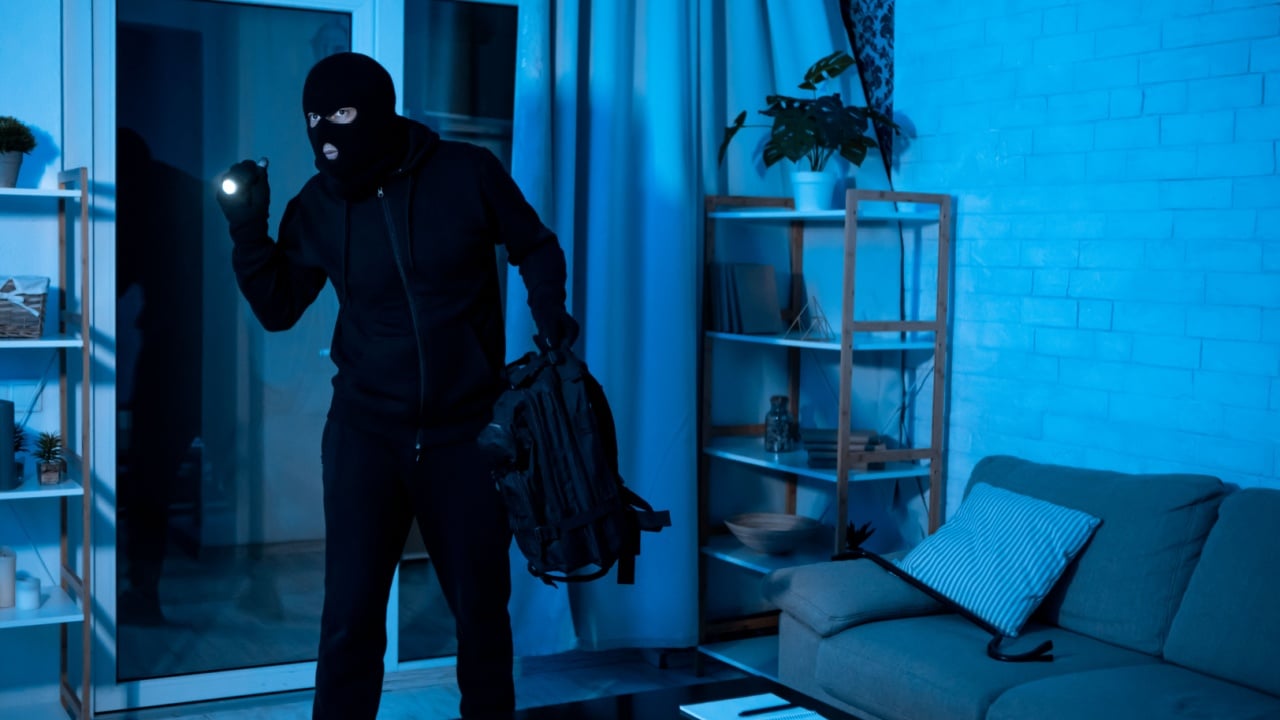
6 Items Burglars Actually Ignore When They Break In
Home break-ins happen fast. A typical burglar spends fewer than ten minutes inside a house. They want to grab small valuables they can quickly sell for cash. Most people worry they will lose everything they own during an intrusion. You might picture criminals clearing out entire rooms and loading moving trucks in the dead of night.
Most criminals actually operate with strict limits. They must carry what they steal while moving quickly to avoid getting caught. Weight and size matter just as much as value. Many valuable items hold no appeal to a thief because they require too much effort to move or carry.
This article breaks down exactly what criminals leave behind. Read on to learn which everyday household items remain perfectly safe during an emergency. Understanding these patterns helps you focus your security efforts on the things thieves actually want to take.
Where We Got Our Data
Our data on what burglars tend to ignore comes from insights shared by home security experts and crime-prevention specialists. These professionals emphasize that thieves focus on small, high-value items that can be quickly resold, while overlooking bulky, low-value, or highly personalized possessions.
By drawing on expert analysis, we’re able to separate myth from reality and give homeowners a clearer picture of what burglars actually leave behind.
1. Large Furniture Pieces
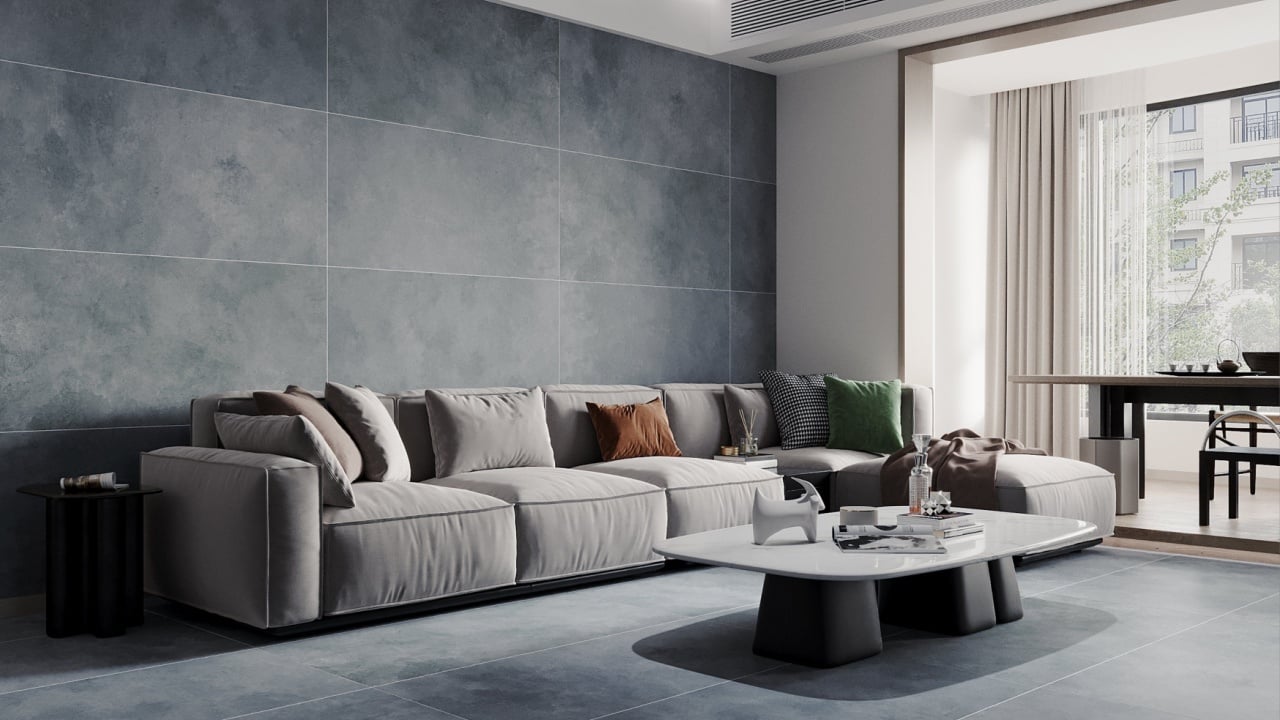
Heavy items like sofas and dining tables stay right where you left them. A thief working alone cannot carry a massive sectional couch out the front door. These items require a team of people and a large vehicle to transport.
The risk of getting caught increases with every extra minute spent moving bulky furniture.
You can use heavy furniture to your advantage when planning home security. Blocking vulnerable ground-floor windows with large dressers makes entry difficult for intruders. Storing small valuables inside heavy safes bolted near massive furniture creates another layer of protection. Thieves will quickly abandon their efforts if they cannot move the obstacle.
2. Books and Photo Albums
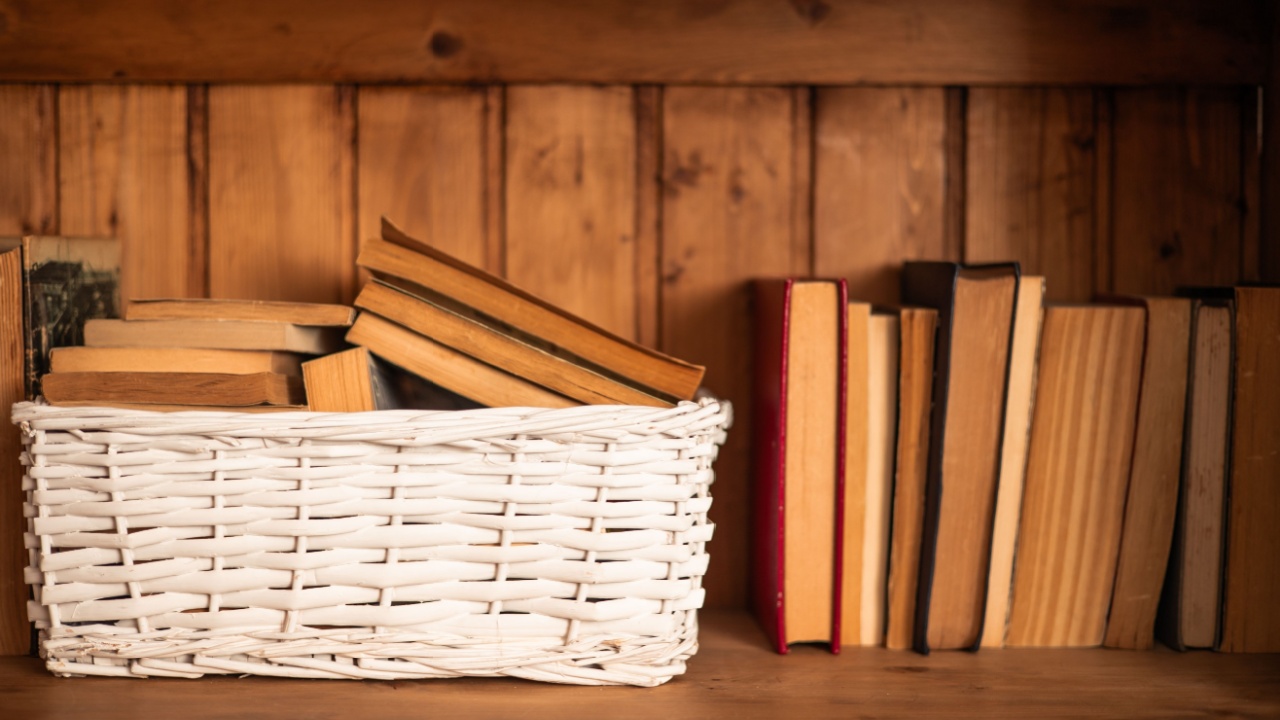
Criminals may skip over your bookshelf entirely. Personal belongings like family photo albums hold deep meaning to you, but carry zero resale value on the street. Used books rarely sell for more than a few pennies at second-hand stores.
Intruders know they cannot make a quick profit from paper goods and family memories.
You can turn this lack of interest into a clever hiding spot. Hollowed-out books blend perfectly into a large library and offer great protection for spare cash. Thieves rush through rooms looking for obvious targets like jewelry boxes. They simply do not have the time to flip through hundreds of novels searching for hidden compartments (although they will if they DO have time).
3. Most Everyday Clothing
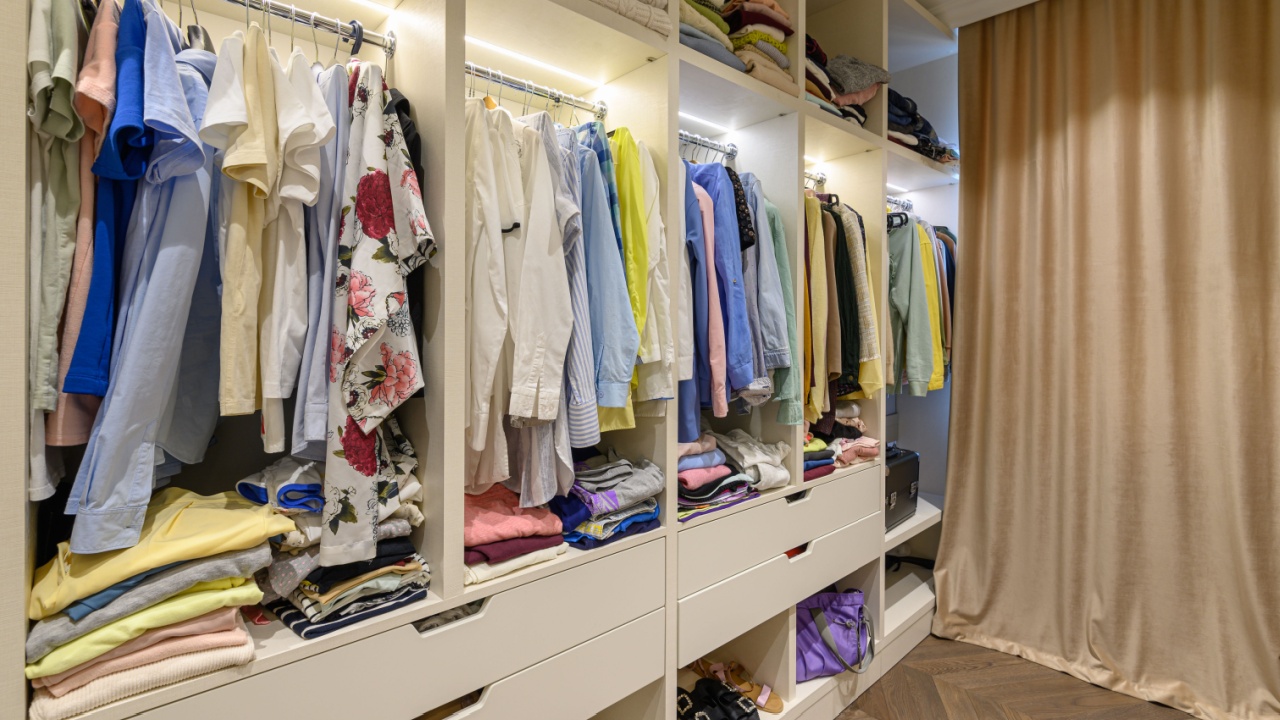
Standard wardrobe items rarely attract criminal attention. Unless you have brand-new designer coats with retail tags still attached, your closet is safe. Used pants and sweaters do not command high prices on the black market.
Burglars prefer compact electronics over piles of worn clothing that take up precious bag space.
Your closet does pose one specific risk you should address. Many people hide valuable jewelry in shoeboxes or coat pockets. Intruders know these common hiding spots and will sometimes dump drawers onto the floor in search of small treasures. Keep your actual clothes in the closet and store high-value items in a secure hidden wall safe instead.
4. Major Household Appliances
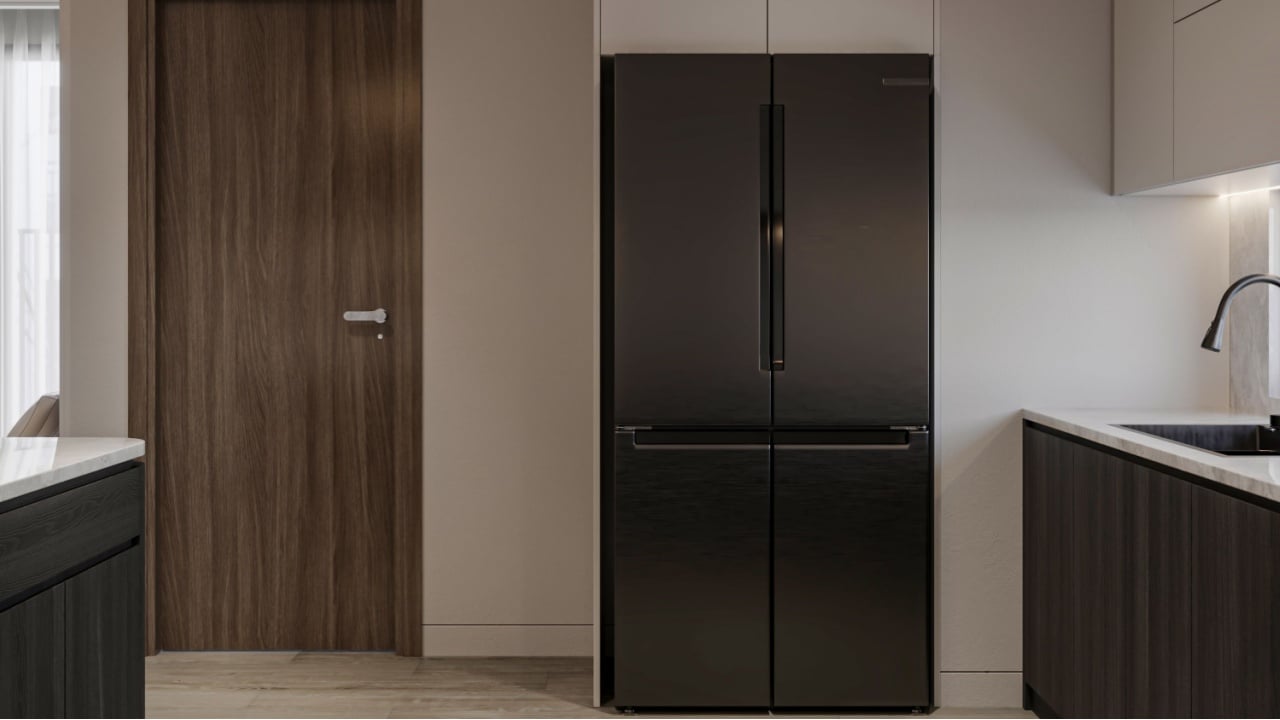
Refrigerators and washing machines stay firmly planted during a robbery. Disconnecting a stove takes specialized tools and significant physical effort. Appliances weigh hundreds of pounds and require carts to move effectively.
A criminal on foot will completely ignore your kitchen appliances because they are impossible to carry away unnoticed.
Taking basic precautions with smaller appliances remains a good idea. While massive ovens stay put, expensive countertop stand mixers or high-end coffee makers might fit into a large bag. But you probably don’t need to worry about your $20 coffee machine or toaster (they’re not worth the hassle).
Keep premium countertop gadgets tucked away in cabinets when you travel. Out of sight means out of mind for a rushed intruder scanning the kitchen.
5. Large Flat Screen Televisions

Massive televisions mounted firmly to the wall present too much of a challenge. Removing a sixty-inch television requires unfastening brackets and managing a fragile screen. One wrong move shatters the glass and destroys any potential profit.
Most criminals leave giant displays alone because they awkwardly obstruct their line of sight while running away.
The TV mount itself serves as a strong deterrent against theft. Use high-quality mounting hardware with locking mechanisms to secure your entertainment system to the wall studs. A thief pulling at a locked bracket will quickly give up and move on to easier targets. Small tablets and laptops need much more protection than massive wall-mounted screens.
6. Unframed Art and Decor
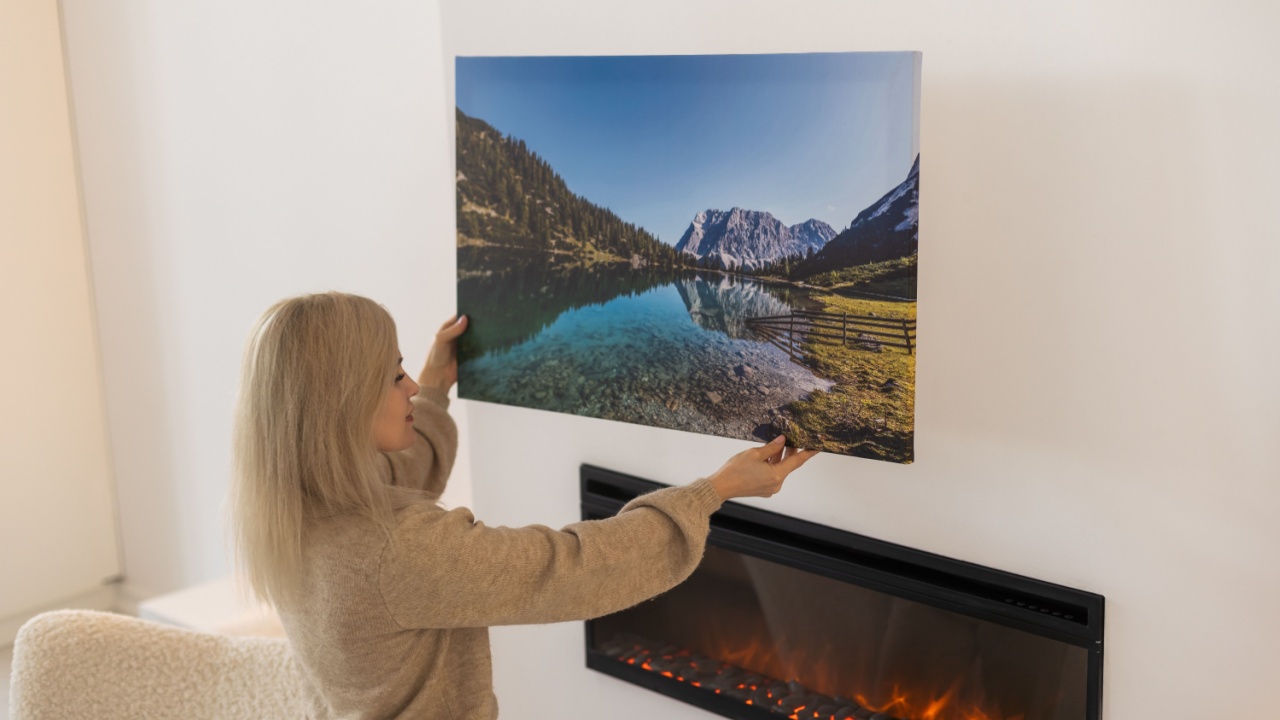
General home decor pieces hold little interest for someone looking for quick cash. Standard vases and unframed canvas prints lack the easy resale market of gold or diamonds.
Art valuation requires specialized knowledge that most street-level criminals lack. They will bypass decorative statues to search for loose cash on a bedside table.
Try to document expensive decorative pieces anyway. Take clear photographs of unique artwork for insurance purposes, just in case damage occurs during a break-in. Keep original purchase receipts in a digital file. While thieves rarely steal these items, they might knock them over in their rush to find other valuables.
Protecting Your Home
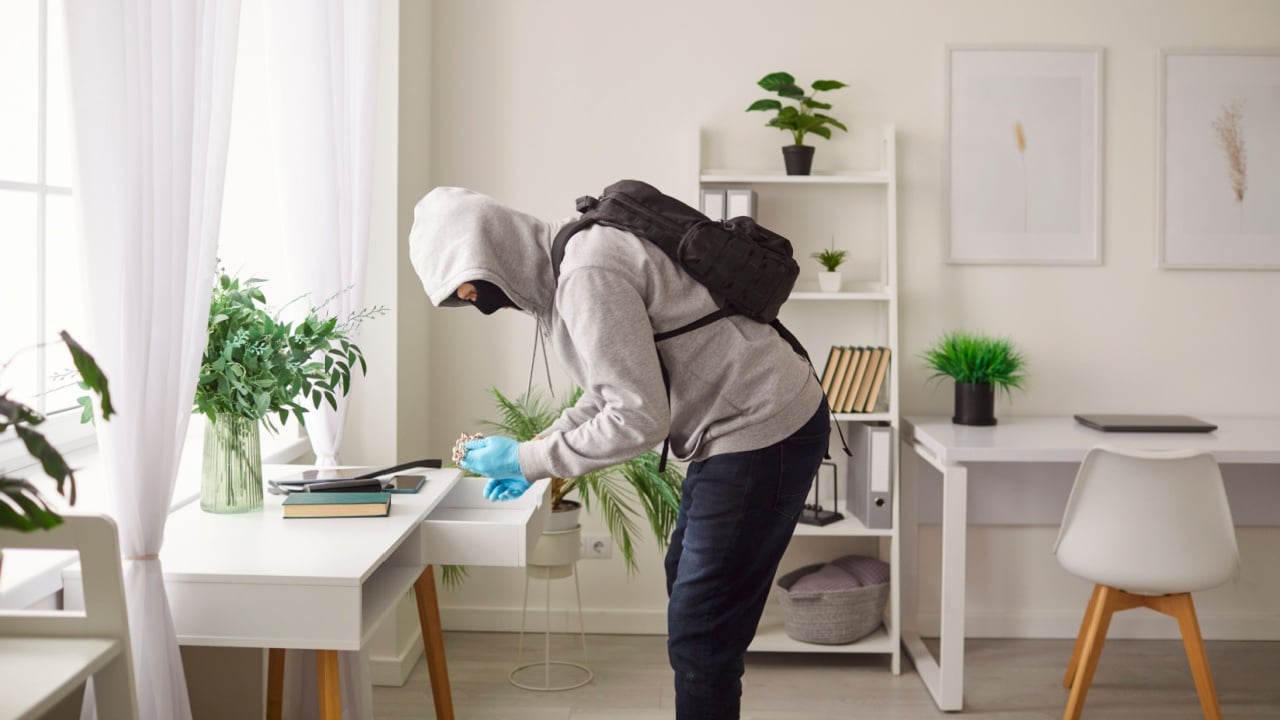
Knowing what thieves ignore helps you understand how they operate. They prioritize speed and easy profits over bulky or personal items. By understanding their limitations, you can make better decisions regarding where you place your actual valuables.
Focus your security measures on small electronics, cash, and jewelry. Use heavy furniture to secure your most prized possessions. Taking simple precautions makes your home a difficult target and keeps your belongings safe from harm.