
6 Household Expenses That Are a Total Waste
Managing a household budget is a skill; yet you can track every penny, clip coupons until your fingers are sore, and still feel like your money is vanishing into thin air. Sometimes, the biggest drains on our wallets aren’t the big, obvious purchases, but the quiet, consistent ones we stop noticing.
What makes these sneaky expenses so frustrating is how easily they blend into the background. A few dollars here, a small fee there, and suddenly your monthly spending looks nothing like what you planned. These costs don’t feel dramatic enough to trigger alarm bells, but over time, they chip away at your financial stability and make it harder to reach your goals.
The good news is that once you know where to look, these hidden drains become much easier to spot—and even easier to fix. A little awareness can help you redirect money toward things that actually matter, rather than letting it slip away on autopilot. Small adjustments often lead to surprisingly big savings.
This article will shine a light on six common household expenses that are likely costing you more than they should. We will explore where your hard-earned cash might be going and identify simple changes that can make a big difference.
1. Extended Warranties

The sales pitch for an extended warranty is always so convincing. For a small extra fee, you can protect your shiny new appliance from any potential disaster. What could go wrong? Well, your bank account could go wrong. Most major appliances come with a manufacturer’s warranty that covers defects for a reasonable period.
The odds of a new, quality product breaking down right after that initial warranty expires but before the extended one does are surprisingly low. Instead of paying extra for a “just in case” scenario that rarely happens, consider a different approach. Set aside the money you would have spent on the warranty into a dedicated savings account for home repairs. If an appliance does fail unexpectedly, you have the funds to cover it. If it doesn’t, that money remains yours to use for something you actually need or want.
2. Flashy Feature Appliances

Appliance shopping can feel like wandering through a futuristic showroom. Refrigerators with touch screens, ovens that connect to Wi-Fi, and washing machines with dozens of cycles all beckon. These high-tech features are exciting, but they also come with a much higher price tag. Before you get dazzled by the technology, ask yourself a simple question: Will I actually use these features? Often, the answer is no.
A reliable, well-built appliance with standard functions will clean your clothes and chill your food just as effectively as its “smarter” counterpart. Focusing on build quality, energy efficiency, and positive user reviews over flashy add-ons will save you a significant amount of money upfront. The novelty of a Wi-Fi-enabled toaster wears off quickly, but the money you saved will provide lasting satisfaction.
3. Energy Vampires
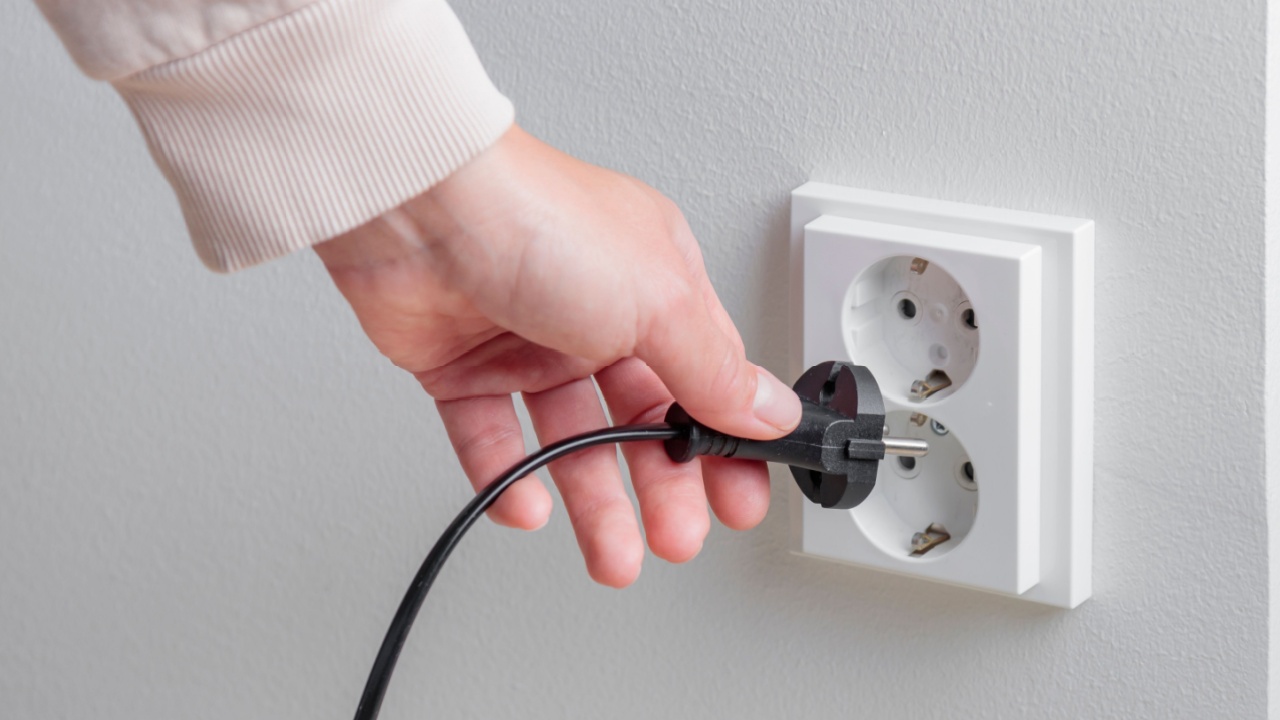
There’s a silent drain on your electricity bill happening right now. It comes from devices that are turned off but still plugged in. These “energy vampires” include your television, coffee maker, computer, and phone chargers. In standby mode, they continue to pull a small amount of power, and while it might seem insignificant, it adds up across all the electronics in your home, 24 hours a day.
This steady trickle of energy can account for a noticeable portion of your monthly utility bill. The solution is simple: unplug them. For items that are inconvenient to unplug daily, like your entertainment center setup, use a power strip. With the flip of a single switch, you can cut off the power to multiple devices at once.
4. Commercial Cleaning Supplies

The cleaning aisle at the grocery store presents a specialized spray, wipe, and scrub for every imaginable surface. There’s a cleaner for glass, one for wood, another for stainless steel, and a different one for countertops. Buying all these products is expensive, and it also clutters your cabinets.
The secret that cleaning supply companies don’t want you to know is that a few basic ingredients can handle most household chores effectively. A simple solution of white vinegar and water in a spray bottle can clean windows, countertops, and floors. Baking soda works wonders as a gentle abrasive for scrubbing sinks and tubs. By creating your own cleaners, you save money, reduce plastic waste, and control the ingredients being used in your home.
5. A Storage Unit

That off-site storage unit can feel like a lifesaver when you’re moving or just need to clear some space. At first, the monthly fee seems manageable. But months turn into years, and that “temporary” solution becomes a permanent expense. Do the math: a unit costing $100 a month adds up to $1,200 a year. Are the items you’re storing truly worth that much to you? In many cases, people are paying to store things they haven’t looked at or used in years.
Confronting the contents of your storage unit can be a big task, but the financial reward is substantial. Dedicate a weekend to sorting through your belongings. Decide what is truly essential or sentimental, and be honest about what you can sell, donate, or discard. Eliminating that monthly rental fee is like giving yourself a pay raise, and you might even make a little extra cash by selling the items you no longer need.
6. Private Mortgage Insurance (PMI)

For homeowners who made a down payment of less than 20%, Private Mortgage Insurance, or PMI, is a familiar expense. It’s a type of insurance that protects the lender, not you, in case you default on your loan. This extra payment is rolled into your monthly mortgage, and it can add a significant amount to your housing costs over the years. It provides you with no direct benefit; it’s simply the cost of having a smaller down payment.
You don’t have to keep PMI forever. As you pay down your mortgage and your home’s value rises, your equity grows. Once your loan-to-value ratio hits 80% (20% equity), you can ask your lender to cancel PMI. By law, lenders must automatically remove it when your balance reaches 78%. Monitor your mortgage statements and home value closely; removing PMI as soon as possible can save you thousands over your loan’s lifetime.
What to Do Next

Trimming down those pesky household expenses comes down to a few intentional choices. Take a look at these six areas and see which ones ring true for your own spending style. Maybe all it takes is getting in the habit of unplugging electronics before bed or mixing up a batch of homemade cleaner.
Even these simple moves can free up more room in your budget. Skip the expensive pitfalls and put that extra cash toward something fun, meaningful, or just a little less stressful for your wallet.
Read more
14 Household Staples Costing You More Than They’re Worth
14 Home Expenses Draining Your Budget Faster Than You Realize