
14 Home Expenses Draining Your Budget Faster Than You Realize
Many homeowners look at their monthly bank statements and wonder exactly where their hard-earned money went. Small daily choices and overlooked maintenance tasks quietly chip away at your bank account without drawing any attention. You might budget carefully for groceries and mortgage payments, completely missing the hidden costs sitting right inside your own living space.
Understanding these invisible financial leaks gives you the power to take control of your monthly spending. Every house contains systems and habits that consume more resources than necessary, driving up utility bills and service fees. When you identify these specific areas of waste, you can keep more cash in your wallet each month while running a much more efficient household.
This guide highlights fourteen common expenses that secretly drain your finances right under your nose.
1. Sprinkler System Leaks
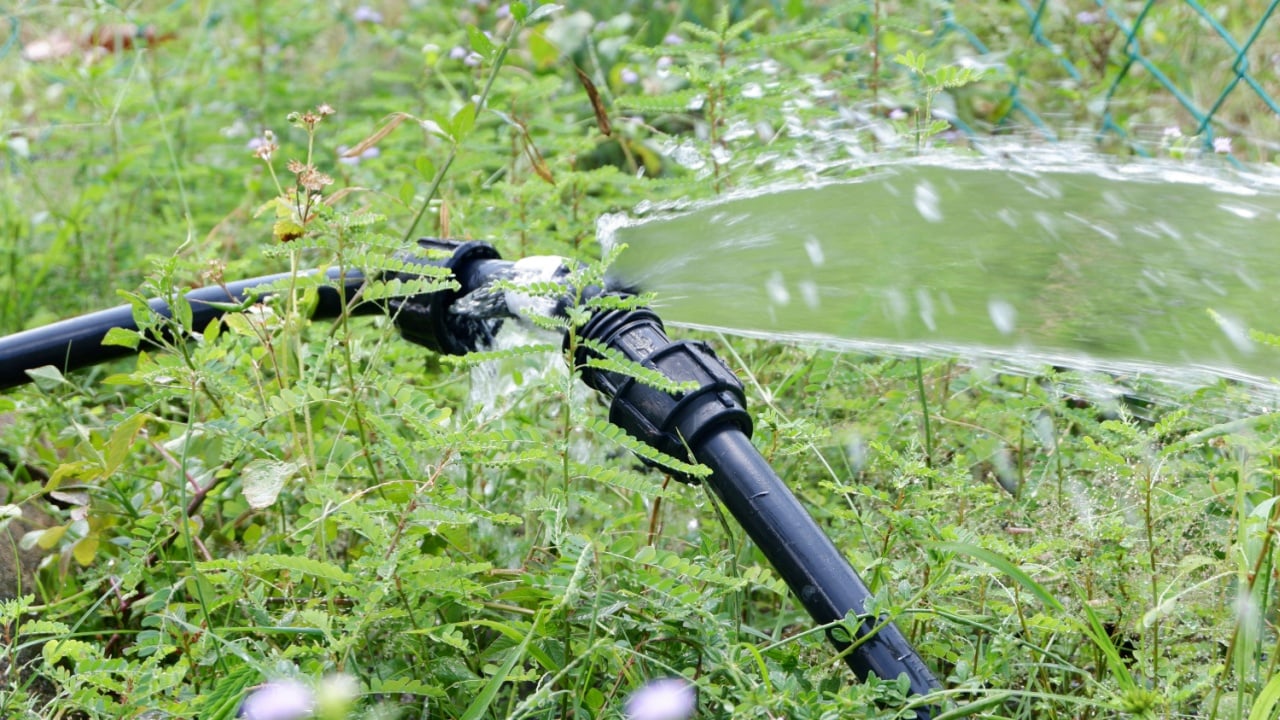
Hidden leaks in your irrigation setup waste massive amounts of water before you even notice a problem in the yard. A single faulty valve or cracked hose can easily dump thousands of gallons of excess water into the ground every month, spiking your utility bill dramatically. Many homeowners ignore these systems until a visible puddle forms, paying for wasted water long before spotting the actual defect.
Inspect your hoses and sprinkler heads at the start of every spring season to catch small cracks early. Replacing a broken sprinkler head costs very little and takes only a few minutes, saving you hundreds of dollars in water charges throughout the summer months. Regular maintenance keeps your yard green while protecting your monthly budget from unexpected utility spikes.
2. Incorrect Ceiling Fan Direction
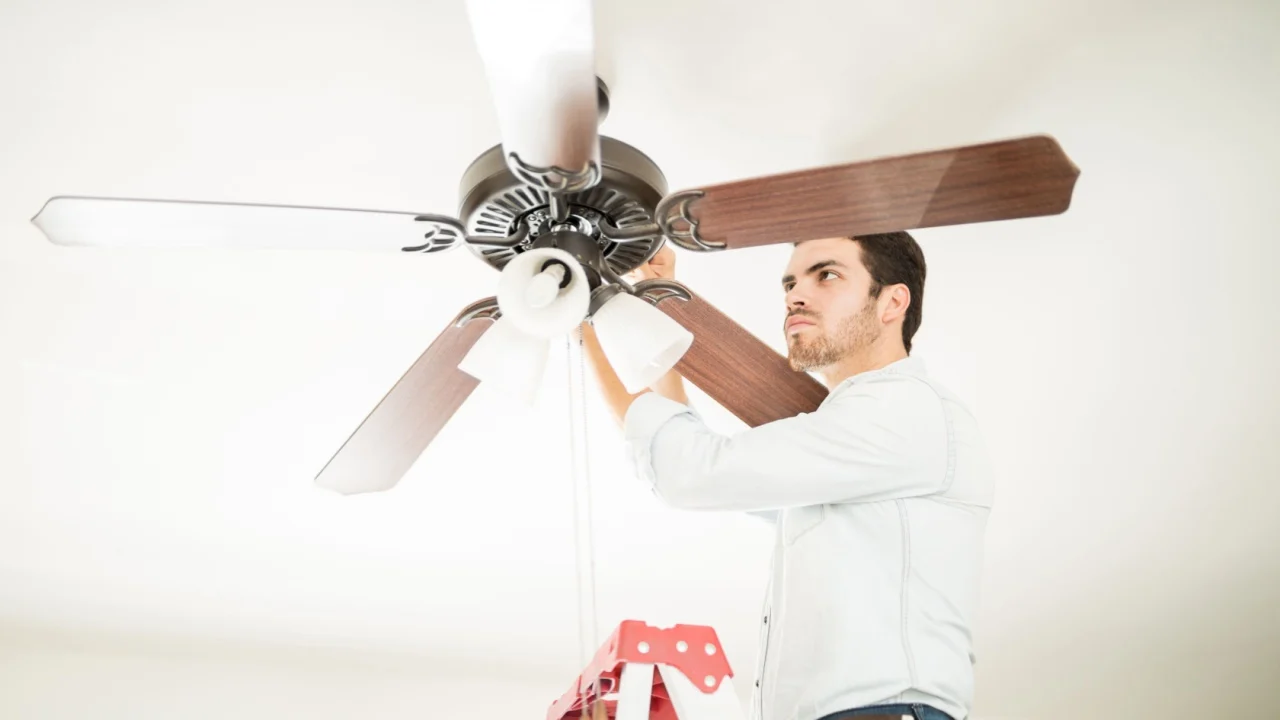
Running your ceiling fans in the wrong direction forces your heating and cooling systems to work much harder. Fans should spin counterclockwise during the summer to push cool air down, creating a breeze that makes the room feel cooler. During winter months, the blades need to spin clockwise to gently push warm air trapped near the ceiling back down into your living space.
Adjusting this simple switch on the base of your fan takes seconds and yields immediate savings on your utility bills. By optimizing air circulation based on the season, you can adjust your thermostat by a few degrees without sacrificing personal comfort. This small adjustment reduces the burden on your HVAC unit and keeps your monthly energy costs low.
3. Frequent Cleaning Services

Hiring professionals to clean your house regularly takes a massive bite out of your annual budget. While having someone else scrub the floors saves you time, paying weekly or biweekly fees adds up to thousands of dollars by the end of the year. Many people view this service as a necessity, forgetting how manageable routine cleaning becomes with a good schedule.
Taking over your household chores can free up a substantial amount of cash in your bank account. Basic supplies like white vinegar, baking soda, and dish soap cost pennies and clean just as effectively as expensive commercial products. Setting aside twenty minutes a day for basic tidying prevents messes from piling up and eliminates the need for expensive outside help.
4. Dirty Air Filters
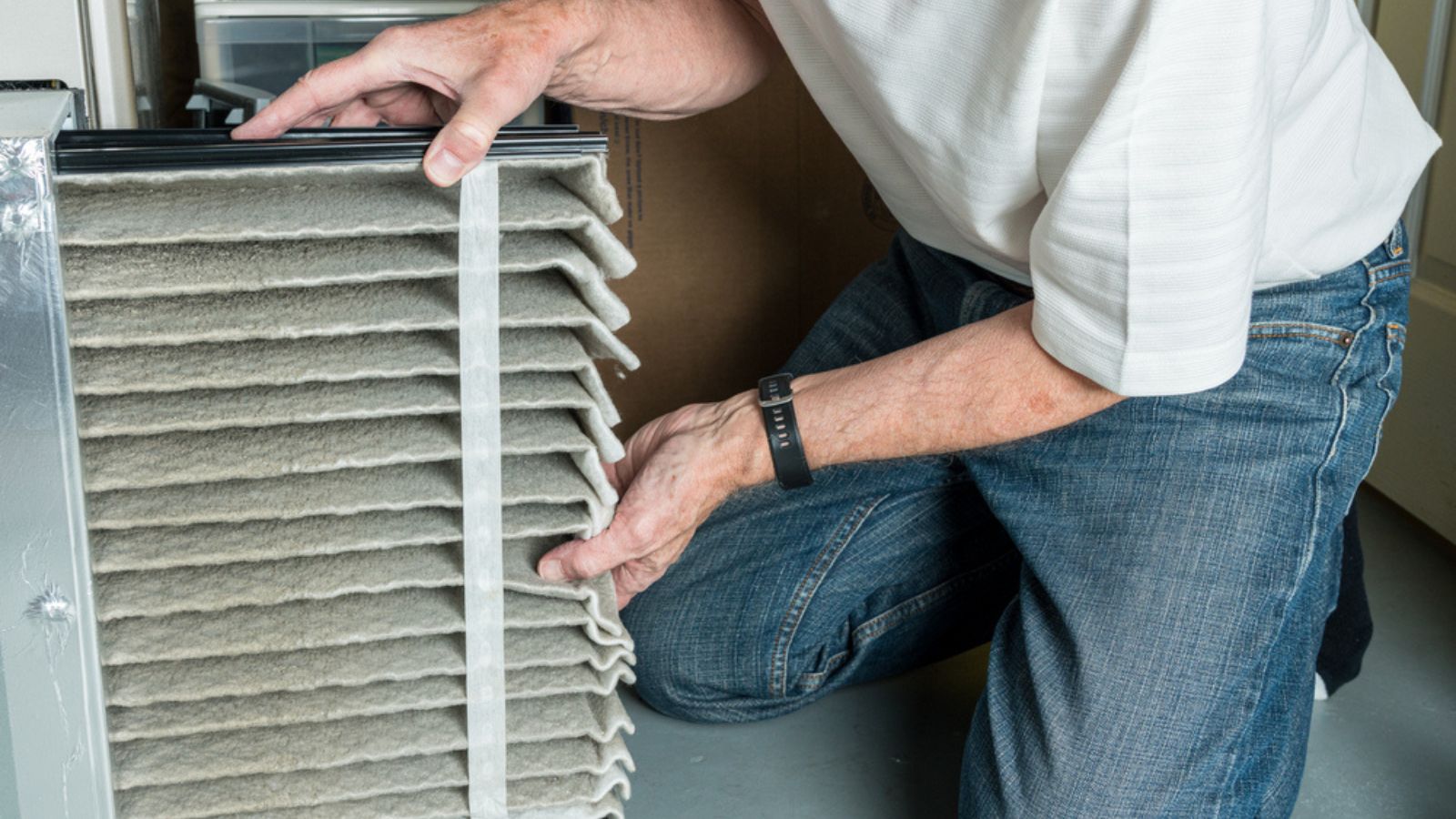
Leaving old air filters inside your HVAC system blocks airflow and destroys energy efficiency. When your heating and cooling equipment tries to push air through a wall of dust and pet hair, the internal motors draw significantly more electricity to do their job. This extra strain raises your monthly utility bill and drastically shortens the lifespan of your expensive machinery.
Mark your calendar to replace these filters every thirty to sixty days, depending on the season and your household pets. Buying multi-packs of standard filters from the hardware store keeps your costs low and gives you a steady supply for the entire year. Breathing cleaner air while simultaneously lowering your energy expenses makes this quick chore incredibly valuable.
5. Extreme Thermostat Settings

Blasting the air conditioning in July or cranking the heat up high in January destroys any chance of a reasonable energy bill. Every degree you move the dial away from the outside temperature, your system consumes significantly more power. Dressing appropriately for the season allows you to keep the thermostat at a moderate temperature year-round.
Wearing a sweater indoors during winter or using lightweight clothing in summer reduces your reliance on artificial climate control. Installing a programmable thermostat automatically adjusts the temperature when you sleep or leave for work, saving you money effortlessly.
6. Buying Daily Staples in Small Batches

Purchasing household essentials in single quantities guarantees you pay the absolute highest price per unit. Running to the store every time you need a new bottle of shampoo, a single roll of paper towels, or a small bag of rice hurts your budget. Retailers rely on this convenience shopping to maximize their profits at your expense.
Buying your most frequently used items in bulk sizes from warehouse stores dramatically lowers your overall grocery spending. You consume staples like laundry detergent and toilet paper at a predictable rate, making them perfect candidates for large purchases. Storing these extra supplies requires a little extra space in your pantry, but the financial savings make the effort worthwhile.
7. Disposable Paper Products

Relying on paper towels, disposable plates, and single-use napkins creates a constant financial drain in your kitchen. Buying new paper goods every week or month essentially means you throw your hard-earned cash directly into the garbage can. The environmental waste matches the financial waste, as these products serve their purpose for a few seconds before ending up in a landfill.
Replacing paper items with durable cloth alternatives provides an immediate and lasting financial benefit. Microfiber cleaning cloths, fabric napkins, and ceramic dishes handle daily tasks perfectly and wash easily with your regular laundry or dishwasher loads. Once you purchase the reusable items, you eliminate that entire category of spending from your weekly grocery runs.
8. Multiple Cable and Streaming Subscriptions

Paying for traditional cable television alongside four or five different streaming platforms creates a massive monthly media bill. Most people only watch a handful of specific shows, yet they pay premium prices for hundreds of channels they completely ignore. These subscriptions auto-renew silently, making it incredibly easy to forget how much money leaves your account each month.
Cancel the traditional cable package and choose just one or two streaming services that currently air your favorite shows. You can always rotate your subscriptions, canceling one platform and activating another when a new series premieres. Managing your media consumption actively stops entertainment companies from quietly draining your bank account every single month.
9. Old Incandescent Light Bulbs

Keeping outdated incandescent light bulbs in your fixtures forces you to buy extra electricity every time you flip a switch. These older bulbs generate more heat than actual light, wasting massive amounts of power to illuminate a room. They also burn out rapidly, requiring constant replacement and additional trips to the hardware store.
Swapping every bulb in your house to modern LED options creates an immediate drop in your monthly energy usage. LEDs use a tiny fraction of the electricity and easily last for years without needing a replacement. The initial cost to upgrade your fixtures pays for itself rapidly through permanently lower utility bills.
10. Electronics Left Plugged In
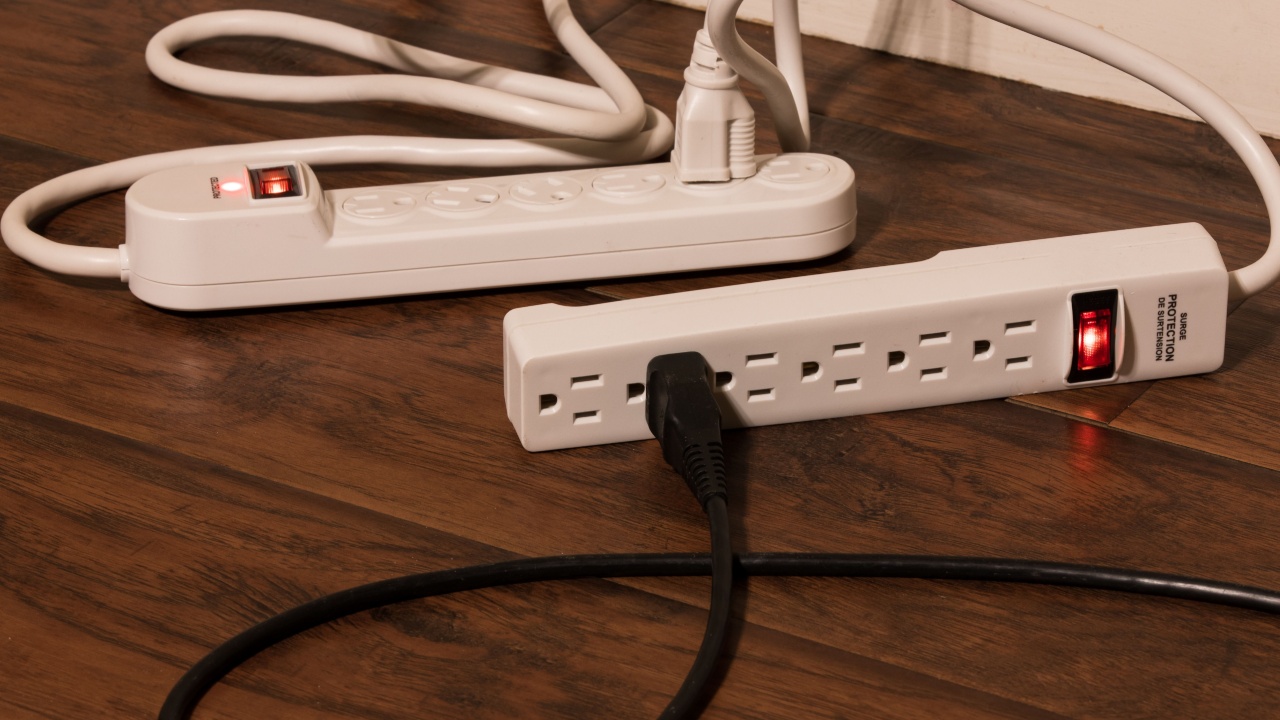
Computers, televisions, and kitchen appliances continue to draw small amounts of electricity even when turned off completely. This phantom power drain constantly pulls current from your wall outlets, adding unnecessary charges to your monthly utility bill. Most people leave their entire entertainment center and home office plugged in constantly, wasting money twenty-four hours a day.
Connect your heavy electronics to quality power strips that feature an actual on and off switch. Flipping one switch cuts the power supply to the entire cluster of devices, stopping the phantom energy drain instantly. Unplugging small kitchen appliances like toasters and coffee makers when not in use also helps reduce this hidden electrical waste.
11. Professional Landscaping Services

Paying a weekly crew to mow your lawn and trim your hedges takes a large chunk out of your disposable income. Professional landscaping is expensive; companies charge premium rates for basic labor you can easily do yourself on a Saturday morning. Relying on outside help for simple yard maintenance turns a basic homeownership task into a luxury expense.
Treating yard work as healthy physical exercise saves you money and gets you out in the fresh air. If maintaining a massive lawn feels overwhelming, consider replacing sections of grass with native plants that require almost zero maintenance. Reducing your reliance on hired help keeps your outdoor space looking great while protecting your financial goals.
12. High Water Heater Temperatures
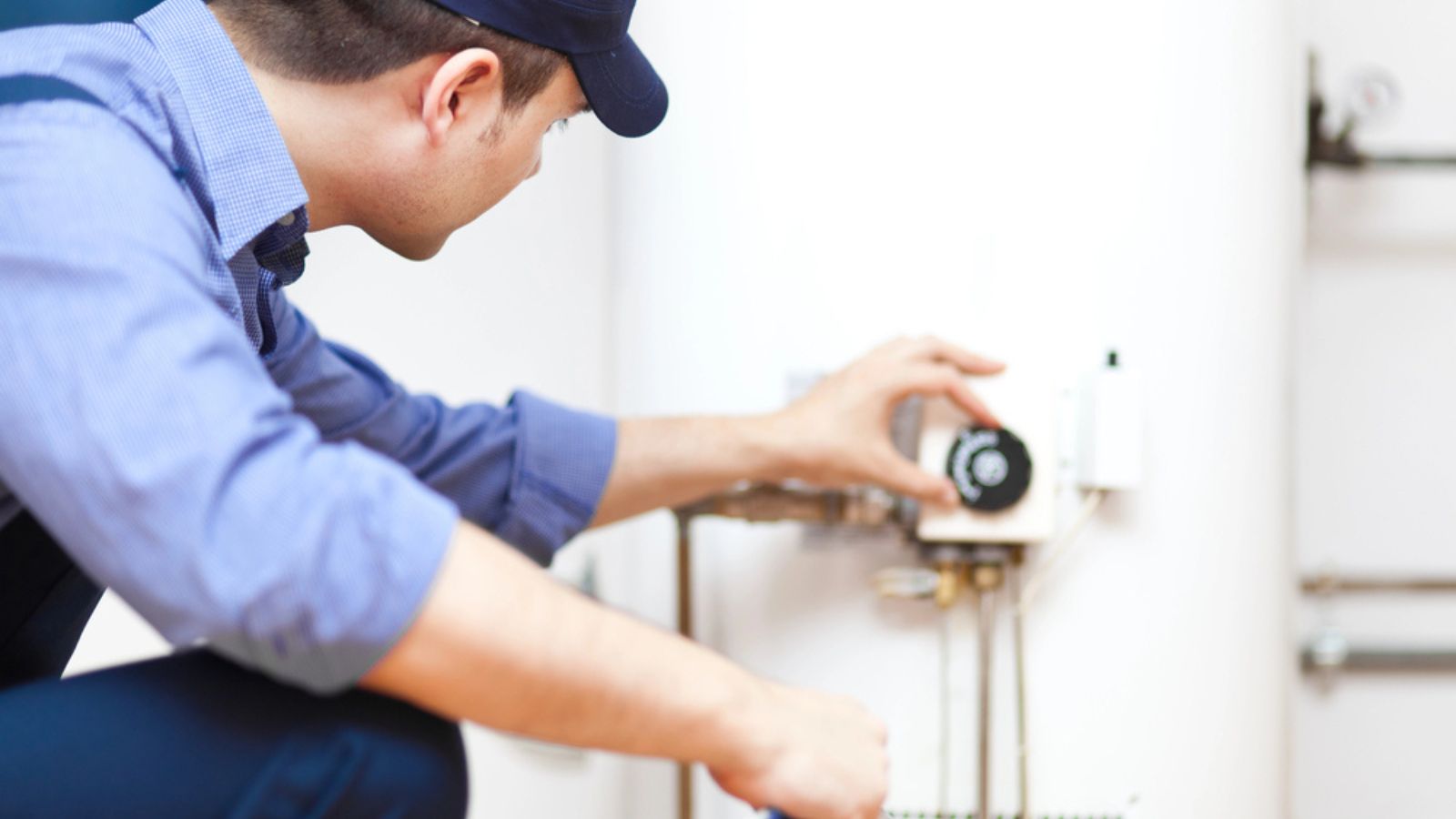
Most manufacturers set new water heaters to extremely high temperatures right out of the box. Heating gallons of water to these scalding levels forces the appliance to consume excess energy around the clock. According to the US Department of Energy, the ideal water temperature should be about 120 degrees Fahrenheit.
Lowering the thermostat dial on your water heater to a moderate setting stops this continuous waste of electricity or gas. You will still enjoy hot showers and clean dishes without paying to keep a massive water tank near the boiling point. This five-minute adjustment requires no special tools and provides ongoing savings every single month.
13. Running Half Loads in Washing Appliances
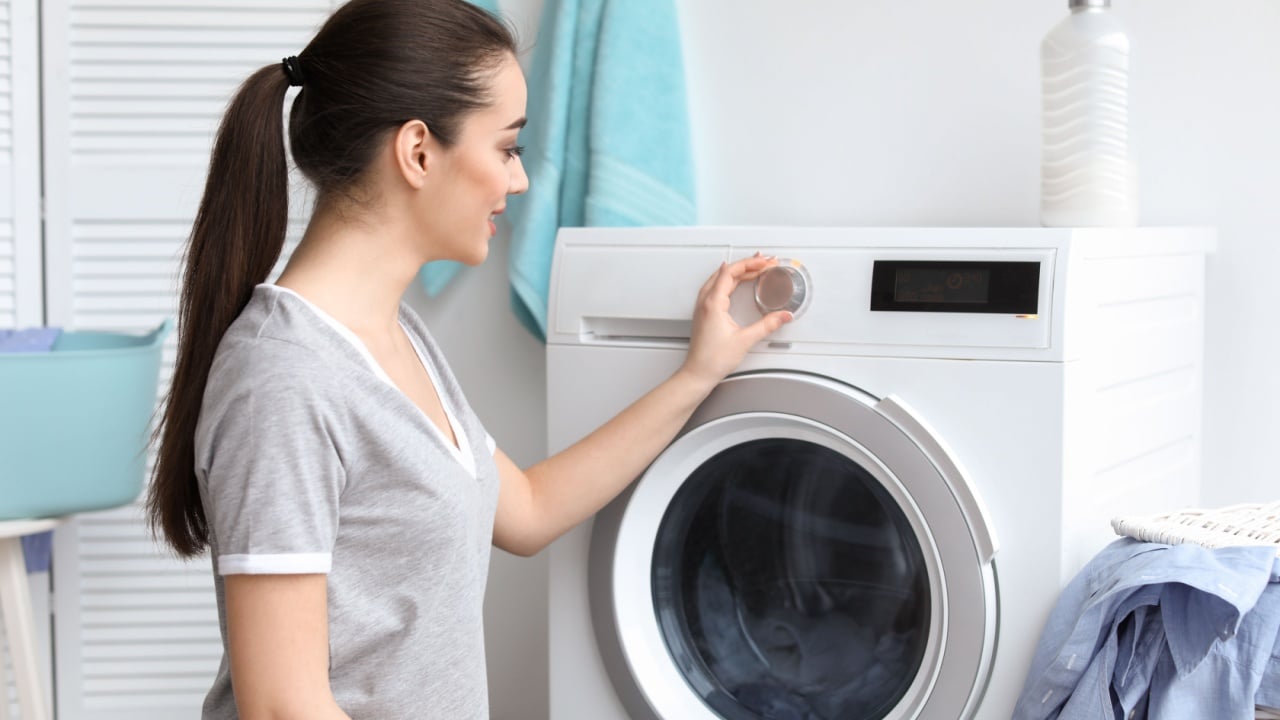
Starting your dishwasher or washing machine when it is only half full wastes both water and electricity. These large appliances use the exact same amount of energy to clean two shirts as they do to clean an entire basket of clothing. Running partial loads doubles the number of times you need to run the machines, wearing out the motors twice as fast.
Wait until you have a full load before turning on your major cleaning appliances. If you find yourself frequently needing specific items washed quickly, buy a few extra pairs of essential clothing to stretch the time between laundry days. Maximizing the capacity of every wash cycle slashes your water usage and lowers your electric bill.
14. Ignored Drafty Windows and Doors
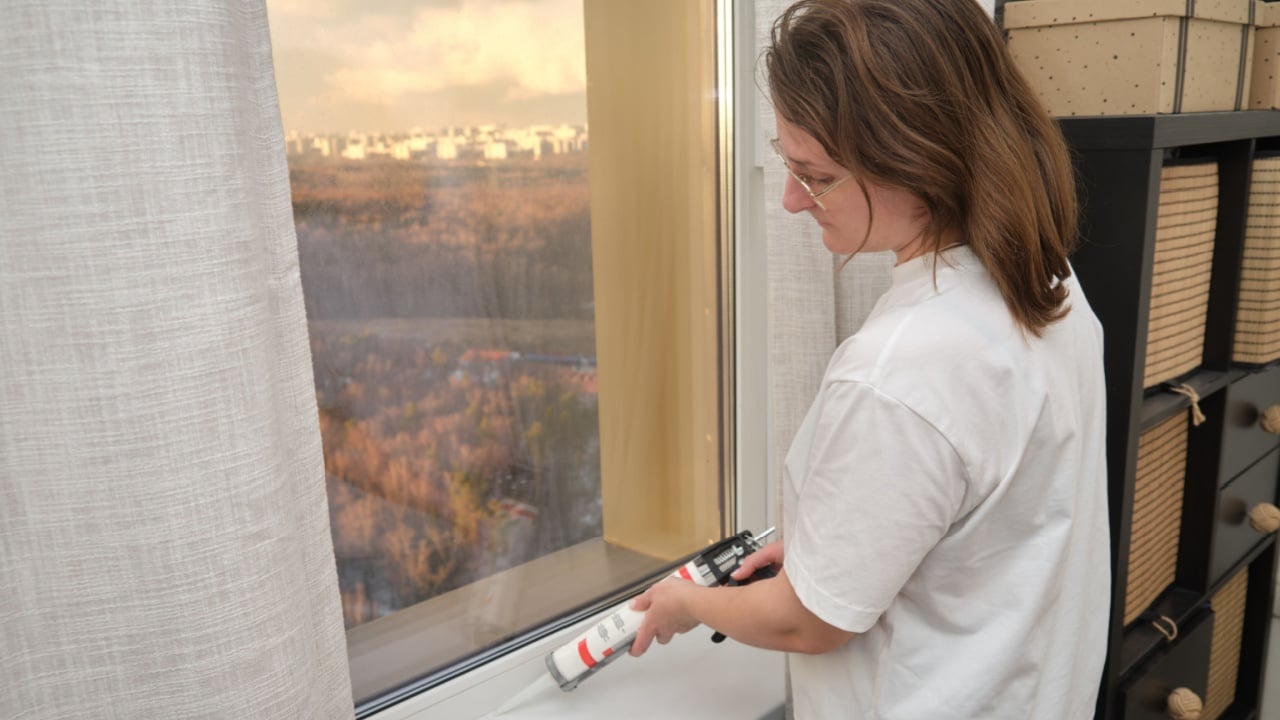
Gaps around your exterior doors and windows allow your expensive, climate-controlled air to leak right out into the neighborhood. You pay to heat and cool your living space, but poor seals let that comfortable air escape while bringing outside drafts indoors. Your HVAC system must constantly run to replace the lost air, driving your utility bills through the roof.
Buying inexpensive weather stripping and a tube of caulk solves this expensive problem in a single afternoon. Sealing the visible gaps blocks drafts and keeps your indoor temperature stable for much longer. Spending twenty dollars on basic sealing supplies stops the constant loss of expensive treated air.
Securing Your Household Budget
Taking action against these hidden drains transforms your monthly budget and leaves you with more disposable income. You do not need to make drastic lifestyle changes to stop wasting money on inefficient home maintenance and poor daily habits. A few minor adjustments to your appliances and shopping routines create massive financial savings year after year.
Review your own living space this week to identify which of these common traps apply to your current situation. Fixing just three or four of these issues right now puts immediate cash back into your pocket. Protecting your wallet requires active attention, and sealing up these financial leaks puts you firmly in control of your household spending.
Read More: