5 Home Upgrades Never Worth the Money
Home improvement shows have a certain magic, don’t they? A tired, dated space transforms into a modern marvel in under an hour, minus the commercial breaks. This can spark a powerful urge to renovate.
Before you take a sledgehammer to a perfectly good wall or drain your savings on the latest trends, it’s wise to consider which upgrades actually provide value. This guide will walk you through five popular home projects that often cost more than they are worth, helping you make smarter decisions for your space and your wallet.
1. Knocking Down Walls for an Open Floor Plan
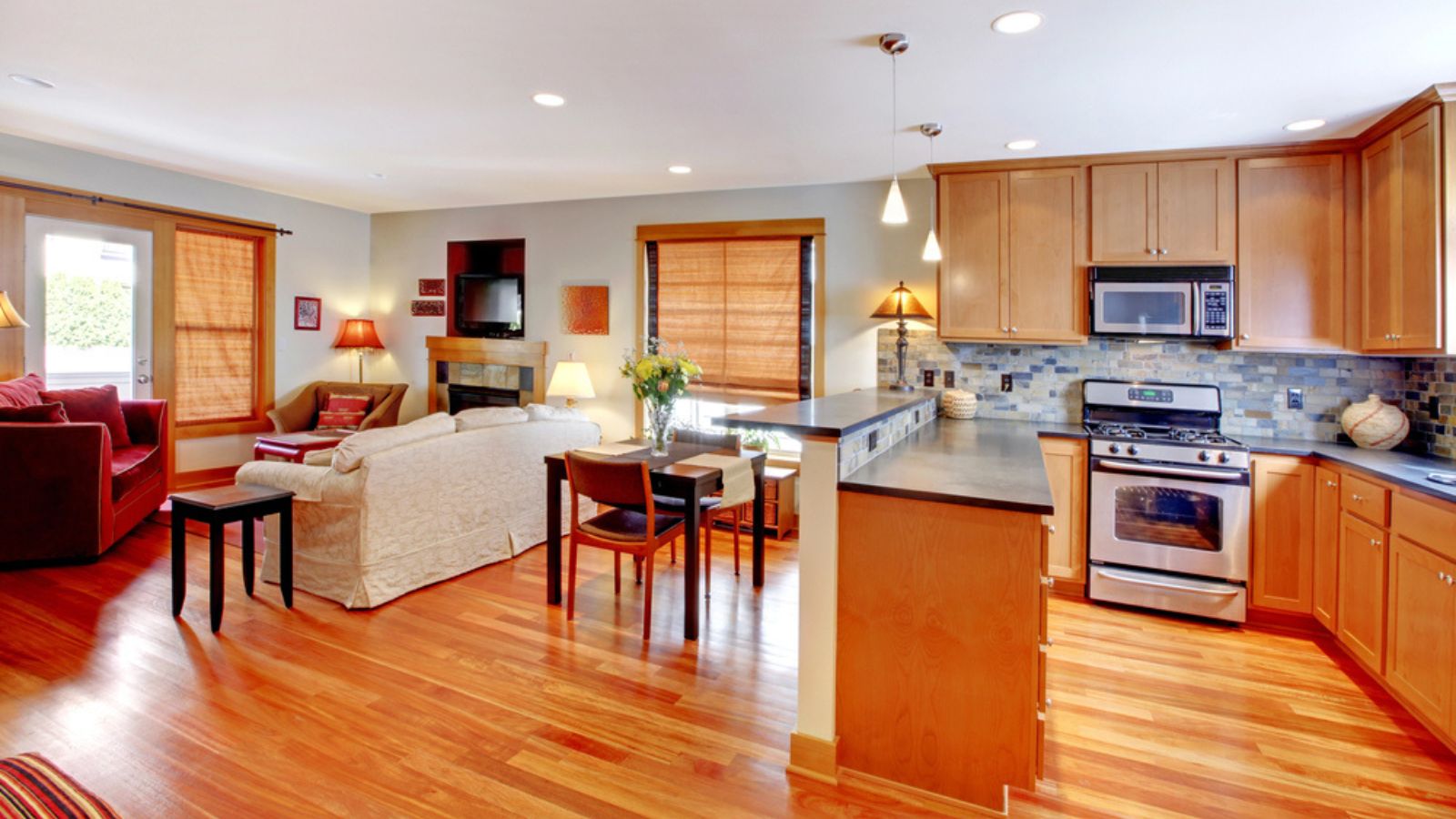
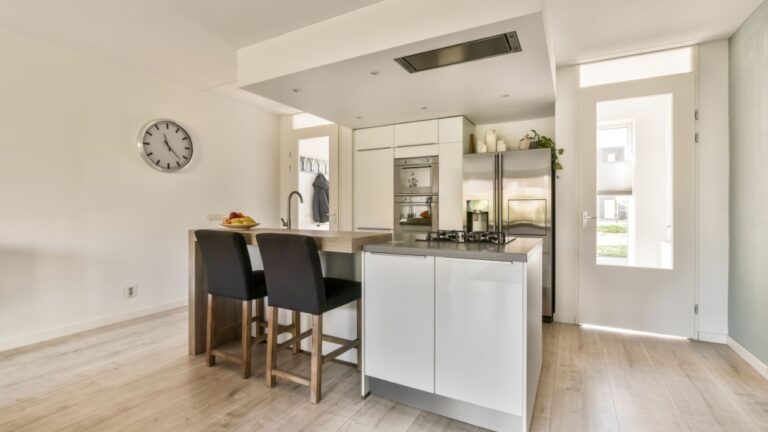
The open-concept floor plan has been a dominant trend for years. The idea of a vast, airy space where the kitchen flows into the living room is appealing. The reality, however, can be less glamorous. Removing walls is a major structural job that often involves rerouting electrical wiring, HVAC ductwork, and plumbing. These complications can quickly inflate your budget.
Beyond the cost, living in a wide-open space has its downsides. Cooking smells from the kitchen will waft directly into your living area. Noise travels freely, making it difficult for family members to enjoy different activities at once. You also lose valuable wall space for art, furniture, and storage. Before committing to demolition, consider if a more defined layout might better suit your lifestyle.
2. Replacing Cabinets Instead of Refinishing

A kitchen renovation often tops the home improvement wish list, and cabinets are a major focal point. The immediate thought might be to rip out the old and install the new. This is one of the most expensive parts of a kitchen remodel. Custom or even semi-custom cabinetry can consume a huge portion of your budget.
Unless your existing cabinets are falling apart, a refresh can be just as effective. A professional paint job can completely change the look and feel of your kitchen for a fraction of the cost of new units. Updating the hardware, like handles and knobs, is another simple, low-cost change with a big impact. This approach saves money and reduces landfill waste, giving your sturdy old cabinets a new lease on life.
3. Adding Purely Decorative Wood Beams

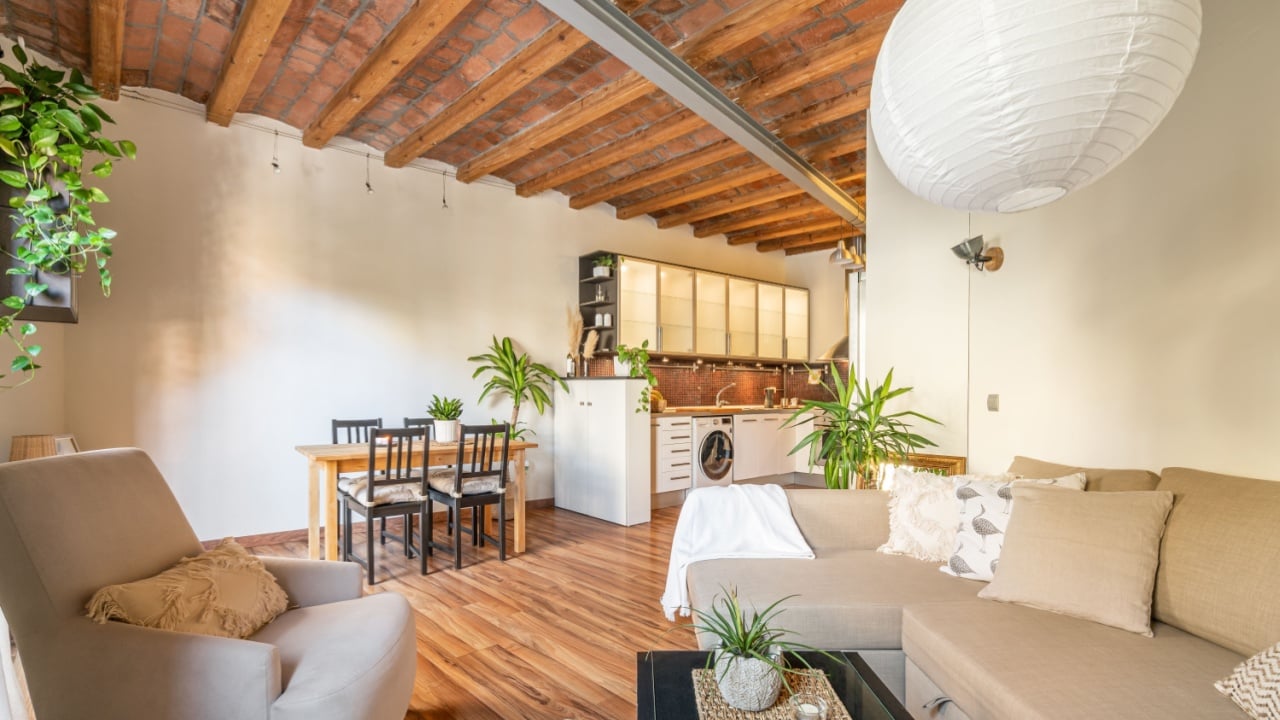
Exposed wood beams can add rustic charm and architectural interest to a room. If your home has original, structural beams, highlighting them is a great idea. However, installing solid wood beams purely for looks is an expensive aesthetic choice. The cost of the beams themselves, plus the complex labor required to securely mount them to the ceiling, adds up fast.
These decorative additions offer no structural support and do little to increase your home’s long-term value. If you love the look, there are more affordable alternatives. Lightweight faux beams made from high-density polyurethane are easier to install and can look surprisingly realistic. This gives you the desired visual effect without the massive expense and engineering challenges.
4. Chasing Uniform Metal Finishes
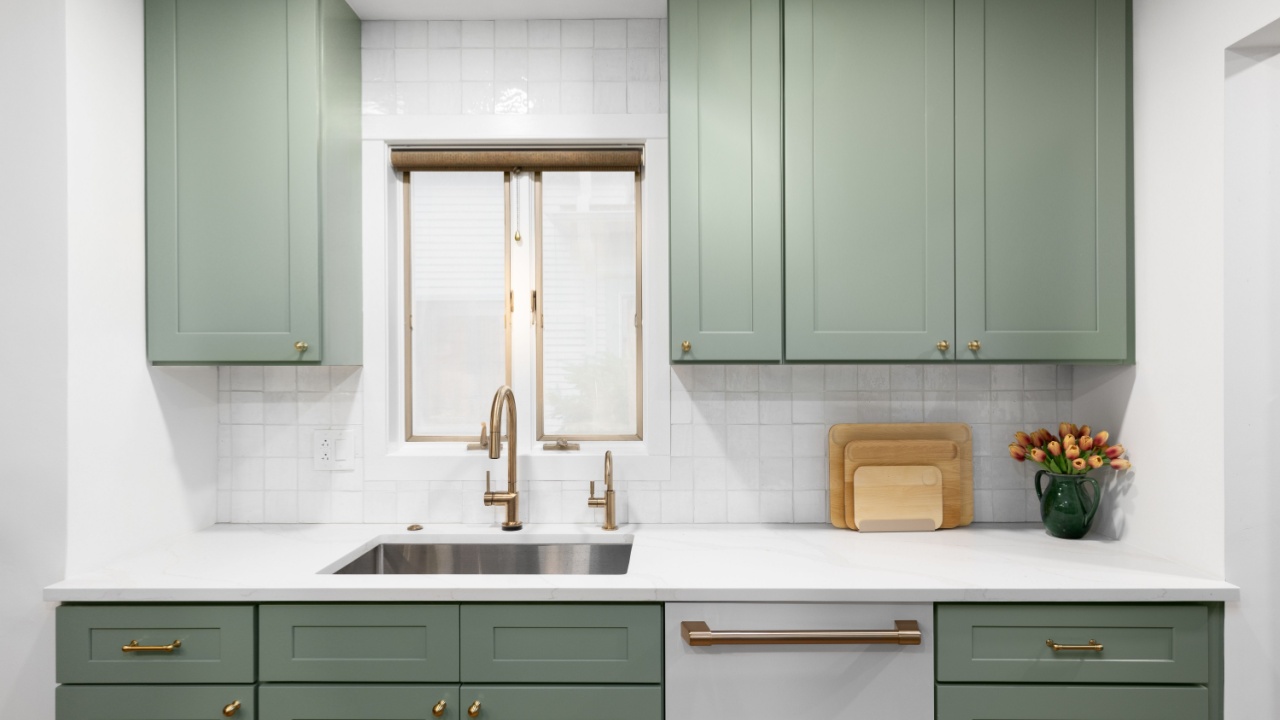
It was once a design rule that all metal finishes in a room had to match. If the faucet was brushed nickel, so were the cabinet pulls, light fixtures, and doorknobs. This pursuit of uniformity can lead to needless spending, especially if you have perfectly functional fixtures that just happen to be the “wrong” color.
Modern design encourages mixing metals. A combination of brass, chrome, and matte black, for example, can create a layered, sophisticated look. This approach allows you to update elements gradually as your budget allows, rather than replacing everything at once. Focus on replacing fixtures that are broken or truly outdated, and don’t worry about achieving a perfect match.
5. Installing High-End Custom Appliances
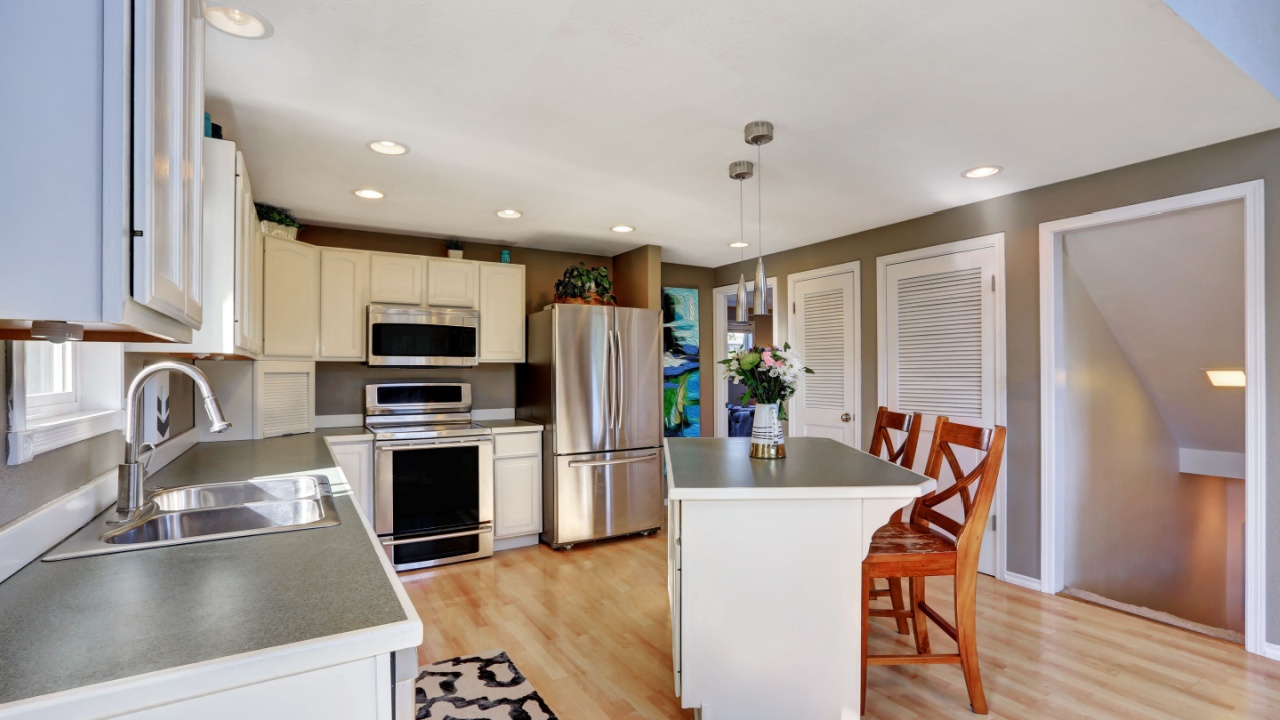
Walking through an appliance showroom can be dazzling. Refrigerators with smart screens and ovens with a dozen cooking modes are tempting. But do you really need a commercial-grade range to make your weeknight dinners? High-end, style-driven appliances come with a significant price tag, and their specialized parts can be costly to repair or replace.
For most households, reliable, mid-range appliances from reputable brands will perform just as well for daily tasks. Focus on energy efficiency and the features you will genuinely use. The thousands of dollars saved can be allocated to other parts of your home improvement budget where they will have a greater impact.
Making Smart Choices for Your Home

Improving your home should be a rewarding experience, not a source of financial stress. The most successful projects are those that balance aesthetics with practicality and budget. Instead of chasing fleeting trends or undertaking massive renovations, focus on targeted updates that enhance how you live in your space.
A fresh coat of paint, new lighting, or simply deep-cleaning and decluttering can have a transformative effect. Before starting any project, ask yourself if the change will genuinely improve your daily life and if the cost aligns with the value it brings. A thoughtful approach will help you create a home you love without the burden of an unworthy investment.