14 Foods to Never Store in Plastic for Our Health’s Sake
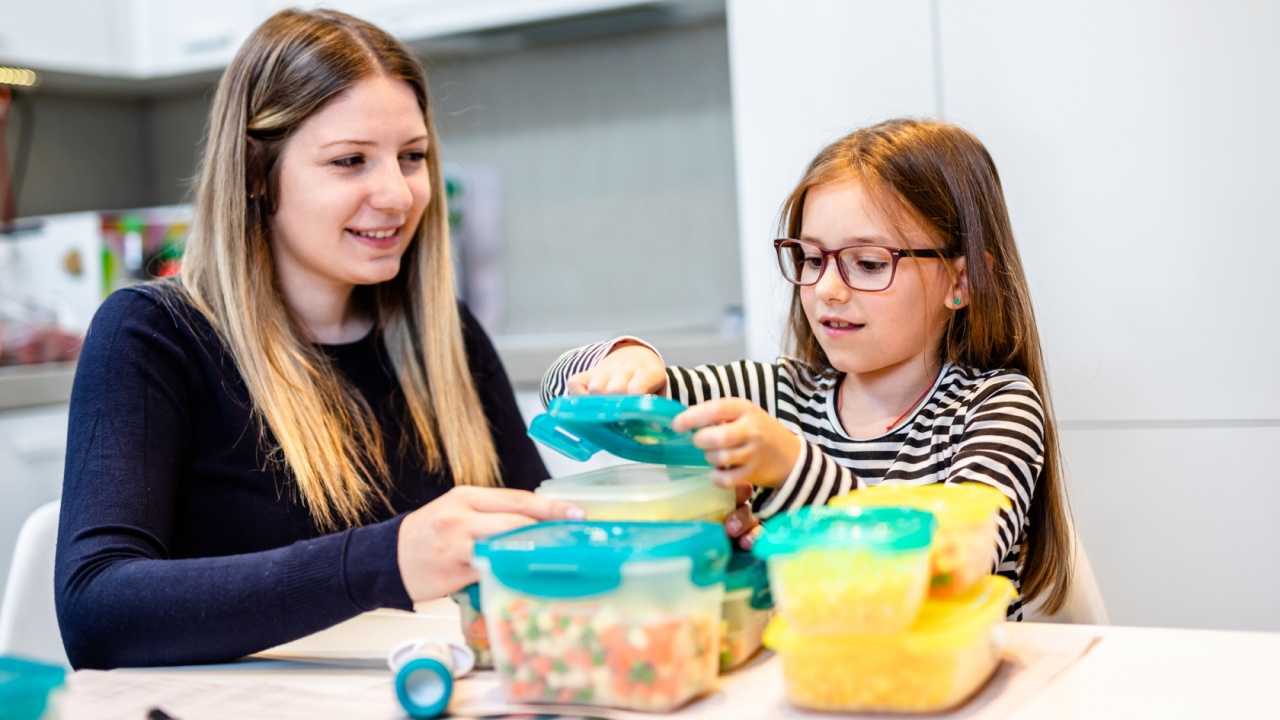
That quick habit of tossing leftovers into a plastic container may not be as harmless as it seems. What looks like a simple storage choice can quietly affect both the taste of your food and what ends up in it over time. As everyday routines go, this is one worth a closer look.
Food safety researchers have been studying how chemicals such as BPA and phthalates move from packaging into food. Their findings show that heat, acidity, and fat can speed up this process by weakening the plastic’s structure. Under these conditions, certain foods are more likely to absorb unwanted compounds.
This article takes a closer look at fourteen common items that are better stored in glass or stainless steel. Each section explains the concern and offers practical alternatives, helping you protect both the quality of your food and the health of your household.
1. Tomato Sauce
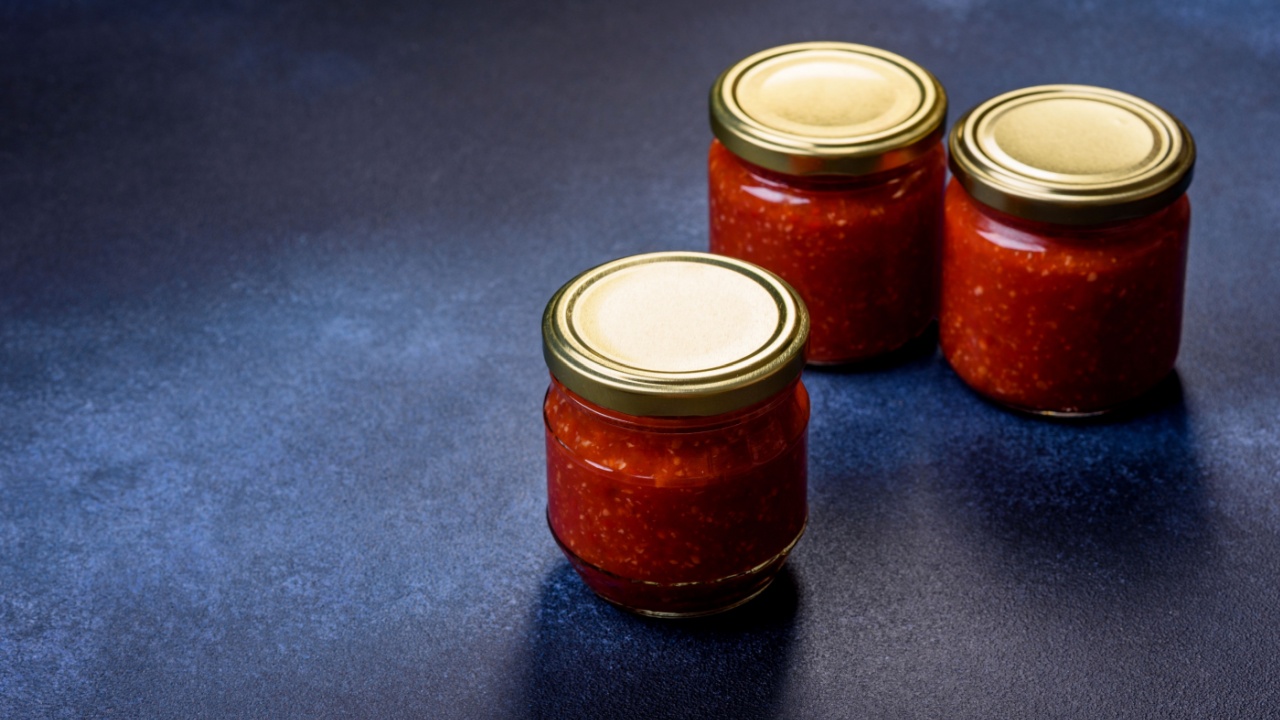
Tomatoes are highly acidic, and that acidity interacts with plastic in a way that breaks it down faster. This is why containers often stain orange after holding pasta sauce. It is not just a cosmetic issue. Small amounts of plastic compounds can leach into the food, especially if the sauce is reheated in the same container.
Switching to glass jars or ceramic bowls keeps the flavor clean and avoids that chemical exchange. Wide-mouth jars work well for batch cooking since they handle both freezing and reheating without any fuss.
2. Raw Poultry and Meat
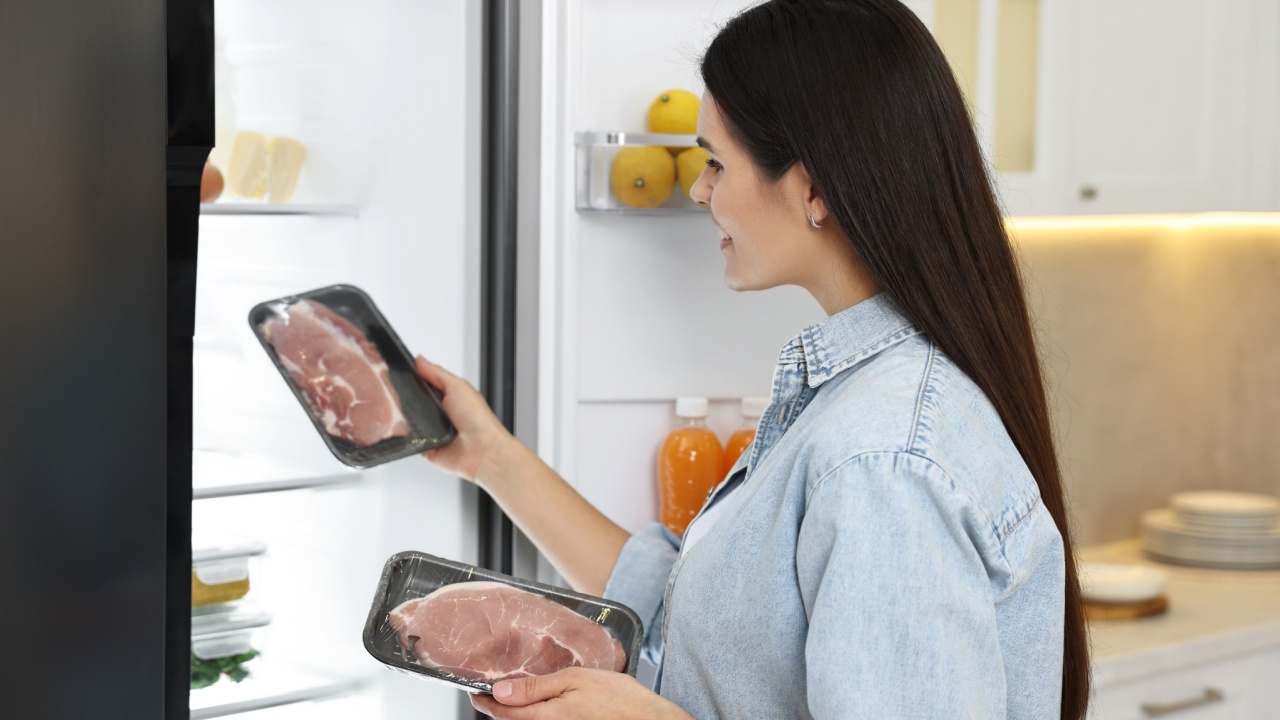
Raw meat releases juices that carry bacteria like Salmonella and E. coli. Plastic surfaces develop tiny scratches over time, and those grooves trap bacteria even after washing. On top of that, the fat in meat can pull chemicals from the plastic into the food.
Glass or stainless steel containers are much easier to clean thoroughly. They do not trap bacteria in the same way, which makes them a safer choice for storing raw proteins in the fridge.
3. Fresh Berries
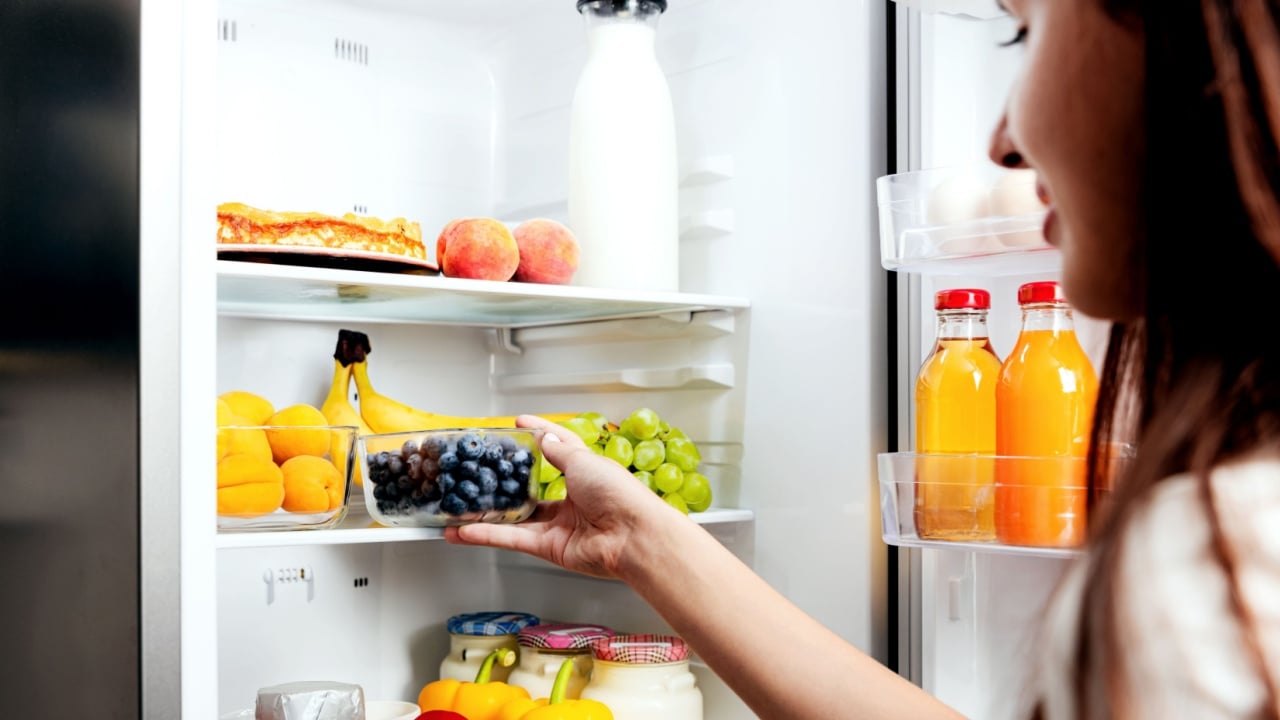
Berries have a high water content and a delicate skin, which makes them quick to spoil. When stored in plastic, trapped moisture collects at the bottom and creates the perfect environment for mold. Even a small amount of condensation can shorten their shelf life by days.
A breathable setup works better. A glass bowl (or even a plastic bowl, as long as it isn’t sealed shut) lined with a paper towel absorbs excess moisture and allows airflow around the fruit. This simple change slows down spoilage and helps maintain texture, so berries stay firm instead of turning soft and watery.
4. Hot Leftovers
Heat changes how plastic behaves. When hot food goes straight into a container, the temperature softens the material and increases the release of chemical compounds. This process starts immediately, even before the food reaches the fridge or microwave.
Letting food cool slightly before storing reduces that reaction. Better yet, use glass or stainless steel, which remain stable at higher temperatures. These materials handle heat without breaking down, so there is no added exposure during storage or reheating.
5. Artisan Cheeses

Cheese continues to age even after you bring it home. It releases gases and moisture that need some room to escape. Plastic traps both (or any kind of sealed container, for that matter), which can lead to a damp surface and an ammonia-like smell. This environment can alter taste and encourage unwanted bacterial growth.
Wrapping cheese in parchment paper gives it breathing space while still protecting it. Placing that wrap inside a glass container keeps conditions balanced. The result is better texture, cleaner flavor, and longer shelf life.
6. Oily and Fatty Foods
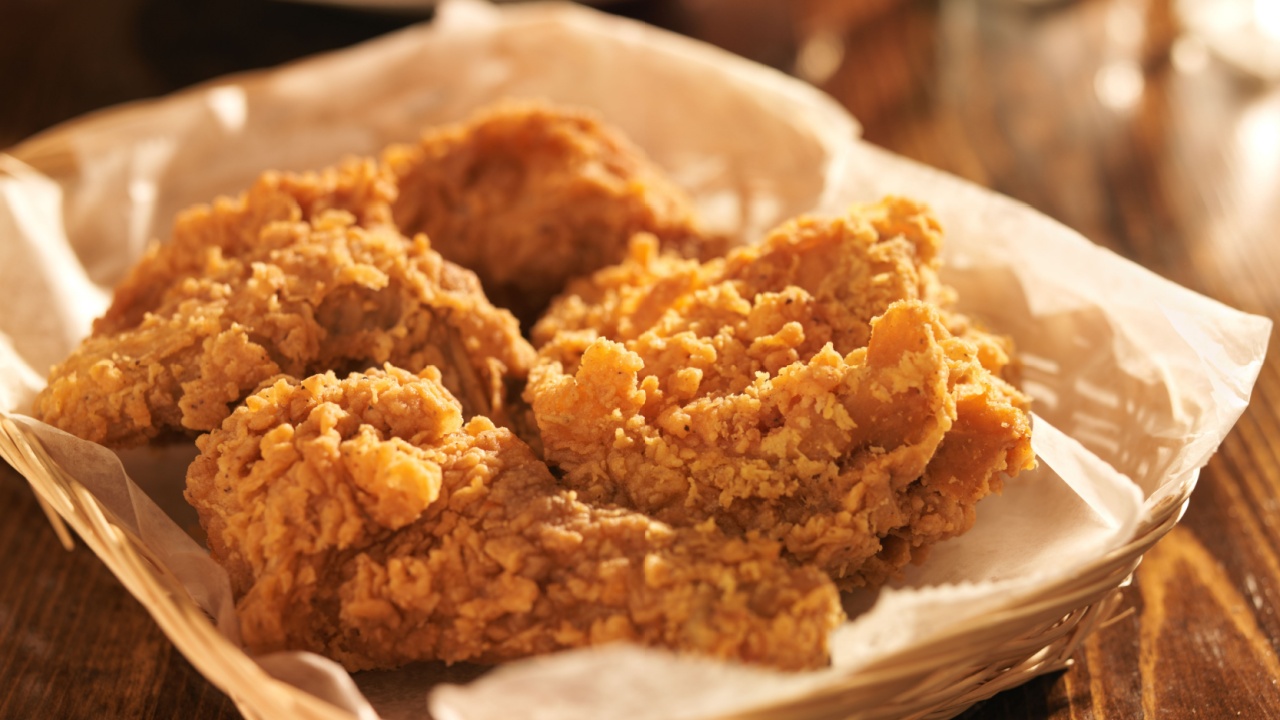
Fat interacts strongly with plastic. It can pull out chemical additives and absorb them into the food. This is especially relevant for dishes like curries, fried items, or anything rich in oil. You might notice that plastic containers hold onto greasy smells long after washing, which shows how deeply oil can settle into the material.
Glass and stainless steel do not absorb oils, so they stay neutral. Food tastes the way it should, and containers remain easier to clean. This is particularly helpful if you cook rich meals regularly and want to avoid lingering odors.
7. Citrus Fruits and Juices
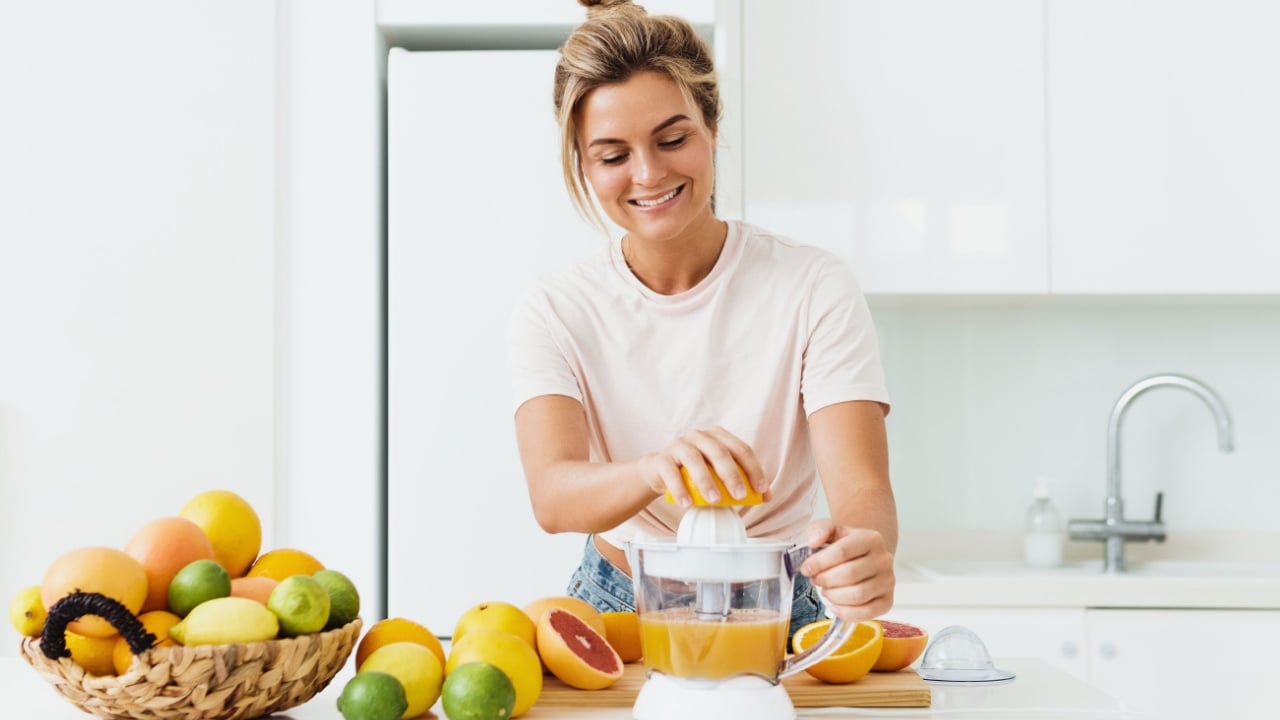
Citrus fruits contain natural acids that slowly break down plastic surfaces. With repeated use, containers can become cloudy or slightly rough, which creates small spaces where bacteria can collect. At the same time, this breakdown increases the chance of chemical transfer into the juice.
Glass handles acidity without reacting. It keeps the taste clean and the container intact, even with frequent use. For juices or infused water, glass pitchers or bottles are a more stable and reliable option.
8. Fermented Foods
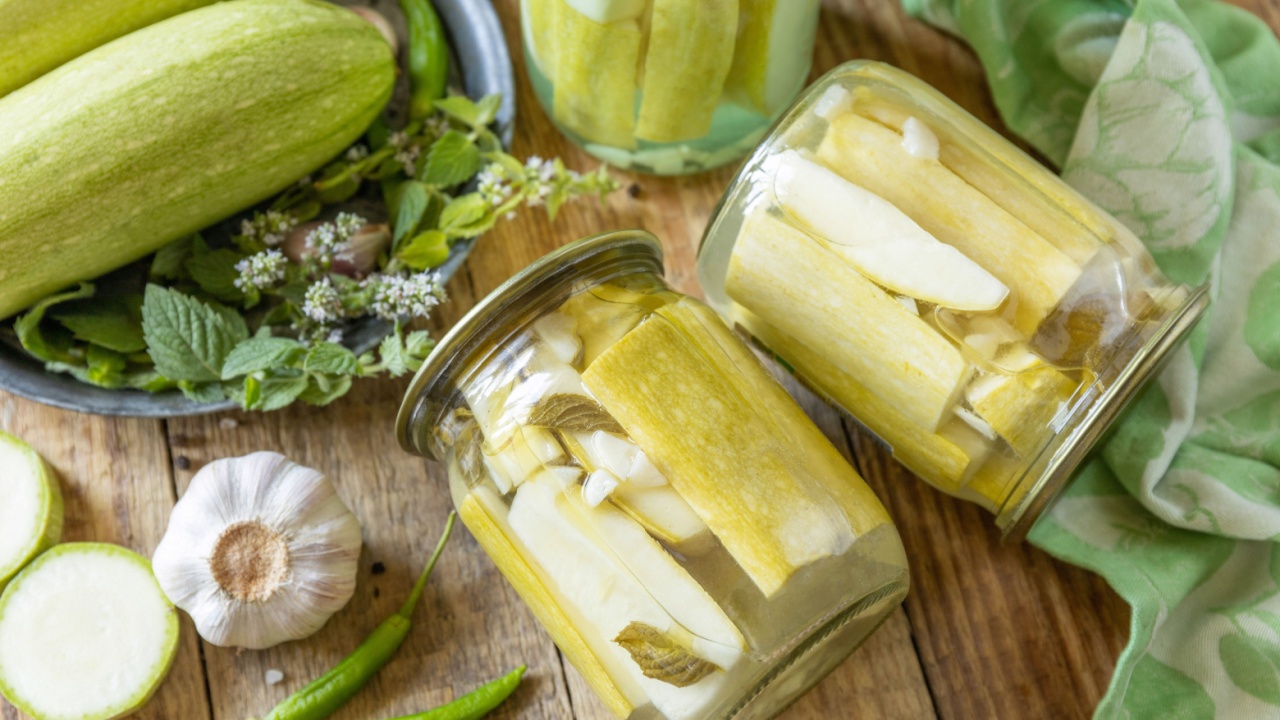
Fermented foods are active. They produce gases as part of the process, and that builds pressure inside the container. Plastic is not always equipped to handle this, especially when combined with salt and acid from the brine. Warping, leaking, or weakening of the container can follow.
Glass jars are better suited for this environment. They tolerate pressure and do not react with acidic or salty contents. You can store fermented foods without worrying about structural changes or contamination.
9. Leafy Greens

Leafy greens need a balance of moisture and airflow. Plastic containers often trap humidity, which leads to condensation and soggy leaves. This speeds up spoilage and reduces the quality of the greens.
A glass container with a slightly damp paper towel creates a more controlled environment. It keeps the leaves hydrated without soaking them, which helps maintain their texture and freshness for a longer period.
10. Garlic and Onions
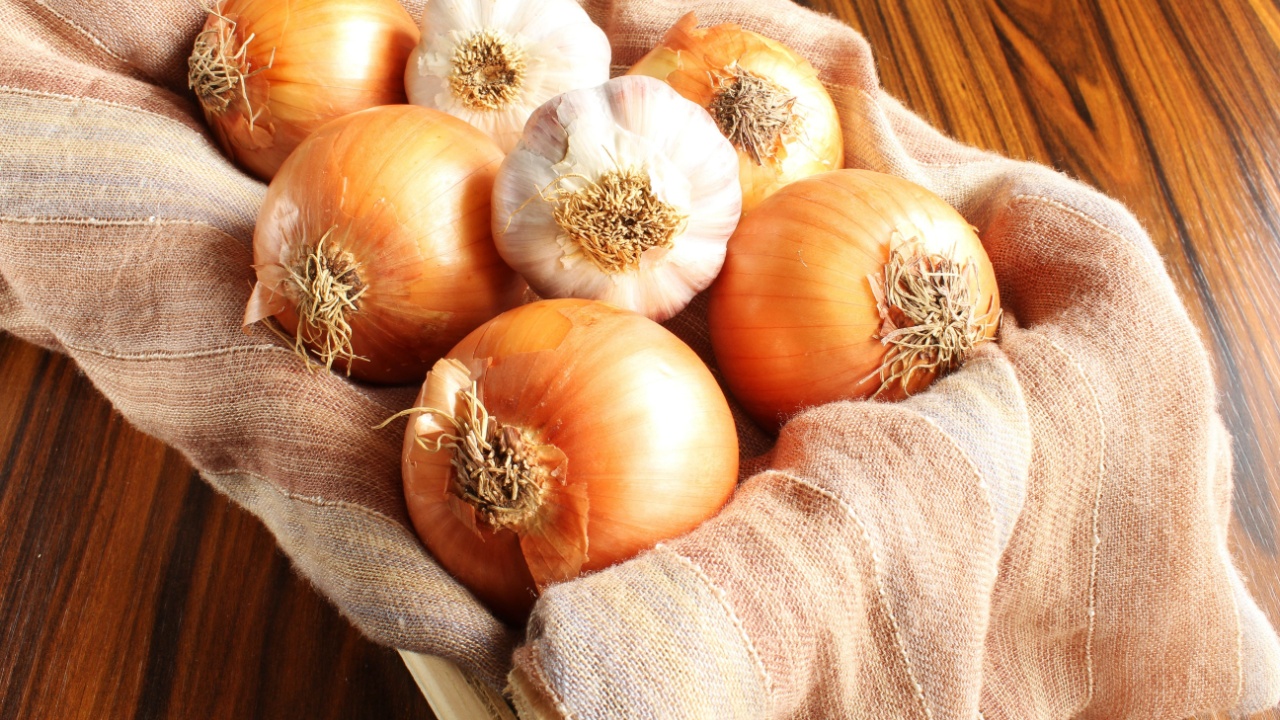
Garlic and onions release moisture after being stored, and plastic containers trap that moisture inside. This leads to quicker spoilage, sprouting, or mold growth. Their strong natural oils can also cling to plastic, leaving behind a persistent smell.
Storing them in open or ventilated containers works better. If they are already chopped, a sealed glass jar in the fridge keeps odors contained without affecting the container itself.
11. Extra Virgin Olive Oil
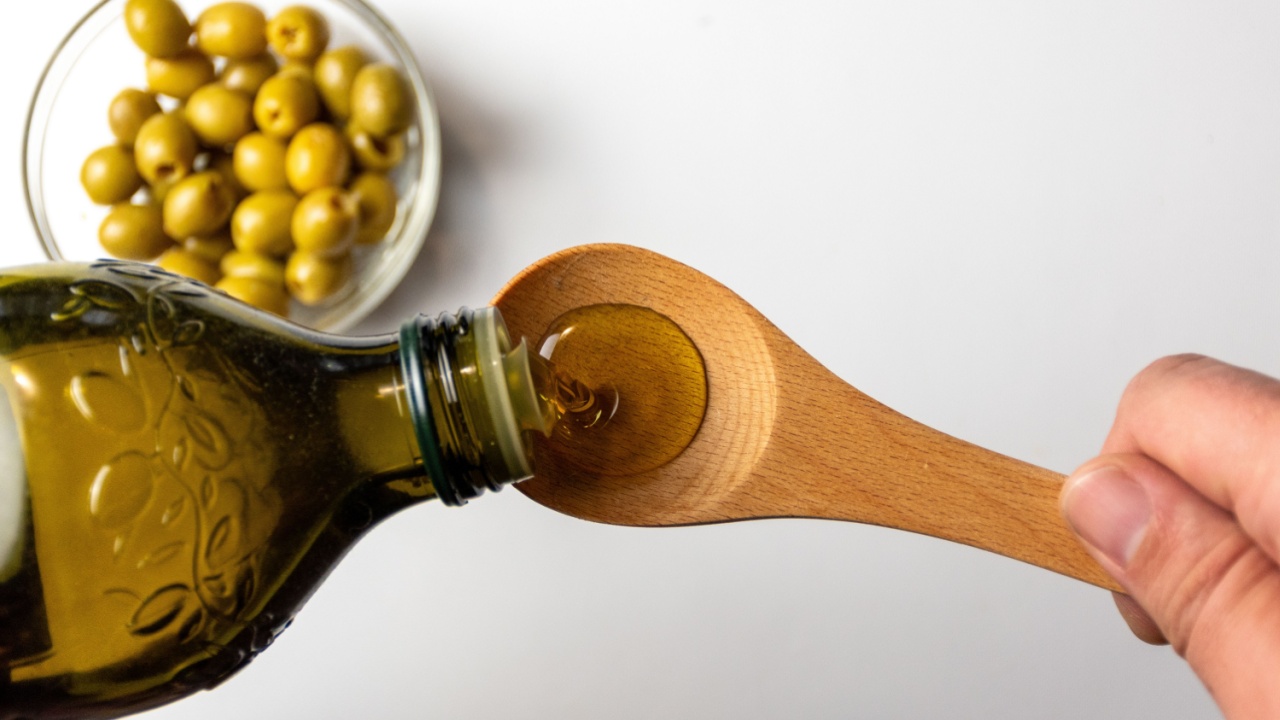
Olive oil is sensitive to light, heat, and oxygen. Many plastic containers allow small amounts of air to pass through, which affects the oil’s quality. This can lead to oxidation and a dull or rancid flavor.
Dark glass bottles or stainless steel containers protect the oil from these elements. Keeping them in a cool, shaded space helps preserve both taste and nutritional value.
12. Ground Spices
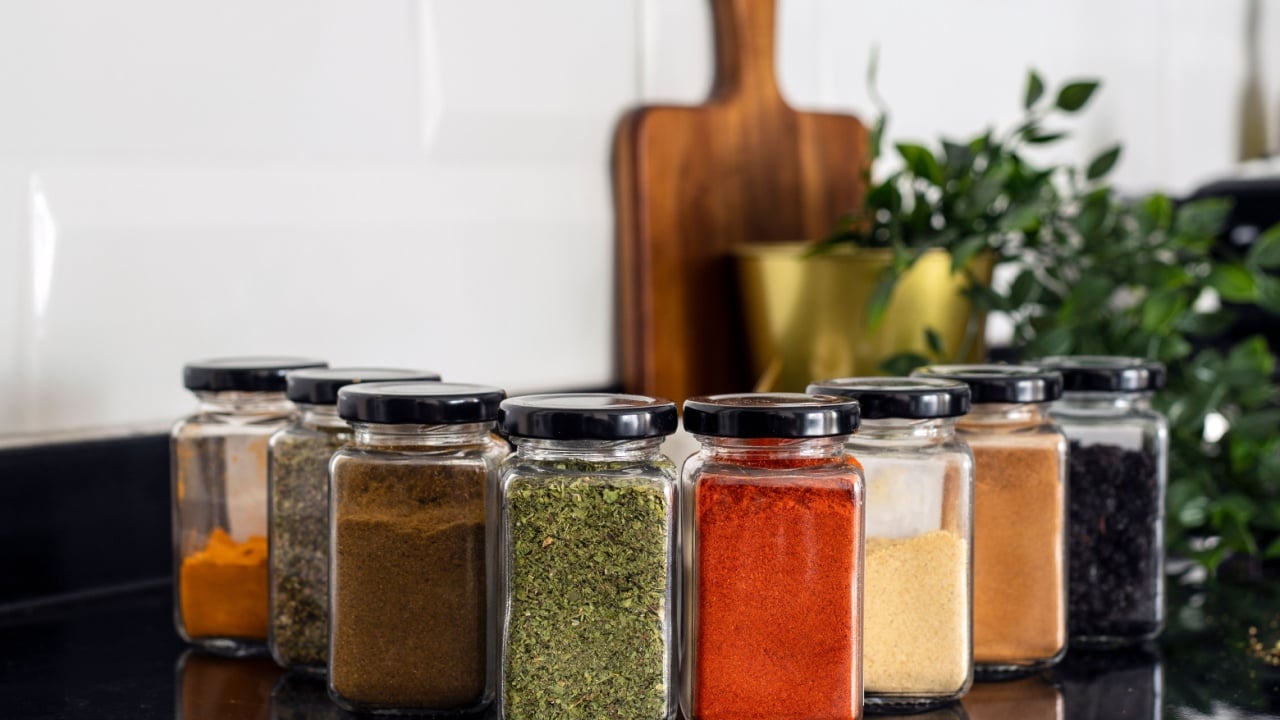
Spices rely on their natural oils for flavor. Plastic containers can absorb these oils, which reduces the strength of the spice over time. You may notice a weaker aroma and taste after just a few weeks.
Glass jars or metal tins hold those oils in place. They keep spices fresh for longer and maintain their full flavor, which makes a noticeable difference in cooking.
13. Fresh Avocados
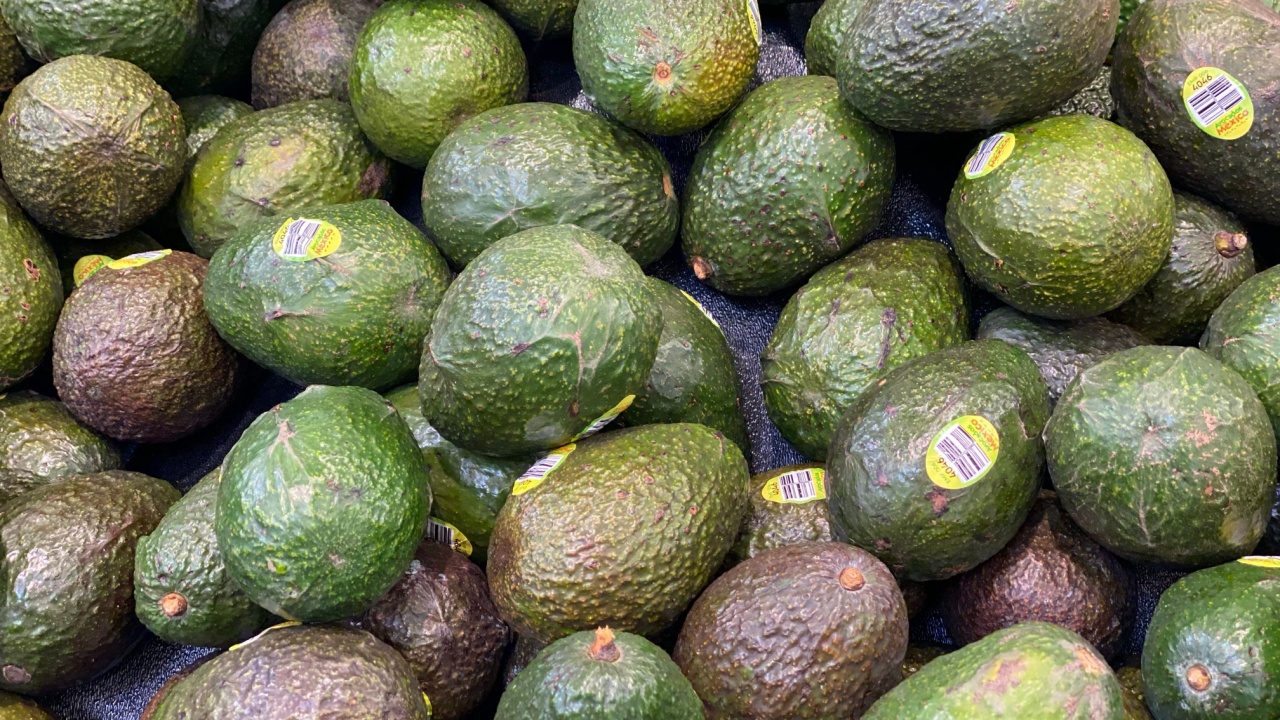
Avocados are full of healthy fats that react easily with whatever they touch. Storing a cut avocado in plastic can speed up browning, as the enzymes that cause oxidation interact with the container. The fruit can also pick up plastic odors, which dulls its naturally creamy flavor.
To keep an avocado looking fresh, brush the cut surface with a bit of lemon juice and place it face down in a small glass dish or ceramic ramekin. Cover it with a beeswax wrap or a tight lid to block oxygen without using plastic. This simple setup can keep your avocado green for an extra day.
14. Carbonated Beverages
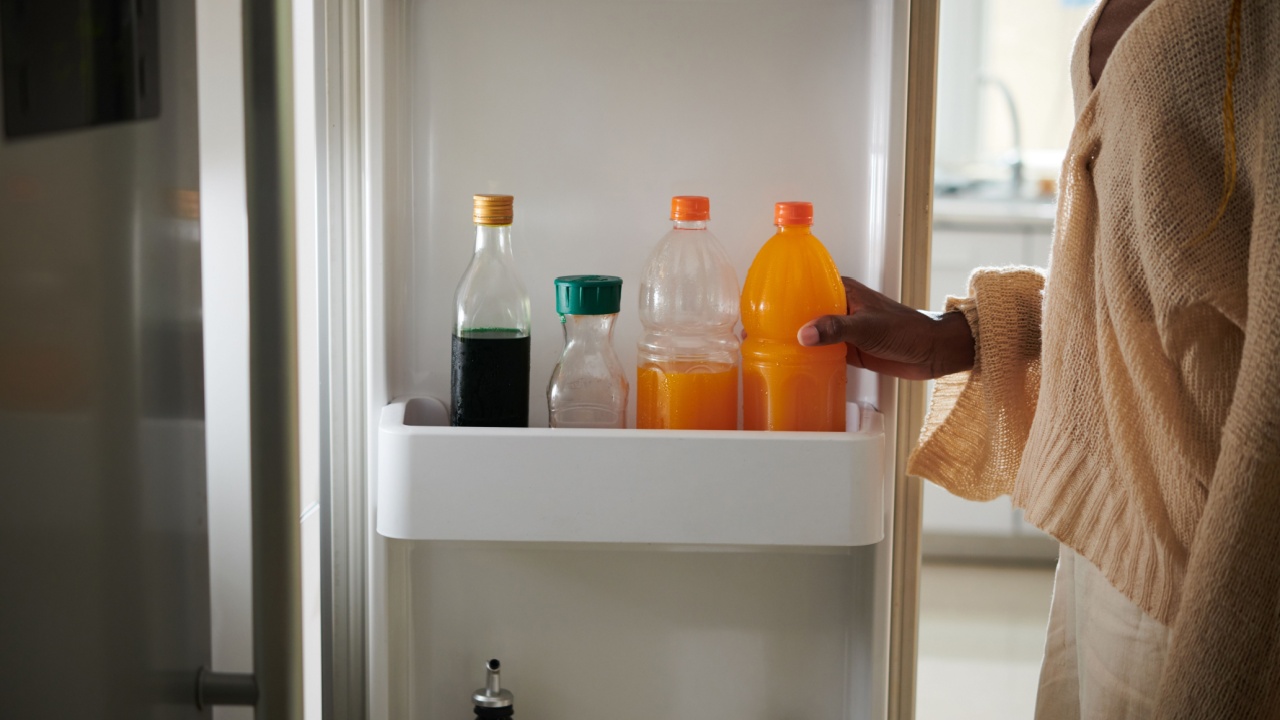
Carbonated drinks create pressure inside containers. Plastic can weaken under that pressure, forming tiny cracks that affect both safety and taste. Gradually, it also loses its ability to hold carbonation effectively.
Glass bottles and stainless steel containers are built to handle this pressure. They keep drinks fizzy for longer and avoid any interaction between the liquid and the container.
A Smarter Swap for Safer, Tastier Meals
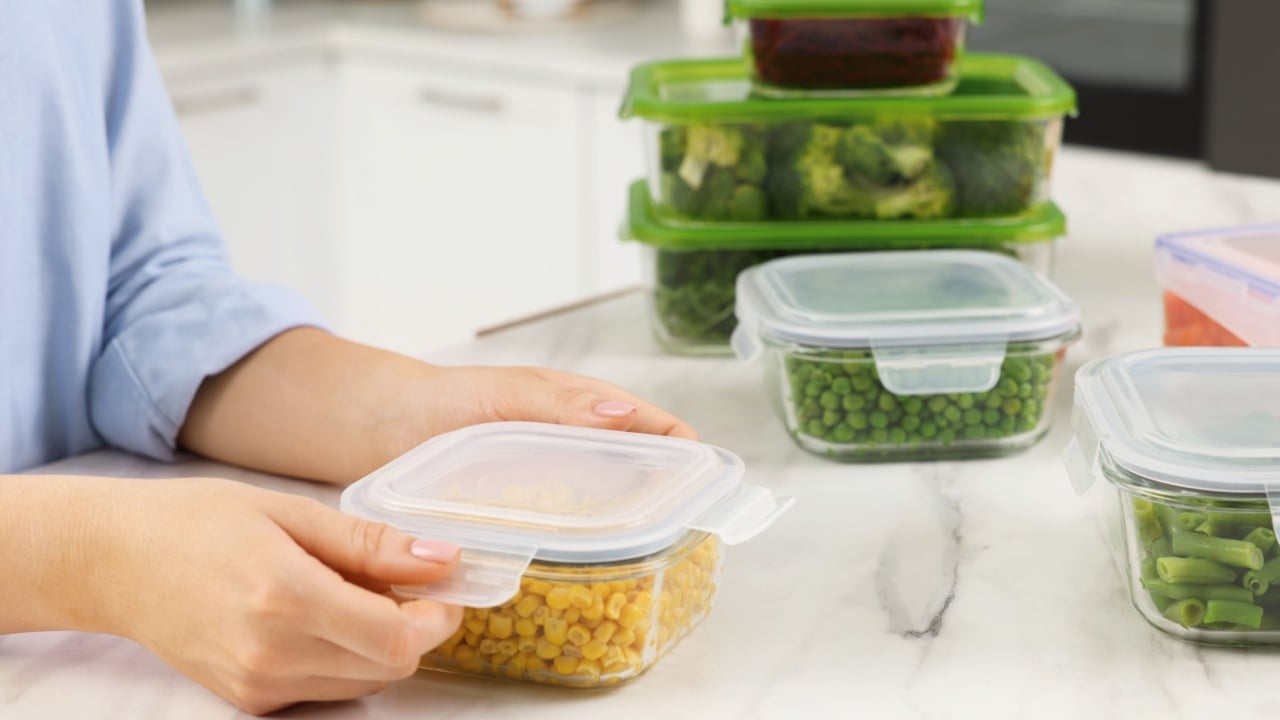
Taking control of your food storage is a simple yet powerful way to reduce your daily chemical exposure. By swapping out those aging plastic bins for glass, stainless steel, or ceramic, you are choosing a path that prioritizes both flavor and long-term vitality. These small shifts in the kitchen create a ripple effect, making sure that the healthy ingredients you buy remain exactly that until they reach your plate.
Read More: