5 Tips to Avoid Buying a Sink You’ll Hate Later
A kitchen sink is one of the most used fixtures in a home. From washing fresh vegetables from the garden to cleaning up after a family meal, it handles a lot. With numerous options available, selecting the right one is a significant decision.
This article will walk you through five important points to review when selecting a new kitchen sink, helping you find the perfect fit for your home and lifestyle.
1. Material Matters
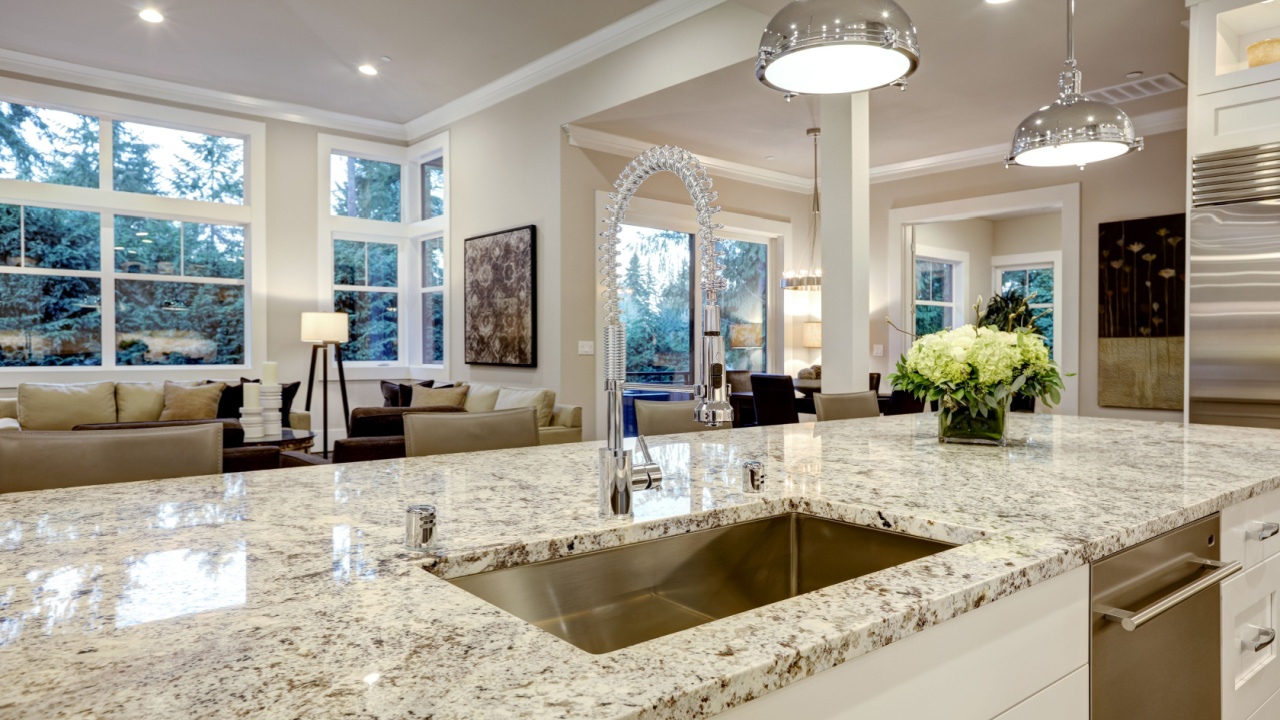
Every kitchen sink material brings its own personality and set of practical perks. Stainless steel is ever popular; it stands up to heat, stains, and busy family life without making a scene about water spots or fingerprints.
Cast iron, coated in glossy enamel, is sturdy and available in colors that can make your sink a subtle accent or the star of the kitchen. Composite granite or quartz sinks strike a balance between durability and a more muted, stone-like look, dampening noise and offering solid resistance to scratches and chips.
Choosing the right material boils down to your cleaning preferences, design vision, and how busy (or messy) your kitchen tends to get.
2. Installation Type
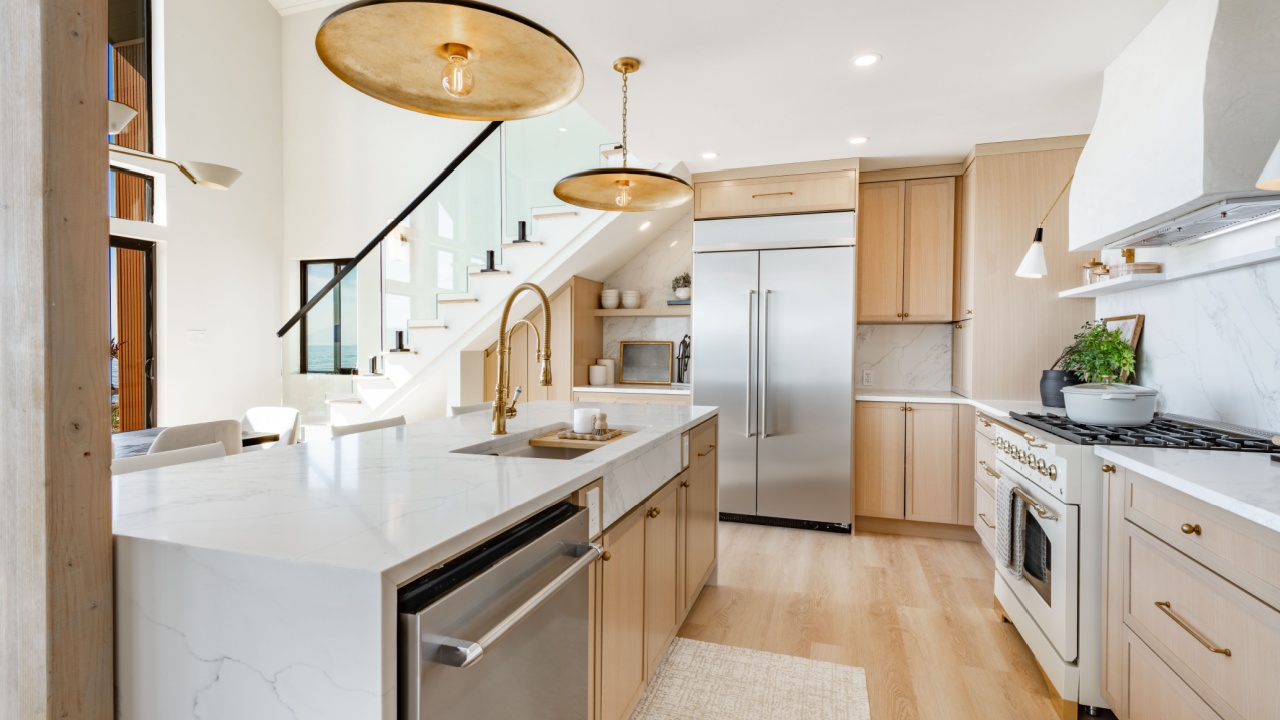
How your sink is installed can influence both the look of your counters and your daily cleanup routine. Undermount sinks attach from beneath the countertop, making it simple to sweep crumbs and spills right into the basin. They pair best with solid surface counters and offer a sleek, seamless finish.
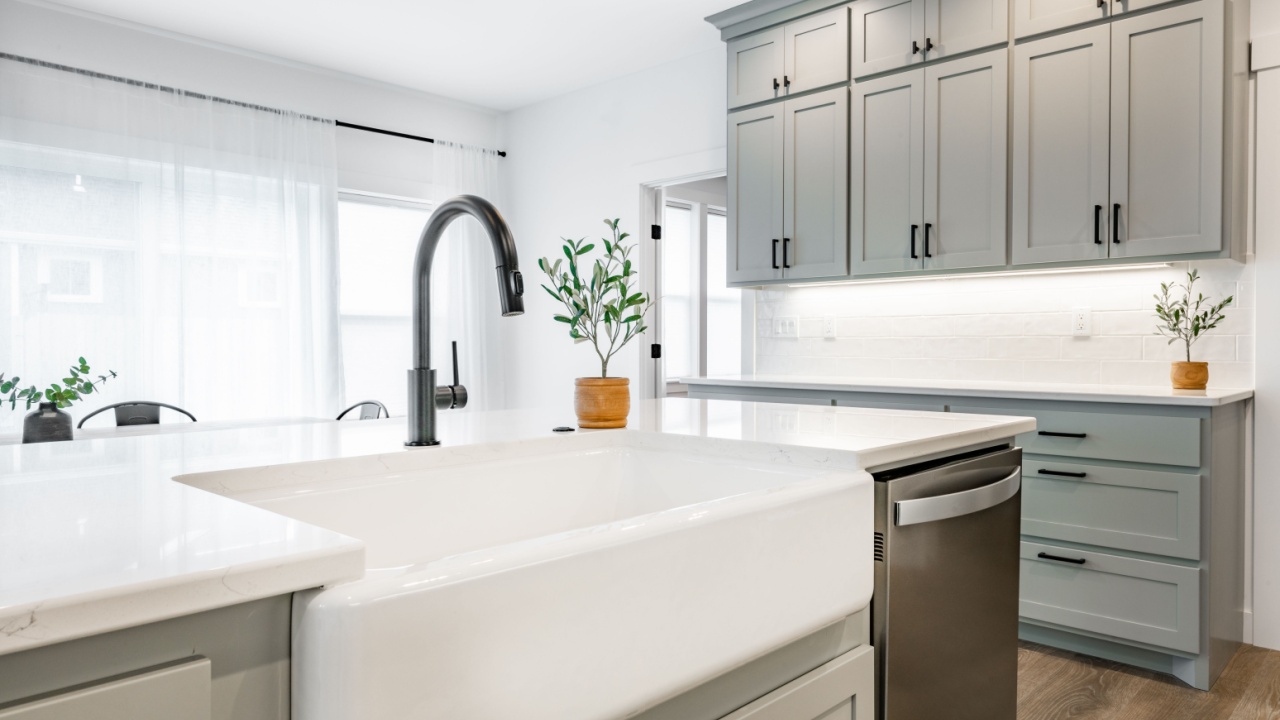
Top-mount (drop-in) sinks rest on top of the counter with a visible rim. They’re beginner-friendly for DIYers and fit nearly any counter material, so swapping one in doesn’t require a full kitchen overhaul. Apron-front (farmhouse) sinks show off a deep, exposed front. They bring you closer to the basin, which your back might appreciate during dish duty, but they do need a specially built base cabinet for support.
3. Configuration

Sink configuration is all about how many basins you need and how you like to use them. Single-bowl sinks create an open space for oversized pots and baking sheets, making cleanup less of a juggling act. If you love a clear counter or deal with big cooking projects, a single bowl might fit right in.
Double-bowl sinks, on the other hand, help multitaskers keep clean and dirty items apart, or tackle food prep and dishwashing at once. Many families find a 60/40 or 70/30 split handy for dividing up kitchen chores. A low-divide option gives you some of each: separation when you need it, and room to maneuver large pans with less splashing.
4. Bowl Depth
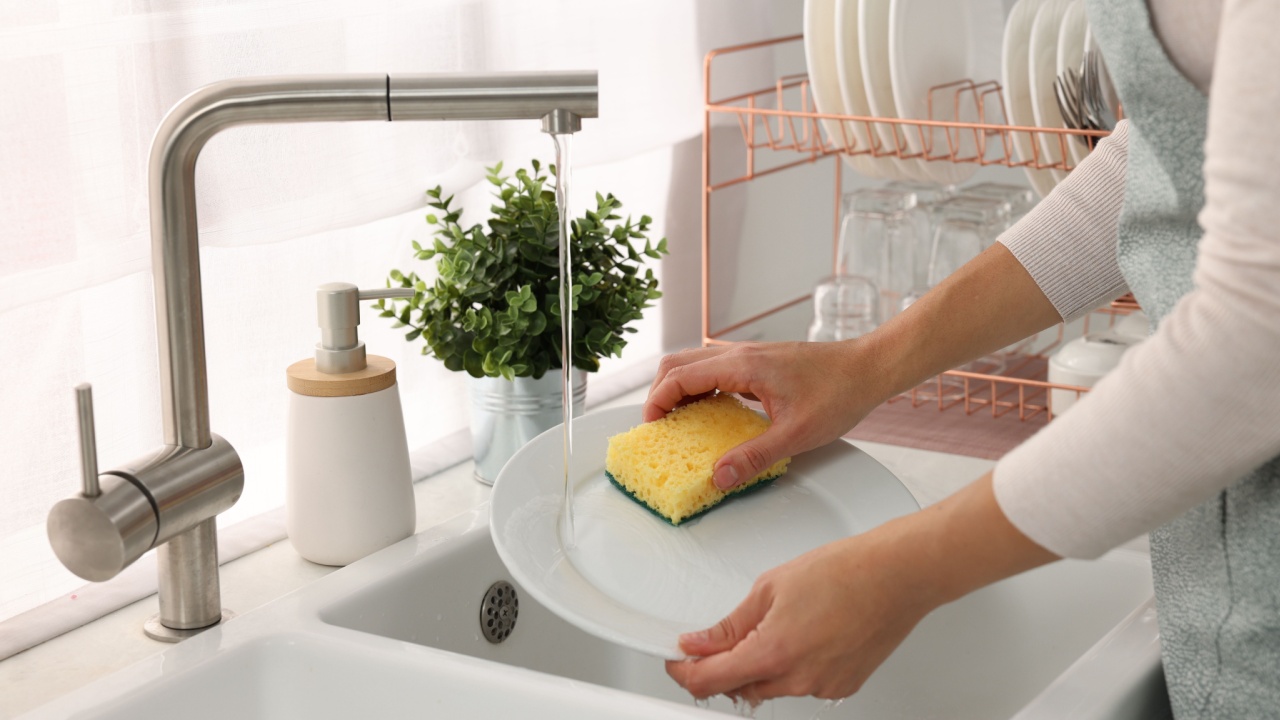
That “just right” sink depth can make a real difference in comfort and practicality. Sinks around 8 to 10 inches deep are common, but if you’re always tackling giant pots or want to hide a teetering stack of bowls, the extra inches of a deeper sink are worth considering. Deeper sinks keep splashing in check and provide the space big families appreciate.
A shallower sink, meanwhile, may offer better ergonomics, saving your back from too much bending, especially if you’re on the shorter side or have kids who help with chores. It won’t hold as many dishes, but it usually means less stooping and easier reaches into the bottom corners. Think about your height, how much dishwashing happens in your home, and even the kids’ involvement before picking the right depth.
5. Size & Location

A farmhouse sink size isn’t one-size-fits-all; it depends on your kitchen layout and how much counter and cabinet space you can spare. A larger basin offers plenty of space for messier cooking days, but keep an eye on how much prep area you’ll have left. Small or galley kitchens might benefit from a more modest sink, freeing up valuable worktop space.
When it comes to placement, the traditional under-the-window spot offers natural light and a view, while sinks on an island keep cooks connected with family or guests. Aim to keep the “work triangle” (sink, stove, and fridge) close and uncluttered so meal prep doesn’t turn into a cross-country trek. The spot you choose impacts workflow and the feel of your kitchen.
Your Next Kitchen Project
Some kitchen projects may actually add value to your house; choosing a kitchen sink can be part of that. Review your daily routine, your cleaning style, and your kitchen’s unique features; all play a part. Be it farmhouse flair or a sleek, modern touch, choose the look that fits you best; a little planning goes a long way.