6 Foods That Don’t Fare Well in the Refrigerator Door
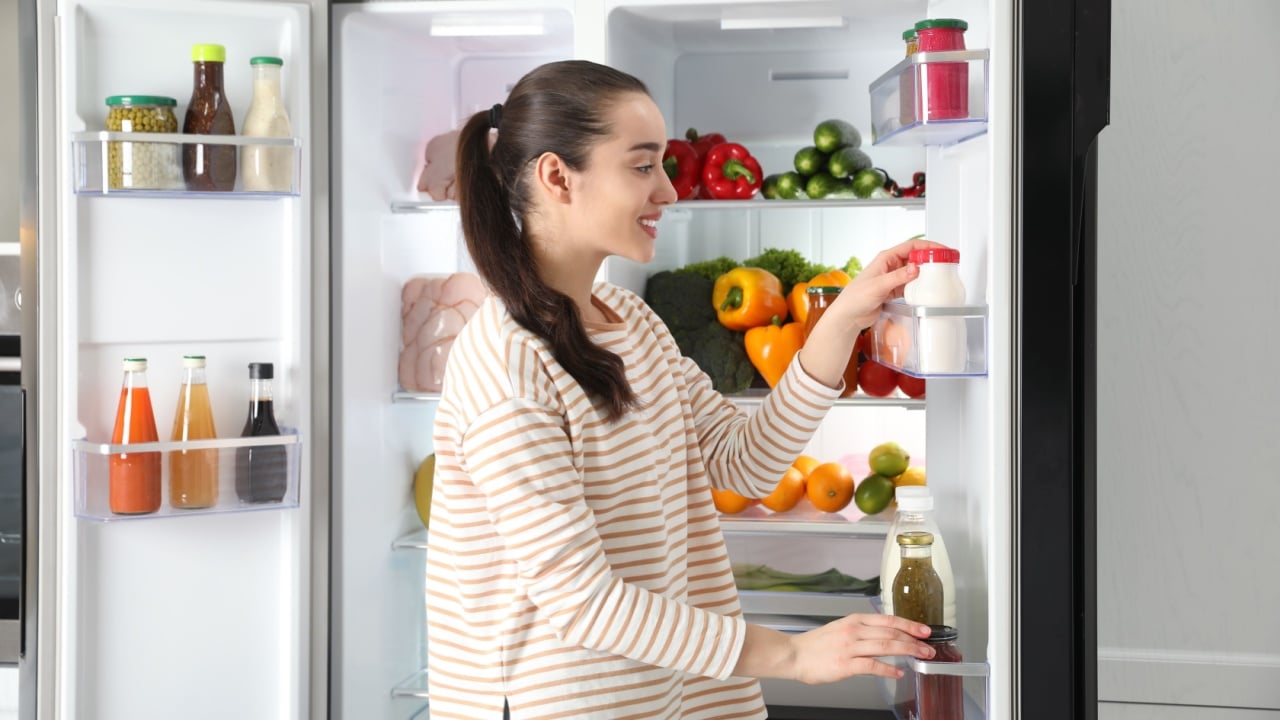
Opening the refrigerator door multiple times a day exposes the items sitting on the shelves to constant temperature swings. Warm air rushes in every time someone looks for a snack. This frequent blast of room-temperature air makes the door the warmest spot inside your entire appliance.
Proper food storage directly impacts how long your groceries remain safe to eat. Organizing your shelves based on temperature zones creates a highly efficient system.
The back of the bottom shelf stays uniformly cold because cold air sinks and stays trapped away from the opening. Reserving this area for highly perishable goods significantly extends their lifespan.
Here are items that require stable cold environments to stay fresh.
1. Milk
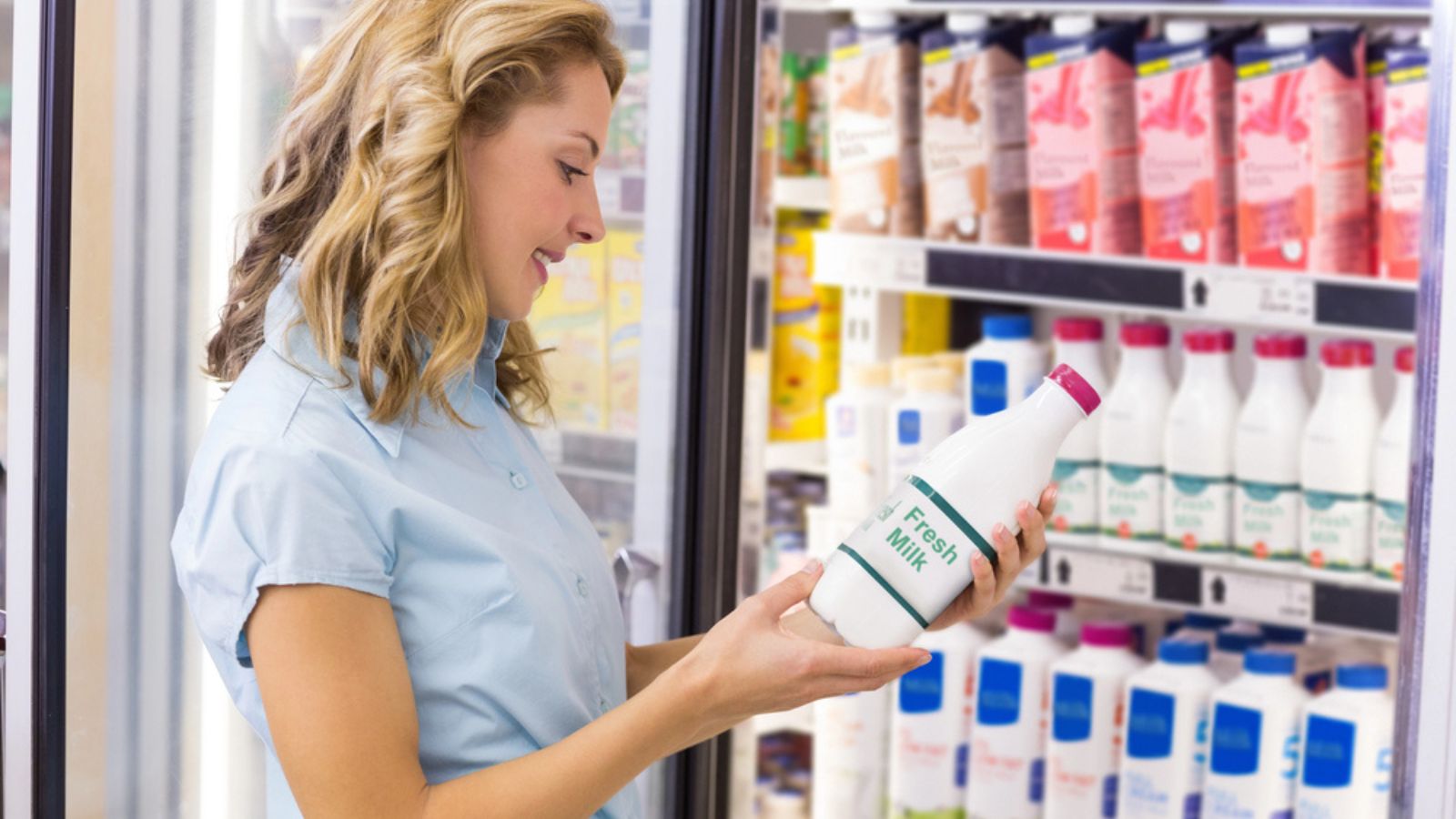
Milk contains delicate proteins and fats that spoil rapidly when exposed to fluctuating temperatures. Placing cartons in the door subjects the liquid to a blast of room-temperature air with every opening.
The natural bacteria in dairy multiply exponentially when the liquid drops below optimal coldness. This constant shift up and down degrades the quality long before the printed expiration date arrives.
You should place cartons near the back of the lowest shelf, where temperatures remain strictly regulated.
The deepest part of the appliance traps cold air perfectly and blocks warm drafts from reaching the containers. Buying smaller cartons helps you consume the product rapidly before freshness becomes an issue.
2. Eggs
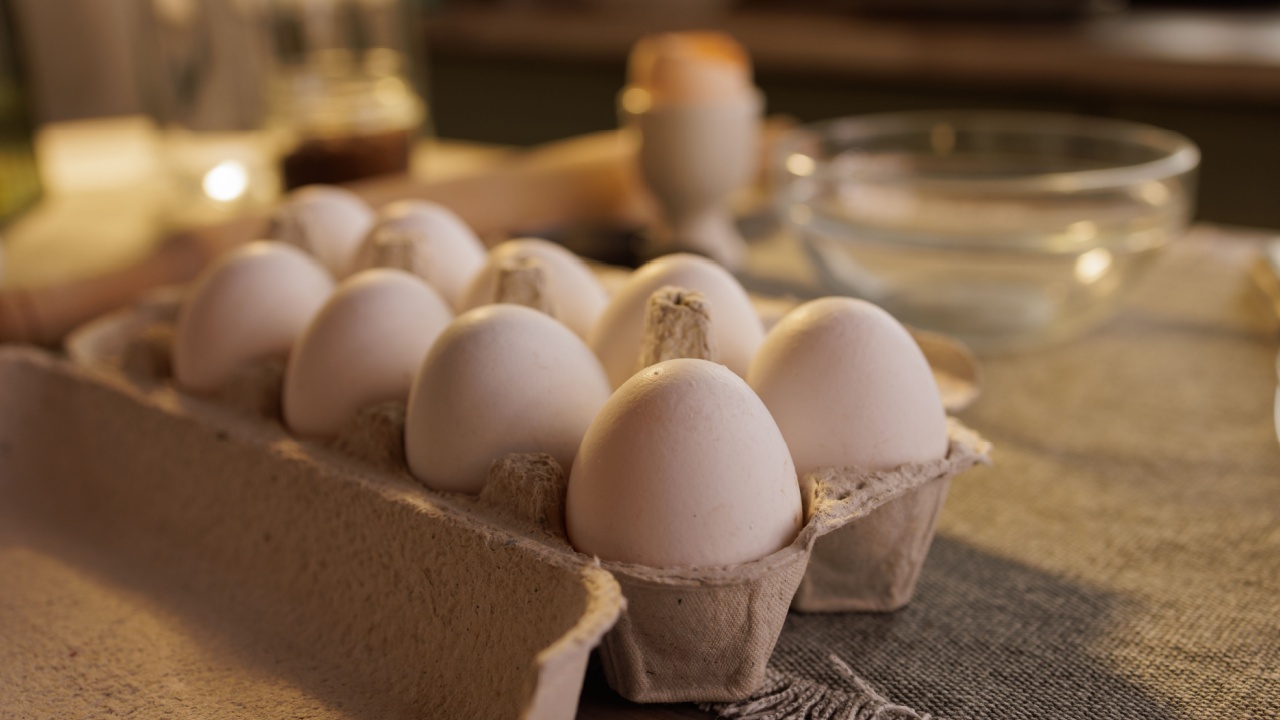
Raw eggs require absolute temperature stability to maintain intact yolks and safe whites. Storing them inside the built-in plastic door compartments subjects the delicate shells to constant rattling and heat spikes.
The protective outer bloom degrades quickly when the environment shifts back and forth between warm and cold. Condensation forms on the porous shells during these shifts and invites harmful bacteria inside.
Keep your eggs safe inside their original cardboard carton on a middle shelf.
The cardboard provides an extra layer of insulation against any minor temperature adjustments within the appliance. Placing them near the center avoids the accidental freezing that sometimes happens near the rear vents.
3. Soft Cheese

Delicate cheeses like brie and ricotta lack the robust protective rind found on hard varieties. The elevated warmth near the front compartments encourages aggressive mold growth on the exposed surfaces.
Soft cheese holds a high moisture content that sours rapidly when deprived of a consistently cold environment. Fluctuating temperatures destroy the carefully cultivated flavor profiles and ruin the soft texture.
A dedicated deli drawer provides the exact humidity and temperature required to keep soft dairy perfectly fresh.
Wrapping the blocks tightly in proper paper prevents unwanted odors from permeating the delicate curds. Keeping these products in a stable zone preserves their intended taste for your evening snacks.
4. Mayonnaise

Commercial mayonnaise contains eggs and oil that separate and degrade when kept in unstable climates. The constant back-and-forth motion of the door agitates the emulsion while exposing the jar to heat.
Bacterial growth accelerates once the jar seal breaks and the condiment sits in a warm pocket. Warmth breaks down the acidic stabilizers and creates unappetizing textures and sour flavors.
Store opened jars on an interior shelf to maintain the thick and creamy consistency you expect. The stable coldness of the main compartment halts any potential bacterial spread completely.
5. Yogurt
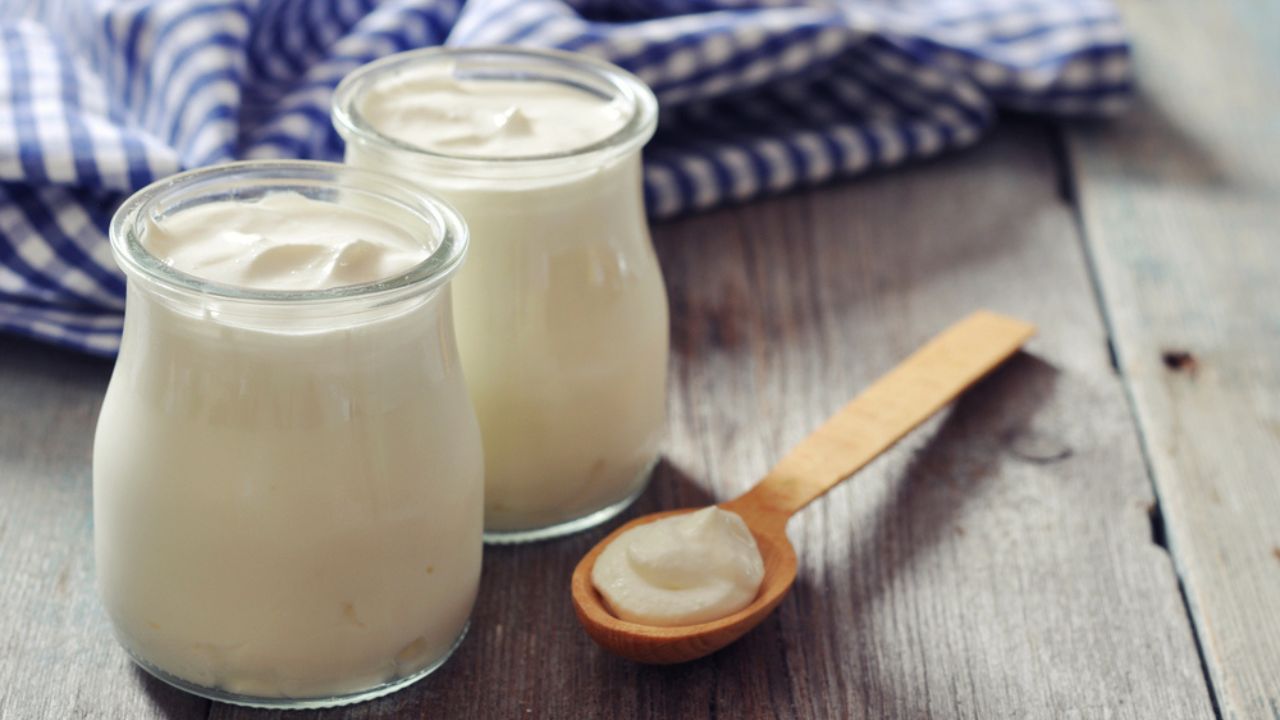
Active bacterial cultures inside yogurt demand continuous coldness to remain alive and beneficial for your digestion. The frequent blasts of room air near the front destroy these live probiotics rapidly.
Warmth causes the liquid whey to separate heavily from the solid milk proteins. This separation creates a watery mess on top and ruins the creamy consistency entirely.
Push your single-serve cups toward the back of a top or middle shelf for optimal preservation.
A stable cold environment keeps the beneficial bacteria intact and preserves the smooth texture until you are ready to eat. Stacking them neatly inside a small bin prevents them from getting lost behind taller containers.
6. Fresh Juice
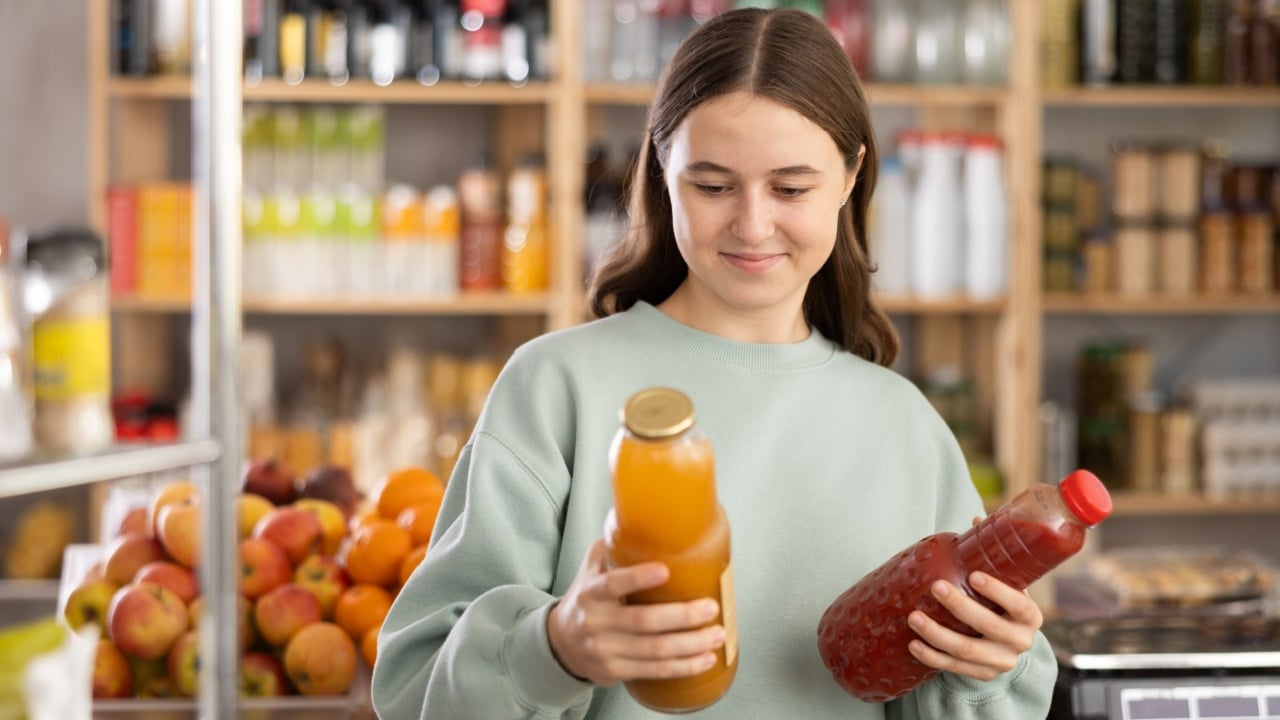
Fruit juices harbor natural sugars that ferment aggressively when temperatures rise even slightly. Leaving these bottles in the side compartments allows the liquid to warm up multiple times a day.
For unpasteurized or homemade juice, the lack of pasteurization means wild yeast can multiply and turn your sweet drink into alcohol. This rapid fermentation creates gas build-up that alters the taste and makes the beverage unsafe to drink.
Keep freshly squeezed beverages safely tucked away on the bottom shelf, where the air stays heavy and cold.
The deep cold halts natural fermentation and keeps the fruit flavors bright and refreshing. Consume fresh batches within a few days to experience the absolute best nutritional benefits.
A Cooler Way to Store Your Food
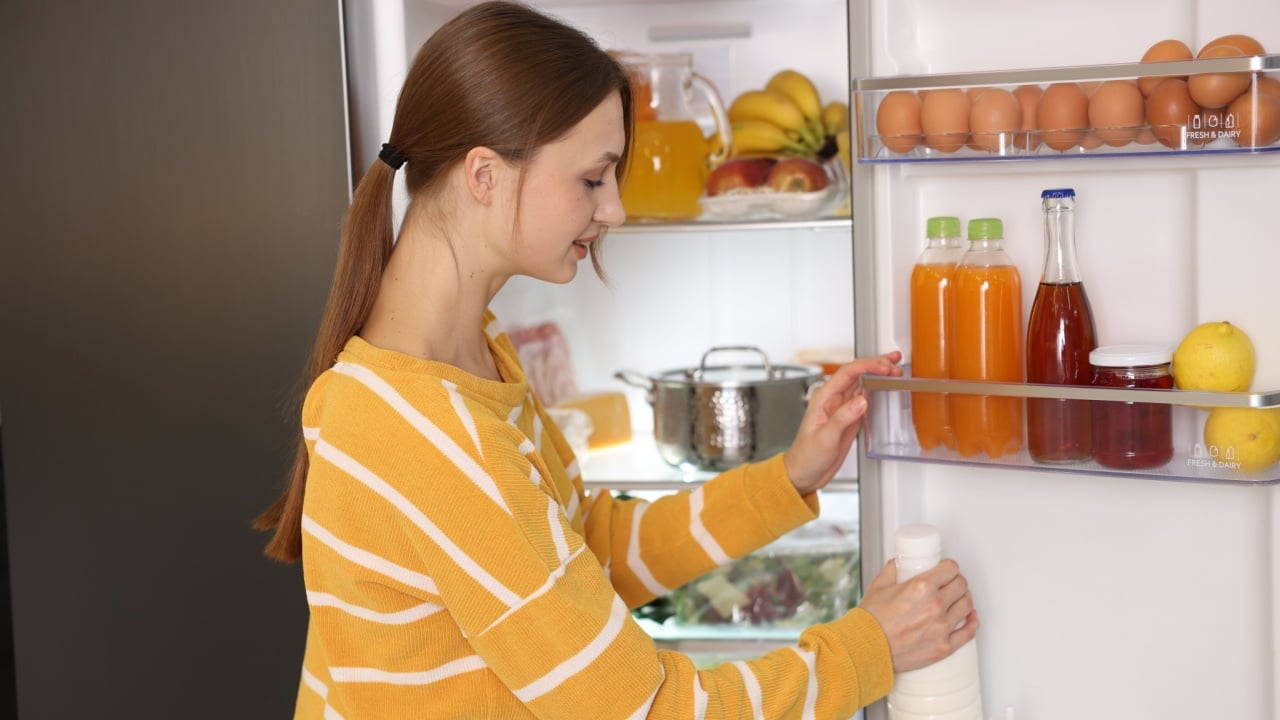
Creating a highly organized system based on temperature variations protects your grocery investments. Placing delicate items deep inside the appliance drastically reduces the amount of food you throw away.
A few simple adjustments to your storage habits yield noticeably fresher ingredients for your daily meals. Your groceries will last longer and taste significantly better when given the proper cold environment.
Read More:
6 Fruits That Never Belong in the Fridge
12 Condiments You’re Storing Wrong (They Don’t Need the Fridge)