
5 Toxic Bathroom Items to Throw Out Immediately
The bathroom is often a sanctuary, a place to wash away the day’s stress. It’s also a room where we store countless products to keep ourselves clean and healthy. But what if the very items we use to organize our clean space are silently working against us?
This article will explore five common bathroom items, particularly storage solutions, that might be introducing unwanted toxins into your personal oasis. Storage items are a common problem because we aren’t typically as picky with the quality of materials. Yet, they’re housing toiletries that go in our hair, on our faces, and in our mouths.
We will look into why these plastic products are less than ideal and offer some simple, healthier alternatives.
1. Plastic Shower Curtains
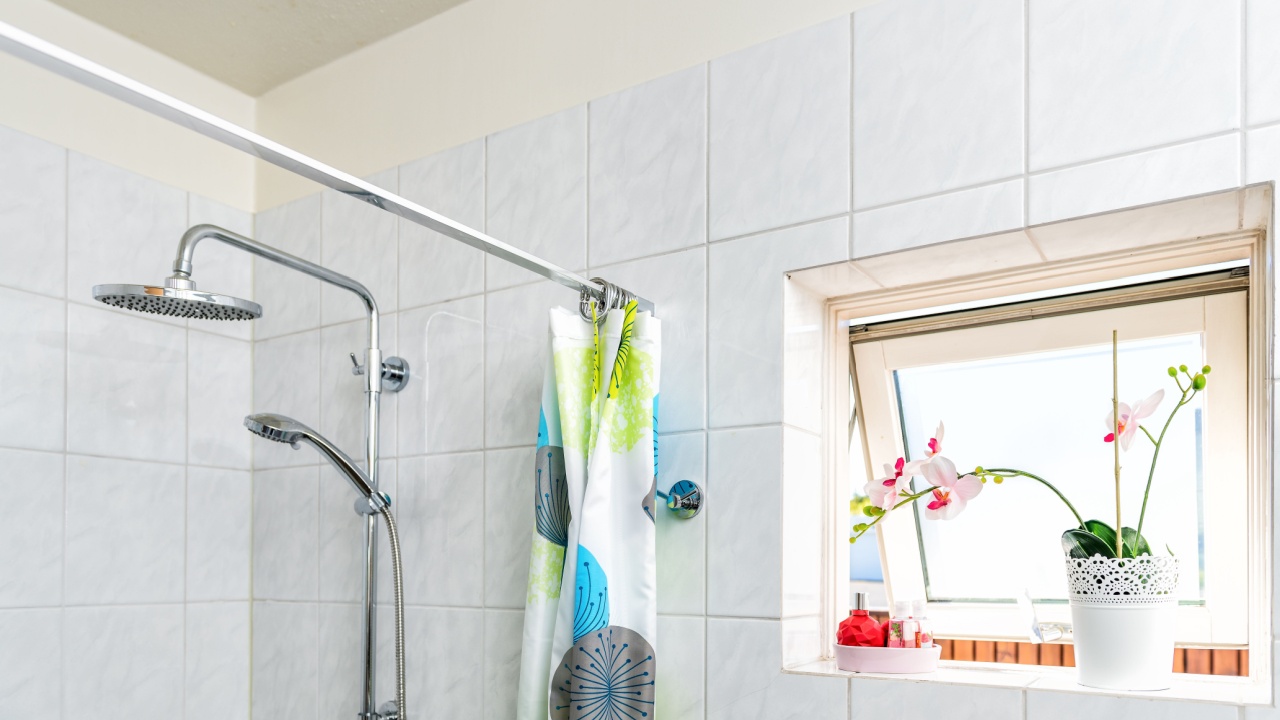
That vinyl shower curtain seems innocent until you realize many are made from polyvinyl chloride (PVC), a material notorious for releasing volatile organic compounds (VOCs). The strong chemical smell after opening a new curtain is those VOCs at work, and in a hot, humid bathroom, they can off-gas for ages. Exposure to these compounds may cause headaches, dizziness, or various irritations.
The enclosed space doesn’t help when it comes to indoor air quality. Switch to safer options. Curtains made from cotton, linen, or hemp don’t release chemicals and offer ventilation, while a PEVA (polyethylene vinyl acetate) liner stays on the safer side of vinyl. This way, you get both style and peace of mind, leaving headaches to bad hair days and not your shower curtain.
2. Plastic Storage Bins and Organizers

Plastic bins and drawer dividers are go-to tools for cutting down clutter and keeping everything in line, but many are made from plastics containing chemicals like phthalates and bisphenol A (BPA). These compounds help plastics stay flexible and tough, but they’re also known endocrine disruptors, meaning they can throw a wrench in the hormonal system over time. In the steamy, warm air of a bathroom, those chemicals can slowly migrate from the bin, settle on surfaces as dust, or even sneak their way onto the items stored inside.
Trading plastic for natural materials makes a big difference. Wicker or woven sea grass baskets provide texture without the toxic extras, while glass jars safely corral swabs and bath salts. If you want something solid, wood, bamboo, or stainless steel containers get the job done, skipping what’s not wanted and sticking around for the long haul.
3. Plastic Toothbrush Holders
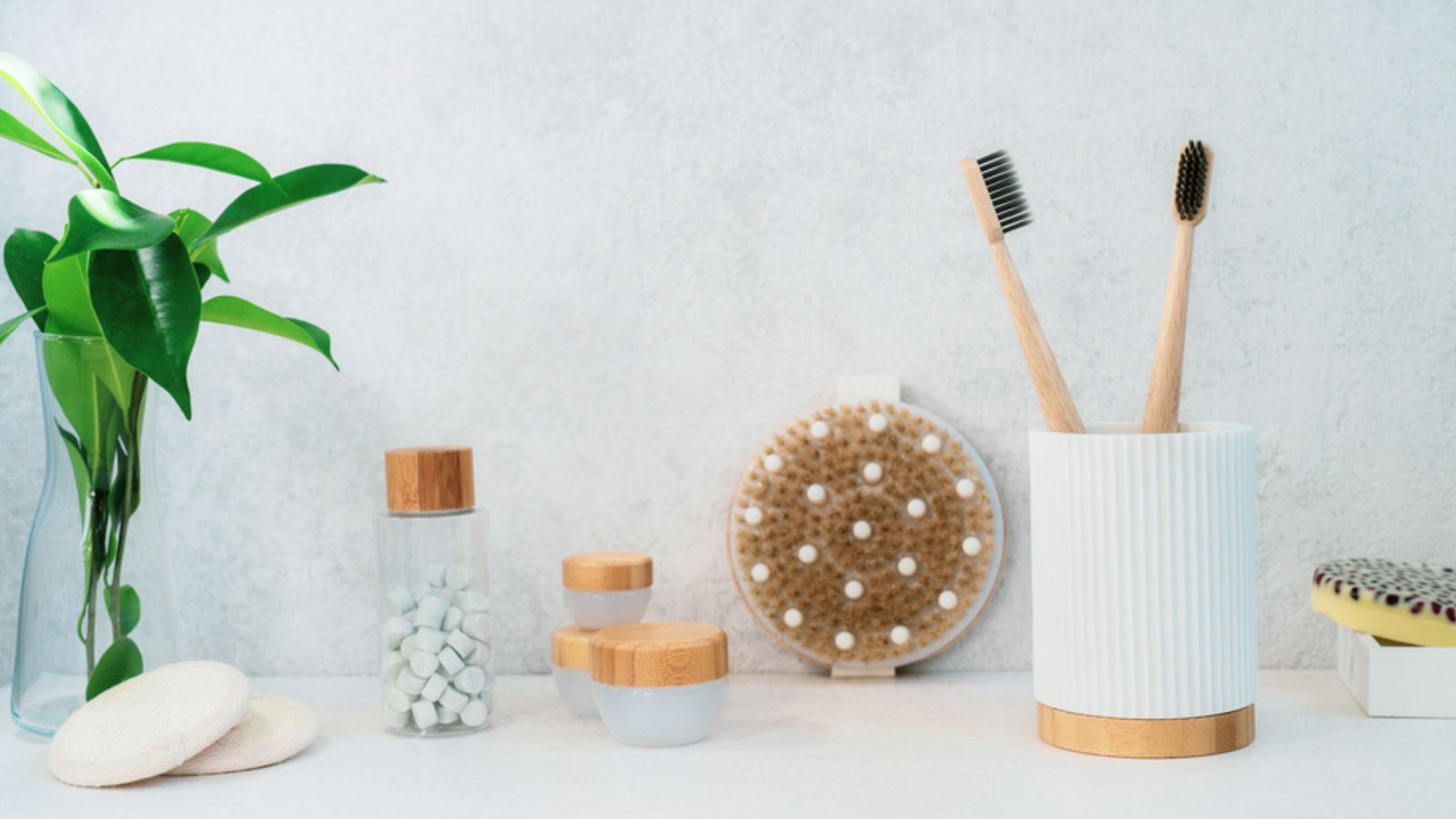
The humble toothbrush holder may look innocent sitting on the bathroom counter, but many are made of hard plastics that can contain BPA and quickly become a breeding ground for bacteria and mold. Dampness and poor drainage work together to create the perfect swampy environment for germs. Studies show toothbrush holders are among the most contaminated spots in the home.
Luckily, switching to safer storage is easy and much cleaner. Use a glass cup that can go right in the dishwasher, or pick a stainless steel or ceramic holder with good ventilation so your brush can dry out. Less plastic means fewer chemicals and a fresher, healthier home for your toothbrush.
4. Plastic Soap Dispensers
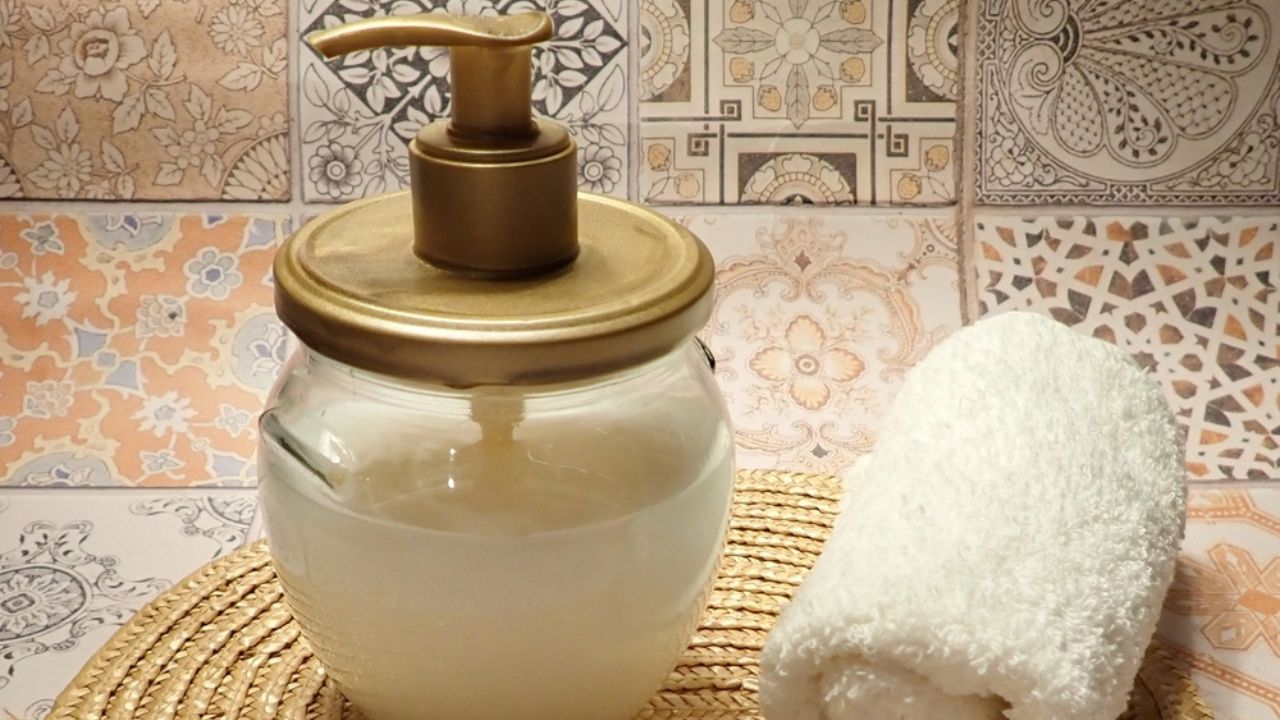
Refillable plastic soap dispensers show up everywhere, often seeming like a step up from single-use bottles. Trouble is, many are made from plastics containing BPA or similar chemicals, so you’re touching these materials every time you wash your hands. Studies show bacteria can build up inside dispensers that are just “topped off” with more soap and never cleaned. That biofilm clings to the walls and contaminates each fresh refill, so instead of getting clean, you may be adding extra microbes to your routine.
Ditching plastic here has big payoffs. Swap in a classic bar of soap with a well-draining dish to stop all this at the source. Fans of liquid soap can go for glass or ceramic dispensers, which are easy to deep clean between refills. Remember to give any dispenser a thorough wash and let it dry before adding new soap so those persistent germs don’t get the upper hand.
5. Plastic Makeup and Toiletry Containers

Convenience often wins out when decanting big bottles of shampoo, conditioner, or lotion into travel-sized plastic containers, but these tiny bottles can come with a not-so-tiny downside. Many are made from cheap plastics that may leach chemicals into your products, especially if those products contain oils or acids. Add in steamy bathroom conditions, and the risk of chemical migration climbs, leaving your skin and hair exposed to unwanted extras.
Looking to swap out these small storage culprits? Silicone travel bottles are flexible, tough, and free of BPA and phthalates, while glass or aluminum pots make smart choices for creams and powders. These options are chemically inert, keeping your products pure and even adding a stylish touch to your counter or toiletry bag.
A Fresh Start for Your Bathroom

Creating a healthier home can begin with small, intentional changes in the items you use every day. Some things need to get out of your bathroom now. By replacing a few key plastic storage items in your bathroom, you can reduce your daily exposure to potentially harmful chemicals and create a cleaner, safer space for yourself and your family.
The next time you need to replace your shower curtain, choose a fabric one. When a plastic organizer breaks, look for a bamboo or glass alternative. Each small swap is a step toward a bathroom that is not just organized, but also supportive of your well-being.