6 Foods That Help Birds Survive the Winter
Winter is like nighttime for gardens. The bustling activity of spring and summer fades, and a blanket of snow or frost often covers the ground. For the birds that stick around, this picturesque scene presents a serious challenge: finding food. Their usual buffet of insects and seeds gets buried or disappears entirely.
This is where a well-stocked backyard bird feeder can make a world of difference. Offering the right foods helps these feathered residents get the high-energy fuel they need to stay warm and healthy until spring returns.
This guide will walk you through six essential foods to offer your backyard birds this winter, explaining what makes each one a valuable addition to your feeder.
1. Black Oil Sunflower Seeds
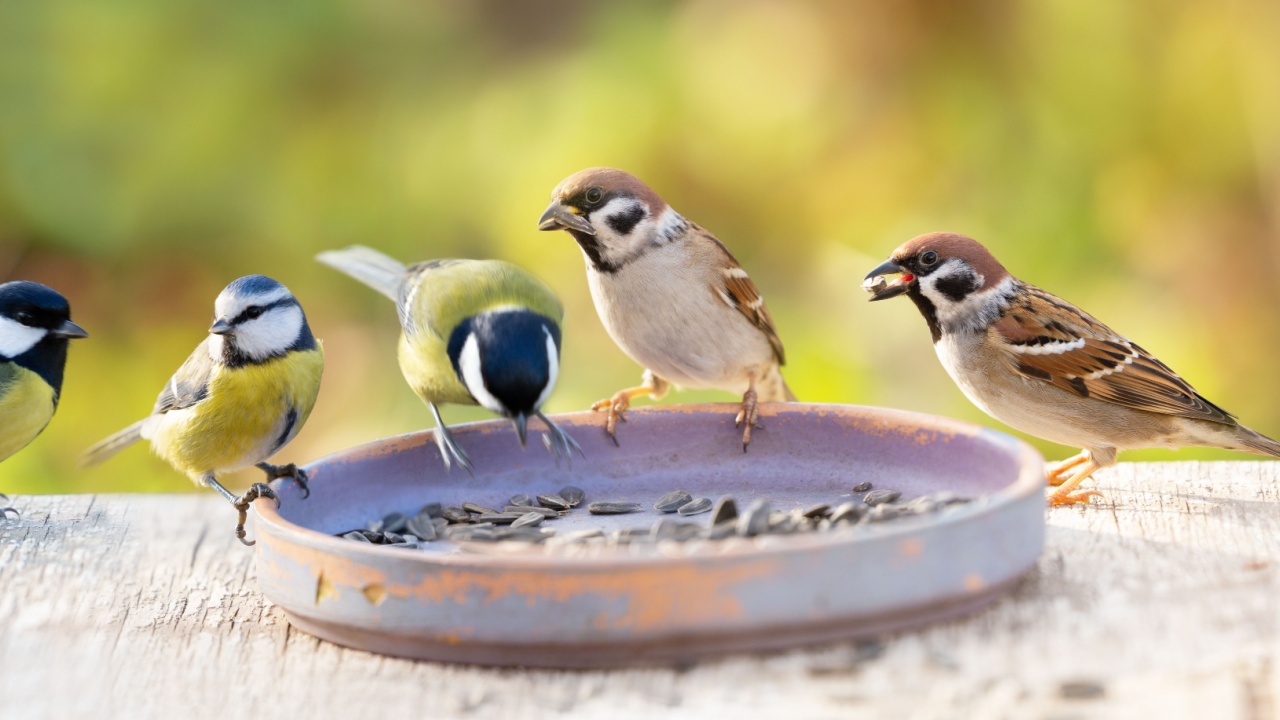
If you could only offer one type of seed, black oil sunflower seeds would be the top contender. They are the universal crowd-pleaser of the bird world. Their thin shells are easy for smaller birds like chickadees and finches to crack open. Inside, the kernel is packed with a high fat content, which is exactly what birds need to generate body heat during cold weather.
The high oil percentage provides a concentrated source of energy, helping birds maintain their metabolism through frigid nights. These seeds are a favorite of a wide variety of species, from cardinals and blue jays to nuthatches and woodpeckers. Putting out a feeder full of black oil sunflower seeds is like opening a popular all-you-can-eat diner; you are bound to get a steady stream of happy customers.
2. Nyjer (Thistle) Seed
Don’t let the small size of Nyjer seeds fool you. These tiny black seeds are a nutritional powerhouse, especially if you want to attract finches. Goldfinches, house finches, and pine siskins are particularly drawn to Nyjer. Like sunflower seeds, they are rich in oil and calories, providing a vital energy source for small birds that burn through their reserves quickly just to stay warm.
Because these seeds are so small, it’s best to serve them in a specialized Nyjer feeder, which has tiny ports that prevent the seed from spilling out. This also discourages larger birds and squirrels from hogging the supply. Offering Nyjer is a great way to attract some of the smaller, more colorful species to your yard, adding a splash of brightness to a gray winter day.
3. Cracked Corn

Cracked corn is an affordable and effective food for many ground-feeding birds. Species like juncos, sparrows, doves, and even wild turkeys appreciate finding it scattered on the ground or on a low platform feeder. The corn provides carbohydrates, which are a good source of quick energy.
It’s important to use cracked corn intended for bird feeding and to keep it dry. Wet corn can grow mold that is harmful to birds. You can spread it in a cleared area after a snowfall to make it easy for birds to spot. While it might not have the high-fat content of seeds, corn is a reliable and appreciated supplement that helps a different group of birds get through the tough times.
4. Peanuts

Peanuts are another high-fat, high-protein option that many birds love. You can offer them shelled or in the shell. Blue jays, for instance, are known for their ability to expertly crack open whole peanuts. Smaller birds like titmice, chickadees, and nuthatches prefer the shelled, unsalted variety.
These legumes provide a substantial energy boost, making them an ideal winter food. You can place them in a specialized peanut feeder, which helps prevent squirrels from running off with the entire stash at once. You can also mix peanut hearts or pieces into a general seed blend. Offering peanuts is a fantastic way to support a diverse range of birds, from the large and boisterous to the small and acrobatic.
5. Suet
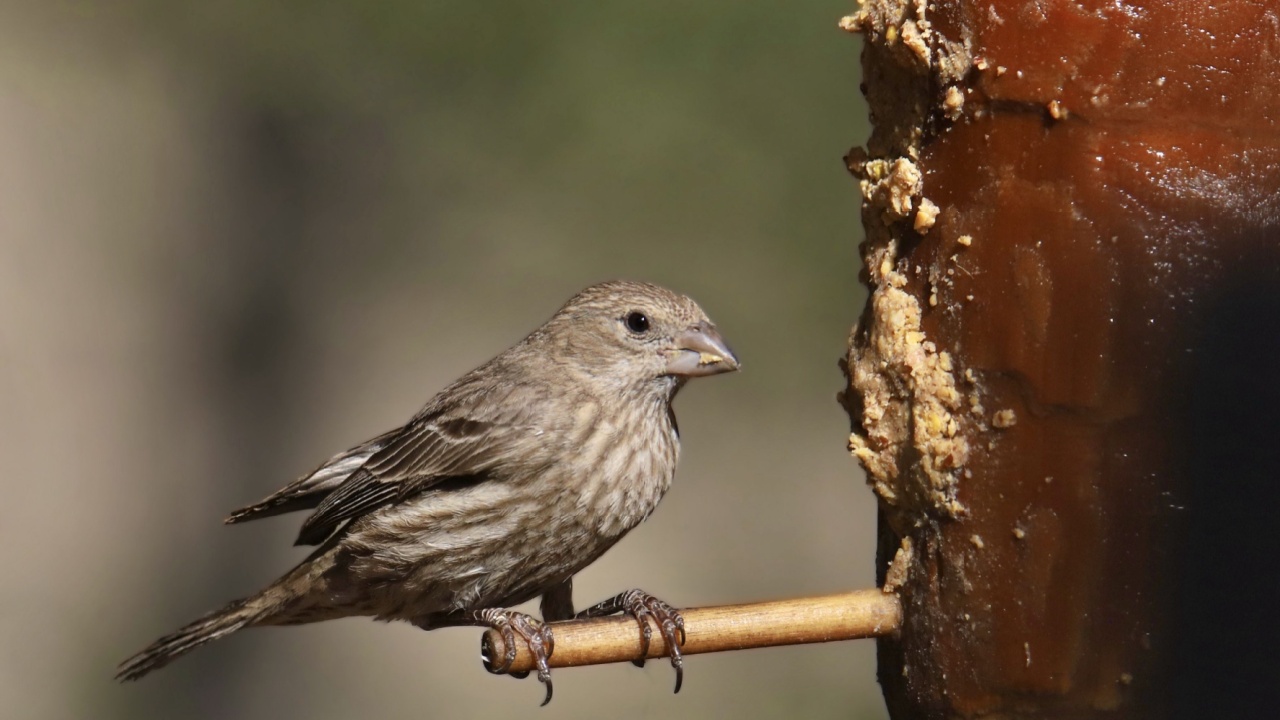
Suet is rendered animal fat, and it is perhaps the most important winter food you can offer. It is a super-concentrated source of calories that is essential for insect-eating birds like woodpeckers, nuthatches, and chickadees when their primary food source is unavailable. During cold snaps, the energy derived from suet can be a true lifesaver.
Suet is typically sold in cakes that fit neatly into suet cages. You can find plain suet or varieties mixed with seeds, nuts, or dried fruit for extra appeal. Hanging a suet feeder from a tree branch or pole gives birds a safe place to cling and eat. This high-energy meal will help them power through the coldest days and longest nights of the season.
6. Millet

Millet is a small, round grain that is a favorite of many ground-feeding birds. If you see sparrows, juncos, or cardinals foraging on the ground, they are likely looking for seeds like millet. It is high in carbohydrates and provides a solid source of energy.
There are different types of millet, but white proso millet is generally the most popular with a wide range of bird species. You can sprinkle it directly on the ground, in a platform feeder, or mix it into a seed blend for your tube or hopper feeders. It’s an excellent and economical choice to ensure that the birds who prefer to dine on the ground are also getting the nutrition they need to thrive.
Supporting Your Feathered Neighbors
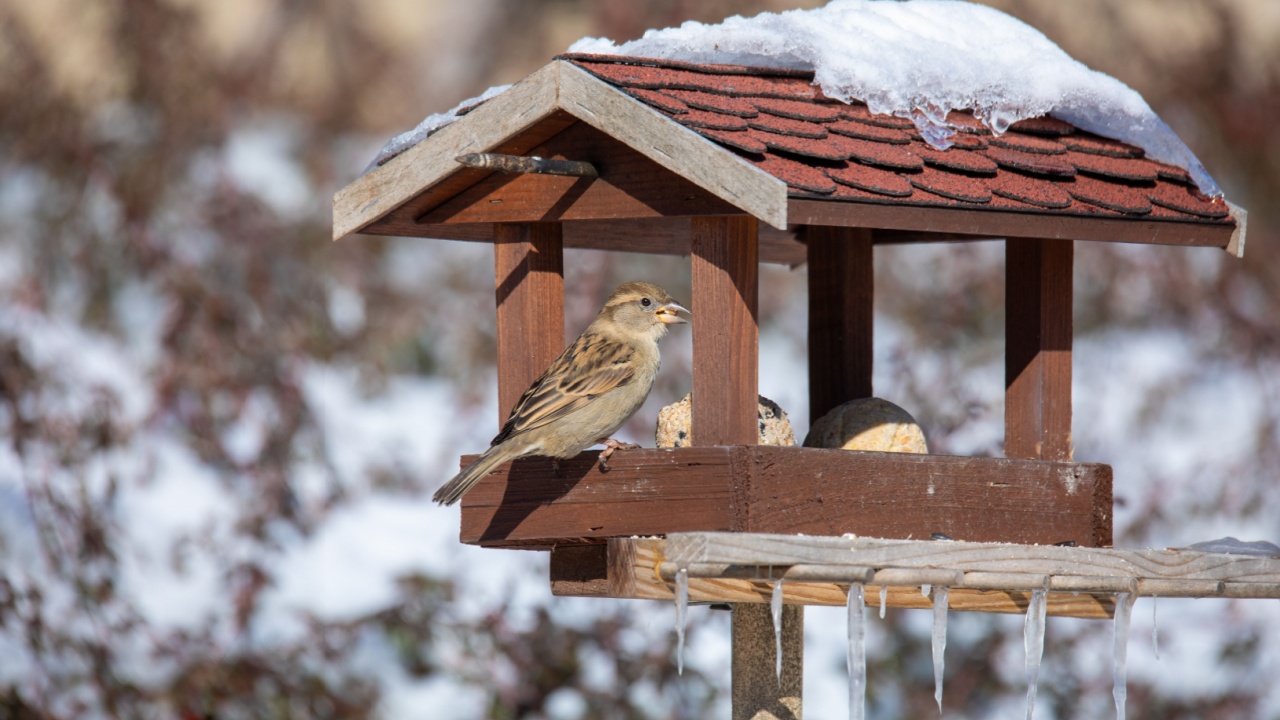
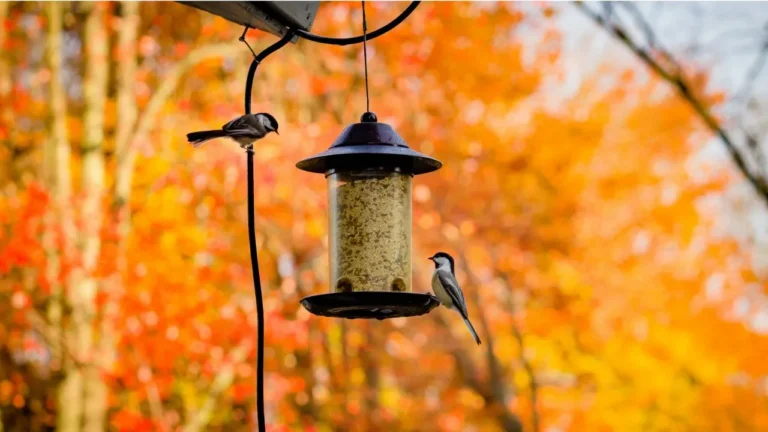
Creating a winter buffet for your local birds helps them through the harshest months. By providing a mix of high-fat, high-energy foods, you give them the fuel they need to stay warm and active. To get started, consider setting up a few different types of feeders to cater to various species. A tube feeder for sunflower and Nyjer seeds, a suet cage, and a platform feeder for corn and millet will attract a wonderful diversity of visitors. Remember to keep your feeders clean and full, especially after heavy snow.