6 Calming Hobbies to Embrace Inner Peace
Life sometimes turns into a treadmill set to the highest speed. Between deadlines, family obligations, and the constant pinging of notifications, finding a moment of quiet can feel like searching for a needle in a haystack while the haystack is on fire.
You probably opened this article hoping for a lifeline, a way to slow down the spinning plates before one crashes. This guide explores six hobbies specifically chosen for their ability to lower heart rates and quiet racing thoughts. From the tactile rhythm of knitting to the precise focus of calligraphy, these aren’t just ways to pass time; they are tools for mental restoration.
1. Birdwatching

Birdwatching offers a direct connection to nature without requiring a hike or special gear. Simply sitting by a window or finding a spot at a local park and quietly observing birds encourages the mind to slow down. Watching the movements and listening for calls gently shifts attention away from daily stress, letting worries fade as focus settles on the world outside.
Patience is what makes birdwatching restorative. Waiting for a cardinal or finch to show up teaches stillness and helps ease tension. Noticing small differences between sparrows or robins distracts from anxious thoughts and taps into nature’s steady pace, reminding you that calm is always within sight, even on the busiest days.
2. Knitting

Knitting isn’t just for grandmothers or anyone with a penchant for tea and rocking chairs. The soothing repetition of moving yarn and sliding needles calms busy minds while keeping hands engaged. It’s an easy way to tune out nagging thoughts and slip into a peaceful rhythm, leaving stress at the door.
Beyond the biological benefits, knitting offers a tangible result. After an hour of work, you can see physical progress, a growing scarf, or the start of a hat. If you make a mistake, you simply unravel it and start again. It’s a low-stakes lesson in forgiveness and persistence.
3. Calligraphy

Calligraphy throws the brakes on life. You aren’t jotting a list, you’re carefully sculpting each letter. It takes posture, a gentle grip, and a willingness to slow yourself way down. Calligraphy is all about intentional focus; each stroke invites you into a different headspace, one where rushing just doesn’t work.
The act of guiding ink on paper is quietly hypnotic. Watching smooth lines and arches form can bring a surprising sense of order and calm. The attention needed crowds out distracting thoughts, while even basic drills like repeated loops help settle the mind.
4. Mahjong
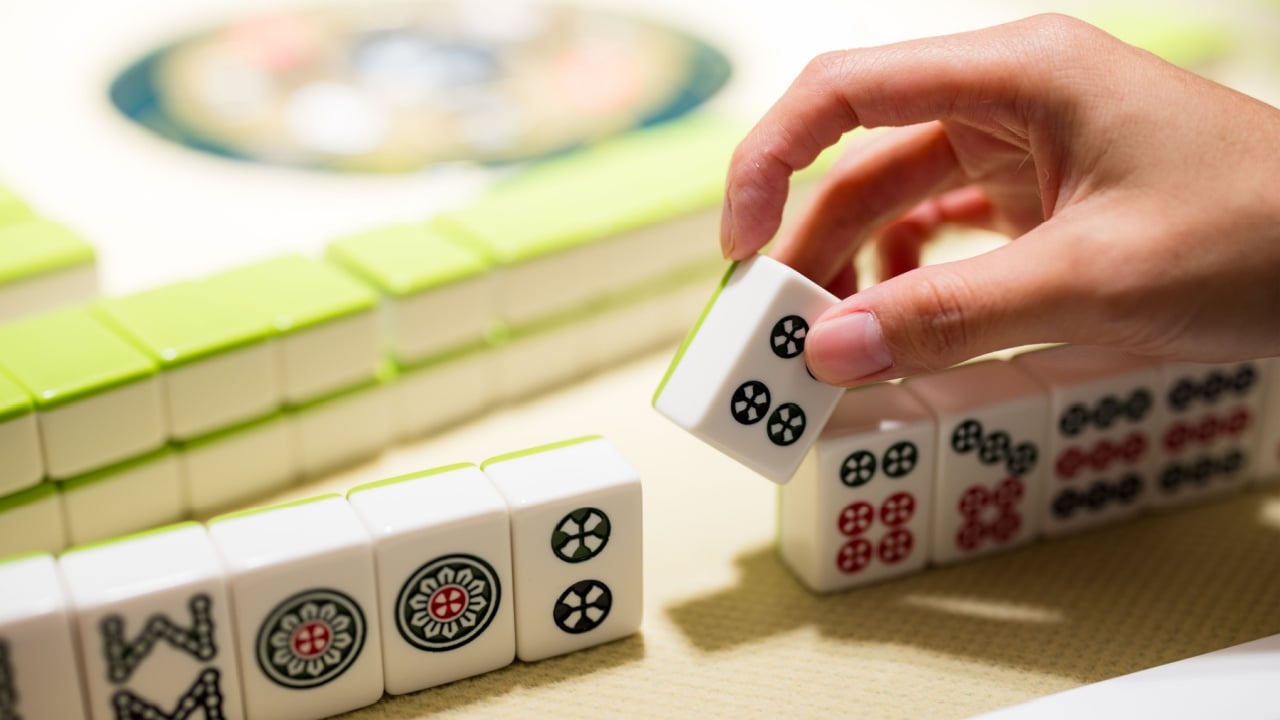
Mahjong might look daunting with those mysterious tiles and endless rules, but at its heart, the game is perfect for helping thoughts settle. It pushes your brain to focus on patterns and strategy, sweeping away the daily clutter that loves to stick around. Instead of fixating on worries, your attention shifts to seeking a winning set or figuring out what the table next needs.
The real bonus is in the hands-on play and interaction. Shuffling and sorting the tiles is unusually satisfying. Playing with others brings easy and relaxed connection, offering conversation without any pressure to put on a show. Mahjong invites you to relax into the experience and may help leave social stress and stray thoughts behind.
5. Watercolor Painting

Watercolor painting works well for easing tension, partly because of its unpredictable streak. Paint bleeds, colors swirl, and unexpected patterns pop up. Letting go of the need to control every brushstroke feels surprisingly liberating. Just watching pigments spread across the page can be visual therapy all on its own.
The process is where the benefits live: soft, see-through washes have a calm look, and the simple clean-up makes it easy to pick up and put away. Focusing on basic shapes or abstract washes calms the mind and makes room for play. Watercolor helps tune out the inner critic, since mistakes often turn out to be small surprises.
6. Sourdough Baking
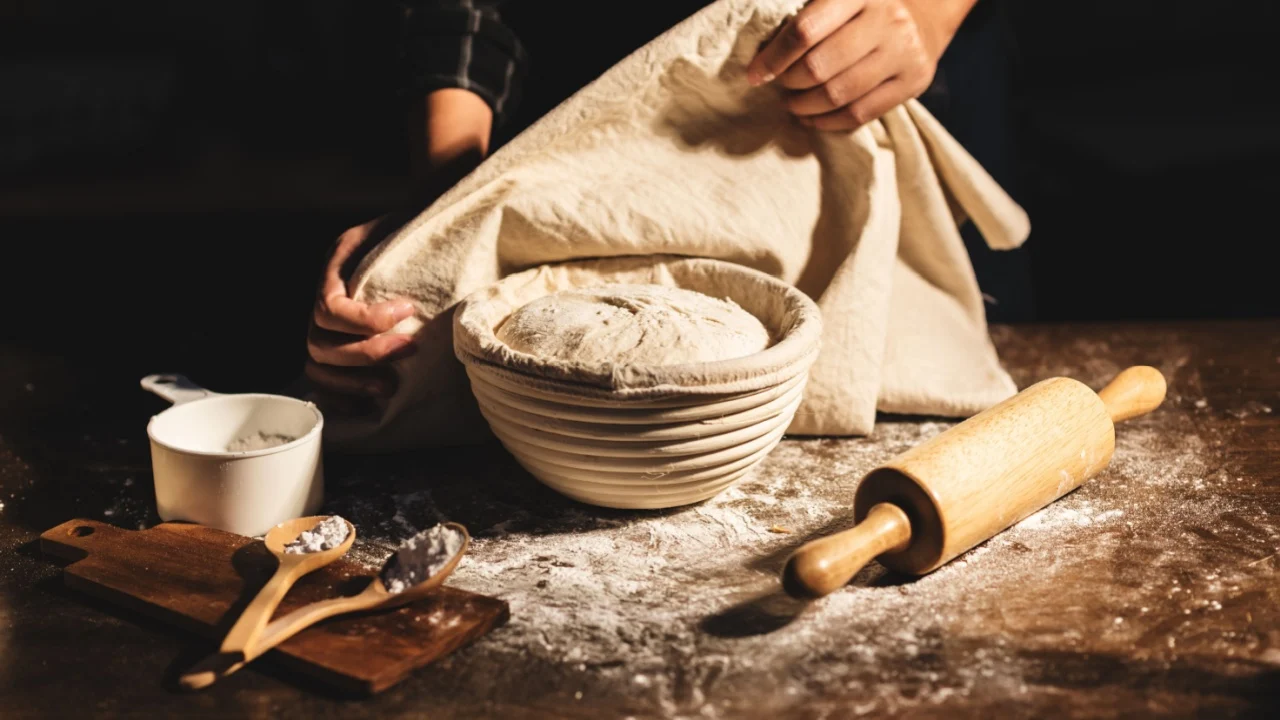
Sourdough baking stands out as the slowpoke of the bread world, but that’s exactly what makes it soothing. Mixing up flour and water to create a starter takes patience, as does stretching, folding, and waiting for the dough to rise. This slow pace shifts attention away from the usual rush and instead anchors it on simple, mindful steps tied to the rhythm of kitchen life.
Every part of the process brings sensory rewards. Kneading the dough gets the hands busy, while the smell of yeast and fresh bread wraps the house in comfort. Caring for a living starter brings a small but real sense of accomplishment. Pulling a golden loaf from the oven brings satisfaction for both the baker and anyone nearby with an appetite for homemade bread.
Taking the Leap into Calm

Finding a hobby to boost your health is about carving out a sanctuary where your brain can rest. You don’t need to master birdwatching or bake the perfect loaf on your first try. The value lies in the attempt. What have you been feeling calling your name? Gather the absolute minimum supplies needed to start. Dedicate fifteen minutes this weekend to it. If it doesn’t stick, try another. The goal is simply to find a quiet corner of existence where the noise of the world fades into the background. Your mind deserves that break.