5 Signs We’re Spending Too Much Time Home Alone
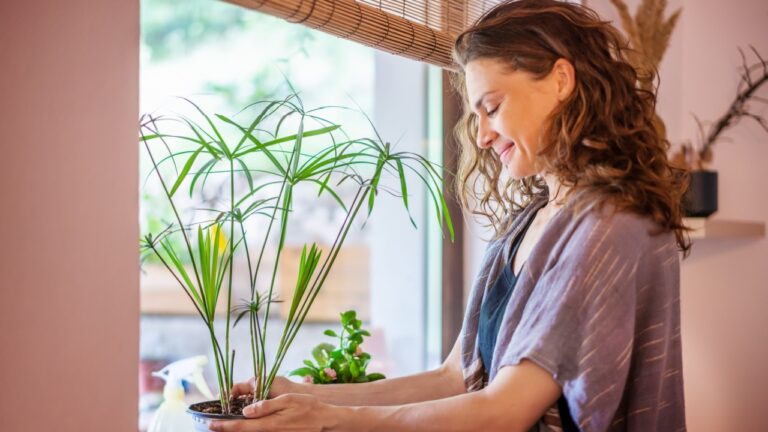
Humans are social creatures, but a little solitude is healthy. It provides a chance to recharge and reconnect with oneself. However, there is a point where beneficial alone time crosses into something less positive.
This article outlines five unexpected signs that suggest you might be spending too much time by yourself. You will learn to recognize behaviors that seem harmless but could point to a need for more social connection, helping you find a better balance.
1. Pants Become Optional

The workday ends, and the first act is swapping structured trousers for soft, forgiving sweatpants. Soon, that swap happens earlier in the day. Eventually, the very idea of wearing anything with a zipper or button feels like a distant memory from a more formal civilization. This slide into a “no-pants” policy is a common side effect of prolonged solitude.
Without the social expectation of dressing for others, comfort becomes the only rule. This is not about a single lazy Sunday; it’s when the wardrobe permanently shifts to loungewear. This habit can be a subtle indicator of social withdrawal. Psychologists say what we wear shows how we feel. Getting dressed often signals a readiness to engage with the world. When that step is consistently skipped, it can reflect a shrinking social circle and a decreased motivation to leave the house.
2. Meals Are No Longer an Event
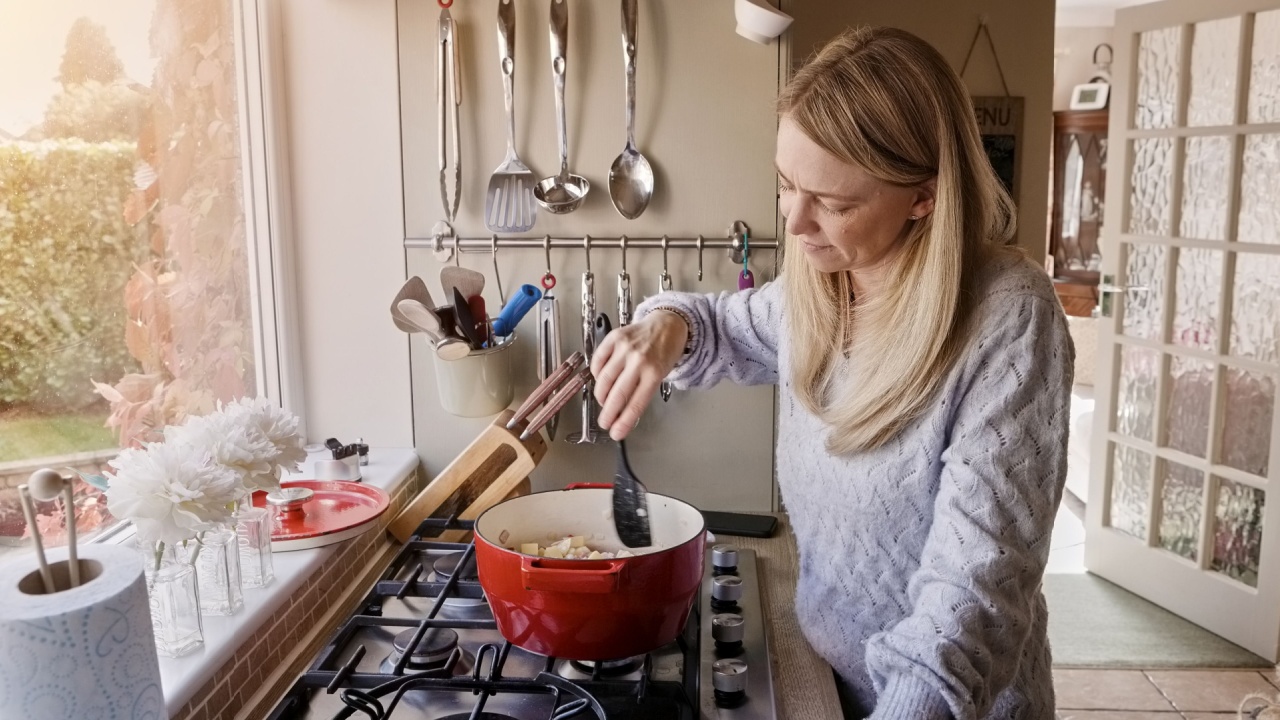
Remember sitting down for a proper dinner? It involved a plate, silverware, and maybe even a vegetable that wasn’t from a can. When you’re alone for extended periods, meals can devolve into a series of snacks eaten straight from the container while standing over the kitchen sink. The ritual of preparing and enjoying a meal often loses its appeal without someone to share it with.
This shift from structured meals to constant grazing is significant. Shared meals are a fundamental form of social bonding across cultures. The act of cooking for others or dining together reinforces community and routine. When mealtime becomes a purely functional, solitary act of refueling, it can highlight a growing isolation. A balanced diet can also suffer, as assembling a complete meal for one person can feel like too much effort.
3. You Talk to Yourself… and Answer Back

Everyone mutters to themselves occasionally, searching for lost keys or working through a problem. This behavior enters a new territory when you begin having full-blown conversations with yourself, your pets, or even inanimate objects. You might ask your ficus tree for its opinion on the weather or debate the merits of a new TV show with your cat, who seems surprisingly engaged.
While it might feel harmless, this habit can be a way of filling a social void. Humans have a deep-seated need for interaction and communication. When real people are not available, the brain may find substitutes. This internal or external dialogue is an attempt to simulate the back-and-forth of a conversation. It becomes a sign of too much solitude when it moves from an occasional comment to a primary form of verbal expression.
4. Your Sleep Quality Declines

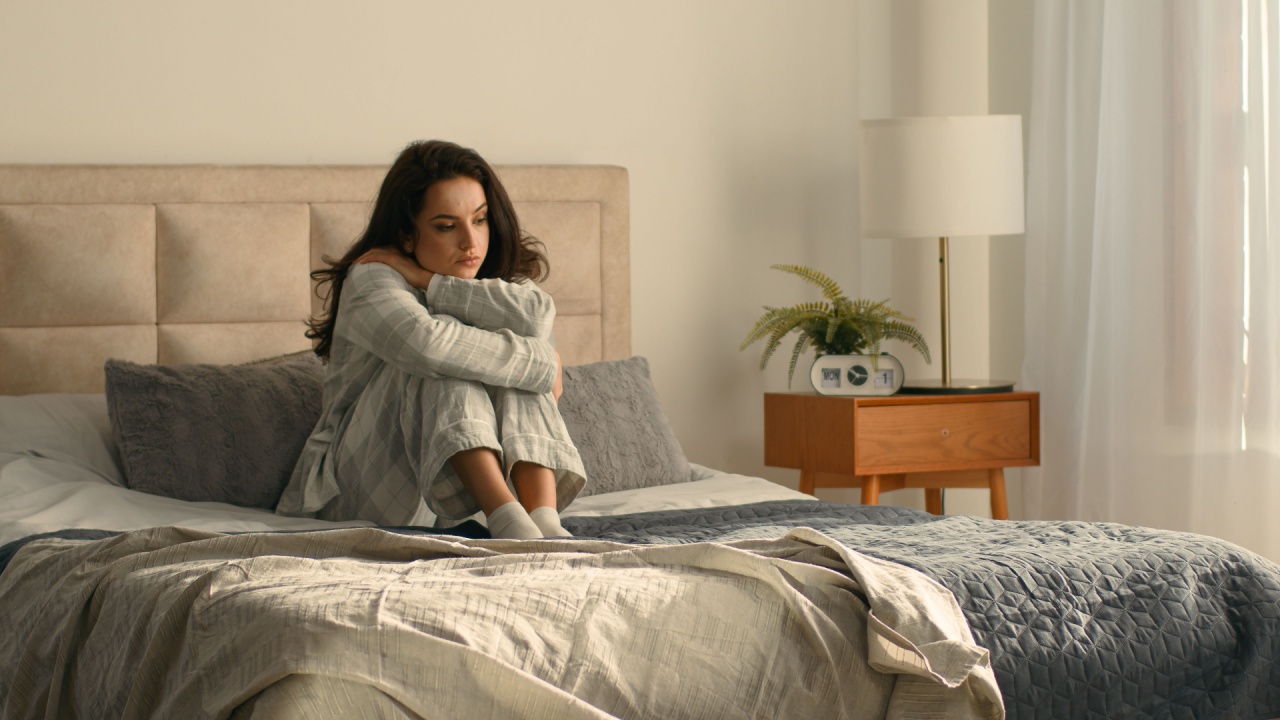
You might assume that a quiet, empty house would be the perfect environment for deep, restorative sleep. Surprisingly, extensive social isolation can have the opposite effect. You might find yourself struggling to fall asleep, waking up frequently during the night, or feeling groggy in the morning despite getting a full eight hours.
Research suggests a link between loneliness and fragmented sleep. A feeling of isolation can increase vigilance, a primal response to feeling unsafe when alone. This subconscious state of alertness makes it difficult for the body and mind to relax fully into the deeper stages of sleep. The result is sleep that is less refreshing, which can impact mood, cognitive function, and overall health.
5. Getting Sick Feels Worse
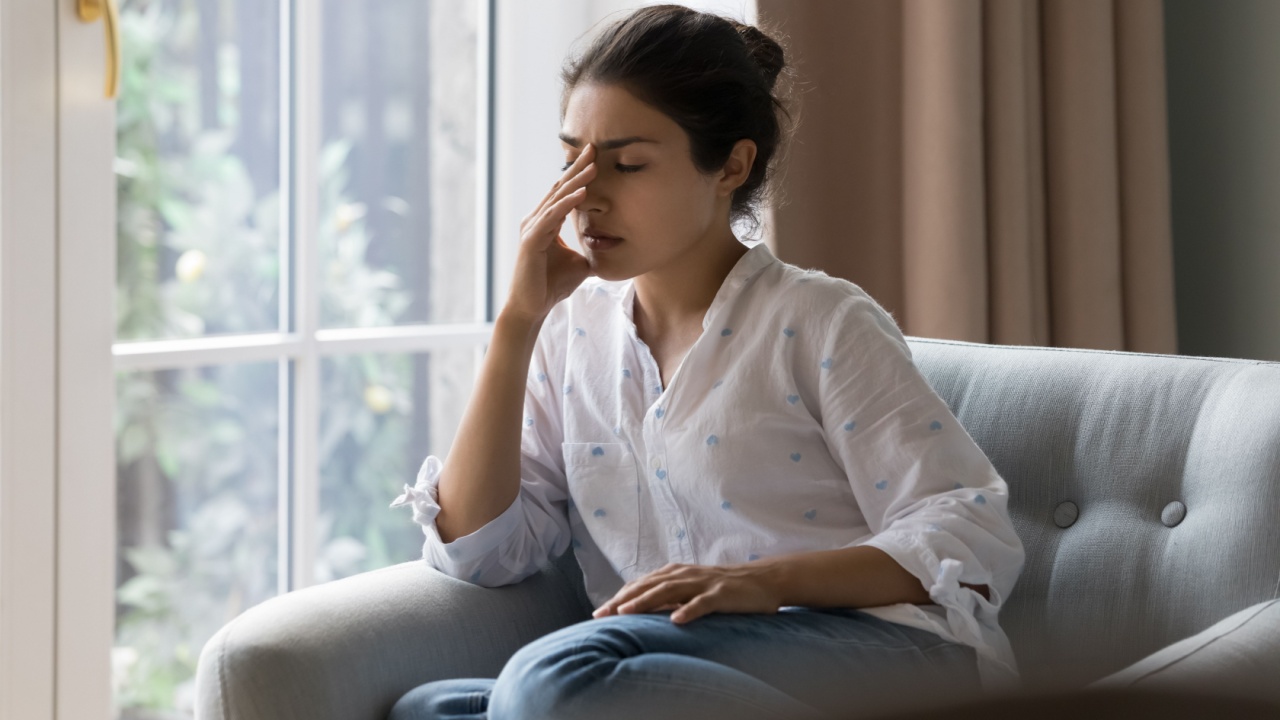
Catching a cold is never pleasant, but it can feel significantly more miserable when you are navigating it entirely on your own. Beyond the obvious lack of someone to bring you soup or medication, social isolation can impact your physical experience of illness. The aches seem achier, and the fatigue feels heavier.
This heightened sense of misery is partly psychological. Social support acts as a powerful buffer against stress and discomfort. Without a friend to offer sympathy or a family member to check in, the emotional weight of being sick can feel much greater. Furthermore, the loneliness itself can exacerbate the physical symptoms, creating a cycle where feeling unwell deepens the sense of isolation, which in turn makes the illness feel even worse.
Finding Your Balance

Recognizing one or more of these signs is not a cause for alarm, but rather an invitation for self-reflection. Is your home indicating you may be lonelier than you care to admit? If your pants are gathering dust and your cat is tired of your monologues, it might be time to gently re-engage with the world. You do not need a packed social calendar overnight.
Consider starting with small, manageable actions. Call a friend you have not spoken to in a while. Invite a neighbor over for a cup of tea. Join a local club or group that aligns with your interests, like a gardening society or a book club. Even a brief, positive social interaction can help break the cycle of isolation. The goal is to find a comfortable equilibrium between restorative solitude and the essential human need for connection.