
12 Signs in Someone’s Home That They’re Lonelier Than They’ll Admit
How lonely are your aging parents? Or that widowed neighbor you like to check in on once a week? Are they craving connection but don’t want to feel like a bother?
Evidence from PubMed indicates that people with less contact with family are lonelier. And their homes can give clues about their connections and level of loneliness.
A home can tell a story without saying a word. The way it’s arranged, the objects on display, and even the sounds within its walls can paint a picture of the lives lived there. Sometimes, that picture reveals a quiet sense of solitude and loneliness (even if someone doesn’t admit it).
This article looks at 12 subtle signs within a home that might point to loneliness, offering a look at how our spaces reflect our internal worlds. You will find a list of common household cues, each explained to provide a deeper understanding of what they might mean.
1. The Television is Always On

A home that is never truly quiet might be a home where silence feels too heavy. When the television is constantly murmuring in the background, it often serves as more than just entertainment. It becomes a source of ambient noise, filling the space with voices and activity.
This constant sound can be a way to make an empty house feel more populated and alive. The background chatter from a news channel or a sitcom can create the illusion of company, pushing back against the stillness that loneliness can bring.
2. Family Photos Cover Every Surface
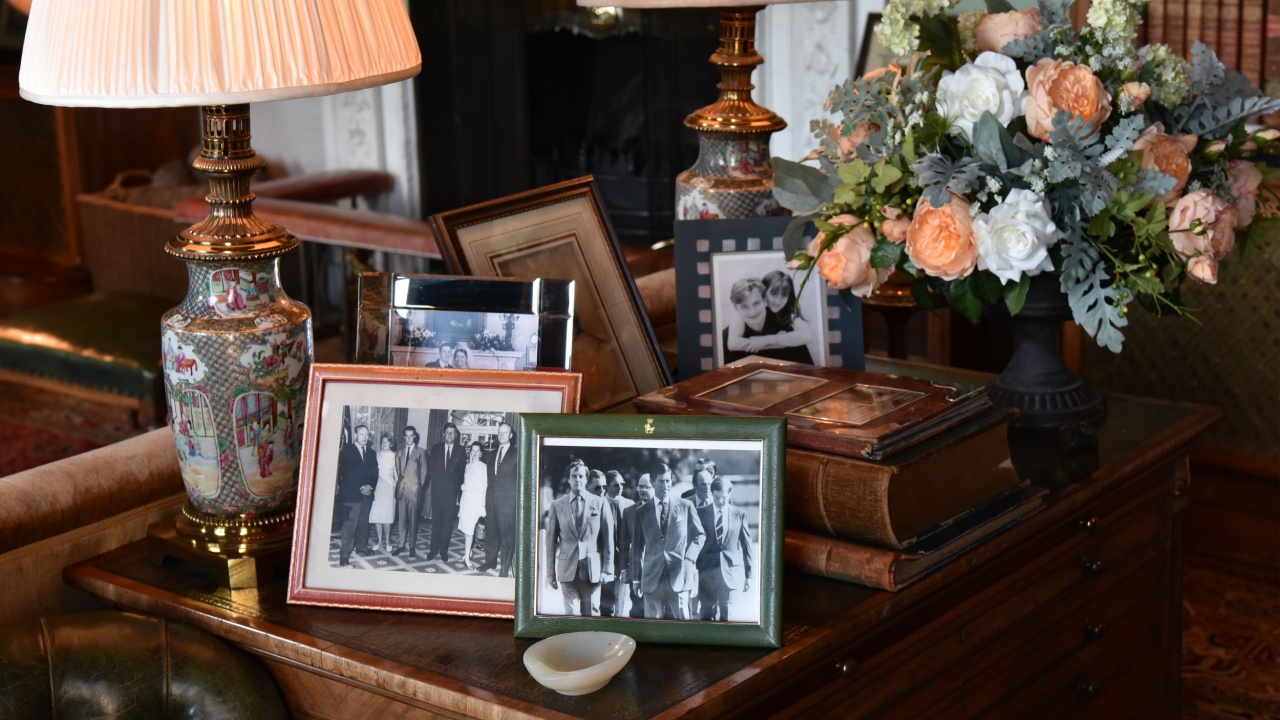
Photographs are beautiful reminders of cherished people and happy memories. Displaying them is a natural way to personalize a space. However, when every available surface, from walls, tables, and mantels, is filled with family photos, it might signify something more.
Some say that this extensive gallery can be an attempt to feel surrounded by loved ones when they are not physically present. Each picture becomes a stand-in for a real connection, a visual reminder of a bond that may feel distant. It’s a way of holding onto connection when visits from family and friends are few and far between.
3. Treats are Left for Delivery People

A small act of kindness, like leaving a cold drink or a snack for a delivery driver, is a thoughtful gesture. When this becomes a regular habit, it can sometimes point to a deeper need for interaction. For someone experiencing loneliness, the brief exchange with a mail carrier or a food delivery person might be one of the few social moments in their day.
Loneliness can feel like a hunger; by leaving a gift, they encourage a slightly longer, more personal interaction. It’s a way of turning a fleeting transaction into a small moment of human connection.
4. The Guest Room Looks Untouched
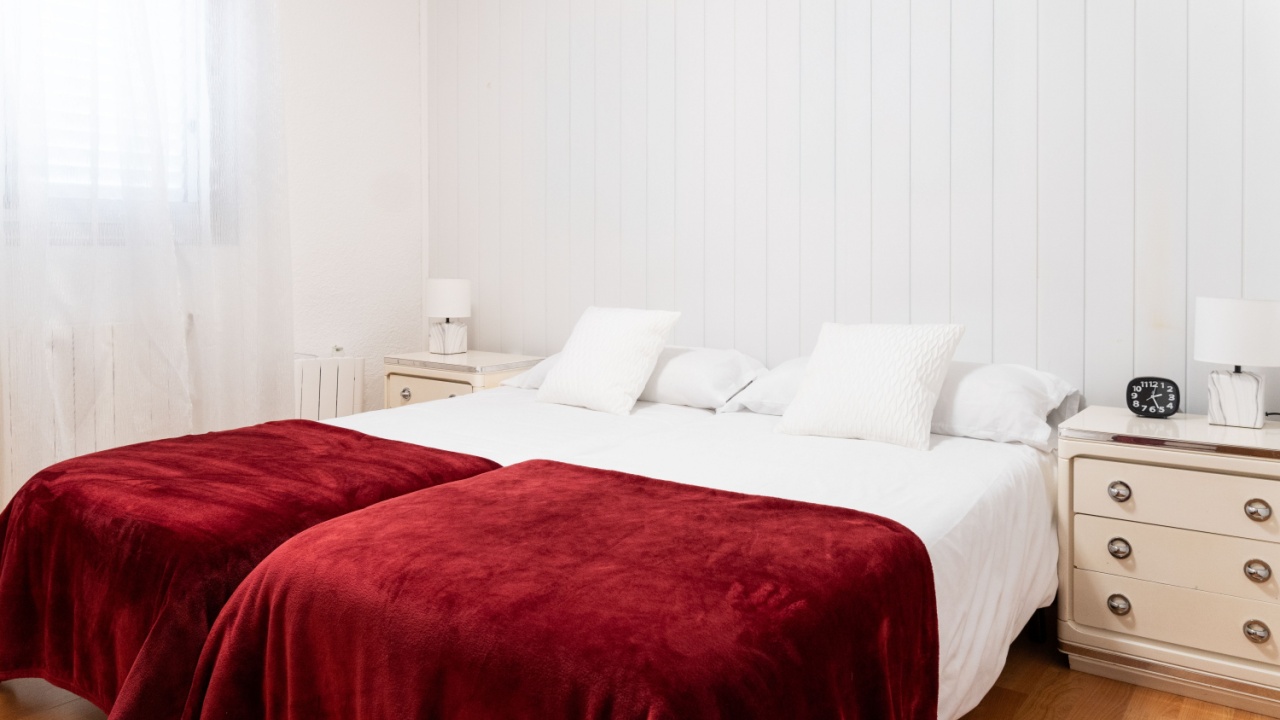
A guest room is a space designated for hospitality, ready to welcome friends and family. A guest room that looks perpetually pristine and untouched can be a telling sign. The perfectly made bed, the dust-free surfaces, and the lack of any personal items suggest that it has been a long time since visitors stayed over.
This room, meant for connection and shared experiences, stands as a quiet symbol of infrequent company. It reflects a home that doesn’t often get to host the people who matter most.
5. Lights are on All Over the House
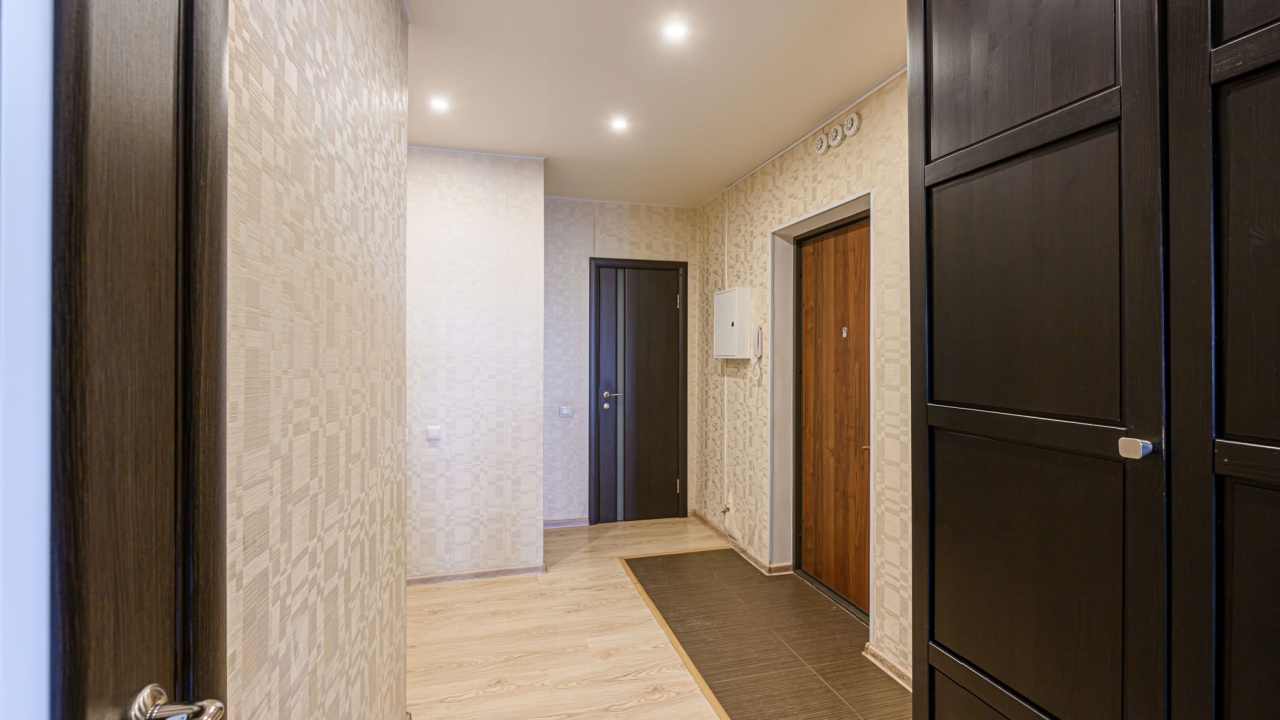
Walking into a fully illuminated house, even when only one person is home, might seem wasteful to some. For others, it’s a comfort. An empty house can feel vast and isolating, and darkness can amplify those feelings. Keeping lights on in unused rooms helps to shrink the space and make it feel less empty
The brightness can create a more cheerful and occupied atmosphere, pushing back against the shadows and the sense of solitude that comes with them. It’s a way of making the home feel warmer and more lived-in, even with no one else around.
6. Furniture is Aimed at the TV

Look at how the furniture in a living room is arranged. Is it set up to encourage conversation, with chairs and sofas facing each other? Or is every piece of furniture, the sofa, the recliners, the side chairs, pointed directly at the television?
A layout centered entirely around the TV often indicates that it is the primary source of activity in the room. It suggests that time is more often spent watching programs alone than engaging in conversation with others. This arrangement prioritizes individual entertainment over social interaction.
7. Greeting Cards are Displayed Long After the Occasion

The jury is still out on how long we should keep greeting cards. Receiving a card for a birthday or holiday is a lovely feeling. Most people display them for a week or two before putting them away. However, when you see cards from years ago still on display, it may be because they serve an important purpose.
These cards are tangible pieces of evidence that someone was thinking of them. In the absence of regular social contact, these aging greetings act as ongoing reminders of connection. They are physical links to a moment of being seen and remembered.
8. Calendars are Everywhere

A calendar on the kitchen wall is standard. A calendar on the desk, another in the hallway, and maybe one more by the phone might suggest something more. Having multiple calendars can represent a strong desire for future events and social engagements.
Each blank square is an opportunity for a plan, a visit, or an outing. It can be a tool for organizing hope, a way to focus on the possibility of future interactions, and ward off the feeling that the days are empty.
9. Their Pet is Their Closest Companion

Pets bring immense joy and companionship, even the strangest of them. The bond between a person and their animal is special. However, when a pet becomes the sole recipient of a person’s affection and conversation, it can be a sign of social isolation.
Relying heavily on a pet for emotional support may suggest a lack of fulfilling human relationships. However, studies show that pet owners tend to be happier than those without pets. While pets can be wonderful companions, depending on them entirely for social and emotional needs may indicate missing connections with others.
10. They Won’t Let Go of the Landline

Young people are returning to the landline (and “dumb” phones)to cure brain rot, but some older individuals are holding on to theirs for different reasons. For them, keeping that landline is non-negotiable, even if it hardly ever rings.
This attachment often stems from a fear of being completely disconnected from the outside world. After decades of use, the landline represents a stable, reliable lifeline. Giving it up can feel like severing a crucial link, even if it’s one they rarely use.
11. The Couch is Always Perfectly Fluffed

A living room should look lived-in. The sofa cushions should have slight indentations, and a throw blanket might be casually draped over the arm. A couch that always looks like it’s from a showroom, with perfectly plumped and arranged pillows, might not be getting much use from guests.
This kind of perfection suggests that no one is stopping by to sit and chat. A pristine living space can sometimes be the quietest indicator that a home rarely welcomes company.
12. Unused Hobby Supplies
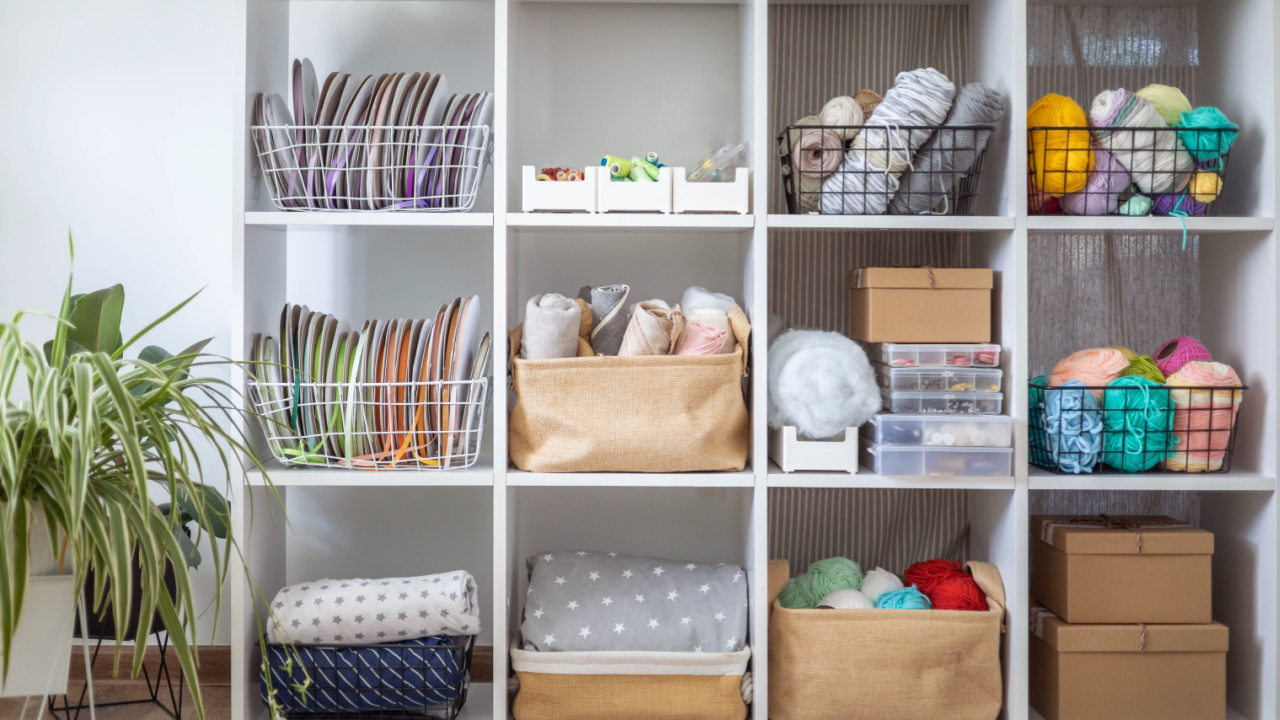
A corner filled with dusty woodworking tools, a stack of untouched canvases, or a sewing machine under a layer of disuse can be revealing. Hobbies we once shared with others, or even those we enjoyed alone, can lose their appeal in the face of loneliness.
The lack of motivation to engage in these activities can come from the absence of a partner to share them with or simply from a general sense of low spirits that often accompanies social isolation. These unused supplies represent a joy that has faded.
A Path Forward

Loneliness is a common human experience, not a personal failing. If you see your own life in these descriptions, consider taking a small action. Rejoin a club dedicated to a hobby you once loved. Volunteer for a local cause to meet new people who share your values. Even a simple weekly walk with a neighbor can build a new connection.
If these signs remind you of a friend or family member, reach out. A phone call, a short visit for coffee, or an invitation to join you for a simple meal can make a significant difference.