5 Fast‑Growing Indoor Plants for Instant Greenery
Do you know the heartbreak of staring at a tiny, stubborn seedling, willing it to sprout a single new leaf, only to be met with weeks of silence. Patience is supposedly a virtue, but sometimes you just want instant gratification. You want a home that looks like a lush botanical garden before you are old and gray.
This guide focuses specifically on indoor plants that understand the assignment: grow big and grow fast. You will find five reliable options that transform from modest potted friends into impressive greenery in record time. Here is why they work for impatient gardeners and how to keep them thriving
1. Spider Plant
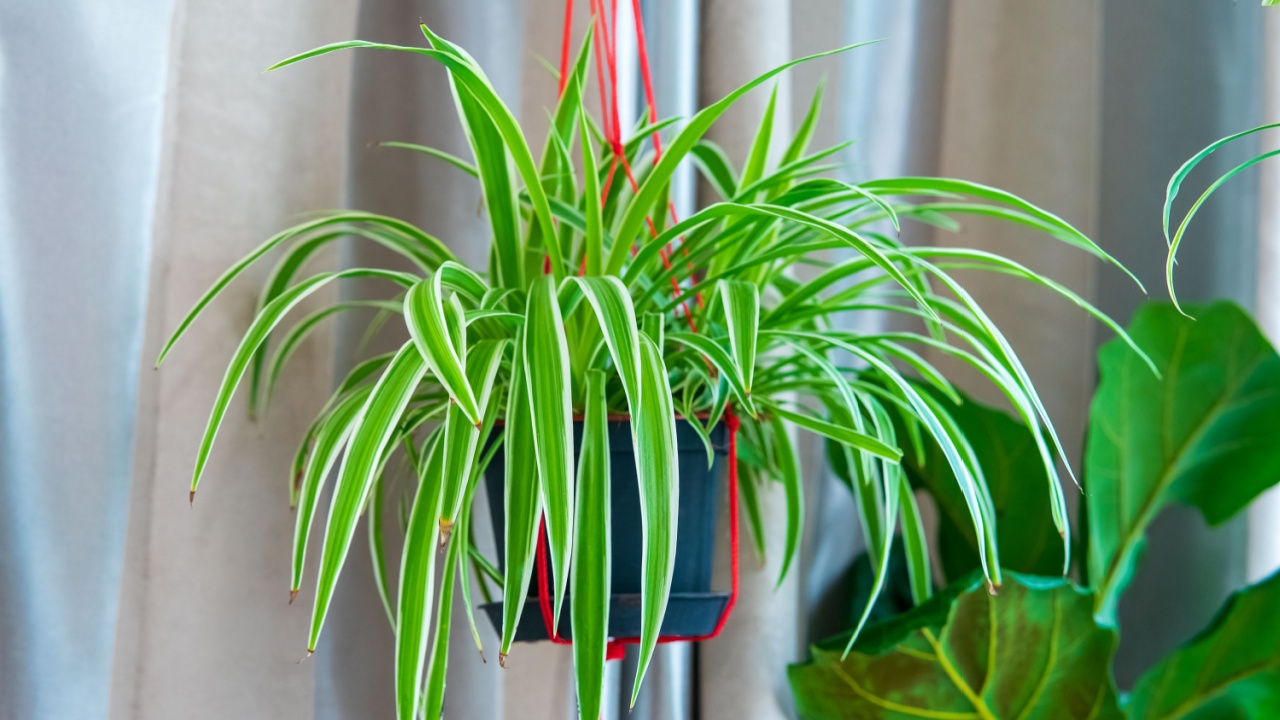
If you have ever killed a plant simply by looking at it the wrong way, the Spider Plant (Chlorophytum comosum) is here to restore your confidence. This is the plant that keeps on giving, quite literally. It is famous for sending out long, arching stems that produce tiny “spiderettes” or baby plants. You start with one, and suddenly you are running a nursery out of your living room. Given decent light and regular watering, a Spider Plant fills out a pot rapidly.
The foliage grows in a fountain-like cluster of long, variegated leaves that add immediate texture to a room. It does not sit around thinking about growing; it just does it. They prefer bright, indirect light but handle lower light conditions without throwing a fit. Water them when the top inch of soil feels dry. The only real complaint they ever have is brown tips, usually caused by fluoride in tap water. Switching to distilled water or letting your tap water sit out overnight fixes that minor vanity issue.
2. Pothos

This vining plant (Epipremnum aureum) has earned a reputation as “Devil’s Ivy” because it is nearly impossible to kill. You could probably neglect a Pothos for weeks, and it would still greet you with a new leaf when you finally remembered it existed. It is the ultimate confidence booster for anyone who claims to have a “black thumb.”
Pothos vines grow with aggressive enthusiasm. In ideal conditions, they can lengthen by a foot or more in a single month. You can let them trail dramatically from a high shelf, looking like a green waterfall, or train them to climb up a moss pole for larger leaves. The instant gratification factor is high because you can practically see the progress week by week.
They are not picky about their living arrangements. Low light? Fine. Bright light? Even better. They tolerate erratic watering schedules, though they prefer to dry out between drinks. If the leaves start to droop, looking sad and pathetic, a glass of water perks them right back up within hours. Just keep them away from pets, as they can cause tummy trouble if ingested.
3. Peace Lily
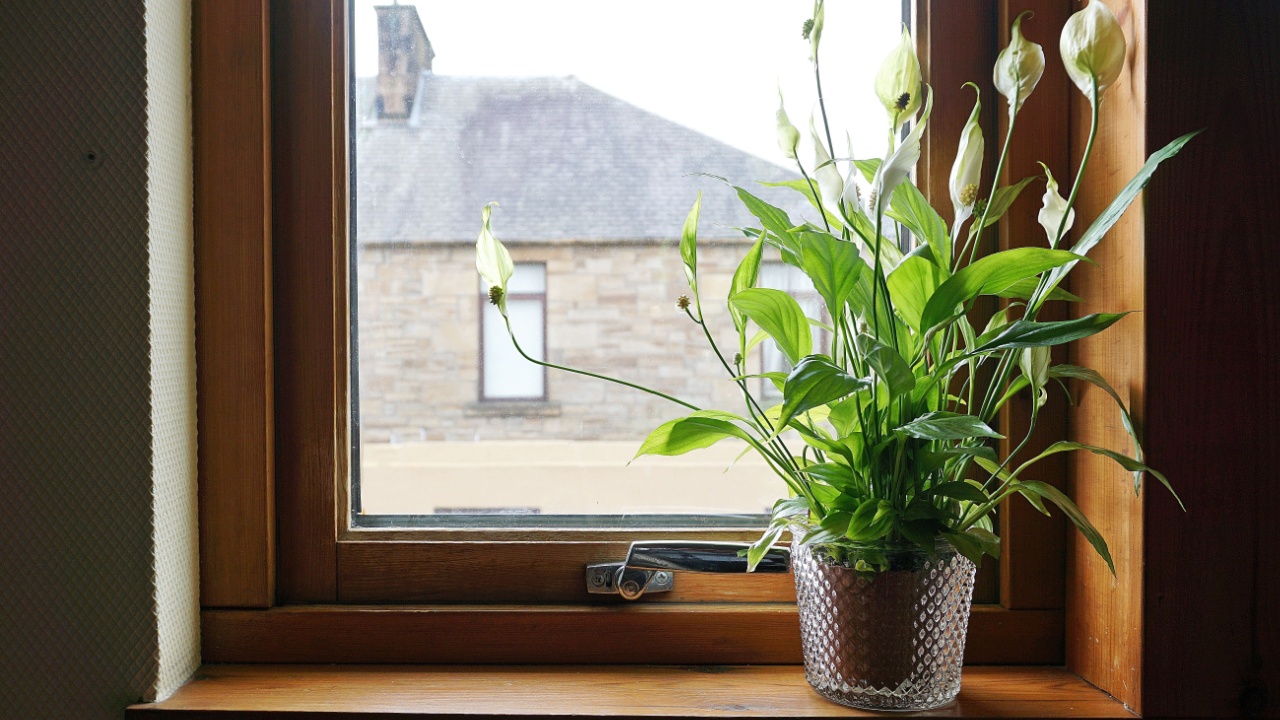
The Peace Lily (Spathiphyllum) offers a sophisticated look with broad, glossy dark green leaves and elegant white blooms. It looks high-maintenance, like it should be in a fancy hotel lobby, but it actually grows with surprising vigor in a regular living room. The Peace Lilly has very good communication skills; when it is thirsty, the entire plant collapses in a theatrical faint. You might panic, rush over with a watering can, and watch in amazement as it resurrects itself completely within an hour.
It grows quickly, filling out its pot and producing new clumps of leaves regularly. Peace Lilies thrive in medium to low light, making them perfect for corners that need brightening up. They appreciate consistent moisture but hate “wet feet,” so good drainage is mandatory. They also act as natural air filters, helping to clean the indoor environment while looking pretty. Just be aware that the white “flowers” are actually modified leaves called spathes, and they might appear less frequently in darker spots.
4. Philodendron
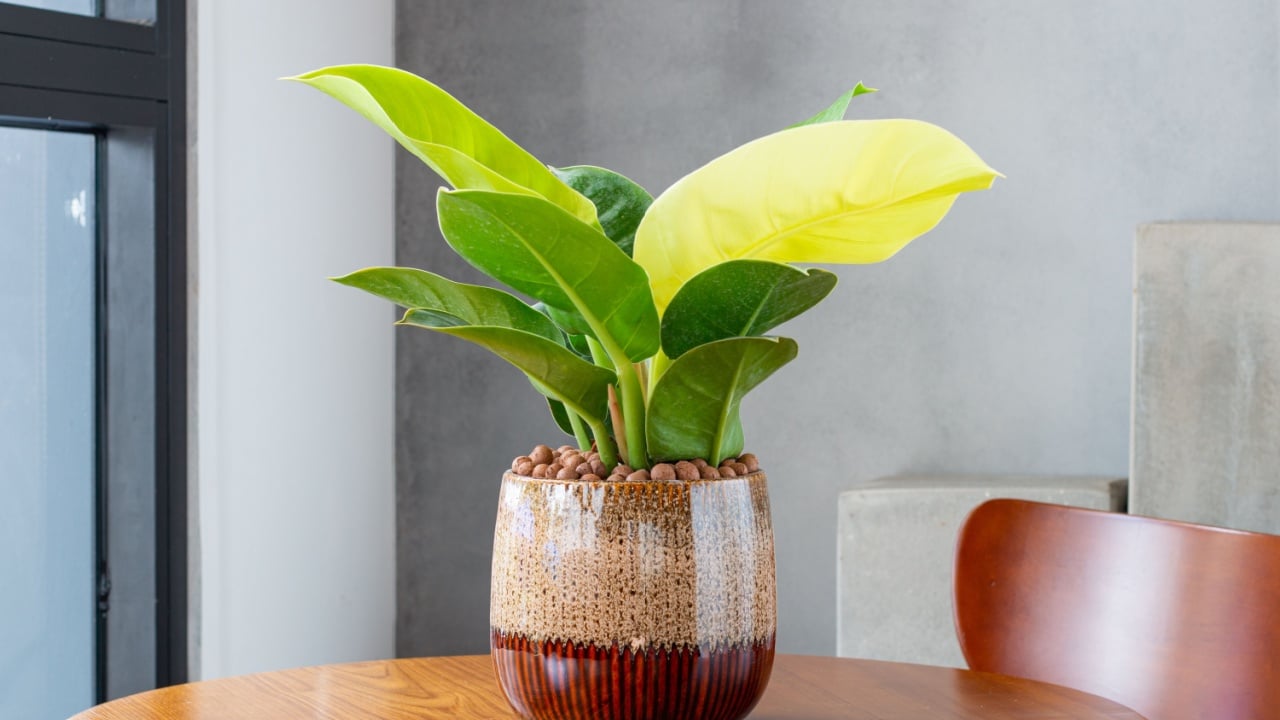
Similar to Pothos but with its own distinct personality, the heart-leaf Philodendron is a speed demon when it comes to growth. Its heart-shaped leaves are generally smoother and more matte than Pothos, and the vines are slightly thinner. It creates a lush, cascading effect very quickly. This plant focuses on length. A happy Philodendron will stretch its vines across a curtain rod or down a bookcase in no time.
It is perfect for filling vertical space or covering up an ugly wall feature you have been meaning to paint over for three years. The “Brasil” variety offers a splash of lime green down the center of the leaf for extra visual interest. Care involves keeping it out of direct, scorching sun, which burns the leaves. Bright, indirect light makes it grow fastest, but it tolerates low light like a champ. Allow the top inch of soil to dry out before watering again. It is incredibly resilient and bounces back from occasional neglect.
5. Monstera Deliciosa
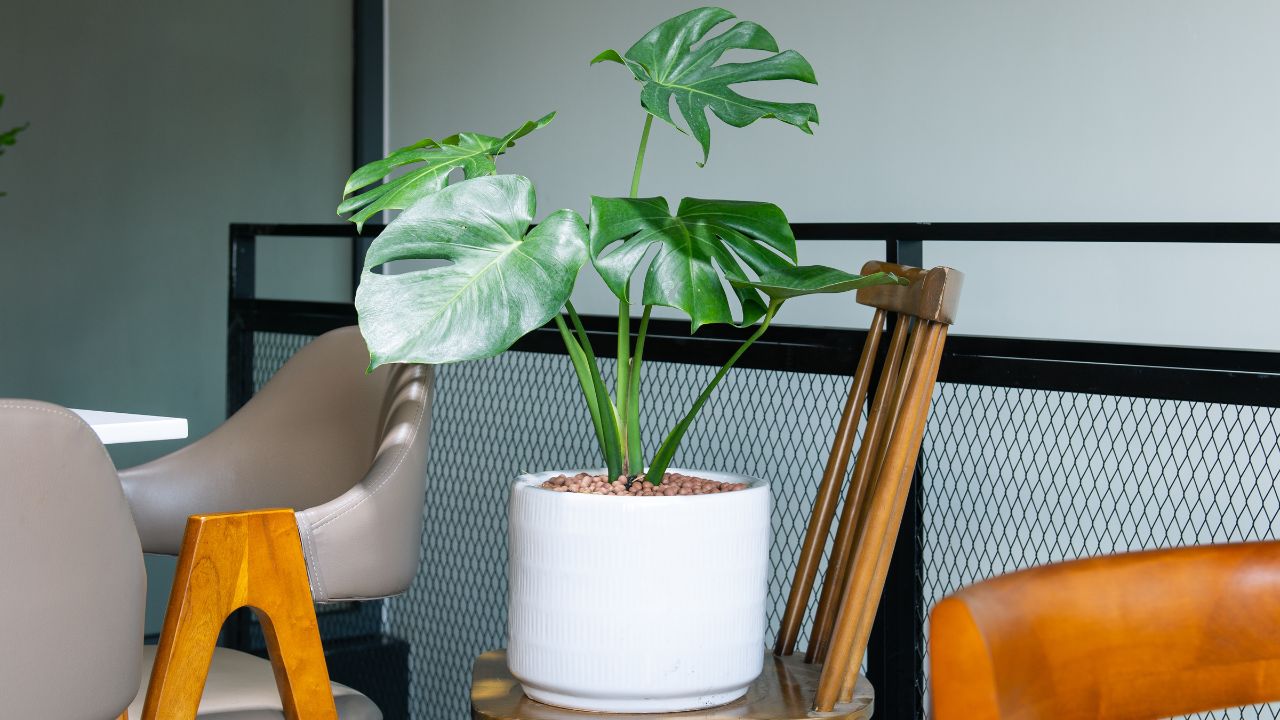
If you want a plant that takes over a room and demands attention, the Monstera Deliciosa is the answer. It is iconic for a reason. The massive, fenestrated (fancy word for “leaves with holes”) foliage looks tropical and architectural. It does not just grow; it expands. Young Monsteras start with solid, heart-shaped leaves. As they mature, which happens quickly with good light, the leaves split and develop those famous holes.
A small starter plant can become a floor-standing giant within a couple of years. It offers a huge visual payoff for relatively little effort. These giants crave bright, indirect light. In lower light, they will still survive, but the growth slows down, and you get fewer of those cool split leaves. They like to dry out a bit between waterings. Because they are climbers in nature, giving them a sturdy moss pole or trellis encourages them to grow upwards and produce even larger leaves. Be prepared to repot this one regularly; its roots are as vigorous as its foliage.
Taking Action With Your Jungle
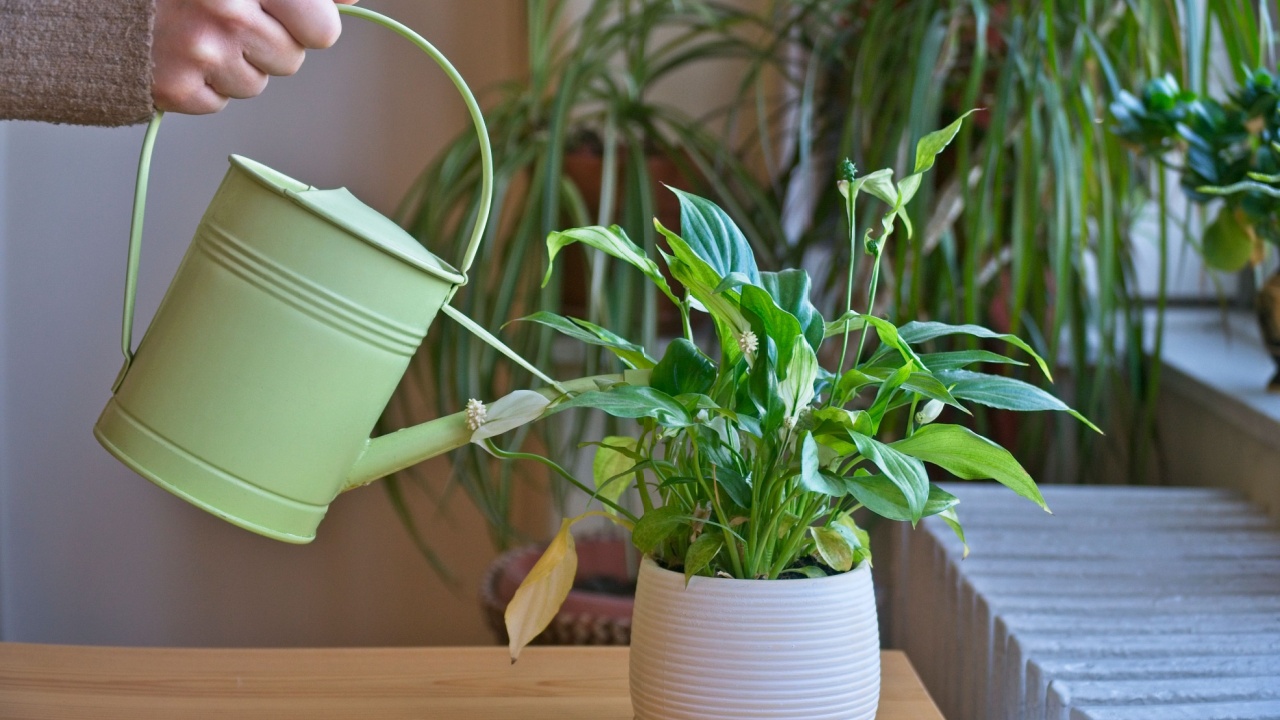
You now have a list of five candidates ready to turn a barren corner into a green sanctuary without the agonizing wait, and most of them can live for decades. The only remaining task is to assess your lighting situation. Do you have a dark corner or a sun-drenched windowsill? Match the plant to the spot, grab a pot with a drainage hole, and get started.
Pick one plant that appeals to you visually and bring it home. Watch how it responds to your space. If it thrives, great. If it struggles, move it to a new spot. Gardening is mostly experimentation with a little bit of science thrown in. Your indoor jungle starts with that first pot.