3 Costs Adding Up for Retirees at Home This Winter
Retirement is often pictured as a time of relaxation, free from the daily grind and the alarm clock’s tyranny. It’s supposed to be your time. But then winter arrives, and suddenly your bank account starts looking a little less relaxed. While everyone is talking about holiday spending, some sneaky, less glamorous expenses are quietly creeping up, especially for those of us spending more time at home.
This article pulls back the curtain on four specific costs that can put a dent in a retiree’s budget during the colder months. We will look at each one, why it becomes a bigger deal now, and offer some simple ideas to keep them in check.
1. Soaring Electricity Bills
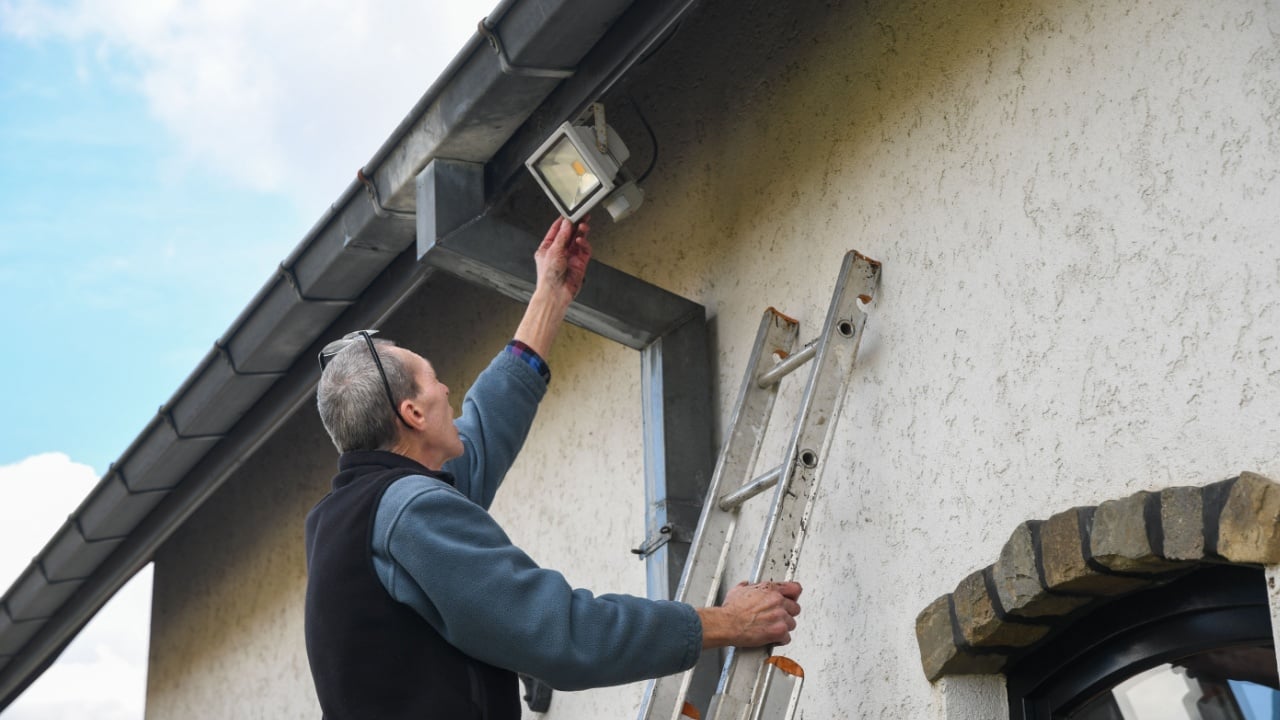
It’s no surprise that your electricity usage climbs when the days get shorter and colder. For retirees at home, this effect is amplified. You’re not just coming home to a dark house in the evening; you’re living in it all day. Lamps turn on earlier, the television might become a constant companion, and all those small appliances add up. This steady, day-long consumption, which wasn’t as apparent during your working years, can lead to a genuinely shocking electricity bill come January.
To manage this, you can adopt a few new habits. Switching to LED lightbulbs is a simple but effective move; they use significantly less energy and last much longer. Also, be mindful of “phantom load,” which is the energy devices use even when they’re turned off. Unplugging electronics like chargers and coffee makers when not in use can trim your bill. Using power strips makes this easier, allowing you to switch off multiple devices with one flick.
2. The Winter Supply Stockpile
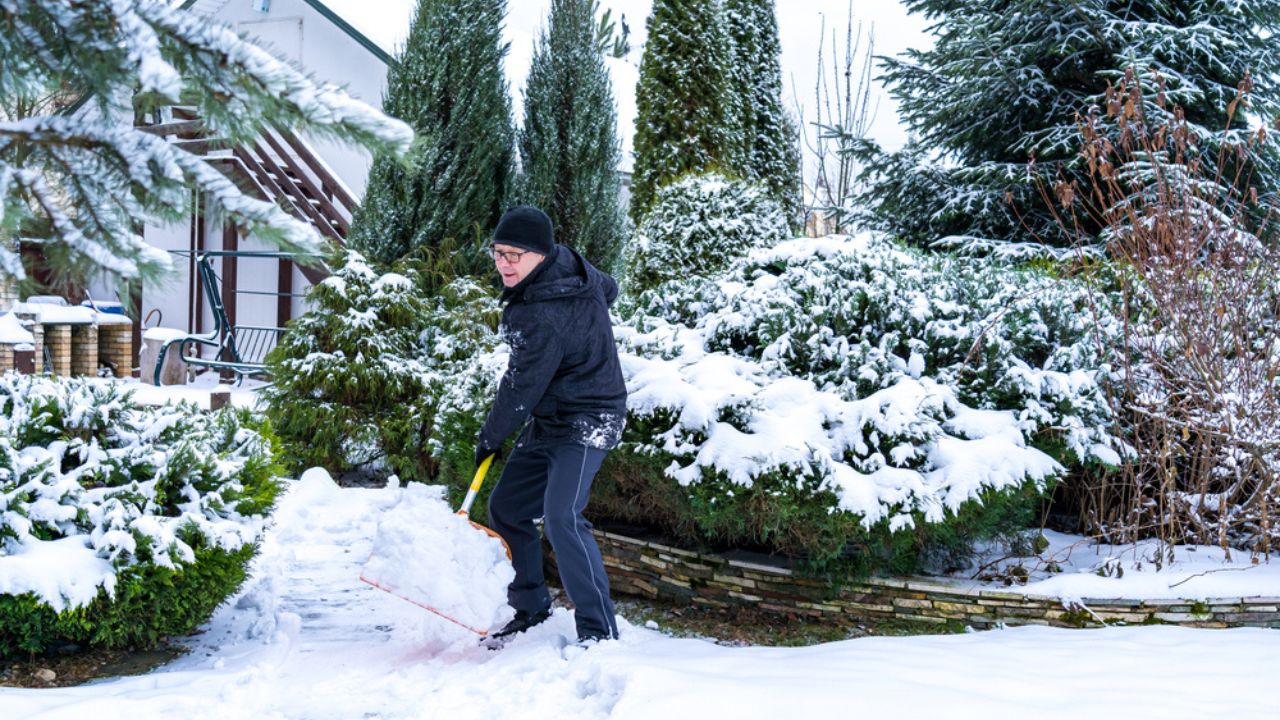
Winter brings with it the need for a specific set of supplies, like rock salt or ice melt, to keep walkways and driveways safe. A fall on an icy path is a serious risk, making this an expense you can’t really skip. Then there’s the gear: snow shovels, ice scrapers, and maybe even a snow blower for those in particularly snowy regions. These items might seem like one-time purchases, but they often need replacing or maintenance.
To save here, buy your winter supplies before the first storm hits, as prices tend to spike when demand is high. Buying salt or ice melt in bulk can also be more economical if you have the storage space. When it comes to tools like shovels, spending a little more on a durable, ergonomic model can save you money and back pain in the long run by avoiding the need for frequent replacements.
3. Unexpected Home Maintenance
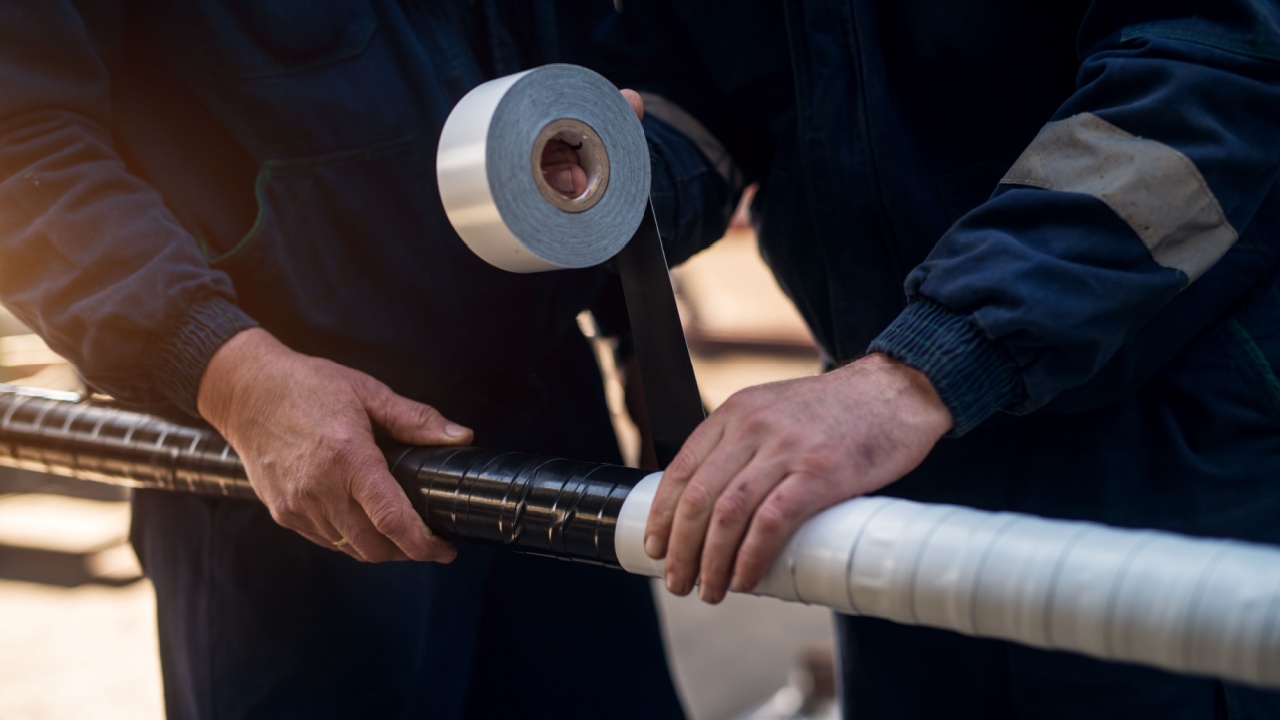
Winter weather has a special talent for finding the weak spots in a house. The combination of freezing temperatures and ice can lead to a host of unexpected problems, from burst pipes to ice dams on the roof that cause leaks. These are not minor inconveniences; they are emergencies that require professional help, and the cost of hiring a plumber or roofer can run into hundreds or even thousands of dollars.
Winterizing your pipes and performing other preventative maintenance are your best defenses. Before winter sets in, disconnect and drain all outdoor hoses and insulate pipes in unheated areas like basements and attics. Keeping your gutters clean is also vital, as clogged gutters are a primary cause of ice dams. Taking these preparatory steps in the fall can help you avoid a much larger, more stressful expense in the middle of a cold snap.
Wrapping Up the Winter Woes

Managing a household on a retirement income is about being proactive, not reactive. The winter months will always bring extra costs, but they don’t have to catch you by surprise.
Instead of waiting for the high bills to roll in, take a little time now to walk through your home. Identify where you can be more efficient with your energy use, stock up on supplies before you need them, and perform the small maintenance tasks that prevent big disasters. A bit of planning in the autumn can make for a much more financially peaceful and comfortable winter.