4 Reasons Houseplant Leaves Have Mysterious Holes
Spotting holes in your beloved Swiss Cheese Plant or Fiddle Leaf Fig can feel a lot like finding a crayon masterpiece on your freshly painted living room wall. You didn’t ask for it, you definitely don’t want it, but now you have to deal with it before it gets worse.
Finding damage on your leafy roommates can be confusing. Is it a bug? A disease? Or is the plant just trying to be trendy with some distressed denim vibes? This guide breaks down exactly what might be chewing, spotting, or naturally forming gaps in your greenery. You will learn to distinguish between malicious pests, fungal issues, and perfectly normal growth patterns so you can put down the panic button and pick up the right solution.
1. Pests Like Caterpillars and Beetles Are Lunching
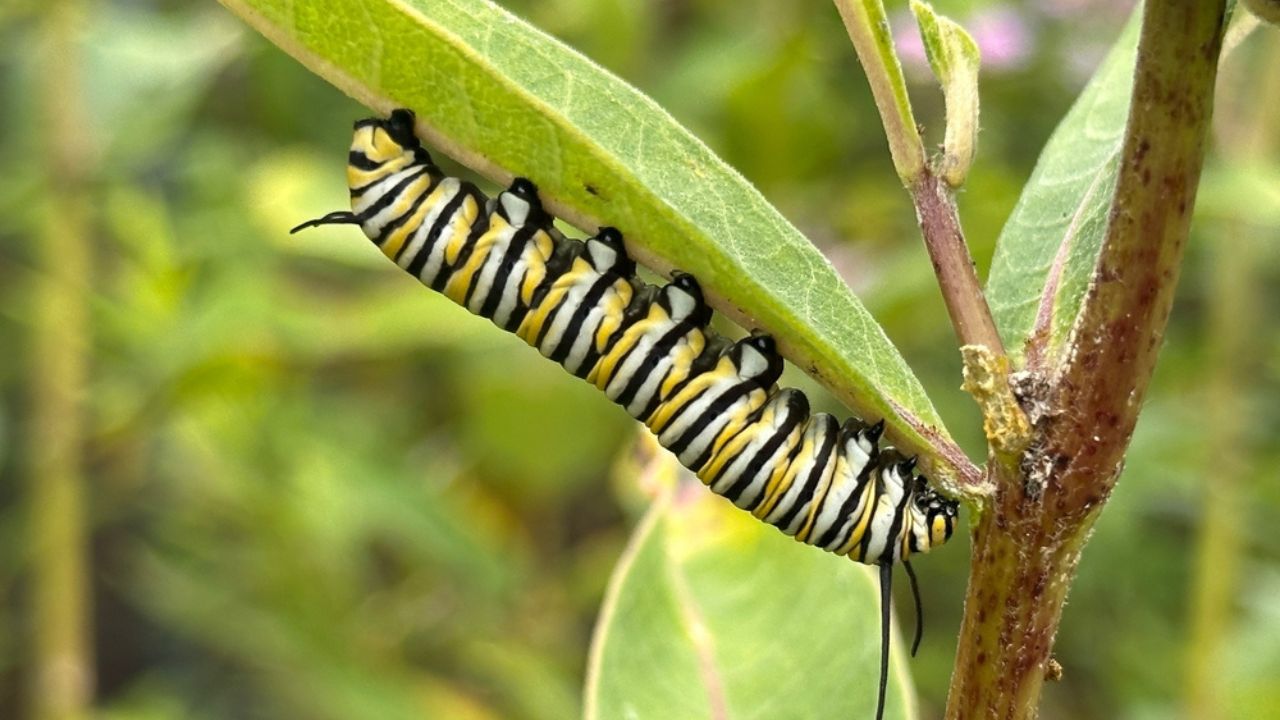
If you see large, irregular holes that look like someone took a hole puncher to your foliage, you might have a hungry visitor. While we often associate caterpillars with outdoor gardens, these little eating machines can absolutely find their way inside.
Caterpillars, beetles, and even slugs chew through leaf tissue, leaving behind noticeable gaps. They aren’t subtle eaters. Since indoor environments lack natural predators like birds, a single caterpillar can do a surprising amount of damage in a short time. Inspect the undersides of leaves thoroughly. If you spot the culprit, physically remove it. For a more thorough defense, wipe down leaves with a mixture of water and mild dish soap or use neem oil to discourage future snacking.
2. Sap-Sucking Insects Are Leaving Their Mark

Not all holes start as holes. Some begin as tiny yellow or brown spots that eventually dry out and fall away, leaving small punctures behind. This is the handiwork of sap-sucking insects like spider mites and aphids.
These tiny troublemakers don’t chew leaves like caterpillars. Instead, they pierce plant cells to drink the sap, draining the life out of the foliage. Spider mites are microscopic arachnids that are tough to see with the naked eye. You might notice fine webbing between stems before you see the bugs themselves. They leave behind stippling tiny, light-colored dots on the leaves. As the damage worsens, these weakened spots can turn into holes or cause the leaf to tear easily.
Aphids are pear-shaped softies that love new growth. They cluster on the undersides of leaves and stems. As they feed, they cause leaves to curl, yellow, and eventually develop necrotic spots that can look like holes.
3. Fungal Diseases Like Shot Hole Fungus
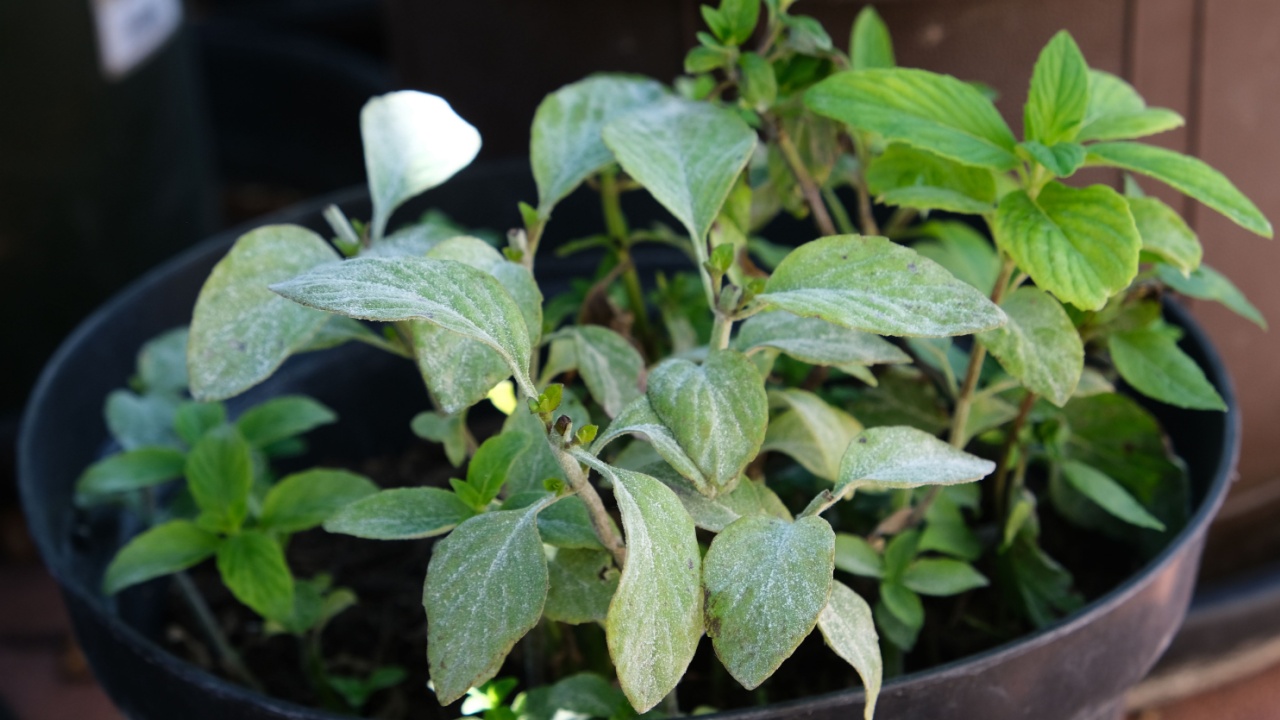
Sometimes the problem isn’t a bug at all. It’s a fungus. If you notice small, reddish-brown spots that look like rust, watch them closely. In certain fungal infections, specifically “shot hole” disease (often caused by the fungus Wilsonomyces carpophilus or bacteria like Xanthomonas), the center of the spot dries up and drops out. The result looks exactly like someone fired a tiny shotgun at your plant.****
Unlike pest damage, which looks ragged or chewed, fungal holes often have a yellow or brown “halo” around the edge. This indicates where the tissue is actively fighting the infection. It usually thrives in warm, wet conditions where water sits on leaves for too long. Water the soil, not the leaves. Keeping foliage dry is the best way to prevent fungal spores from germinating. If you spot affected leaves, trim them off immediately with sterilized scissors to stop the spread.
4. It Might Just Be Natural Fenestration

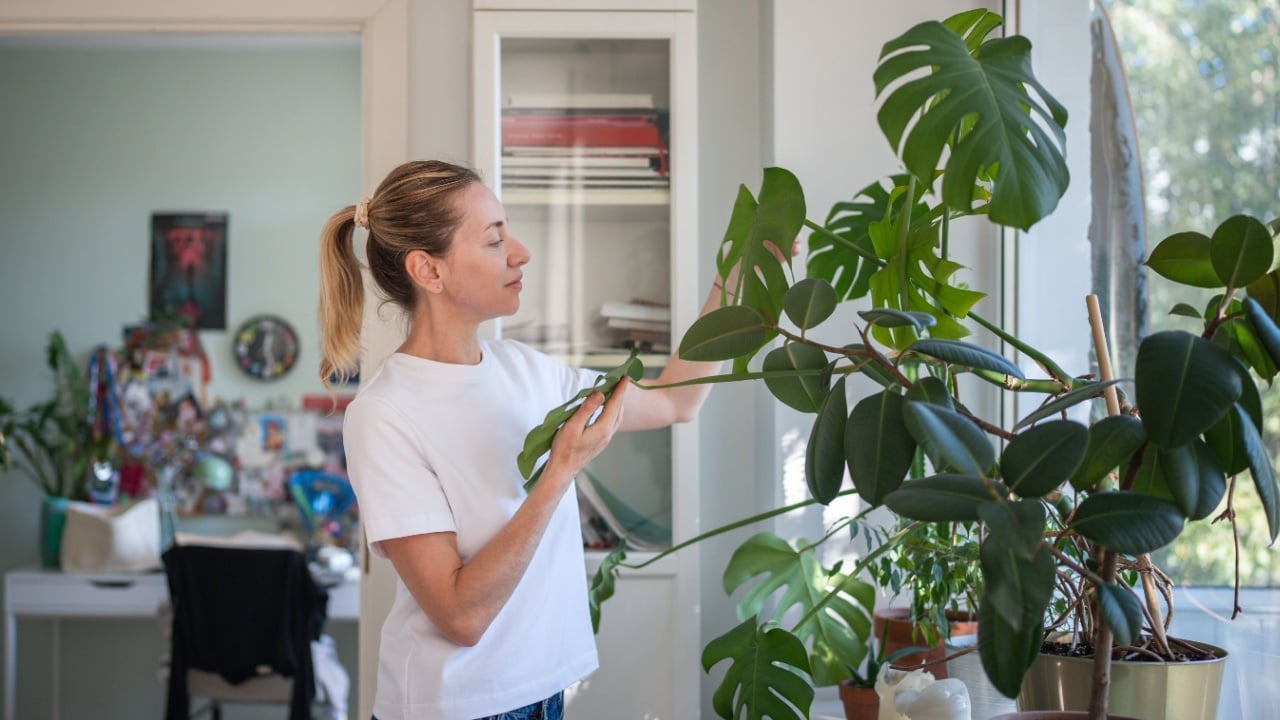
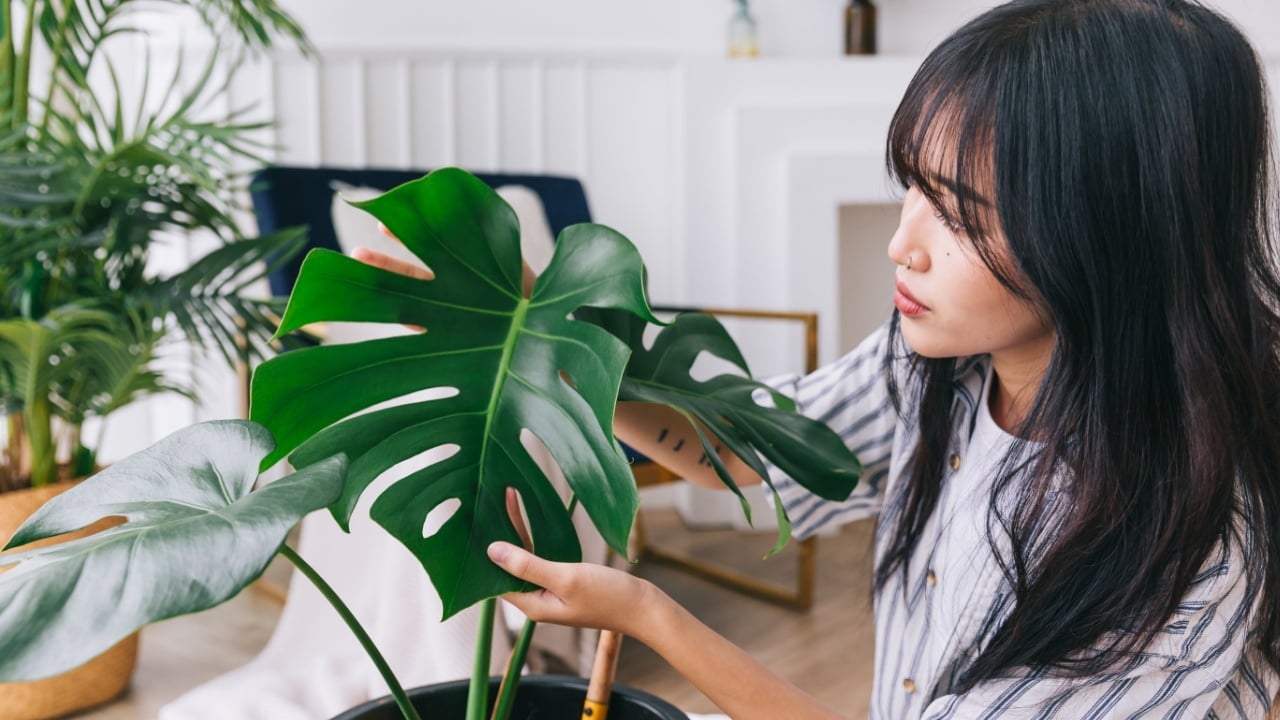
Before you go on a bug hunt or start researching fungi, pause and look at what kind of plant you have. Some plants, like the Monstera deliciosa, are famous specifically because they grow holes. This process is called fenestration. As these plants mature, their leaves develop splits and holes naturally. In the wild, this adaptation allows light to filter down to lower leaves and lets wind pass through without tearing the giant foliage.****
Natural fenestration looks clean and symmetrical. The edges of the holes will be smooth and green, not brown or crispy. If your Monstera is pushing out a new leaf that unfurls with holes already in it, congratulations! You are doing a great job, and your plant is happy enough to mature.
Moving Forward With Confidence
There are many reasons your houseplants may be dying or developing holes. Start by examining the damage closely. Are the edges chewed and ragged? Look for caterpillars. Are there tiny yellow stipples or webbing? Check for mites. Are there halos around the holes? Suspect a fungus. If the holes look smooth and intentional on a Monstera, give yourself a high-five. Plants are resilient living things. A few holes usually won’t ruin them. If you identify pests or fungus, isolate the sick plant from your other green babies to prevent spreading.
Read more:
20 Fun Ways to Display Your Houseplants
It’s Almost April — Here’s Exactly When (and When Not) to Fertilize Your Houseplants This Year