3 Home Trends That Grew During COVID That Home Buyers Don’t Like Anymore
Remember when everyone suddenly decided to bake sourdough bread and turn their dining tables into command centers?
We made many strange choices during the pandemic. Some of them involved bizarre haircuts (or no haircuts for months), and others involved knocking down walls or putting up new ones in our houses. While those renovations served a purpose when we were all stuck inside staring at the same four walls, times have changed.
If you are looking to sell your home soon, you need to know that buyers are moving on from the “bunker mentality” designs of 2020.
This article looks at four specific home trends that were huge during the pandemic but now might send buyers running in the other direction. You will learn why these features have lost their appeal and get practical advice on how to reverse them without losing your mind (or your wallet).
1. The “Cloffice” (Closet Office)
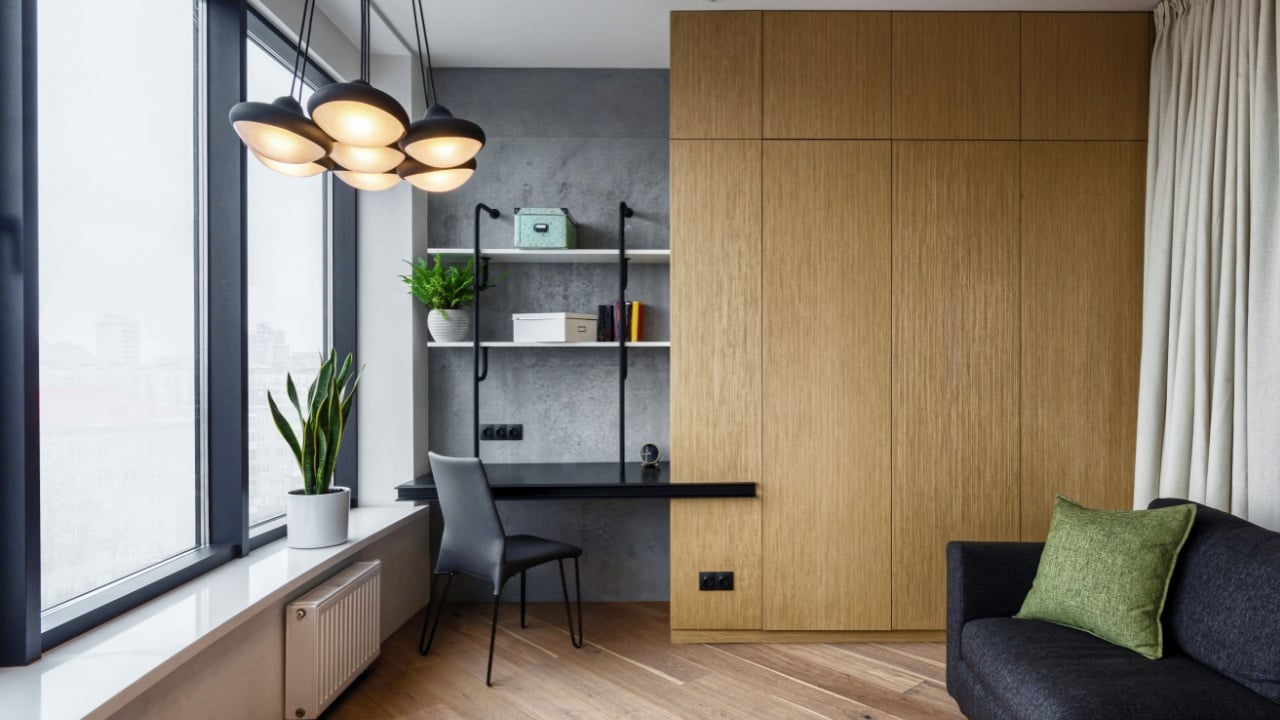
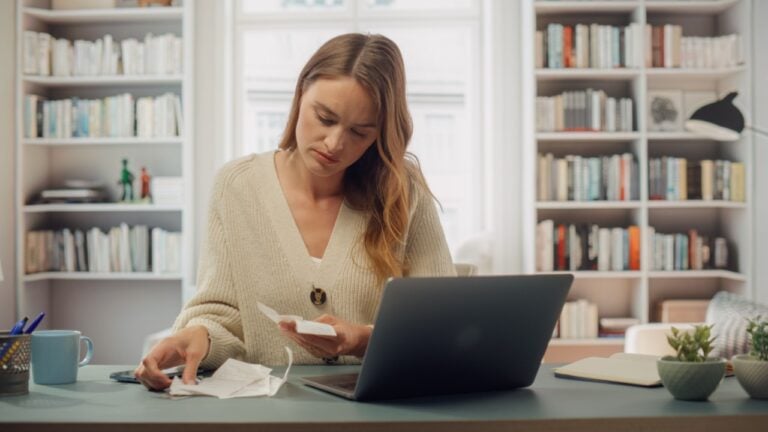
During the height of the pandemic, space was at a premium. People needed a place to take Zoom calls without their toddlers or cats wandering into the frame. The solution for many was the “cloffice“, converting a reach-in closet into a tiny, makeshift workstation. It seemed brilliant at the time. You could close the doors on your work at the end of the day, literally.
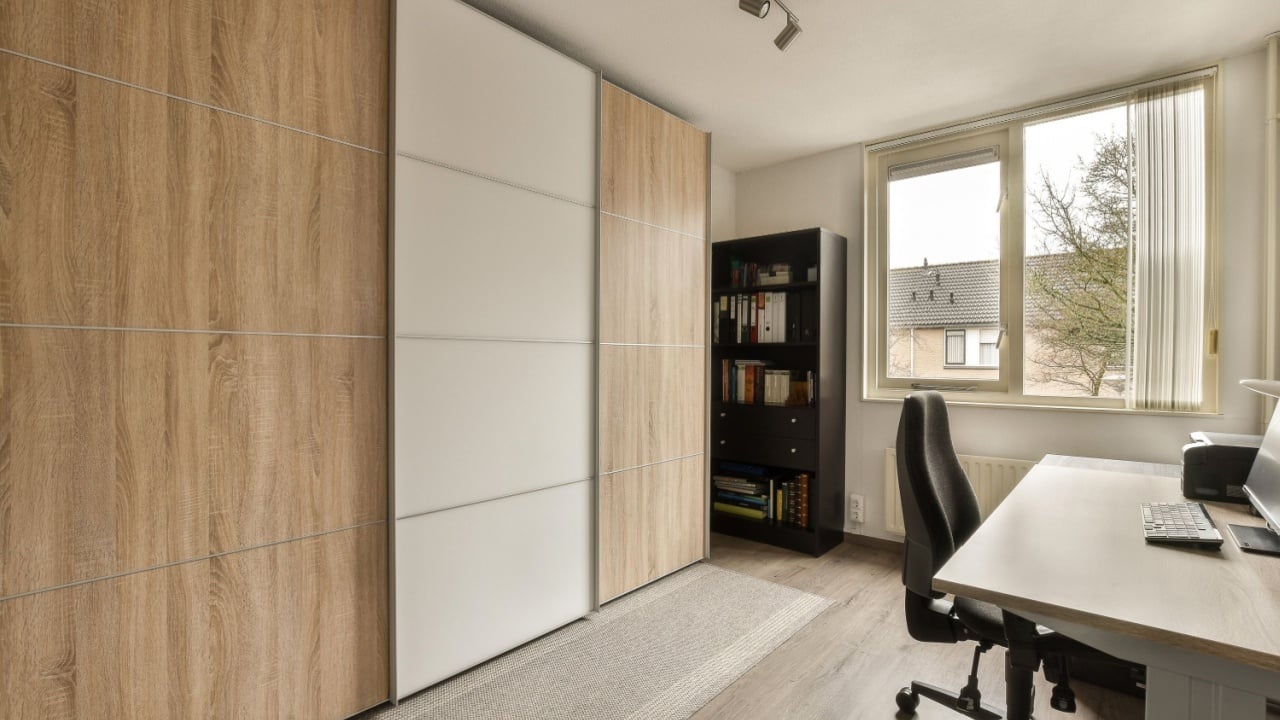
However, buyers today value storage over a cramped desk squeezed between two walls. When a potential buyer walks into a bedroom, they want to see where their clothes will go, not where you filed your expense reports. A closet stripped of its hanging rods and shelves in favor of a desk surface signals a lack of storage space in the home. It makes the room feel smaller and less functional for daily living.
2. The Garage Gym Conversion
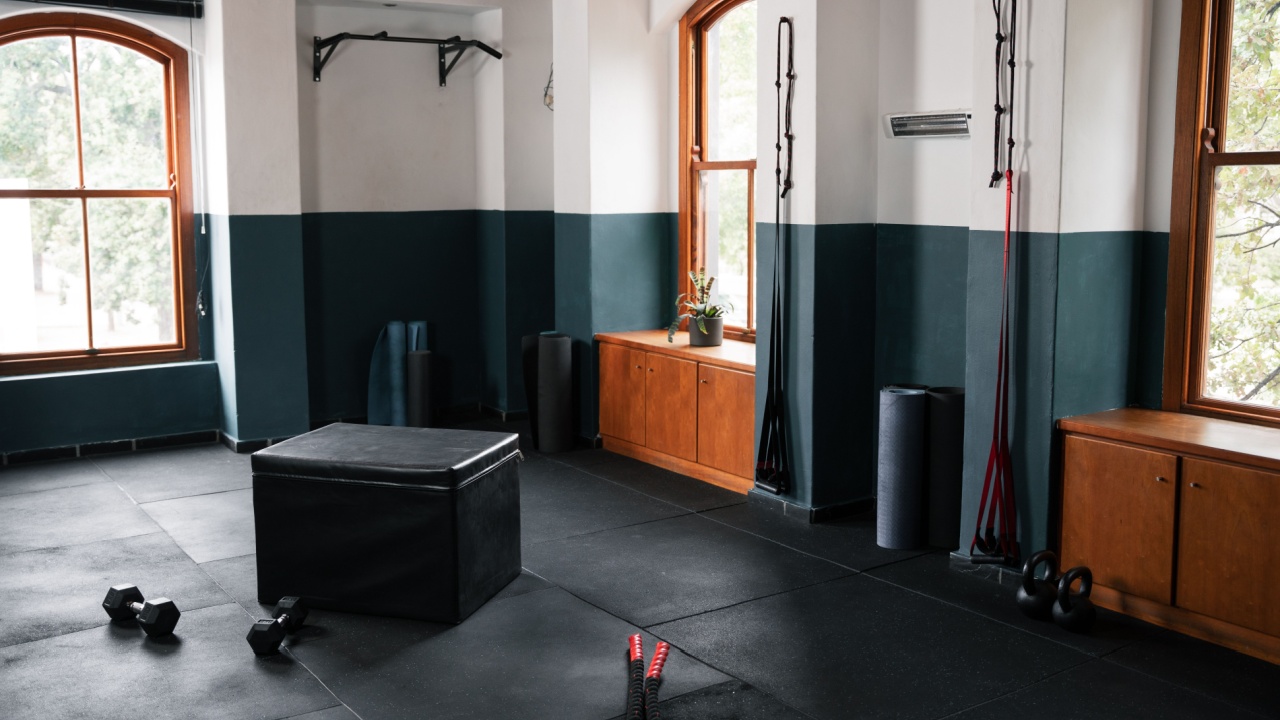
When gyms closed down, homeowners got creative. Cars got kicked to the driveway, and garages transformed into full-blown fitness centers. We saw rubber mats replace concrete, mirrored walls go up, and expensive squat racks take over the spot where the lawnmower used to live.
While a home gym is a nice bonus, sacrificing a functional garage for it is a major turn-off for most buyers. People want a secure, weather-protected place to park their vehicles. They want storage for bicycles, tools, and holiday decorations. Buyers often look at a converted garage and see a project. They see the work and money required to turn it back into a place to park their car. Unless the buyer is a fitness fanatic who doesn’t mind scraping ice off their windshield all winter, this trend is a hard sell.
3. The Classroom in the Dining Room

Remote learning forced parents to turn dining rooms and living areas into impromptu classrooms. Desks lined the walls, chalkboards replaced artwork, and bins of school supplies took over the buffet table. It was necessary for survival, but it wasn’t exactly a design aesthetic with staying power (but a super easy fix, thanks goodness).
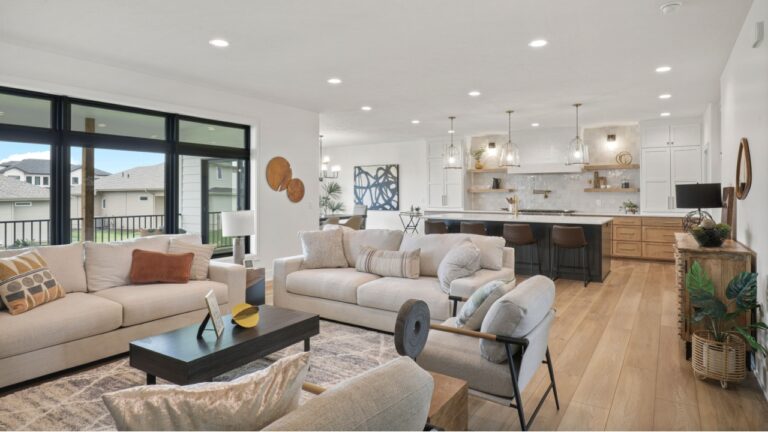
Open floor plans are meant to flow. When a dining area is cluttered with school furniture, it disrupts the visual harmony of the home. Buyers struggle to visualize themselves hosting dinner parties or relaxing in a space that looks like a kindergarten exploded. Clear out the desks and whiteboards. Stage the dining room as a dining room. If you need a homework spot, try to integrate it discreetly into a child’s bedroom or a less central area of the house.
Reclaim Your Space
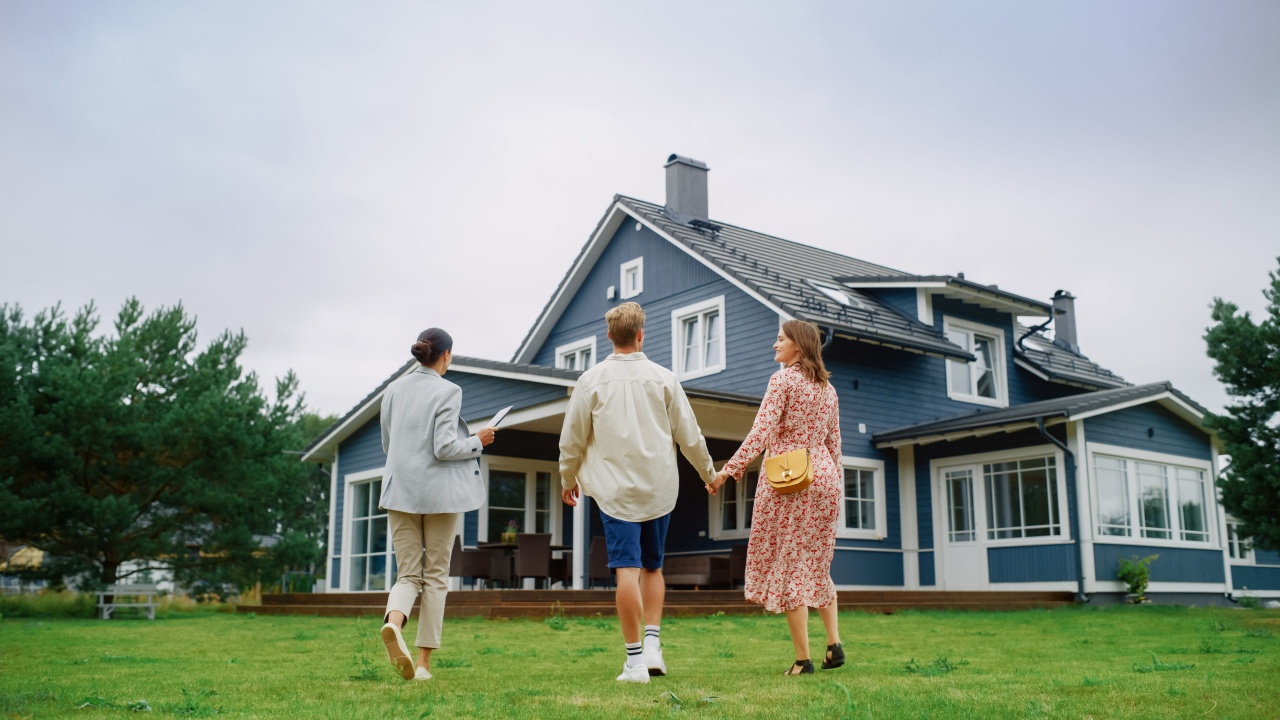
Houses are meant to evolve with us, but sometimes they evolve into something that only makes sense for a very specific moment in time. Some renovations may lead to regret. If you are preparing to sell, take a walk through your home with fresh eyes. Look for these remnants of pandemic living and consider if they are helping or hurting your cause. Often, it is just a matter of removing the specialized furniture, decluttering, and staging the room back to its original purpose. Buyers want to see potential and functionality.