6 Places to Safely Hide During a Home Invasion
Most folks never expect to find themselves hiding from an intruder, but it’s always better to be prepared than caught flat-footed.
With a little planning, you can turn your home’s familiar corners into lifesaving safe zones. Knowing what to do during a home invasion is a serious topic.
While the goal is always to get out safely, sometimes hiding is the only immediate option.
This guide will walk through six potential hiding spots in a home. It will help you understand how to think about your own home’s layout in terms of safety.
1. A Bedroom with a Window
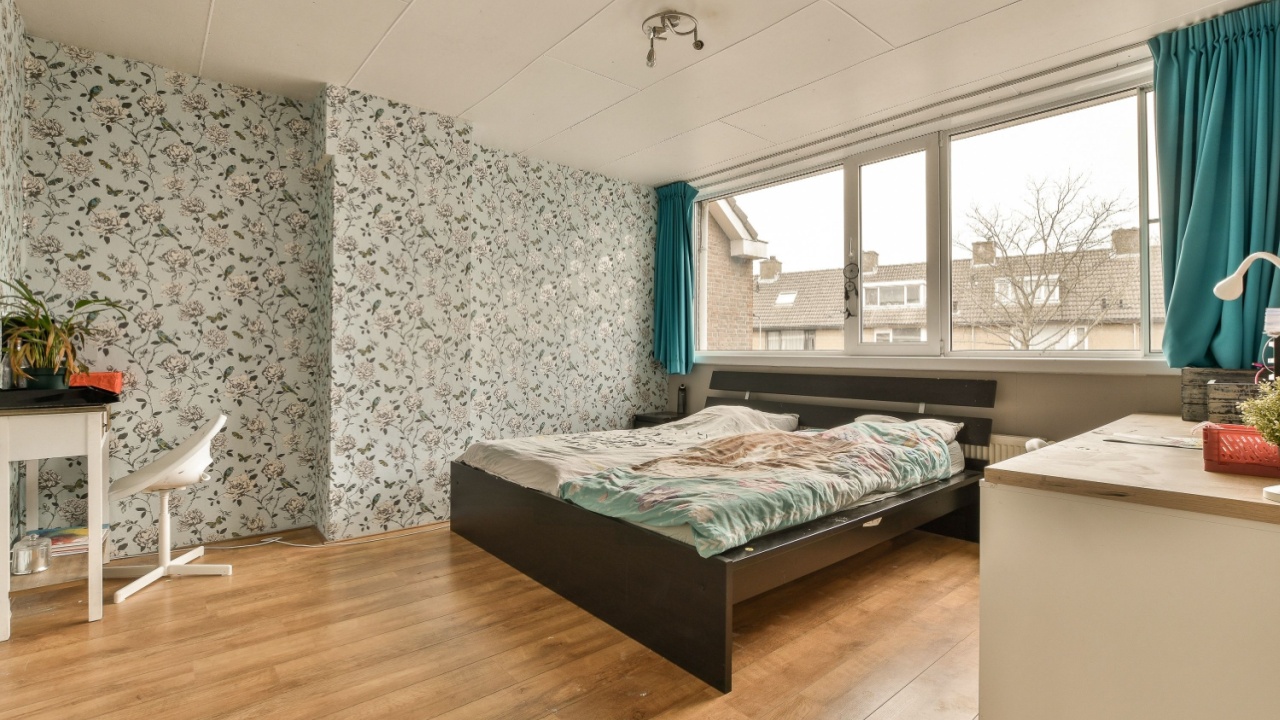
Bedrooms are often located on the upper floors of a home, which can provide a tactical advantage. On the other hand, a bedroom with an egress window in a basement or main floor area offers a primary benefit: a potential escape route. If the room is on the first floor, the window becomes a direct exit. On a second story, a window can still be a viable escape if you have a plan, such as using a fire escape ladder. If the room itself also has a door that can be locked, it creates a barrier and gives you more time.
To make this spot even safer, consider keeping a flashlight and phone charger nearby, since darkness or a dying battery never makes any situation easier. Practicing how to quietly unlock and open your window can save precious seconds if you need to make a swift exit. Planting thorny shrubs outside ground-level windows can add an extra deterrent, and if the window locks are easy for you to operate but tricky from the outside, that’s a bonus.
2. A Bathroom
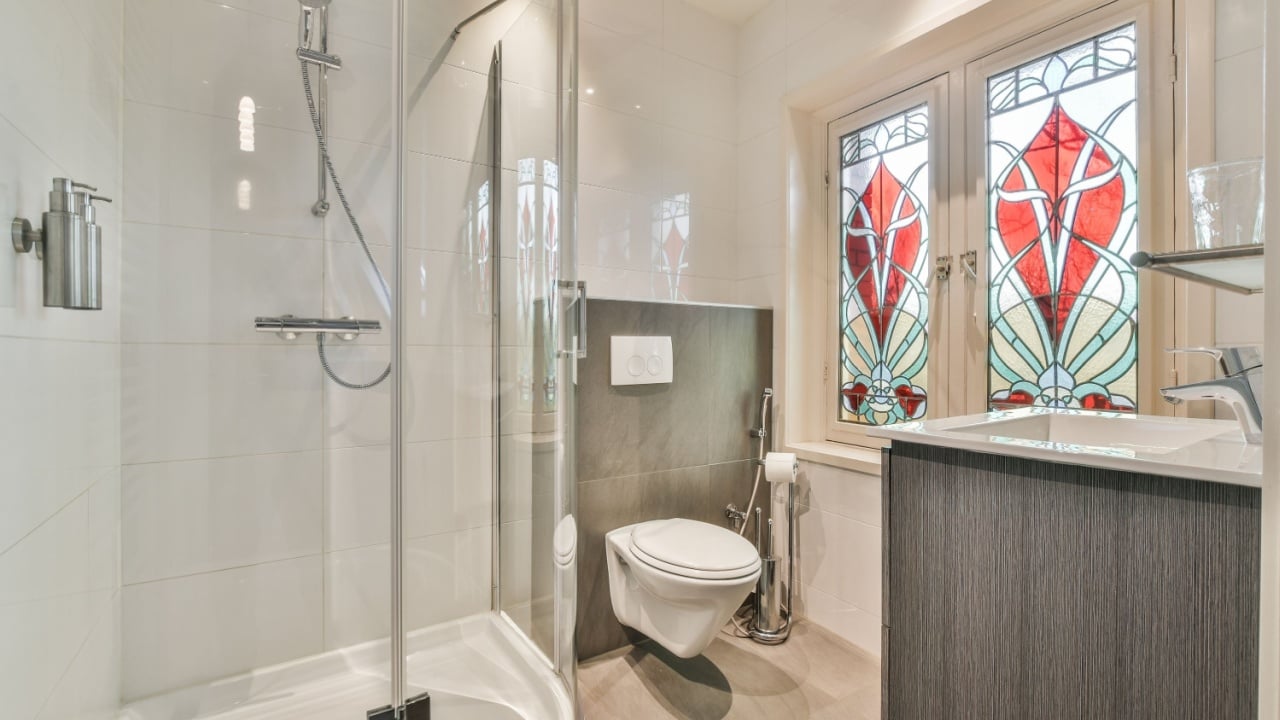
Bathrooms present a few advantages. They are typically small, enclosed spaces with doors that lock from the inside. This creates a fortified position. Many bathrooms, especially on main floors or in primary bedrooms, have windows and bathtubs. Even a small bathroom window can be an escape route for some individuals.
Another plus: bathrooms are often tucked away near bedrooms, so they aren’t usually the first stop for someone searching room by room. Stashing a whistle with your toiletries or keeping a small first aid kit in an easy-to-reach spot can be handy in stressful moments. And if your bathroom’s window isn’t much help for a speedy exit, it never hurts to quietly reinforce the main door lock or keep a towel ready to muffle your phone light while you call for help.
3. A Closet Near an Exterior Wall
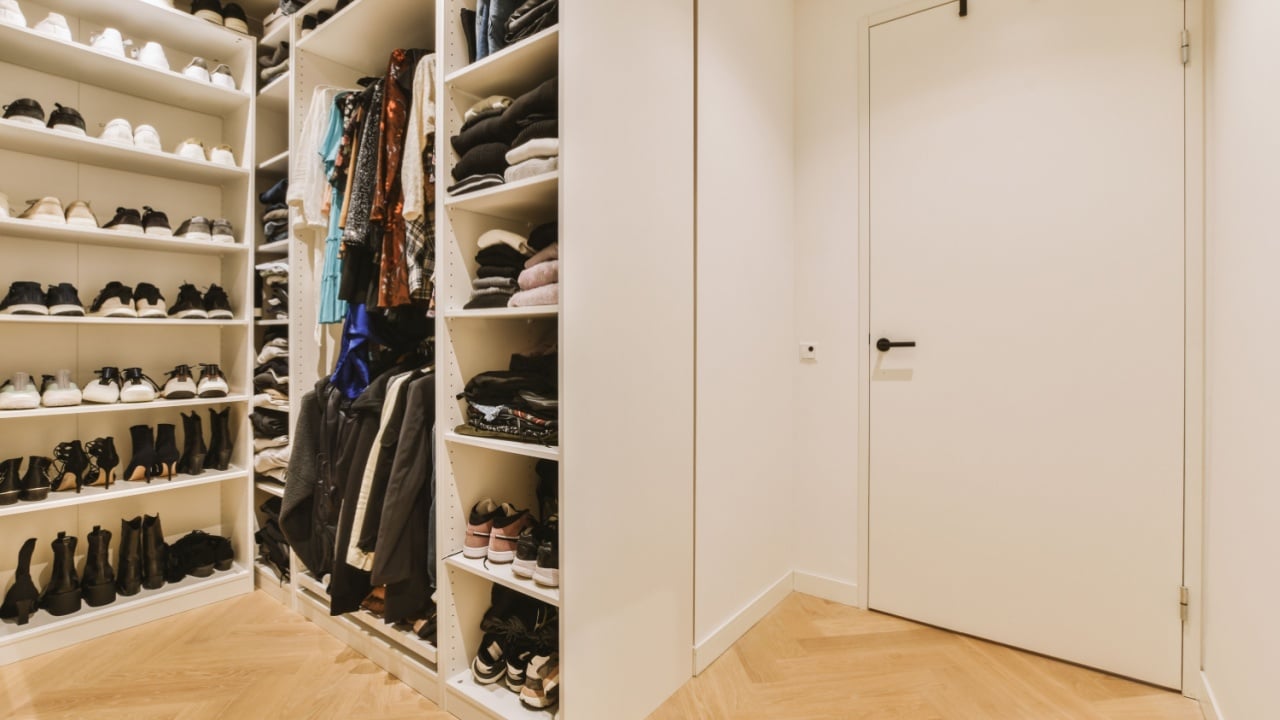
A closet might feel like a trap, but its effectiveness depends on its location. A closet that shares an exterior wall places you closer to the outside of the house. This proximity is useful if you can hear the intruder move to a different part of the home, giving you a chance to leave the closet and exit through a nearby door or window. The contents of the closet, like clothing and boxes, can also help muffle any sounds you might make.
If hiding in a closet, pull garments off hangers and drape them around yourself, or pile up boxes to block direct lines of sight from gaps in the door. Shoes, bags, or even laundry bins can add extra cover for both yourself and your phone’s screen or other reflective items. A well-organized closet can do double duty as your impromptu panic room if you need to move quickly or silence your phone while you wait for a safe moment to get out.
4. The Space Under a Stairwell

The area under a staircase is often overlooked and used for storage, making it a clever hiding spot. Hiding here keeps you close to the home’s main arteries, like hallways and entryways. This position allows you to listen to the intruder’s movements and make a calculated decision about when to attempt an escape through a nearby door.
To make the most of this spot, keep the area as clutter-free as possible so you’re not tripping over forgotten board games or last winter’s holiday decorations. Stack boxes or cover yourself with stored items to blend in with the stash, but leave enough room so you can move quickly if needed.
5. Behind Large Furniture

Using large furniture for concealment is a temporary measure, but it can be effective. A bulky couch, a large wardrobe, or a heavy media center can break an intruder’s line of sight as they scan a room. This can give you precious seconds to move to a more secure location or exit the house if the opportunity arises. It is most effective in a dimly lit room where shadows can help obscure your position.
Before using this tactic, take a quick mental note of furniture with enough clearance behind or beneath it so you can stay low and out of sight. If your furniture sits flush with the wall, it’s probably not the spot for you. Nobody wants to get stuck halfway behind a bookshelf while doing their best imitation of a ninja. Move quietly and avoid bumping anything lightweight that might fall or give away your spot.
6. The Problematic Garage
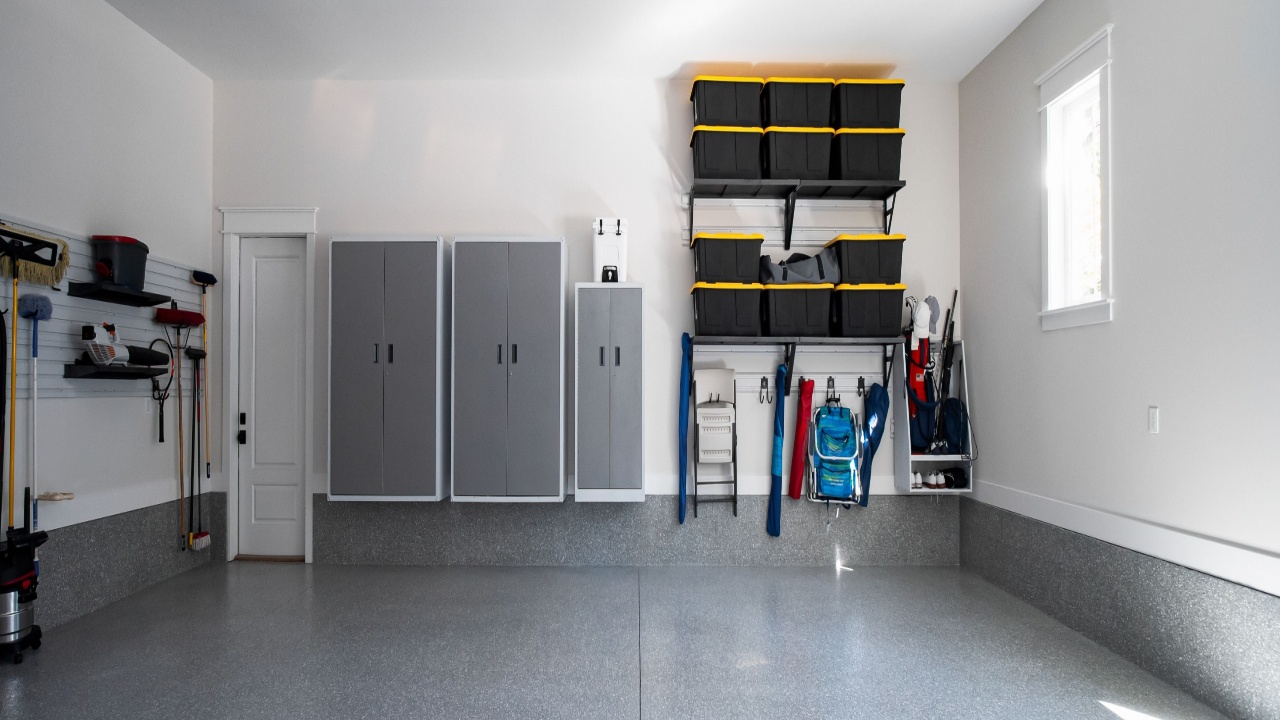
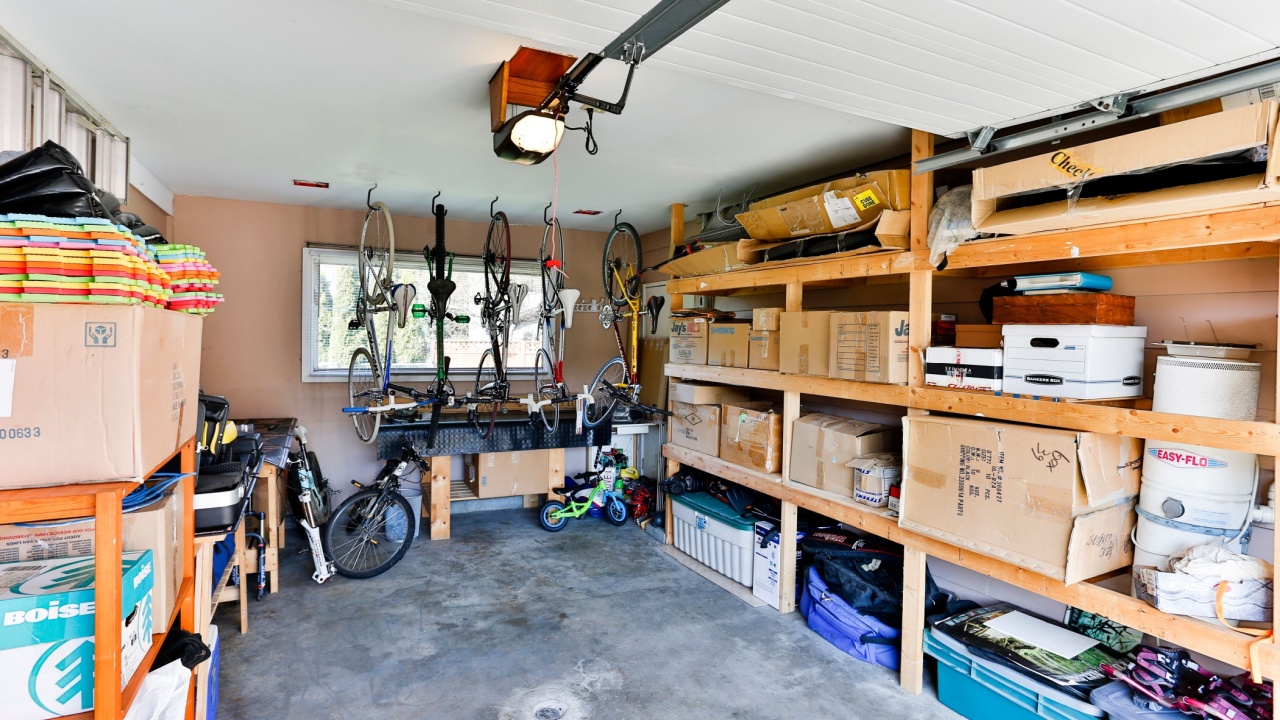
It is important to understand which places are not ideal. A garage is often a risky choice. Many garages are dead ends with only one main entry/exit point that is loud and slow to operate. They are frequently filled with tools that could be used as weapons against you. Unless your garage has a separate, quiet, and easily accessible side door leading outside, it is generally best to avoid hiding there.
That said, homes with detached garages or those with a side door opening directly to the outdoors might use the garage as a staging point for a speedy exit. In rare cases where access to the rest of the house is cut off and all other rooms are compromised, the garage could still serve as a last-ditch option. Just watch those tripping hazards and avoid accidentally setting off the leaf blower in a moment of panic. While not the first choice, every home is different, so take note of any unique garage features that could improve your safety plan.
Planning for Safety
The best way to handle a dangerous situation is to have a plan beforehand. Walk through your home and identify potential escape routes from every room. Designate a meeting spot outside for your family. Practice what you would do. Having an established plan removes the need to make critical decisions under pressure. Your priority should always be to get out of the house safely and call for help from a secure location.