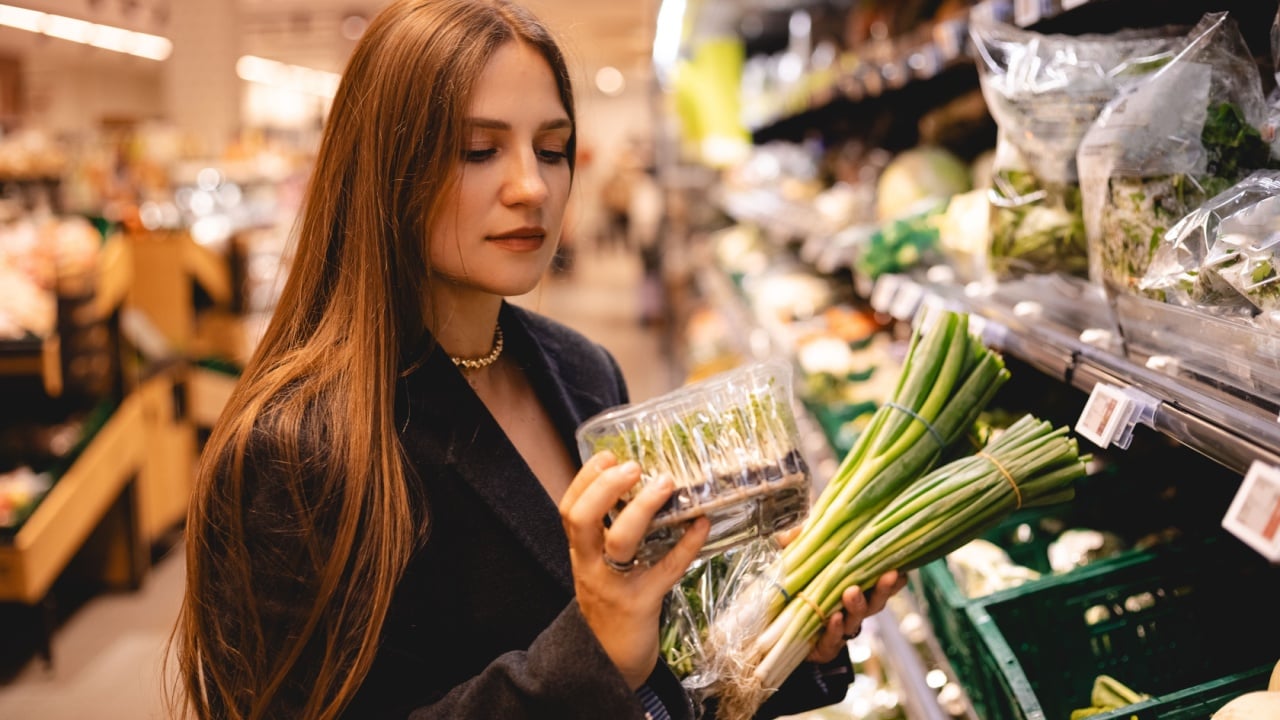
6 Groceries That Aren’t Worth Buying Anymore
A walk through the grocery store can feel like stepping around hidden price traps. Many of the items you grab without thinking are built around convenience, not value, and their cost rarely reflects what you actually get. They often come with less nutrition, a shorter shelf life, and a steady drain on your budget.
Once you spot these quiet money wasters, it becomes easier to change course. Simple habits like cooking from basic ingredients or growing a few foods at home can shift the balance back in your favor.
Here are 6 groceries that simply aren’t worth buying anymore, along with how you can pivot toward a more sustainable lifestyle.
1. Pre-Cut Fruits and Vegetables
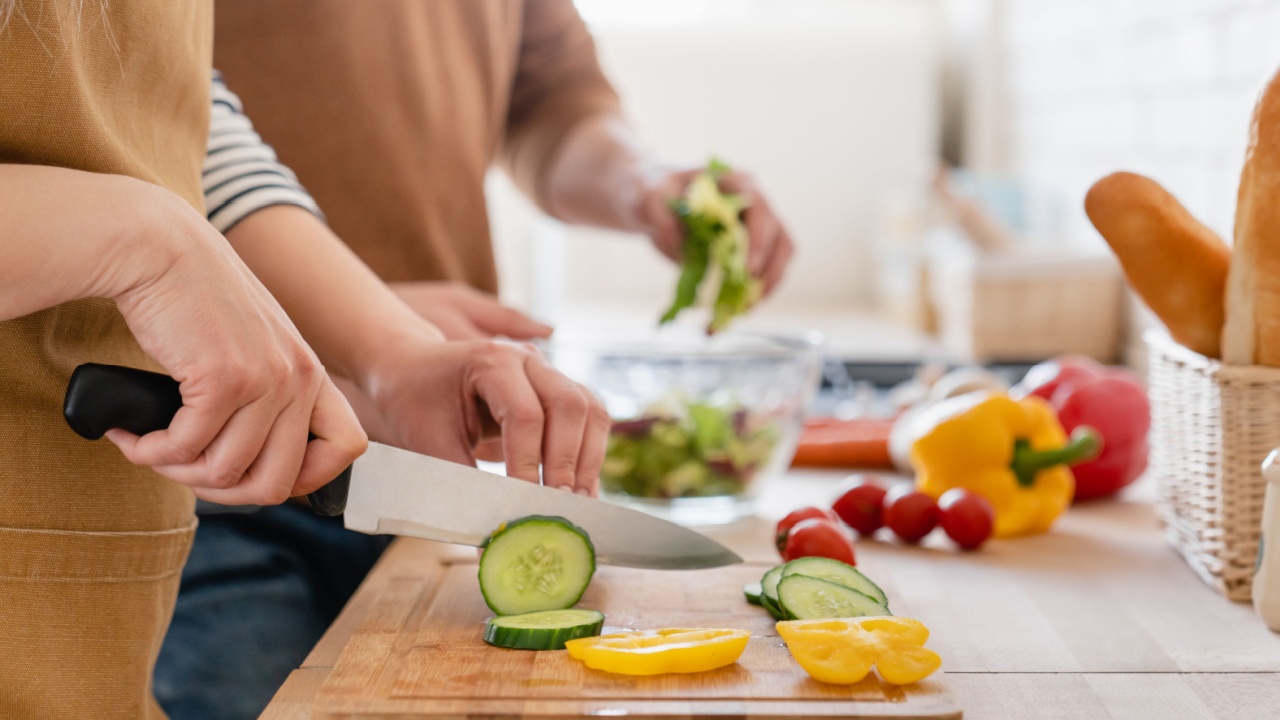
While a tub of sliced mango or a bag of chopped onions feels like a time-saver, you are paying a massive premium for someone else to hold the knife. Experts note that pre-cut produce can cost up to 300% more than its whole counterparts.
Beyond the price, pre-cut items have more surface area exposed to air, meaning they lose nutrients and spoil significantly faster.
The Better Option: Buy whole, organic produce in bulk or grow your own high-yield “chopping” veggies like bell peppers, zucchini, and carrots.
2. Bottled Water

Single-use plastic water bottles are a financial and environmental disaster. At roughly $1 per bottle, a family of four can easily spend $20–$30 a week on something that essentially flows from their tap for pennies. Even worse, microplastics from the bottles can leach into the water during transport and storage.
The Better Option: Invest in a high-quality glass or stainless steel reusable bottle and a multi-stage home filtration system (like a reverse osmosis system or a simple gravity-fed charcoal pitcher).
3. Gourmet Salad Dressings

A single bottle of “artisan” vinaigrette can cost upwards of $6, yet the primary ingredients are almost always cheap seed oils, water, and dried herbs. When you make it yourself, you control the quality of the oil (like extra virgin olive oil) and eliminate the preservatives and high-fructose corn syrup found in store-bought versions.
The Better Option: Master a simple 3:1 ratio (three parts oil, one part acid like lemon or vinegar). Whisk in a teaspoon of mustard or honey to emulsify.
4. Individual Coffee Pods

The convenience of a single-serve pod comes at a cost of roughly $50 per pound of coffee, nearly five times the price of high-end whole-bean coffee. Additionally, the plastic waste from pods is immense. Transitioning to a traditional brewing method isn’t just a win for your wallet; it’s a win for the flavor profile of your morning cup.
The Better Option: Switch to a French press or a pour-over setup. These methods allow you to buy beans from local roasters, supporting your local economy while saving roughly $1,000 a year.
5. Pre-Packaged “Convenience” Snacks
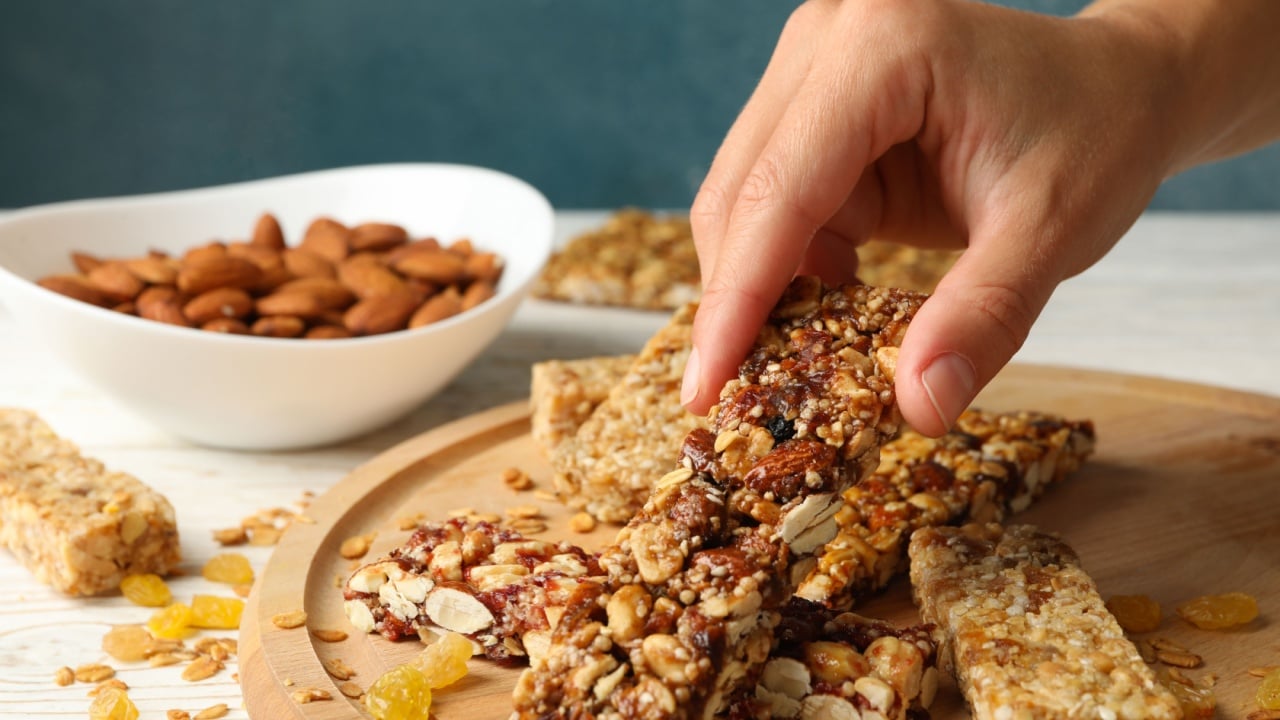
Individual bags of chips, crackers, and granola bars are marketing triumphs, not nutritional ones. You are paying for the packaging and the branding. These items are often the most processed foods in the pantry, filled with sodium and shelf-stabilizers.
The Better Option: Buy snacks like nuts, seeds, and dried fruits in the bulk section. Not only is it cheaper, but it also allows you to create custom trail mixes tailored to your family’s preferences.
6. Fresh Herbs (In Plastic Clamshells)
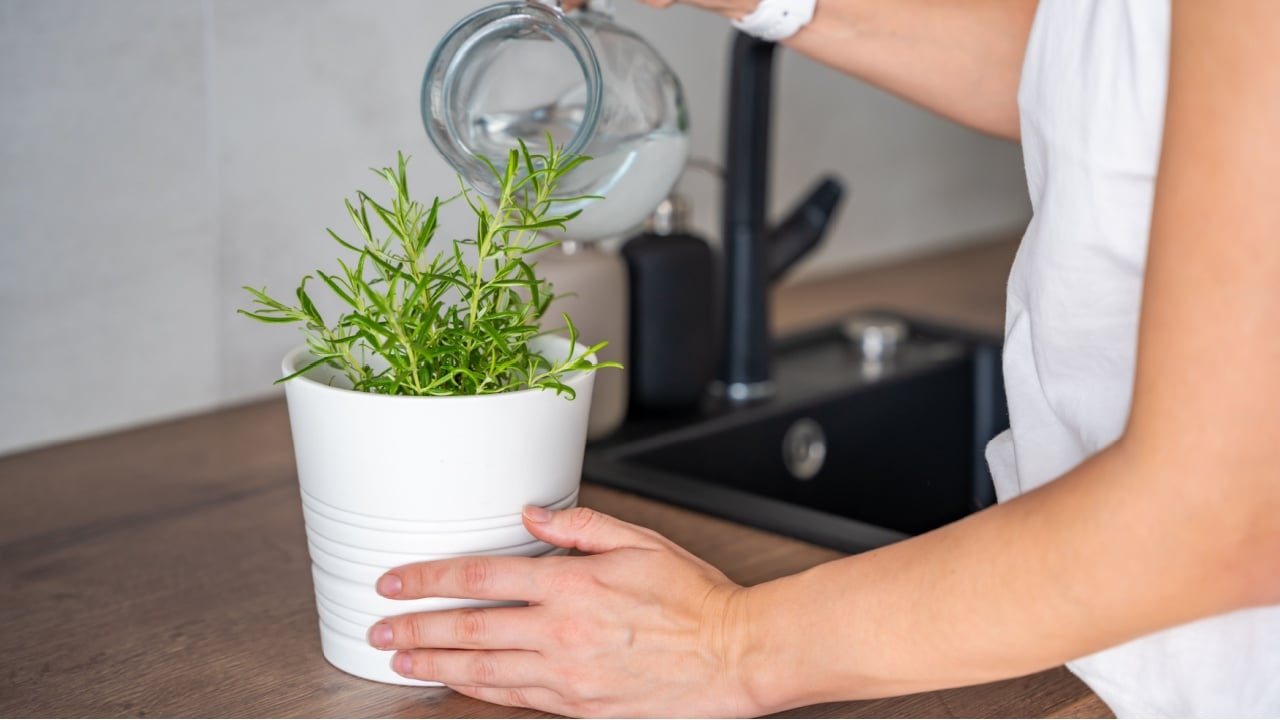
Buying a small sprig of rosemary or thyme for $4 is one of the biggest “scams” in the grocery store. Half of the pack often goes slimy in the fridge before you can use it. Herbs are among the easiest and most rewarding things to grow, regardless of how much space you have.
The Better Option: Buy a single $5 starter plant instead of a $4 cut package. One rosemary bush or mint plant will provide years of harvests for the price of one grocery store trip.
Growing Value at Home

Cutting a handful of convenience items from your grocery list does more than save money. It shifts control back to you. When you stop paying extra for pre-made shortcuts, you can spend smarter on better ingredients and tools that last.
Take a clear look at what sits unused in your pantry and what ends up in the trash. Replace one costly habit at a time. Even a few herbs on a windowsill or a small patch outdoors can reduce repeat purchases.