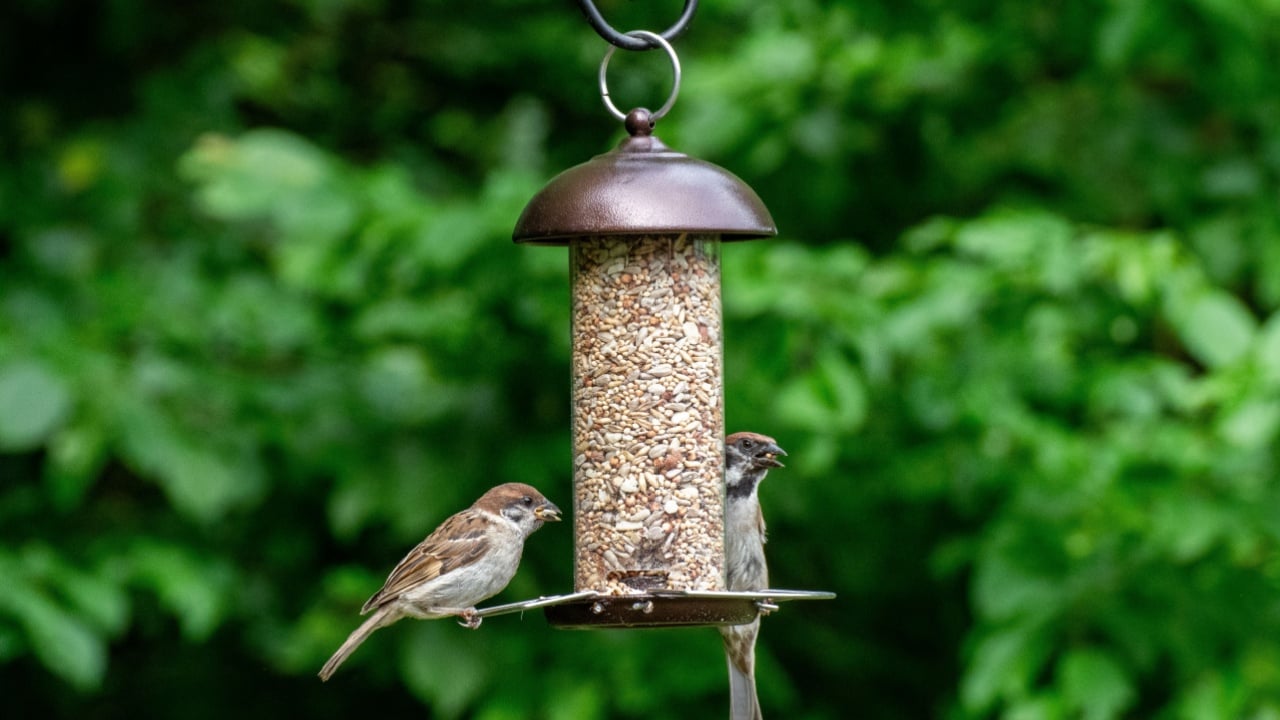
The Hidden Problems with Having a Bird Feeder in the Yard
Watching colorful finches and cardinals flock to a backyard brings a quiet joy to morning routines. People spend lots of money on seeds and stations to support local wildlife and bring nature closer to their windows.
However, feeding wild animals alters natural behaviors and ecosystems in ways most homeowners never notice. Providing an artificial food source creates unnatural congregations of different species, disrupting local food webs and attracting unintended guests.
There has been a lot of online discussion this spring about the potential drawbacks and problems of having a bird feeder in the yard. Some wildlife experts have even called for completely ditching them this year.
This guide outlines the specific troubles caused by artificial feeding stations and offers practical advice on managing them safely. You will learn how to identify common hazards, protect local wildlife, and safely maintain a balanced yard ecosystem.
1. Unwanted Pests and Rodents
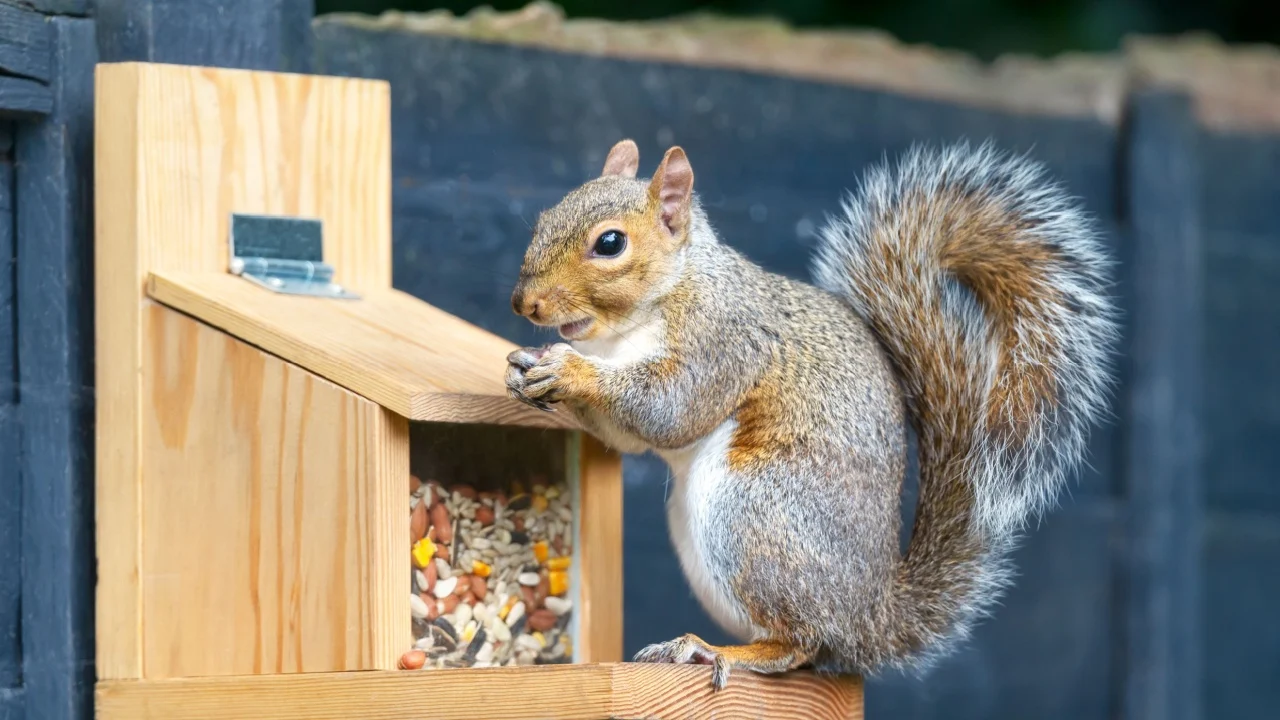
Seeds inevitably fall to the ground when birds dig through a feeder to find their favorite pieces. This scattered debris attracts pests and rodents like rats, mice, squirrels, and raccoons. These mammals quickly learn the location of this reliable food source and often decide to build nests nearby. Once rodents establish a presence in your yard, they often attempt to enter your home or garage for shelter.
Preventing a rodent infestation requires constant vigilance and strict cleaning routines underneath every feeding station. You must sweep up discarded shells and uneaten seeds daily to remove the temptation for ground-dwelling pests. Installing weight-activated feeders or using specialized baffles on poles helps block squirrels from accessing the main seed supply.
2. Disease Transmission Among Local Flocks
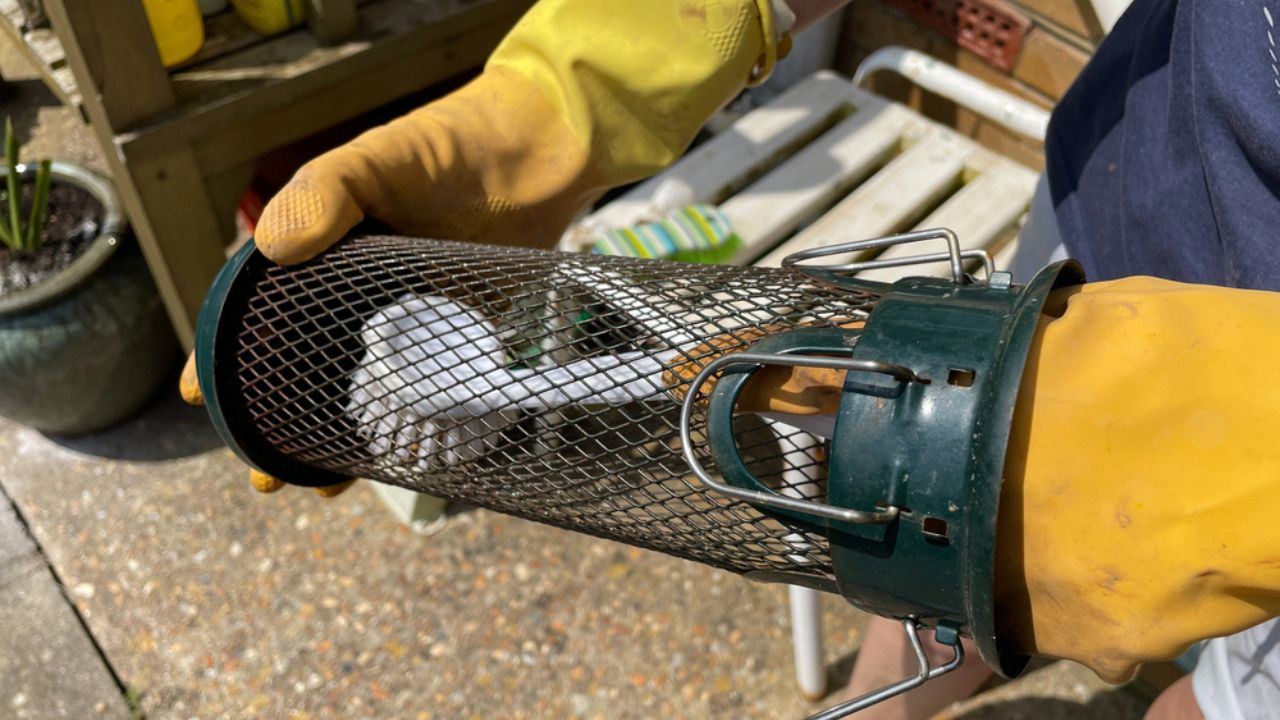
Wild birds rarely gather in such dense numbers in natural environments, making artificial feeders a prime location for disease transmission. Studies show that conditions like avian pox and mycoplasmal conjunctivitis spread rapidly when infected individuals share the same tight feeding perches. Bacteria and viruses thrive in damp seed piles and on surfaces covered with accumulated droppings. A single sick animal can easily infect an entire local population when everyone eats from the same plastic tube.
Maintaining a healthy environment for your feathered visitors demands rigorous sanitization of all equipment. You should scrub every feeding apparatus with a mild bleach solution twice a month to kill lingering pathogens. Always allow the equipment to dry completely before refilling it with fresh food to prevent mold growth. Removing the stations entirely for several weeks becomes necessary if you notice sick or lethargic birds resting in your yard.
3. Increased Vulnerability to Predators
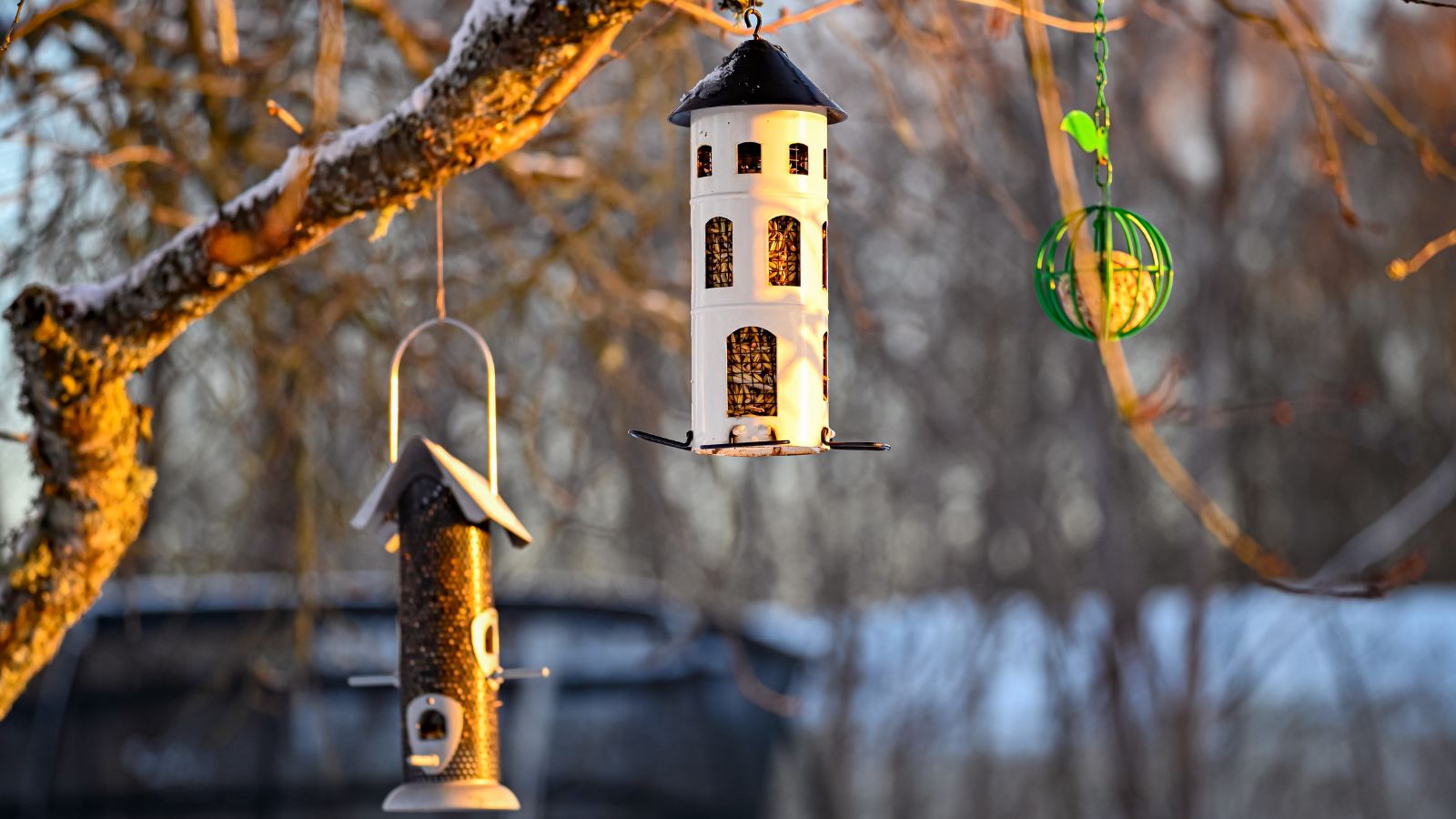
Concentrating dozens of small animals in a single open area creates an extremely convenient hunting ground for local predators. According to the National Wildlife Federation, outdoor cats, hawks, and snakes quickly realize that a busy feeding pole provides a steady supply of easy prey. Sometimes, felines often hide in nearby bushes to ambush individuals distracted by a meal, leading to millions of fatal encounters annually. Aerial predators simply wait in tall trees and dive down when the flock gathers in large numbers.
Properly positioning your stations plays a major role in protecting vulnerable wildlife from sudden attacks. Place the poles at least ten feet away from dense shrubs where neighborhood cats might lie in wait. Provide loose brush piles nearby so that small birds have a safe place to retreat if a hawk appears overhead quickly. Keeping pets indoors remains the most effective way to eliminate the primary threat to these fragile backyard visitors.
4. Messy Weed Infestations
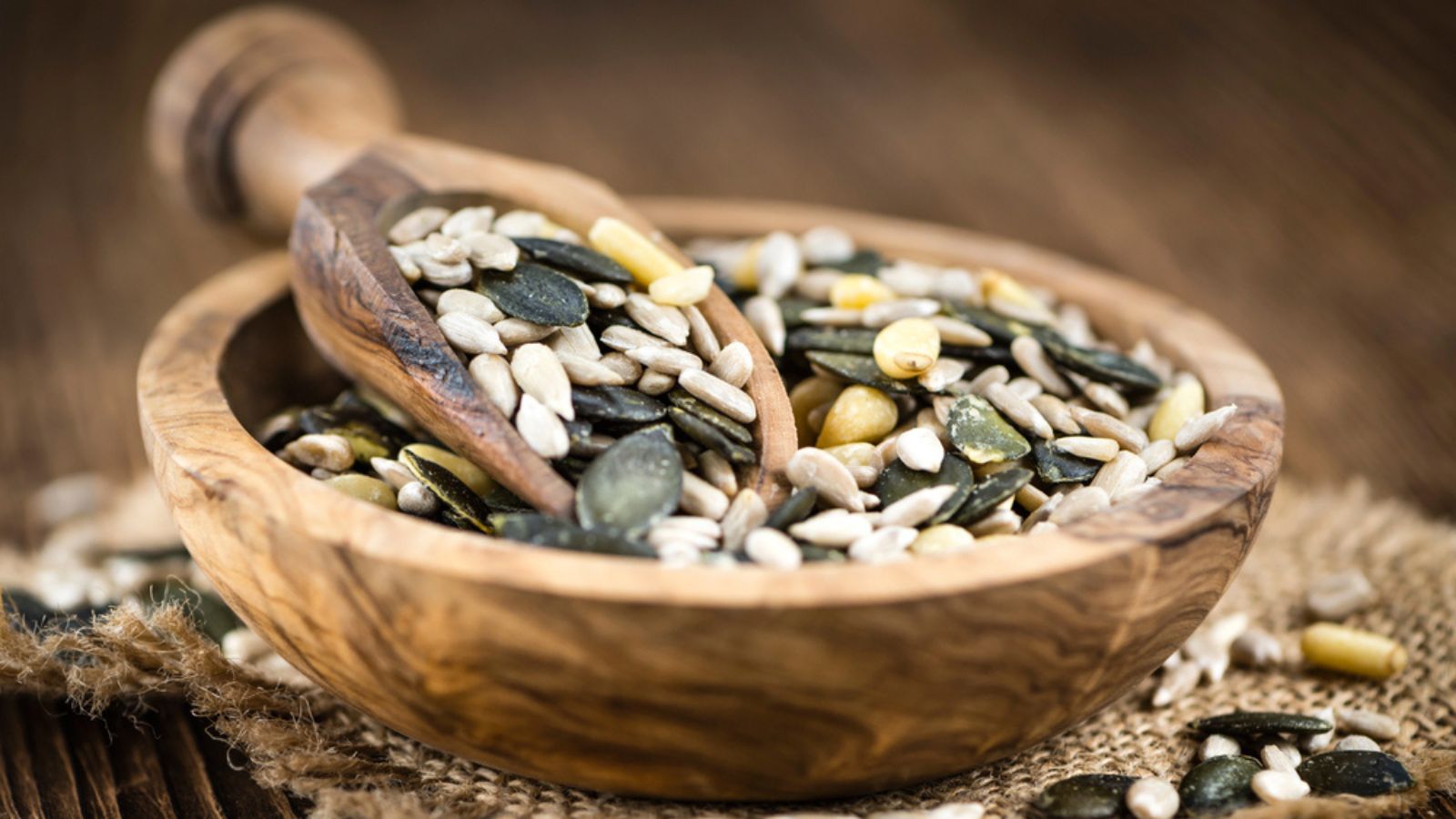
Research shows that standard seed mixes contain massive amounts of cheap filler grains that many species simply kick to the ground. Milo, wheat, and oats frequently sprout into aggressive weeds when they land in fertile soil or mulch beds beneath the pole. These invasive plants compete with your deliberate landscaping and require significant manual labor to uproot. The area directly under the station often becomes a barren, heavily soiled patch of dirt covered in decaying shells.
Buying higher-quality food blends minimizes the amount of rejected debris that falls onto your lawn. Black oil sunflower seeds or specialized hulled mixtures produce significantly less mess and appeal to a wider variety of desirable species. Placing a large catch tray beneath the main apparatus prevents falling debris from reaching the soil. You might also consider placing the entire setup on a concrete patio, where sweeping is much easier than pulling weeds.
5. Altered Natural Foraging Behaviors
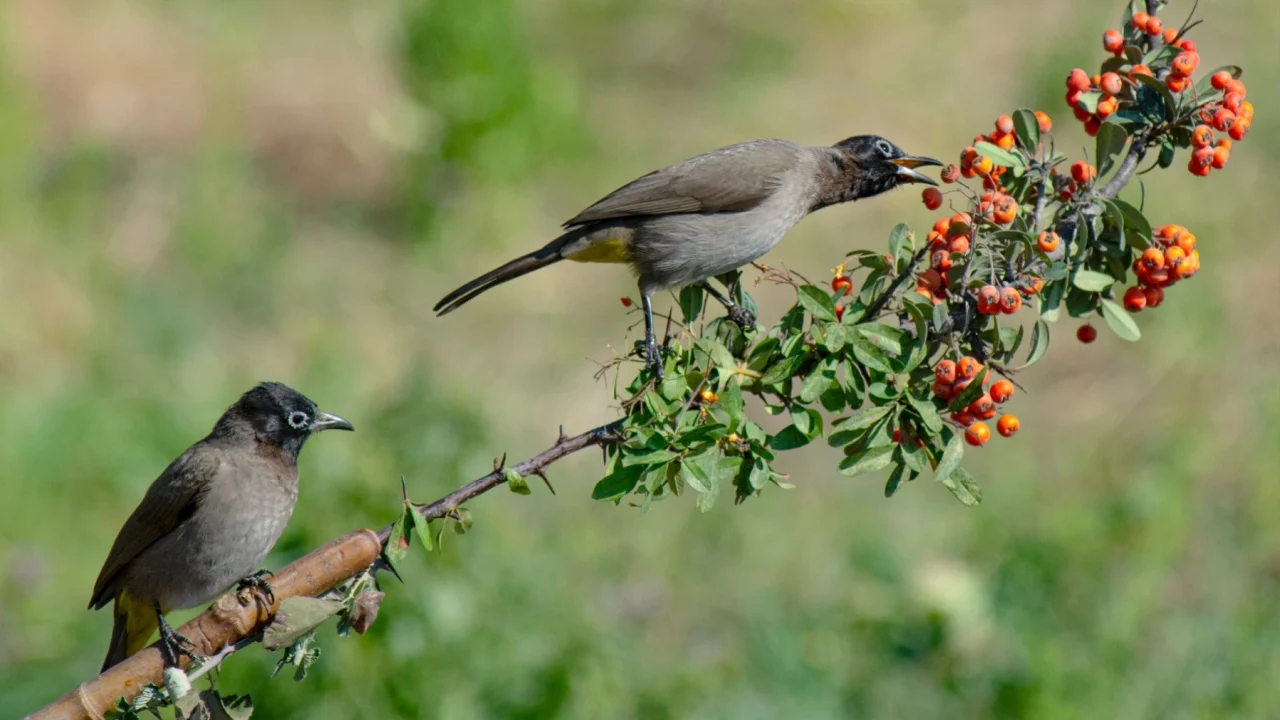
Experts say that feeding birds changes the birds’ behavior. Providing a constant supply of calories discourages wildlife from hunting for their natural diet of insects, berries, and native seeds. Young hatchlings need protein from caterpillars and spiders to develop properly, but adult parents might feed them easily accessible seeds instead. This shift in diet leads to nutritional deficiencies and weakens the overall health of the entire local population.
Planting native flowers, shrubs, and trees provides a far superior alternative to artificial seed tubes. Coneflowers, sunflowers, and berry-producing bushes offer natural, nutritious food sources that perfectly support the entire ecosystem. Creating a wild habitat encourages birds to hunt for pests in your garden while receiving the exact nutrients they require.
A Better Way to Support Wildlife
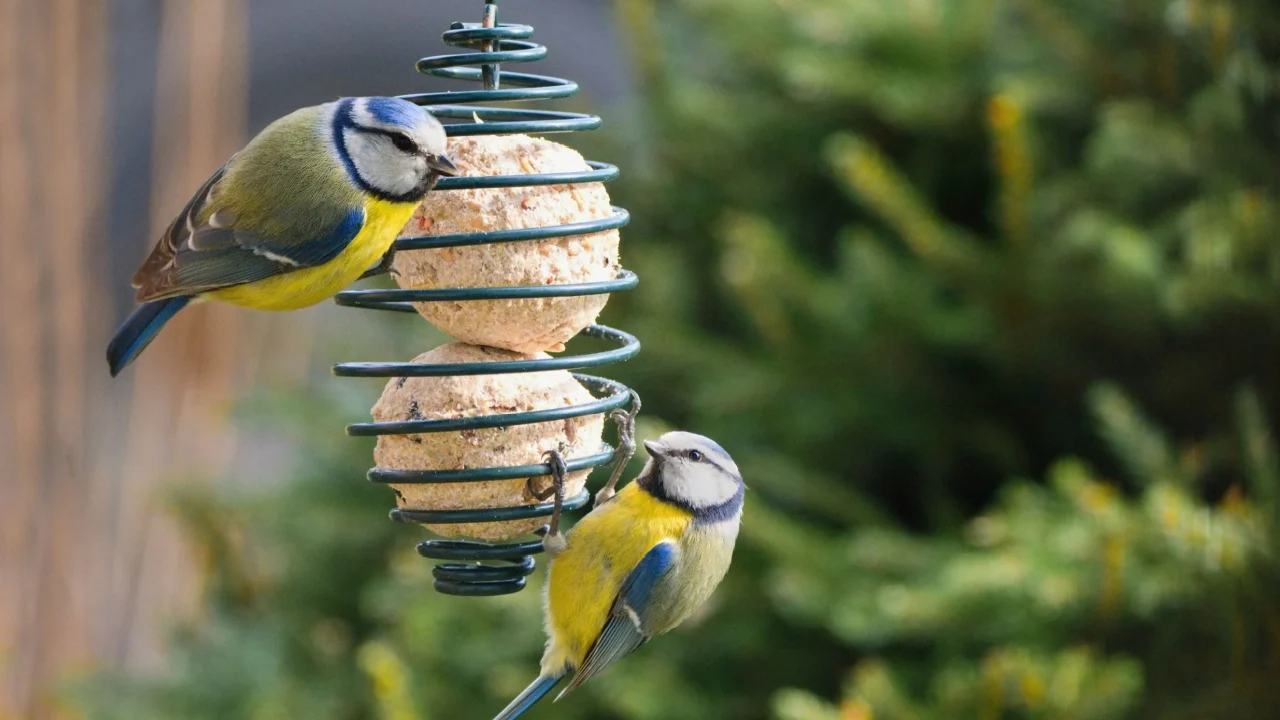
Feeding local wildlife requires careful observation and a commitment to ongoing maintenance. Ignoring the negative consequences of artificial stations leads to pest infestations, diseased flocks, and hazardous hunting grounds for neighborhood cats.
Removing standard plastic tubes and focusing on native plants offers a safer way to attract beautiful wildlife to a yard. You can easily build a thriving ecosystem that supports local species safely and naturally.
Read More: