18 Things You’ll Desperately Need in a Post-Apocalyptic World (And a Few You Won’t)
Society is pretty good at humming along. Supply chains deliver food to shelves, hospitals stock antibiotics, and the lights stay on most of the time. Prepping used to be a niche hobby, but now it’s a big business. About 20 million Americans call themselves preppers, and they spent around $11 billion on survival gear in just one year.
Experts predict this trend will keep growing. The people buying freeze-dried meals and learning survival skills aren’t just a few individuals; they’re regular people who think being prepared is a good idea.
This list is for a worst-case scenario: a total collapse of society. That means no supply trucks, no stores, and no power. In that situation, the items listed below could be life-savers. We’ve also included a few things that might seem important but would actually be pretty useless.
1. Emergency Food Stockpile
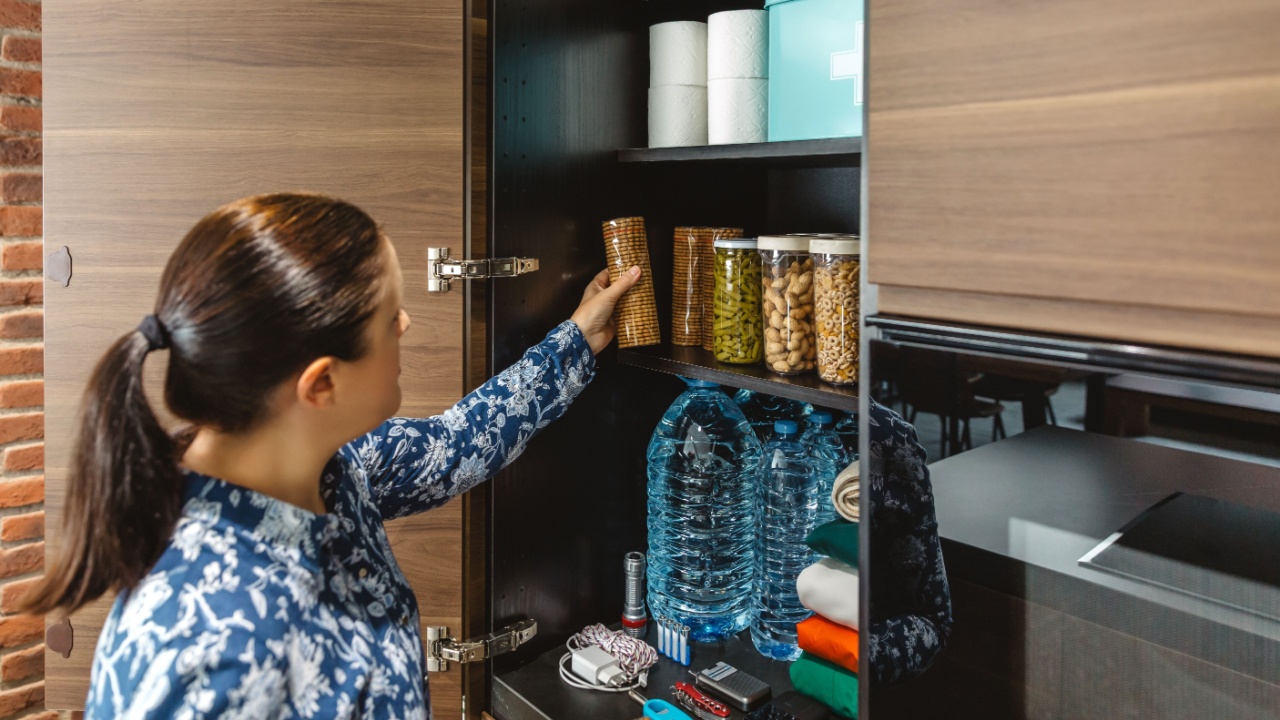
If the grocery stores go empty and there are no trucks to restock them, food is the first problem you’ll face. That’s why freeze-dried and canned foods with a long shelf life are the foundation of any serious prepper’s plan. Many of these products can last 25 years or more if stored correctly. Calories are king in a survival situation, and having enough to feed your family for weeks or months could be the difference between staying stable and getting desperate.
It’s not just about how much food you have, but what kind. Things like rice, beans, oats, and canned meats are packed with calories and nutrients to give you the energy for tough survival tasks. To keep your stash fresh, make sure to rotate through your supplies. It’s also smart to learn basic food preservation skills like drying or fermenting, which will give you another layer of food security for the long haul.
2. Water Filtration System
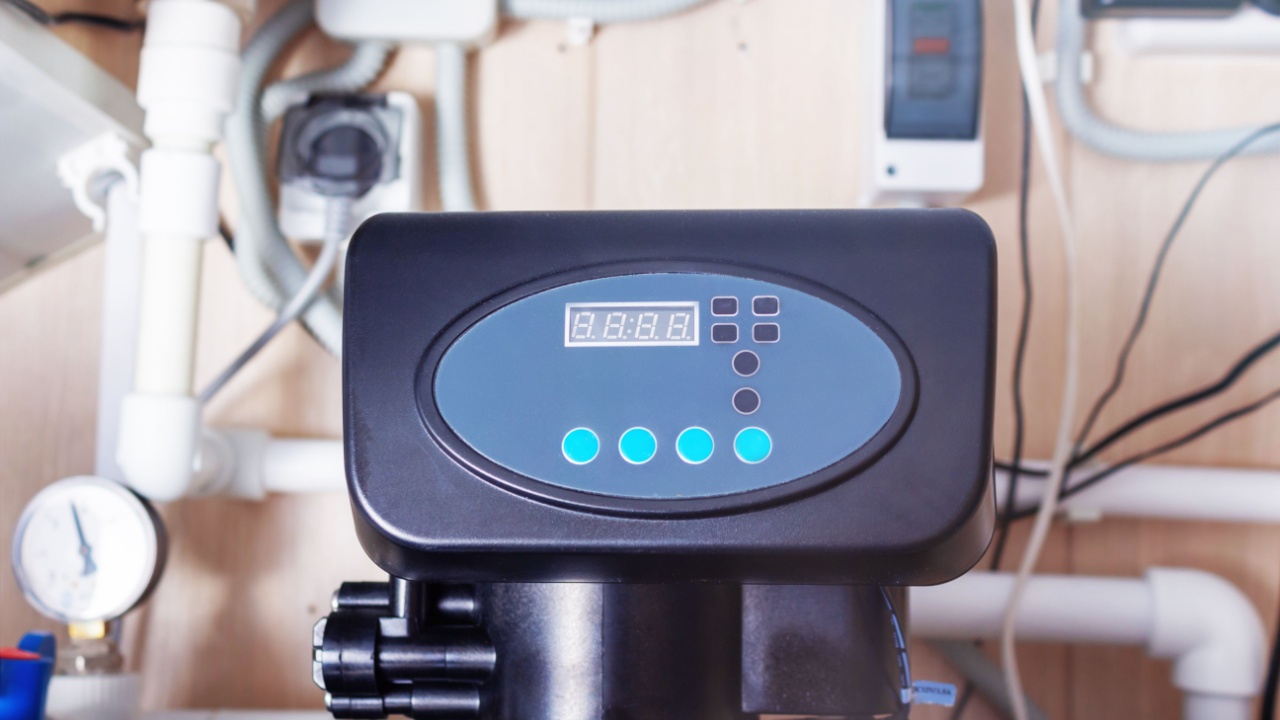
Without clean water, a person can only last about three days. In a collapse, city water would shut down fast, and natural sources like rivers are full of bacteria and parasites that can make you seriously ill. A good water filter takes care of those threats and makes questionable water safe to drink.
When you’re picking a filter, look for one that can handle everything from germs and heavy metals to chemical runoff. Ceramic filters, gravity-fed systems, and UV purifiers are all solid choices. It’s also a good idea to have backup purification tablets. They’re light, cheap, and perfect for when you can’t use your main filter.
3. Seeds for a Long-Term Garden
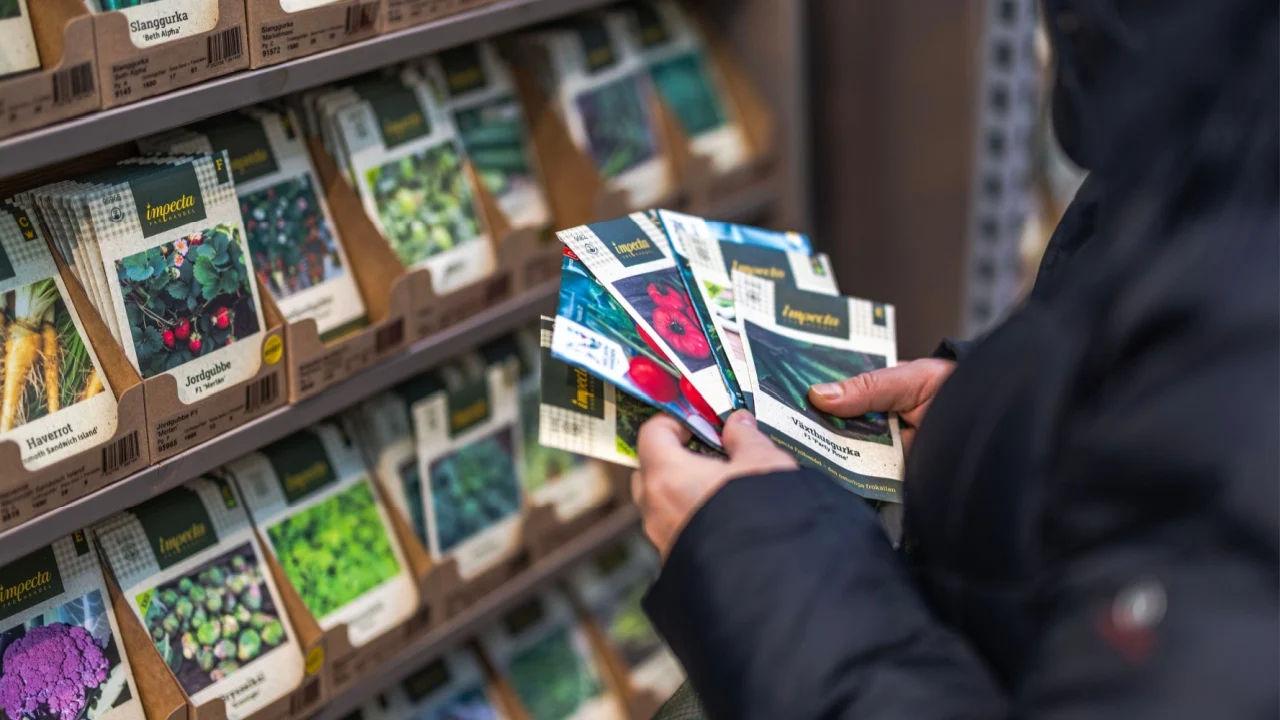
Your emergency food won’t last forever. But if you store them right and know a bit about gardening, seeds will. A garden can become a renewable food source, and in a long-term collapse, knowing how to grow your own food is one of the most valuable skills you can have. Heirloom seeds are especially great because you can save them from your harvest each year, creating a self-sustaining food supply.
The best time to start a garden is now, before a crisis. Even a small vegetable patch will teach you practical skills like how to manage soil, deal with pests, and plant for the seasons. Trying to learn all that from scratch under pressure would be tough. Adding compost to your soil will boost your harvest, and building a simple raised bed can help you grow for longer in cooler areas.
4. A Comprehensive First Aid Kit
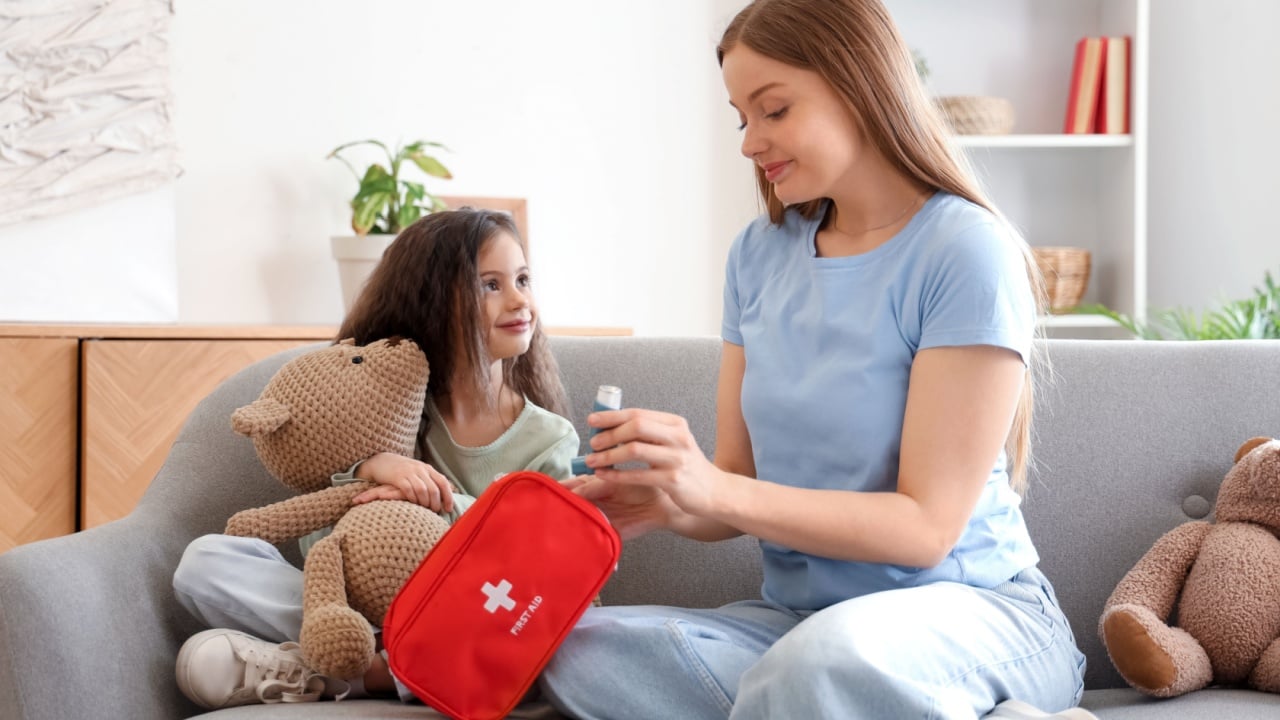
Hospitals and urgent care clinics won’t be an option. A deep cut or a broken bone that’s manageable today could be fatal without doctors. A well-stocked first aid kit can buy you time and give you options to save a life. Knowing how to actually use everything in the kit is just as important as having it.
Go beyond basic bandages and antiseptic wipes. A serious kit should have tourniquets, sutures, splints, burn cream, and tools to remove debris from wounds. Taking a first aid course that covers wound care and trauma is a smart move. It’s also a good idea to throw a wilderness medicine book in your kit for guidance when there are no professionals around.
5. Emergency Antibiotics
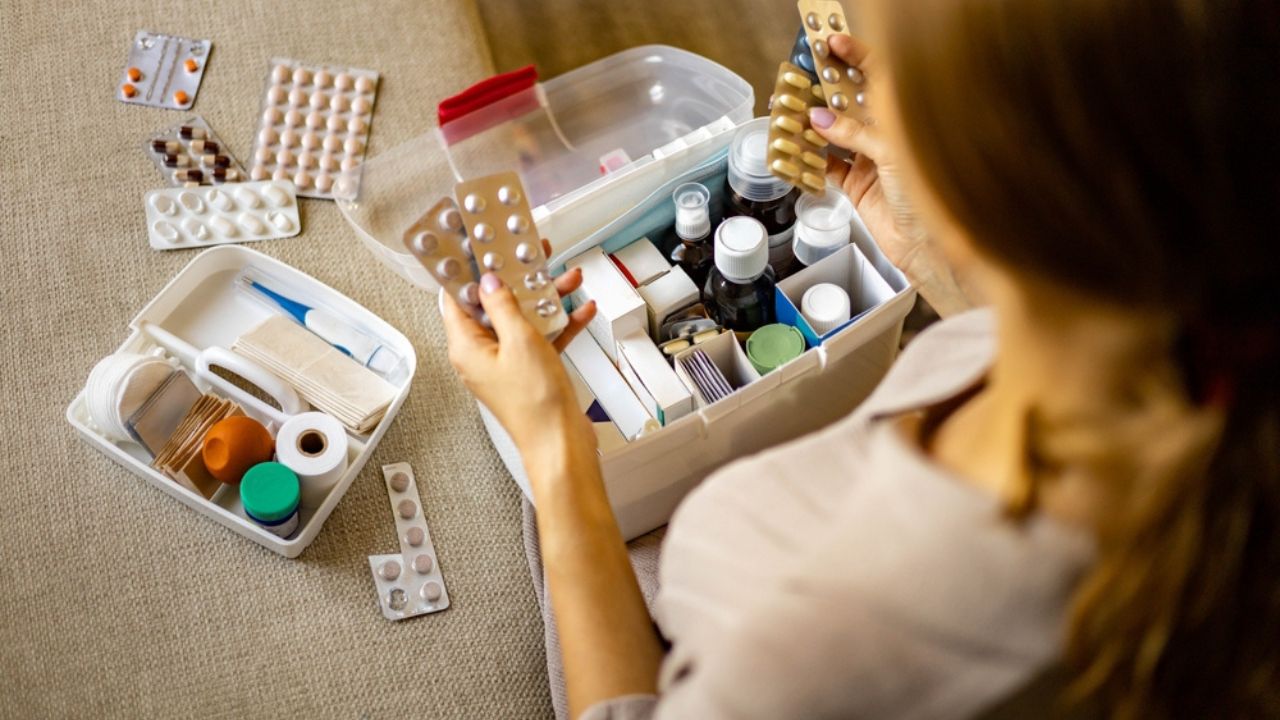
Today, a simple course of antibiotics can clear up an infection. Without them, even a minor cut can become life-threatening. Before antibiotics were common, infections were a leading cause of death. That’s the reality we’d face in a post-collapse world. Having a supply of broad-spectrum antibiotics on hand could prevent one of the most common causes of death in a world without doctors.
Talk to your doctor about getting an emergency supply of antibiotics. They can help you get the right medication and teach you how to use it properly. Learning to spot the early signs of an infection and knowing when to use antibiotics will make your supply much more effective.
6. A Ferro Rod Fire Starter
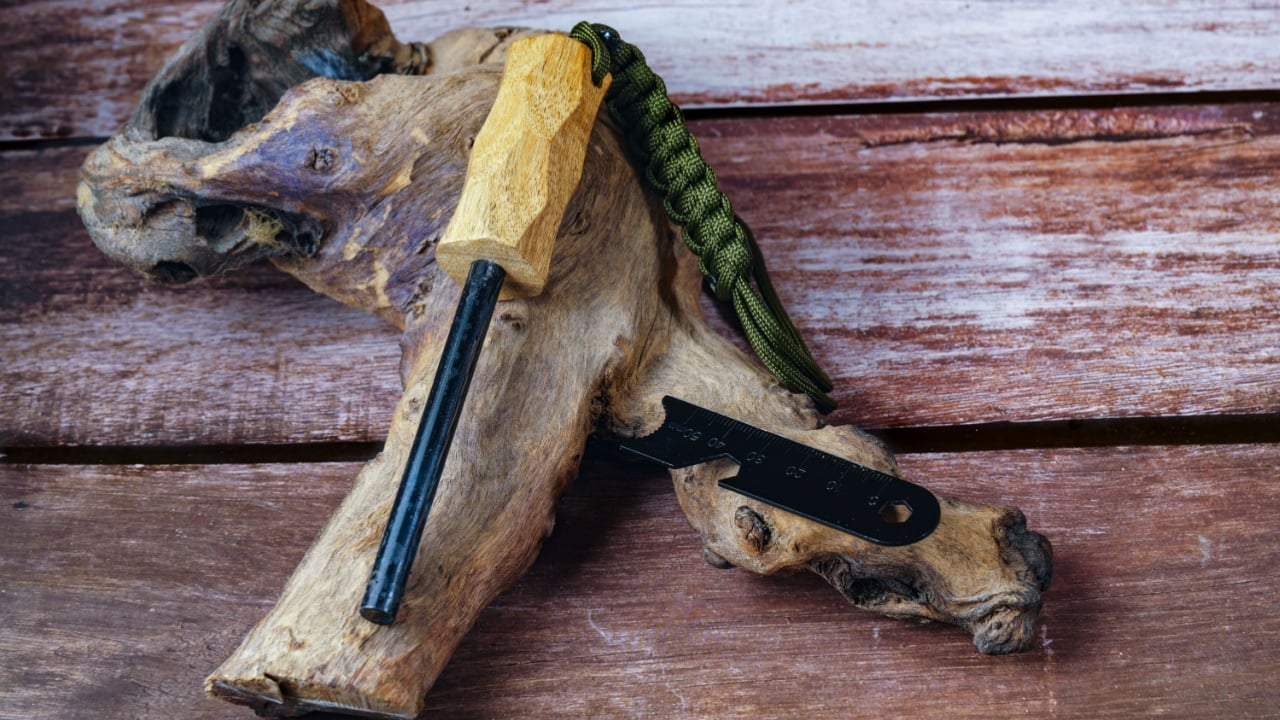
Fire isn’t just for warmth. It purifies water, cooks food, sterilizes tools, provides light, and can be used to signal for help. A ferro rod will throw a hot spark in almost any weather, even when it’s wet and windy, and your matches or lighter won’t work. They don’t expire like matches or run out of fuel like lighters. A single rod can make thousands of sparks, making it one of the most reliable fire starters out there.
To make fire-starting easier, pair your ferro rod with dry tinder. This can be something you prepare, like char cloth, or just dryer lint or dried plants. Practice starting a fire before you’re in an emergency. It’s one thing to do it calmly at home, but it’s a whole different ballgame when you’re cold, wet, and in the dark. Building that muscle memory now will pay off later.
7. A Wood Stove
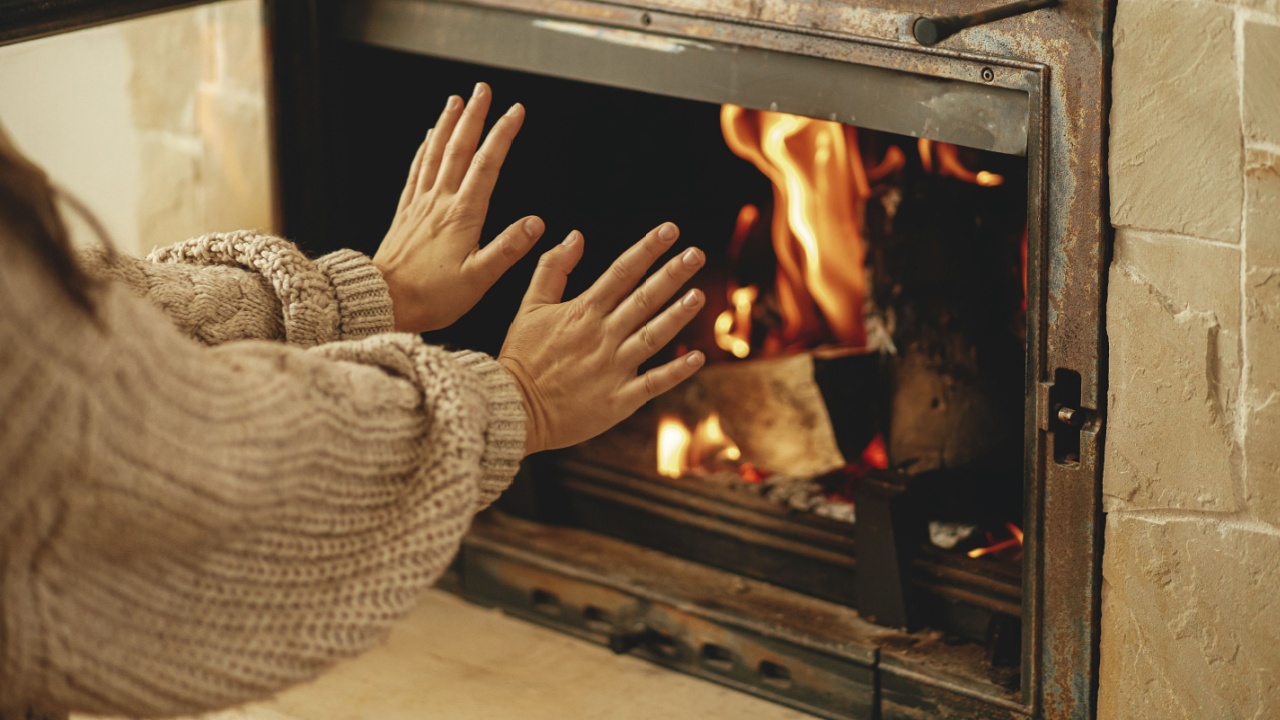
With no natural gas or electricity, you’ll need a fire to cook and stay warm. A good wood stove does both, and it runs on a renewable fuel you can find locally. Wood stoves are also much more efficient for heating a room than an open fire, and many have a flat top for cooking or even a built-in oven.
Pick a stove that’s efficient and well-sealed to get the most out of your firewood, especially since you’ll be cutting and splitting every piece by hand. Stockpiling seasoned firewood ahead of time means your stove will be ready to go from day one. Cast iron pots and pans are perfect for cooking on a wood stove because they can handle the intense, uneven heat.
8. An Axe for Cutting Wood
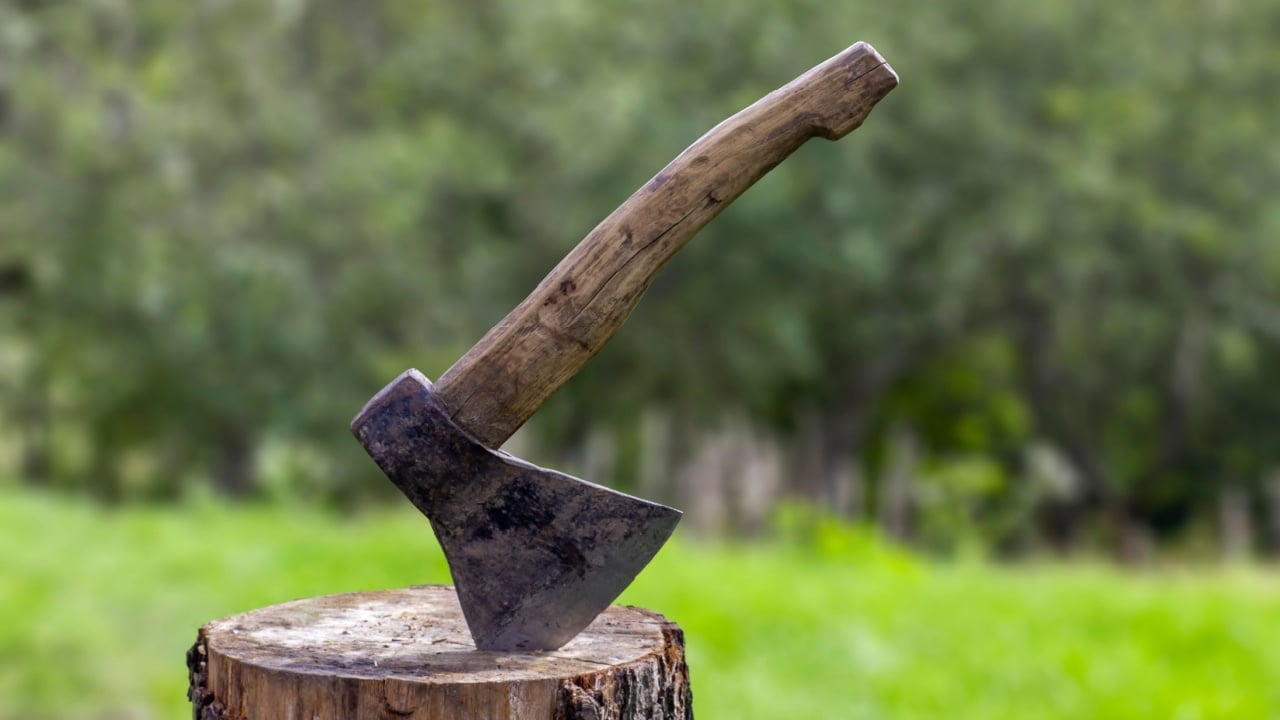
A wood stove is useless without wood. An axe is how you get that wood. Felling trees, splitting logs, and making kindling are all jobs for a reliable, sharp axe. In a post-collapse world, these would be daily chores for anyone relying on wood for heat and cooking.
A quality axe with a strong handle will hold up to heavy use. Keeping it sharp with a whetstone makes the work a lot easier. Learning how to split wood properly will save you energy and help prevent accidents. An axe is also handy for building things and clearing paths, making it a great multi-purpose tool.
9. A Multitool
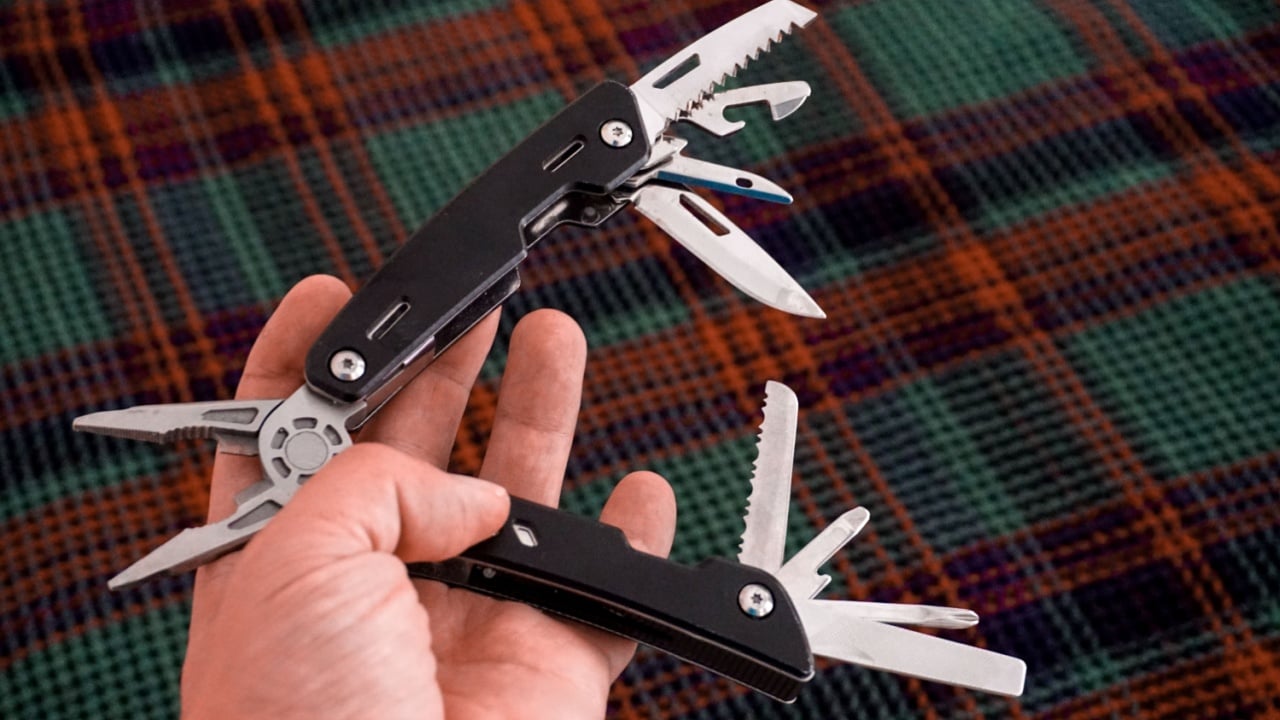
A multitool is like a toolbox in your pocket. It has pliers, a knife, a saw, a screwdriver, and more. In a survival situation, being able to fix things, cut materials, and improvise without a full set of tools is incredibly useful. Good brands like Leatherman and Gerber make multitools that are built to last.
The best thing about a multitool is its versatility. You can use it to repair gear, prep food, build a shelter, or perform first aid. Keep it on your belt or in your pocket so it’s always ready when you need it, because in a crisis, you often won’t have much warning.
10. Paracord
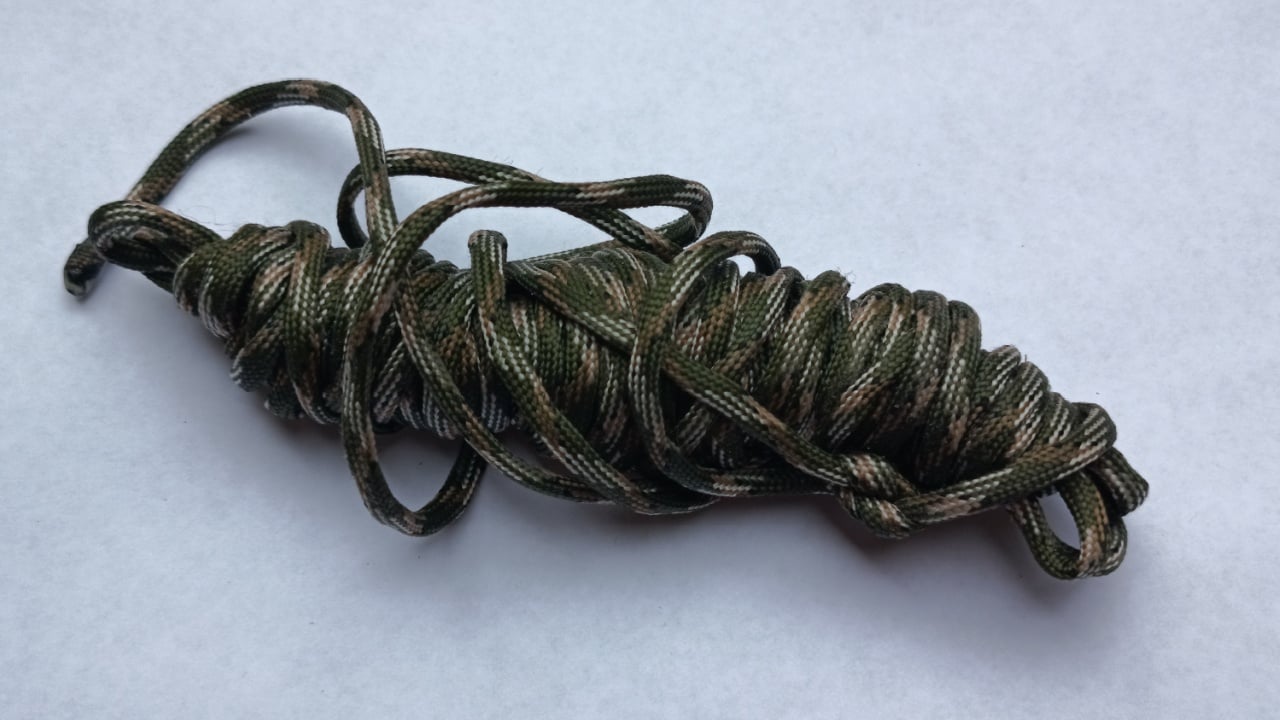
Paracord is one of the most versatile things you can carry. It was originally made for parachutes and can hold up to 550 pounds. The survival uses are almost endless: setting up a shelter, tying down gear, making a tripwire, creating a tourniquet, replacing a broken strap, building a trap, or fixing equipment.
You can even pull out the inner strands for smaller tasks, like making a fishing line or sewing up a wound in an emergency. A few hundred feet of it is light and doesn’t take up much space in your pack. Learning a few useful knots (like a bowline or clove hitch) makes it even more valuable. With paracord, it’s almost always better to have more than you think you need.
11. Duct Tape
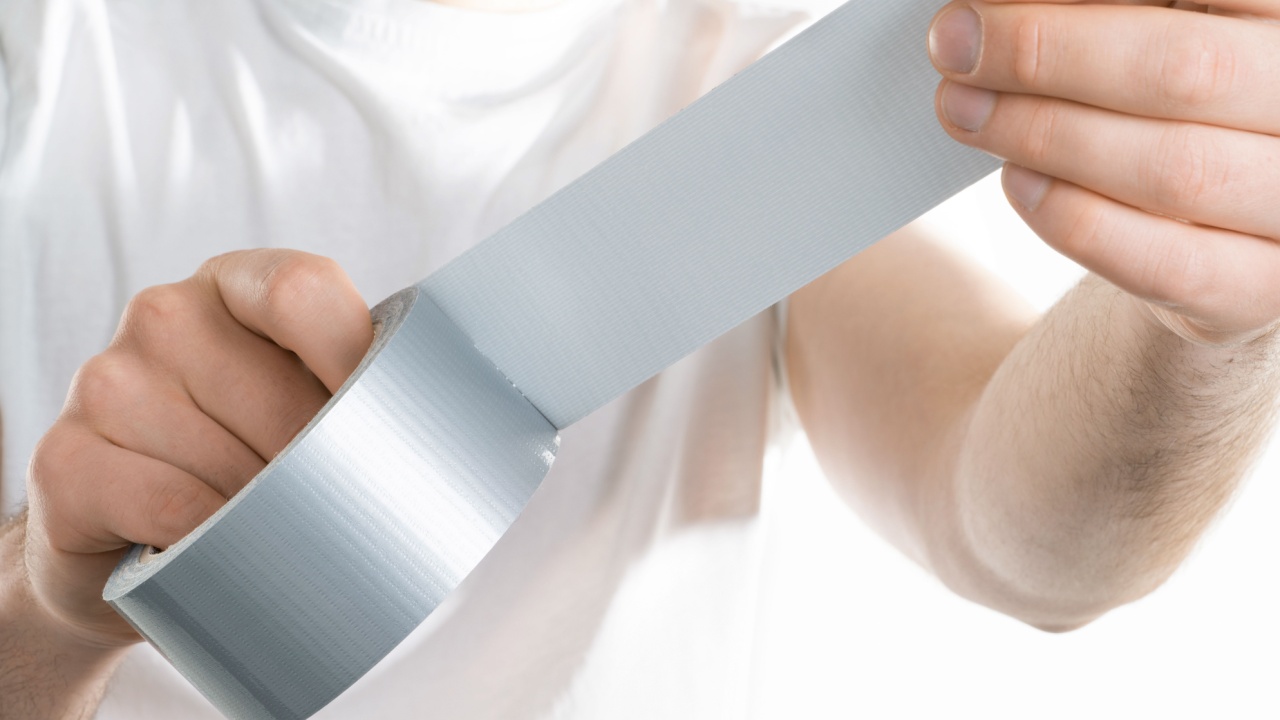
Duct tape has a legendary reputation for a reason. It can patch a tent, seal a wound, fix a boot, or repair a tool. When you can’t just run to the hardware store, duct tape is your go-to repair kit. It sticks to almost anything, even when wet, and you can tear it by hand.
You can use it to waterproof your shelter, make a splint, patch a leaky water bottle, or quiet rattling gear. A few rolls stored in a dry place take up hardly any space but can do a ton of work. Duct tape might seem like a small thing, but when you need it, you’ll be glad you have it.
12. A Solar-Powered Generator

Once gas and propane are gone, any generator that runs on them becomes a giant paperweight. A solar-powered generator with a good set of panels, on the other hand, can create electricity as long as there’s sun. You can use it to charge essential devices, run medical equipment, power a radio, or keep the lights on without worrying about fuel.
Portable solar generators from brands like Jackery and EcoFlow have gotten much better and more affordable. They can provide a decent amount of power and are easy to set up. To get the most out of your generator, pair it with energy-efficient devices like LED lights and USB-chargeable tools.
13. A Solar Flashlight or Hand-Crank Light
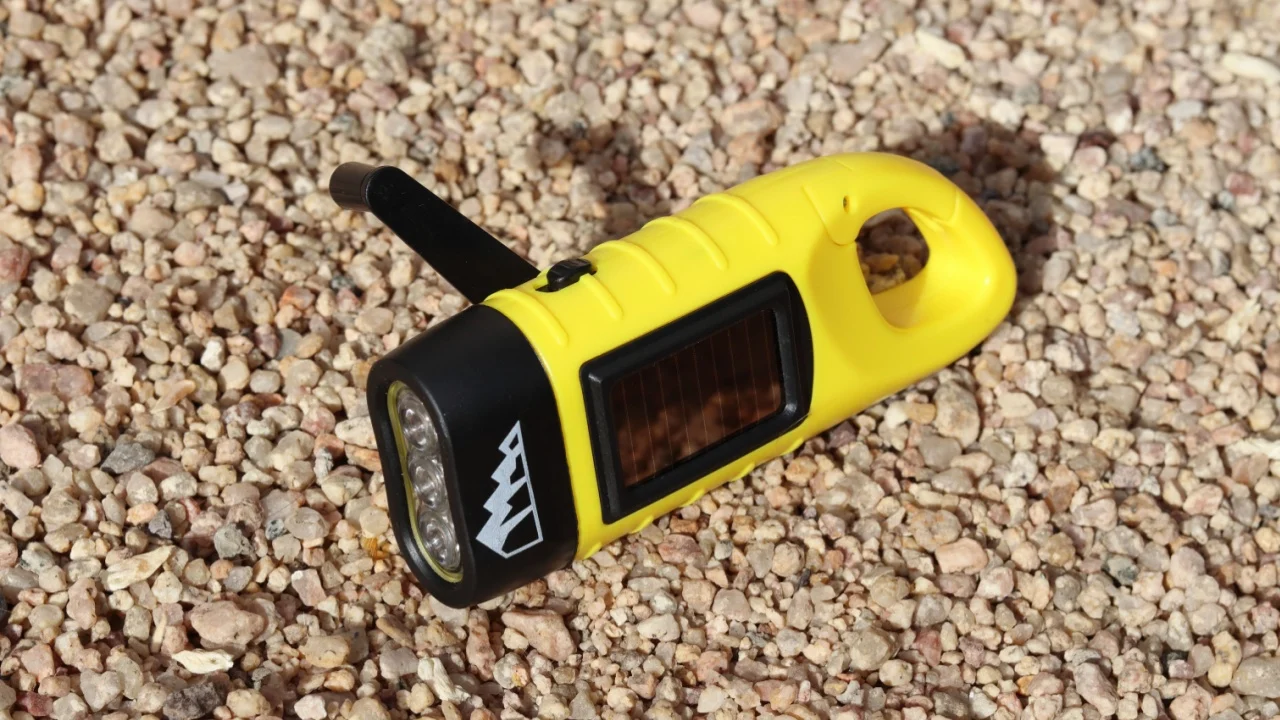
Even if you have a generator, it’s smart to have a personal light that charges itself. Solar-powered flashlights and hand-crank models don’t need batteries or an external power source, so they’re super reliable for long-term off-grid living. The dark can be dangerous in a survival situation, and trying to navigate or perform first aid without light is incredibly difficult.
LED solar lights are surprisingly good and pretty cheap. Many have a solar panel built right in, so they can charge during the day and run for hours at night. A hand-crank option is a great backup for cloudy days. This gives you a reliable light source that only needs sunlight or a little elbow grease to work.
14. An Emergency Shortwave Radio
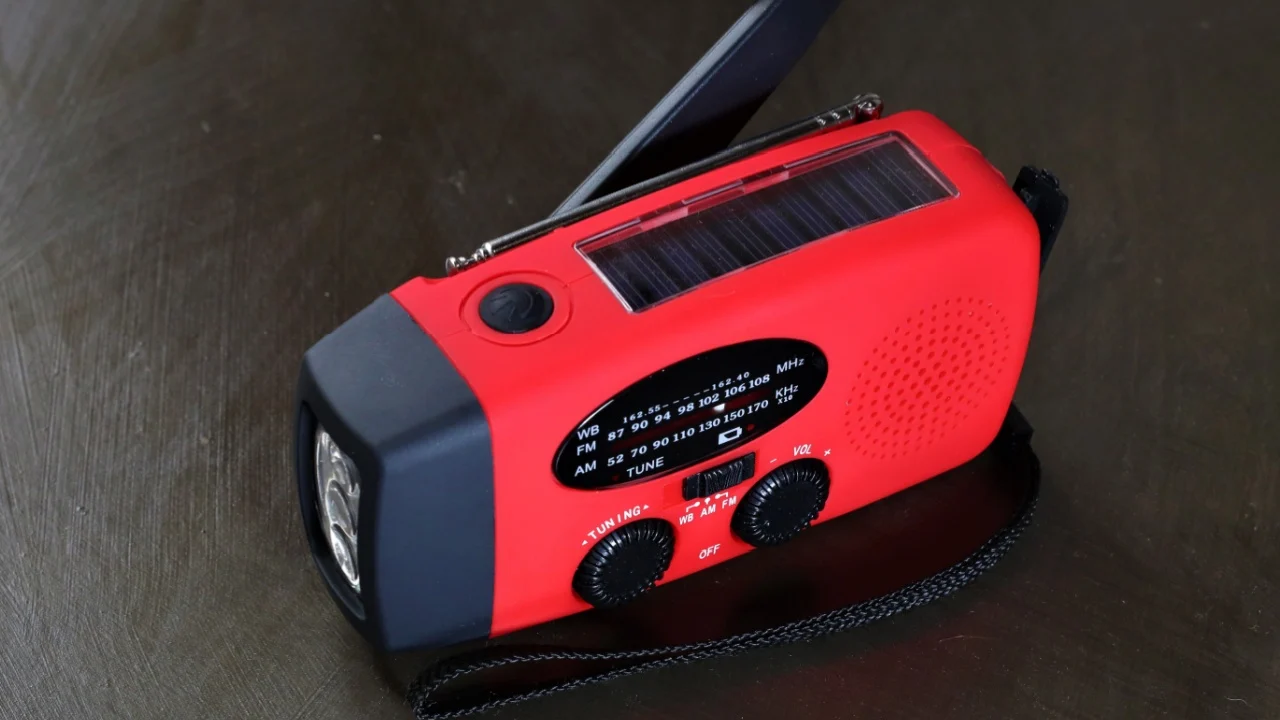
Information is key to survival. You need to know where to find resources, what areas to avoid, and what’s happening on a larger scale. A shortwave radio can pick up broadcasts from all over the world, including emergency frequencies, even when local power and internet are down. Models that charge with a solar panel or a hand crank will work no matter what.
Shortwave radio has been used in disasters all over the world because it works independently. Emergency agencies like FEMA use it to get information out for this very reason. It’s worth spending some time now to learn how to use a shortwave radio and find the important emergency frequencies.
15. Fishing Gear

A fishing rod and a small tackle box can be a renewable food source if you’re near water. Fish are high in protein and fat, and you don’t need a farm to get them. The skills are easy to learn, too. When every calorie counts, a steady source of extra food is a big deal.
Besides a rod and reel, you can learn to set trotlines (a long line with multiple hooks) to catch fish overnight without much effort. Small nets and traps are also good options for different types of water. A compact fishing kit doesn’t take up much space in a pack but offers a huge potential payoff.
16. A Quality Compass

GPS devices rely on satellites and batteries, both of which will be unreliable in a major collapse. A compass needs neither. It’s essential for navigating to a safer place, avoiding danger, and just knowing which way you’re going in unfamiliar territory. A good compass will help you navigate almost anywhere.
Learning how to use a compass with a paper map (not a digital one) is a fundamental survival skill. Most people don’t know how to do this anymore, which means they’d be completely lost without roads or landmarks. A few hours of practice now will pay off big time when making a wrong turn could have serious consequences.
17. A Durable Backpack for Every Family Member
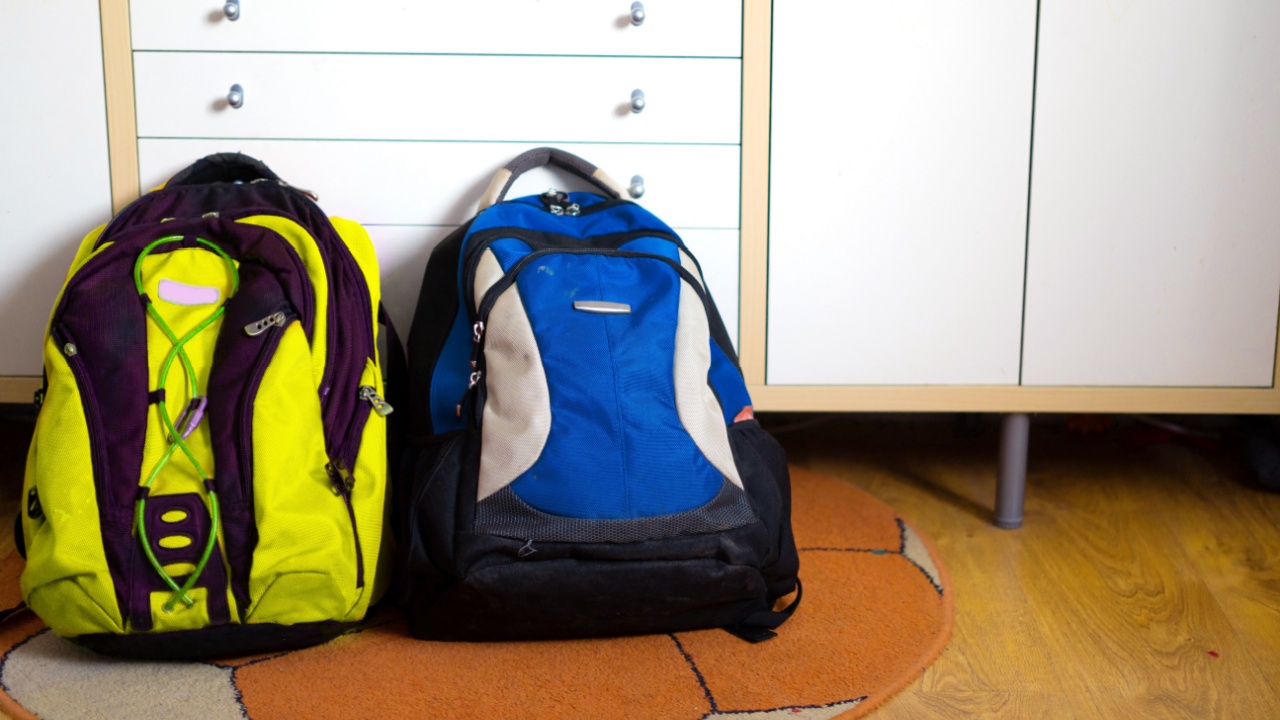
If you need to evacuate, you have to be able to carry everything that matters. A sturdy, well-packed backpack for everyone in the family helps distribute the weight and makes sure no one is carrying too much. Quality packs from brands like Osprey and Mystery Ranch are designed to handle heavy loads over long distances without breaking.
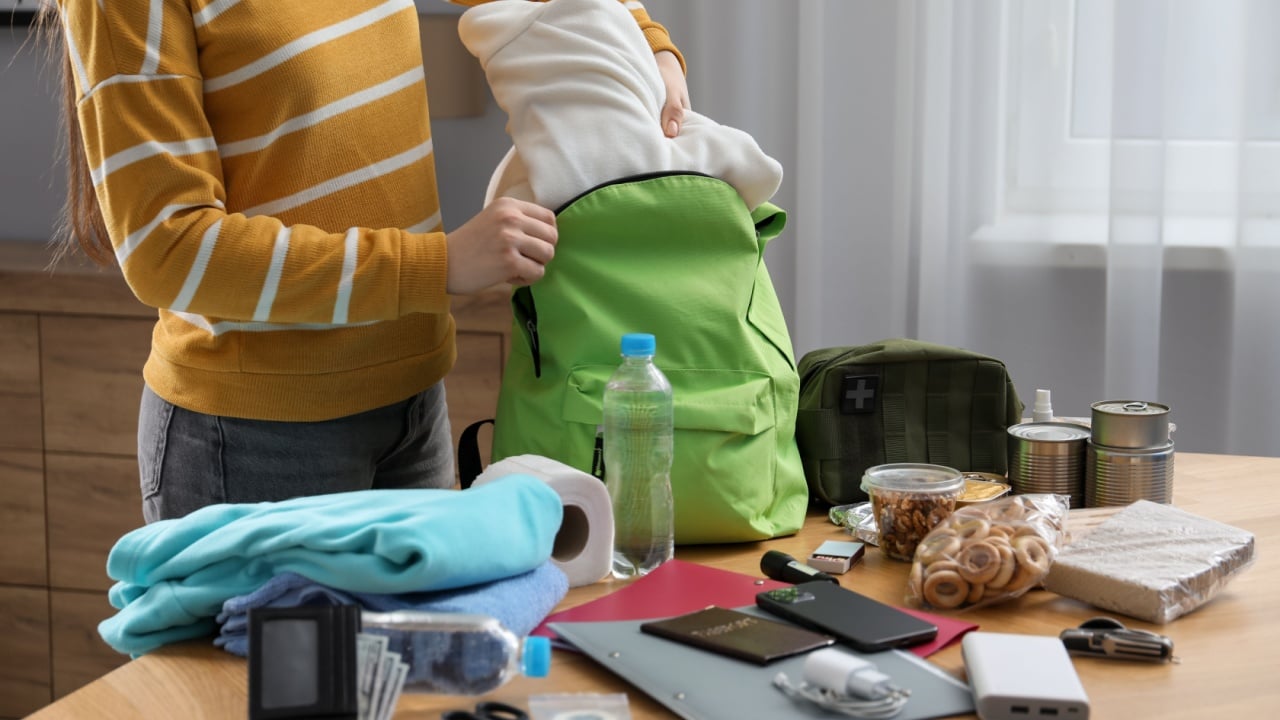
A “go-bag” is a great idea. This means packing each backpack ahead of time with essential supplies so it’s ready to grab at a moment’s notice. Kids can carry lighter things like clothes and sleeping bags, while adults carry the heavier items like food, water, and tools. The goal is to be mobile and take what you need without being weighed down.
18. Wool Blankets

In a world without electricity, wool is one of the best insulators you can have. Unlike many other materials, wool keeps you warm even when it’s wet, which is a huge deal when you can’t always stay dry. Military surplus wool blankets are tough, cheap, and easy to find. You can also use one as a makeshift poncho, ground cover, or even a stretcher.
Hypothermia is a bigger threat than most people realize, especially at night or in the spring and fall. Having a wool blanket for everyone in your group is a direct way to fight that risk. They also provide a level of comfort that can help with mental stress. Storing them in waterproof bags will keep them dry and ready to use.
A few things that seem essential but would not be:
Ironically, some of the most expensive and carefully maintained items in a person’s life would become nearly worthless overnight. A luxury vehicle is just a large object that cannot move once the fuel runs out.
A smartphone loses most of its function without cellular infrastructure, GPS satellites, or a charging source. Branded fitness equipment, streaming subscriptions, and anything requiring an internet connection all join the same category of things that matter a great deal right now and almost nothing later.
Gear is Good, But Skills are Better
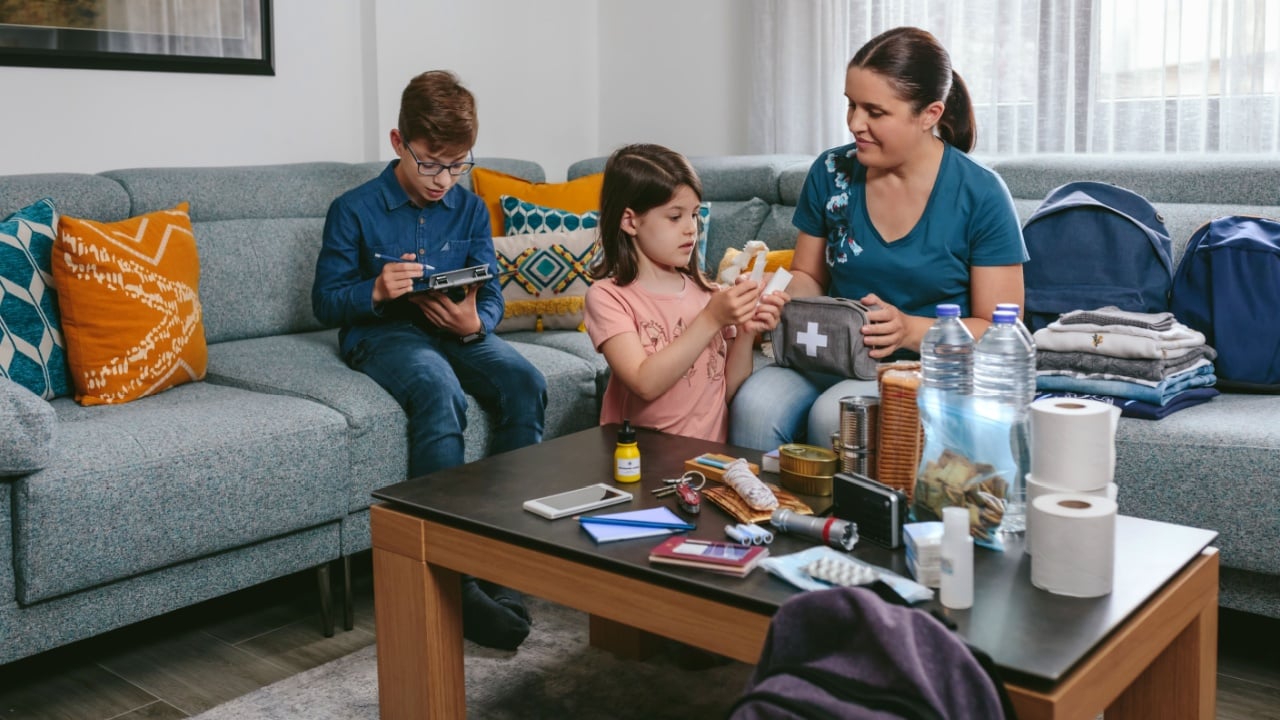
The list above covers the foundations, food, water, fire, shelter, navigation, communication, and protection. None of it is complicated or exotic. Most of it is affordable and available today. The harder part, as anyone serious about preparedness will say, is actually building the knowledge to use these tools effectively.
The best time to build these skills and supplies is before they’re needed. The second-best time is now. Start with the basics, learn how to use what gets acquired, and treat preparedness as a practical skill set rather than a collection of gear.
Read More: