
18 Everyday Items You’ll Wish You Had in an Apocalypse
Have you ever pictured the world ending? Maybe you imagine yourself as an action hero, scavenging for supplies in a desolate landscape. But the reality of a large-scale disaster is a lot less cinematic and a lot more about having the right little things on hand before everything goes sideways. My own “end of the world” kit started with a single flashlight and a pack of expired crackers. I’ve learned a thing or two since then.
Preparing for an uncertain future is more than building a bunker or stocking up on novelty snacks. Foresight and practicality make all the difference. When supply chains shut down, and the corner store is off-limits, common items instantly jump in value. What seemed ordinary before becomes essential for getting through tough times and even for bartering. Having a stash of the right goods can help you navigate those challenges a little more smoothly.
This article will guide you through 18 unassuming items that could prove incredibly useful in a crisis. These are not the obvious choices like water purifiers or generators. Instead, these are the common household objects that have a surprising number of uses when you are forced to get creative. Let’s look at what you should start setting aside, just in case (beacuse you never know these days).
1. Duct Tape

Duct tape is legendary for its multipurpose capabilities, and its reputation is well-deserved. This sticky marvel can patch holes in tents, clothing, and containers. It can be used to create splints for injuries, repair broken tools, or even craft a makeshift rope. Its strength and adhesive qualities make it an indispensable repair tool for almost any material.
Beyond simple repairs, duct tape’s uses are limited only by your imagination. You can create a sling for an injured arm, fashion a belt, or even make a pair of emergency shoes. Collecting a few rolls in different widths can provide a robust solution for countless unforeseen problems. Store it in a cool, dry place to preserve its adhesive properties.
2. Lip Balm

Chapped lips are more than just an annoyance; in a survival situation, they can crack, bleed, and become infected. Lip balm, especially an unflavored variety, is an effective way to prevent this painful (and common) condition. It provides a protective barrier against wind and sun, keeping your skin healthy when medical care is scarce.
This waxy substance has other applications, too. A small amount can be used to help start a fire when applied to a cotton ball or tinder. It can also be used to lubricate stuck zippers, protect small cuts from dirt, or prevent blisters by reducing friction on your feet. Its compact size makes it easy to store a large quantity without taking up much space.
3. Alcohol

High-proof alcohol, like vodka or grain alcohol, is a multi-use resource in any emergency. Its most critical function is as a disinfectant. It can be used to clean wounds, sterilize medical instruments, and sanitize surfaces to prevent the spread of illness. When soap and clean water are unavailable, alcohol becomes a primary tool for maintaining hygiene and health.
Alcohol is also a potent solvent, a fire starter, and a fuel source for certain types of small stoves. It can be used for bartering, as it will likely be in high demand. If you choose to store it, select spirits with a high alcohol content (at least 80 proof or 40% ABV) and keep them in a secure, dark location away from heat sources.
4. Garbage Bags
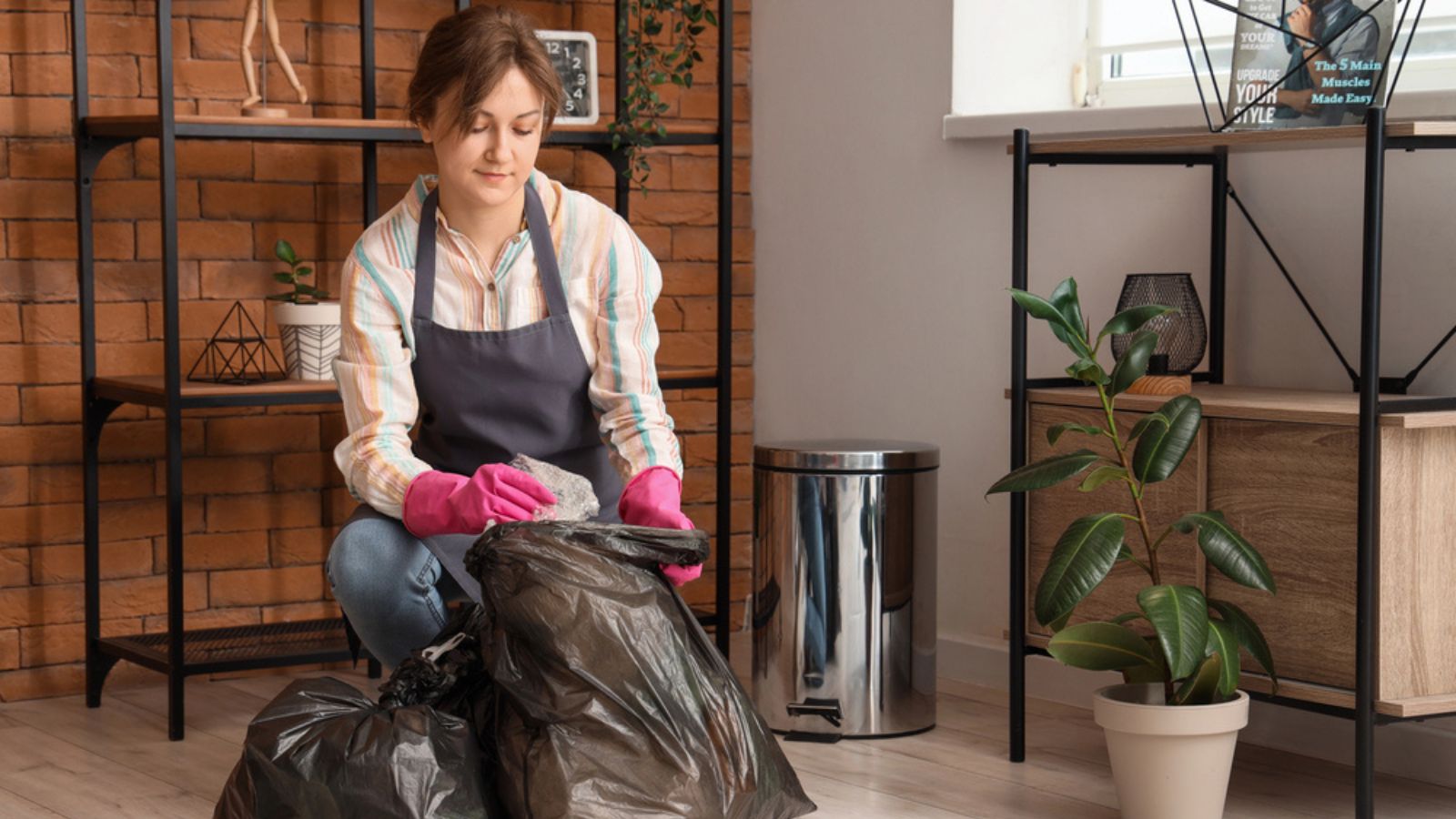
Heavy-duty garbage bags are incredibly useful when cleanliness and protection from the elements are paramount. Their primary purpose, waste containment, becomes even more important for sanitation and preventing disease. But their utility extends far beyond that. They can be used as emergency rain ponchos, ground tarps to keep you dry, or waterproof liners for backpacks.
You can also use them to collect and store rainwater, create a makeshift shelter, or protect your food supply from pests and moisture. Large, thick contractor bags are your best bet. They are more durable and less likely to tear. Storing them is simple; a few boxes of bags take up very little room but offer a huge return in function.
5. Crayons
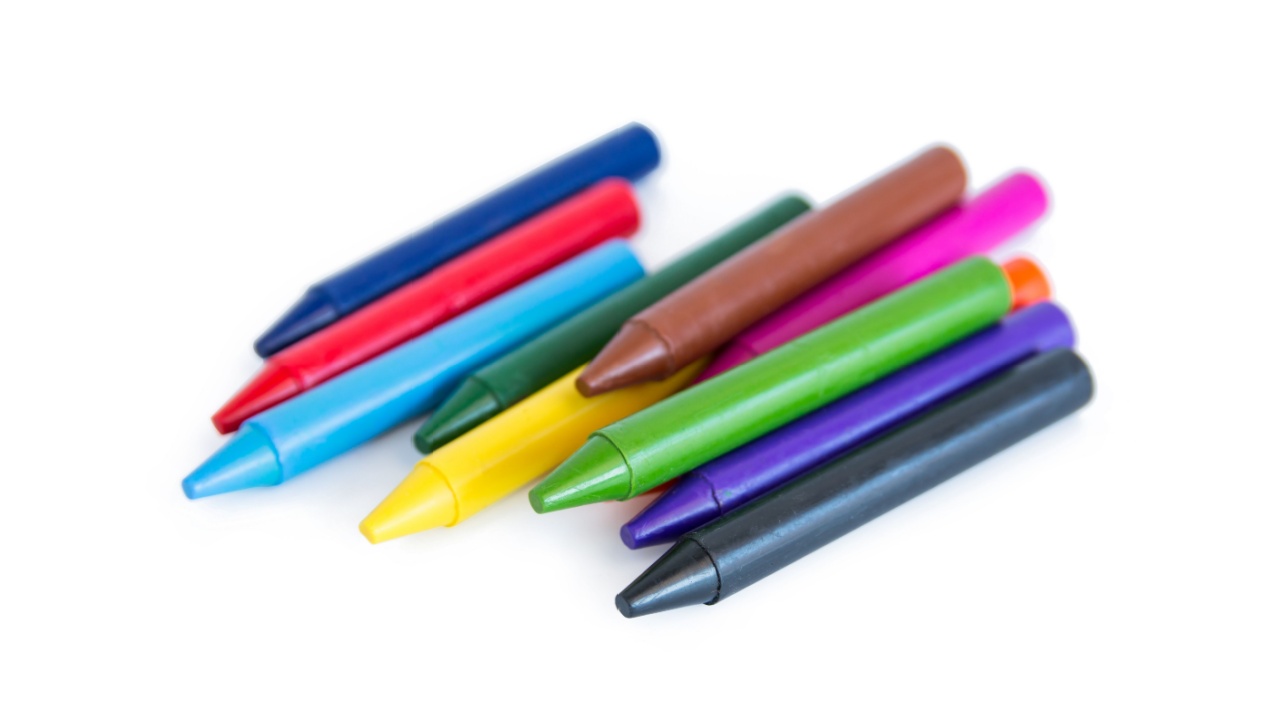
Crayons are more than just a child’s art supply. Made primarily of wax, they burn surprisingly well and can be used as a source of light, a fire starter, and/or a little warmth. A single crayon can burn for up to 30 minutes (you likely will need a wick of some sort), making it a reliable alternative to candles when the power goes out.
Their obvious use for communication should not be overlooked. You can leave messages, mark trails, or draw maps on various surfaces. They don’t dry out like markers or require sharpening like pencils. Packing a few boxes of crayons, especially the larger ones, is a smart way to add a versatile tool to your preparedness kit.
6. Glass Bottles and Jars
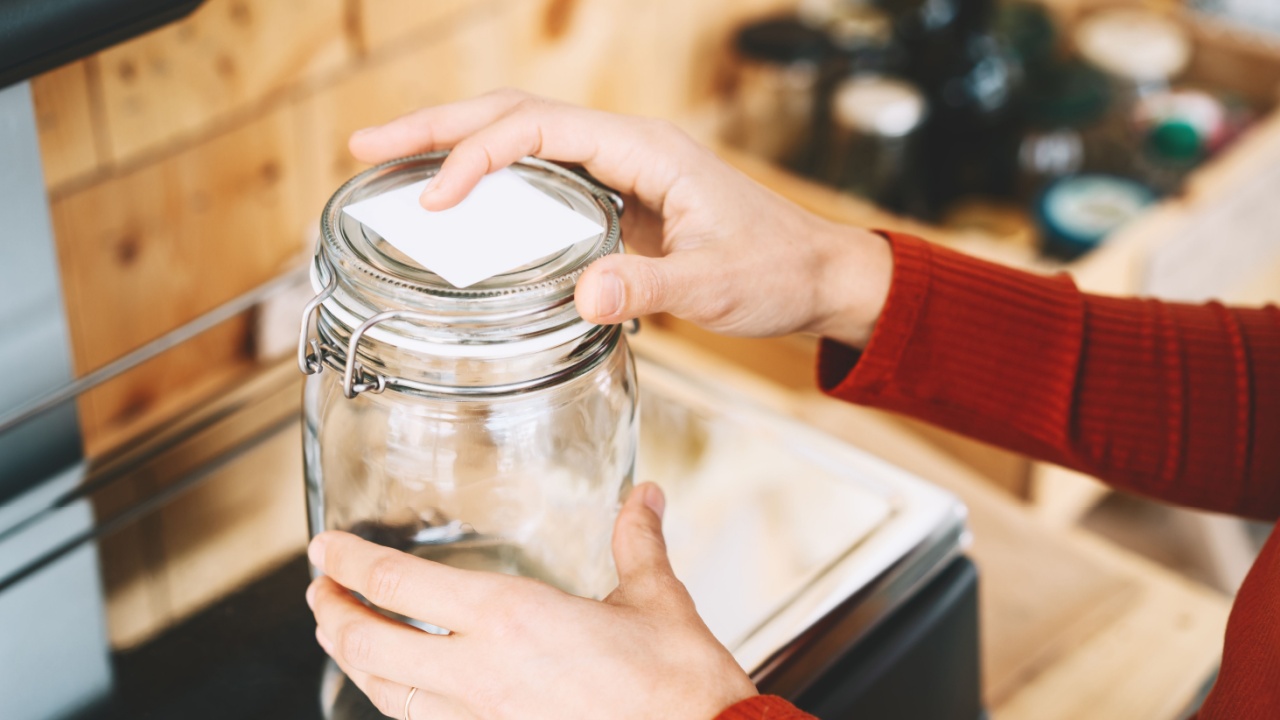
In a scenario where disposable containers are a thing of the past, sturdy glass bottles and jars become precious. They are perfect for storing water, food, and other supplies. Unlike plastic, glass does not leach chemicals into its contents and can be sterilized by boiling, making it a safer option for long-term storage of liquids.
Collecting glass containers from pickles, sauces, and drinks is a no-cost way to build your supply. These can be used for everything from preserving foraged foods to organizing small items like seeds or matches. Their durability and reusability make them an asset you will be glad to have.
7. Bobby Pins
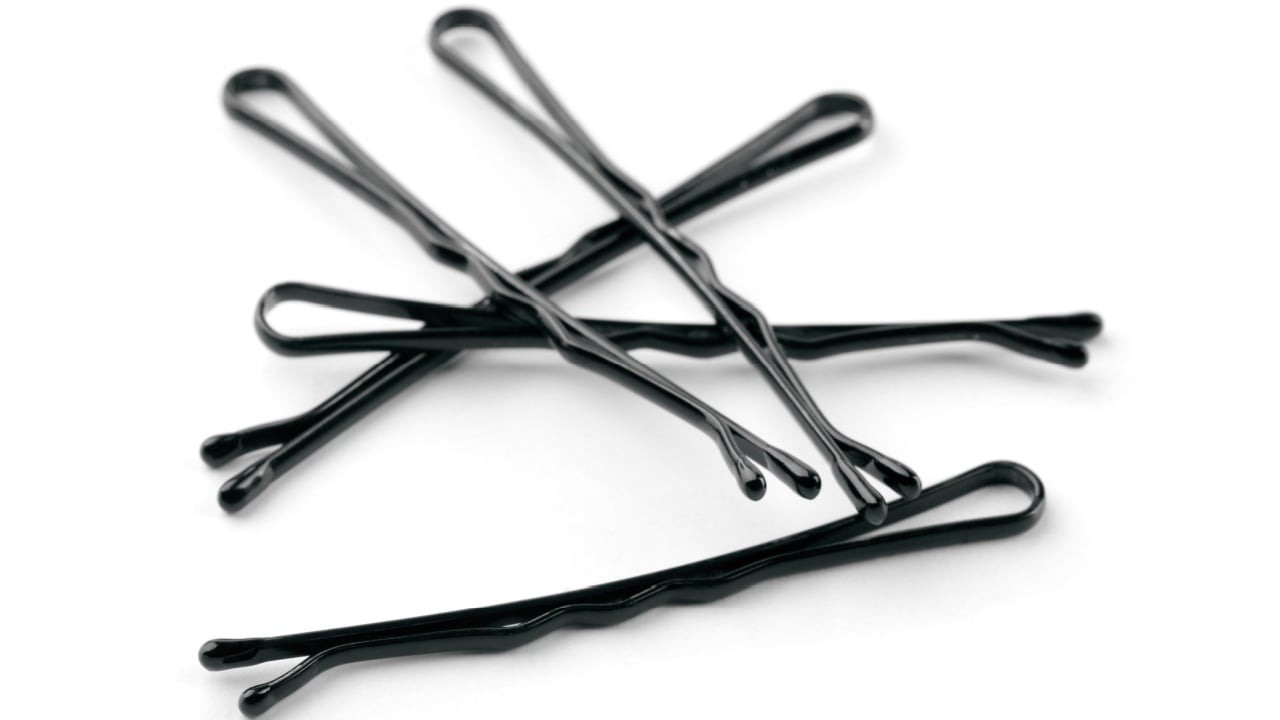
These small metal clips are surprisingly handy. Bobby pins can be used as makeshift lock picks, a fact I learned after locking myself out of my own shed. With a little practice, they can open simple locks on doors, cabinets, or padlocks, giving you access to necessary supplies.
Beyond their lock-picking potential, bobby pins can be used to reset small electronic devices, hold wires together for a temporary fix, or serve as a makeshift fishhook. They can also be used to pin up clothing or hold bandages in place. Their small size means you can store hundreds of them in a tiny container.
8. Blankets

Warmth is a fundamental survival need. Blankets, especially those made from wool, provide insulation even when damp. They are essential for staying warm at night or during cold weather, preventing hypothermia. A good wool blanket is a long-term investment that could be life-saving.
Blankets also have many other uses. They can be rigged up as a temporary shelter, used as a privacy curtain, or rolled up to serve as a pillow or mattress. You can use one to carry firewood or another foraged items. Having a few extra blankets stored away is a simple step that provides both comfort and practical utility.
9. Cotton Balls
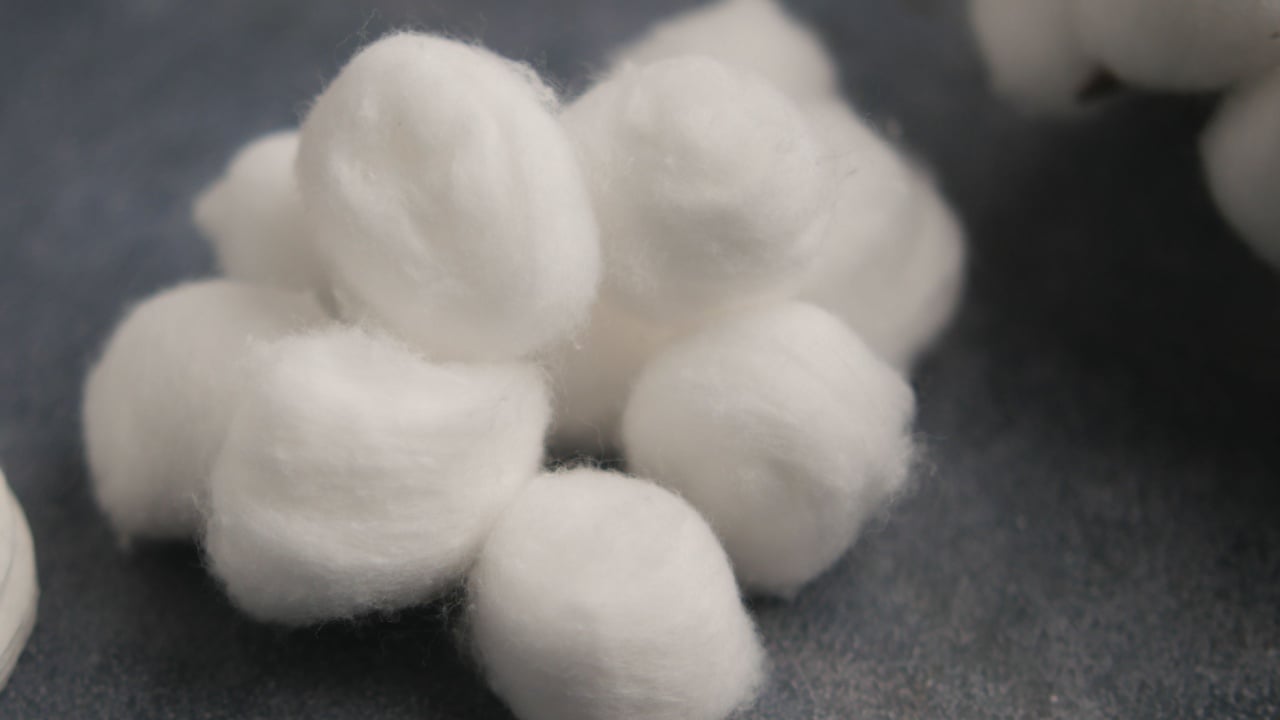
Cotton balls are a versatile medical and fire-starting supply. Soaked in alcohol, they are perfect for cleaning wounds. When dry, they can be used to apply ointments or stop minor bleeding. Their absorbent nature makes them a staple for any first-aid kit.
Their fire-starting ability is where they truly shine. A cotton ball coated in petroleum jelly or lip balm becomes an excellent fire tinder that will catch a spark easily and burn for several minutes. This gives you ample time to build a larger fire. Storing them in a waterproof container is easy and provides a reliable resource.
10. Pain Relievers
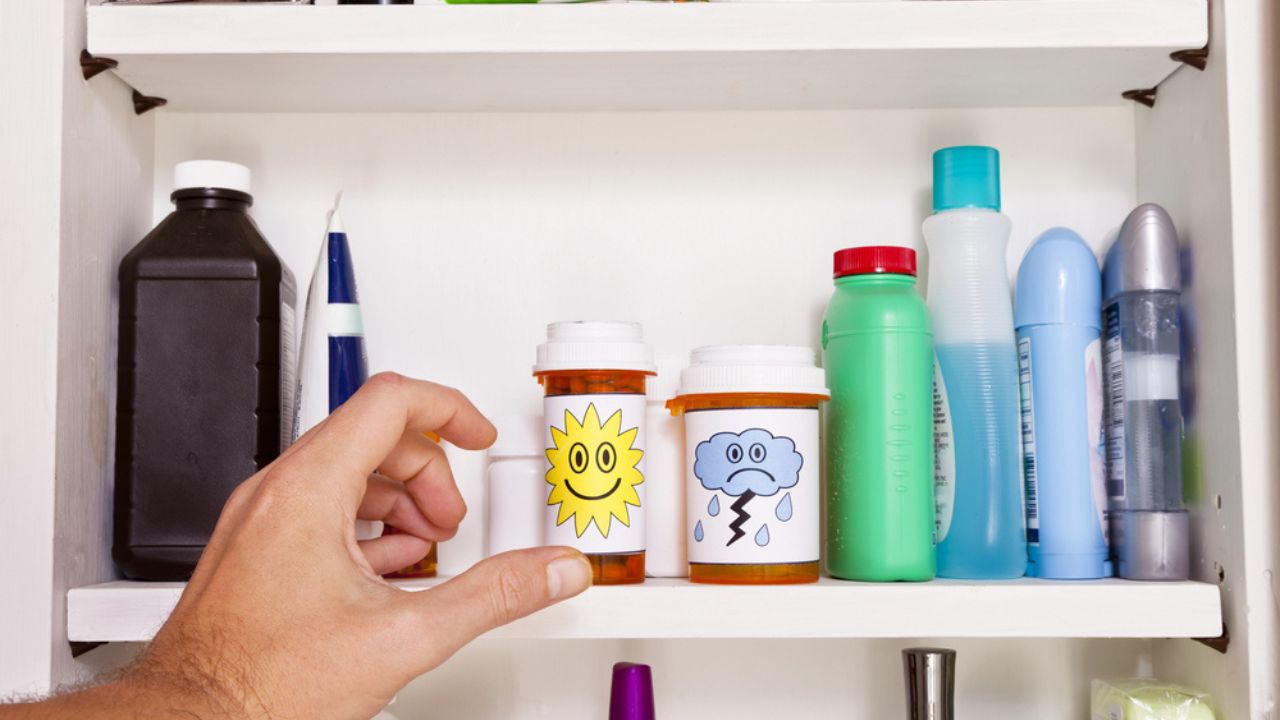
Access to a pharmacy will be a luxury of the past. Stockpiling common over-the-counter pain relievers like ibuprofen or acetaminophen is a wise move. Pain can be debilitating, preventing you from performing necessary tasks. Having a way to manage headaches, muscle soreness, or minor injuries will be critical.
When buying pain relievers for storage, pay attention to the expiration dates and rotate your stock. While some medications retain potency past their expiration, it is best to keep your supply as fresh as possible. Store them in a cool, dry place to maintain their effectiveness.
11. Batteries
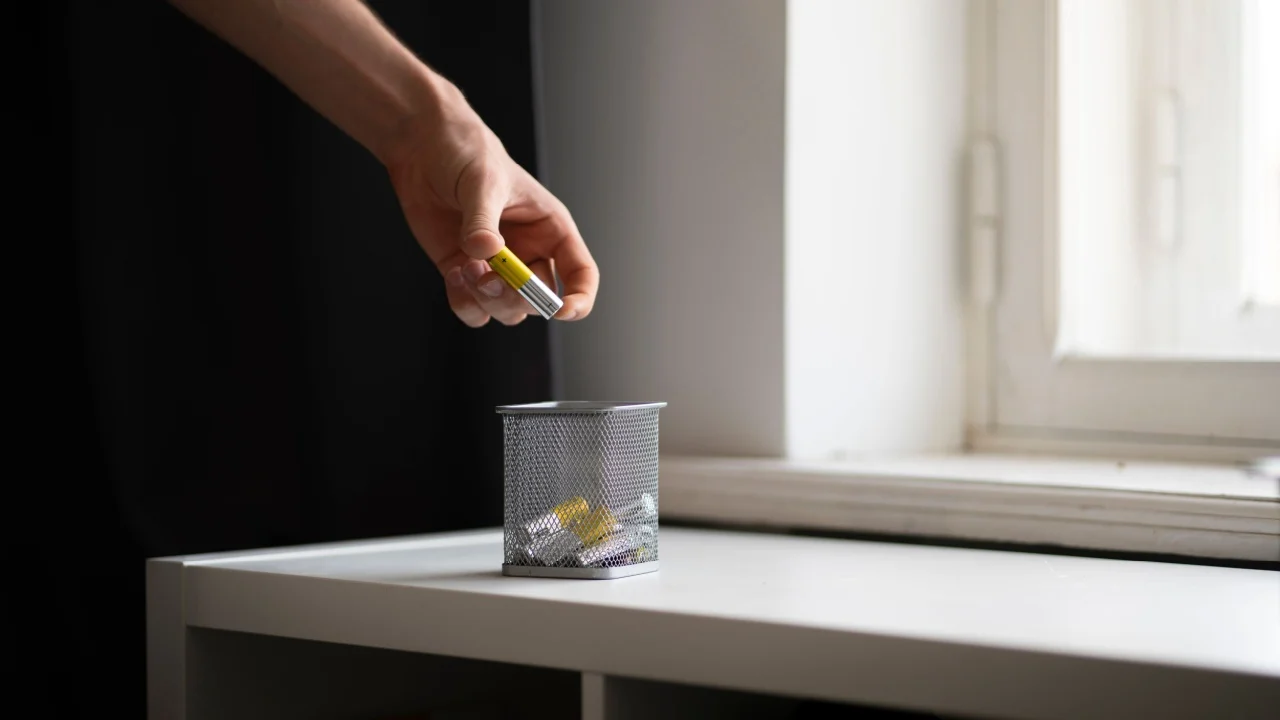
Modern life runs on batteries, and many of our most useful emergency tools will be useless without them. Flashlights, headlamps, radios, and other electronic devices all require power. Stockpiling common battery sizes like AA, AAA, C, and D is essential. I once had a fancy radio for emergencies that was useless because I only had AA batteries, and it needed D cells.
Consider investing in rechargeable batteries and a solar-powered charger (and maybe a crank radio that doesn’t need batteries at all). This creates a sustainable power source that doesn’t rely on a finite supply. Store all batteries in a cool, dry place away from metal objects to prevent them from discharging.
12. Pencils
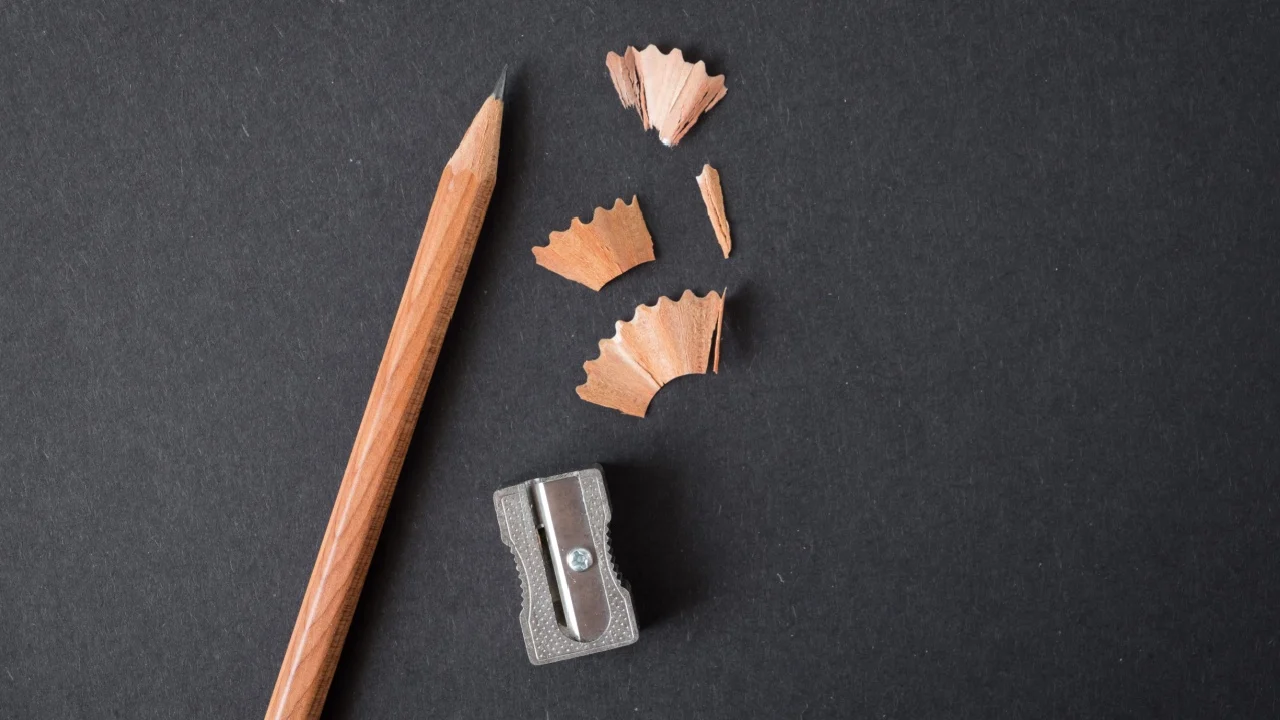
While crayons are great, pencils offer a more precise writing tool. Communication will be vital, and pencils provide a reliable way to write notes, keep records, or draw maps. Unlike pens, they don’t have ink that can dry out or freeze. They work in almost any condition and on many surfaces.
A simple pencil sharpener is a necessary companion to your pencil stash. Mechanical pencils are another option, but you will need to stockpile lead refills. Having a large box of standard wooden pencils is a simple, cheap, and dependable way to ensure you can always write things down.
13. Newspaper

Old newspapers are a fantastic resource. They can be used as insulation by stuffing them into clothing or walls. They are also a great fire starter, an essential component for getting a flame going quickly. The pages can serve as emergency toilet paper or cleaning cloths.
A newspaper can be used in your garden as a weed barrier or added to your compost pile. You can even roll it tightly to create logs that will burn slowly in a fireplace. Stacking old papers in a dry corner of your garage or basement costs nothing but provides a wealth of options.
14. Rubber Bands
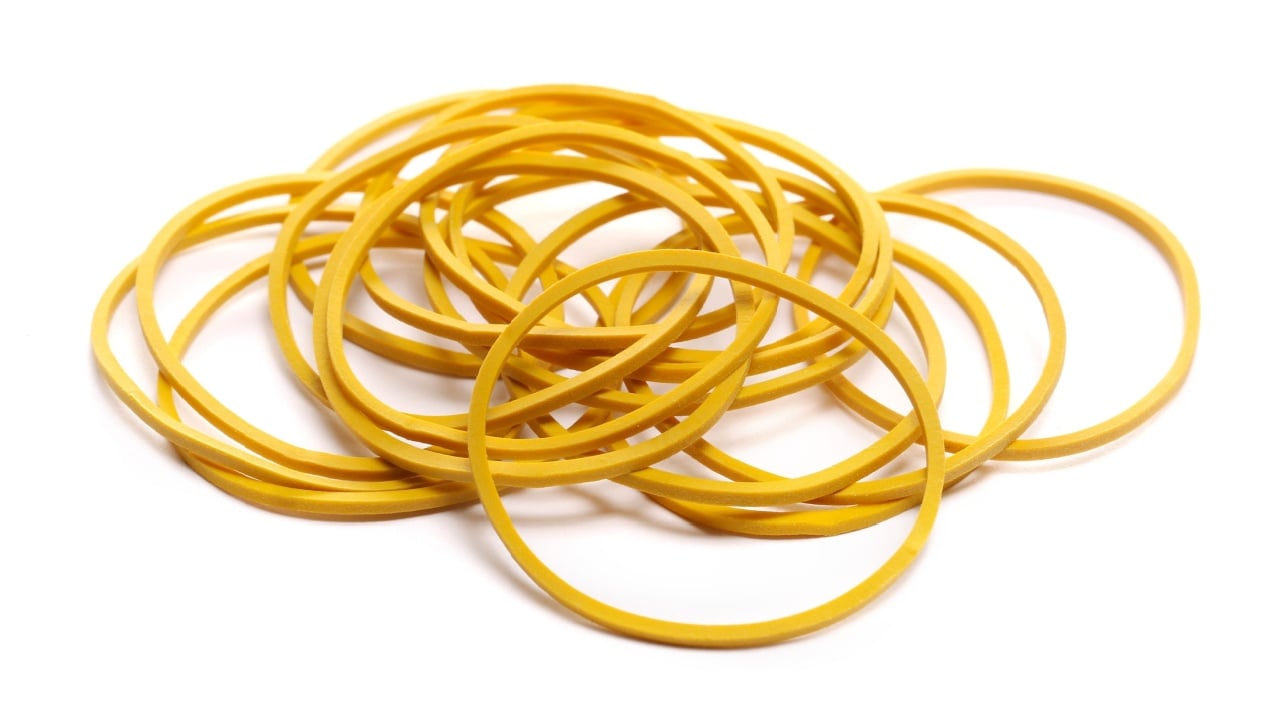
Rubber bands are another small item with a surprising number of applications. They can be used to secure items together, from bundling firewood to sealing a bag of food. A rubber band can hold a splint in place or act as a makeshift tourniquet in a first-aid emergency.
A thick rubber band can be part of a simple slingshot for hunting small game. They can be used to keep pant legs tight against your ankles to keep ticks out. Collecting a variety of sizes and storing them in a sealed bag to prevent them from drying out is a smart preparation.
15. Books

When the internet is gone and the TV is silent, knowledge and entertainment will be hard to come by. A collection of books provides both. Reference books on topics like gardening, first aid, mechanics, and wild edibles will become invaluable guides. Fiction and non-fiction provide a much-needed escape and mental stimulation during stressful times.
Prioritize books with practical, hands-on information that doesn’t require electricity. Field guides for your local area are particularly useful. Having a small library of physical books ensures that knowledge and stories are not lost when the screens go dark.
16. Dryer Lint

Don’t throw away your dryer lint. This seemingly useless byproduct is one of the best fire starters available. It is composed of fine, dry fibers that will catch a spark with very little effort. A small handful of dryer lint can turn a difficult fire-starting situation into a simple one.
Collect the lint from your dryer’s filter after each load and store it in a waterproof bag or container. You can stuff it into empty toilet paper rolls to create convenient, self-contained fire-starting logs. It costs nothing and is an incredibly effective survival resource.
17. Coffee Filters
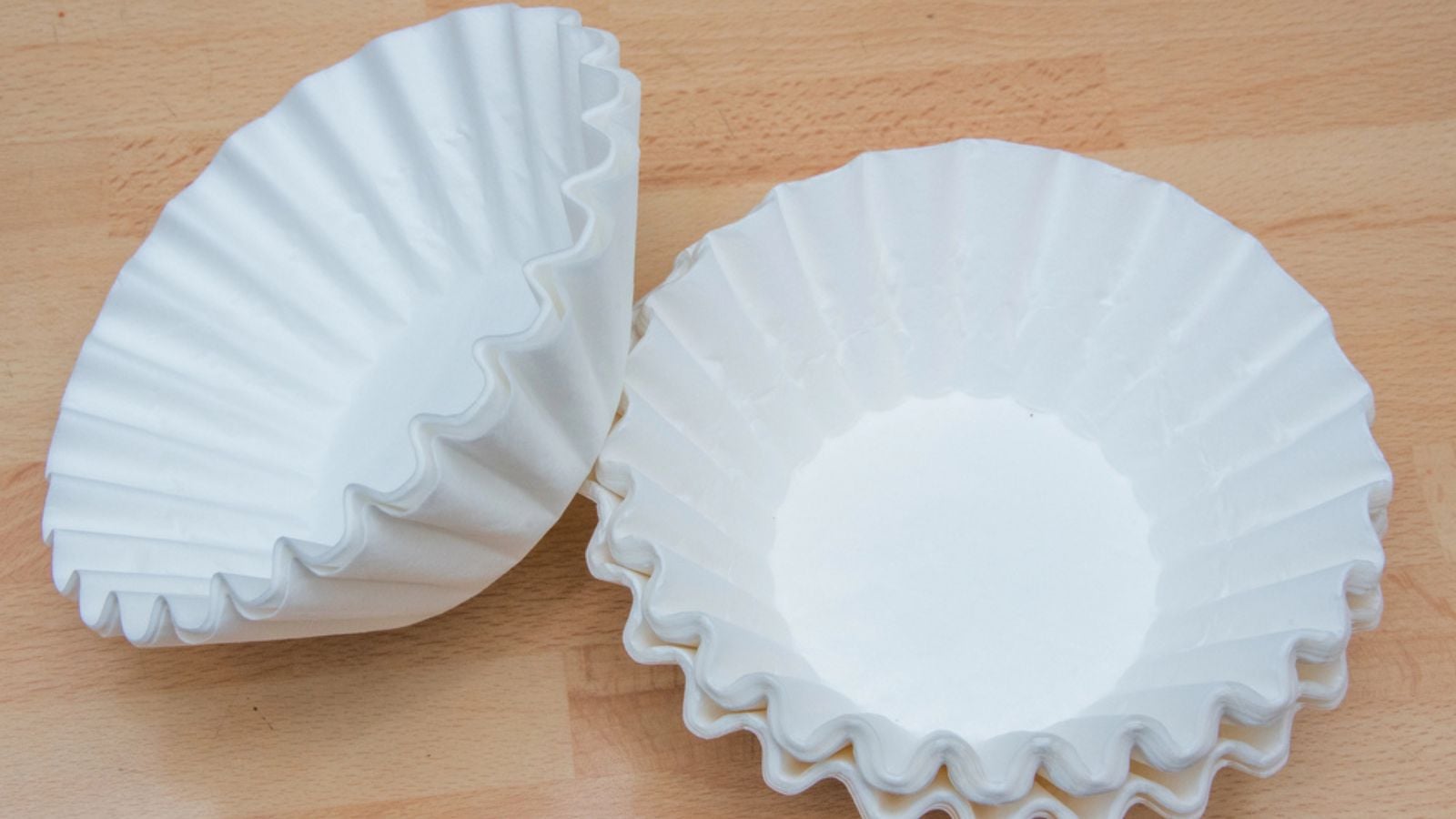
Coffee filters have many uses beyond brewing a cup of coffee. Their fine mesh makes them perfect for filtering sediment out of water before purification. While they don’t remove bacteria, they will make your water clearer and more palatable.
They can also be used to strain liquids, cover food to protect it from insects, or serve as a makeshift bowl or funnel. They are lightweight, cheap, and take up very little space. A few hundred coffee filters can solve numerous small problems in a post-collapse world.
18. Egg Cartons
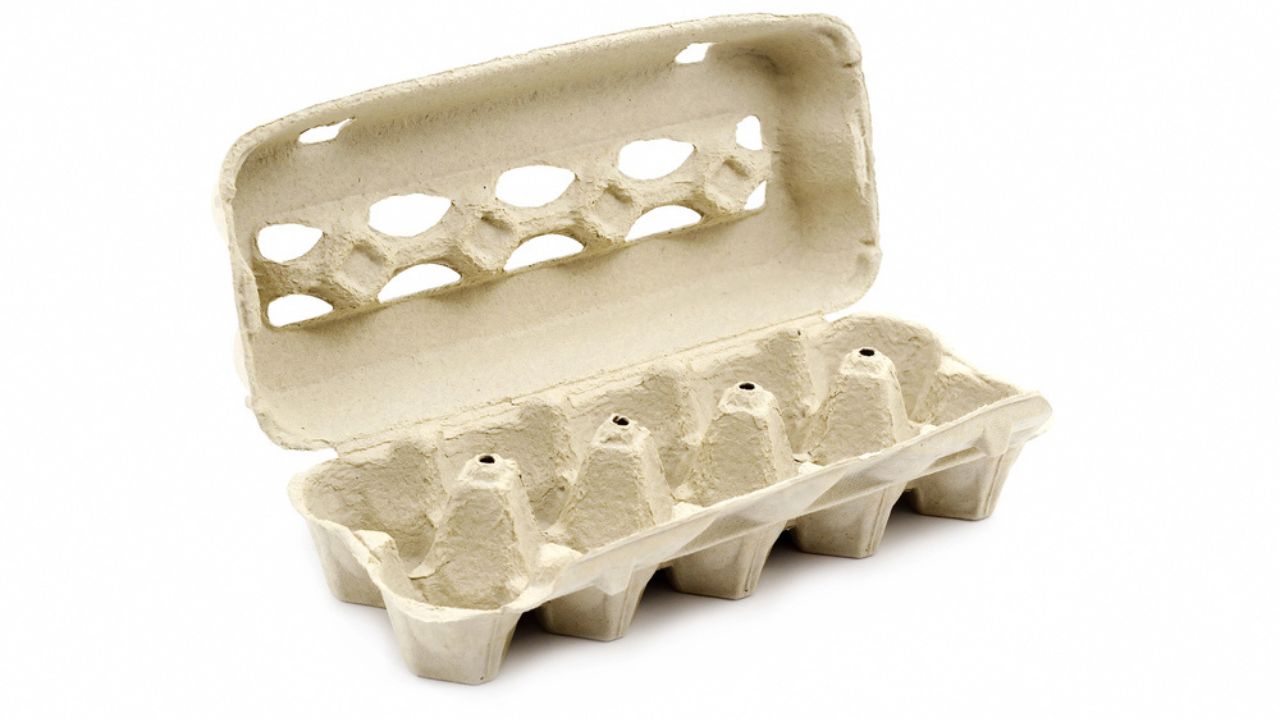
Cardboard egg cartons are another “trash” item with a second life. They are excellent for organizing small items like seeds, buttons, or screws. Their individual cups keep everything separated and easy to find.
Most importantly, cardboard egg cartons are fantastic fire starters. Like dryer lint, the pressed paper material ignites easily. You can even combine them by stuffing each cup with dryer lint and a little wax to create a long-burning fire starter. It is a simple way to repurpose something you would normally throw away.
Be Ready for Anything

Looking at this list might feel a little strange. Egg cartons and lip balm don’t exactly scream “survivalist.” But true preparedness is about recognizing the hidden value in everyday objects.
Start collecting them as part of your normal routine. Keep the glass jar from your pasta sauce instead of throwing it away. Put the dryer lint in a bag instead of the trash. Buy an extra pack of batteries on your next shopping trip. By gradually accumulating these useful items, you can build a robust and practical supply cache without feeling overwhelmed.