These Are The 12 Cheapest Vegetables to Grow at Home
Rising grocery prices have pushed many households toward home gardening. Fortunately, some vegetables are especially budget-friendly, and a well-organised operation can save you hundreds of dollars.
Often, the savings come from simple factors: cheaper seed, a strong yield per square foot, and plants that produce repeatedly. Others might allow regrowth from scraps or thrive in poor soil.
Importantly, some vegetables deliver large numbers from small spaces, which means even apartment gardeners can benefit.
1. Leaf Lettuce
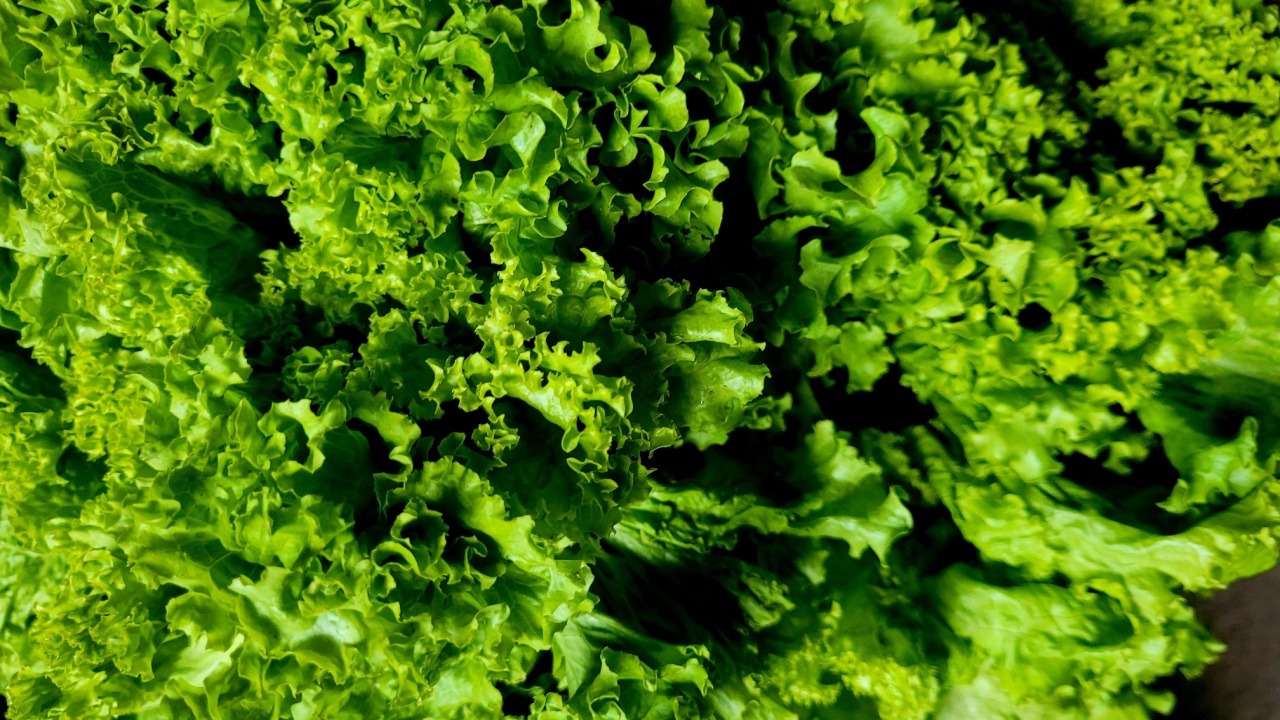
Leaf lettuce remains one of the most economical vegetables for home gardeners. Seed packets are inexpensive and germinate quickly, often within just a few days. However, the real savings come from the plant’s ability to regrow.
Instead of harvesting the entire plant, gardeners can remove outer leaves while the center continues growing, which allows several harvests from one planting. According to gardening expert Haniya Rae, the method is simple. “You cut the outer leaves to leave room for new leaves to regrow,” she explains in a Martha Stewart answer session.
2. Green Onions (Scallions)
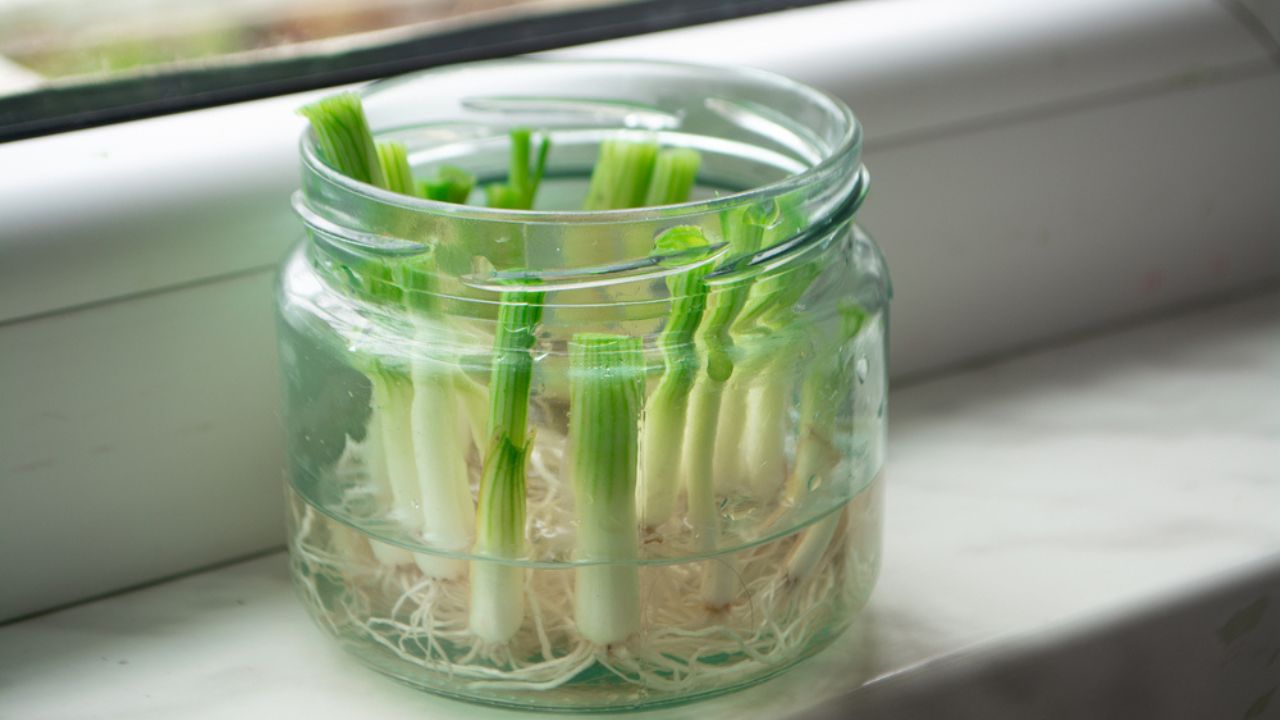
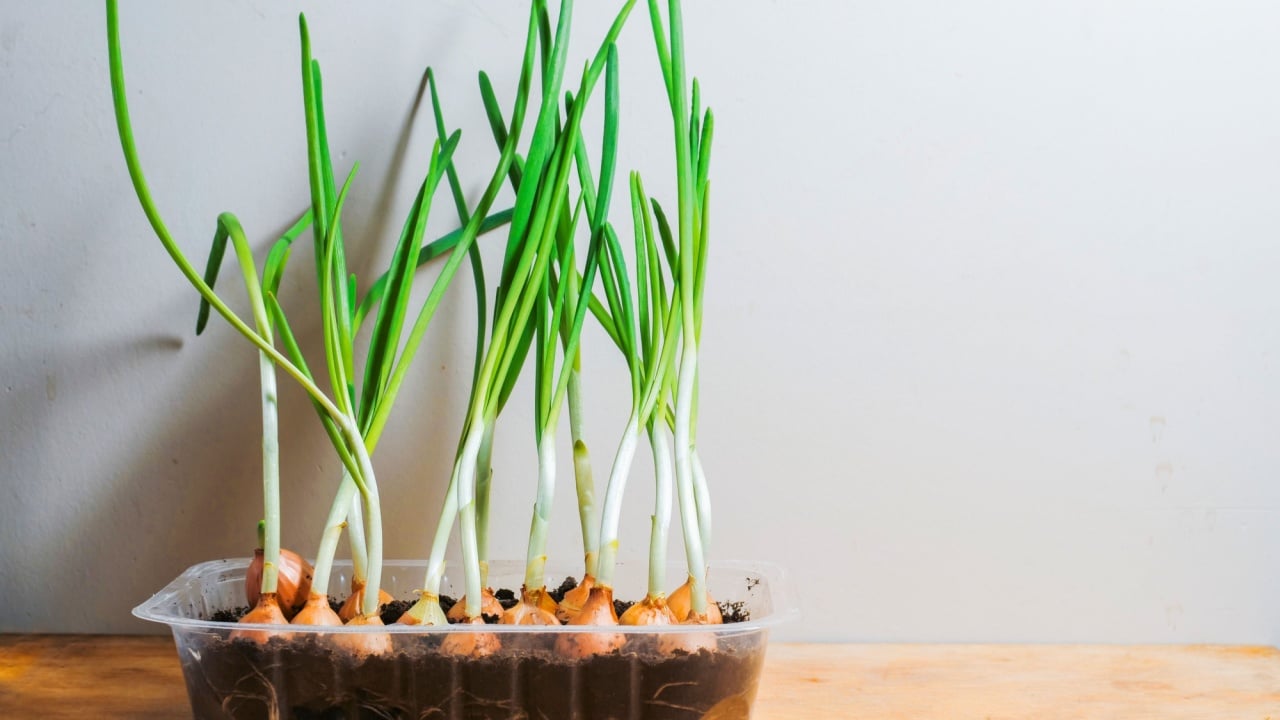
Green onions are one of the most economical vegetables you can grow at home. In fact, many gardeners do not even start from seeds. Instead, they regrow new plants from leftover kitchen scraps.
Simply place the white root base in a glass of water or shallow soil. Within days, fresh green shoots begin to appear. Put simply, it means a single grocery store bundle can provide multiple harvests.
A guide by Deep Green Permaculture highlights how simple the process is, advising how they “will start to regrow from the base in a week or so.” A small jar on the windowsill is enough to keep the kitchen going most of the year.
3. Zucchini
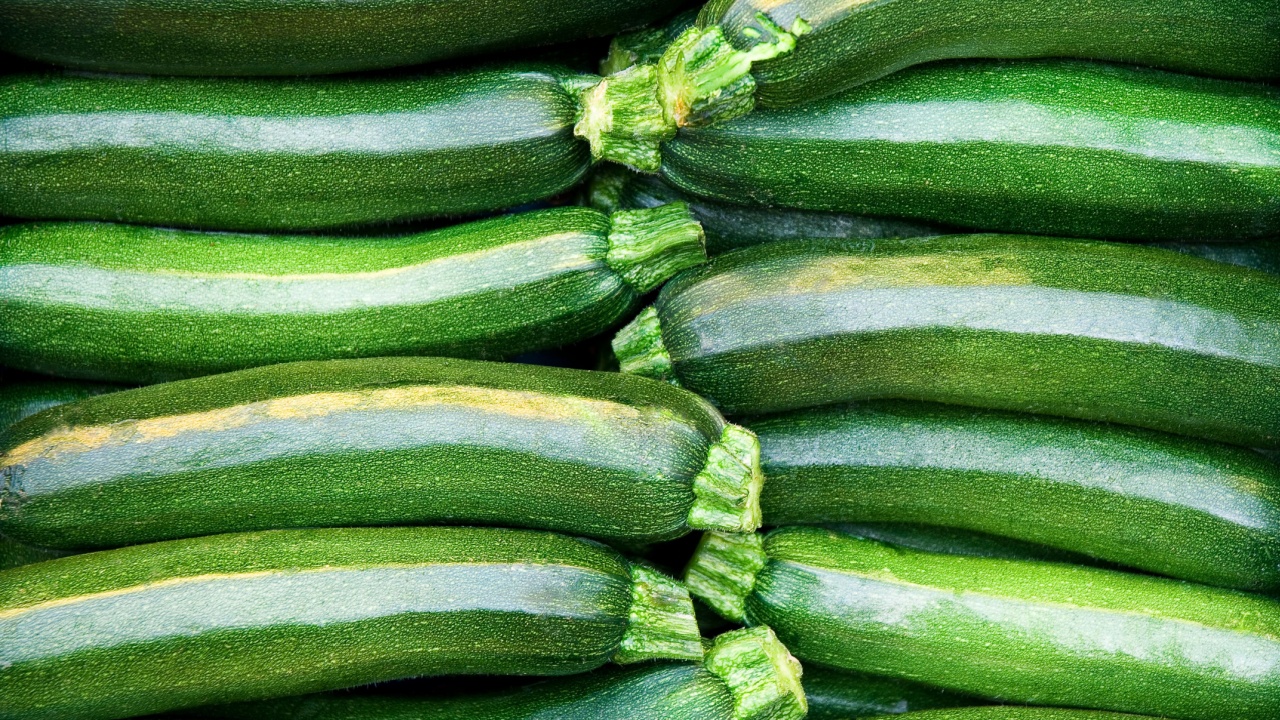
Zucchini has a reputation among gardeners for one reason: enormous yields. A single plant can produce many fruits during a season. Because of that productivity, the vegetable often becomes cheaper to grow than to buy: a small garden patch can easily replace grocery purchases.
Gardening writer Niki Jabbour highlights the right choice of zucchini for smaller properties in a Savvy Gardening post. “The largest, most sprawling zucchini varieties, called semi-bush varieties, grow more like short vines and can take over the patio,” she writes. “More compact zucchini varieties, called bush varieties, are best for containers.”
4. Tomatoes
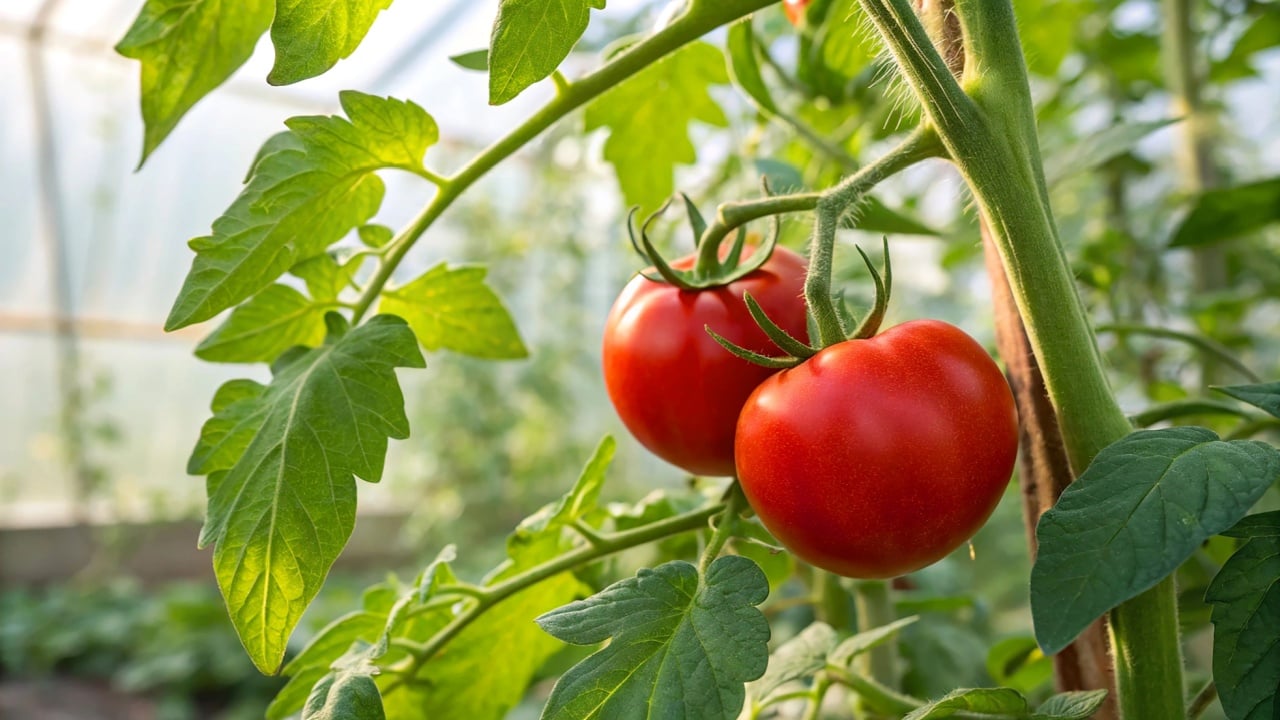
Tomatoes are one of the most popular home garden crops. While they require some care, they often produce far nicer fruit than store varieties. Many gardeners also grow heirloom varieties rarely found in supermarkets; these varieties can be especially expensive in stores.
Be warned: the conditions must be just right, according to an Almanac post. “It’s important not to put plants in the ground too early,” it states. “In most regions, the soil is not warm enough to plant tomatoes outdoors until late spring and early summer.”
Few plants can generate pounds of fruit throughout the summer. That harvest can easily exceed the cost of seeds and water, providing opportunities for long and short-term use.
5. Cucumbers
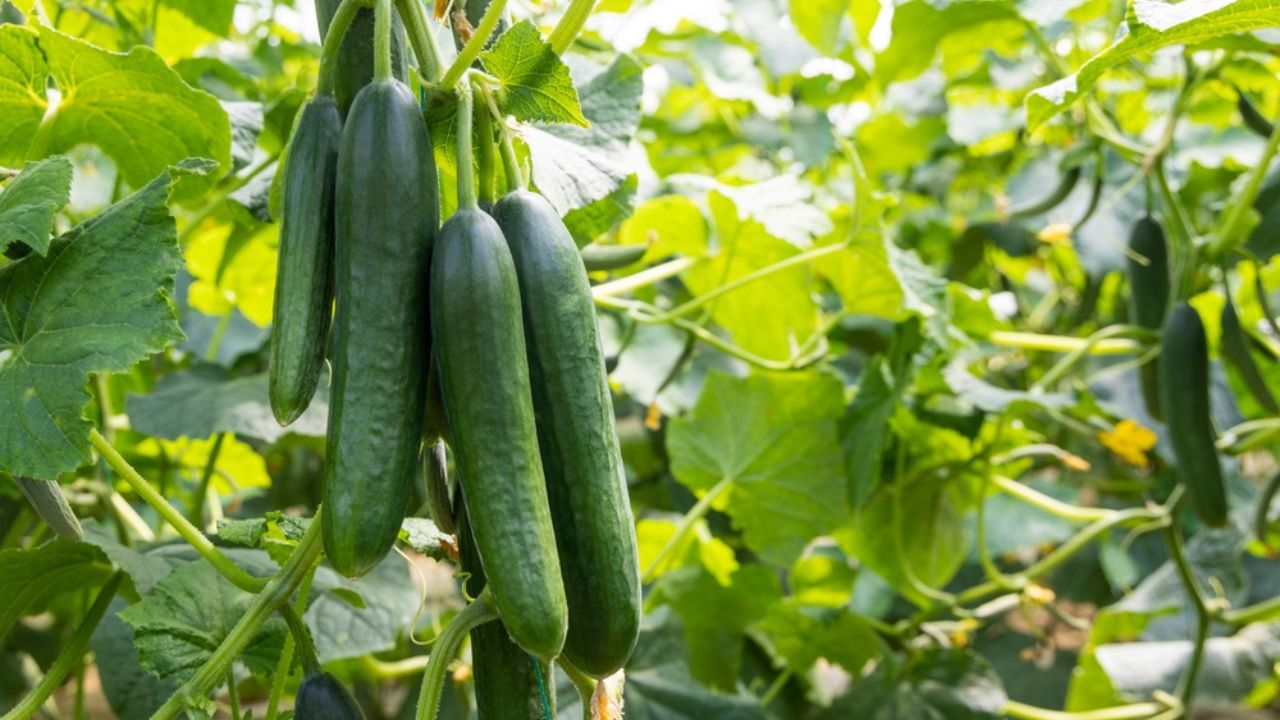
Cucumber plants produce heavily once they begin fruiting. In warm weather, vines can generate steady harvests. Many gardeners also train cucumber vines vertically, which reduces space while increasing yield.
“There are two basic types of cukes: bush and vine. Vining cukes typically produce more fruit than the bush varieties,” states a Gardener’s Supply Company blog post. “They can be trained up a trellis, which promotes straighter fruit and good air circulation, and minimizes fungal problems in wet summers.”
Because cucumbers grow quickly and continuously, they can replace many store purchases throughout the summer. Cucumbers are a frugal gardener no-brainer.
6. Garlic

Garlic is surprisingly economical to grow, which is a great thing to know for such a medicinal superfood. For the best results, gardeners typically plant individual cloves, each of which becomes a full bulb.
Even better, garlic requires relatively little maintenance once planted. It also stores well for months after harvest, and you may find that the crop pays for itself quickly.
7. Potatoes
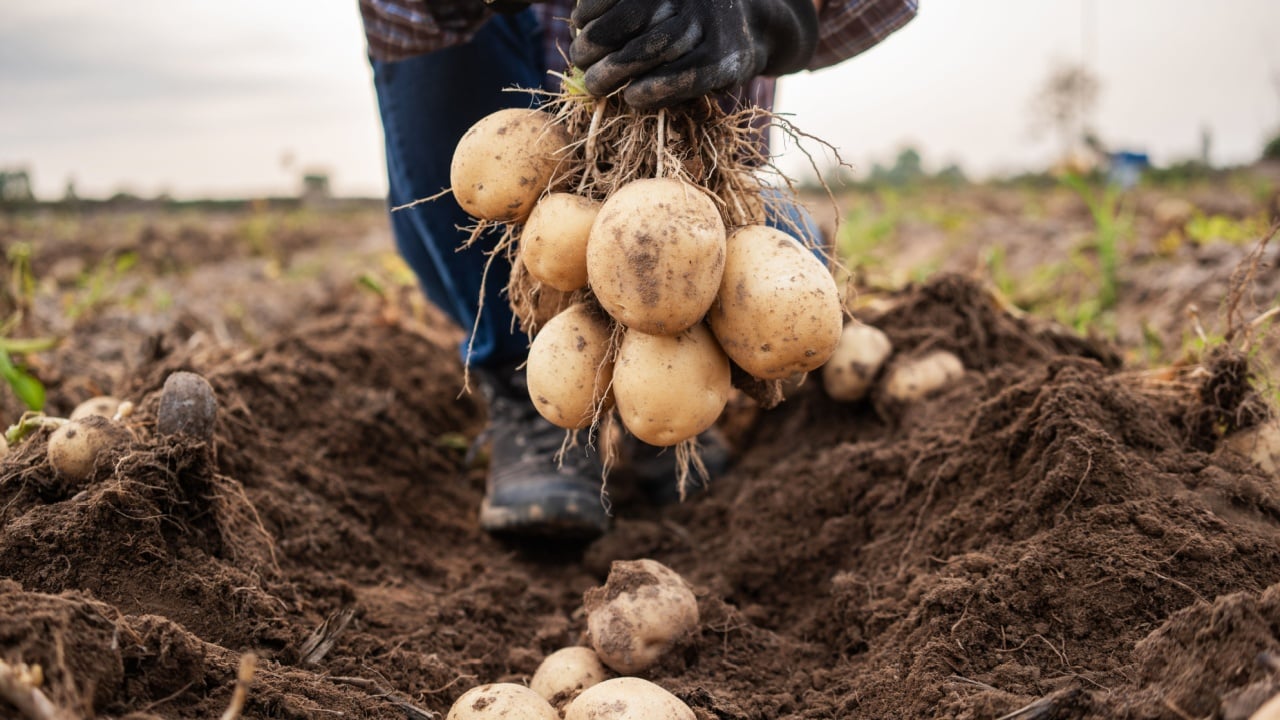
Potatoes provide strong value because they produce large harvests from a small starting investment. While they do require fertilizer, the sheer volume in return makes them worthwhile.
Growers often plant seed potatoes or even sprouted grocery potatoes with excellent results for the work undertaken. Each planted piece grows into a plant that produces several tubers underground, bringing several pounds of new spuds.
“If you want to grow potatoes for storage, be sure to choose a variety known for storability,” reads a University of Minnesota Extension guide. “Keep them under cover or in the dark, and allow ten days or more for them to cure completely.”
8. Carrots
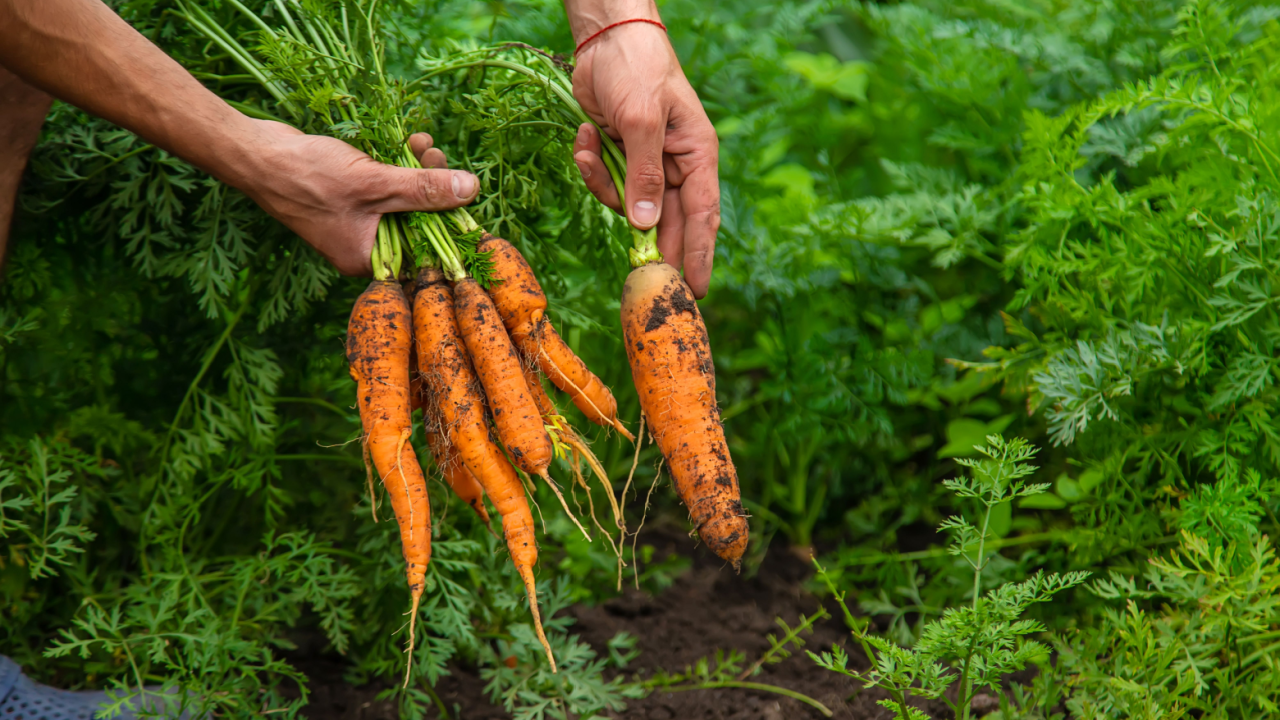
Carrots offer strong value because seed packets contain large quantities. A single packet may produce dozens of plants, depending on spacing. Even a short garden row can generate significant harvests: one pound per foot per row and up to 40 plants per person, according to Gardening Knowhow.
Because carrot seeds are inexpensive and widely available, the cost per vegetable is extremely low. If anything, carrot tops are pleasing to look at in their garden rows, which makes them a worthwhile investment alone.
9. Peas
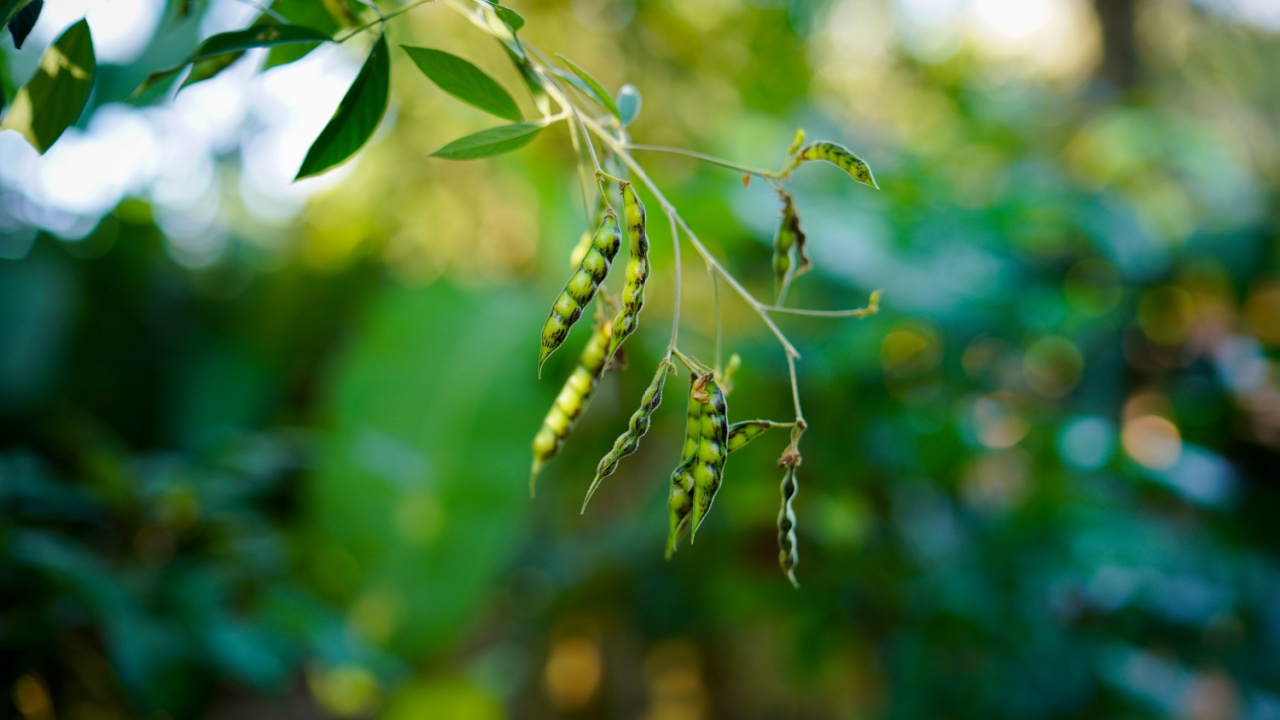
Peas are often planted early in the season and produce edible pods in large quantities. What’s more, climbing varieties can grow vertically, allowing gardeners to harvest more food from smaller areas.
The economics of growing peas may also sit pretty with many gardeners. A post from GrowSeed highlights their value, stating how one bed of peas might bring up to 15 lbs of yield. Therefore, in a volatile economy, why not give peas a chance?
10. Celery
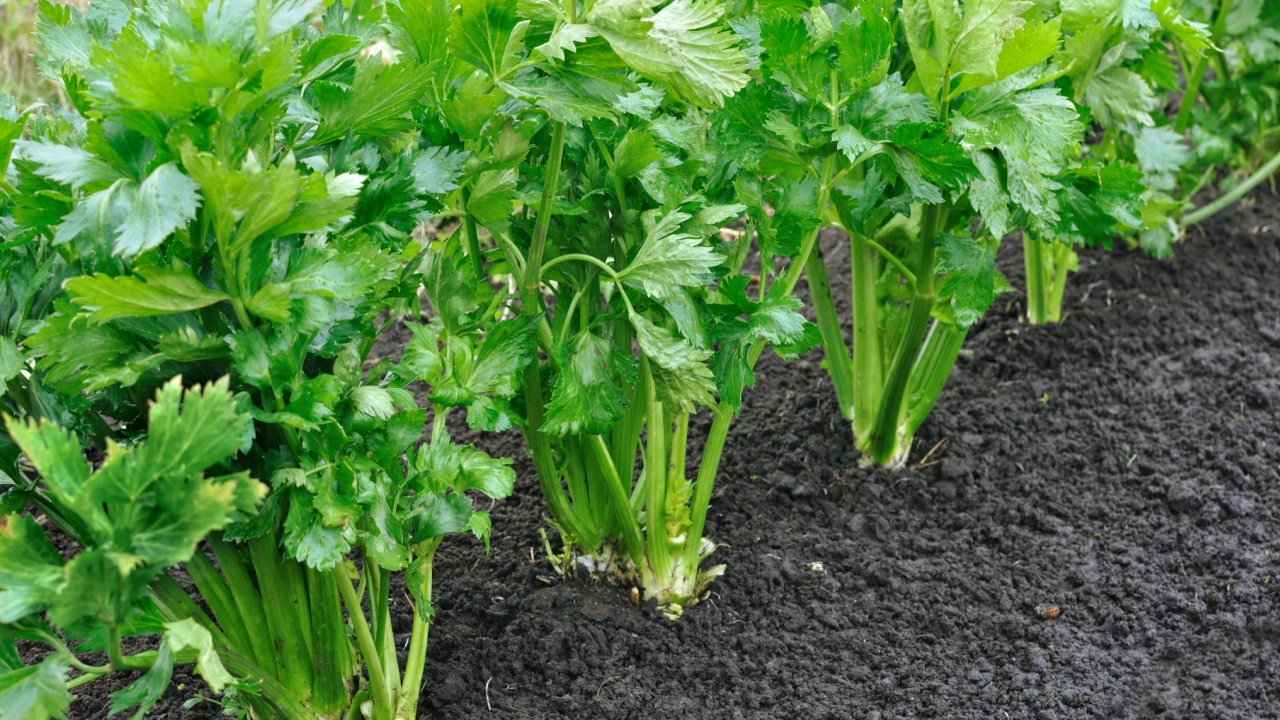
Celery is often expensive in grocery stores but surprisingly easy to regrow from scraps. You can place the base of a celery bunch in water; after new leaves appear, the plant can be transferred to soil.
It allows a single grocery purchase to produce multiple harvest cycles; it’s hard to argue with such a thrifty root. “The simplest method for growing celery at home starts with the scraps left over after a recipe,” writes A.J. Forget for Tasting Table. “Buy yourself a head of celery and cut off the stalks a few inches up from the base.”
11. Eggplant
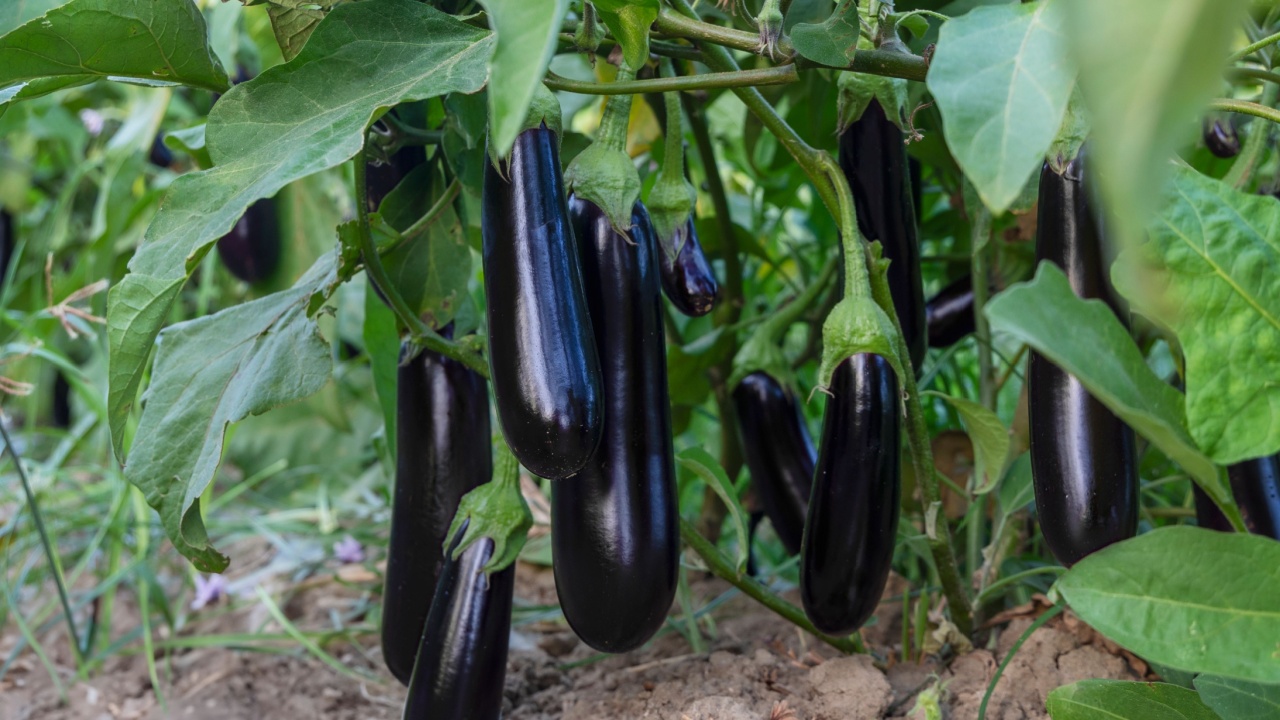
Eggplants can be extremely productive once established. One plant may produce several fruits over the season. A Biology Insights guide outlines the Japanese variety, Ichiban. “These plants usually bear a dozen or more fruits, sometimes reaching up to 30 in a long season, due to their smaller size and continuous fruiting habit,” it reads.
Because eggplants are relatively expensive at grocery stores, growing them at home can provide noticeable savings. Warm climates in particular produce strong yields with minimal ongoing costs.
12. Sweet Potatoes
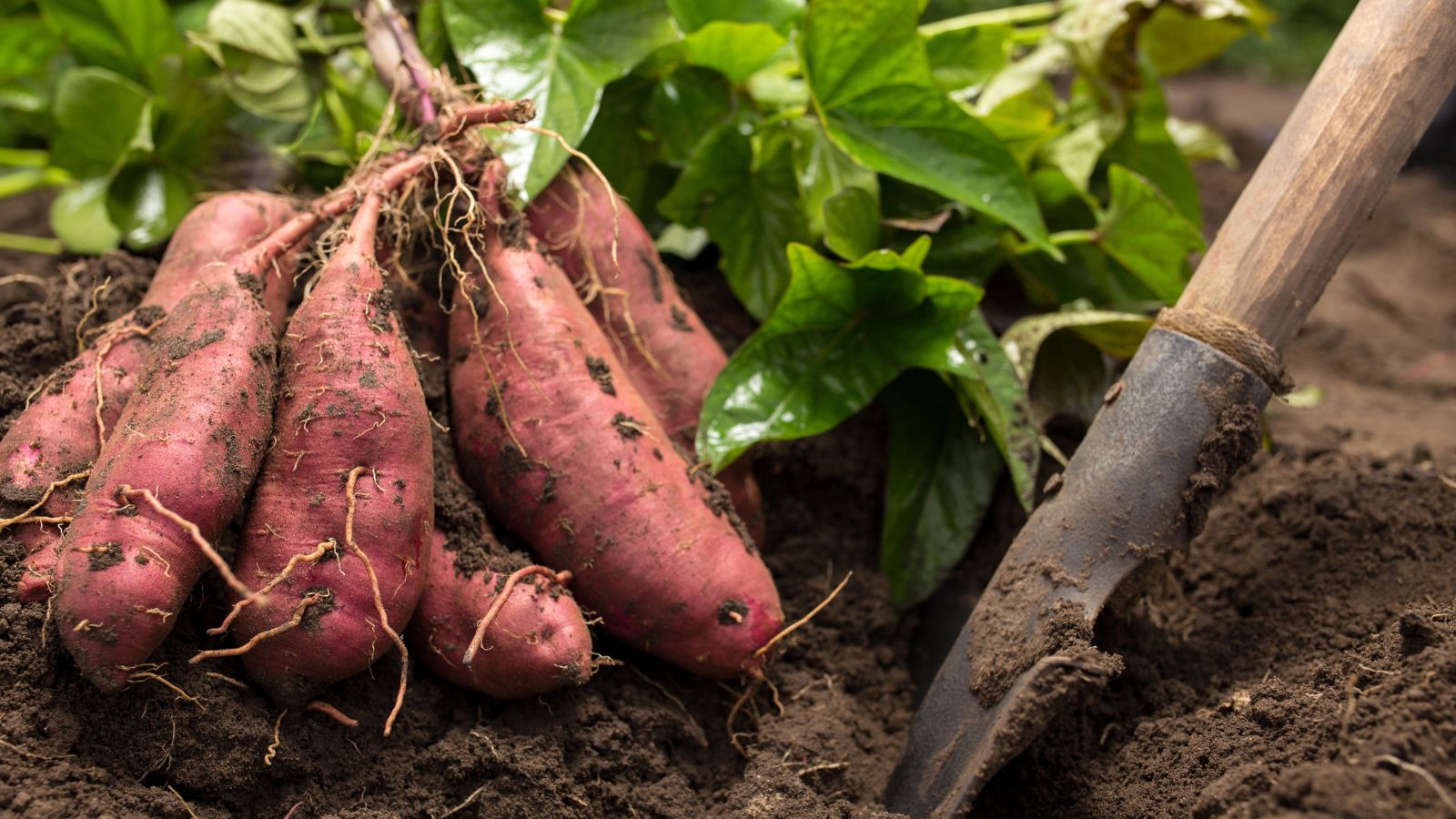
One of America’s go-to starches is also quite cheap to grow at home. Sweet potatoes offer excellent value because gardeners can grow many plants from a single tuber. Growers create “slips,” or shoots, from a sweet potato: each “slip” becomes a new plant.
This multiplication effect means a single potato can generate an entire bed of plants. “You can usually get three to five tubers per plant and more if you’re in a warmer climate,” states The Spruce. “Sweet potato plants come back every year if you live in a warmer growing zone.”
Anyone in Hardiness Zones 8 through 11 has the best conditions for a money-saving vegetable with endless utility.
Read More:
12 Hydrating Foods You Can Grow at Home (Backed by Science)
Inflation-Proof Your Kitchen with 10 Foods You Can Grow at Home