18 Flowers and Plants That Are Nearly Impossible to Kill
Gardening requires patience, yet sometimes the environment refuses to cooperate with your daily efforts. Many people struggle to keep their greenery alive when facing intense heat, poor soil, or sporadic watering schedules. You might invest time planting a beautiful border, only to watch the leaves turn brown and drop a few weeks later.
Selecting resilient varieties makes maintaining an outdoor space much less stressful for the average grower. Plants that can withstand neglect or harsh weather conditions save money and reduce the frustration of replacing wilted flowers every season. You gain the beauty of vibrant foliage without the constant, heavy maintenance demands of softer varieties.
The following guide details 18 incredibly tough plants that can thrive in difficult environments.
1. Sedum
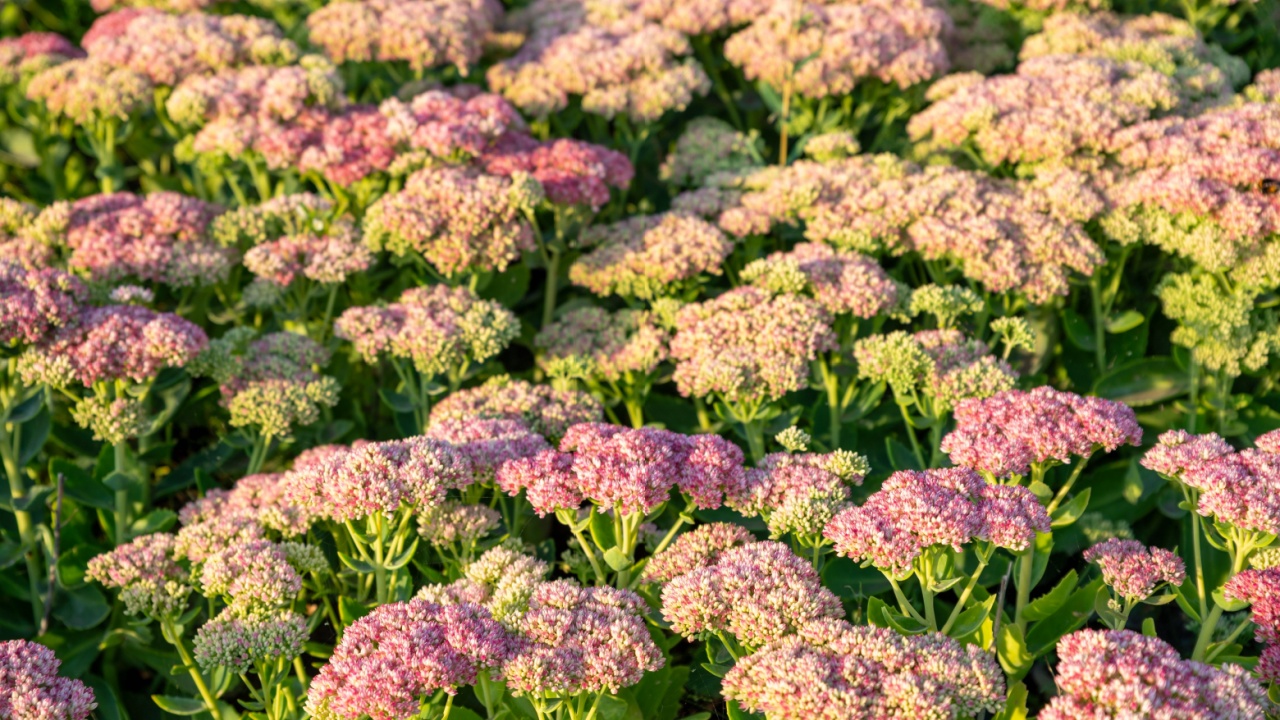
Sedum stands out as an incredibly tough succulent capable of surviving extended periods of drought. The thick, fleshy leaves store water efficiently, allowing the plant to push through scorching summer heat without dropping a single petal. Because it stores moisture so well, you rarely need to drag a hose over to its bed during dry spells.
Plant sedum in full sunlight and well-draining soil for the best results in your garden. The starry flowers bloom late in the summer, attracting butterflies and bees just as other summer blooms begin to fade. This robust plant practically manages itself once established in a sunny border or rock garden.
2. Persian Shield
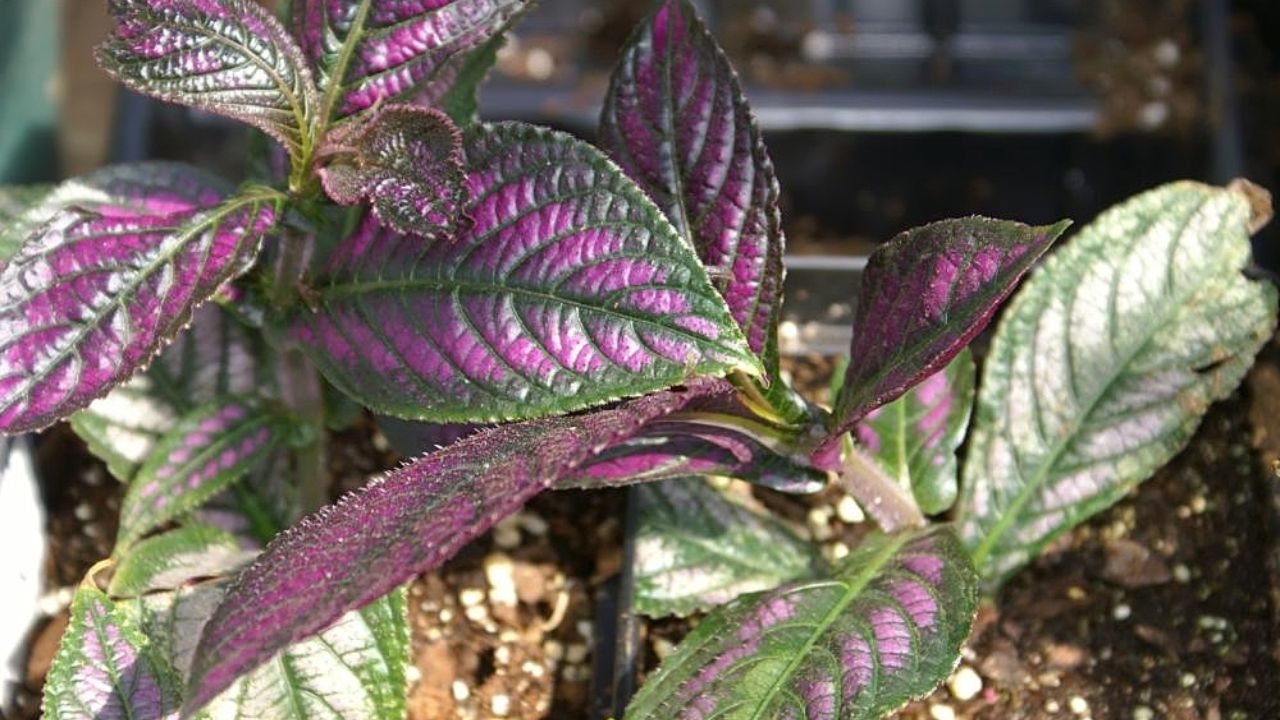
Persian Shield features stunning purple leaves with shimmering silver highlights that command attention in any landscape. This tropical beauty thrives in hot climates, giving it a natural resistance to humid, sweltering summer days that melt more delicate flowers. The vibrant foliage remains striking from spring until the first heavy frost of winter.
You achieve the brightest leaf colors by placing this plant in partial shade, especially in regions with intense afternoon sun. Keep the soil evenly moist to help the roots establish, and you will enjoy a robust display of metallic foliage. It works perfectly in large containers or mixed borders alongside lighter green companions.
3. Butterfly Weed
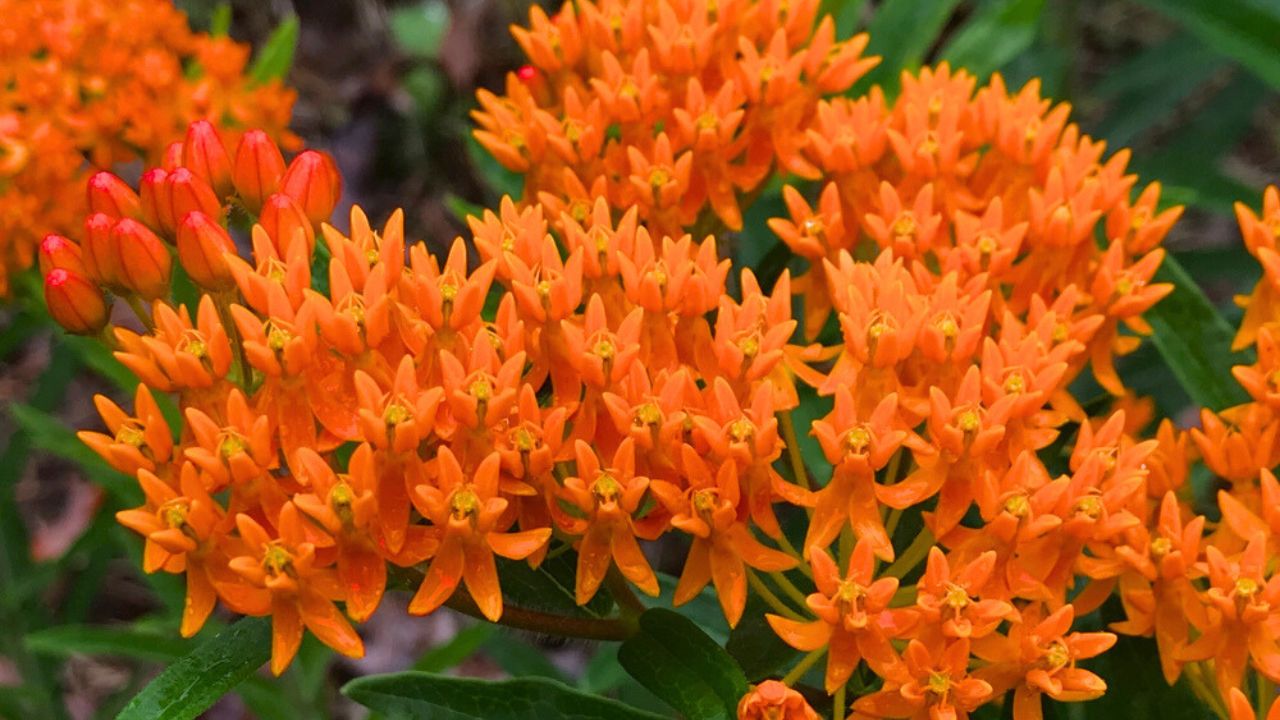
Butterfly Weed provides a brilliant pop of bright orange while surviving some of the harshest conditions nature can throw at a garden. A deep taproot allows this perennial to access water deep underground, making it incredibly drought-tolerant once fully grown. Deer and rabbits completely ignore the tough leaves, saving you from constant pest management.
Providing full sunlight and sandy or rocky soil helps this pollinator favorite thrive. True to its name, the vibrant blooms attract countless butterflies to your yard throughout the hottest months of the year. Try placing it in an open meadow setting or a dry border where other flowers struggle to survive.
4. Cranesbill
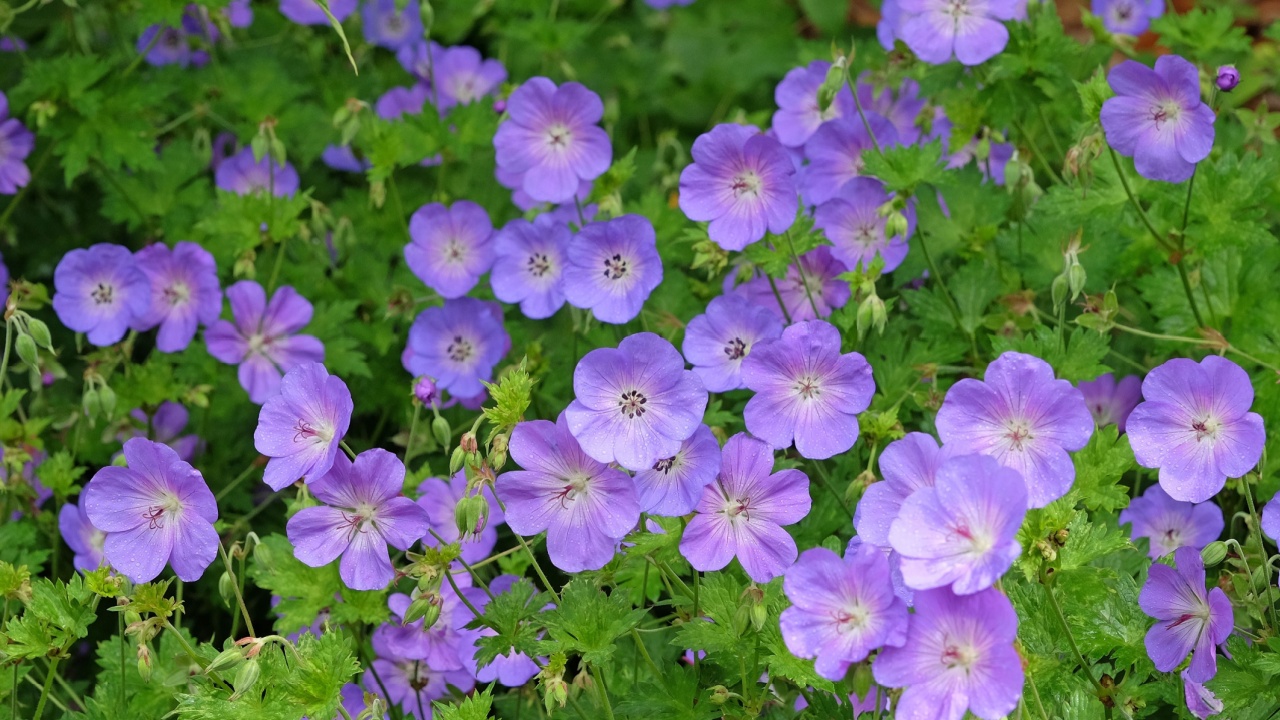
Cranesbill, commonly known as hardy geranium, spreads rapidly to form a lush carpet of lobed leaves and delicate cup-shaped flowers. This plant powers through poor soil conditions and bounces back quickly from accidental damage or aggressive pruning. Its low-growing habit naturally suppresses weeds, reducing your weekly yard maintenance.
Position cranesbill in partial shade to full sun, depending on the specific variety you purchase. It requires minimal fertilizer and usually survives entirely on natural rainfall after the first few weeks in the ground. You can use it as an attractive ground cover or let it spill gently over the edges of retaining walls.
5. Agave
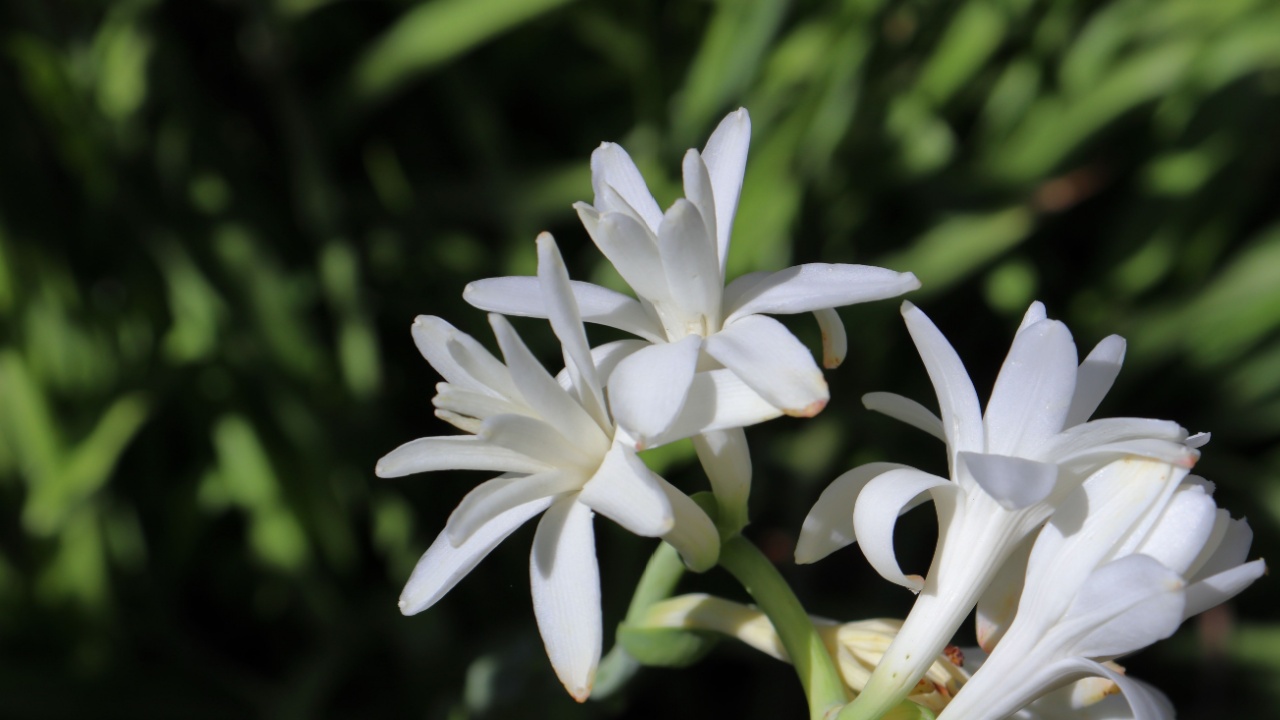
Agave possesses thick, rigid leaves armed with sharp margins that deter pests and withstand extreme heat. Native to arid desert regions, this architectural masterpiece thrives on absolute neglect and zero supplemental watering. The internal structure holds immense amounts of fluid to sustain the plant through completely dry seasons.
Give agave plenty of direct sunlight and plant it in gritty, fast-draining soil to prevent root rot. Because the leaves carry sharp spines, you should position them away from high-traffic walkways or children’s play areas. It delivers a striking geometric focal point in rockeries or minimalist modern landscapes.
6. Oakleaf Hydrangea
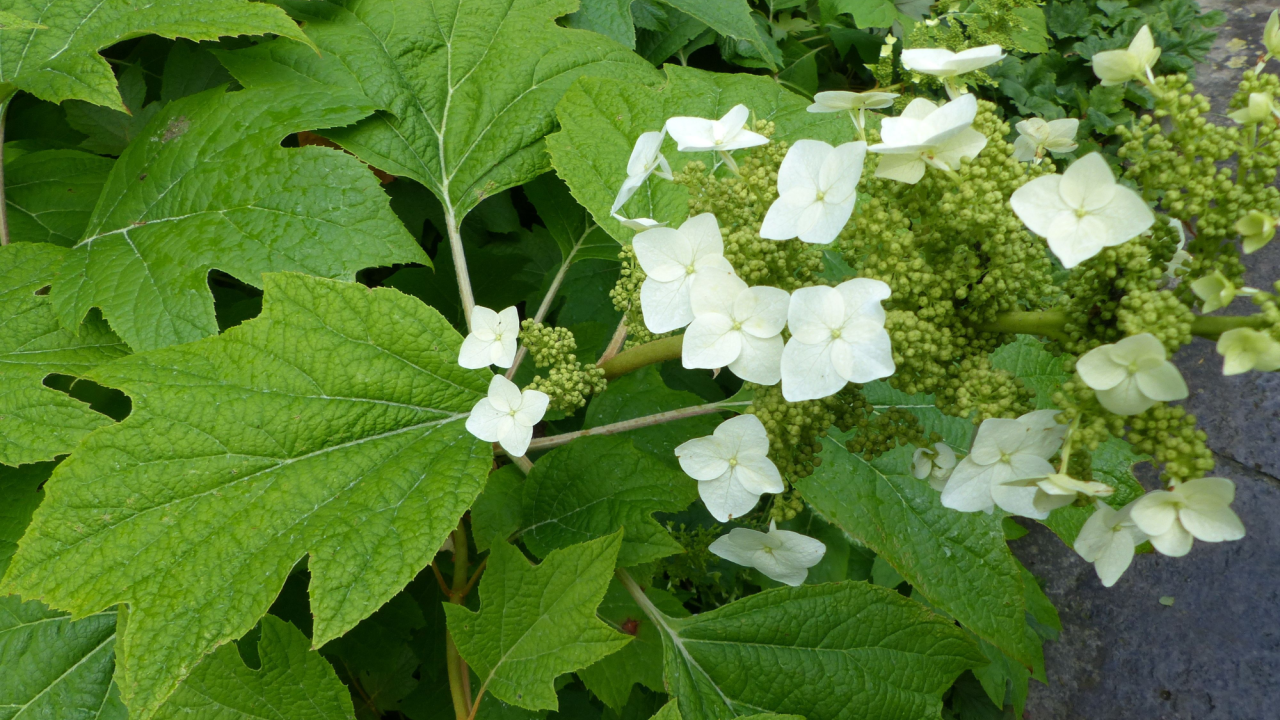
Oakleaf Hydrangea offers immense durability compared to its more delicate, water-loving hydrangea cousins. The large, lobed leaves resemble oak foliage and tolerate surprisingly dry conditions once the root system fully develops. Large cone-shaped flower clusters appear in summer and slowly transition to a dusty pink hue as autumn approaches.
Plant this native shrub in partial shade to protect the massive leaves from scorching afternoon sunlight. A thick layer of mulch helps retain soil moisture and keeps the roots cool during the hottest parts of July and August. You will enjoy a spectacular show in autumn when the foliage turns deep crimson and mahogany.
7. Dianthus
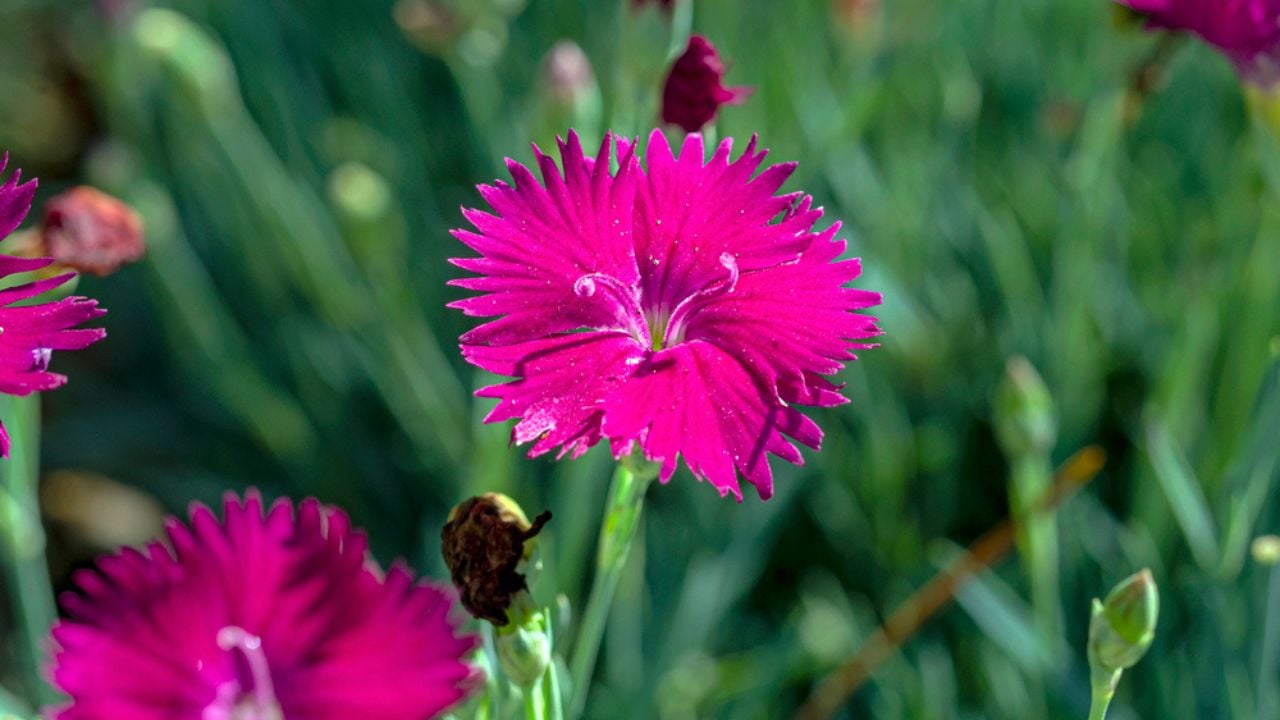
Dianthus forms tidy mounds of blue-green grass-like foliage topped with brightly colored, fringed blossoms. These tough little perennials resist freezing temperatures and bounce right back when spring arrives. The spicy, clove-like fragrance makes them a joy to grow, while their hardiness makes them incredibly low-maintenance.
Well-drained soil and plenty of sunshine keep dianthus blooming continuously throughout the spring and early summer. Removing the spent flowers encourages a second flush of blooms later in the season. They fit beautifully into rock gardens, the front of floral borders, or small decorative containers.
8. Ajuga
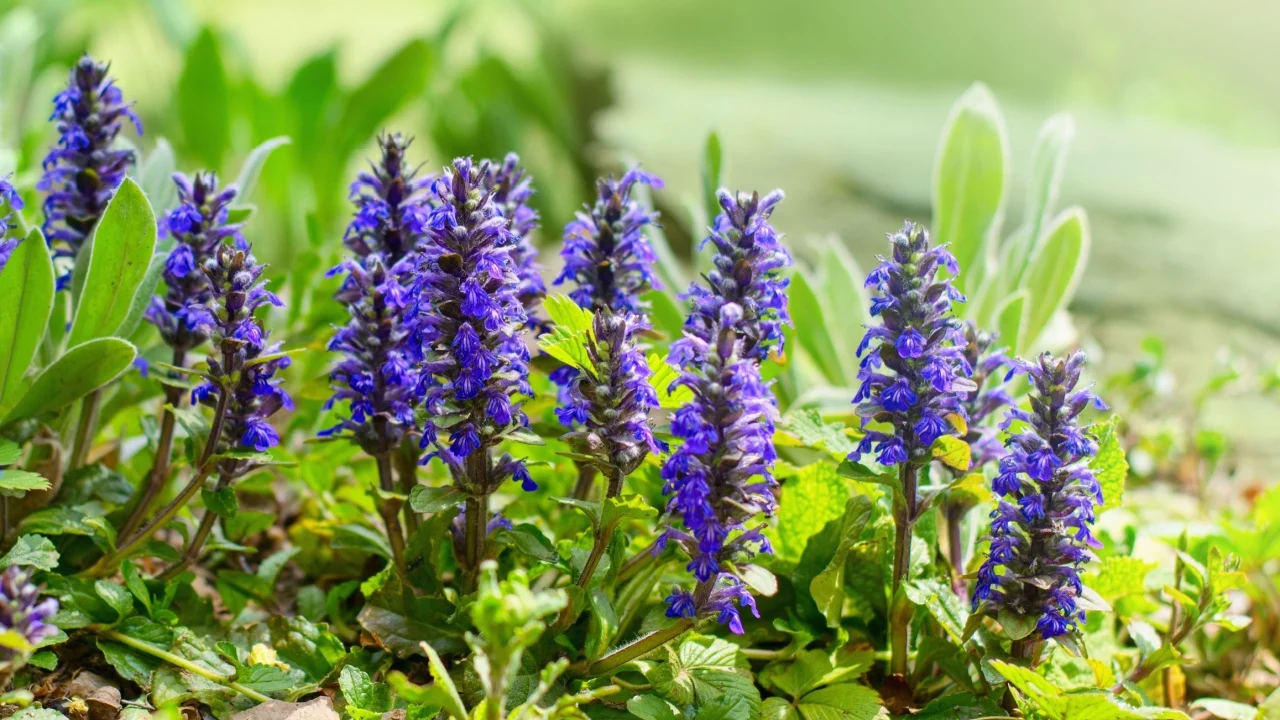
Ajuga creates a dense mat of colorful foliage that rapidly covers bare patches of dirt in heavily shaded areas. This aggressive spreader chokes out weeds and survives in locations where grass simply refuses to grow. Short spikes of blue or purple flowers rise above the leaves in early spring to add seasonal interest.
You should plant ajuga in moist, well-draining soil beneath large shade trees or along the north side of your home. Because it spreads quickly through underground runners, you might need to trim the edges occasionally to keep it contained. It provides a permanent, colorful ground cover that requires almost zero intervention.
9. Shrubby Cinquefoil
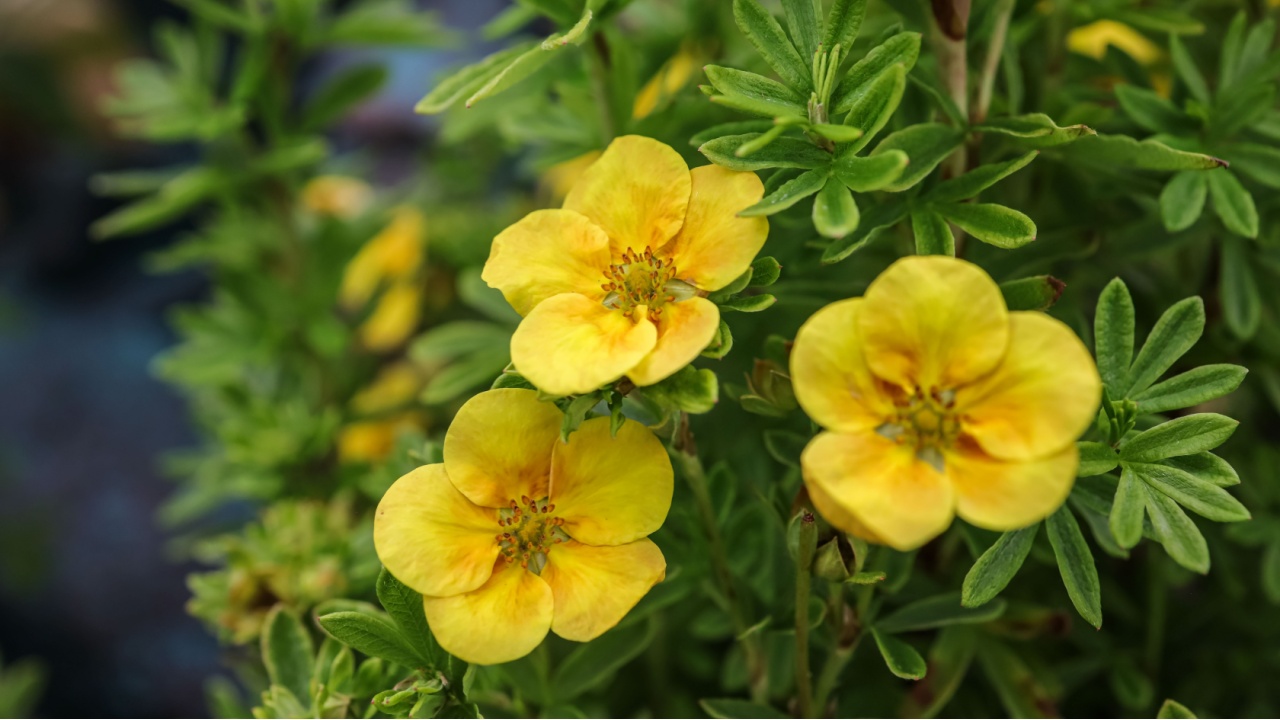
Shrubby Cinquefoil thrives in extreme cold, poor soil, and prolonged drought without losing its cheerful appearance. This compact deciduous shrub produces an endless supply of small yellow, pink, or white flowers from late spring until the first hard frost. The dense branching structure provides excellent cover for small birds and beneficial insects.
Place this tough shrub in a sunny spot to maximize flower production and maintain a tight, compact shape. It requires absolutely no deadheading to keep blooming and rarely needs pruning to look tidy. It serves as a fantastic low hedge or foundation planting for highly exposed areas.
10. Lenten Rose
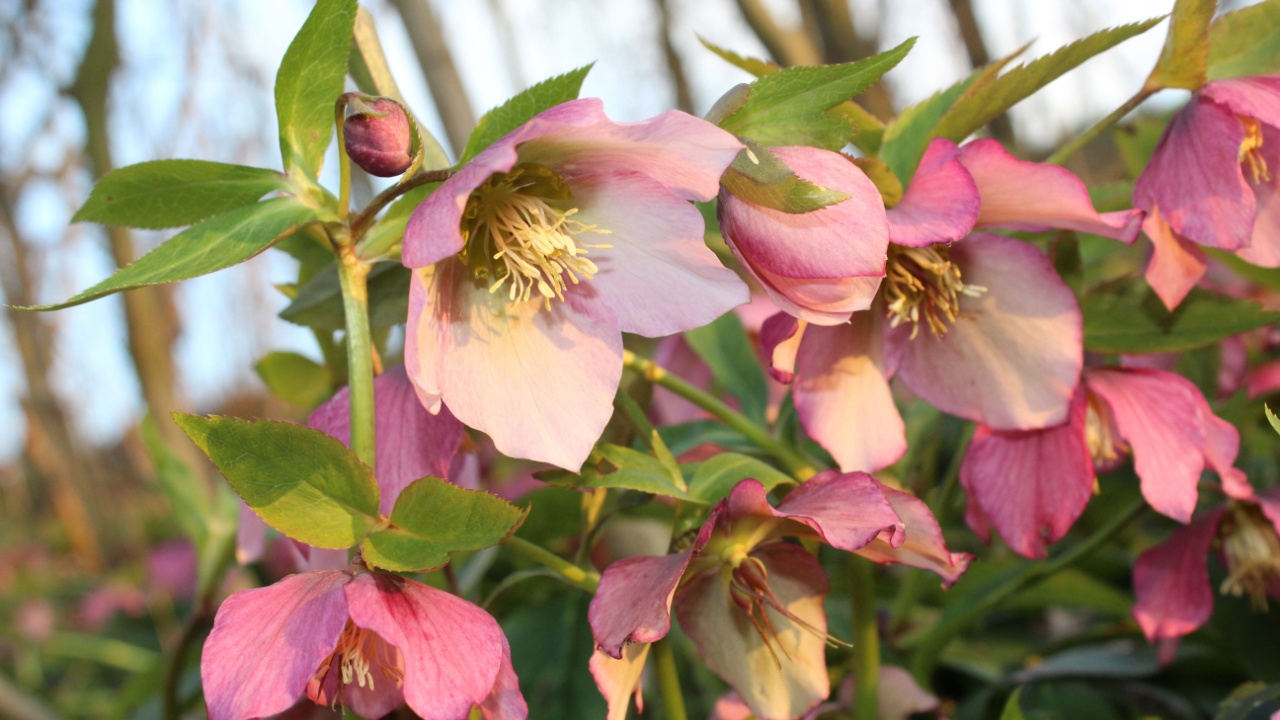
Lenten Rose pushes its beautiful, nodding flowers through the snow or cold mud of late winter and early spring. The leathery, evergreen foliage survives freezing winds and remains attractive through the entire calendar year. Deer completely ignore the toxic leaves, making it a reliable choice for rural or wooded properties.
Rich, organic soil and heavy shade provide the perfect environment for these long-lived perennials. They deeply resent being moved, so choose a permanent location under deciduous trees where they receive dappled light in winter and full shade in summer. You merely need to trim away the tattered older leaves in late winter to reveal the fresh new blooms.
11. Desert Rose
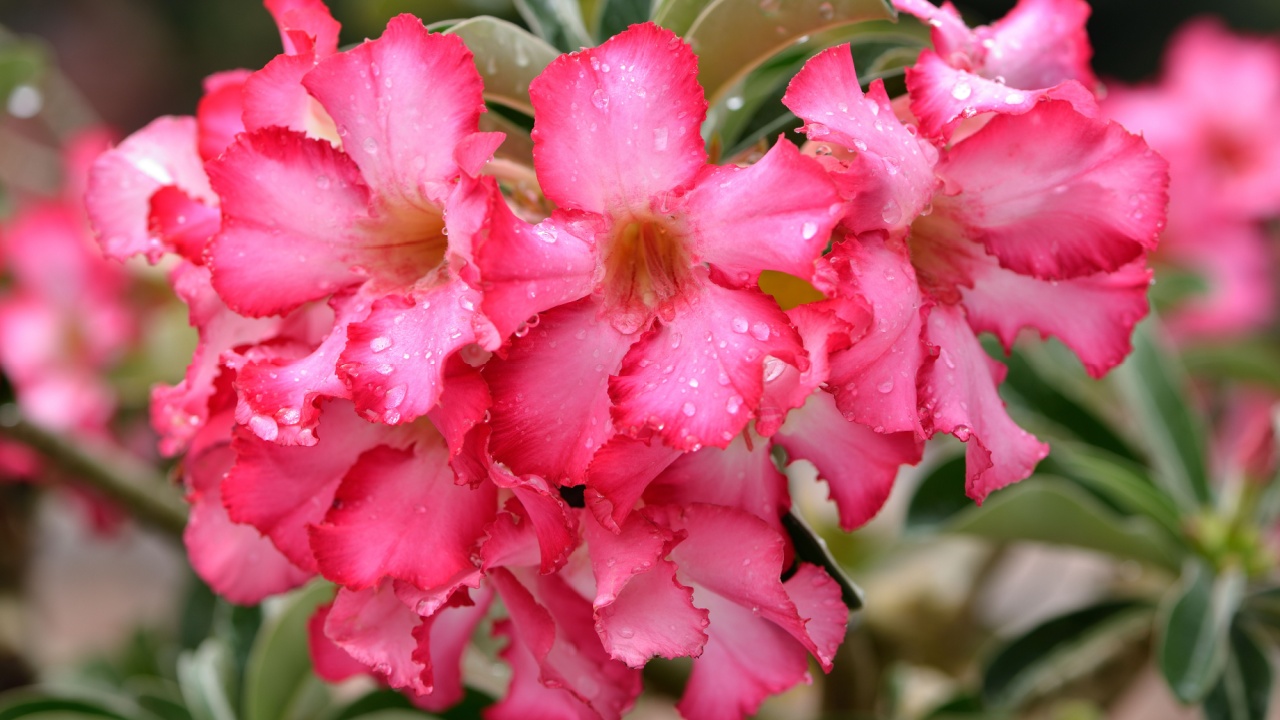
Desert Rose features a swollen, sculptural trunk and brilliant, trumpet-shaped flowers that bloom repeatedly. This succulent shrub holds large reserves of water in its base, allowing it to easily survive periods of extreme heat and minimal rain. It practically thrives on neglect and suffers only if given too much attention and moisture.
Keep your desert rose in full sun and use a highly porous soil mix similar to what you would use for a cactus. If you live in a cold climate, you must grow it in a pot and move it indoors before freezing temperatures arrive. Once inside, it requires very little water until the warm weather returns.
12. First Frost Hosta
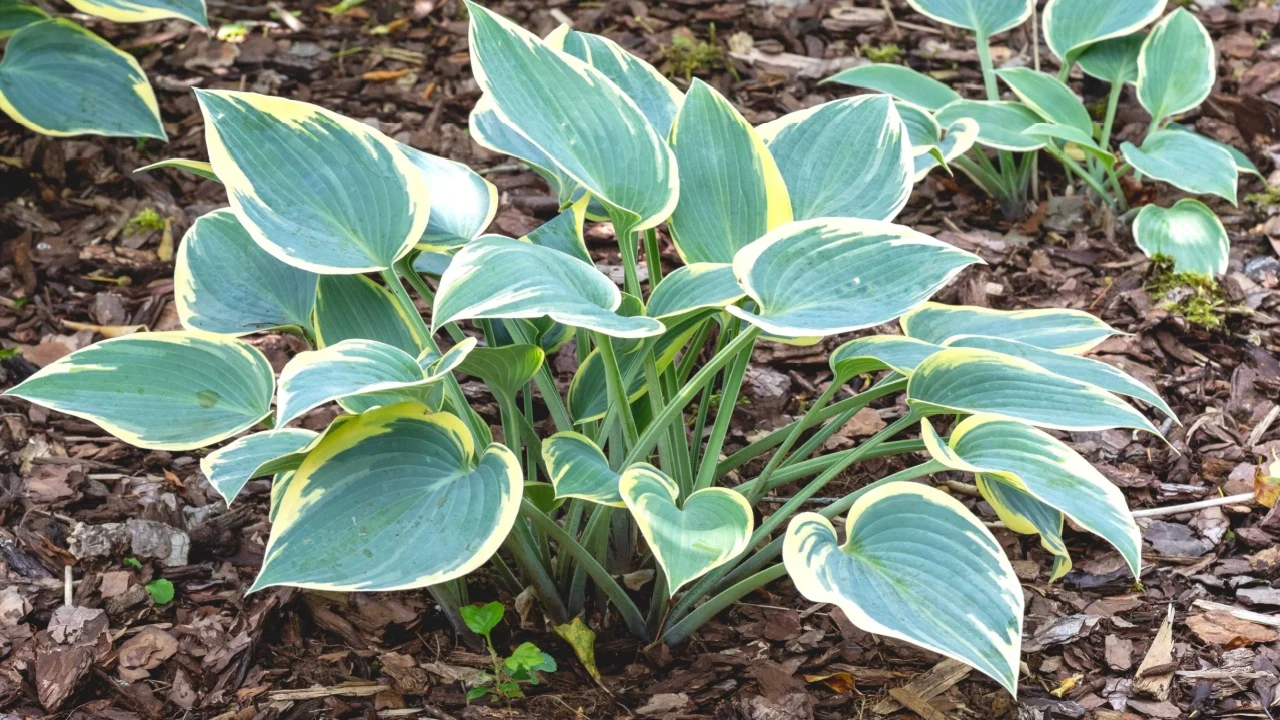
First Frost Hosta offers broad, blue-green leaves bordered by a striking creamy yellow edge that slowly fades to white. Unlike many hostas that melt in difficult conditions, this specific variety boasts thick leaves that resist slug damage and hold up well during dry spells. It continues to look fresh and vibrant late into the season.
Plant this reliable perennial in partial to full shade, preferably in compost-enriched soil. While it tolerates dry shade better than most hostas, giving it a good soak during severe droughts keeps the leaves looking their best. It pairs wonderfully with ferns and bleeding hearts in a woodland garden setting.
13. Caladium
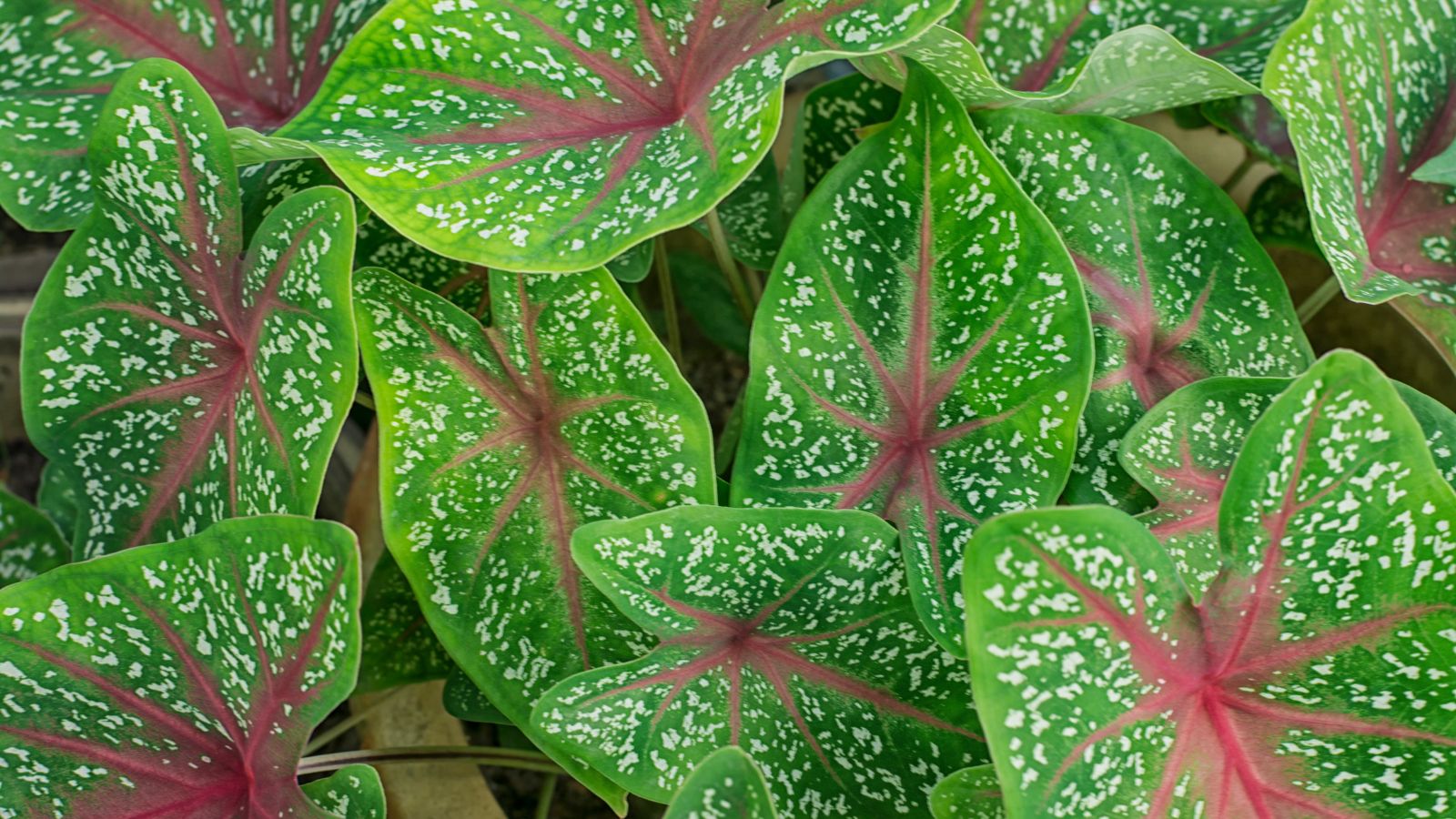
Caladium delivers massive, heart-shaped leaves splashed with vibrant shades of pink, red, white, and green. These tropical tubers withstand intense heat and high humidity, thriving during the muggy summer days that cause other plants to wilt. The foliage creates a lush, exotic look from the moment the leaves unfurl until autumn arrives.
Shady or partially shaded locations protect the bright leaves from fading or burning in direct sunlight. Keep the soil consistently moist during the growing season to support the large foliage. In zones facing freezing winters, you will need to dig up the tubers in autumn and store them in a warm, dry place.
14. Lilac Sage
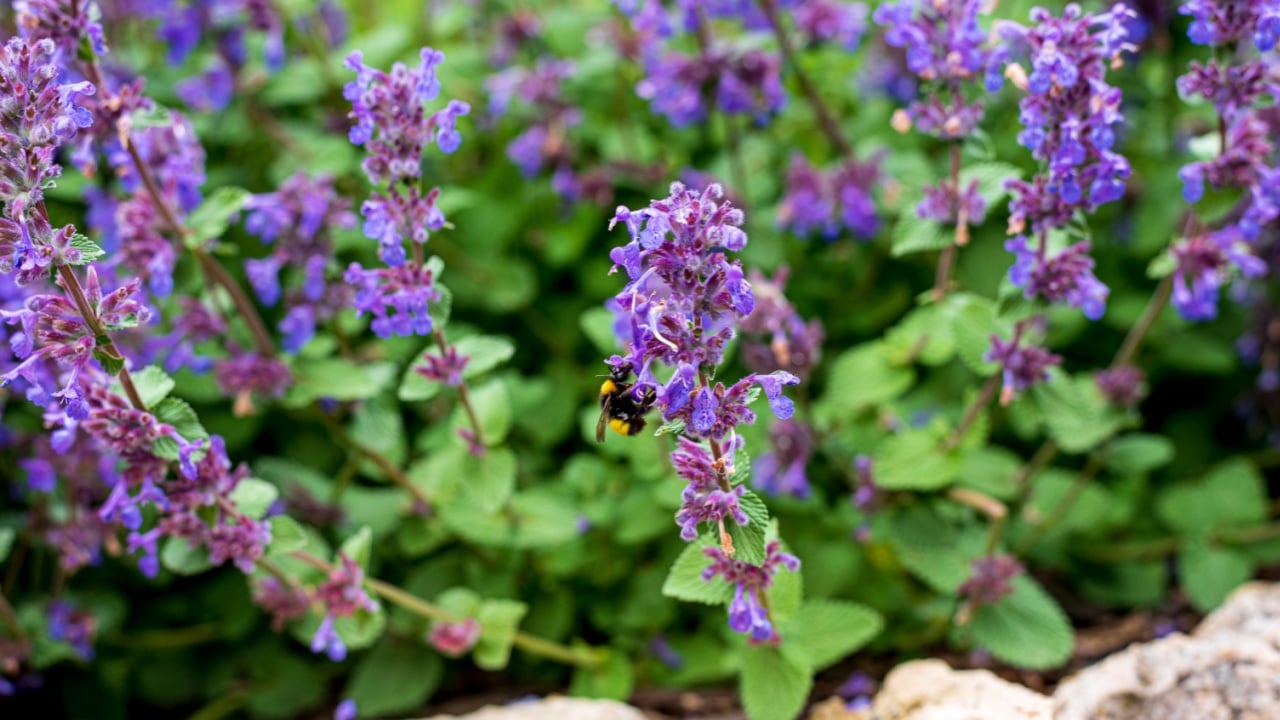
Lilac Sage produces striking spikes of fuzzy, purple-pink flowers that stand tall against the summer heat. This resilient member of the mint family tolerates dry soil and refuses to surrender during prolonged periods without rain. The fragrant foliage naturally repels deer and rabbits while drawing in hundreds of hummingbirds.
Full sun is completely necessary for this sage to maintain strong, upright stems and produce maximum blooms. It prefers average to poor soil, as overly rich dirt causes the stems to flop over. Simply cut the entire plant back to the ground in late winter to make room for fresh new growth.
15. Armeria
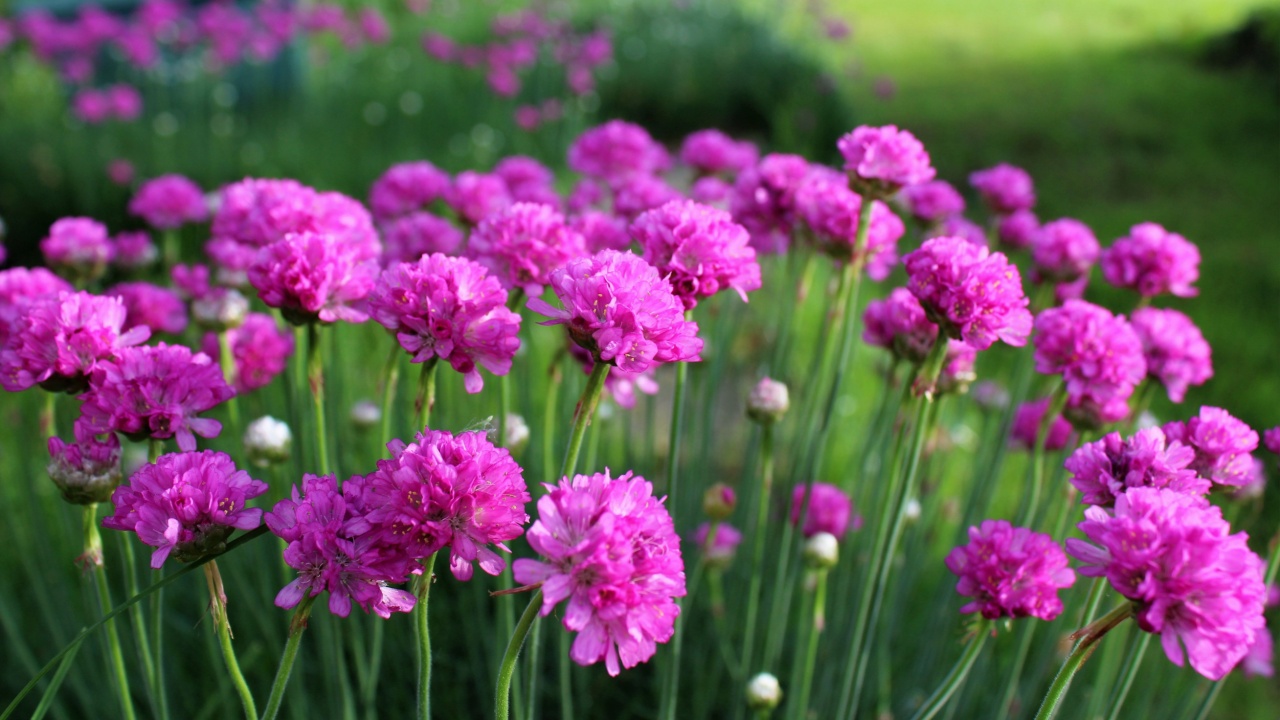
Armeria, often called thrift, grows in dense, grassy tufts that completely resist heavy winds and salty ocean spray. It naturally grows along rugged coastlines, meaning it easily handles sandy soil, bright sun, and minimal moisture. Adorable globe-shaped pink or white flowers pop up above the foliage on thin, wiry stems in mid-spring.
Position armeria in rock gardens, crevices of stone walls, or along the very edge of hot concrete sidewalks. It demands excellent drainage and will quickly rot if planted in heavy, wet clay. Once established in a suitable spot, it needs almost no care to produce its charming floral display.
16. Japanese Forest Grass

Japanese Forest Grass forms a cascading mound of bright, bamboo-like foliage that brightens up dark corners of the yard. It grows slowly but steadily, eventually creating a durable ground cover that easily competes with tree roots for available moisture. The elegant leaves rustle gently in the breeze, adding movement and sound to the landscape.
Provide partial to full shade and rich soil to help this ornamental grass reach its full potential. While it prefers consistent moisture, established clumps tolerate dry shade surprisingly well compared to other grasses. The foliage takes on beautiful reddish-orange tints when autumn temperatures arrive.
17. Threadleaf Tickseed
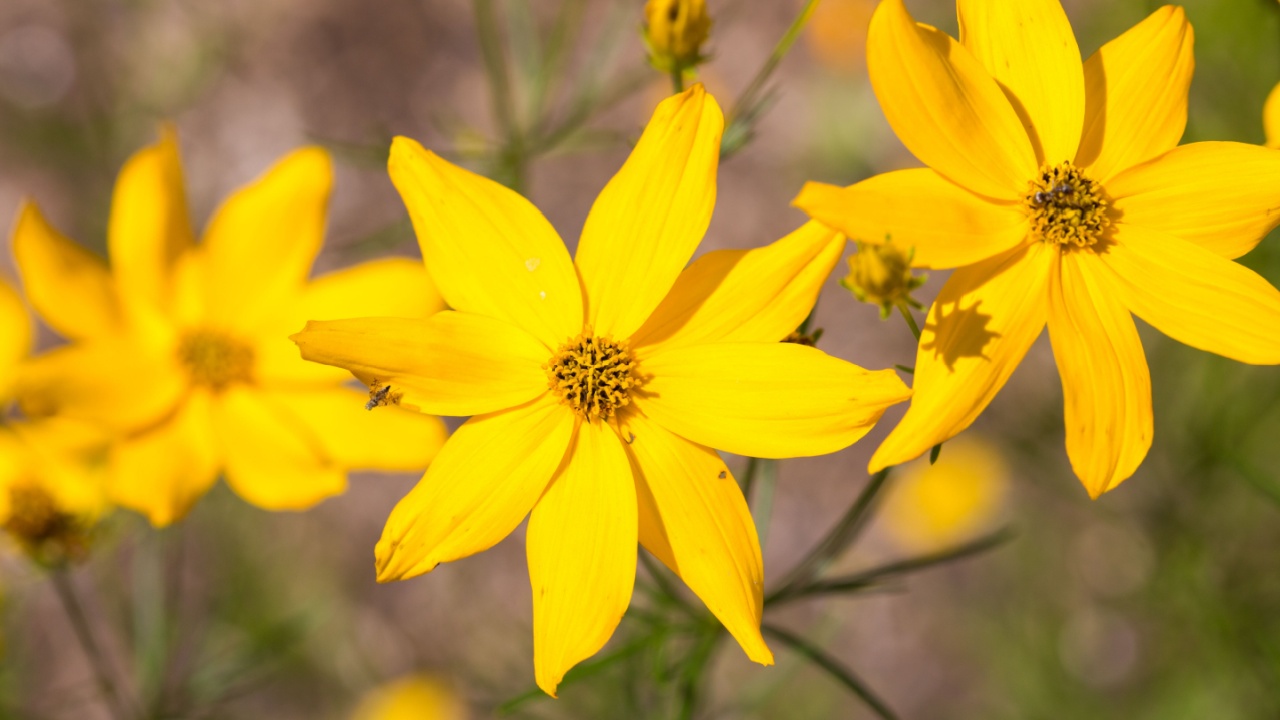
Threadleaf Tickseed produces masses of small, daisy-like yellow flowers atop incredibly fine, needle-like foliage. This tough perennial laughs at heat waves, ignores drought, and grows enthusiastically in rocky or poor soils. The airy texture softens the look of hardscaping and blends seamlessly into casual cottage designs.
Plant this flower in bright sunlight to guarantee the tightest growth habit and the highest number of blooms. Trimming the plant back halfway after the initial flush of flowers encourages a massive second wave of yellow blossoms. It practically takes care of itself while providing reliable color for months.
18. Lobelia

Lobelia offers intense, electrifying blue flowers that cover the trailing stems from spring until the first frost. While many bedding plants demand precise watering schedules, modern trailing lobelia varieties tolerate heat much better than older types. They bounce back quickly, even if they occasionally dry out during the hottest afternoons.
Use trailing lobelia in hanging baskets, window boxes, or tall planters where the stems can cascade over the sides. It blooms best in full sun but appreciates afternoon shade in regions experiencing intense summer temperatures. Regular watering keeps the plant pushing out new blossoms straight through the season.
A Garden That Lasts
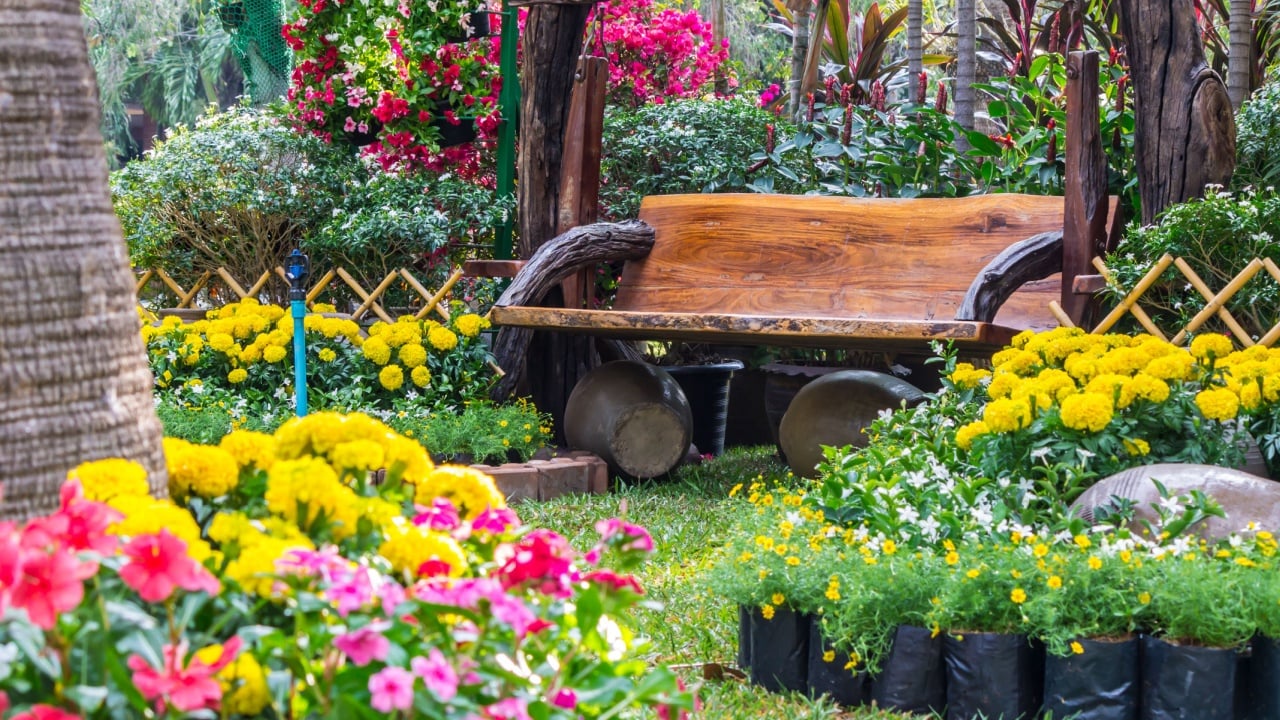
Selecting the right greenery makes a massive difference in your landscaping success and overall enjoyment of your yard. By choosing forgiving plants with natural resilience, you eliminate the constant stress of nursing delicate flowers through difficult weather patterns. These robust selections prove that you can achieve a gorgeous, thriving yard without spending every weekend watering, pruning, and heavily fertilizing. Embrace these tough varieties to create a lasting outdoor space that practically maintains itself.
Read More:
13 Drought-Tolerant Plants That Practically Take Care of Themselves
The Mistake That Kills Most Beginner Houseplants (And 12 That Can Survive It)