24 Forgiving Plants That Grow Well in Poor Soil Conditions
Poor soil shouldn’t stop you from cultivating a thriving, beautiful garden. Many plants are tough enough to adapt to less-than-ideal conditions while still bringing life and color to your outdoor space.
Whether it’s dry, rocky, sandy, or nutrient-poor soil, the following 24 hardy plants are well-suited to grow despite the odds. Plus, learn why each plant is resilient, the types of soil it can tolerate, and simple care tips to help it thrive.
1. Aster
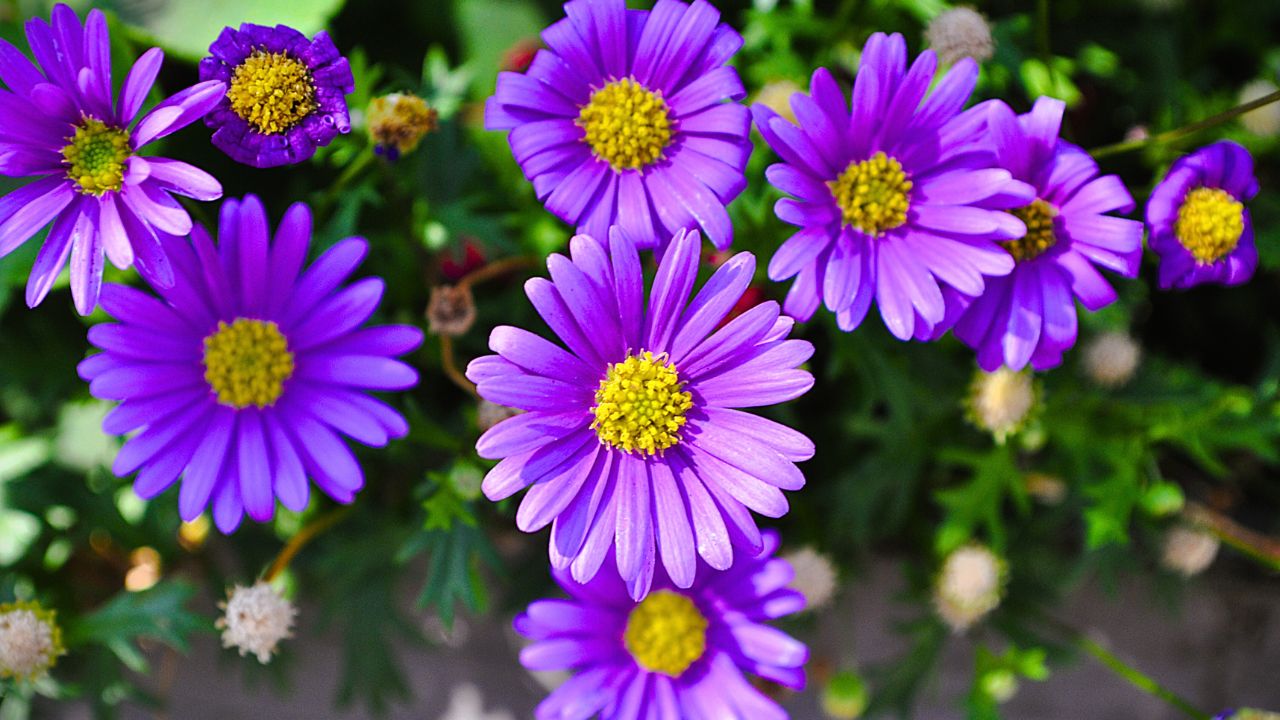
Asters are well-known for their vibrant, colorful blooms that attract pollinators like bees and butterflies. They are especially hardy and can handle soil with low nutrients.
- Why they’re hardy: Asters can survive poor soil due to their ability to store nutrients in their roots.
- Tolerates: Well-drained sandy or loamy soil.
- Care tip: Keep the soil consistently moist, and plant in full sun or partial shade for best results.
2. Bee Balm
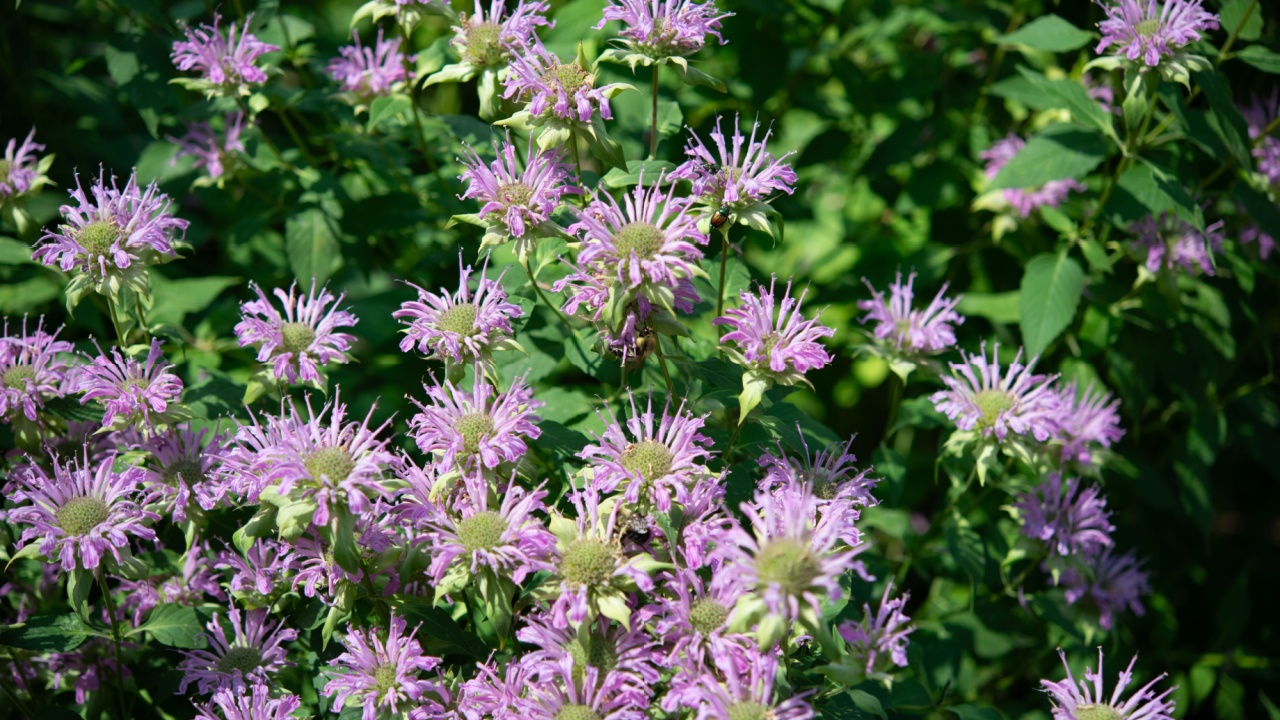
Bee Balm is a pollinator magnet and adapts well to various tough conditions, making it perfect for poor soil gardens.
- Why they’re hardy: Its natural resilience to pests and low nutrient needs make it undemanding.
- Tolerates: Moist and less fertile soil.
- Care tip: Thin the plants annually to prevent overcrowding and keep flowers blooming brightly.
3. Black-Eyed Susan
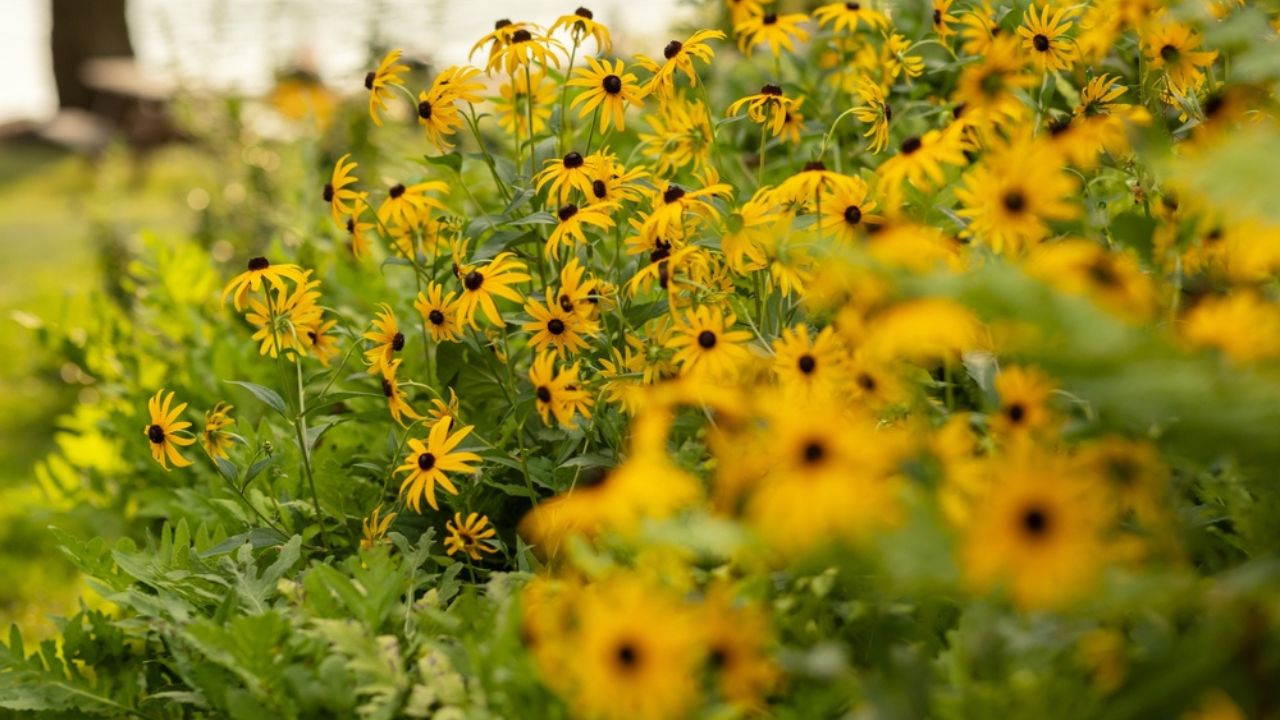
This cheerful perennial doesn’t mind growing in rocky or dry conditions and brightens gardens with its sunny yellow flowers.
- Why they’re hardy: Black-Eyed Susans develop deep roots that tolerate drought and poor soils.
- Tolerates: Dry, sandy, or rocky soil.
- Care tip: Water young plants regularly, but once established, they require little ongoing watering or maintenance.
4. Blazing Star
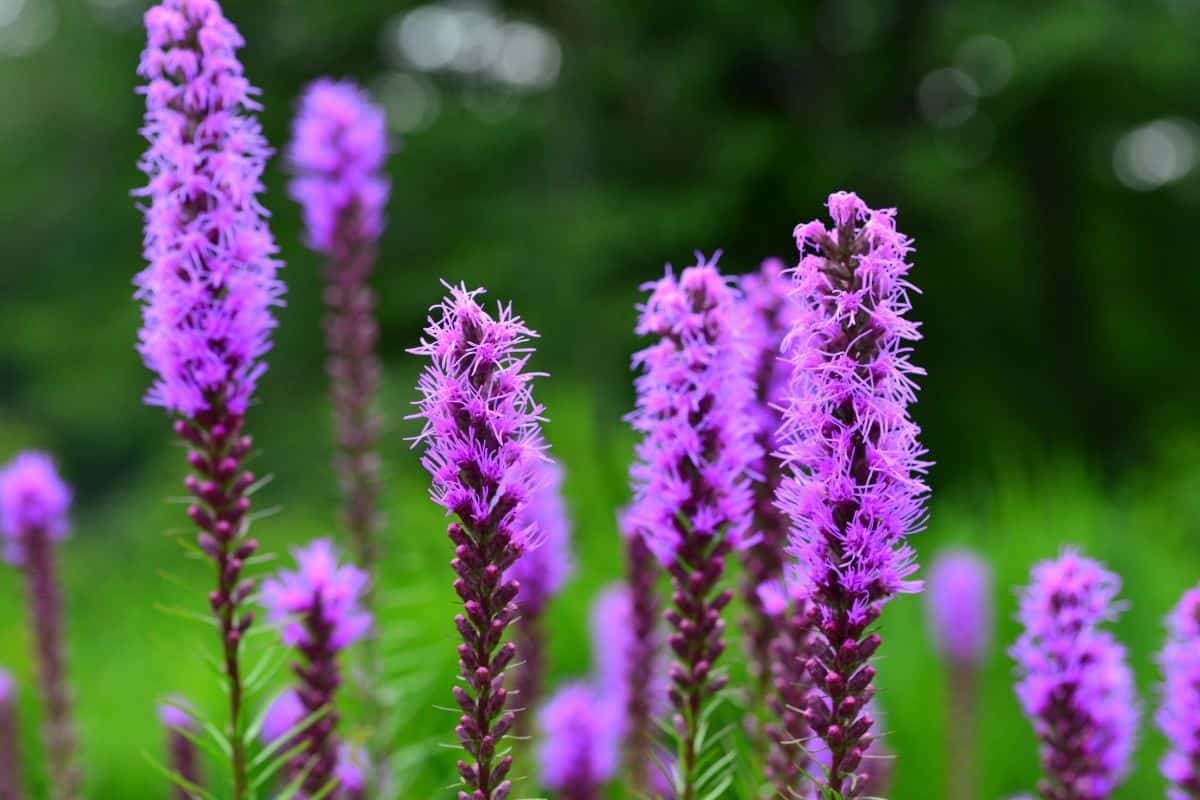
Blazing Star is a tall, spiky plant whose flowers create a stunning vertical accent in the garden.
- Why they’re hardy: Its drought tolerance and adaptability allow it to thrive in nutrient-poor areas.
- Tolerates: Well-drained soil, including rocky or sandy types.
- Care tip: Plant in full sun for the best blooms, and deadhead spent flowers to encourage further blooming.
5. Calendula
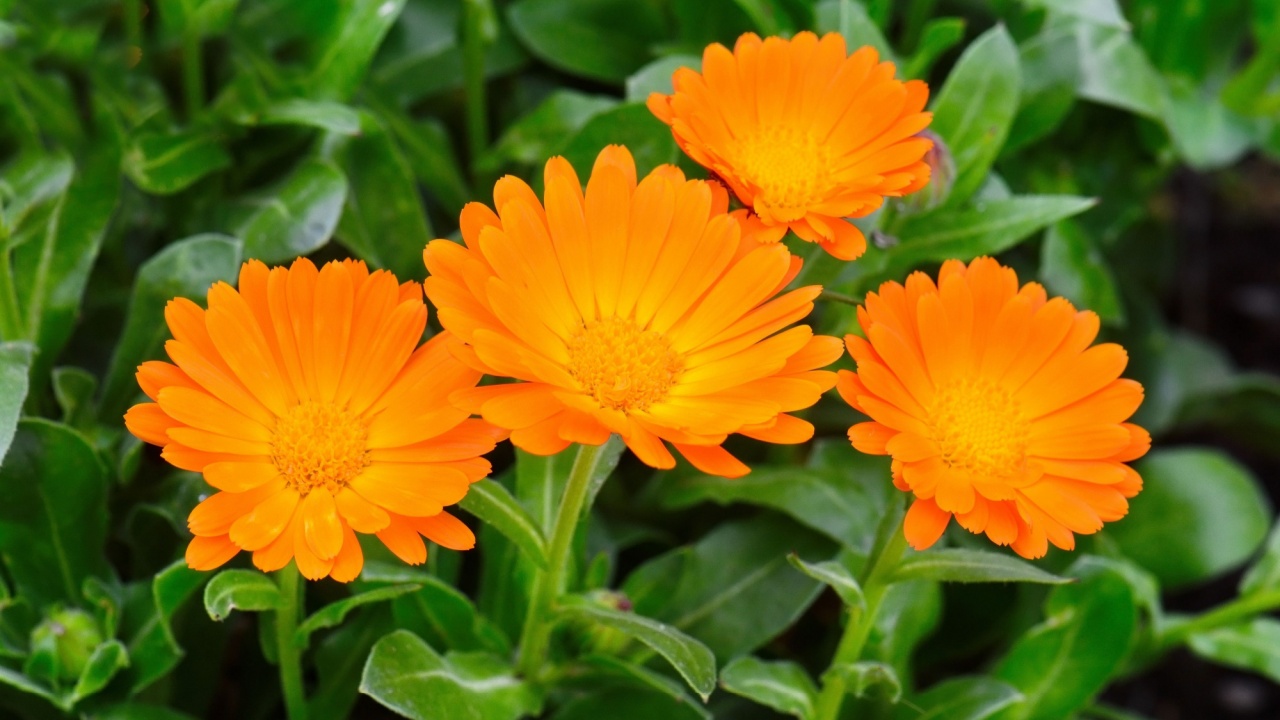
Calendula thrives in low-maintenance gardens and delivers striking orange or yellow blooms.
- Why they’re hardy: This annual flower grows well even in less fertile soil due to its fast growth rate and minimal nutrient demands.
- Tolerates: Well-drained sandy or loamy soil.
- Care tip: Deadhead flowers regularly to encourage continuous blooming throughout the season.
6. Fountain Grass
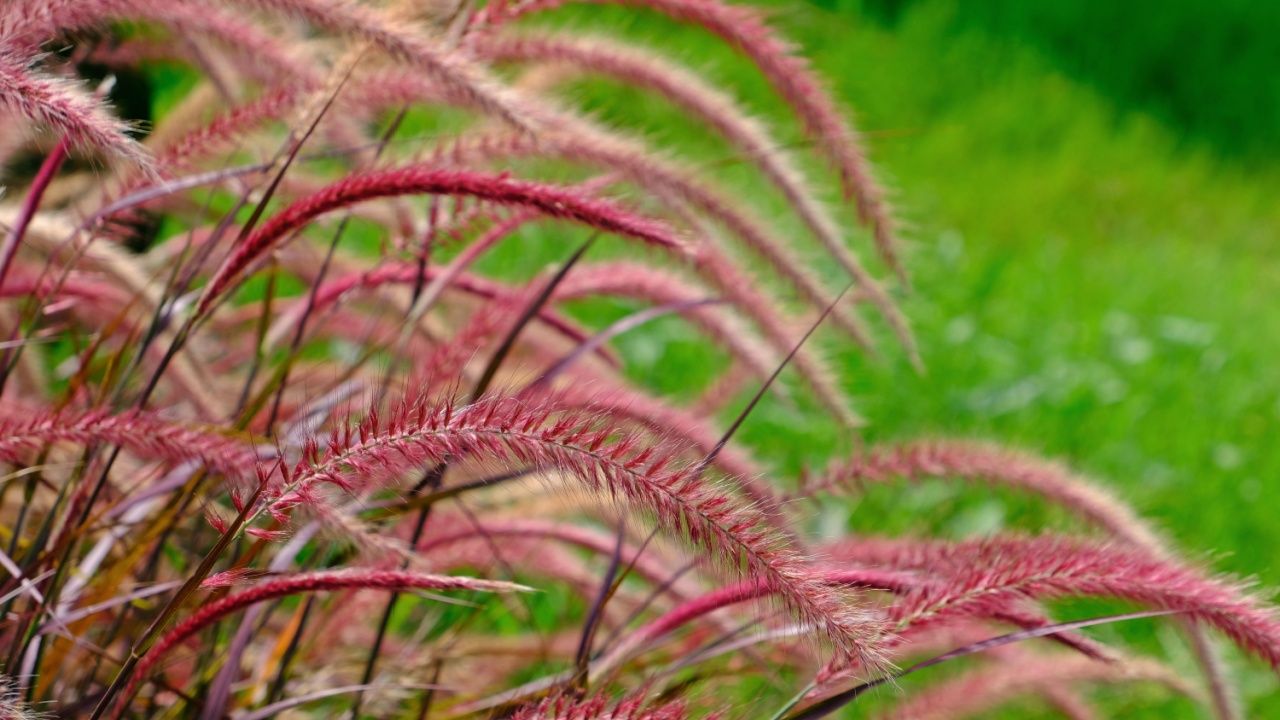
This ornamental grass adds texture and movement to your landscape with minimal effort. (Note: Soil tolerance varies by species.)
- Why they’re hardy: It handles heat and drought very well, making it perfect for dry soil conditions.
- Tolerates: Sand, clay, or loamy soil.
- Care tip: Water sparingly once established and prune in early spring to encourage fresh growth.
7. Gaillardia
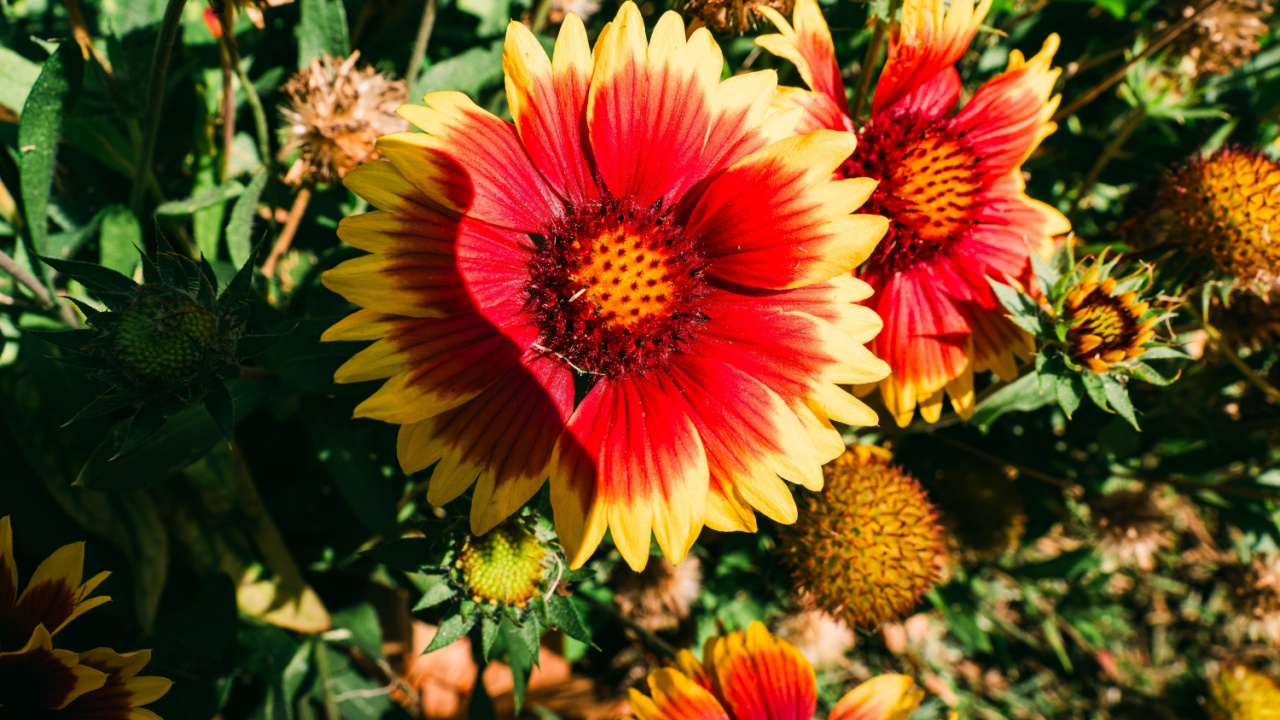
Also called Blanket Flower, Gaillardia thrives in poor, dry conditions and blooms in brilliant reds, oranges, and yellows.
- Why they’re hardy: Their ability to withstand long periods of drought and heat makes them excellent for tough soil.
- Tolerates: Sandy, dry soil.
- Care tip: Plant in full sun and avoid overwatering to prevent root rot.
8. Goldenrod
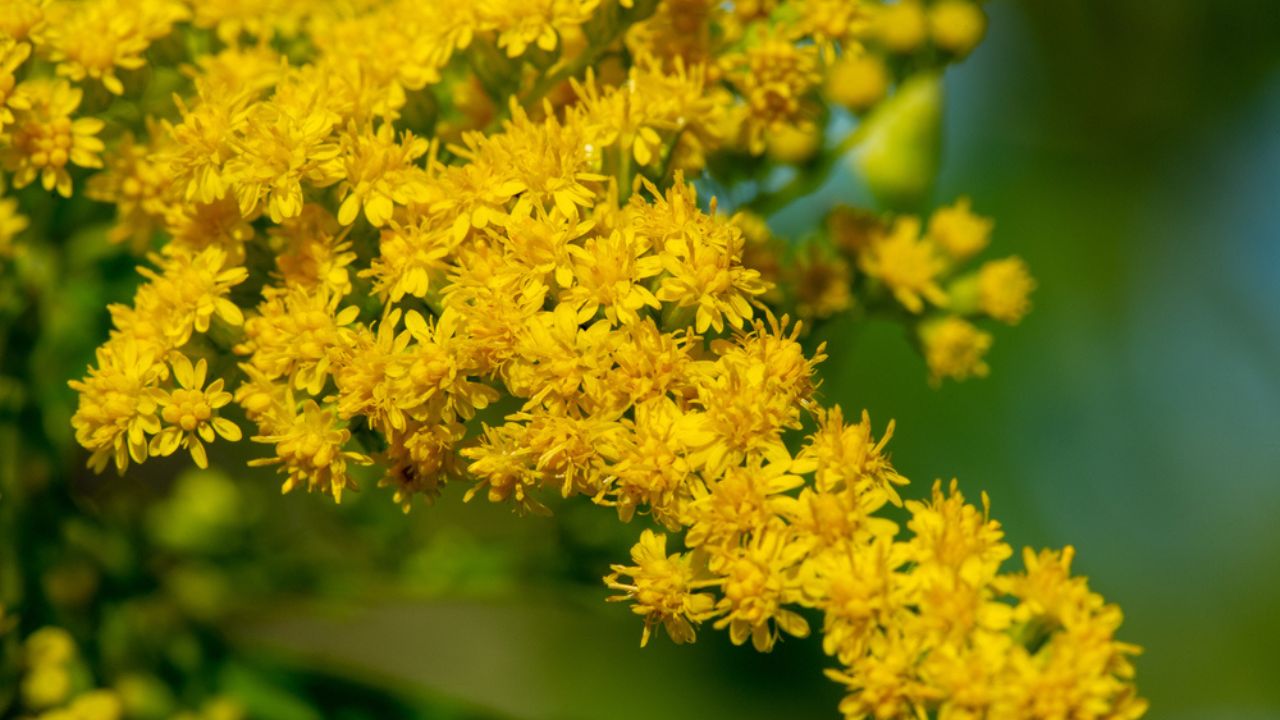
Goldenrod is not only eye-catching but also provides food for pollinators late into the growing season.
- Why they’re hardy: They can grow rapidly with minimal care and thrive in less-than-ideal soil conditions.
- Tolerates: Sandy or rocky soil with good drainage.
- Care tip: Cut back stems in early spring to encourage bushier growth.
9. Ironweed
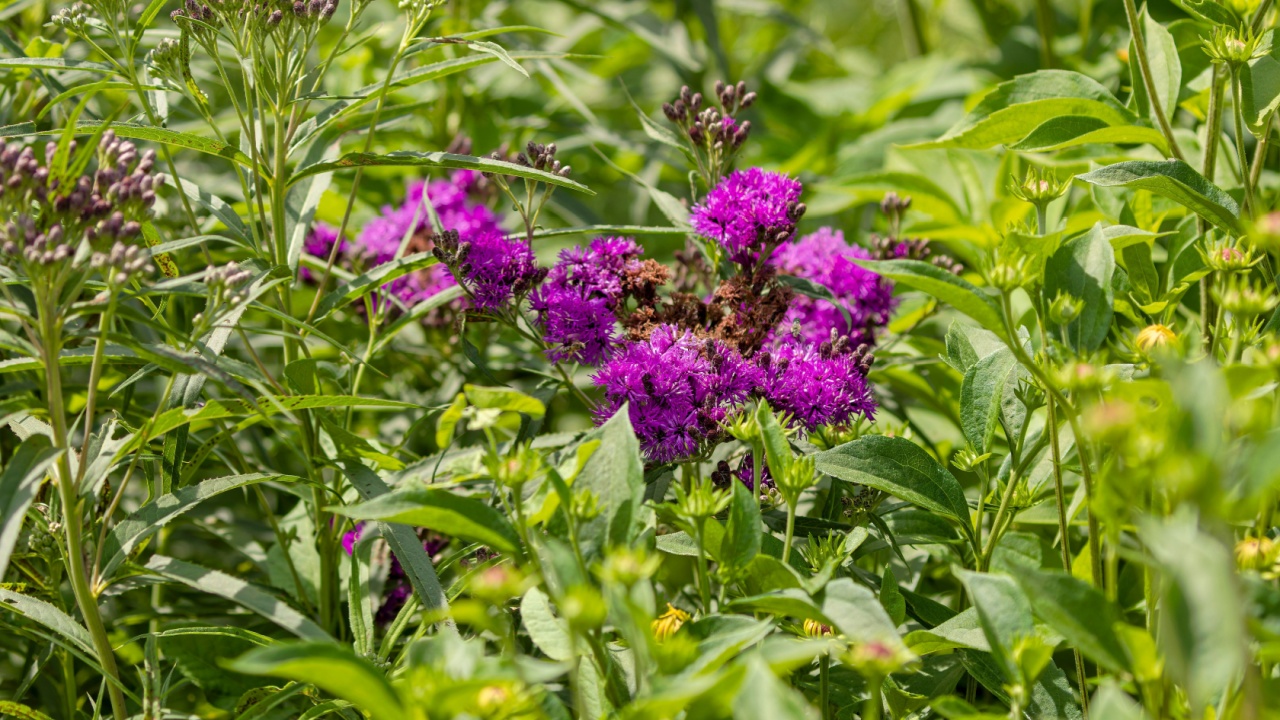
This towering perennial adds height and texture to gardens, all while thriving on neglect.
- Why they’re hardy: Ironweed develops deep roots that help stabilize soil and access nutrients in harsh conditions.
- Tolerates: Various poor soils, including clay and rocky ground.
- Care tip: Provide full sun and mulch around the base to retain soil moisture.
10. Lavender
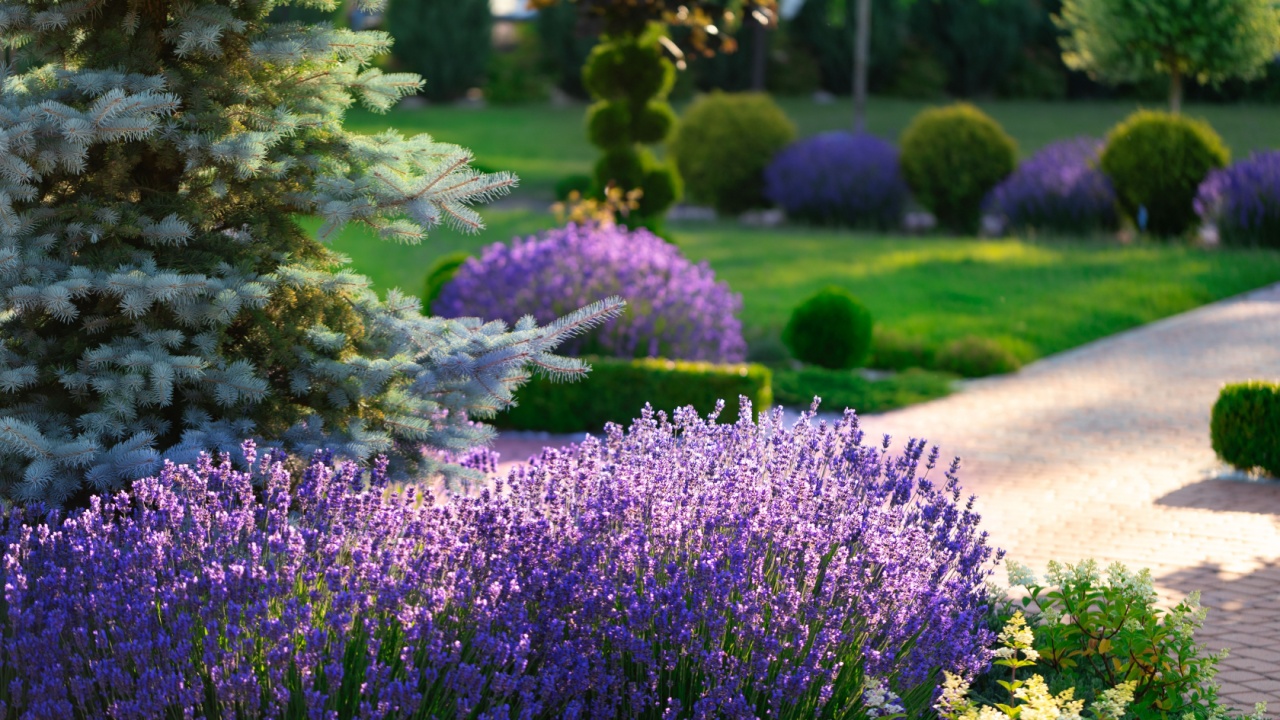
Lavender’s aromatic foliage and soft purple flowers make it a favorite in poor-soil gardens.
- Why they’re hardy: Its drought tolerance and preference for nutrient-poor soil help it thrive where many plants fail.
- Tolerates: Sandy or loamy soil.
- Care tip: Avoid overwatering, and trim the plants after blooming to promote dense growth.
11. Perennial Sunflower
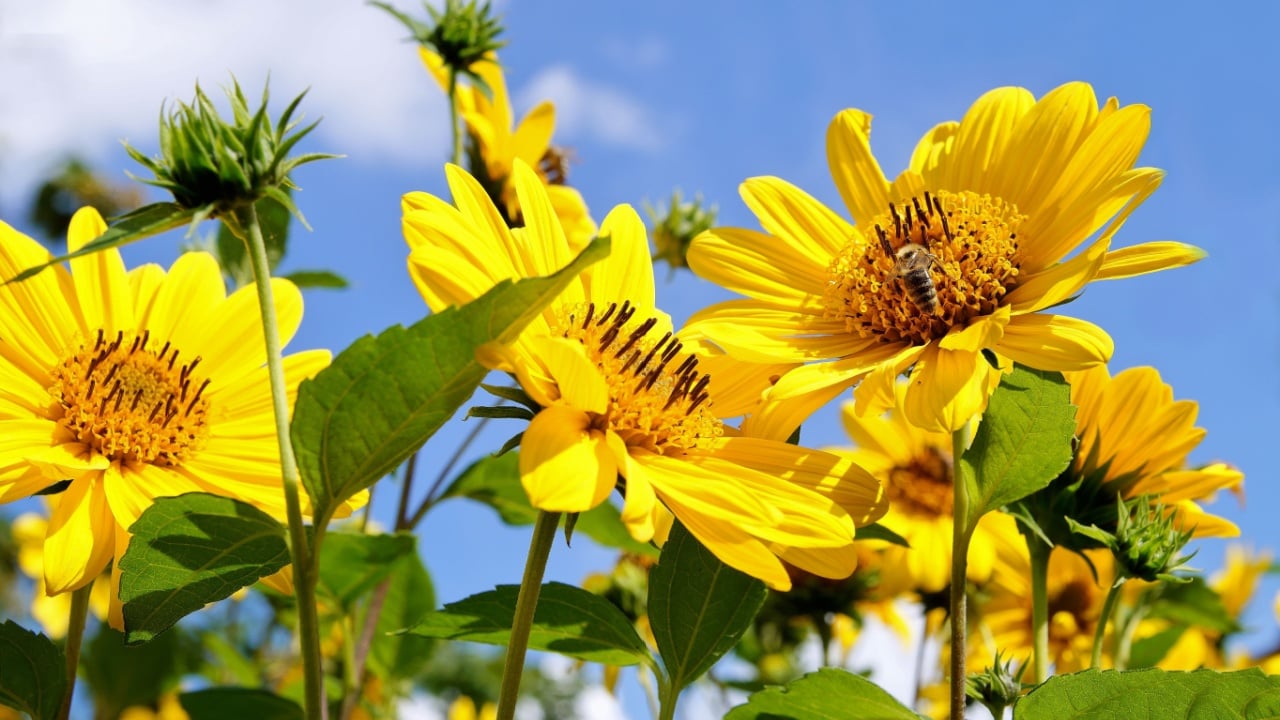
Perennial Sunflowers are tall, striking plants with deep roots that help them access water and nutrients in poor soil. (Note: depends on the variety.)
- Why they’re hardy: Their robustness against wind, rain, and drought makes them particularly resilient.
- Tolerates: Rocky or sandy soil.
- Care tip: Plant in full sun and stake tall varieties to prevent them from toppling over.
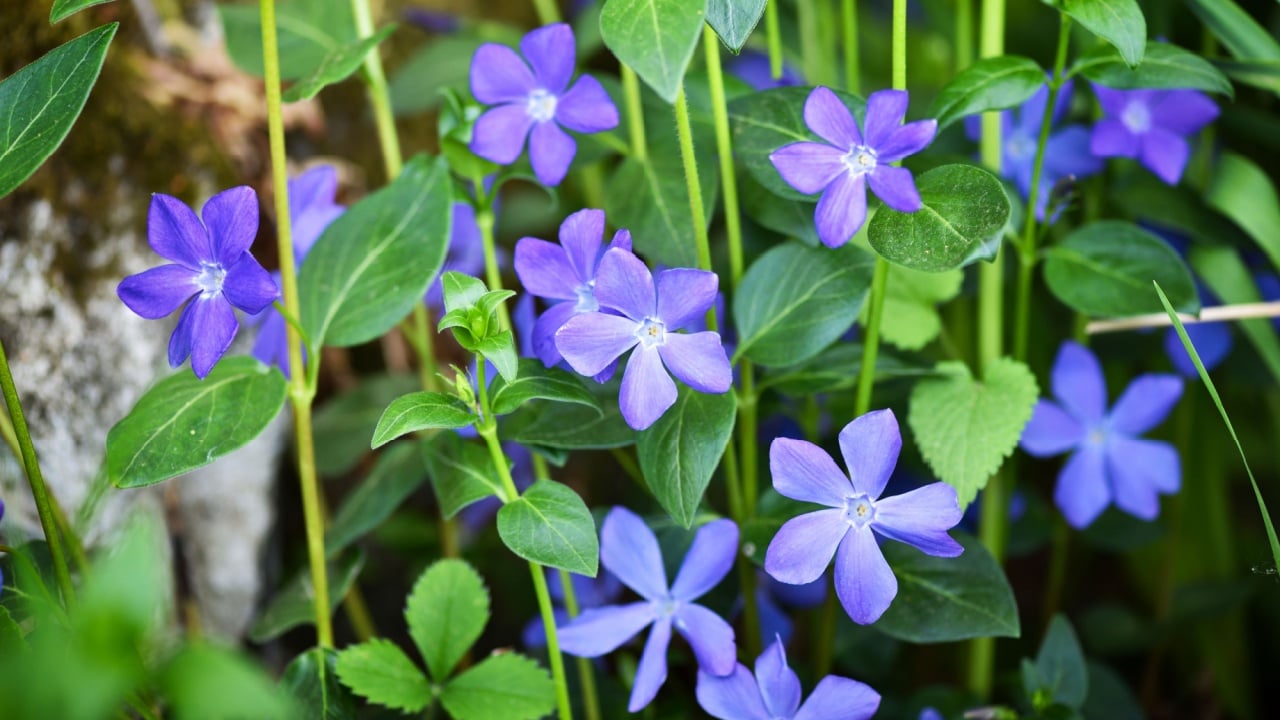
12. Periwinkle
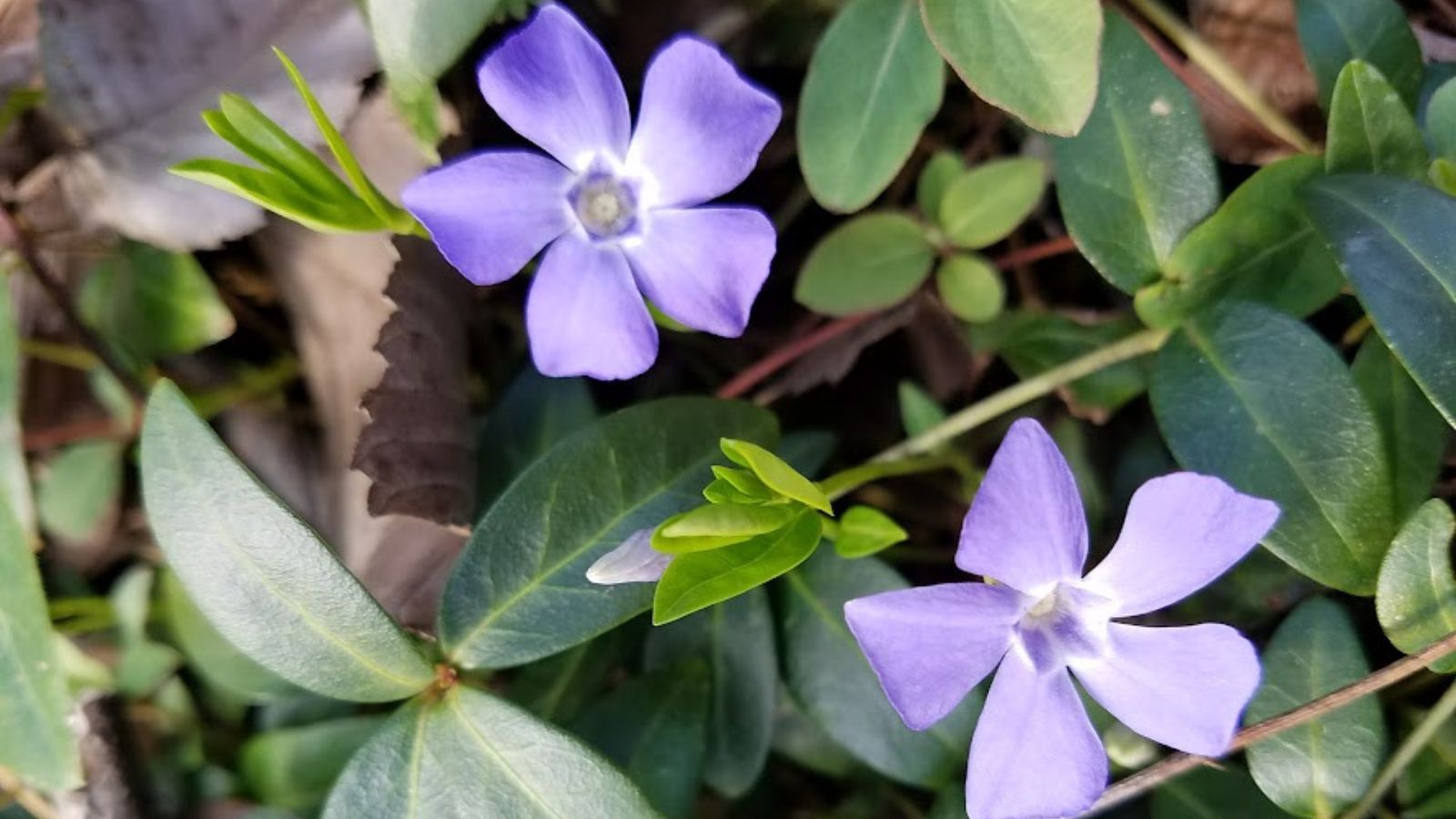
This low-growing ground cover thrives in neglected areas of your landscape, although it’ll happily accept better conditions.
- Why they’re hardy: They quickly adapt to limited nutrients and can grow in shaded or sunny locations.
- Tolerates: Dry or compacted soil.
- Care tip: Water sparingly, as excessive moisture can lead to root rot.
13. Purple Coneflower
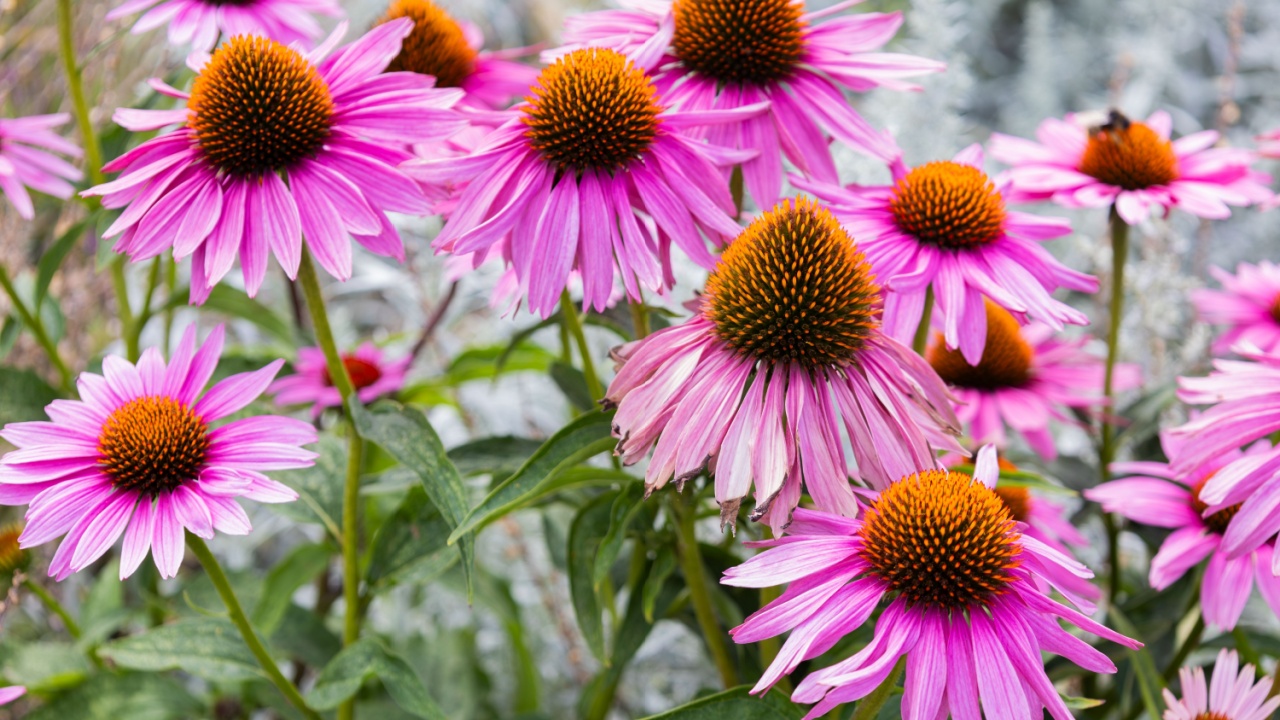
With long-lasting blooms, Purple Coneflower doesn’t ask much from your garden.
- Why they’re hardy: They tolerate drought, heat, and poor soil while stabilizing their environment with deep roots.
- Tolerates: Sandy or clay soil.
- Care tip: Deadhead faded blooms to encourage extended blooming.
14. Rosemary

Rosemary is an aromatic herb with minimal needs, making it a great addition to poor-soil gardens.
- Why they’re hardy: Its tolerance of drought and dry conditions means it can thrive on neglect.
- Tolerates: Sandy or rocky soil.
- Care tip: Plant in full sun and prune occasionally to maintain shape.
15. Russian Sage
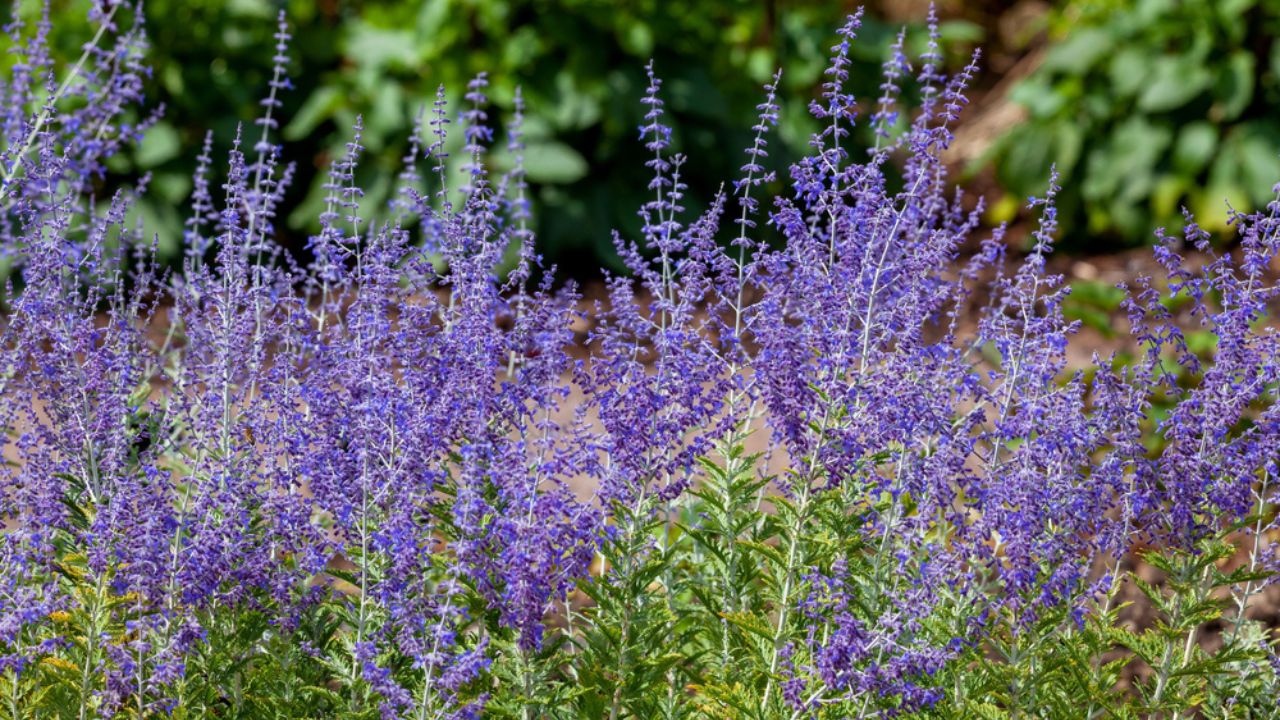
This hardy perennial adds a splash of airy lavender blooms to any garden.
- Why they’re hardy: Russian Sage thrives in poor, dry soils and harsh sunlight.
- Tolerates: Sandy or alkaline soil.
- Care tip: Cut back old growth in early spring to promote strong new shoots.
16. Sea Holly
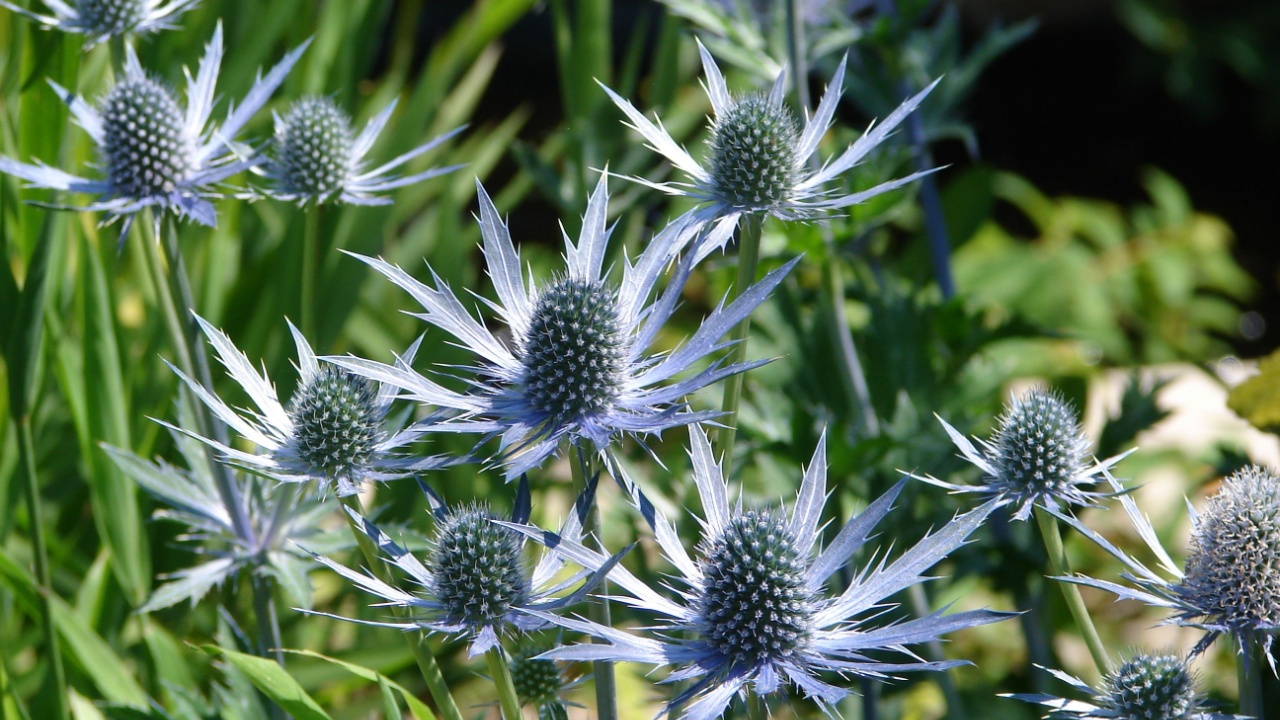
Sea Holly’s spiky blue flowers bring texture and interest to poor soil gardens.
- Why they’re hardy: Its tolerance of drought and dry soil makes it ideal for rough conditions.
- Tolerates: Sandy or rocky soil.
- Care tip: Provide full sun and avoid excessive watering.
17. Tansy

Tansy is perfect for gardeners looking to enrich their soil while beautifying it with golden blooms. (Note: Invsaive in some areas, check with your local extension.)
- Why they’re hardy: Their ability to fix nitrogen helps improve the quality of poor soil over time.
- Tolerates: Dry, well-drained soil.
- Care tip: Watch for self-seeding as it can become invasive if not managed.
18. Yarrow
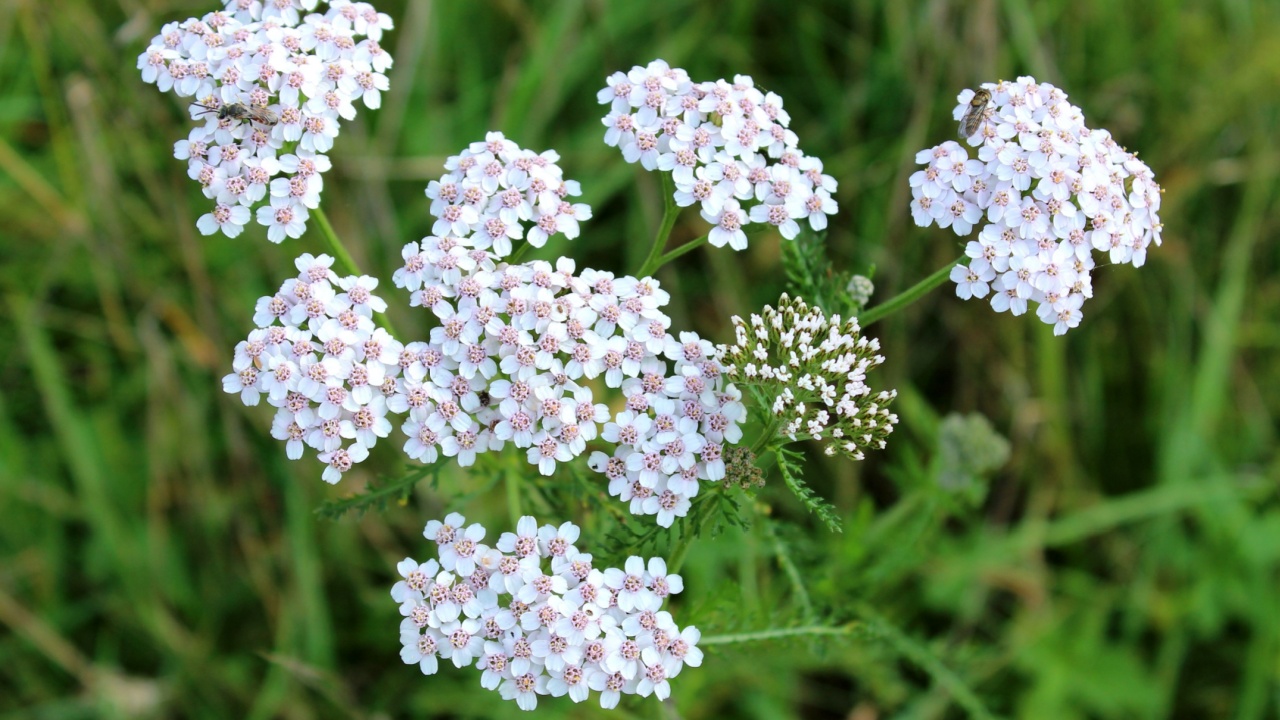
Yarrow is a fast-growing, fragrant plant that thrives in hot, dry conditions.
- Why they’re hardy: They tolerate drought and thrive with minimal care due to their nutrient efficiency.
- Tolerates: Sandy or rocky soil.
- Care tip: Trim back spent flowers regularly to encourage continued blooming.
19. Creeping Thyme
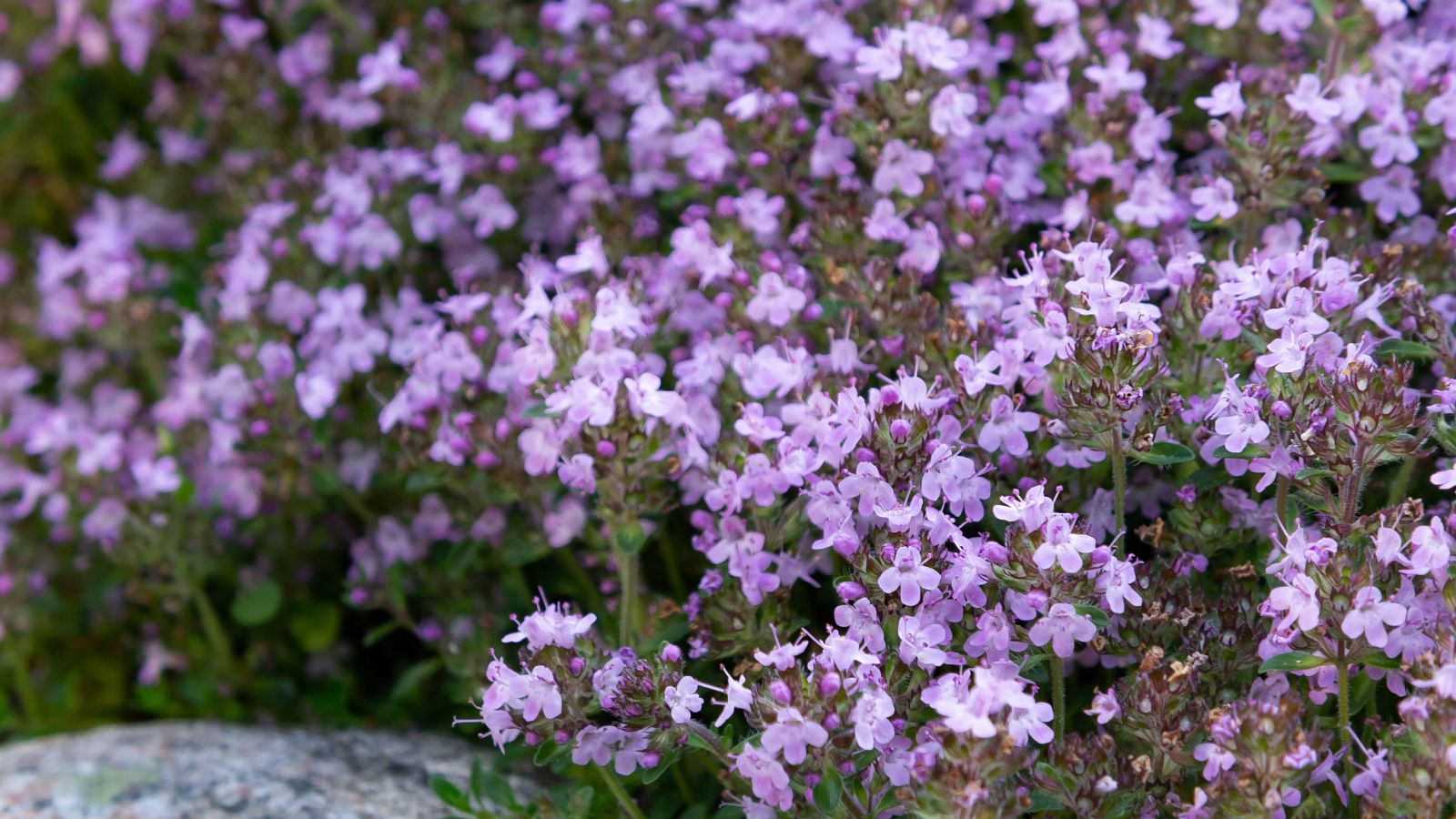
Creeping Thyme is a fragrant ground cover that thrives in rocky or poor soils.
- Why it’s hardy: Its low water requirements and adaptability make it perfect for harsh conditions.
- Tolerates: Sandy, rocky, or compacted soil.
- Care tip: Plant in full sun and water sparingly once established.
20. Sedum
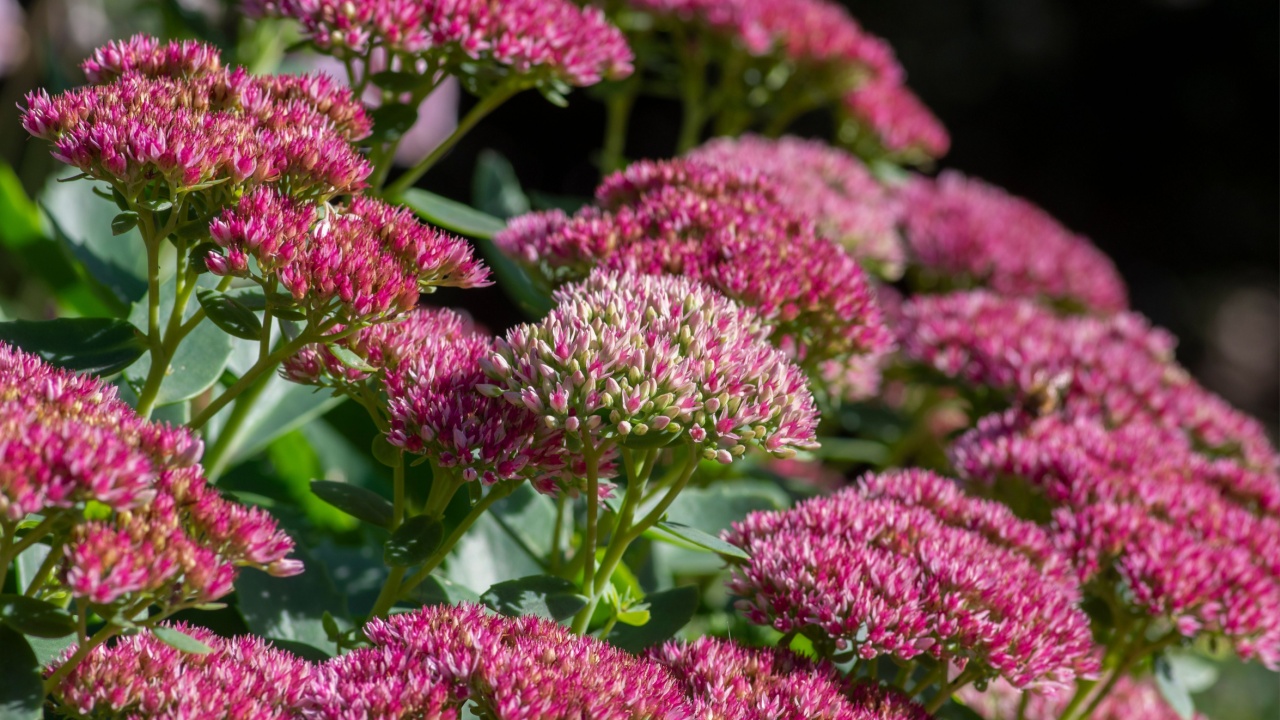
Sedum, also known as stonecrop, is a succulent that thrives in tough conditions, including poor, dry, and rocky soil. With its fleshy leaves and star-shaped flowers, it’s a go-to plant for low-maintenance and drought-tolerant gardens.
- Why it’s hardy: Sedum stores moisture in its leaves, making it resilient against drought and nutrient-deficient soil.
- Tolerates: Dry, sandy, gravelly, or rocky soil.
- Care tip: Plant in full sun and avoid overwatering—these plants prefer neglect over fuss.
21. Butterfly Weed

Butterfly Weed (Asclepias tuberosa) is a striking native perennial known for its vivid orange blooms and ability to attract monarch butterflies.
- Why it’s hardy: It grows naturally in poor, sandy soils and requires very little water or nutrients to thrive.
- Tolerates: Sandy or gravelly soil with good drainage.
- Care tip: Plant in full sun and avoid overwatering—this plant prefers dry conditions once established.
22. Coreopsis

Threadleaf coreopsis (Coreopsis verticillata) adds bright, daisy-like flowers to your garden and performs beautifully in neglected or nutrient-poor areas.
- Why it’s hardy: It’s a tough, drought-resistant perennial that thrives in rocky or sandy soil without much maintenance.
- Tolerates: Poor, dry, sandy, or rocky soil.
- Care tip: Cut back after the first bloom to encourage a second flush of flowers in late summer.
23. Euphorbia

Euphorbia, including species like Euphorbia myrsinites (donkey tail spurge), is both dramatic and hardy. Its sculptural forms and silvery foliage make it a standout.
- Why it’s hardy: Euphorbias tolerate drought and poor, rocky soil with ease, making them ideal for challenging garden spots.
- Tolerates: Dry, rocky, sandy, or even alkaline soil.
- Care tip: Wear gloves when handling—its sap can irritate skin. Prune back after flowering to keep it tidy. (Note: Prohibited in some regions, check with your local extension.)
24. Blue Fescue
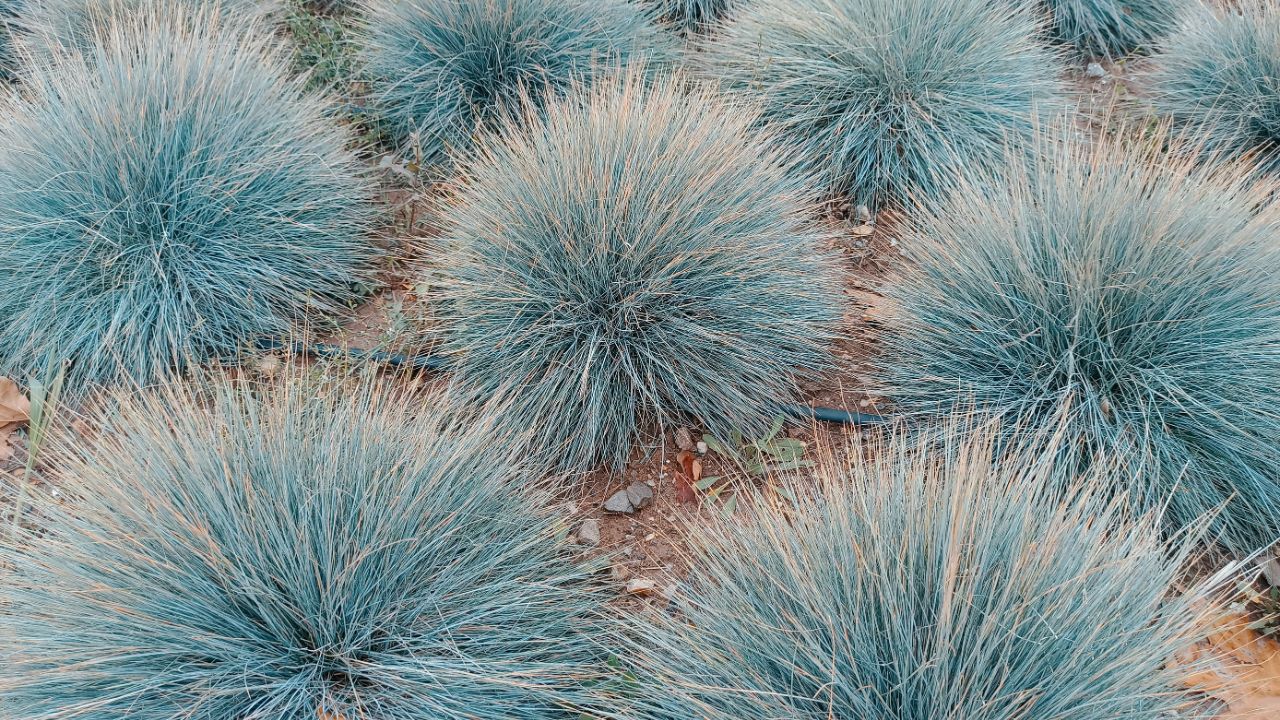
Blue fescue (Festuca glauca) is a clump-forming ornamental grass known for its icy-blue foliage. It offers year-round texture in poor soil gardens.
- Why it’s hardy: It thrives in dry, infertile soil and doesn’t need much water or attention to look great.
- Tolerates: Sandy, rocky, or compacted soil with good drainage.
- Care tip: Cut back in late winter to encourage fresh, tidy growth in spring.
Ultimately, if you have poor soil or aren’t the best at tending to plants, these are all great potential options!
Read more:
No Soil, No Problem: 15 Houseplants That Only Need Water to Grow
29 Ground Cover Plants For Clay Soil You’ll Love