8 Low-Maintenance Perennials Every Gardening Enthusiast Should Plant
If you love gardening but don’t enjoy the constant upkeep, low-maintenance perennials are the secret to a beautiful yard without the burnout. The right plants will return year after year, fill your beds with color, and ask very little in return, with no deadheading, staking, or fussy winter prep. Just reliable beauty that gets better with time.
Some of the most popular perennials sold as “easy-care” are anything but. Lavender in humid clay soil, astilbe in full afternoon sun, and delphiniums anywhere that gets wind are all recipes for frustration, not low maintenance. A truly low-maintenance perennial isn’t just one that comes back every year; it’s one that thrives in your specific conditions without you fighting its nature the whole time.
The key is choosing plants suited to your USDA Hardiness Zone, sun exposure, and soil type. Once established, the perennials below largely take care of themselves — making them ideal for busy gardeners, beginners, or anyone looking to spend more time enjoying their yard and less time laboring over it.
1. Sedum
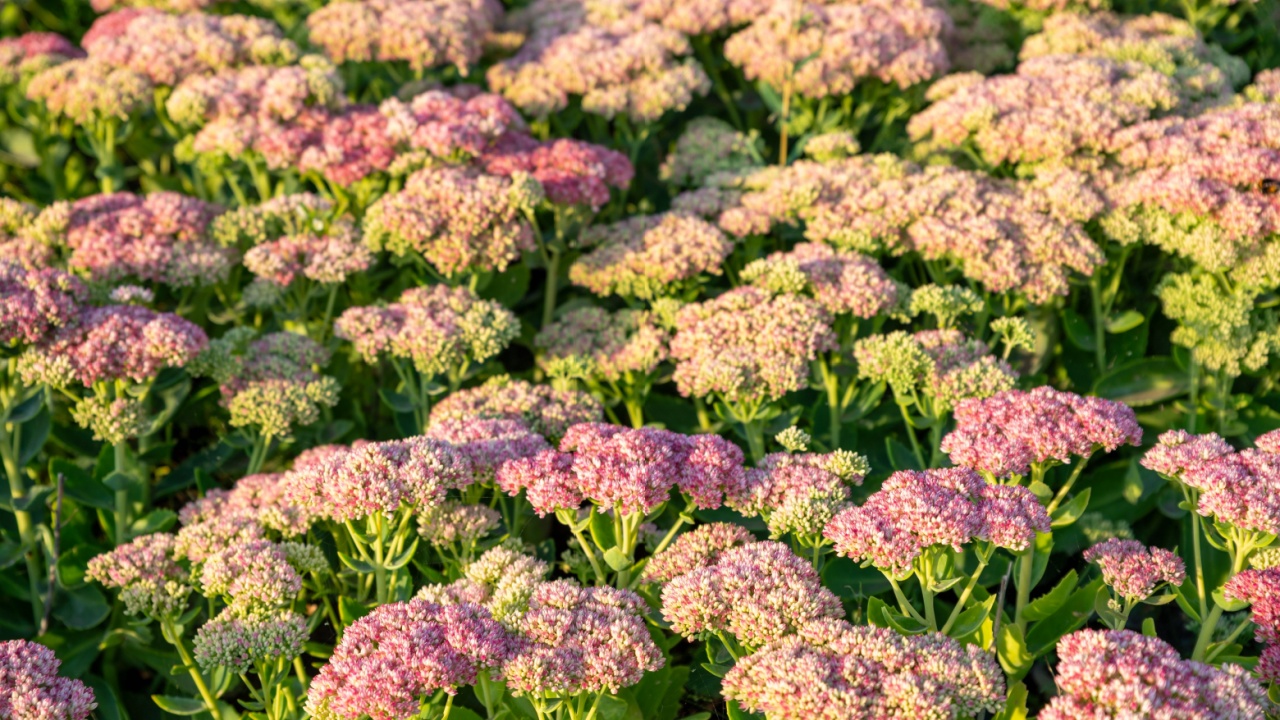
If I had to choose only one nearly indestructible, low-maintenance perennial to have in my garden, it would be sedum.
These succulent-like plants store water in their fleshy leaves, making them exceptionally drought-tolerant. Upright varieties such as ‘Autumn Joy’ produce rosy flower heads that deepen into rich crimson in the fall, according to NC State Extension. Growing 1-2 feet tall and wide, sedum is best suited to Zones 3-9.
To maintain its shape, sedum should be cut or pinched back in the early spring.
2. Yarrow
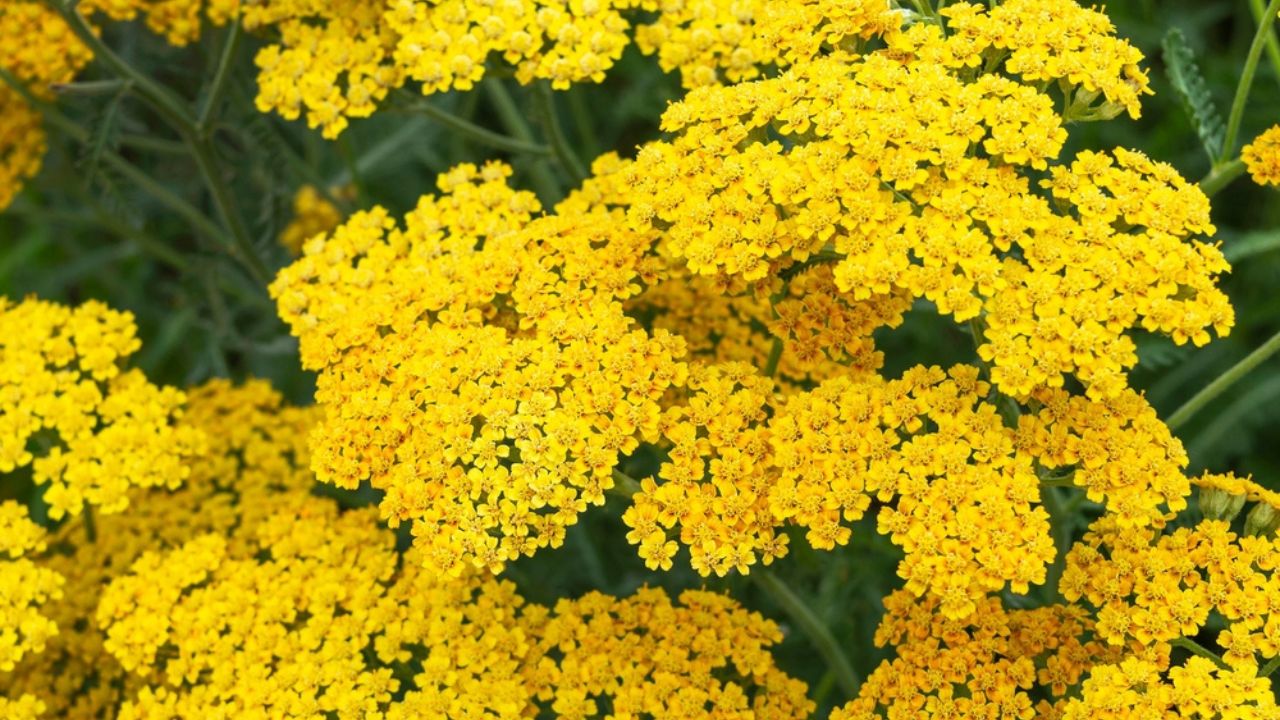
Yarrow is a sun-loving perennial that truly thrives on neglect. It grows happily in sandy, loamy, or even clay soil and doesn’t require supplemental fertilizer.
Flat-topped flower clusters bloom in shades of yellow, white, pink, and red, attracting bees and butterflies all summer long. Deadheading can encourage reblooming, but even without it, yarrow holds its own in tough conditions.
It’s an excellent choice for water-wise gardening or meadow-style borders. Like sedum, yarrow is also best suited to Zones 3-9.
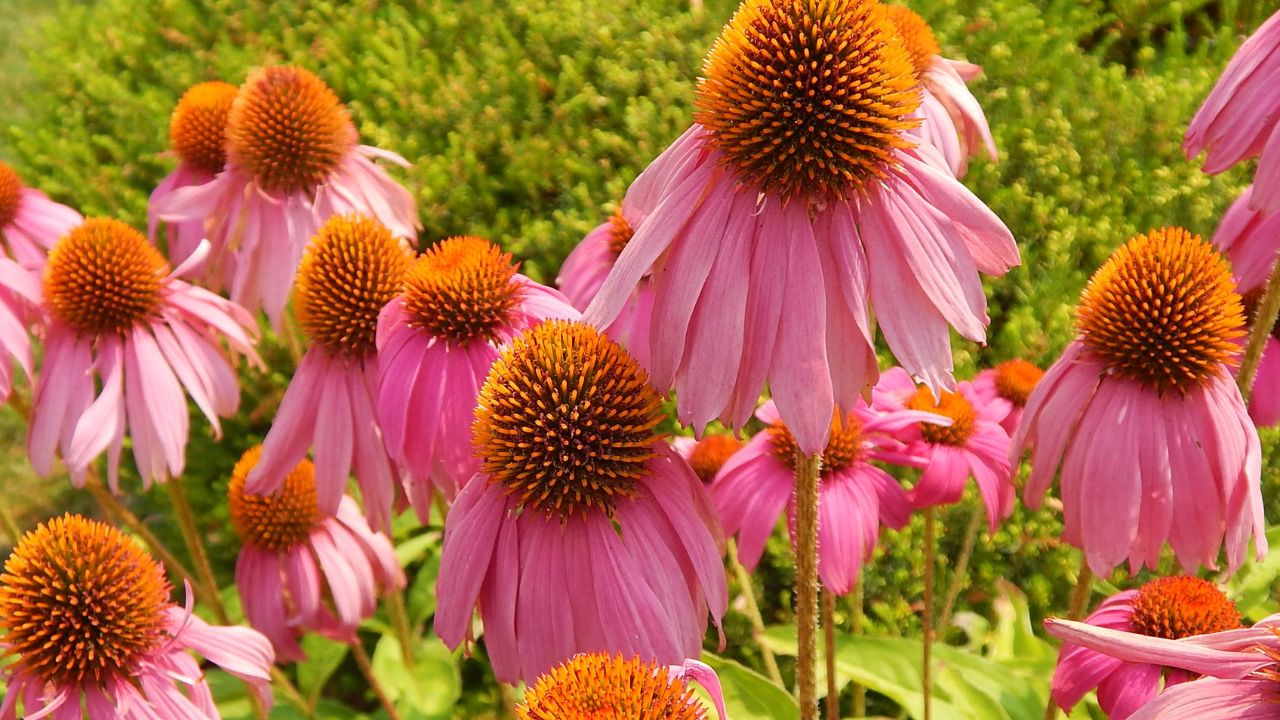
3. Purple Coneflower (Echinacea)
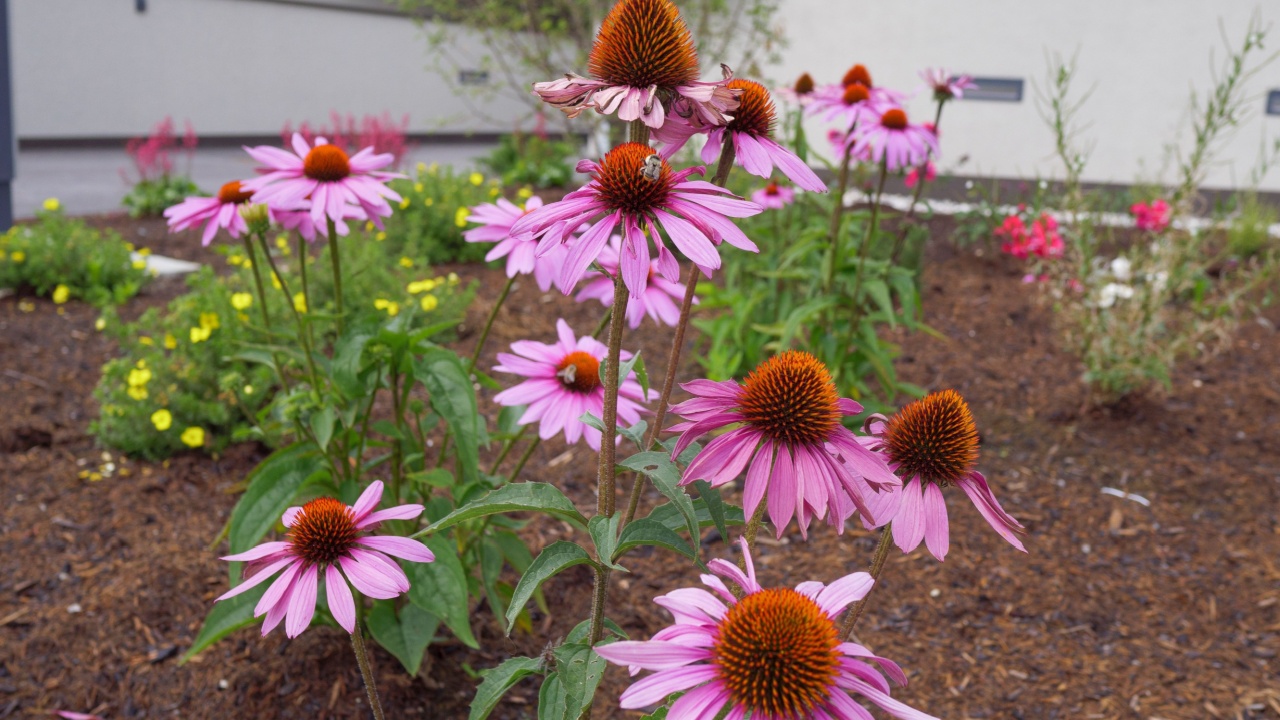
A native prairie favorite, purple coneflower combines beauty and resilience.
This hardy perennial tolerates heat, drought, and poor soil once established in Zones 3-9. It also supports pollinators and songbirds, adding ecological value to your garden.
Because it forms sturdy upright clumps, it rarely needs staking. Leave seed heads in place through fall for winter interest and wildlife support.
4. Black-Eyed Susan
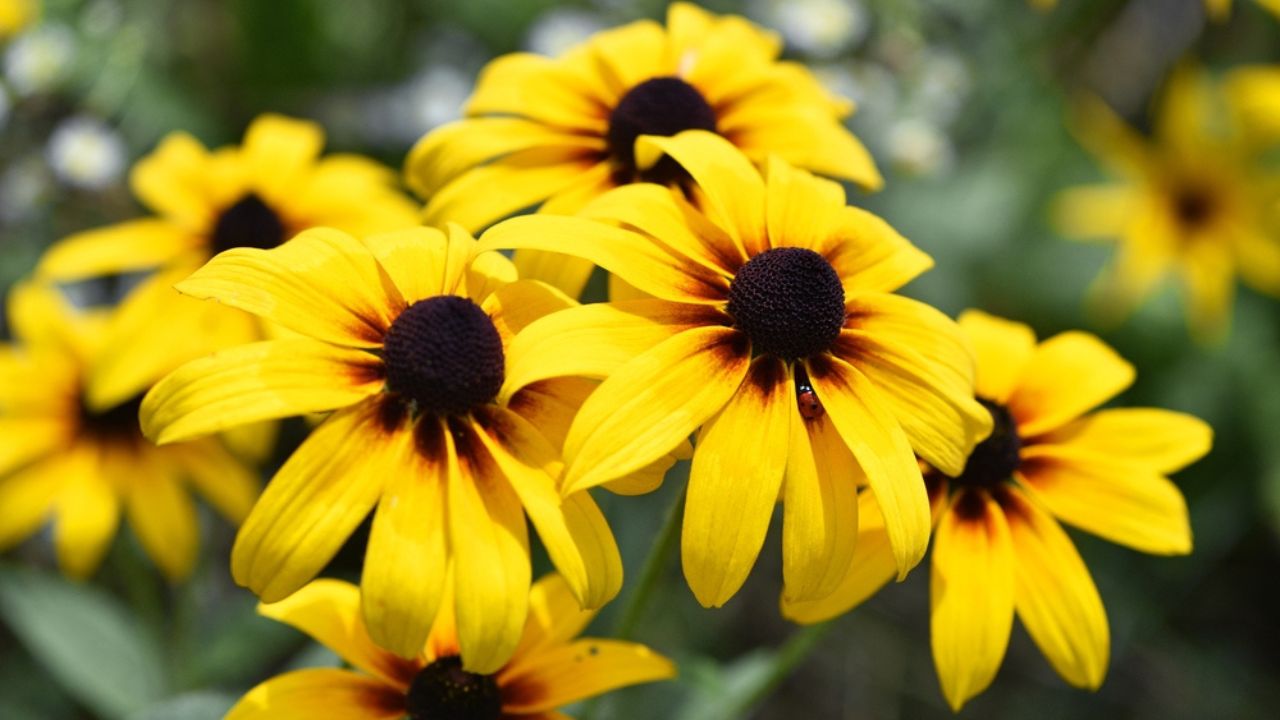
Few flowers are as cheerful and forgiving as black-eyed Susans.
These bright golden blooms thrive in full sun and tolerate less-than-ideal soil. Naturalized to Zones 3-9, black-eyed Susans have few pests or diseases, and need little or no maintenance except for deadheading.
They do spread, so give them room, says Catherine Boeckmann of the Old Farmer’s Almanac. Black-eyed Susans are best suited in larger beds or cottage-style gardens, where naturalizing habit is an asset.
5. Asters

If you want low-maintenance perennials that extend your gardening season, plant asters.
Ray Larson of the University of Washington Botanic Gardens describes Frikart’s aster as disease-resistant with blooms that flower nonstop from July to the first frost, adding that “there is no staking required.”
Many aster varieties are hardy in colder zones and tolerate partial shade, making them versatile additions to borders and woodland edges.
6. Hostas
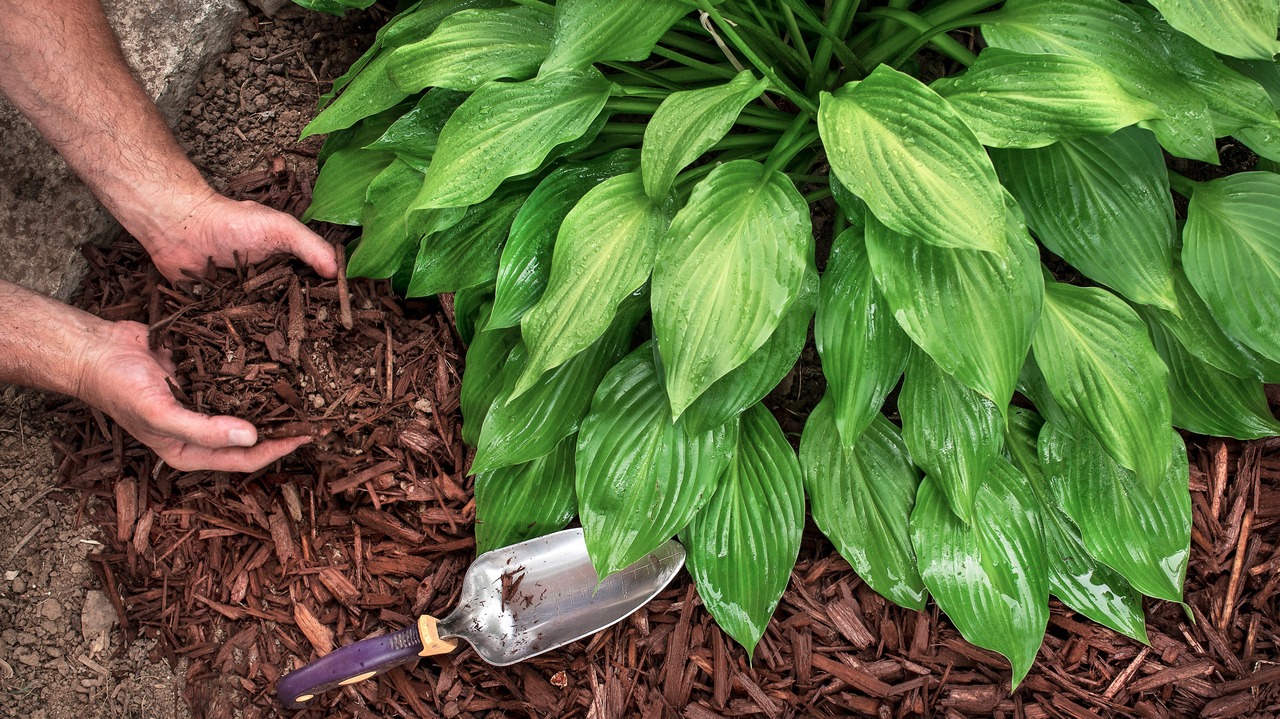
Not every garden is sunny, and that’s where hostas shine.
These foliage-focused perennials thrive in partial to full shade and are prized for their bold leaves in greens, blues, and variegated patterns. They’re long-lived, adaptable, and incredibly forgiving.
While slugs can occasionally be an issue, hostas otherwise require very little intervention beyond dividing every few years.
7. Salvia
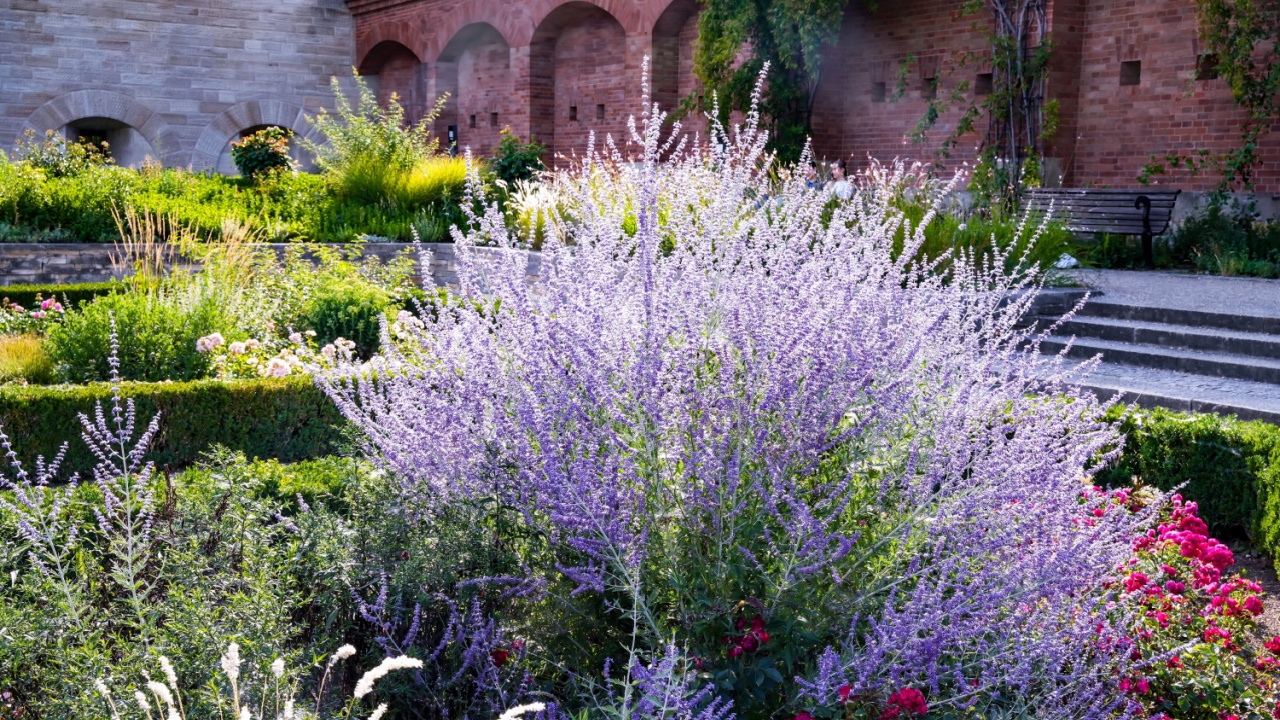
Salvia offers upright spires of purple, pink, red, or blue blooms and performs beautifully in sunny beds.
When planted in well-drained soil, it becomes almost carefree. Salvia is drought-tolerant, resistant to pests and deer, and blooms for an extended period. A light trim after flowering often encourages another flush.
For gardeners who want reliable color without constant tending, salvia is a standout.
8. Hellebores
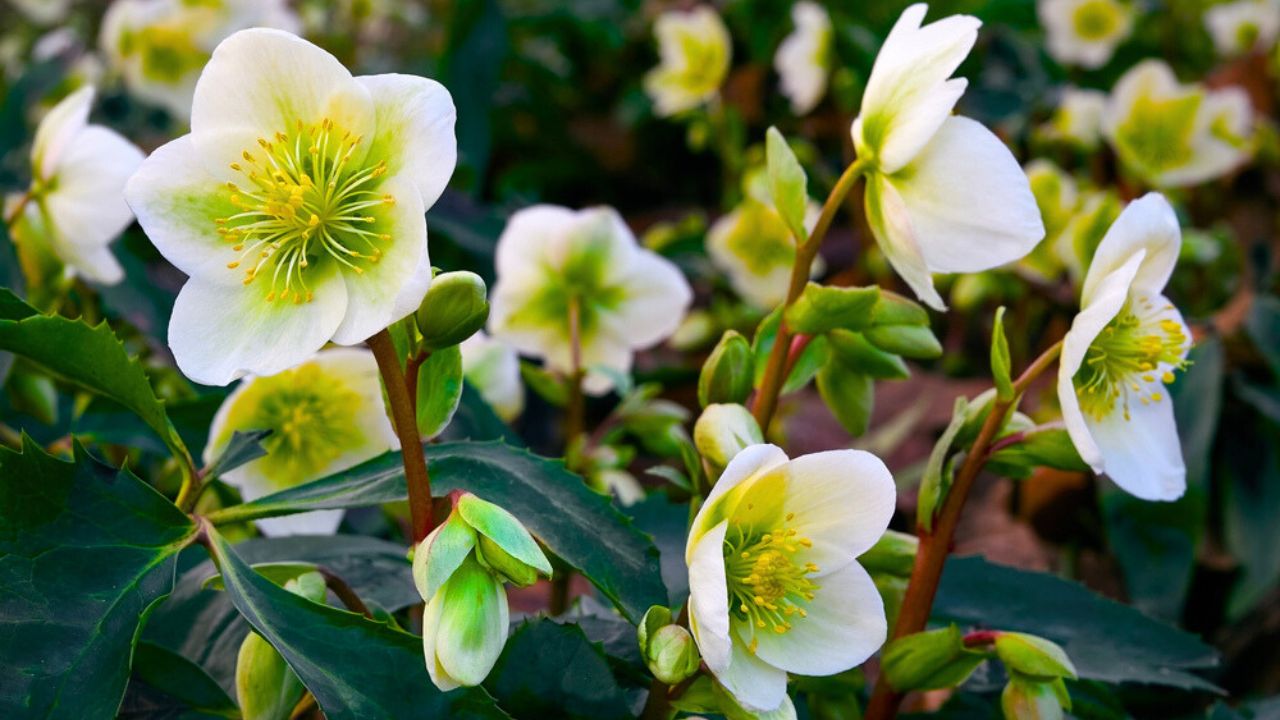
For early-season interest, hellebores are invaluable.
These tough perennials bloom in late winter to early spring, when little else is awake. They tolerate partial shade, resist pests and diseases, and adapt to a range of soils as long as drainage is good.
Once settled in, hellebores require little beyond removing old foliage to highlight fresh blooms.
How to Make Low-Maintenance Perennials Even Easier

As a Master Gardener, the biggest mistake I see in home gardens is overcomplicating things. Choose plants suited to your conditions, give them a strong start, and then step back.
To truly simplify your gardening routine:
- Plant according to the sun and soil needs.
- Group perennials together with similar water requirements.
- Mulch to suppress weeds and conserve moisture.
- Allow plants room to reach their mature size.
Low-maintenance perennials are the backbone of smart gardening. They bring dependable color, structure, and pollinator support year after year, without demanding constant attention.
Read More
Washing Your Lettuce Won’t Remove Cyclosporiasis, But Growing Your Own Will
Your Grandmother Stored These 8 Foods All Winter Without Canning a Single Jar