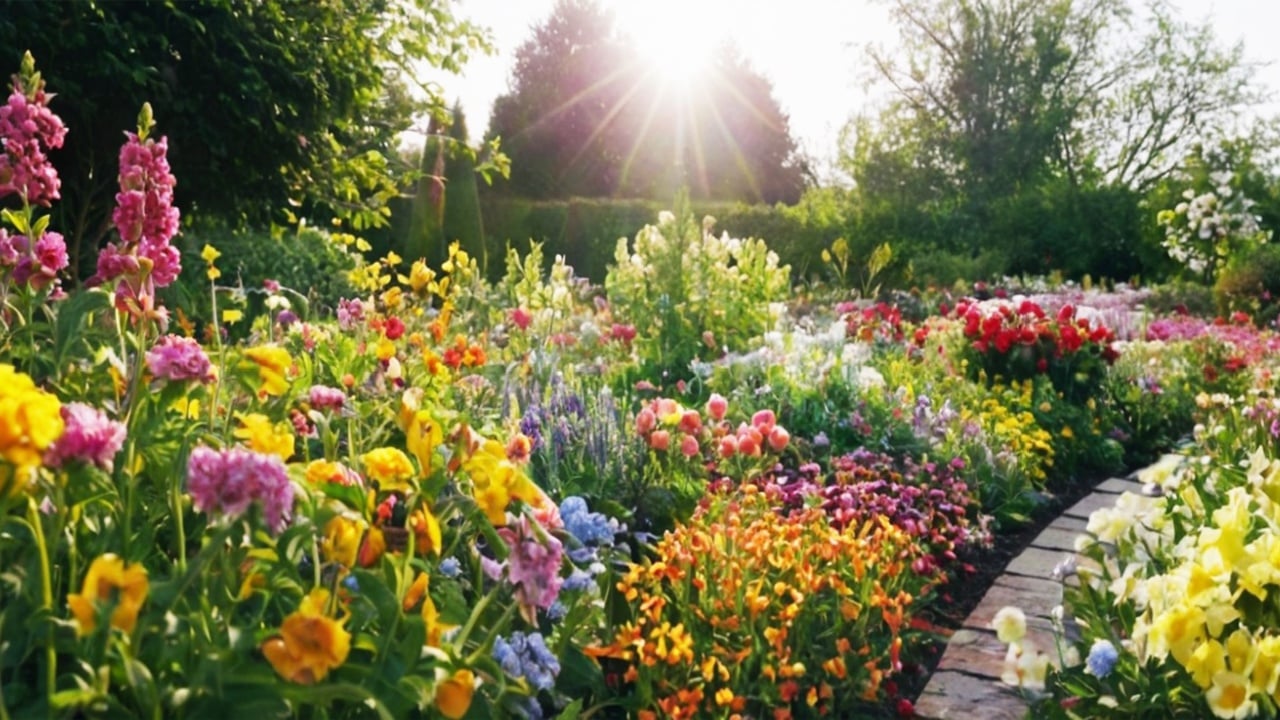
8 Easy Flowers to Grow From Seed (And Tricks That Make Them Bloom All Summer)
There’s something quietly thrilling about planting a seed. You press it into the soil, water it in, and then you wait. For a first-time gardener, that waiting can feel uncertain. Did it work? Is anything going to happen?
With the right flowers, the answer is almost always yes. The easiest flowers to start from seed are also some of the most generous, forgiving, and beautiful plants in the garden, and many of them bloom within weeks of planting, no experience required.
Why Starting Flowers From Seed Is Worth It

Before you reach for a nursery tray this spring, consider what a seed packet offers instead: dozens of plants for a fraction of the cost, access to varieties that never make it to garden center shelves, and the deeply satisfying experience of growing something from nothing. Many easy annuals bloom all season long, and some even reseed to return the following year entirely on their own.
Annuals, flowers that complete their life cycle in one season, are the best starting point for beginners because they bloom the same year that you plant them. Two approaches apply to most of the flowers on this list: direct sowing (pressing seeds straight into garden beds, no equipment needed) or starting indoors a few weeks before the last frost for earlier blooms.
The One Thing to Know Before You Start
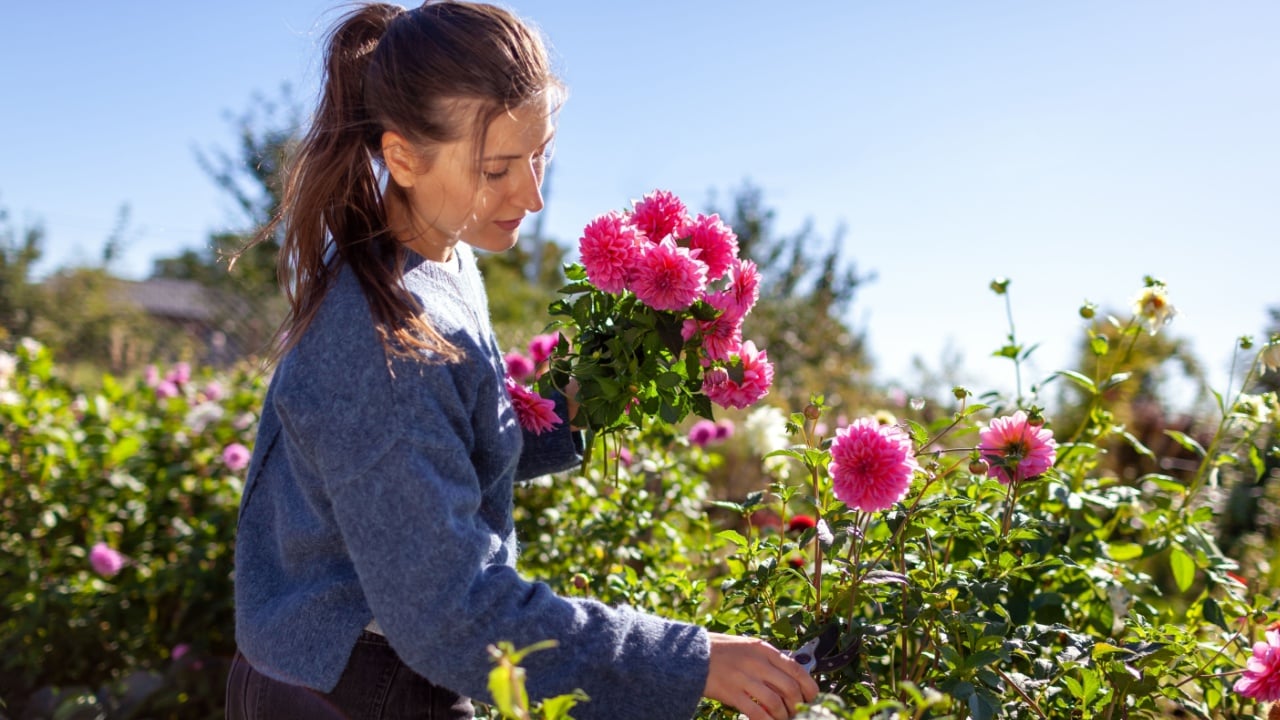
One number unlocks most seed-starting questions: your last frost date. It tells you when it’s safe to direct sow warm-season flowers outside and when to count backward for indoor seed starting.
Find your last frost date by zip code using the Farmer’s Almanac frost date tool, then read the back of your seed packet, which contains specific seed starting instructions. As the Old Farmer’s Almanac advises, “seed starting can feel mysterious and daunting, but when you find success with even just one flower, then it becomes a true source of joy and pride.”
The Easiest Flowers to Direct Sow- 1. Zinnias
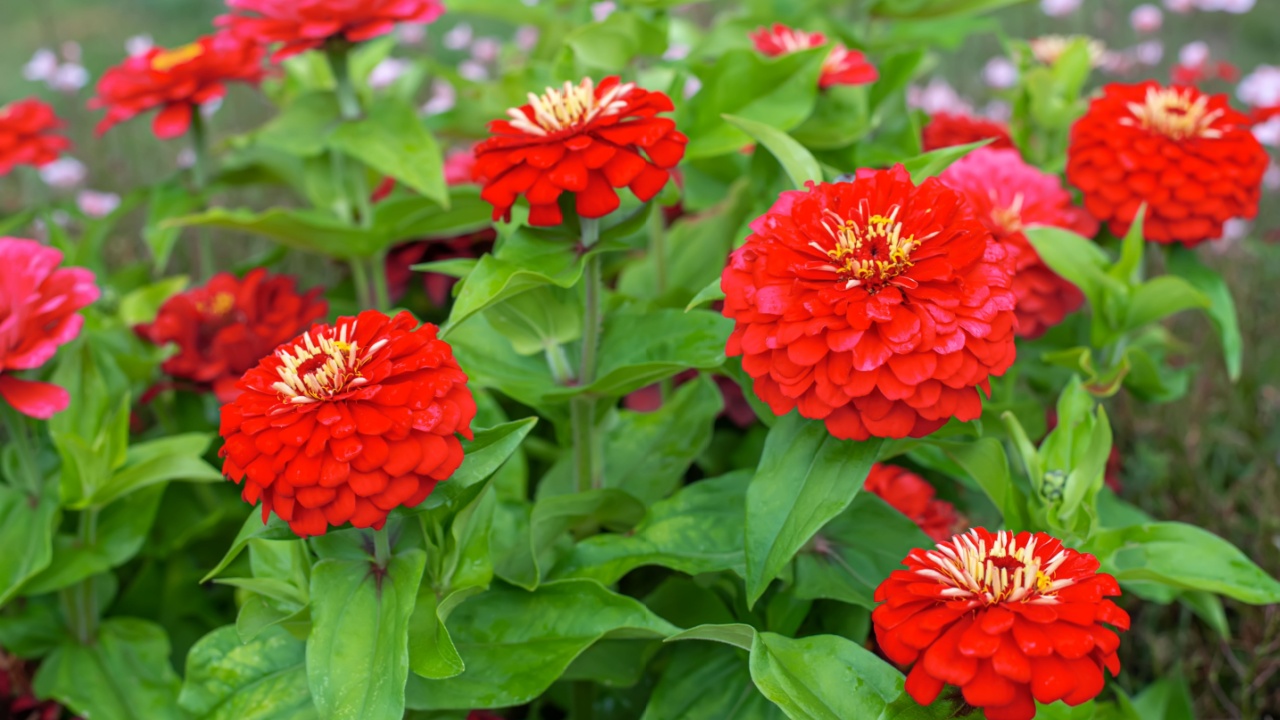
If you could only grow one flower from seed this year, make it a zinnia. Fast, reliable, and available in nearly every color from white to deep burgundy, they are the gold standard for beginner seed starting. Patti Stefanick, propagator and grower at Longwood Gardens, says in Martha Stewart: “Zinnias grow quickly and bloom within weeks, making them ideal for direct sowing.”
Wait until the soil is warm and all frost risk has passed, then press seeds directly into the garden. The one technique that separates a good zinnia season from a great one: deadheading. Remove spent blooms regularly, and the plant will respond with a fresh flush of flowers. The more you cut, the more it gives.
2. Sunflowers

Sunflower seeds are large, easy to handle, and nearly impossible to plant incorrectly. Press them about half an inch into the soil after the last frost, keep them watered, and watch them go. Damon Abdi, assistant professor of landscape horticulture at Louisiana State University, notes in Martha Stewart that “sunflowers grow very rapidly, producing the popular blooms just a couple months after planting.”
Varieties range from compact dwarf types to towering giants, and both are equally simple to grow. One practical tip: birds find seeds quickly after planting. Cover them lightly until germination and the seed coat has fallen away.
3. Cosmos
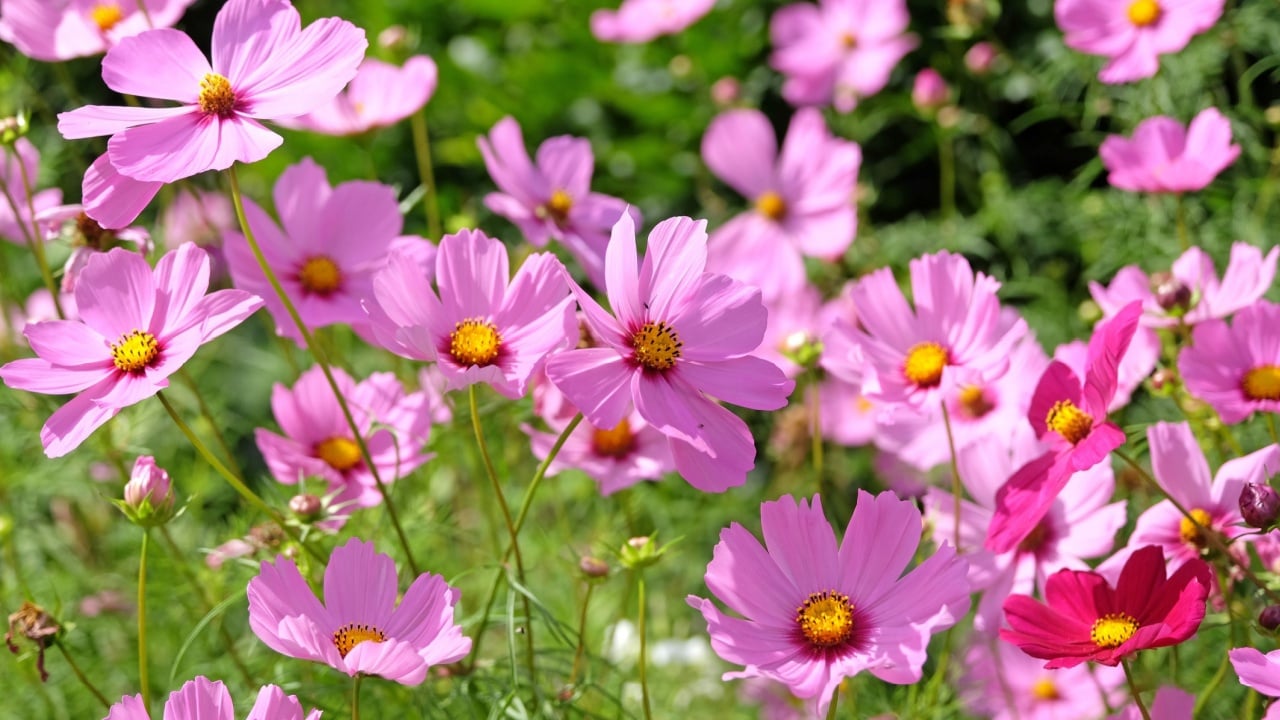
Cosmos are the definition of carefree. They tolerate poor soil, require almost no watering once established, and bloom continuously from midsummer until the first frost. As Jenny Hughes of The Spruce notes, cosmos “make good cut flowers for bouquets, and they bloom all summer long. They’re annuals but typically will self-seed.” Direct sow after the last frost and thin seedlings as they emerge.
One tip experienced gardeners swear by: pinch the growing tip of a young cosmos plant early in its life. It branches out in response, producing far more flowers per plant across the season.
4. Nasturtiums
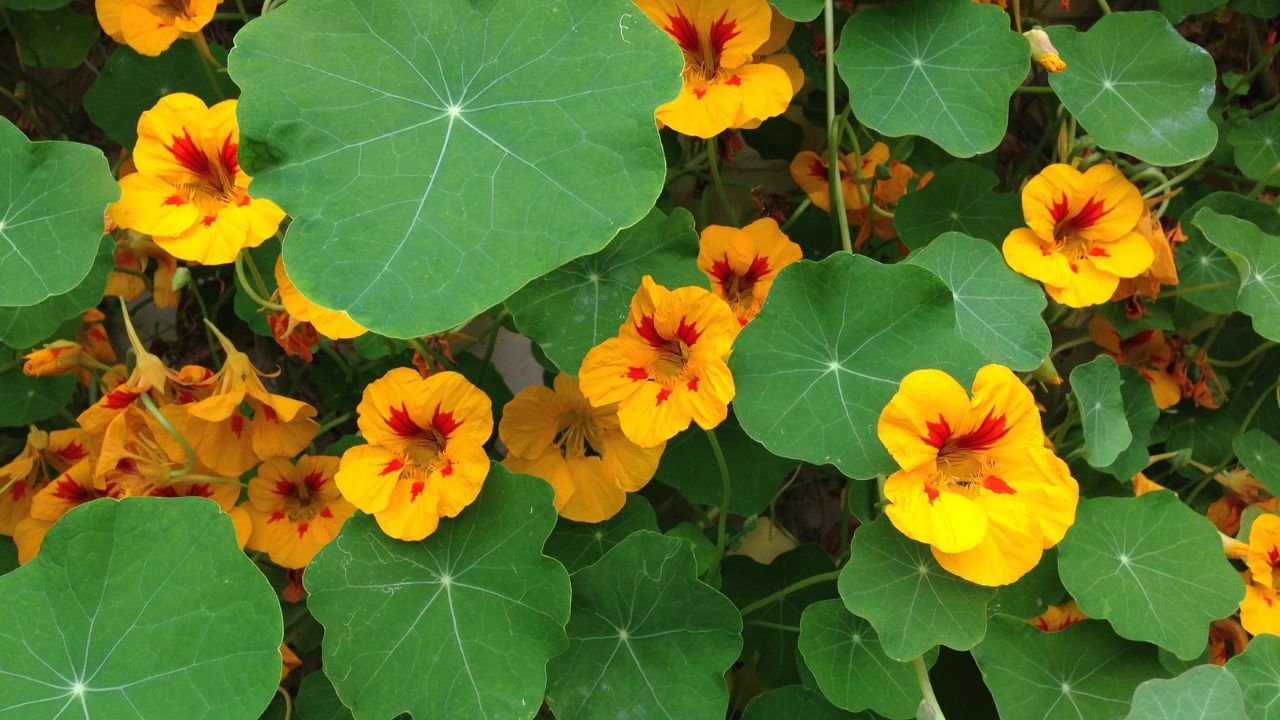
Nasturtium seeds are large, round, and satisfyingly easy to handle. They germinate quickly, require no special preparation, and thrive in conditions that frustrate other flowers, such as poor soil, minimal fertilizer, and direct sun. Over-fertilizing actually produces more leaves and fewer flowers, so plant them in your least-amended bed. Nasturtium flowers and leaves are edible, adding a peppery brightness to summer salads.
As Katherine Rowe at Epic Gardening notes, nasturtiums are “beginner-friendly seeds” that are “quick to flower without special germination requirements.”
Flowers Worth Starting Indoors- 5. Marigolds
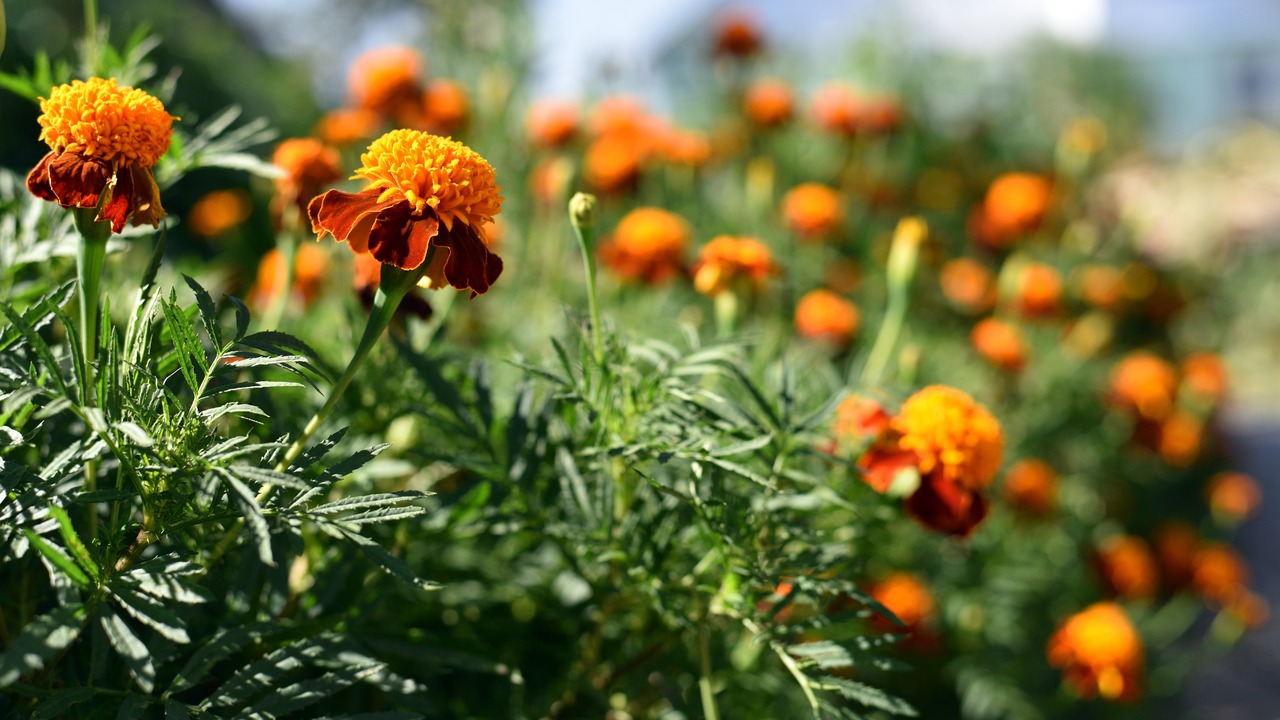
Marigolds are as close to foolproof as seed starting gets. They germinate reliably, bloom within weeks, deter pests from neighboring plants, and attract pollinators all season. Start them indoors 4–6 weeks before your last frost or direct sow after frost passes; both approaches will work.
As Katherine Rowe at Epic Gardening notes, French marigolds “grow easily from seed and thrive until heavy frost, making them perfect for beginner gardeners.” Deadhead regularly to keep flowers coming through the season.
6. Snapdragons
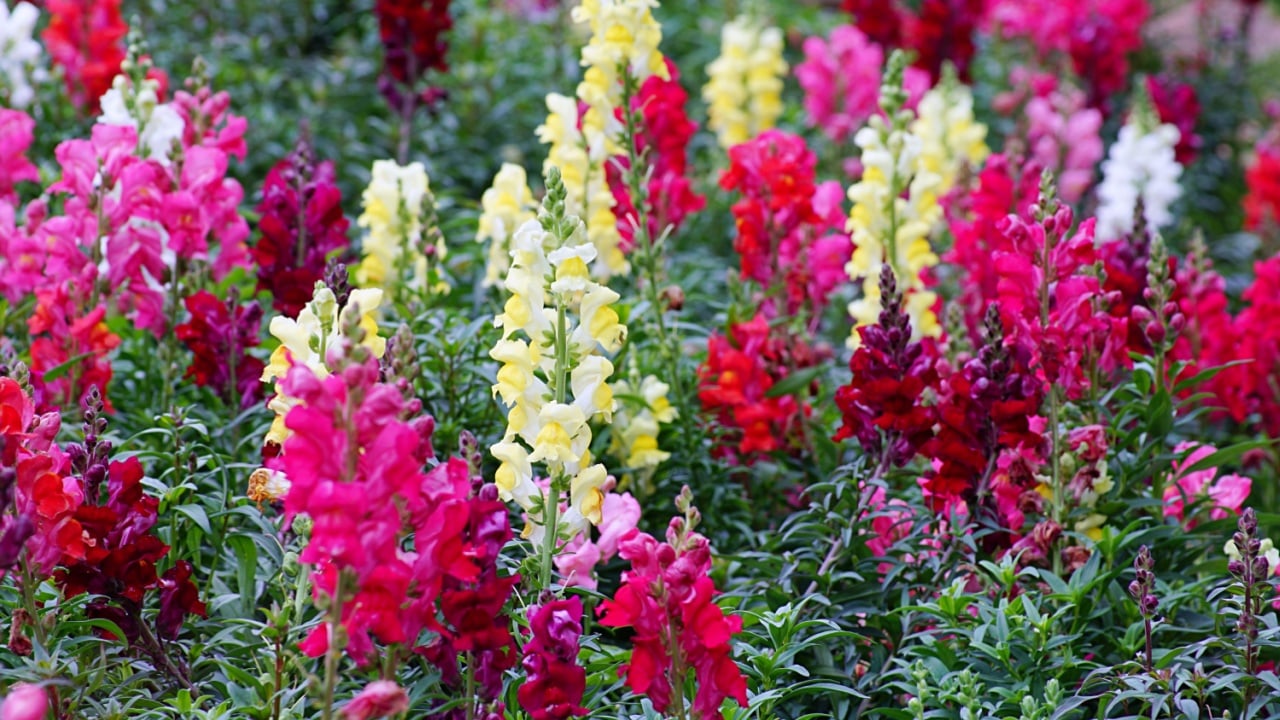
Snapdragons have a reputation for difficulty that isn’t deserved. The seeds are tiny, nearly the size of pepper specks, but they germinate readily when sprinkled on top of moist seed-starting mix in a warm, bright spot.
Start them indoors 6–8 weeks before your last frost for strong transplants ready when the garden opens up.
7. Sweet Alyssum
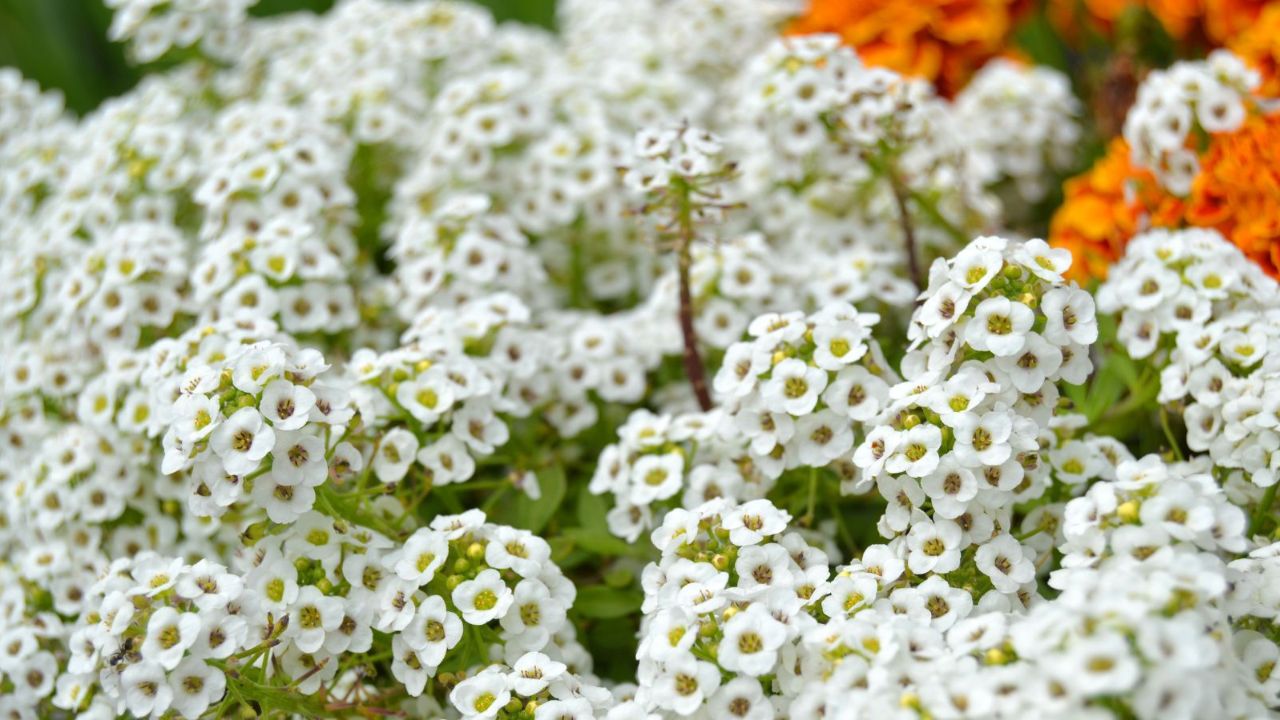
Sweet alyssum is one of the simplest flowers to establish from seed. Surface-sow it directly in a bed or container, or start indoors for earlier blooms. It spreads into a low, honey-scented carpet of tiny flowers that looks beautiful along borders and container edges.
Sweet alyssum self-seeds freely and often returns the following season without replanting.
8. One Native Perennial Worth Adding: Black-Eyed Susan
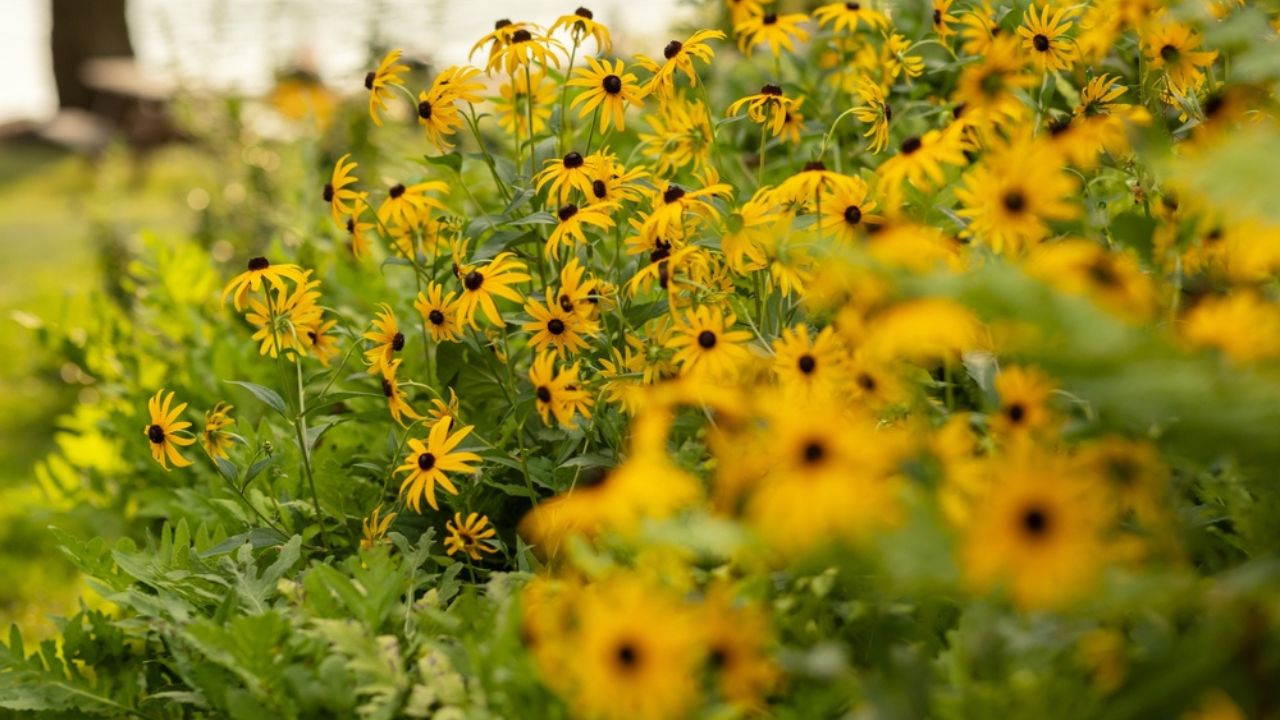
Most perennials don’t bloom in their first year from seed, but black-eyed Susans are an exception worth noting. These cheerful native flowers can bloom in their first season and return reliably year after year with almost no maintenance.
Annette Thurmon at Azure Farm Life describes them as “popular native flowers that are not fussy and work in any landscape and have a long bloom time.” Plant in full sun and well-drained soil, and they’ll reward you with golden blooms that attract butterflies, bees, and birds from midsummer through fall.
Start Small, Start Now

The best advice for any beginner isn’t about technique; it’s about scope. Pick one or two flowers from this list. Plant them. Watch what happens. Every experienced gardener started exactly where you are now, with a packet of seeds and a little uncertainty.
Something will grow. And when it does, you’ll already be planning what to plant next year.
Read more
9 unforgettable US botanical gardens worth traveling for
The Best Free Garden Planning Tools for 2026 (No Subscriptions Required)