Start These 8 Slow Growing Seeds Long Before Spring
It’s February. The garden beds may still be frozen, but if you want peppers in July and lavender in bloom by summer, now is the time to get started.
When you flip over a seed packet and see “germination: 14–30 days,” that clock starts now—not in April.
Some seeds simply take their time. Long-season crops like peppers and eggplant need weeks to sprout, and then another 8–12 weeks of growing before they’re ready to transplant outdoors after your last frost. As Sarah Jay of Epic Gardening explains, January and February are ideal to start seeds that “take at least two weeks to emerge, and up to over a month.” Starting early ensures seedlings are strong and ready to plant outside when soil temperatures warm.
Counting backward from your last frost date gives you your true planting window. If your final frost falls in mid-April, February is prime time for slow starters.
Why Some Seeds Take So Long

Slow germination isn’t a defect; it’s built-in protection.
Over thousands of years, plants have adapted so their seeds wait out cold winters, dry spells, or fluctuating temperatures until moisture and soil warmth signal it’s safe to grow. Tough outer seed coats, specific light needs, and precise temperature cues all act as safeguards, preventing premature sprouting.
In chilly soil, seeds often sit quietly, conserving energy. In steady warmth, they respond and begin to grow. That’s why these 10 slow-to-germinate seeds deserve an early start in your February seed trays.
1. Parsley (2–4 Weeks)

Parsley has earned its reputation as a slow sprouter. Nicole Burke from the Gardenary notes that parsley “can take up to a month” to germinate due to its tough outer seed shell.
Pre-soaking seeds in warm water for 24 hours before planting can help speed things up, but even then, patience is required.
Since parsley prefers cooler conditions, you can transplant it outdoors earlier than warm-season crops and sometimes even before your final frost. You’ll want to account for this if you are working backward from your last frost date to determine your parsley seed starting window.
2. Rosemary (3–4 Weeks or More)
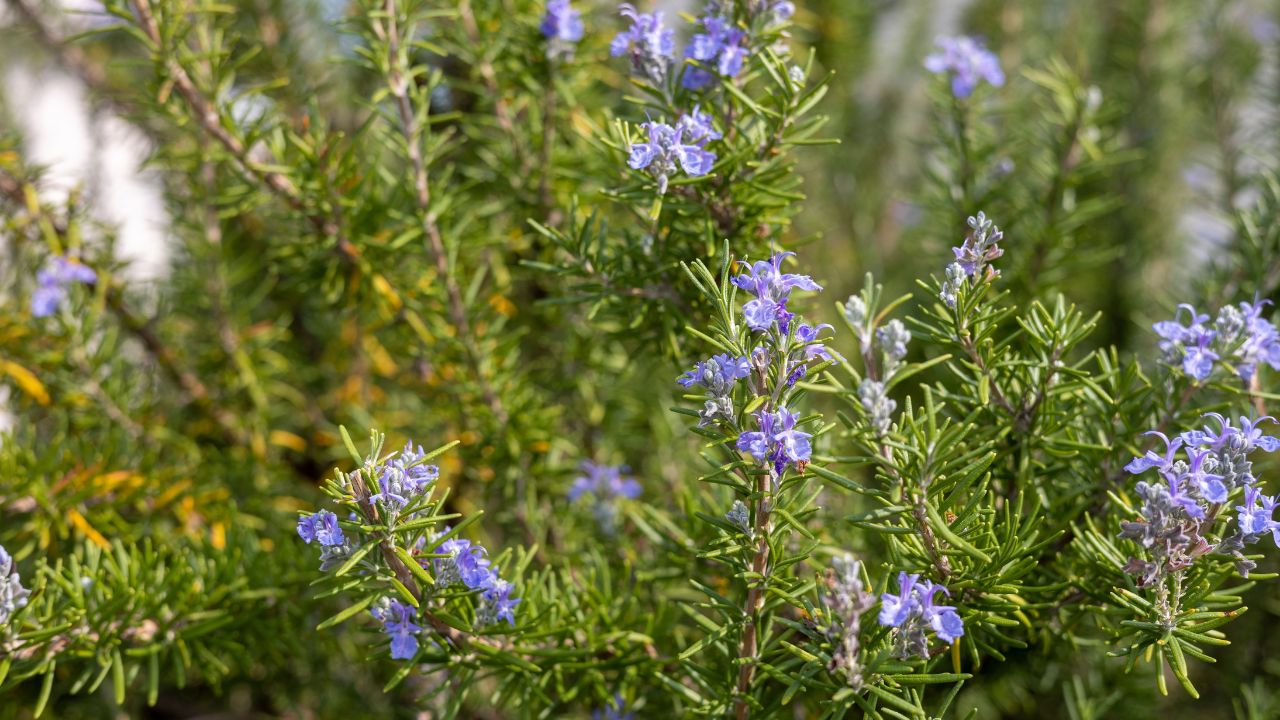
Starting rosemary from seed is a true test of patience. Germination may take up to three to four weeks, and germination rates can often be low.
Rosemary germinates best in warm soil (around 70–75°F) and should be pressed onto the top of the soil surface rather than buried. If you want rosemary plants ready to establish before summer heat sets in, February is the time to begin.
If you decide to forgo starting rosemary from seed, you might consider propagating. With higher success rates than germination, propagation is often a favored alternative for many gardeners.
3. Peppers (2–6 Weeks)
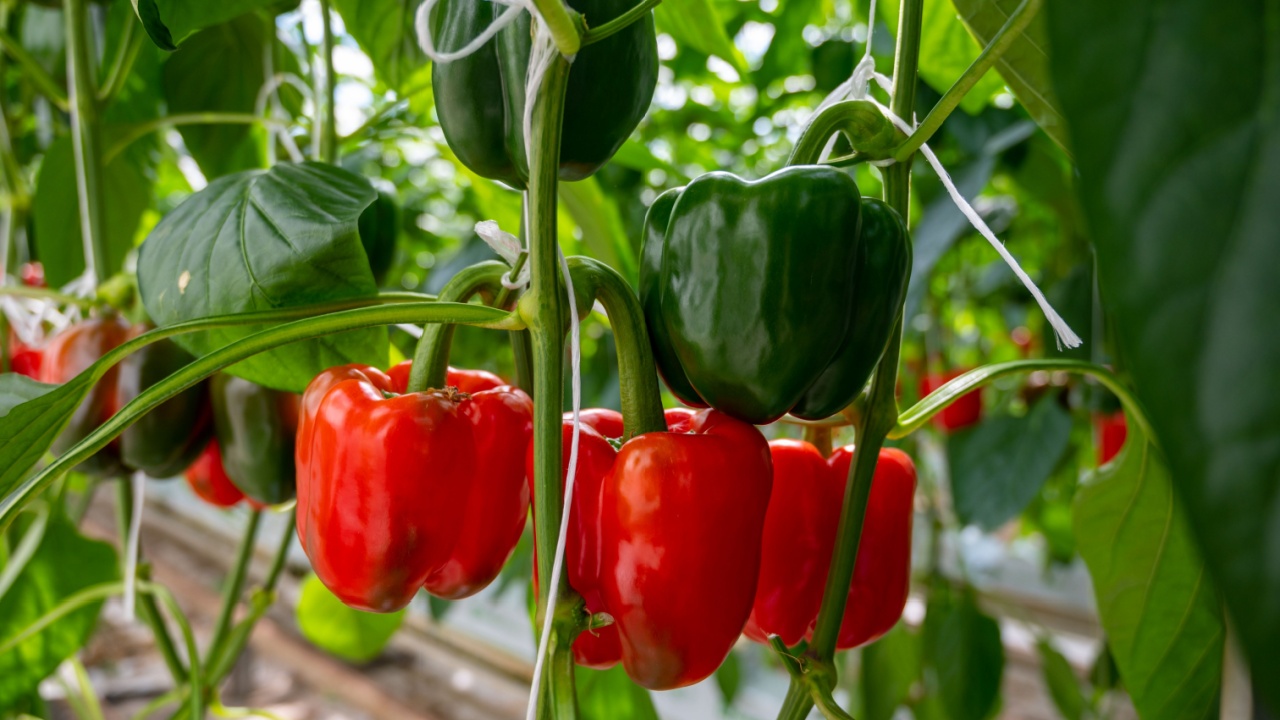
Both sweet and hot peppers can be a bit unpredictable when it comes to germination rates. Peppers need several weeks in warm soil to germinate and begin growth, especially if soil temperatures fall below their preferred 80–85°F range.
Hot peppers often take longer than sweet varieties. Because peppers are long-season crops, starting them in February helps ensure full harvests before autumn. This is especially important if you live in a region with a shorter growing season (like USDA Plant Hardiness Zones 1-7).
4. Eggplant (2–3 Weeks)
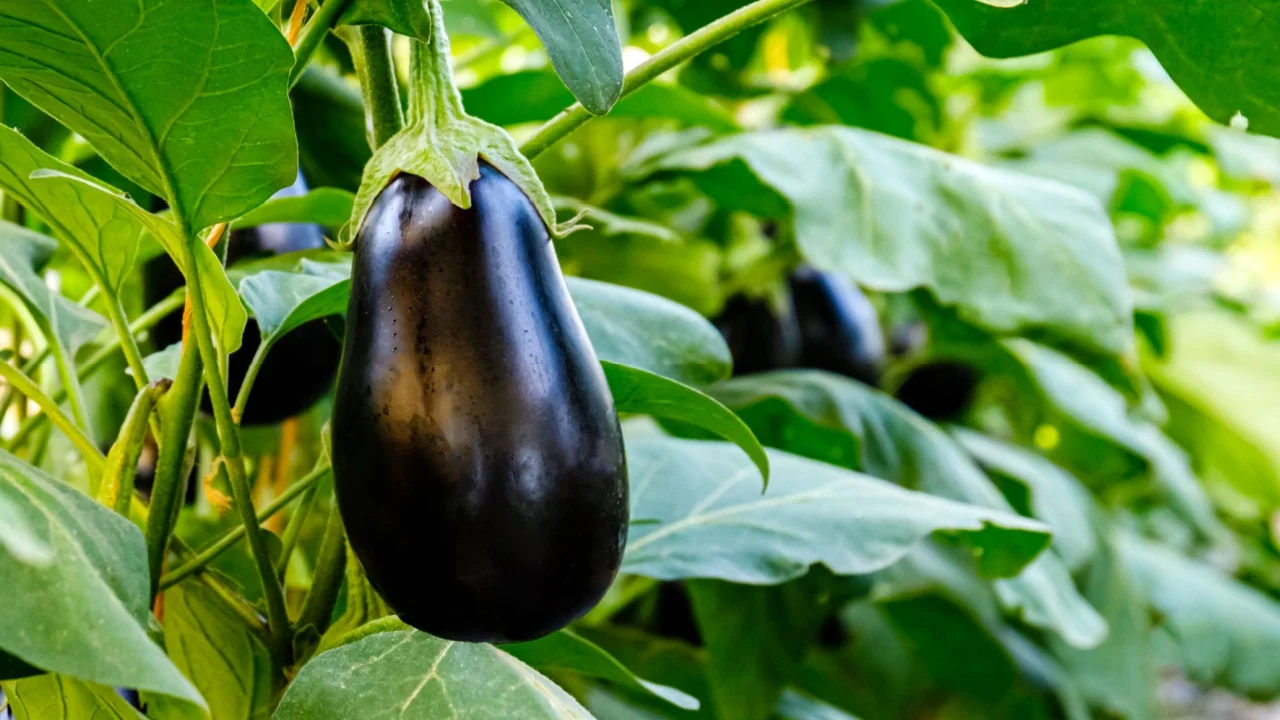
Eggplants follow closely behind peppers in their germination requirements. They sprout best in soil between 80–85°F and may take two to three weeks to emerge.
Like peppers, eggplants need a long growing season. Early indoor starts are essential if you want mature fruit before fall, so be sure to give eggplant the extra time it needs to germinate and establish before planting outdoors.
5. Celery (15–30 Days)
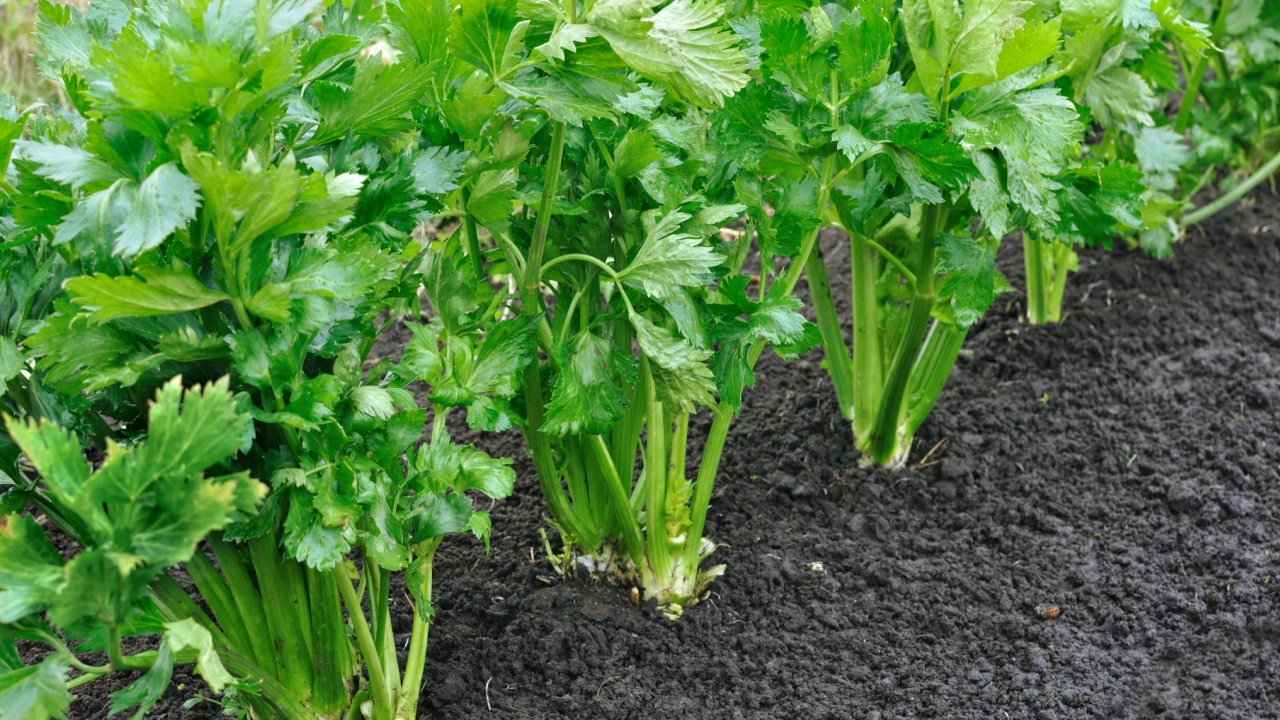
Celery is another slow sprouter, often taking up to a month to sprout. It also requires light to germinate, meaning seeds should be pressed gently onto the top of the soil surface rather than covered.
Because celery grows slowly even after germination, February (or even January) sowing aligns well with transplanting after your last frost date.
6. Parsnips (2–3 Weeks)
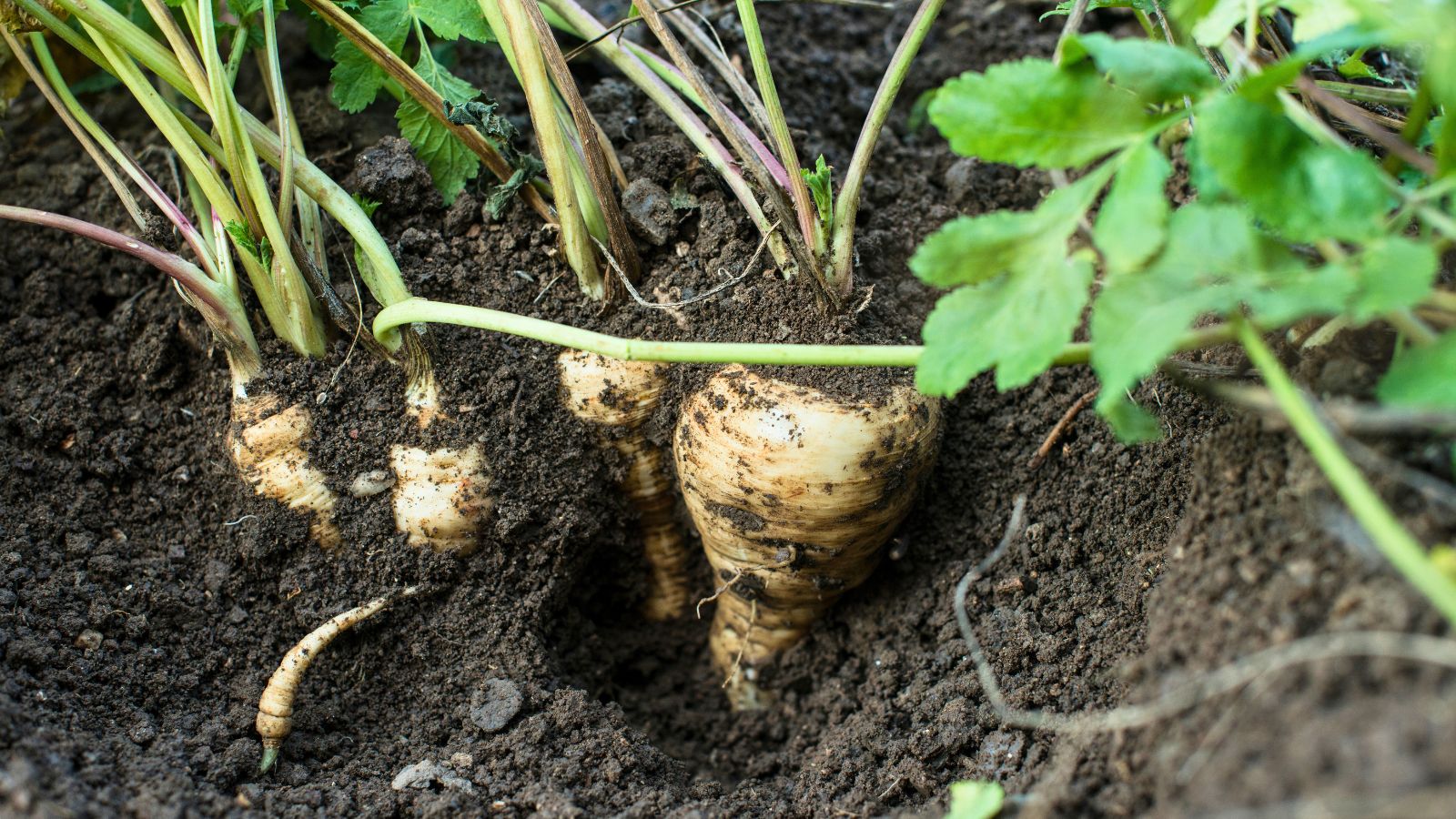
Parsnips belong to the same family as carrots and parsley, called the Apiaceae family, which is known for slow germination rates.
Parsnips prefer cooler soil (50–70°F) and are best direct-sown outdoors in early spring. However, knowing they may take several weeks to sprout prevents premature re-sowing in frustration. Always use fresh seed, as viability drops quickly.
Work backwards from your last frost date to determine when you should plant parsnips outside.
7. Carrots (10–25 Days)
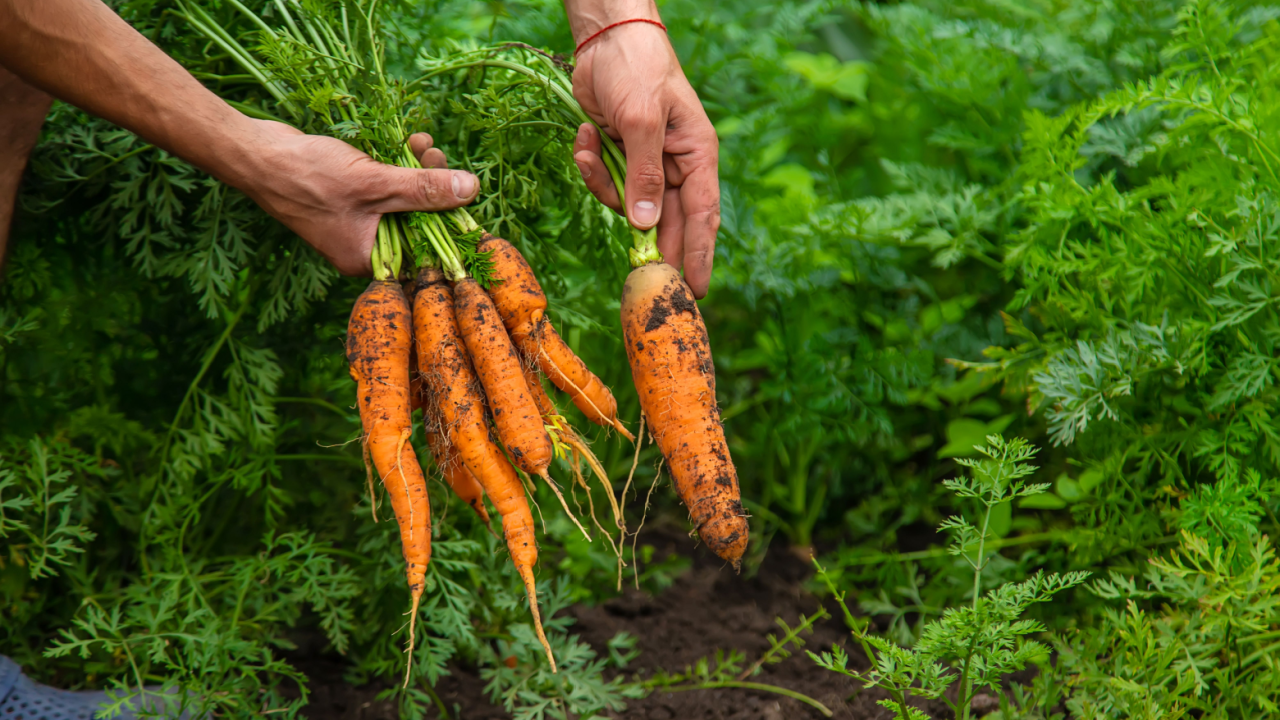
Carrots don’t transplant well and, like parsnips, should be direct-sown outdoors 2–4 weeks before your last frost date. They often take up to three weeks to germinate and require consistent moisture during that time.
Keeping soil evenly damp, without washing tiny seeds away, is the key to success.
Similar to parsnips, you’ll want to work backwards from your last frost date to determine when it is appropriate to start carrot seeds outdoors.
8. Lisianthus (3+ Weeks)

Lisianthus is beloved for its rose-like blooms, but it is famously slow to germinate and start growing.
Best practice is to sow lisianthus 10–12 weeks before your last frost date. Some seeds may sprout in 10–15 days, but they can take three weeks or more under cooler conditions, according to Sarah Jay of Epic Gardening.
Count Backward From Your Last Frost Date

The key to growing seeds that take a long time to germinate is simple: work backward from your last frost date.
If your final frost falls in mid-April, February is your window for starting peppers, eggplant, rosemary, lavender, and lisianthus. Cool-season crops like parsley and celery can move outdoors earlier, while warm-season plants must wait for stable nighttime temperatures above 50°F.
Starting now means that when spring truly arrives, your seedlings won’t just be sprouting; they’ll be ready.
Patience in February becomes abundance in May.