16 Common Old House Problem to Always Be Wary Of
Purchasing or living in an older home brings a sense of history that newer builds rarely match. Details like carved mantels and solid wood floors reflect a level of craftsmanship that still feels distinctive today. At the same time, age introduces its own demands, and these homes require closer attention to remain comfortable and safe.
Keeping a vintage property in good condition depends on noticing early warning signs. Small issues such as minor leaks, hairline cracks, or inconsistent wiring can grow into costly repairs if ignored. Regular checks and timely fixes make it easier to protect both the structure and daily comfort of the home.
Research on building lifespans and inspection reports shows clear patterns in where problems tend to develop. Older homes often struggle with aging plumbing, outdated electrical systems, and weakening mortar between bricks.
The list below outlines 16 common issues found in vintage properties, explaining why they occur and how to manage them in a practical, realistic way.
1. Foundation Shifts and Settling
Foundations in older properties often consist of stone, brick, or early concrete that lacks the reinforcement found in modern slabs. As soil moisture levels fluctuate over many decades, the ground beneath the home can expand or contract, causing the structure to move.
This movement typically manifests as cracks in exterior masonry or interior plaster walls. Monitoring these changes involves checking for doors that suddenly stick or floors that seem to slope in one direction.
Directing water away from the base of the home via functional gutters is a primary defense against further movement. If cracks continue to widen, consulting a structural engineer can help determine if stabilization via piering or underpinning is necessary.
2. Galvanized Steel Pipe Corrosion
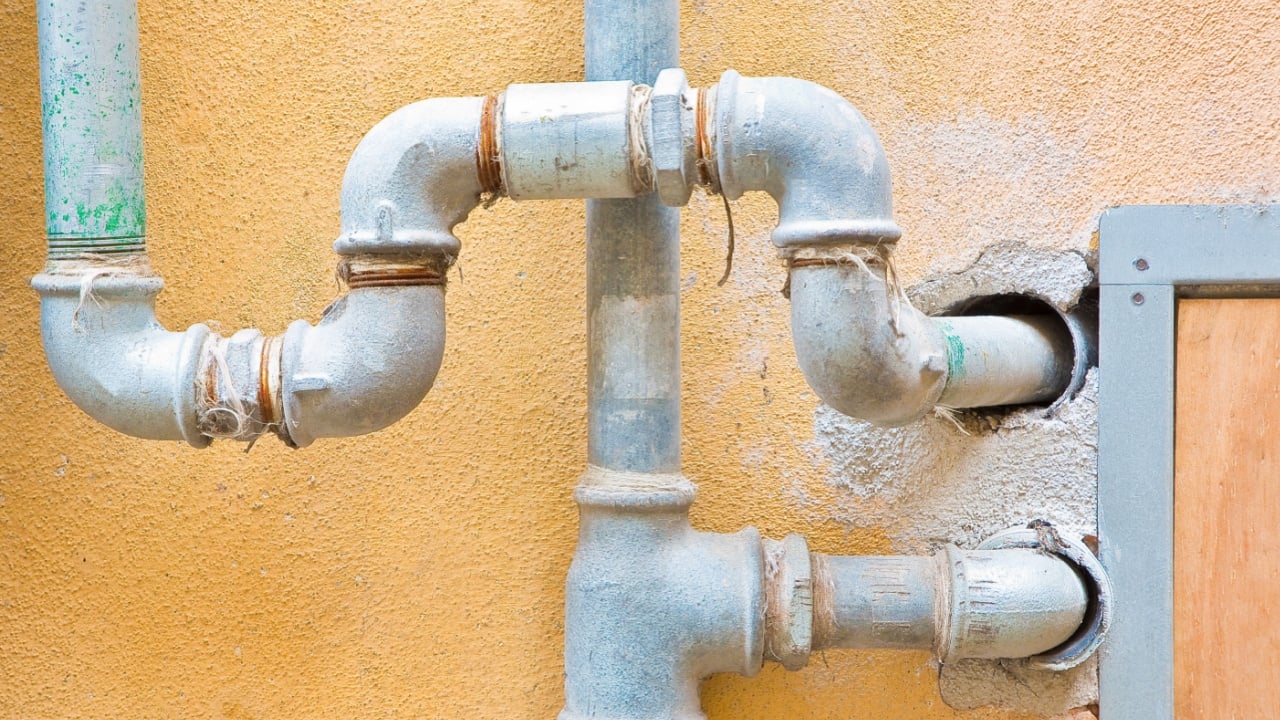
Homes built before the 1960s frequently utilized galvanized steel for plumbing lines. These pipes are prone to internal rusting, which restricts water flow and eventually leads to pinhole leaks or total blockages. Lower water pressure or a slight brown tint in the water after a period of non-use are frequent indicators that the pipes are reaching the end of their functional life.
Replacing these lines with modern copper or PEX tubing is often the most reliable way to prevent sudden water damage.
Homeowners can prioritize the most accessible pipes in basements or crawl spaces first to improve pressure. Regular inspections of joints for white, crusty deposits can help identify leaks before they cause rot in the surrounding timber.
3. Hazardous Lead Paint
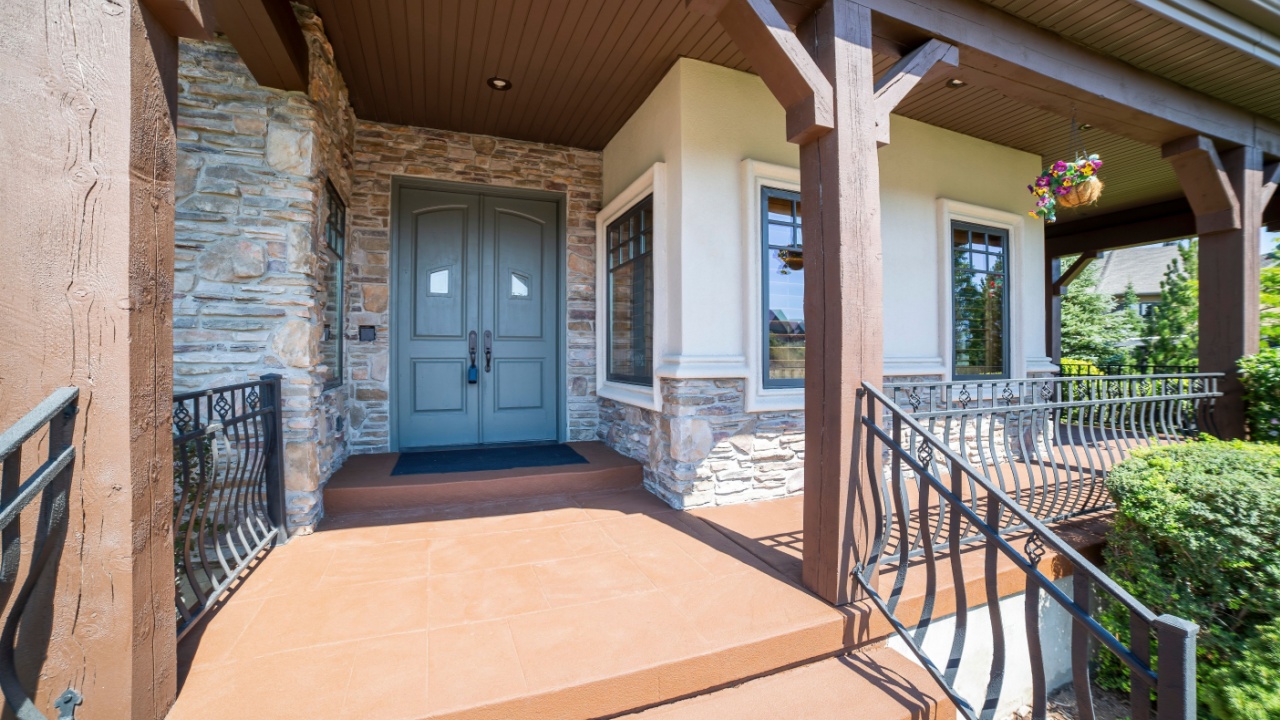
Lead was a standard additive in house paint until its ban in 1978 due to its durability and color retention. In older homes, this material often exists under layers of newer paint on trim, windowsills, and doors. The primary risk occurs when the paint peels or when friction from opening windows creates fine, toxic dust.
Maintaining the integrity of topcoats prevents the underlying lead from becoming a hazard.
Using wet-sanding techniques or HEPA-filtered vacuums during renovations helps contain any particles that might be disturbed. Professional abatement is the safest route for complete removal, particularly in areas where children spend significant time.
4. Inadequate Electrical Capacity

Older electrical systems were designed for a time when household power demands were limited to a few lights and basic appliances. Many vintage homes still utilize knob-and-tube wiring or early cloth-jacketed cables that may not be grounded. This lack of capacity often results in tripped breakers or flickering lights when modern high-draw devices like microwaves or air conditioners are used.
Upgrading the main service panel and adding grounded three-prong outlets improves both safety and functionality.
Installing Ground Fault Circuit Interrupter (GFCI) outlets in kitchens and bathrooms provides essential protection against shocks in wet areas. An electrician can evaluate the existing load to ensure the system can handle modern technology without overheating.
5. Deteriorating Roof Materials
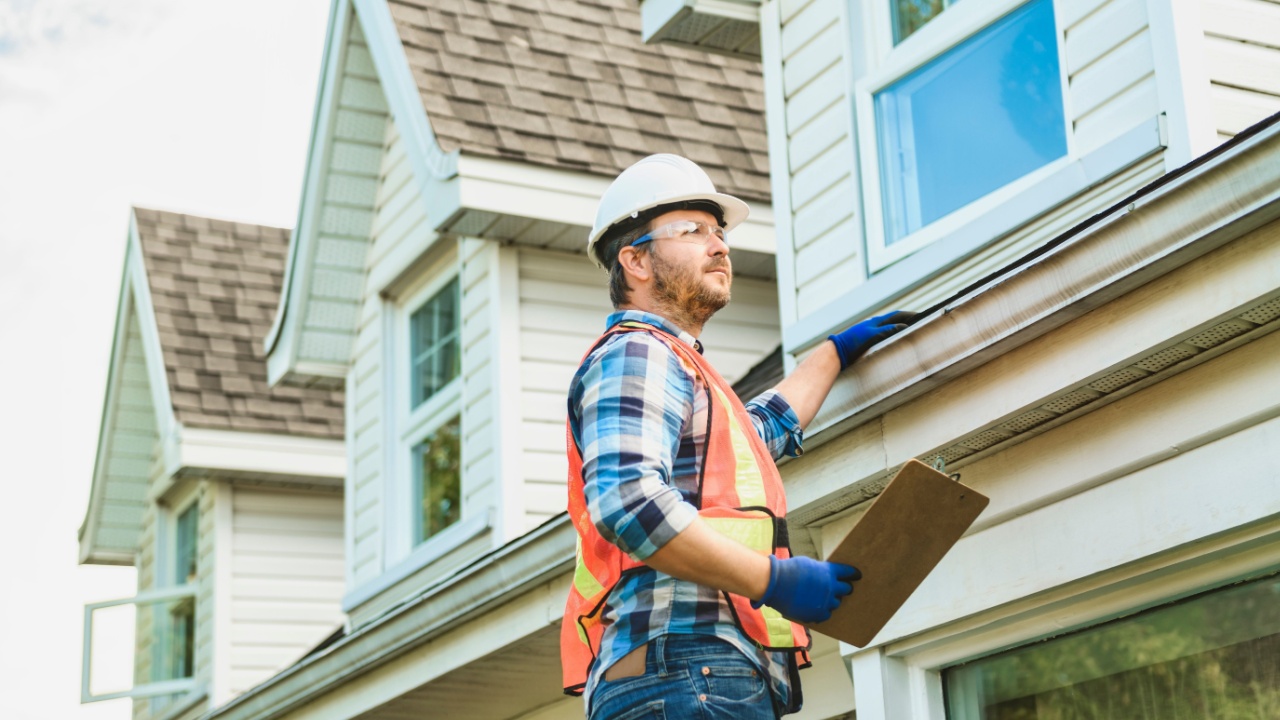
Roofing materials like wood shingles, slate, or early asphalt have finite lifespans that are often exceeded in historic homes. Exposure to UV rays and moisture causes shingles to curl, crack, or lose their protective granules.
A failing roof allows water to infiltrate the attic, which can quickly lead to structural rot and mold growth. Scheduling an annual inspection helps catch missing shingles or damaged flashing around chimneys before leaks start.
Keeping the roof surface clear of moss and debris prevents moisture from being trapped against the materials. When replacement is necessary, choosing materials that mimic the original aesthetic while offering modern weather resistance preserves the home’s character.
6. Asbestos Insulation and Tiles
Asbestos was widely used in insulation, floor tiles, and pipe wrapping because of its excellent heat resistance and fireproofing qualities. It remains safe as long as it is undisturbed and in good condition. However, if materials like attic insulation or old vinyl flooring become friable or damaged, they can release fibers into the air.
Labeling known asbestos locations helps prevent accidental disturbance during DIY projects or minor repairs.
If a renovation requires moving these materials, hiring a certified mitigation team ensures the fibers are contained and disposed of according to safety regulations. Encapsulating the material with specialized sealants is sometimes a viable alternative to full removal.
7. Wood-Boring Pests and Termites
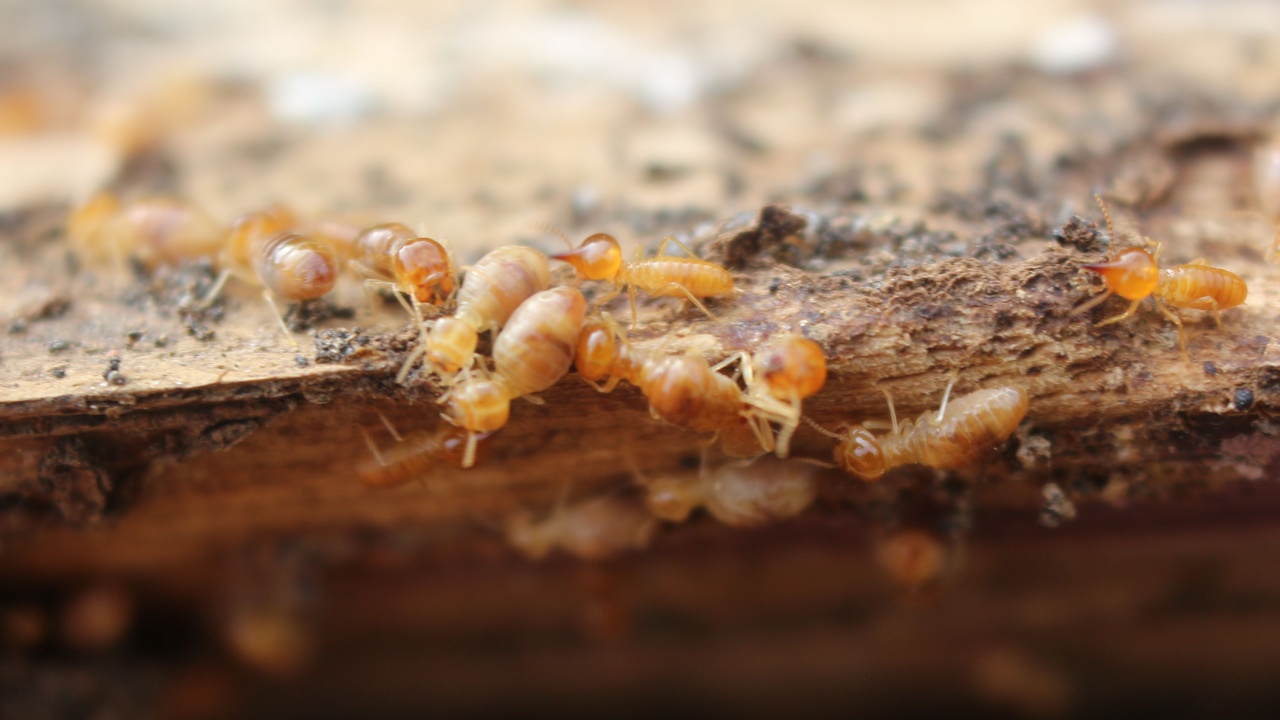
Older homes often feature untreated lumber that is highly attractive to termites, carpenter ants, and wood-boring beetles. These pests can dwell within structural beams and floor joists for years without being noticed.
Soft spots in wood, small holes, or the presence of discarded wings near windows are signs of an active infestation.
Maintaining a gap between the soil and the wooden components of the house helps discourage pest entry. Regular professional inspections can identify early activity in crawl spaces or basements where homeowners rarely look. Modern baiting systems or localized treatments can stop the damage before it compromises the stability of the home.
8. Single-Pane Window Inefficiency
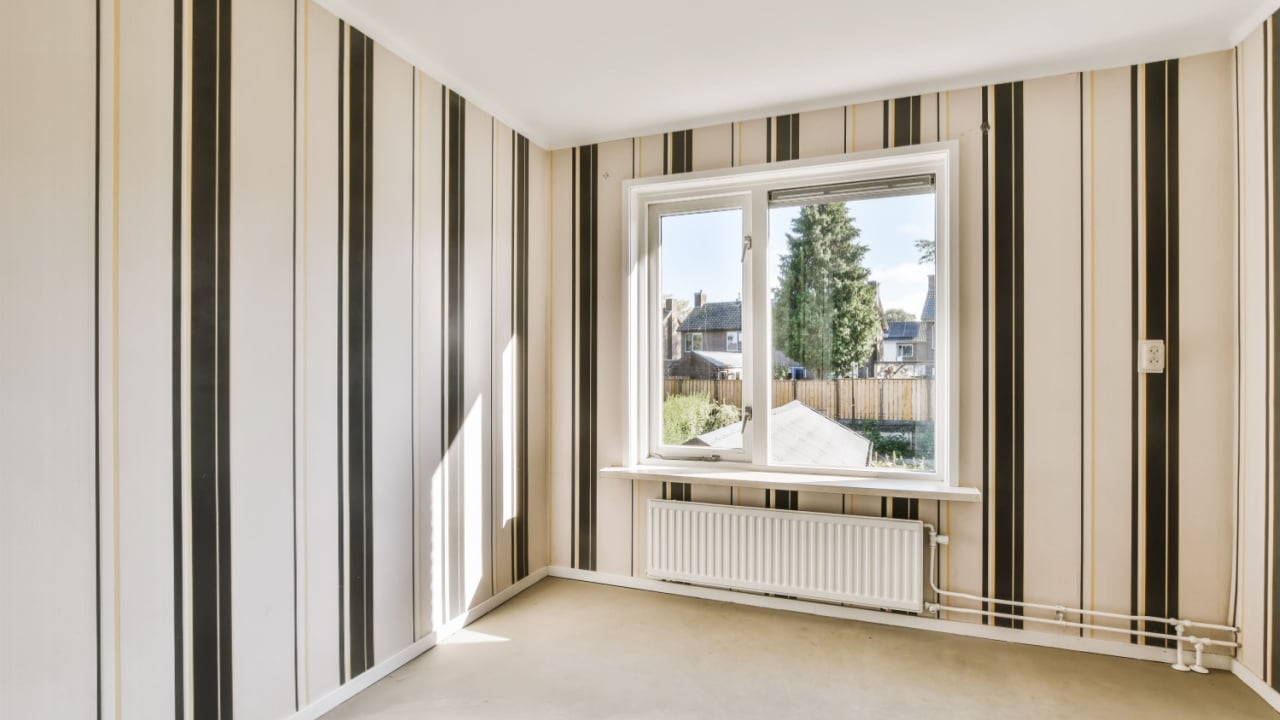
Original wood windows are beautiful but often lack the thermal barriers found in modern glazing. The single pane of glass allows for significant heat transfer, making rooms feel drafty in winter and hot in summer.
Over time, the glazing putty that holds the glass in place can dry out and fall away, leading to rattles and air leaks.
Restoring original windows with new weatherstripping and high-quality storm windows can achieve energy efficiency comparable to new replacements. This approach keeps the historic glass while significantly reducing energy bills. Keeping the exterior frames painted prevents the wood from rotting due to exposure to rain and snow.
9. Failed Sewer Lines
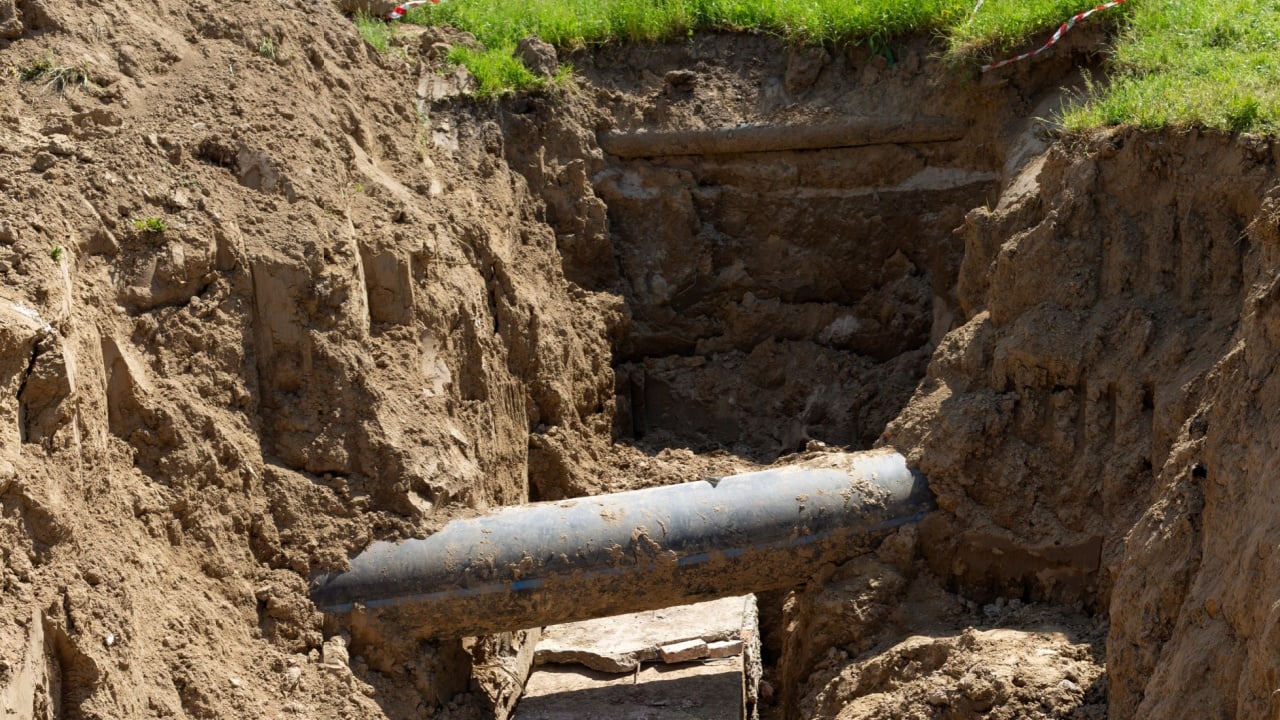
The exterior sewer lines in older properties were often constructed from clay tile or cast iron, which are susceptible to root intrusion and ground shifts. These materials can crack or collapse over many decades, leading to frequent backups or slow drains throughout the house. Because these lines are buried, the damage is often invisible until a total failure occurs.
Conducting a sewer camera inspection provides a clear view of the pipe’s internal condition and identifies potential blockages.
Hydro-jetting can clear out minor root growth, but lining the pipe with a resin sleeve is a common modern fix for cracked sections. Managing the growth of large trees near the sewer line path helps minimize future root problems.
10. Plaster Wall Cracking
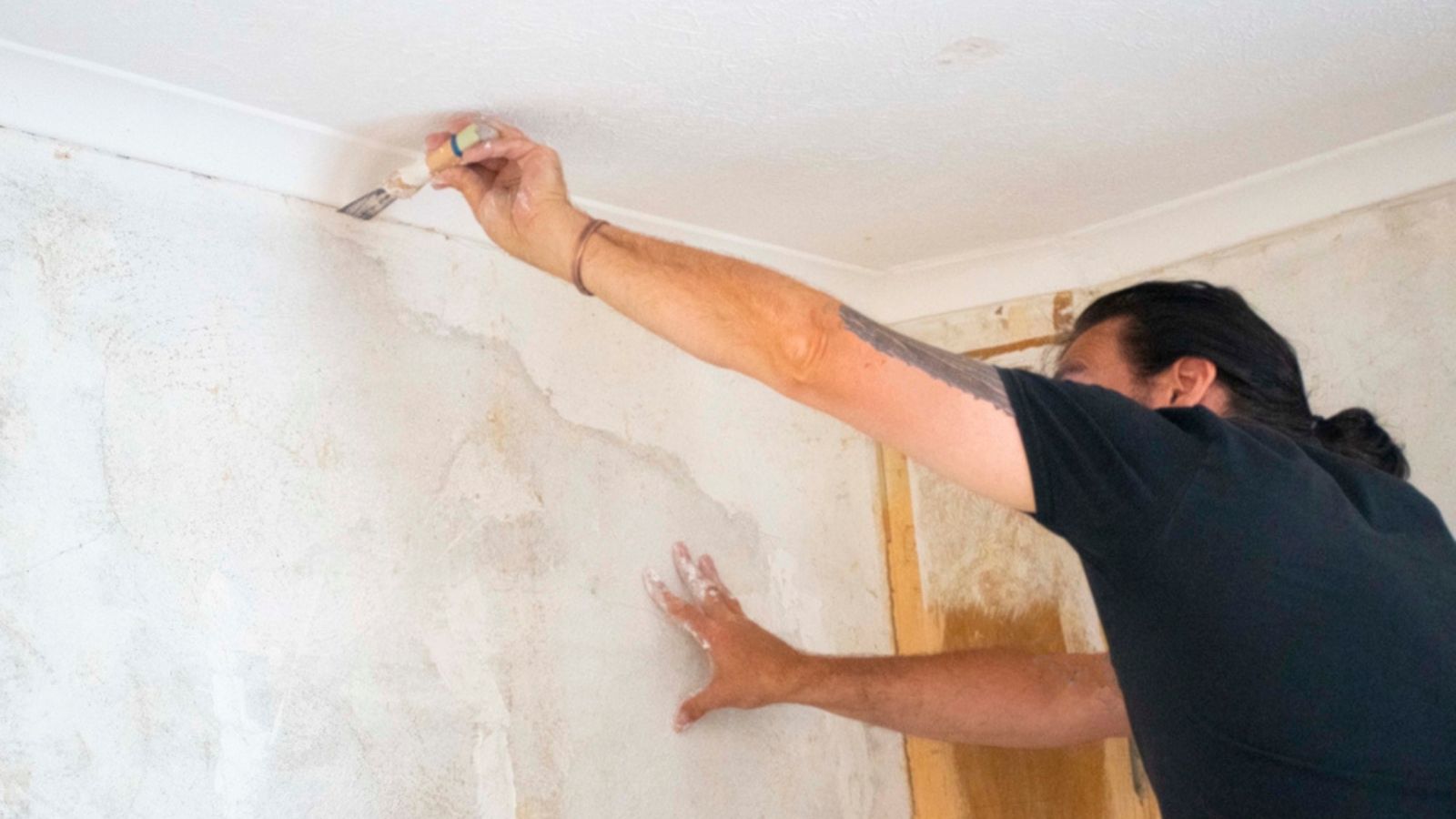
Plaster was the standard wall finish before the mid-20th century and is known for its density and sound-dampening qualities. However, the wooden lath behind the plaster can pull away over time, or the plaster itself can become brittle.
This leads to fine “spiderweb” cracks or larger bulges where the plaster has detached from its support.
Repairing minor cracks with a high-quality setting compound preserves the smooth, traditional look of the walls. For larger areas where the plaster is sagging, specialized washers can be used to reattach the material to the lath safely. Avoiding the use of heavy vibrations nearby, such as aggressive hammering, protects the delicate bond between the layers.
11. Masonry and Mortar Decay
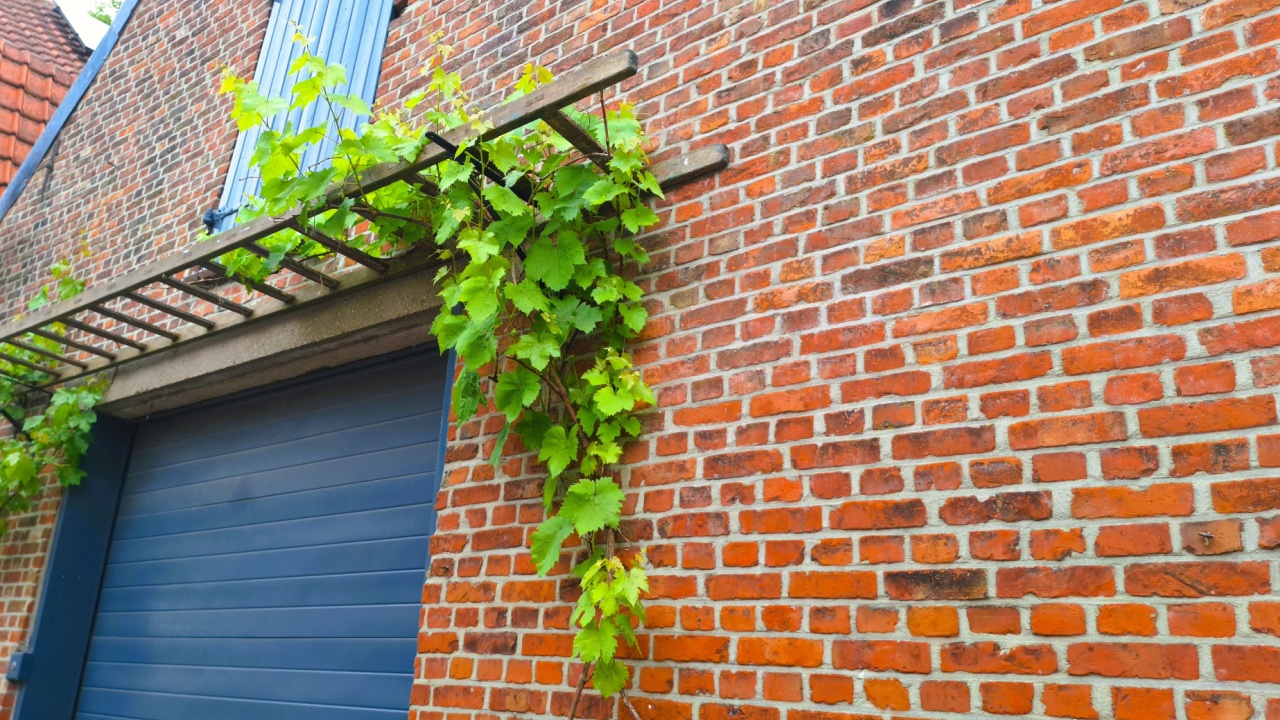
The mortar used in older brick or stone walls was often lime-based, which is softer and more breathable than modern Portland cement. Over time, weather and moisture cause this mortar to erode, leaving gaps between the masonry units.
If these gaps are not addressed, water can enter the wall, freezing and expanding until the bricks begin to crack or loosen.
Repointing involves removing the damaged mortar and replacing it with a compatible mix that allows moisture to escape. It is important to match the strength of the original mortar to prevent the harder new material from damaging the softer historic bricks. Checking the chimney and foundation walls every few years ensures the masonry remains watertight.
12. Poor Attic and Crawl Space Ventilation
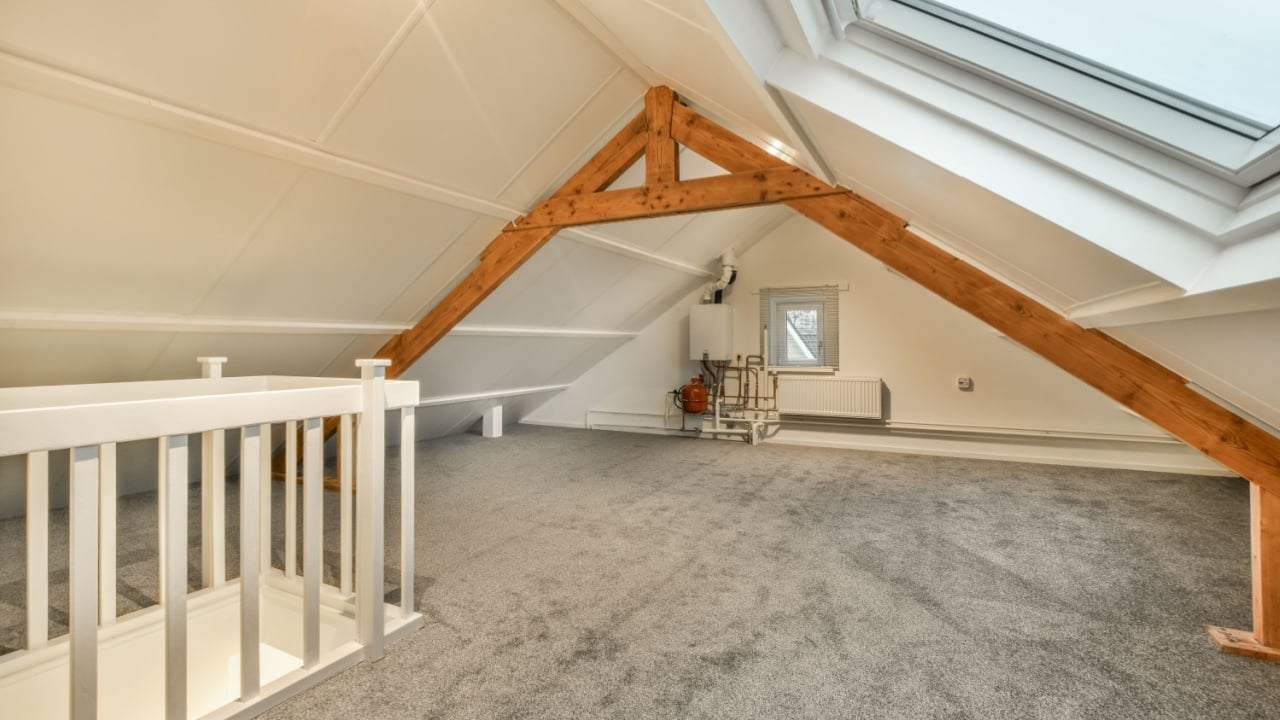
Many older homes were built without the sophisticated ventilation systems used today to manage humidity. Moisture from cooking, bathing, and even breathing can become trapped in the attic, leading to condensation on the underside of the roof.
In crawl spaces, stagnant air can cause floor joists to absorb moisture and eventually rot.
Installing ridge vents or soffit vents improves airflow in the attic and helps regulate temperature. For crawl spaces, a vapor barrier laid over the dirt floor can significantly reduce the amount of moisture rising into the home. These updates help extend the life of the structural wood and reduce the likelihood of musty odors.
13. Buried Oil Tanks
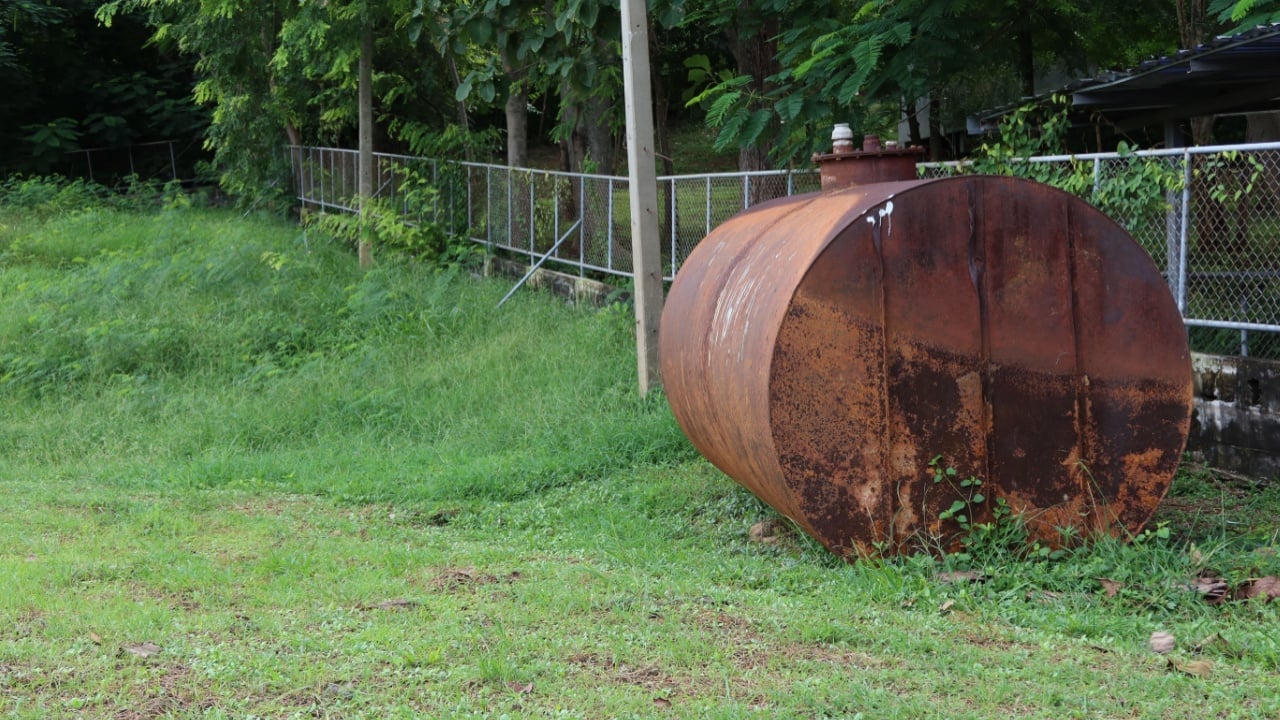
Before the widespread use of natural gas or electricity for heating, many homes relied on heating oil stored in large underground tanks. When these systems were decommissioned, the tanks were often left in the ground. Over the decades, the metal can corrode, potentially leaking any remaining oil into the surrounding soil.
Searching old property records or using a metal detector can help locate a forgotten tank on the property.
If a tank is found, it is standard practice to have it professionally drained and either removed or filled with an inert material like sand. Addressing this early prevents environmental issues and simplifies the process if the home is ever sold.
14. Radon Gas Accumulation
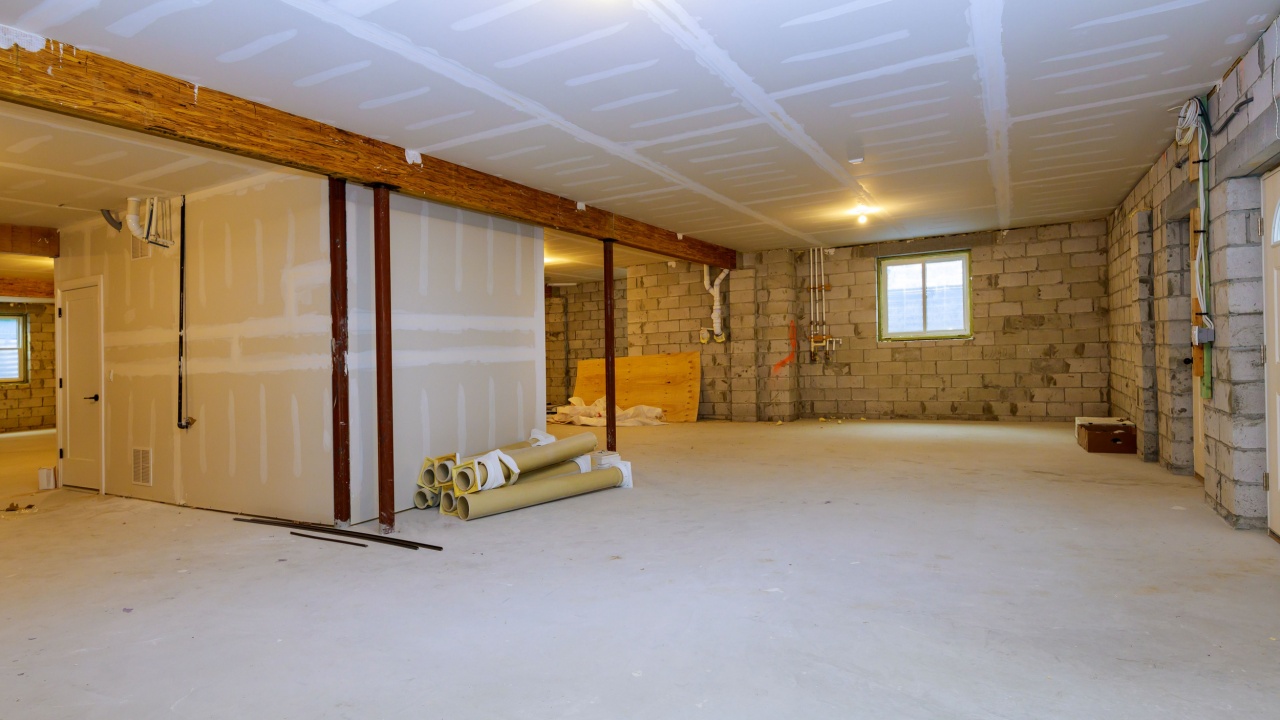
Radon is a naturally occurring radioactive gas that can seep into homes through cracks in the foundation or gaps around pipes. While this can happen in any house, older homes with unfinished basements or compromised foundations may be more at risk. Because radon is colorless and odorless, it can go unnoticed without specific testing.
Using a simple long-term test kit provides an accurate measurement of the radon levels within the living spaces.
If levels are high, a mitigation system can be installed to vent the gas safely from beneath the house to the exterior. Sealing cracks in the basement floor and walls also helps reduce the entry points for the gas.
15. Inefficient HVAC Systems
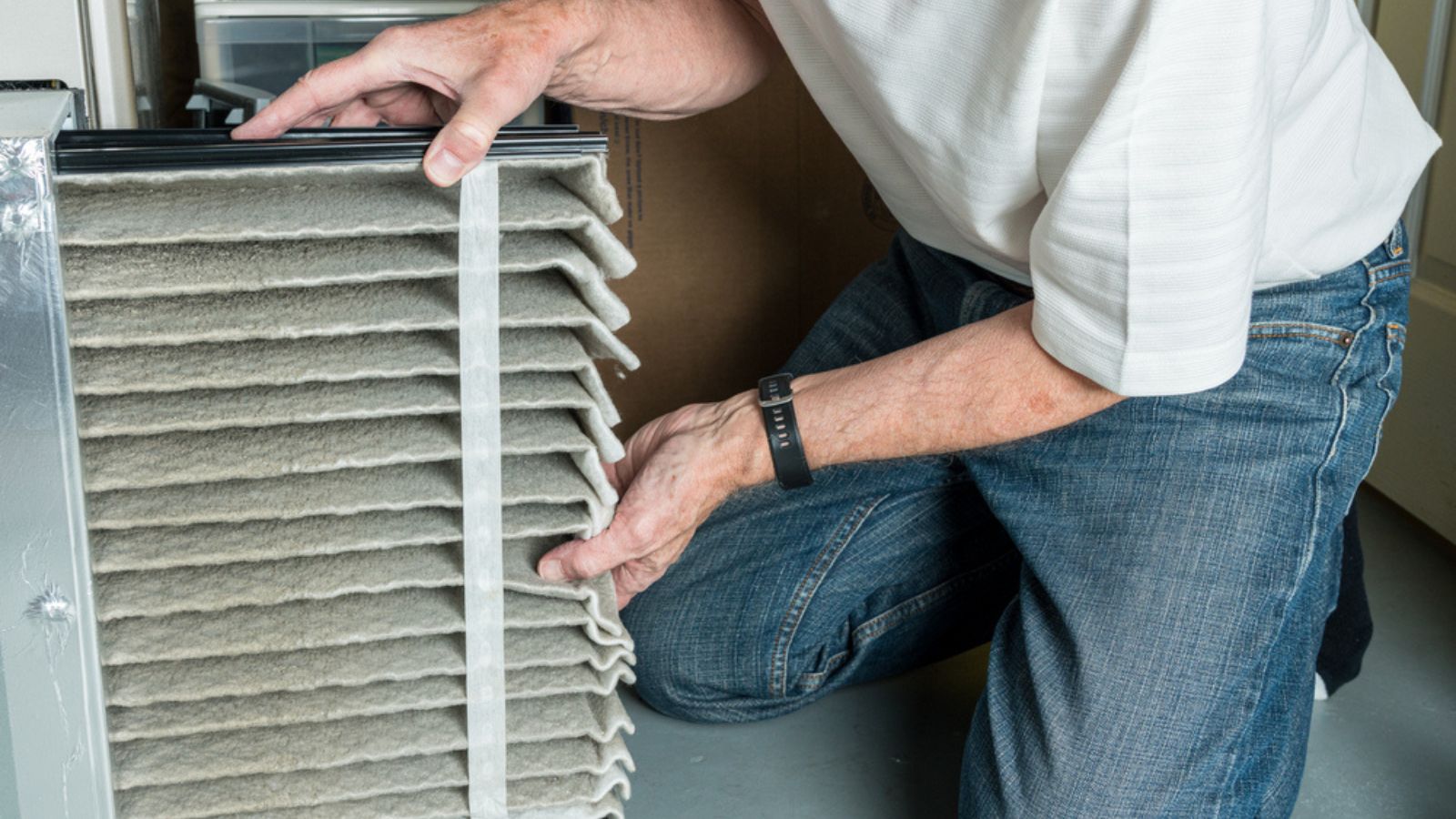
Heating and cooling equipment in older homes often consists of a mix of updated and original components that may not work together efficiently. Massive cast-iron radiators or oversized furnaces can consume significant energy while providing uneven heat. Additionally, old ductwork may be uninsulated or leaky, losing conditioned air before it reaches the rooms.
Upgrading to a modern high-efficiency furnace or heat pump can lead to immediate savings on monthly utility bills.
Having the existing ducts sealed and cleaned ensures that the air is moving efficiently and improves indoor air quality. Adding programmable thermostats allows for better control over the temperature in different areas of the house.
16. Outdated Insulation Levels
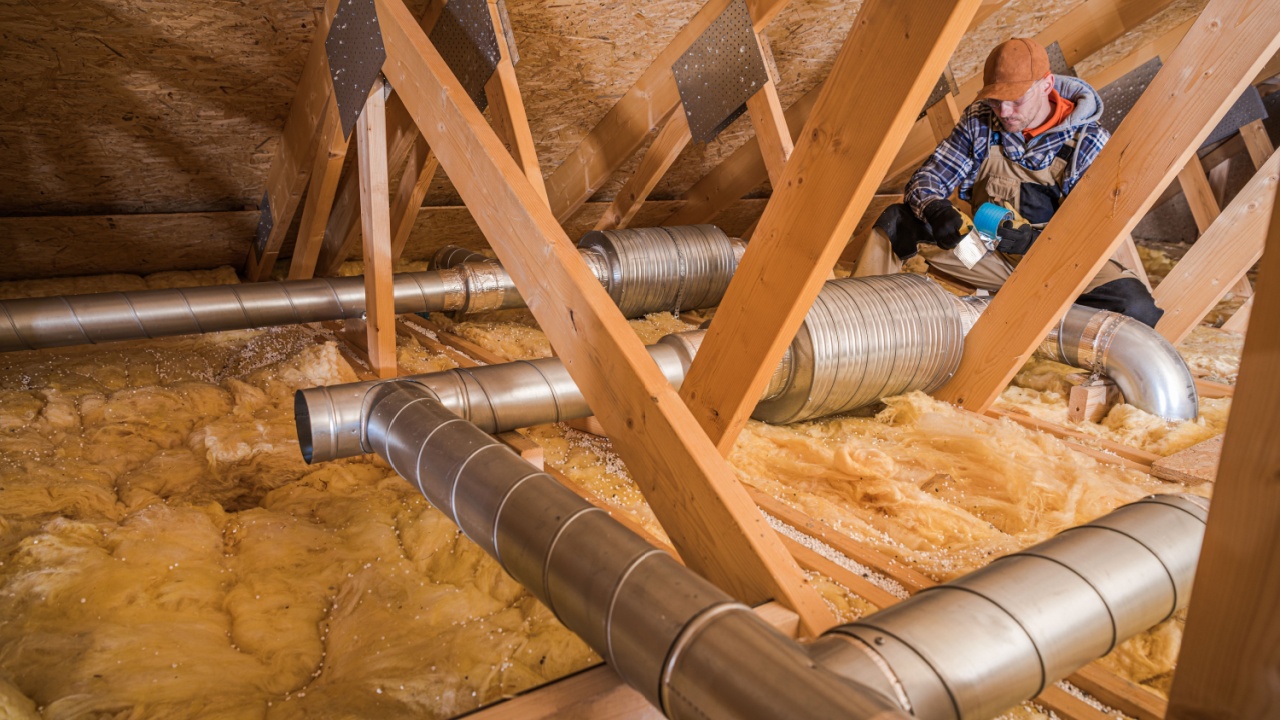
Early 20th-century homes were often built with little to no insulation in the walls or floors. Some may have used unconventional materials like newspaper, corn cobs, or mineral wool, which can settle and lose effectiveness over time.
This lack of a thermal envelope makes it difficult to maintain a consistent temperature and increases the load on the heating system.
Adding blown-in cellulose insulation to wall cavities is an effective way to improve comfort without removing the original plaster. Focus on the attic floor first, as this is where the majority of heat loss occurs during the winter months. Ensuring that the insulation does not block necessary ventilation points is a vital part of a successful upgrade.
Keeping a Timeless Home Strong for the Years Ahead
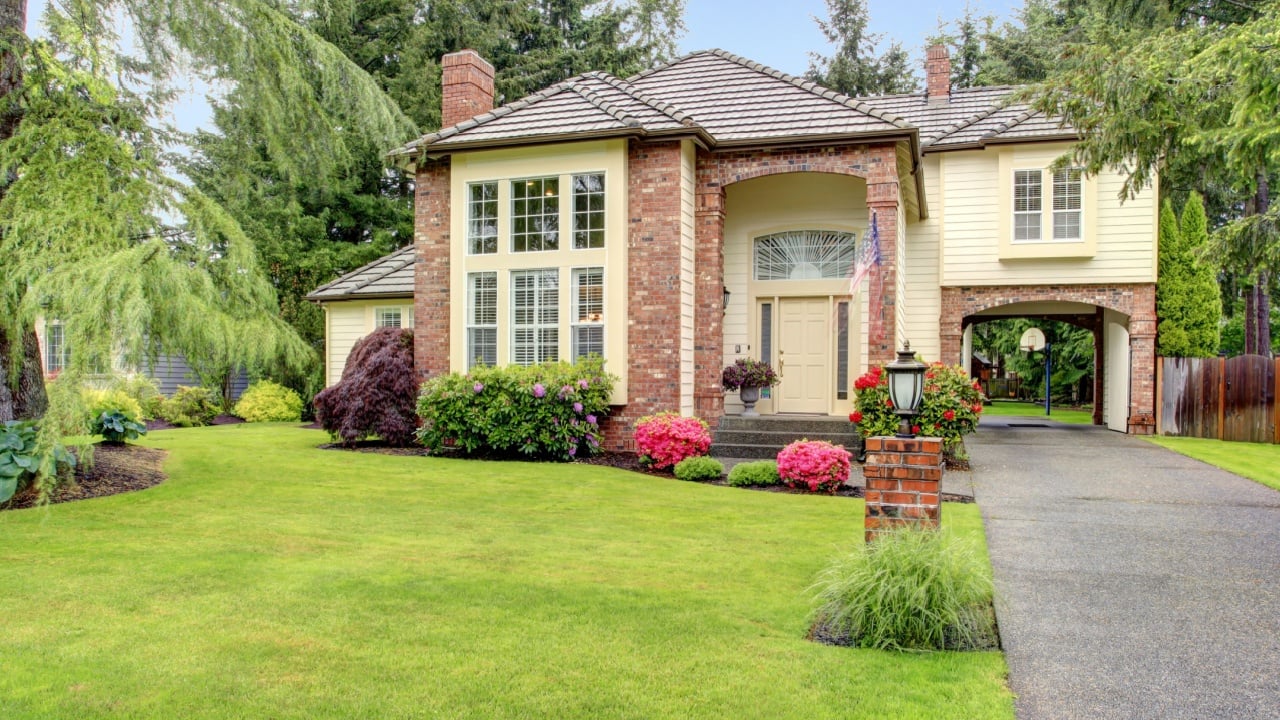
Maintaining an older home involves a balance of preserving original beauty and addressing the natural aging of building materials. By recognizing these 16 common issues, homeowners can create a prioritized list for future projects.
Regular observation and small, consistent repairs prevent minor concerns from becoming expensive structural failures. The next steps involve conducting a thorough walk-through of the property to note any immediate needs and consulting with specialists for electrical or structural evaluations. Consistent care ensures the home remains a sturdy and comfortable space for another generation.
Read More: