Stop Buying These Plants at the Nursery: 12 Red Flags Experienced Gardeners Never Ignore
Every trip to the nursery carries the same risk: bringing home a problem disguised as a plant.
A single infested specimen can introduce spider mites or scale insects to every healthy plant in your garden. A root-bound tree can look fine for two years, then fail slowly and expensively once those circling roots begin to strangle the trunk. And a perennial that looked lush on the display table can collapse within a week if it was already stressed by disease or poor care before you bought it. Catching these problems at the nursery takes less than two minutes and can save you hundreds of dollars over the life of your garden.
Before you spend a dollar at any nursery or garden center, learn to read the red flags experienced gardeners spot before they ever reach for their wallet. Most of these checks require nothing more than your eyes, your hands, and a willingness to flip a pot upside down.
Here are the 12 red flags that matter most.
1. Roots Circling the Bottom of the Pot
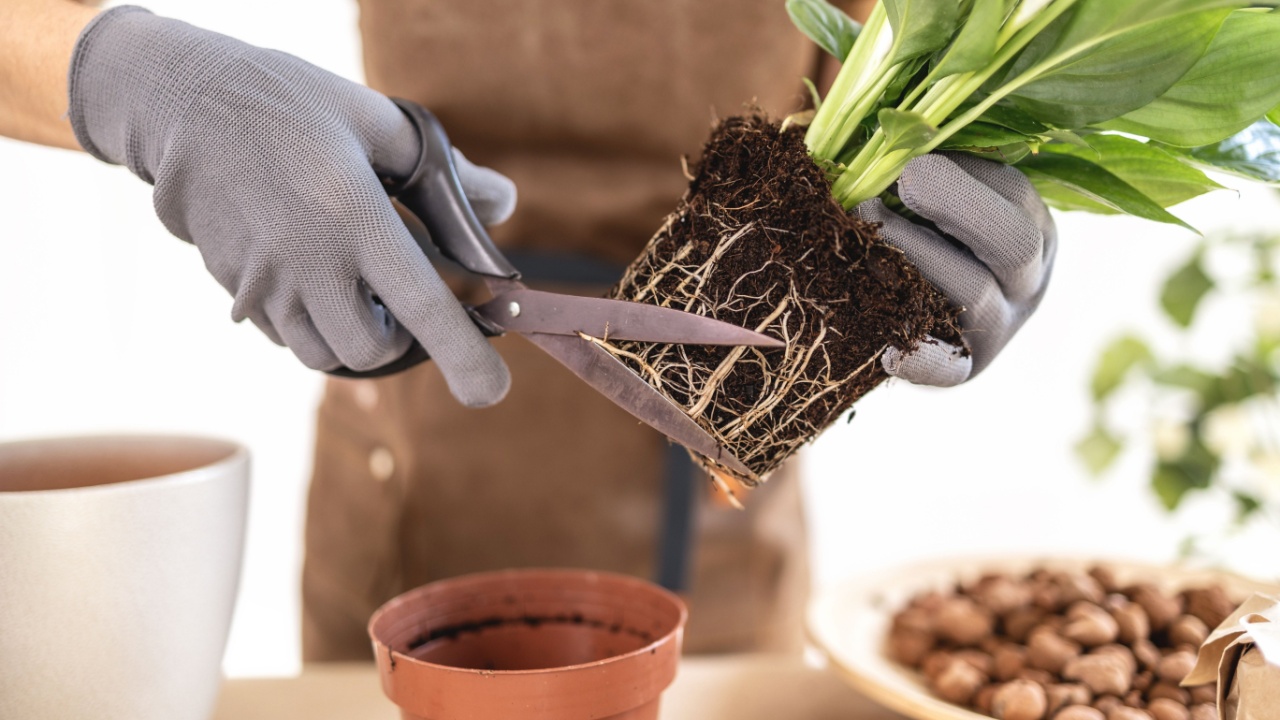
This is the most important inspection you can do, and it costs nothing. Gently tip the plant and slide it out of its container — nursery staff fully expect this. If the roots have formed a dense, tangled coil around the outer edge of the root ball, the plant is root-bound. Iowa State University Extension warns that an excessive number of circling roots is one of the most significant quality problems to watch for in container plants, particularly in trees and shrubs, where root problems can cause long-term damage.
Circling roots that form in a nursery pot don’t straighten themselves out after planting, warns Penn State Extension. Left uncorrected, they can grow into girdling roots that slowly strangle the trunk over the years, causing otherwise healthy-looking trees to decline and die with no obvious explanation.
2. Dark, Mushy, or Foul-Smelling Roots
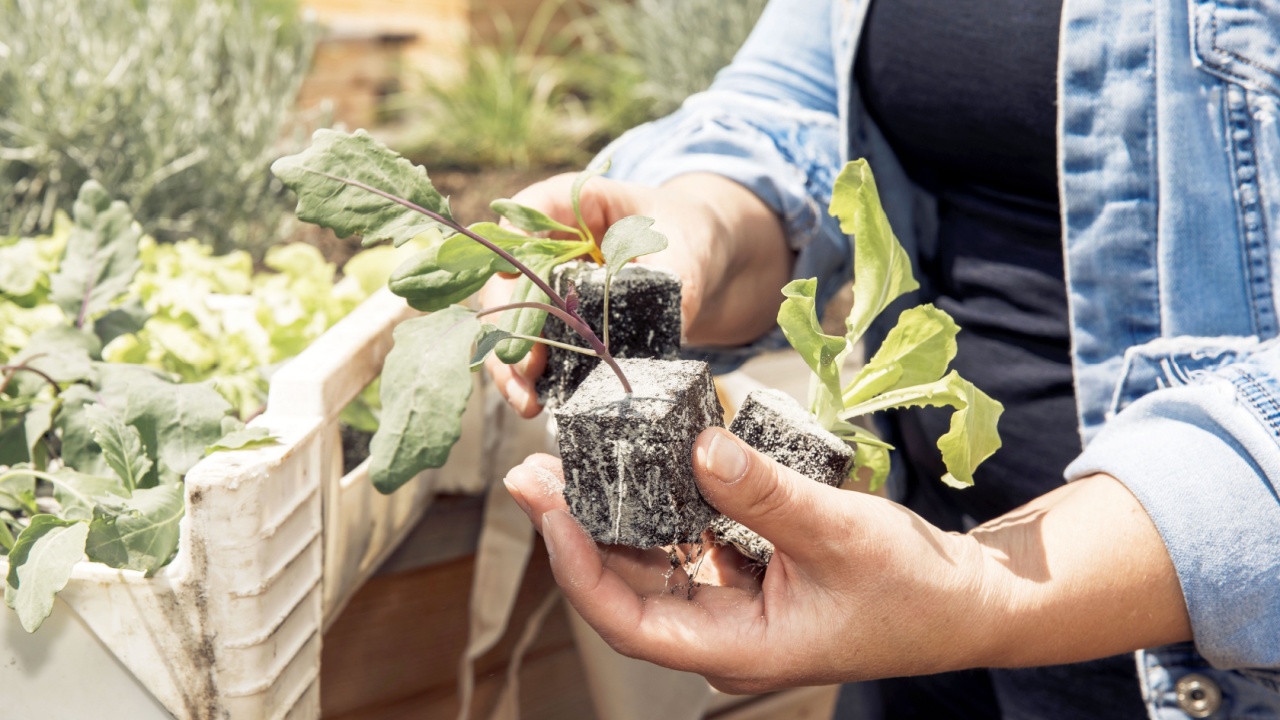
Healthy roots are white or light tan, firm, and evenly distributed throughout the soil. If the roots you see are brown or black, soft to the touch, or carry a sulfurous, rotten odor, the plant has root rot. This is not a problem you can fix with better watering at home. Walk away and leave these plants on the shelf.
3. A Soil Ball That Falls Apart
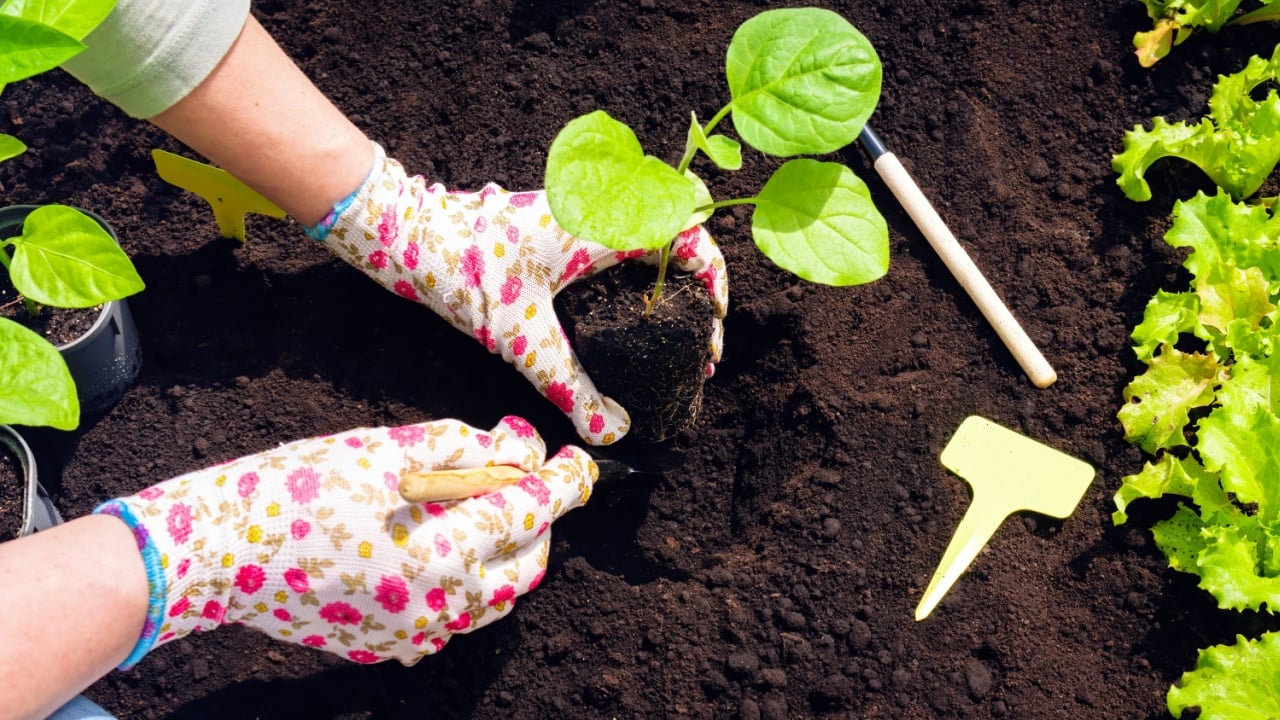
If you slide a plant out of its pot and the soil crumbles and falls away from the roots immediately, the plant was recently moved into a larger container to disguise the fact that it needed repotting. As Iowa State University Extension explains, buying these plants is simply paying more for extra soil. There is no established root relationship with the new medium, and the plant will struggle to settle in.
4. Yellowing or Mottled Leaves
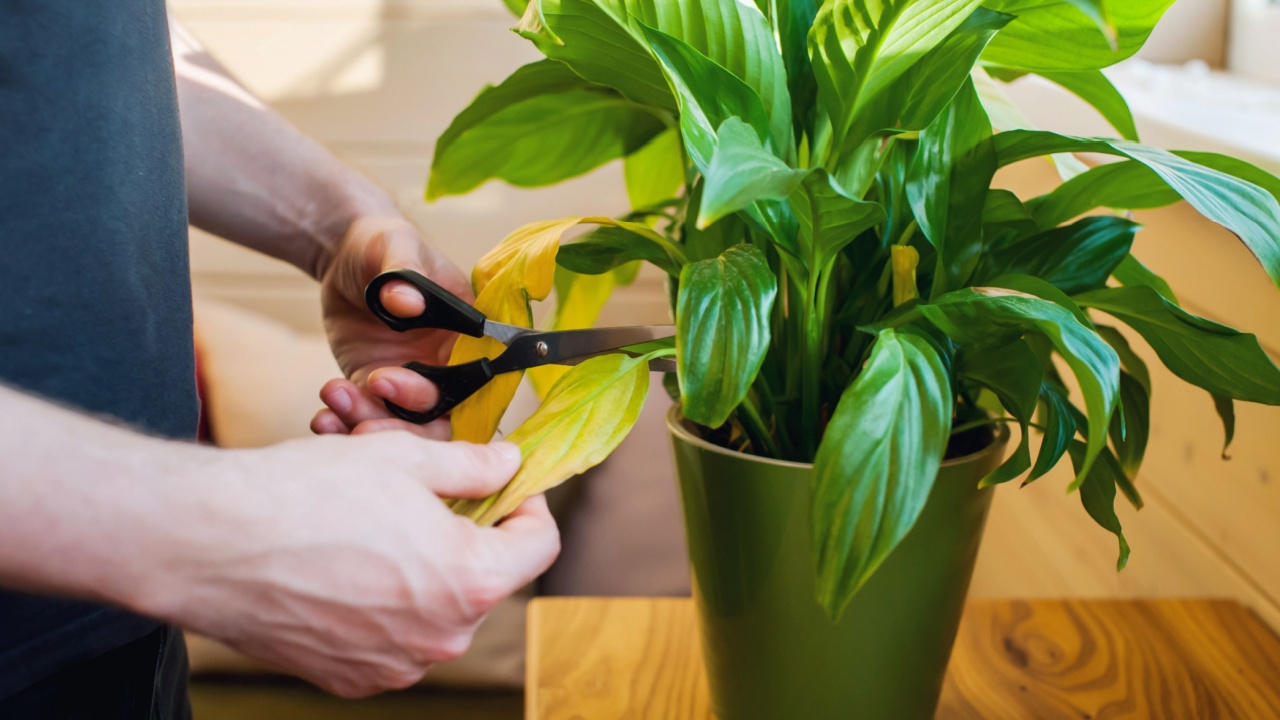
Leaves should be vibrant and consistent in color for the species. Widespread yellowing or leaf mottling can indicate overwatering, underwatering, disease, or a root system so compromised that the plant can no longer move nutrients properly.
A few brown leaf edges are usually harmless stress from container life; a plant with broadly yellowed, patchy, or dropping leaves is showing you something more serious. J&J Garden Center notes that leaves appearing stunted, distorted, or unusually small compared to others on the same plant may indicate stress or disease.
5. Spots, Patches, or Powdery Coatings

Dark or discolored spots, black lesions, and white powdery coatings on leaves are classic symptoms of fungal disease. Powdery mildew and fungal blight can spread to every plant in your garden once they arrive. Do not buy a plant with these symptoms, regardless of how minor the affected area looks at the nursery.
6. A Plant in Full, Glorious Bloom
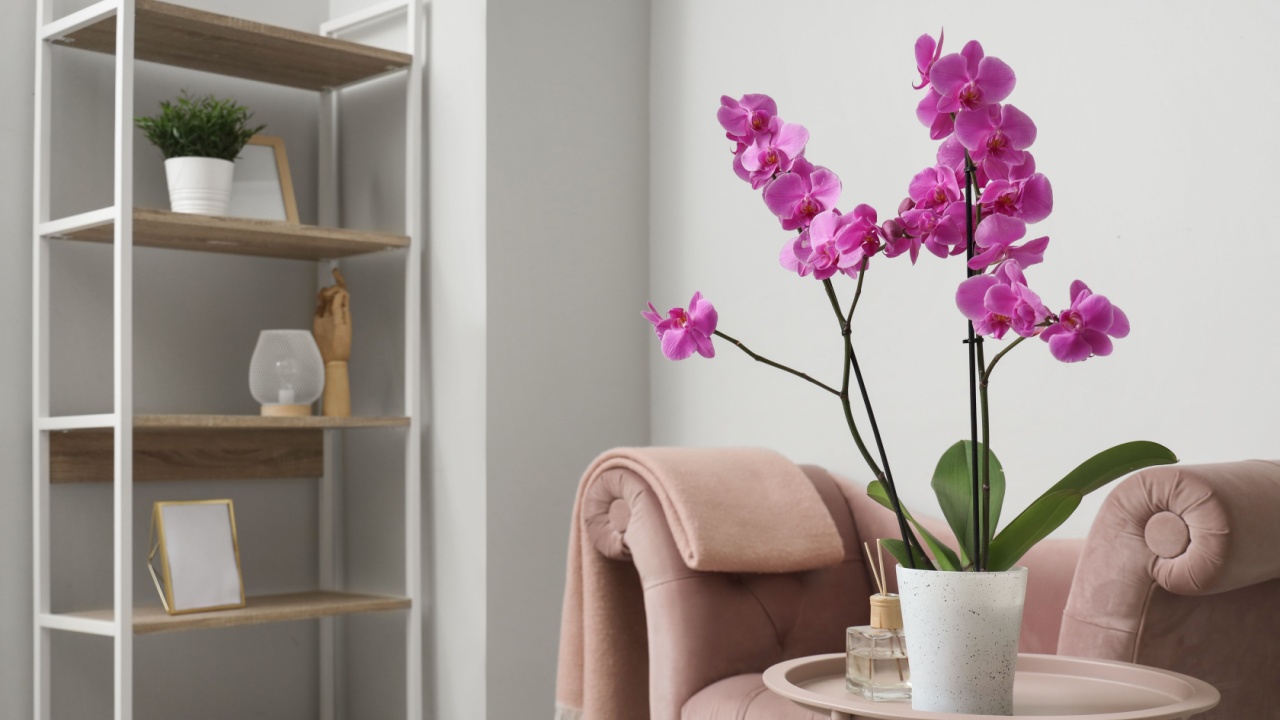
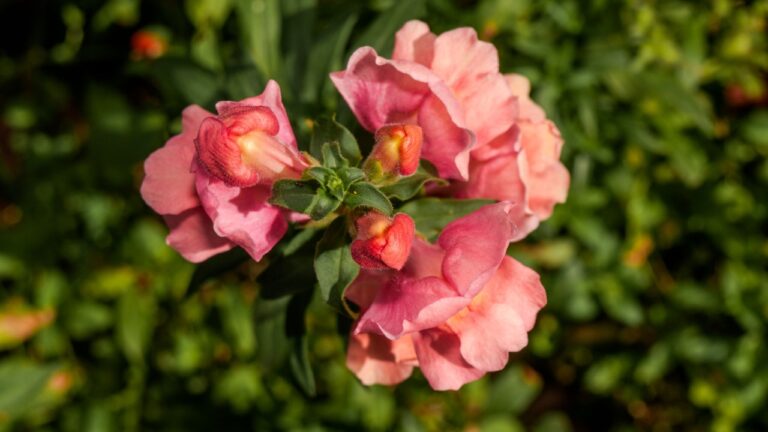
This is the counterintuitive one. Most shoppers reach straight for the plant with the most flowers. Experienced gardeners do the opposite. A plant in full bloom has already committed its energy to reproduction, leaving less in reserve to overcome the stress of transplanting.
Choose plants with more buds than open flowers; they’ll outperform the showier option within a few weeks and establish far more reliably. Birds & Blooms advises specifically selecting plants not yet in full bloom for this reason.
7. Sticky Residue on the Leaves or Surrounding Surfaces
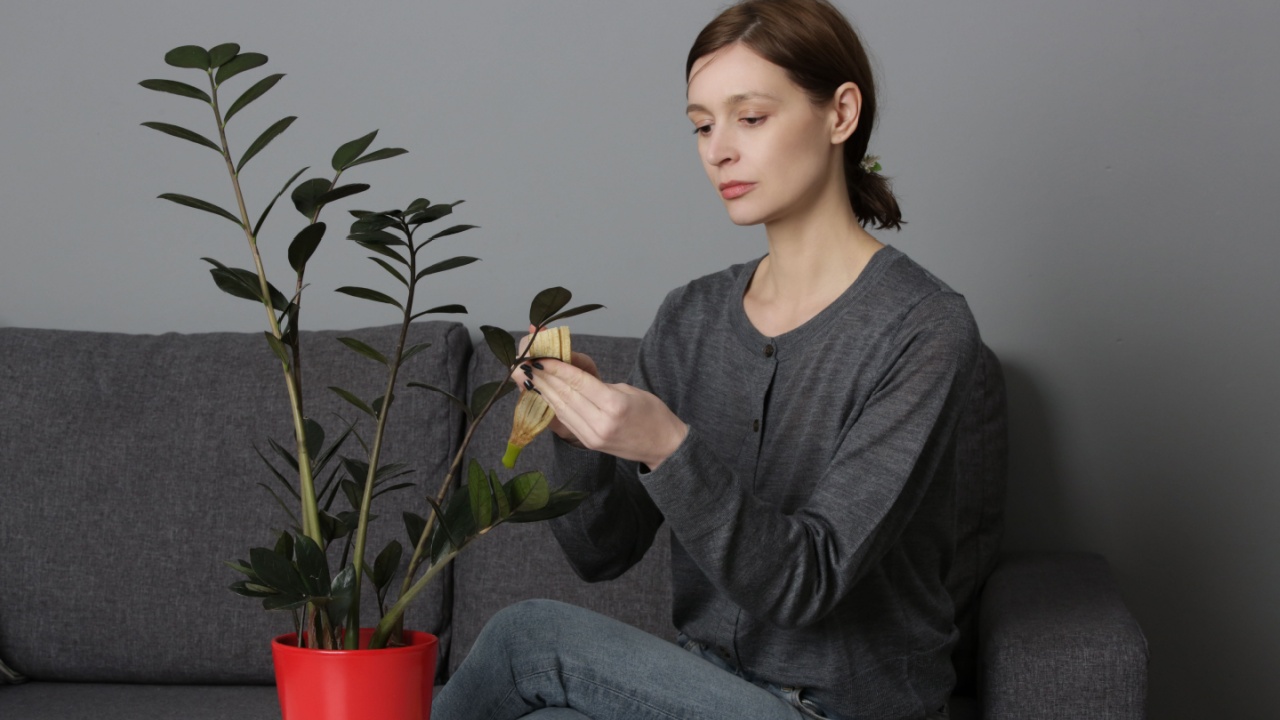
A sticky, shiny coating on leaves or on the shelf beneath the plant is honeydew, or the excrement of sap-sucking insects like aphids and scale. The University of Florida IFAS Extension notes that sooty mold, a black fungal growth, often develops on honeydew deposits and is a reliable secondary indicator of infestation.
If you see stickiness, check the undersides of every leaf before you go any further.
8. Fine Webbing Between Leaves or at Stem Joints

Spider mites build delicate webbing on the undersides of leaves and at stem junctions. They are nearly invisible to the naked eye, but the webbing is not. The University of Florida IFAS Extension identifies stippling (i.e., small, light-colored specks on the tops of leaves) as an early sign of mite feeding damage. One infested plant brought home can spread mites to your entire collection within weeks.
9. Ants Moving Around the Plant
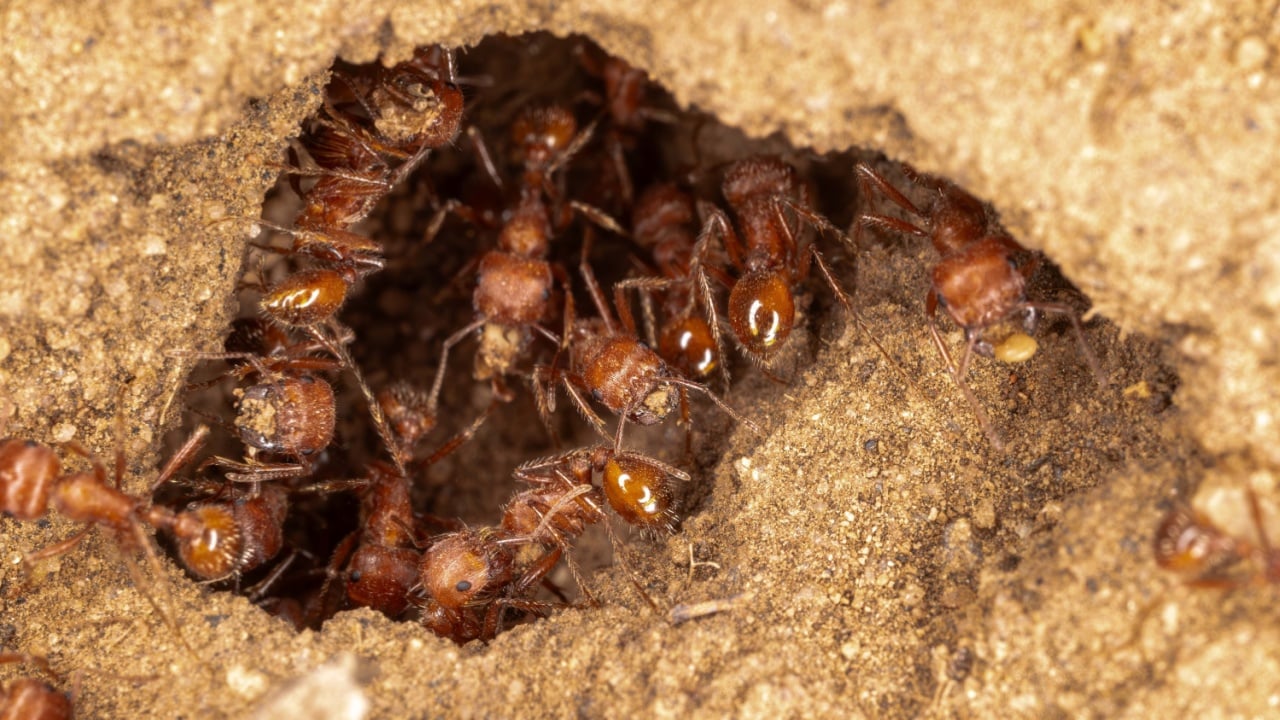
Ants don’t eat plants. They farm the insects that do. If ants are actively moving around a plant at the nursery, they are almost certainly harvesting honeydew from a hidden aphid or scale infestation. University of Missouri Extension confirms this relationship: ants are drawn to the sweet honeydew secreted by aphids and soft scales, and their presence on a plant is a reliable signal that a pest problem exists. This is one of the most commonly overlooked red flags at any nursery.
10. Weeds Growing in the Container

Weeds in the pot are not a minor cosmetic issue. They are a direct indicator that the plant has been sitting in its container for far longer than intended. As Birds & Blooms explains, weeds in a nursery container are a reliable sign that the plant may already be root-bound and potentially in decline from sitting too long. A plant that has overstayed its welcome at the nursery is a plant already under stress before it ever reaches your garden.
11. Bone-Dry or Waterlogged Soil
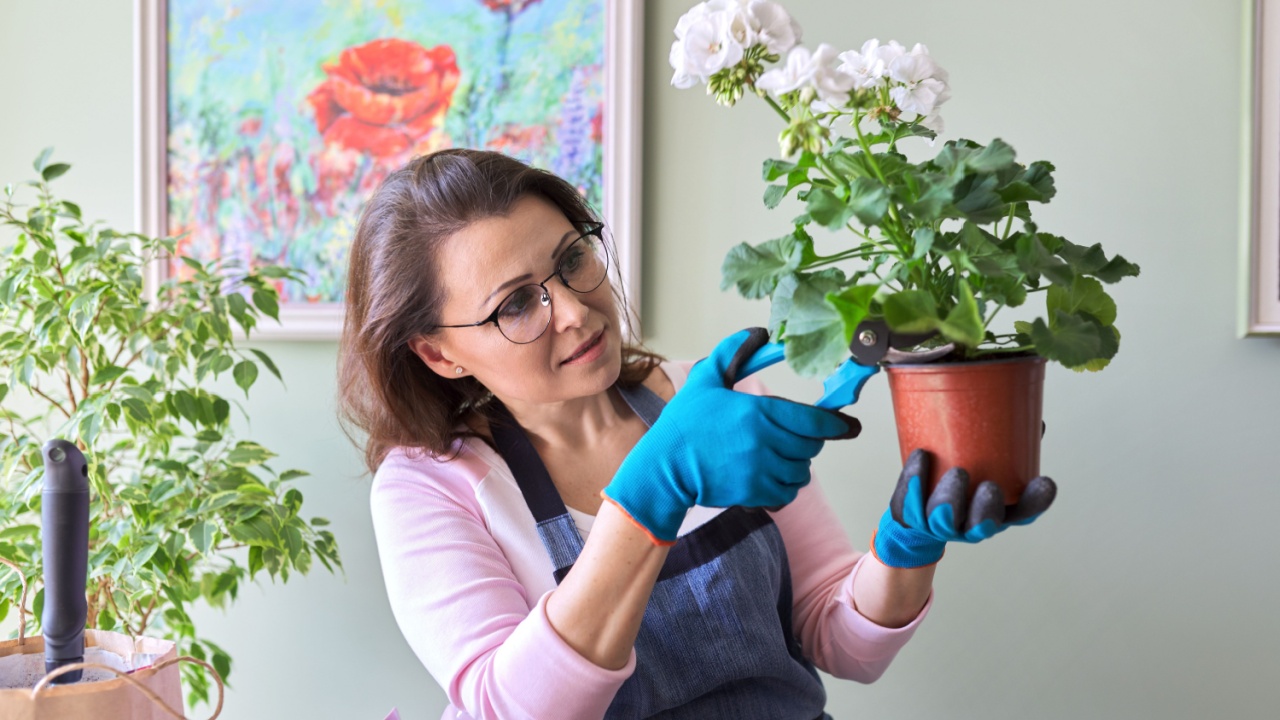
Press your finger an inch into the potting soil. Completely dry soil pulling away from the container walls, or soil saturated and smelling of standing water, both indicate poor nursery care. Iowa State University Extension is direct on this point: plants with overly dry or wet soil are often an indication of poor care and should be avoided. The plant’s root system has already been stressed, and you have no way of knowing for how long.
12. Missing Root Flare, Bark Damage, or Double Leaders in Trees
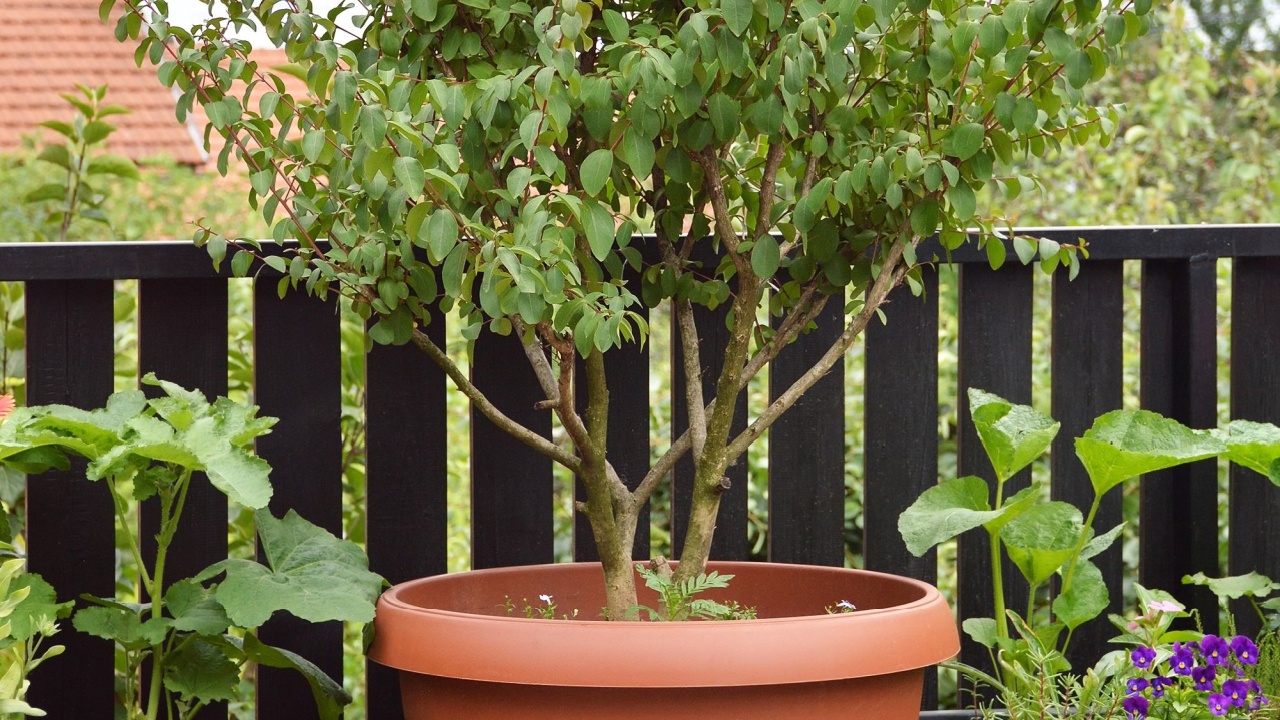
For trees and shrubs, three structural red flags deserve specific attention. The root flare, or the visible widening where the trunk meets the roots, should be visible at or above the soil surface. If it’s buried, the tree has been potted too deeply and is already at risk for trunk rot.
Look also for bark damage, deep scrapes, or open wounds on the trunk, which invite disease and structural weakness. Finally, trees with double leaders (two competing main trunks) have a built-in structural defect that rarely resolves on its own. Iowa State University Extension recommends selecting trees with well-spaced branches and no double leaders as a baseline quality standard.
The Two-Minute Check That Saves Your Garden

Nursery shopping often feels like an abundance. Every table is full, the colors are spectacular, and it’s easy to load up a cart in twenty minutes and feel optimistic. But the plants that thrive in the garden and come back each year are the ones that were healthy to begin with.
The good news is that this whole inspection takes two minutes, not twenty. Tip the pot, check the roots, glance at the leaf undersides, press the soil, and look for webbing or stickiness. Then step back and look at the overall plant: reach for the one with more buds than blooms, the smaller container over the larger one, and the plant that looks quietly healthy rather than dramatically beautiful.
If a plant has one minor flag, that’s a judgment call. If it has two or more, move on. At a reputable independent nursery with attentive staff, the healthy options are there, you just have to know where to look.
Read More
Washing Your Lettuce Won’t Remove Cyclosporiasis, But Growing Your Own Will
Your Grandmother Stored These 8 Foods All Winter Without Canning a Single Jar