
12 Sounds to Never Ignore at Home (They’re Warning Signs of Bigger Problems)
Homes communicate constantly through subtle noises. Every creak, hum, and rattle provides valuable clues regarding the health of a property. While most daily background noise fades from attention, certain audio signals require immediate action before minor issues become major disasters.
Ignoring unfamiliar noises often leads to expensive repairs and significant structural damage. When mechanical systems or structural components begin to fail, they usually produce distinct warning signs well before a complete breakdown occurs. Identifying these audio cues early saves money and prevents unexpected emergencies.
This guide breaks down specific auditory warnings you might hear echoing down the hall or through the vents. You will learn exactly what each specific noise signifies and the precise actions required to protect your property.
1. Scratching and Chewing in the Attic

Hearing faint scratching, squeaking, or chewing overhead is a direct sign of an active pest infestation. Raccoons, mice, and squirrels frequently seek shelter in upper levels during colder months. These animals aggressively chew through wooden beams, drywall, and electrical wiring to build their nests. This creates a severe fire hazard and compromises the integrity of your roof space.
You must address this situation immediately by contacting a licensed pest control professional. These experts will safely remove the animals and identify all entry points to prevent future invasions. Once the area is secure, you need to replace any damaged insulation and sanitize the space to eliminate diseases left behind by the intruders.
2. Rattling Inside the Dishwasher
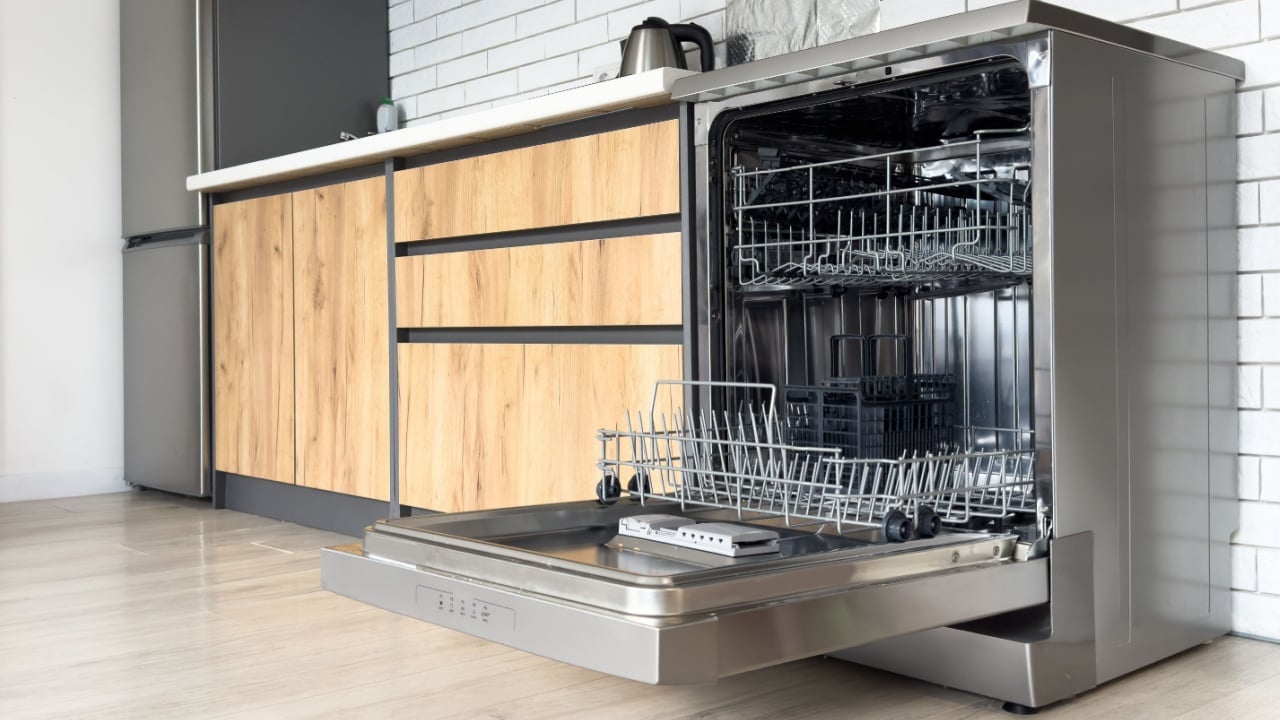
A loud rattling noise during the wash cycle usually indicates hard debris bouncing around the drain pump housing. Bits of broken glass, stray popcorn kernels, or detached plastic pieces often slip past the main filter. If left alone, these rigid items will eventually jam the motor blades and completely halt the drainage process.
Fixing this issue requires removing the bottom rack and cleaning out the filter assembly thoroughly. Carefully inspect the sump basin for hidden debris using a flashlight to catch any reflective glass shards. Regular monthly cleaning prevents these blockages and extends the lifespan of your appliance significantly.
3. Persistent Scraping on the Roof

Sometimes, you may hear noises on the roof. A repetitive scraping noise above your head typically occurs when overgrown tree branches rub continuously against your roofing materials. High winds push heavy limbs across the surface, essentially acting like coarse sandpaper on your shingles. This friction removes the protective granules and leaves the underlying layers completely exposed to rain and sun damage.
Grab a pair of binoculars and inspect the tree line from your yard to locate the problematic branches. Hire a professional tree trimming service to safely cut back any vegetation hanging directly over the structure. Maintaining a clear space above your roof prevents water intrusion and stops mold growth from taking hold in your upper levels.
4. High-Pitched Squeaking in the Dryer
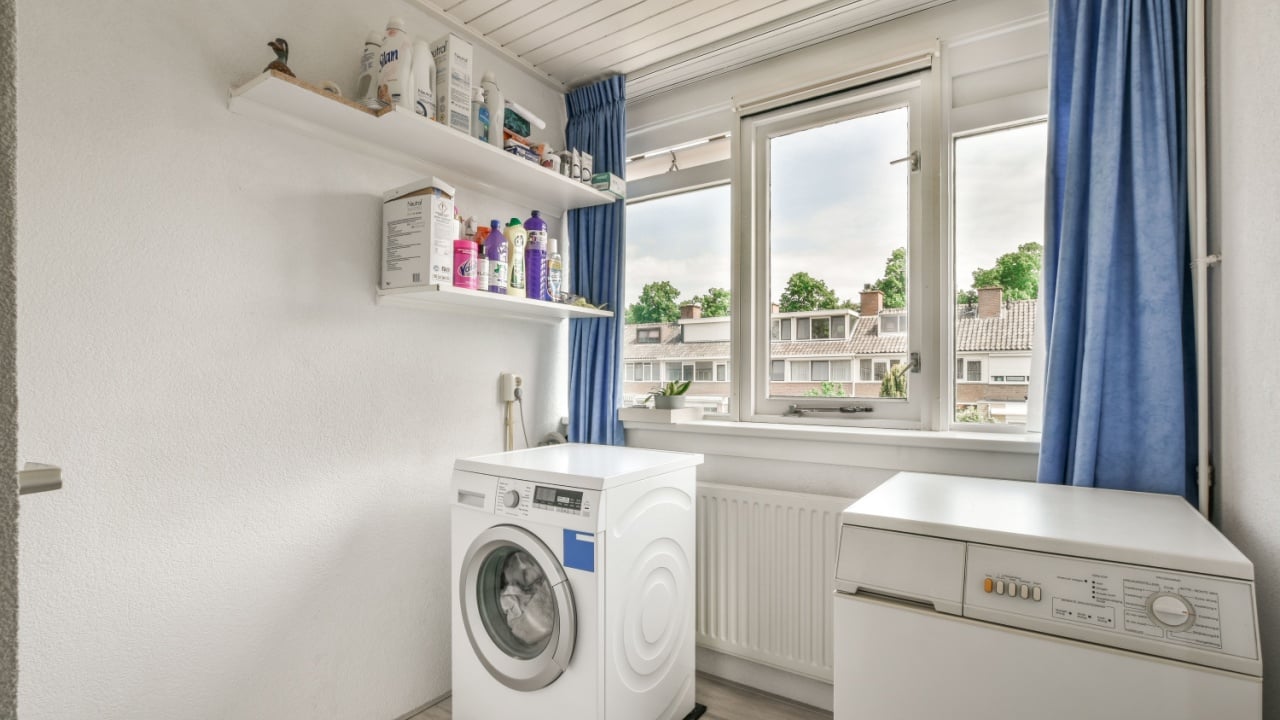
Metal rubbing on metal creates a distinct, piercing squeak that demands immediate attention. This noise occurs when the internal support rollers or the main drum bearings begin to wear out due to heavy daily use. The friction generates extreme heat and places immense strain on the electric motor powering the rotation.
Stop using the machine immediately to prevent the drum from collapsing entirely. You should hire an appliance technician to open the cabinet and replace the damaged tension pulleys or worn belts. Routine maintenance on these moving parts keeps the appliance running safely and prevents clothing from catching fire.
5. Dripping Water Behind the Walls
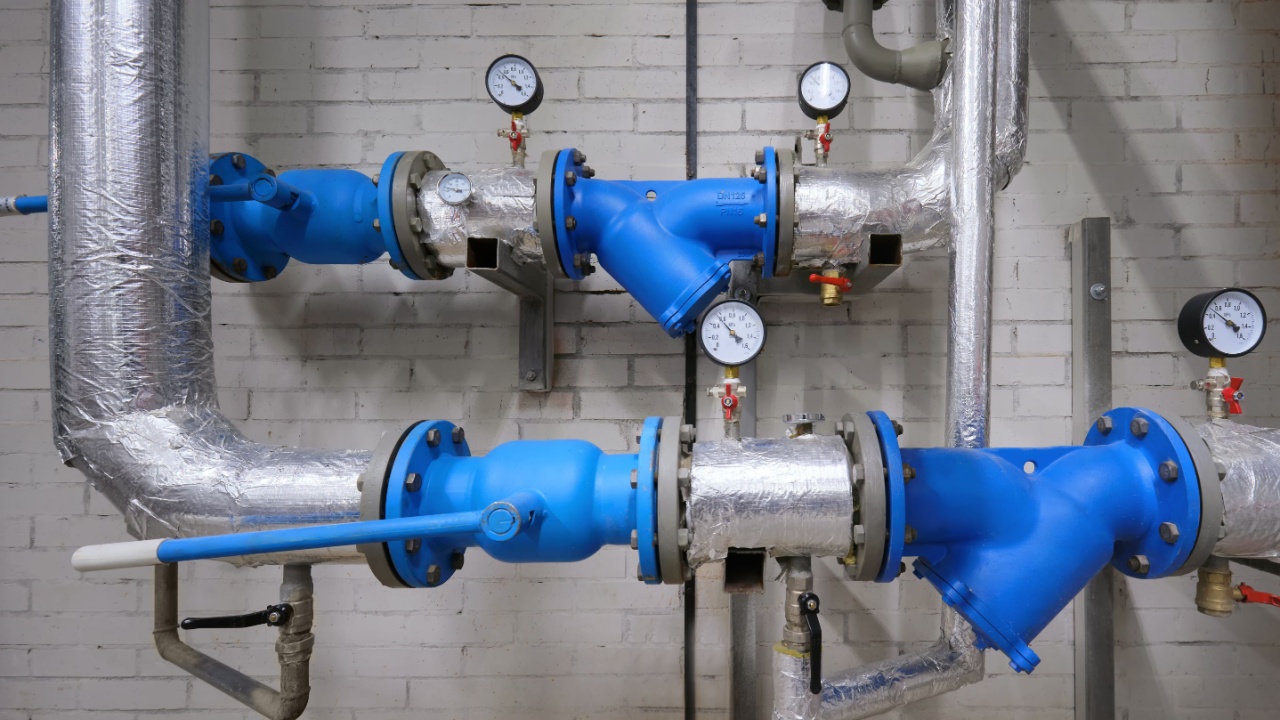
The faint sound of dripping or running water when all faucets are turned off is a sign that your plumbing may need replacement. This noise points toward a hidden plumbing leak, a faulty toilet valve, or a cracked pipe joint concealed behind the drywall. Continuous moisture accumulation ruins structural framing and creates the perfect environment for dangerous, toxic mold to thrive undetected.
Shut off the main water valve immediately to halt the flow and minimize the impending water damage. Call a licensed plumber who uses thermal imaging cameras to pinpoint the exact location of the leak without tearing down entire walls. Prompt intervention protects your foundation and stops the yard from turning into a flooded swamp.
6. Squealing and Clanging from the Air Conditioner
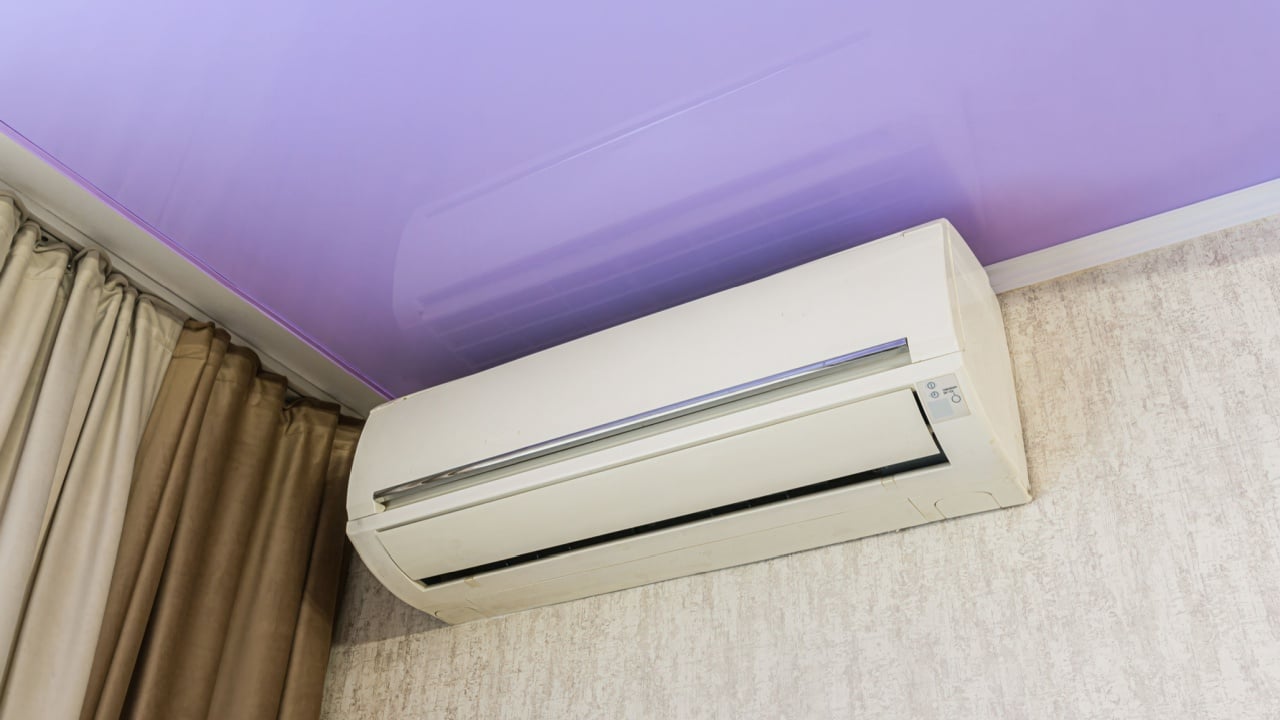
An air conditioning unit should operate with a steady, quiet hum. When you hear loud squealing, a fan belt has likely slipped out of place or worn down significantly. Alternatively, persistent whining suggests heavily clogged air filters, while loud clanging indicates loose internal components striking the metal casing.
Turn off the system right away to prevent further mechanical failure. Check and replace the air filters first, as this resolves many airflow restriction problems. If the noises persist, schedule an appointment with an HVAC technician to tighten the fan belts, recharge low refrigerant levels, and secure the internal hardware.
7. Rapid Clicking or Flapping in the Refrigerator
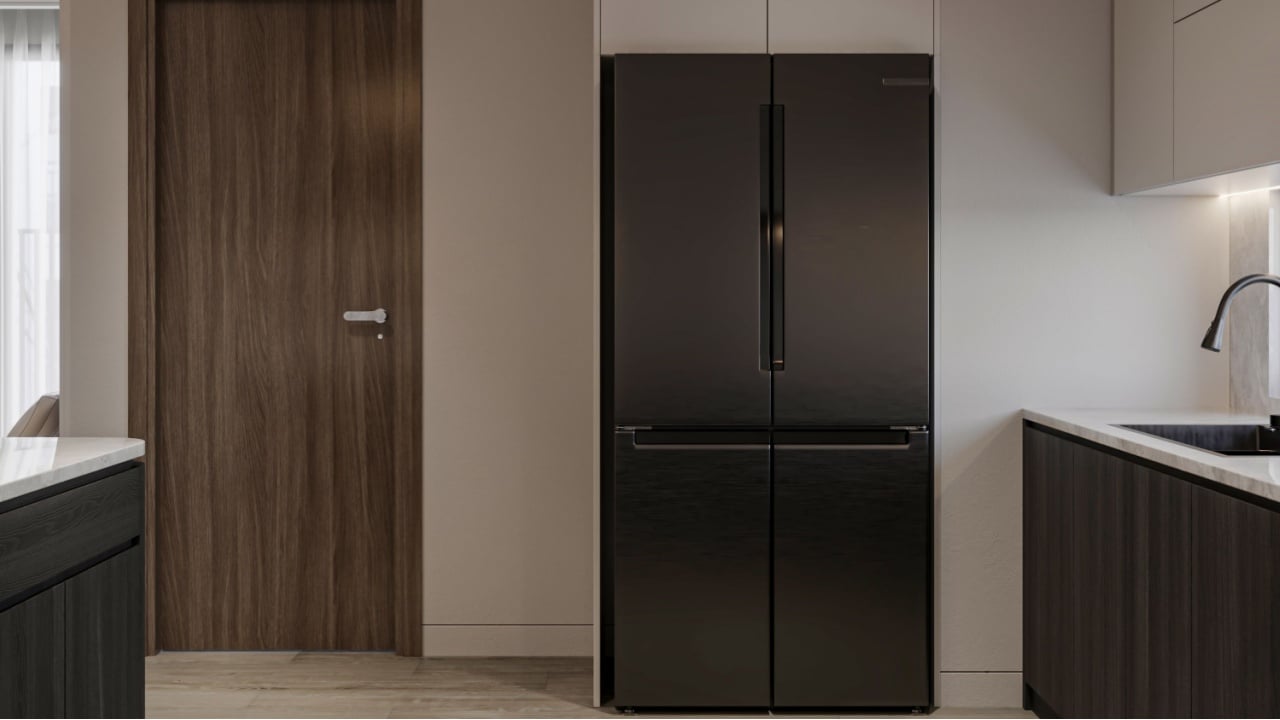
A refrigerator relies on constant temperature control, and strange noises indicate trouble with the cooling cycle. A rapid flapping sound usually indicates that thick ice has formed around the internal evaporator fan blades, causing them to strike the frozen buildup. Meanwhile, a loud, repetitive clicking noise often signals that the main compressor is struggling to start and failing to circulate cold air.
You need to act fast to prevent massive food spoilage. First, unplug the unit and allow it to defrost manually if you suspect heavy ice buildup around the fan mechanism. If the clicking continues after restoring power, the starter relay or the compressor itself requires replacement by a certified technician.
8. Heavy Thumping During the Wash Cycle
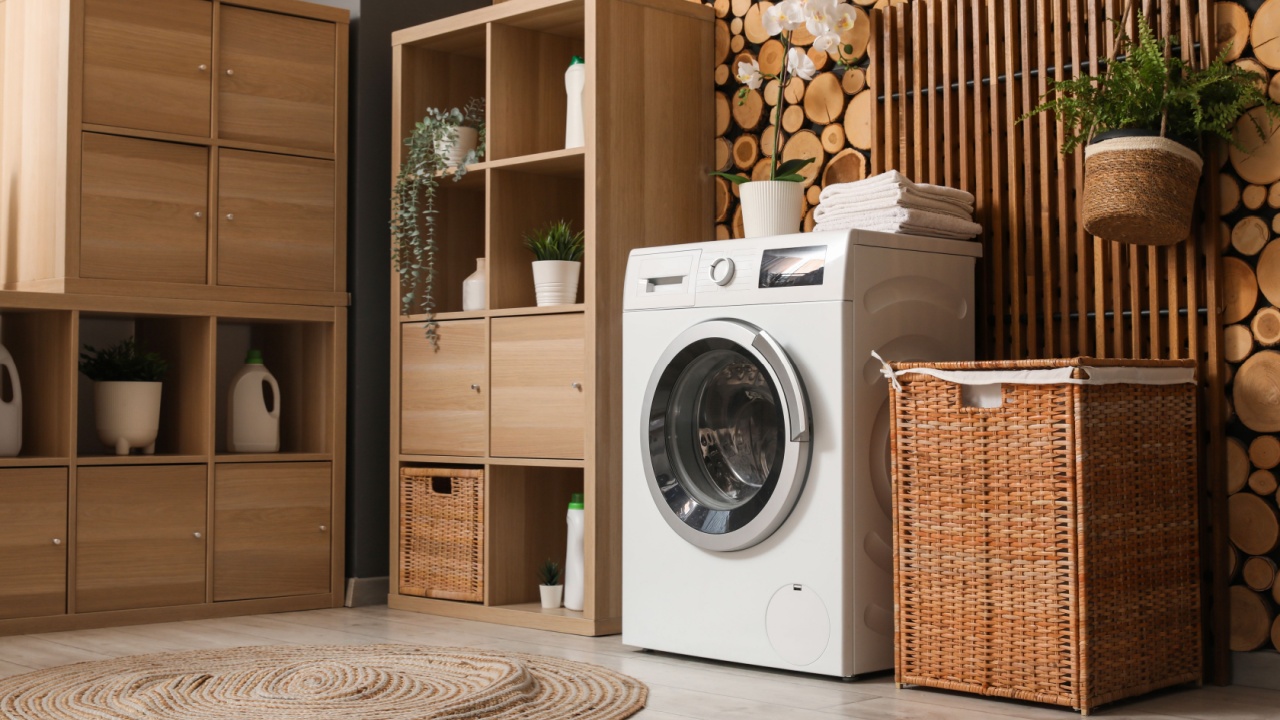
A violent thumping noise that shakes the entire laundry room signifies a severely unbalanced washing machine. This happens when heavy items like blankets collect on one side of the drum, or when the internal balance ring fails completely. The immense centrifugal force causes the heavy tub to smash violently against the delicate electronic control board.
Pause the cycle immediately and redistribute the wet clothing evenly around the agitator. If the machine continues to bang violently even with perfectly balanced loads, the suspension springs or shock absorbers have likely snapped. A repair professional must replace these stabilization components before the machine destroys itself from the inside out.
9. Constant Squeaking Under the Floorboards
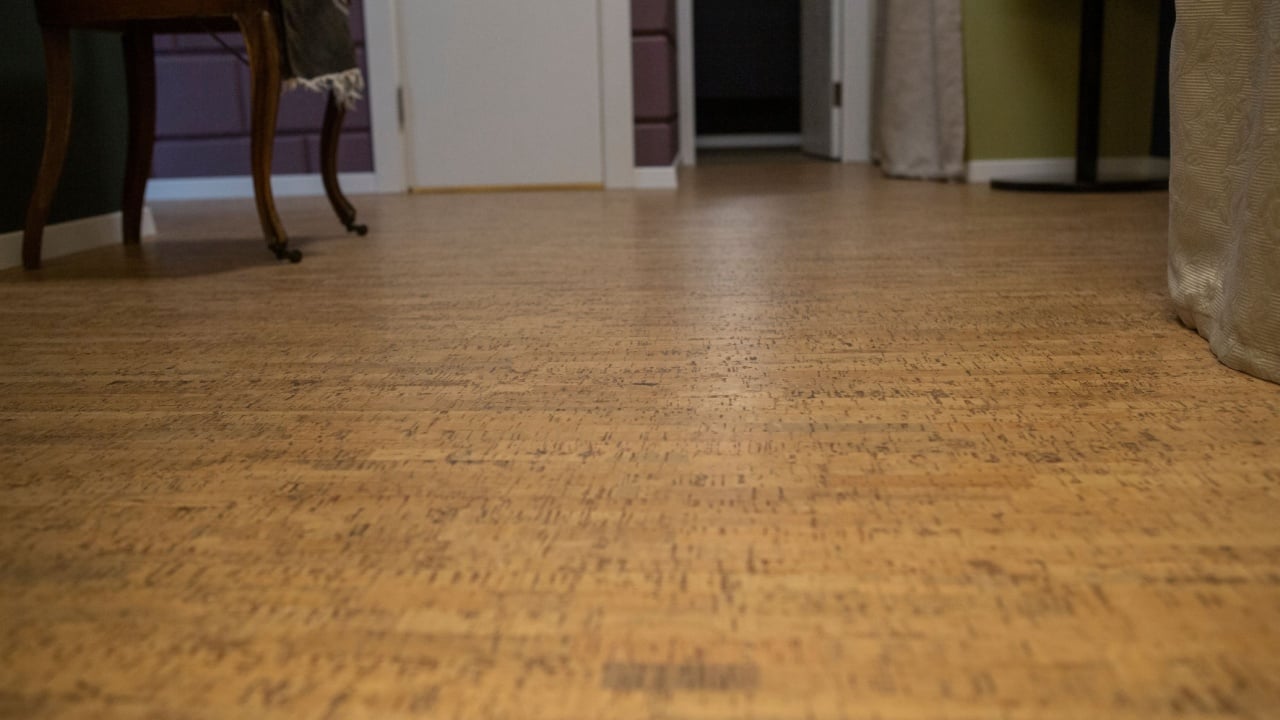
Many people dismiss squeaky floors as a normal feature of an aging house, but these noises often hide severe structural issues. When floor joists weaken from hidden termite damage or severe wood rot, the subfloor pulls away from the nails. Walking across these compromised areas forces the wood to rub against the loose fasteners, creating that familiar high-pitched groan.
Investigate the basement or crawlspace directly beneath the noisy area to check for sagging beams or pest damage. You may need to install wooden shims between the joists and the subfloor to eliminate the movement. If you discover crumbling wood or insect trails, contact a structural engineer and a pest control company immediately.
10. Whistling and Rattling Near the Windows
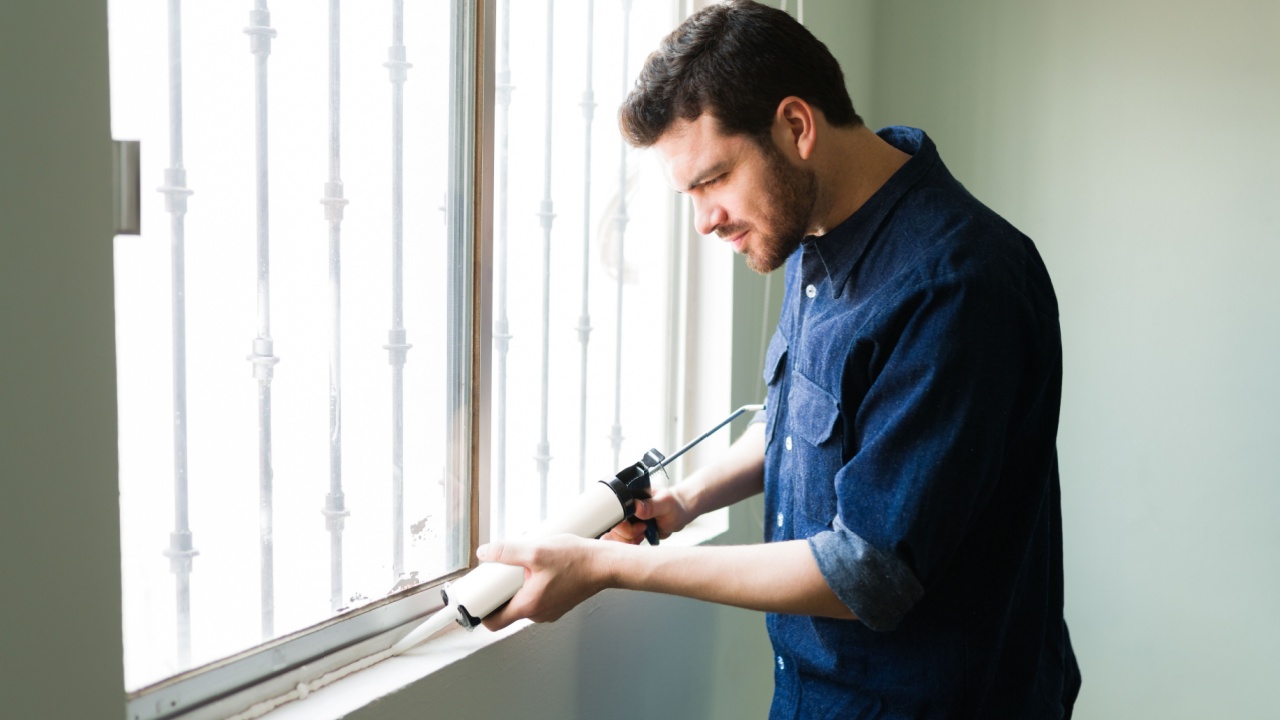
Windows should form a tight barrier against the outside elements. A loud rattle whenever the wind blows means the sashes are loose, which greatly increases the risk of the glass cracking under pressure. A high-pitched whistling noise indicates failed weatherstripping and poor sealing, allowing conditioned air to escape the house rapidly.
Fixing these air leaks lowers your monthly utility bills significantly. Inspect the perimeter of the glass for dried, cracked caulking and replace it with fresh silicone sealant. Tighten any loose hardware and install new weatherstripping tracks to firmly secure the window frames against harsh weather conditions.
11. Violent Banging Inside Steam Radiators
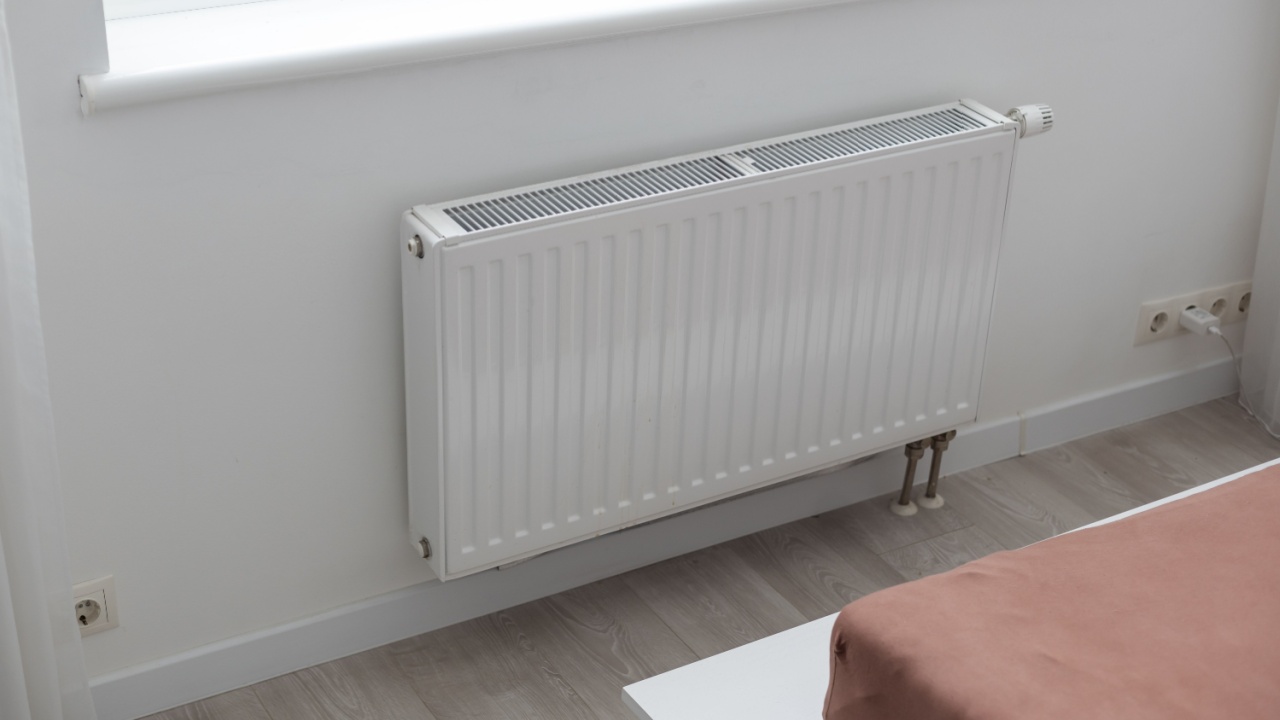
A loud, metallic banging that echoes through older heating pipes is known as water hammer. This disruption occurs when condensed water becomes trapped inside the radiator because the unit is tilted the wrong way. The rushing steam crashes violently into this pool of trapped water, sending massive shockwaves through the entire plumbing system.
The solution involves slightly adjusting the angle of the heavy radiator unit. Place small wooden shims under the legs on the side opposite the steam pipe to encourage proper drainage. Resolving this drainage issue stops the aggressive hammering and prevents the excess moisture from leaking out and warping your hardwood floors.
12. Deep Gurgling from the Water Heater
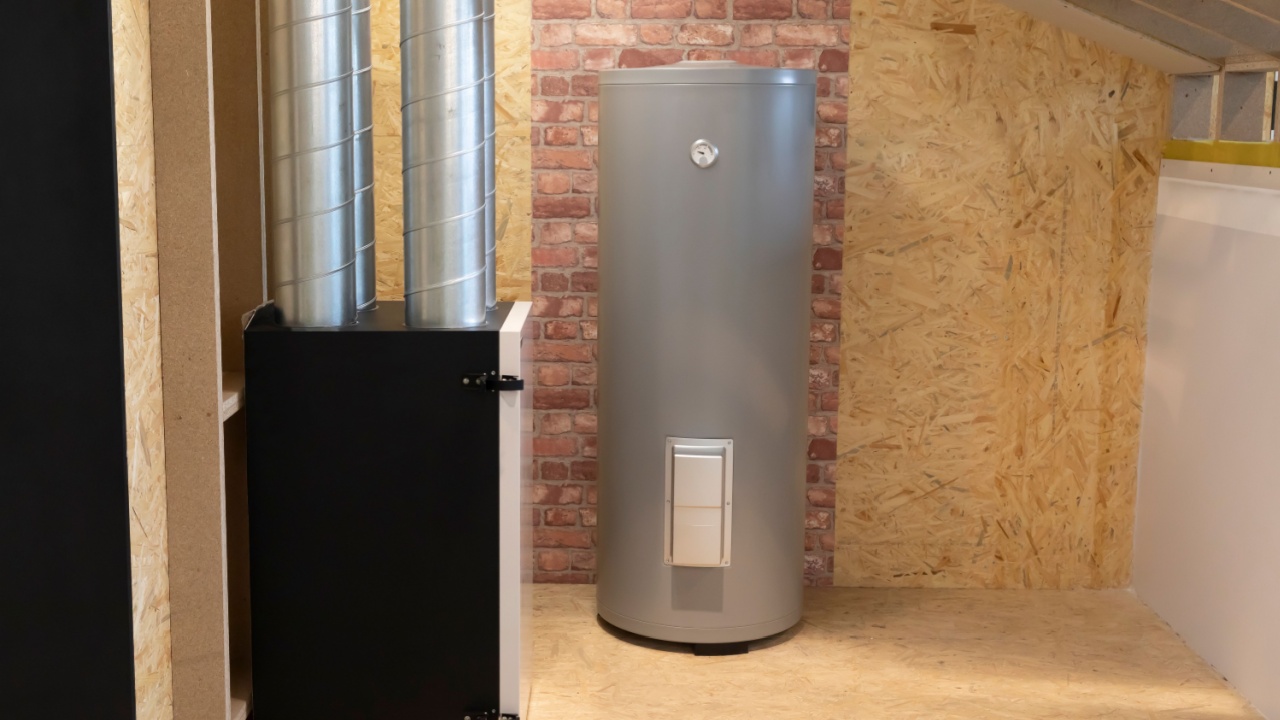
A low, rumbling gurgle originating from the water heater sounds suspiciously like a boiling pot of thick mud. This noise develops when layers of hard water sediment and calcium minerals settle at the bottom of the tank. The heating element becomes buried under this dense debris, forcing it to work twice as hard to boil the water trapped underneath the mineral crust.
This extreme heat buildup damages the inner lining of the tank and significantly increases the risk of a catastrophic rupture. You must attach a hose to the drain valve and flush the entire tank to remove the accumulated sludge. Performing this maintenance once a year keeps the water heater operating safely and provides consistent hot water for your family.
Hear It, Fix It

Paying close attention to the auditory signals your property generates provides an invaluable advantage in home maintenance. Addressing minor rattles, squeaks, and drips immediately protects your investment from severe damage and expensive emergency repairs. By acting swiftly upon hearing these specific warning signs, you maintain a safe, highly functional living environment for years to come.
Read More:
16 Smart Home Hacks for Fixing Life’s Little Annoyances
5 Appliances That Need Regular Cleaning to Avoid Moldy Growth