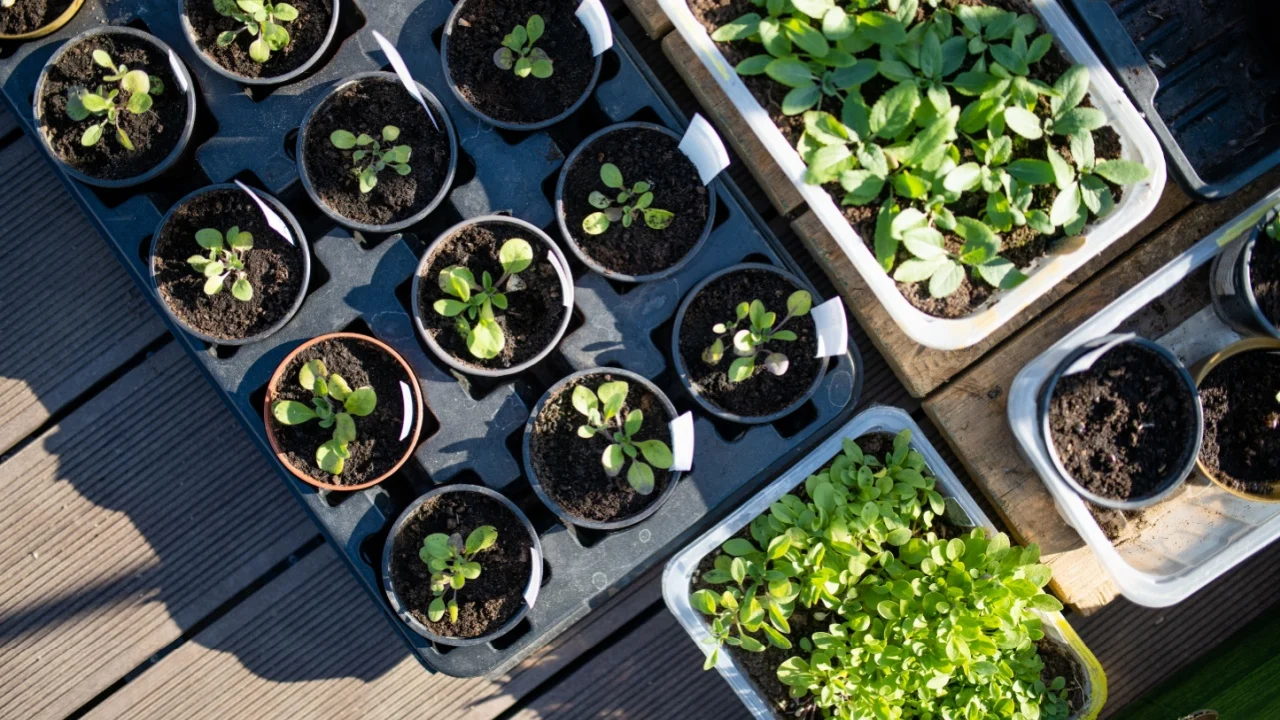
13 Plants You Should Stop Buying at the Nursery (And Grow from Seed Instead)
Here’s a hard truth. That tray of cucumbers starts isn’t a shortcut — it’s a $6 mistake.
For a surprisingly long list of common vegetables and flowers, buying nursery seedlings is slower, more expensive, and less successful than dropping a seed directly into warm soil. This April, when nursery tables are overflowing with tempting green starts, is exactly when it’s time to learn the difference.
Let’s look at 13 plants that aren’t worth buying at the nursery because you can plant them from seed with ease (and for significantly less).
Why Some Plants Were Never Meant to Be Transplanted
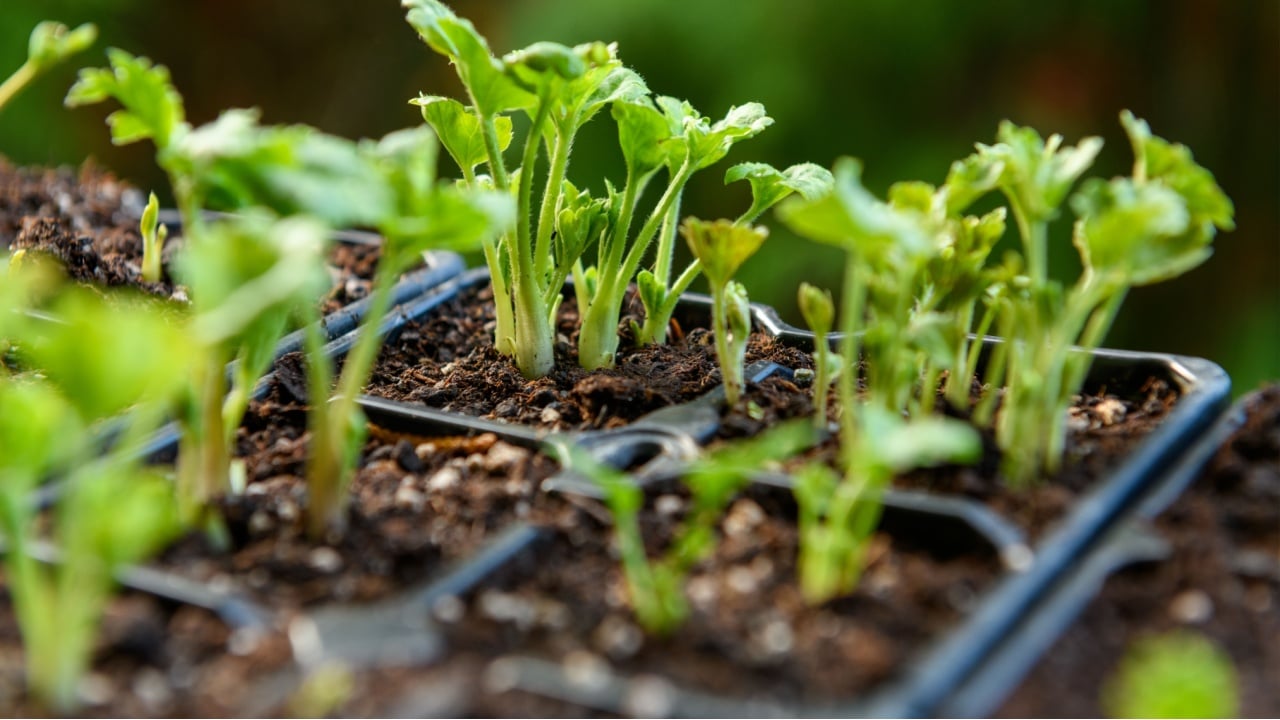
Not every plant shares the same relationship with its roots. Some crops, like tomatoes and peppers, tolerate transplanting well and genuinely benefit from the head start a nursery provides. But a significant number of common vegetables and flowers develop root systems so delicate, so directional, or so deeply symbiotic that pulling them out of a plug tray and dropping them into your garden soil sends them into a shock they may never fully recover from.
According to Natalie Crist, a New York Botanical Garden–certified sustainable garden designer in Martha Stewart, the disruption goes deeper than most gardeners realize: peas, for instance, develop nitrogen-fixing root nodules that are critical to their nutrient absorption, and transplanting can destroy those nodules before they’ve done their job. The result is a plant that looks fine on the surface but is quietly struggling underground.
Save your money this April. Here are the 13 plants not worth buying from the nursery as starts.
1. Peas

Of all the plants on this list, peas may be the most universally mistreated by well-meaning gardeners. Their shallow, delicate root systems are sensitive to disturbance, but more critically, transplanting disrupts the nitrogen-fixing nodules on their roots, the very structures that help them pull nutrients from the soil.
Crist, interviewed in Martha Stewart, put it plainly: she has never seen a transplanted pea seedling outperform one sown directly. Sow peas straight into cool spring soil as early as the ground is workable, and skip the nursery start entirely.
2. Cucumbers

Cucumbers rank among the most commonly purchased nursery starts and also among the most commonly disappointing ones. Their root systems are highly sensitive, and their stems are brittle enough to snap during even careful transplanting.
According to Better Homes & Gardens, cucumber seeds can be planted directly in your garden two to three weeks after the last spring frost, when the soil reaches at least 50°F, meaning the window for direct sowing opens right about now. The nursery start gives you no meaningful head start and costs far more.
3. Zucchini and Summer Squash
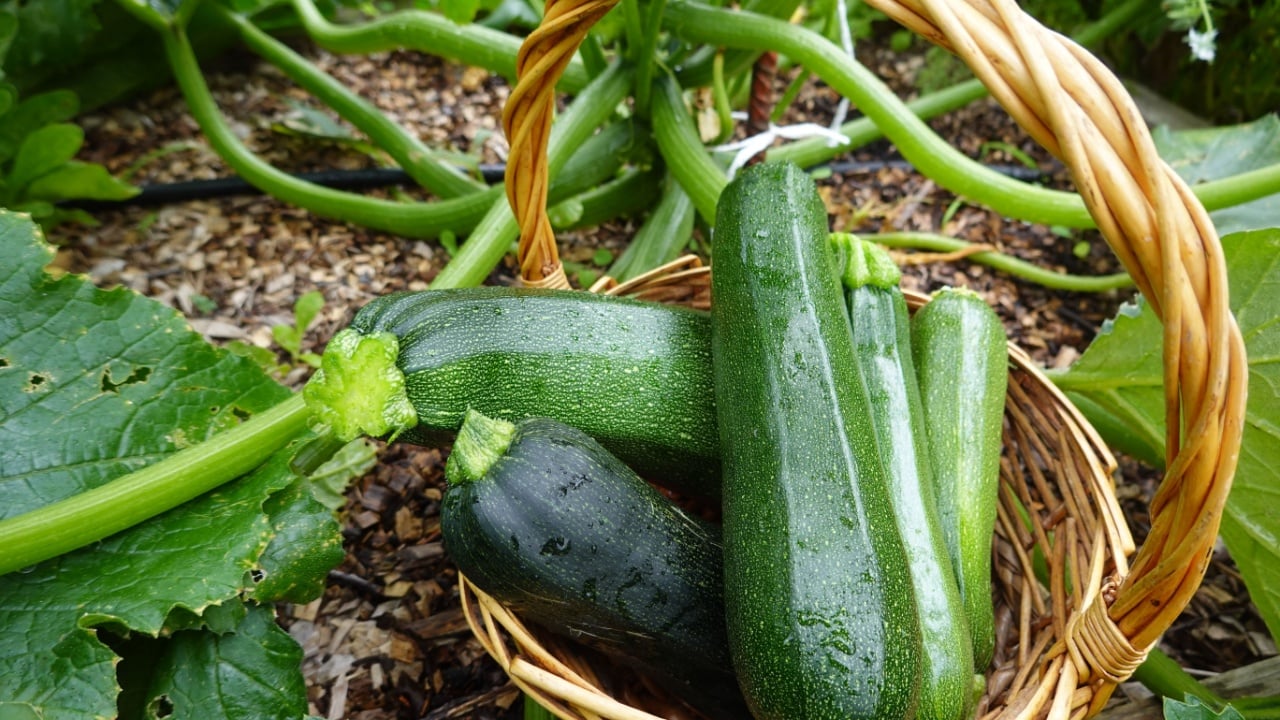
Zucchini is one of the garden’s most enthusiastic self-starters. Sow seeds after your last frost date, and most varieties produce fruit in 50 to 55 days; there is simply no growing season short enough to justify buying starts.
Better Homes & Gardens notes that even in brief growing seasons, zucchini has more than enough time from seed, and its delicate stems are prone to breaking during transplanting. A direct-sown zucchini plant will almost always outpace a nursery start within two weeks of germination.
4. Winter Squash and Pumpkins
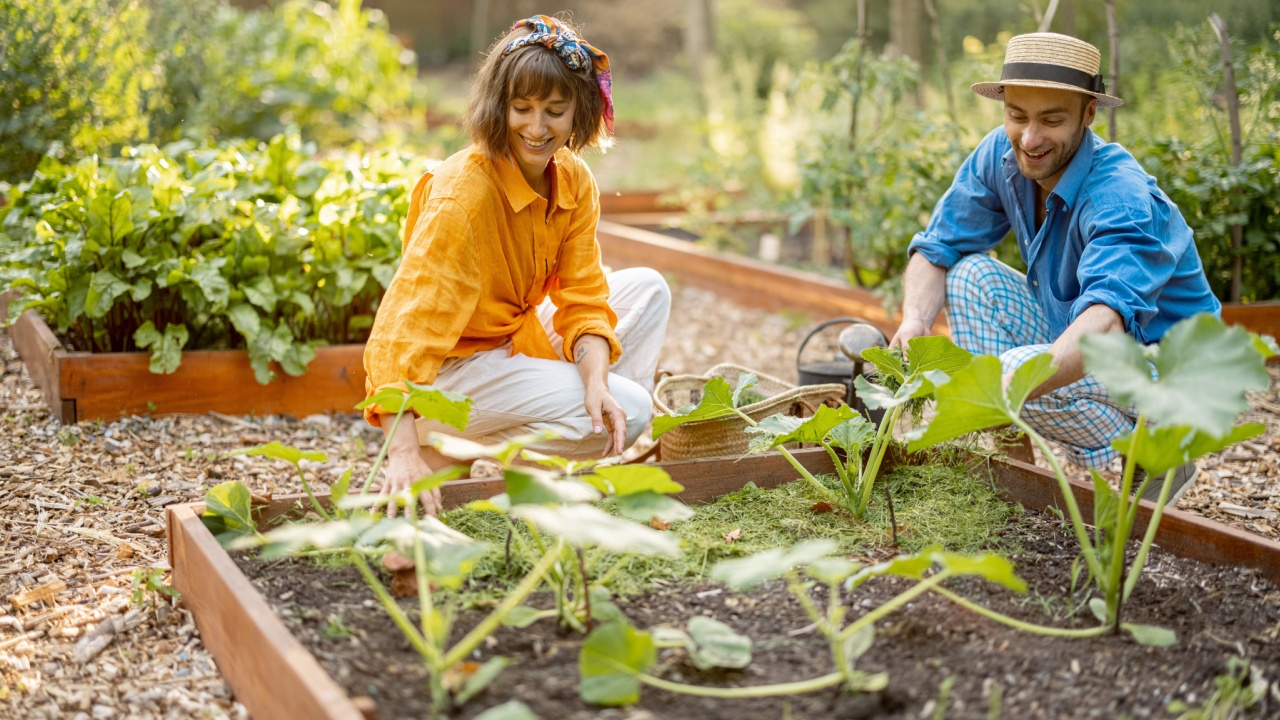
Winter squash and pumpkins grow fast, hate root disturbance, and suffer transplant shock badly enough that you can lose weeks of growing time, the very time advantage you thought you were buying.
Plant seeds after frost danger passes and soil temperatures climb above 65°F. You’ll reach harvest at the same time as the nursery starts, spending a fraction of the cost.
5. Melons
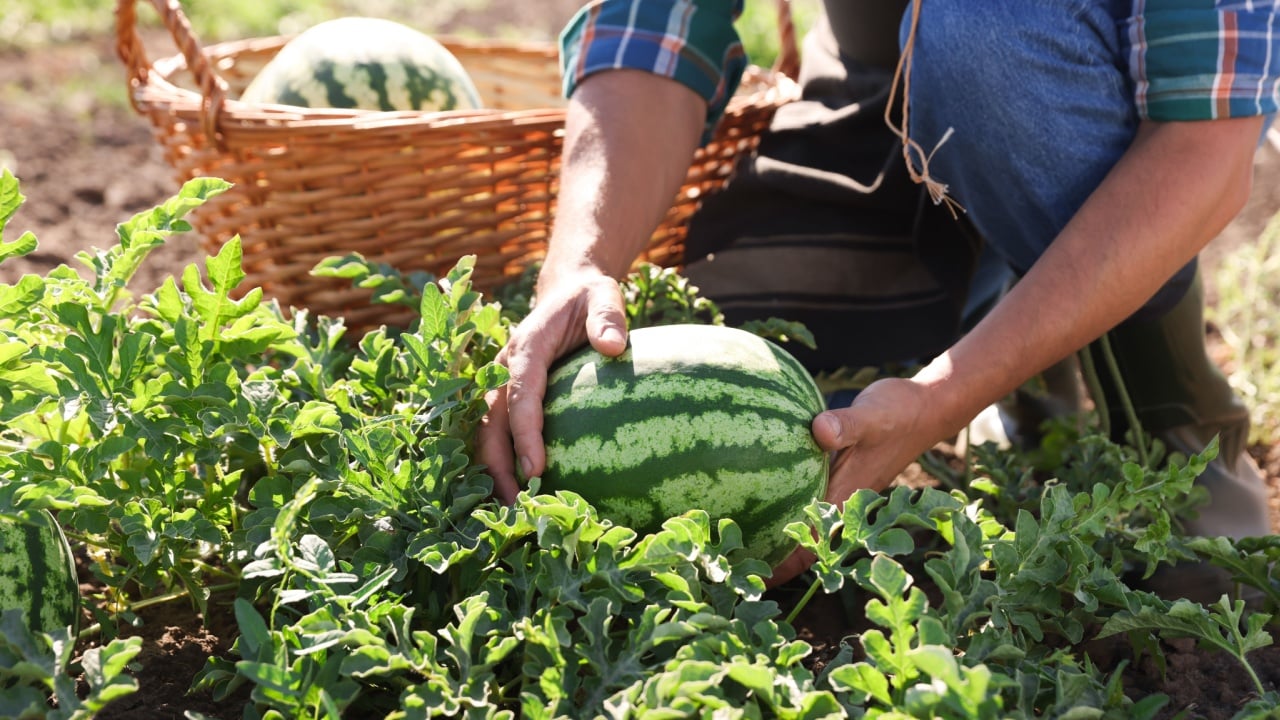
No matter the variety, cantaloupe, watermelon, or honeydew, melons universally grow best from directly sown seeds. Their vines and stems are exceptionally fragile and prone to breaking during transplanting, and their root systems are highly sensitive to being disturbed after planting.
According to Better Homes & Gardens, melon seeds should go directly into warm, well-drained soil after frost danger has passed. Buying melon starts at a nursery is one of the fastest ways to spend $5 on a plant that will sulk for two weeks before quietly failing.
6. Sunflowers
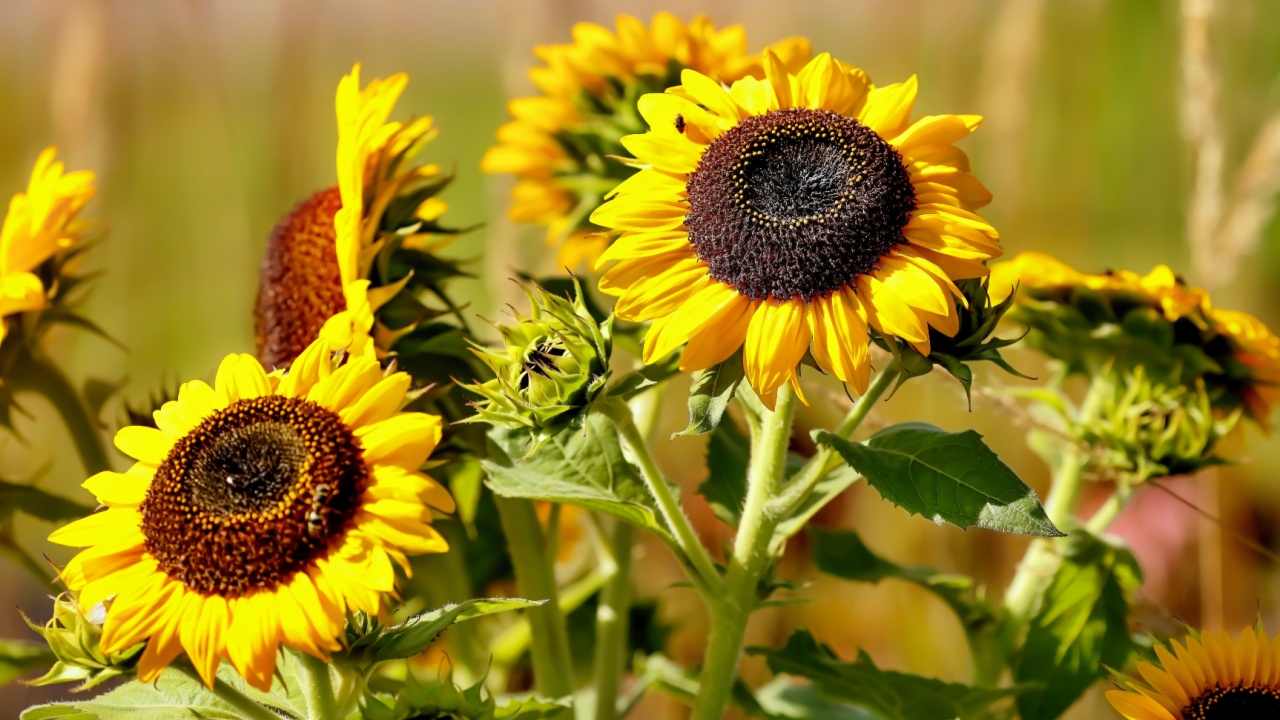
Here is the one that surprises people most: sunflowers, that most cheerful and seemingly indestructible of plants, are actually poor candidates for nursery transplanting. Their taproots grow like carrots, long, deep, and directional, and when confined to a plug tray or small pot, those roots become stunted and contorted.
When you plant that container-bound sunflower in your garden, it never quite straightens out. A sunflower sown directly in the ground where you want it to grow will be taller, stronger, and more abundantly blooming than any nursery start. The seed costs less than a quarter.
7. Corn
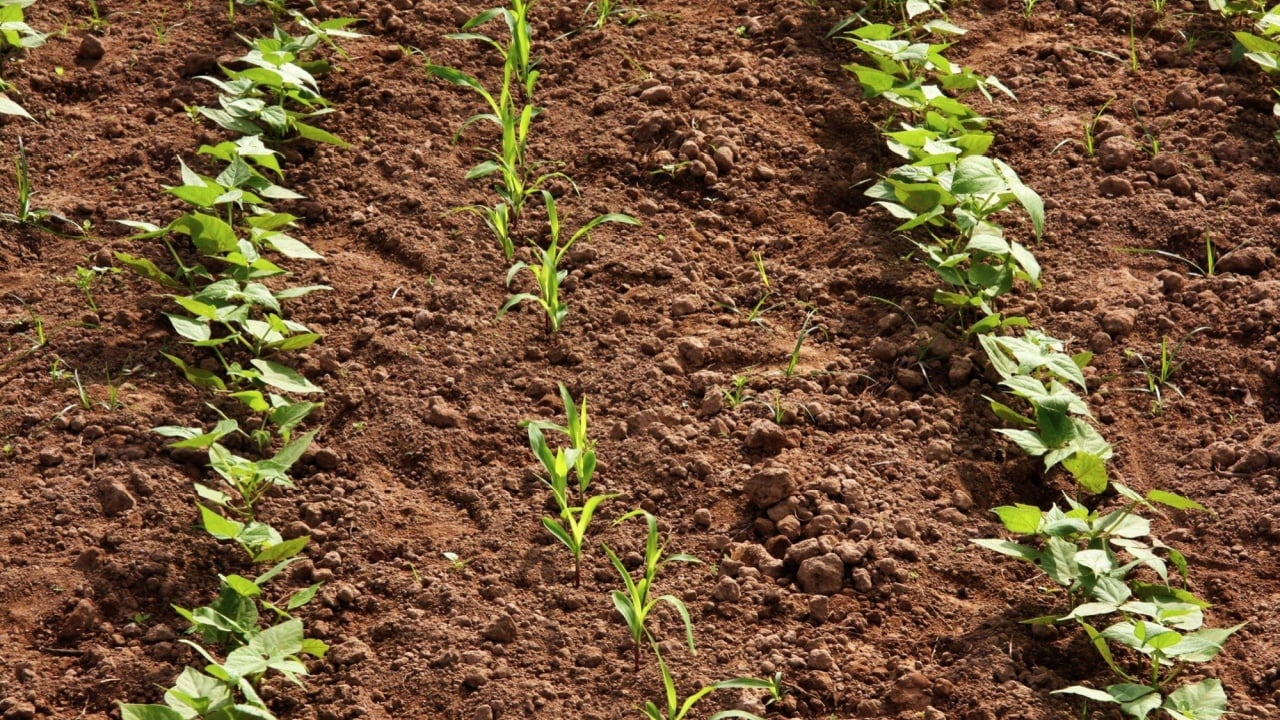
Purchasing corn from a nursery is one of the more baffling springtime purchases a gardener can make. Corn must be planted in blocks, not rows, but dense square plots, so that wind can carry pollen between plants.
A handful of nursery starts planted in a line will produce poorly pollinated, half-filled ears regardless of how healthy the individual plants are. Epic Gardening notes that outdoor-seeded corn develops significantly stronger root systems that resist the heavy summer winds that topple transplanted specimens under the weight of mature ears.
8. Beans (Pole and Bush)
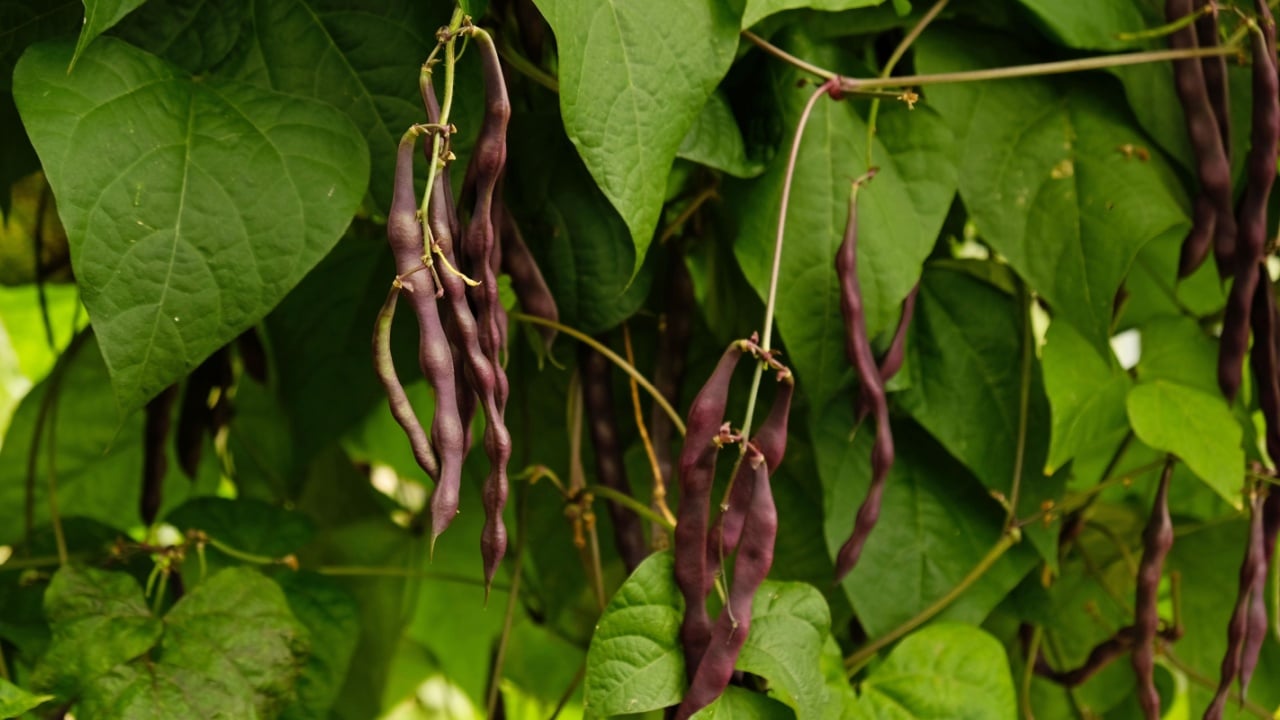
Beans germinate reliably in warm soil, grow extremely quickly, and gain no meaningful advantage from being started indoors or purchased as transplants. In fact, transplanting them risks damaging their roots at exactly the moment they’re establishing the structure that will feed the plant all season.
According to Damon Abdi of the Hammond Research Station at Louisiana State University’s AgCenter in Martha Stewart, transplanting pole beans too late in development risks damaging the roots’ new tendrils, which need to anchor themselves. Sow beans directly after your last frost date, and they’ll be flowering in 50 to 60 days.
9. Carrots
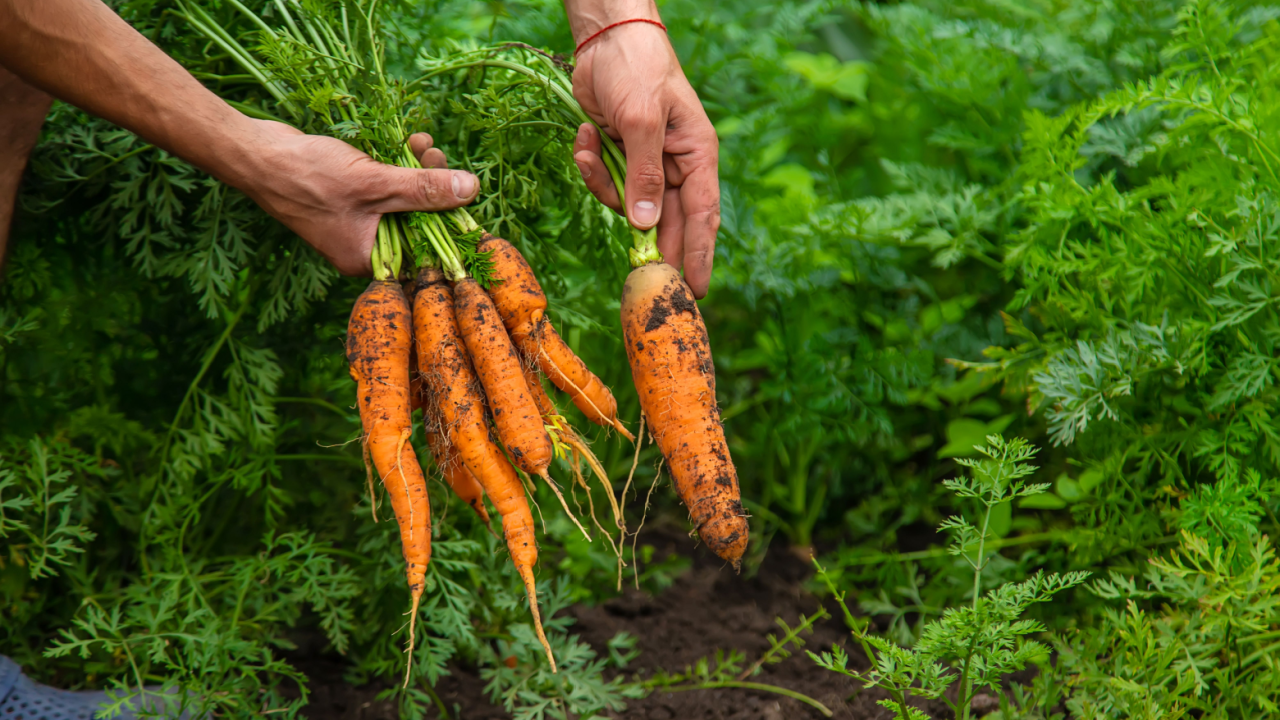
Carrots should never, under any circumstances, be purchased as nursery seedlings. Their long, delicate taproots develop in one direction only, straight down, and any disturbance during transplanting produces forked, stunted, or deformed roots. This is a crop that must be direct-sown, thinned carefully, and left to grow undisturbed.
A packet of carrot seeds costs under $3 and produces dozens of plants. A four-pack of nursery carrot starts costs more and delivers inferior results almost without exception.
10. Radishes and Turnips
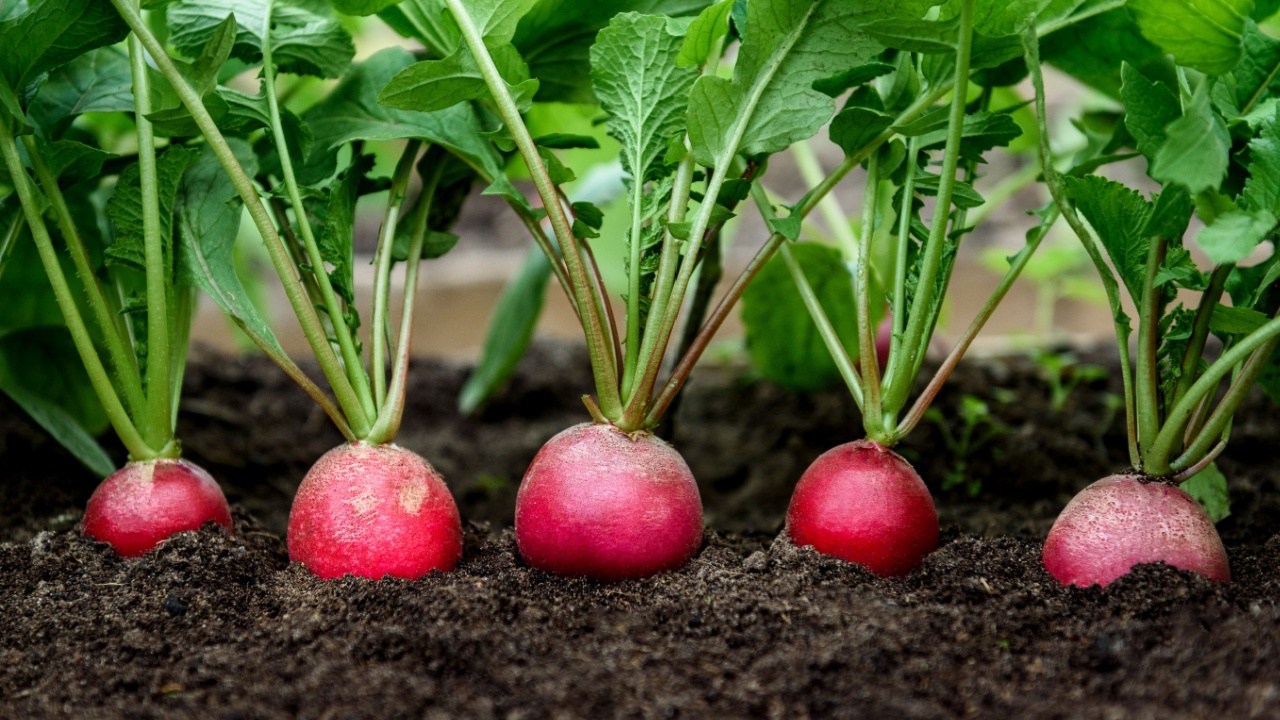
Of all the direct-sow crops, radishes make the least logical nursery purchase. They’re among the fastest-germinating vegetables in the garden, ready to harvest in as few as three to five weeks from seed.
Buying a radish start at a nursery is the gardening equivalent of buying pre-peeled bananas: technically possible, entirely unnecessary, and expensive relative to the original. Turnips are only marginally slower. Both are cold-hardy enough to go in the ground this April, before your last frost date.
11. Zinnias
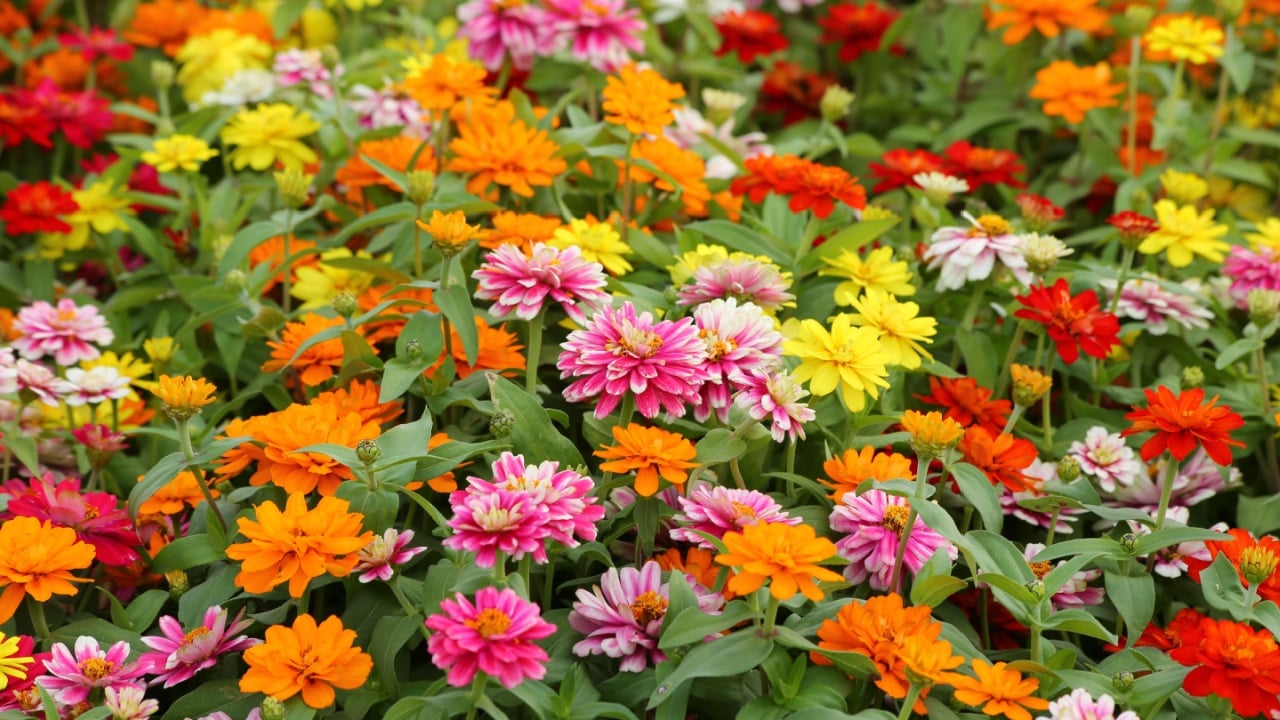
Zinnias are the cutting garden staple that almost every gardener reaches for at the nursery in April, and that almost every experienced gardener eventually stops buying. They germinate in days, grow fast, and produce demonstrably stronger stems when sown directly into the soil, bypassing the transplant stress that can leave nursery starts with weak, floppy growth.
Jen McDonald, co-founder of Garden Girls, told Homes & Gardens that zinnia stems are much stronger when they’re sown straight into the garden. Wait until frost danger passes, scatter seeds in a sunny spot, and you’ll have blooms by midsummer.
12. Cilantro

Cilantro is arguably the most hopeless nursery purchase on this list. This herb bolts, going to seed and turning bitter, at the first sign of stress: heat, drought, root disturbance, or even just the shock of transplanting. Nursery cilantro has almost always experienced one or more of these stressors before it reaches your hands.
Direct-sowing cilantro in cool spring soil, and again in early fall, is the only reliable way to get a sustained harvest. Sow generously, harvest often, and let a few plants go to seed for coriander. A seed packet covers a full season for under $2.
13. Bolted, Root-Bound, or Leggy Starts of Any Kind
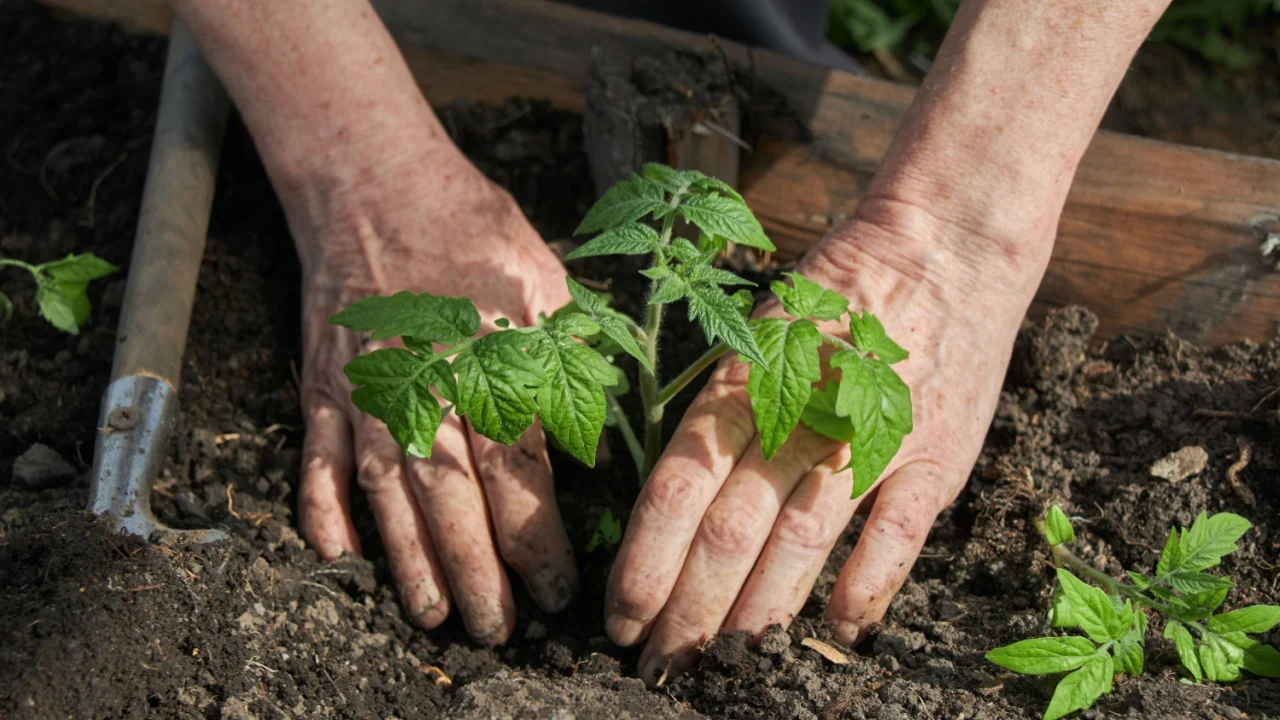
This last entry isn’t a single plant; it’s the mistake that cuts across all of them. A bolted seedling, one that has stretched upward and begun to flower prematurely in its nursery tray, has already peaked. Its energy has shifted from vegetative growth to reproduction, and no amount of post-purchase care will redirect it. A root-bound plant, with roots circling the pot base, has been waiting too long and will struggle to establish. A leggy, pale-stemmed start has been starved of light.
According to Amy Enfield of Scotts-MiracleGro, cited by Homes & Gardens, transplant shock is compounded in plants that are already stressed before they ever reach your garden. Healthy starts have sturdy stems, deep green leaves, and more buds than open flowers. Everything else is a gamble, and in April, when seed germination is fast and the season is long, it’s a gamble not worth taking.
What the Nursery Is Actually Good For

The nursery is not the enemy. Peppers, tomatoes, eggplant, and basil are genuinely worth buying as starts; they’re slow to germinate, slow to mature, and difficult to time correctly without a head start. A single basil plant from a nursery or even a grocery store can be propagated into a dozen cuttings, making it one of the best values in the garden.
Mint, rosemary, and other perennial herbs are also smart buys; they’re slow-growing from seed and return year after year. When you do buy starts, check the roots: slide the plant gently from its pot and look for white, outward-growing roots, and avoid anything circling the pot base. According to the Old Farmer’s Almanac, buying what genuinely benefits from a head start and direct-sowing everything else is the simplest framework for a more productive, less expensive spring garden.
Every skipped nursery start is money that stays in your pocket and a plant that often performs better for having never been in a tray. This April, before you reach for another six-pack of cucumbers or a flat of zinnia starts, consider what a dollar’s worth of seeds could do in the same bed. The season is long, the soil is warming, and the plants on this list were never meant to be transplanted in the first place. Let them grow the way they want to, and spend your nursery budget on the plants that genuinely need the help.
Read More
Plant these 10 companion plants with your tomatoes — and stop planting these 4
13 Plants That Grow Better (and Faster) Hydroponically — and Why March Is the Perfect Time to Start