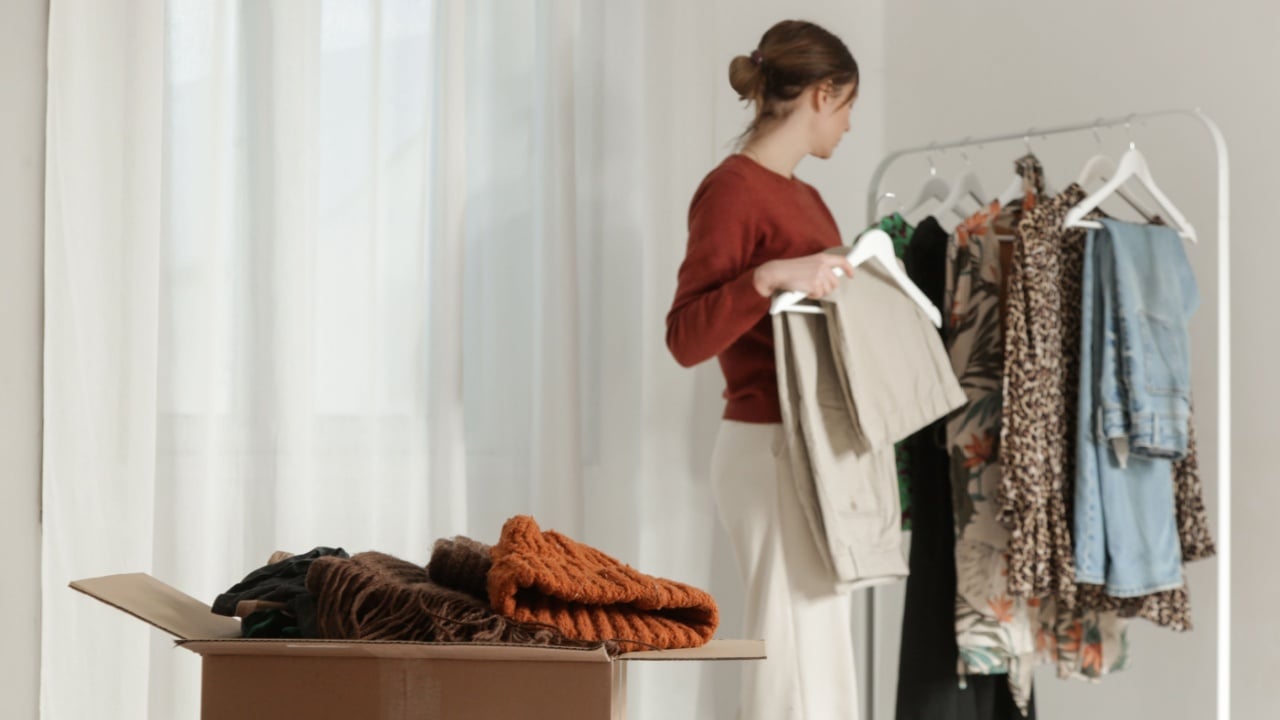
Declutter First, Clean Second: 14 Things to Toss Before Spring
Want to make spring cleaning easier? Stop cleaning around your clutter. No amount of scrubbing will make a difference if you’re just shuffling piles of stuff you don’t need. All you’re doing is giving dust, dirt, and even mold a place to hide. The real secret to a successful spring clean is simple: declutter first, clean second.
Professional organizers swear by this rule, especially since winter seems to be the official season for accumulating junk. Before you grab your sponge, it’s time to deal with the clutter. From expired allergy meds to that sad-looking patio chair, certain items need to go.
Here are 14 things to toss before spring arrives. Get these out of the way now, and your spring cleaning will be faster, easier, and a lot more satisfying.
1. Cleaning Products
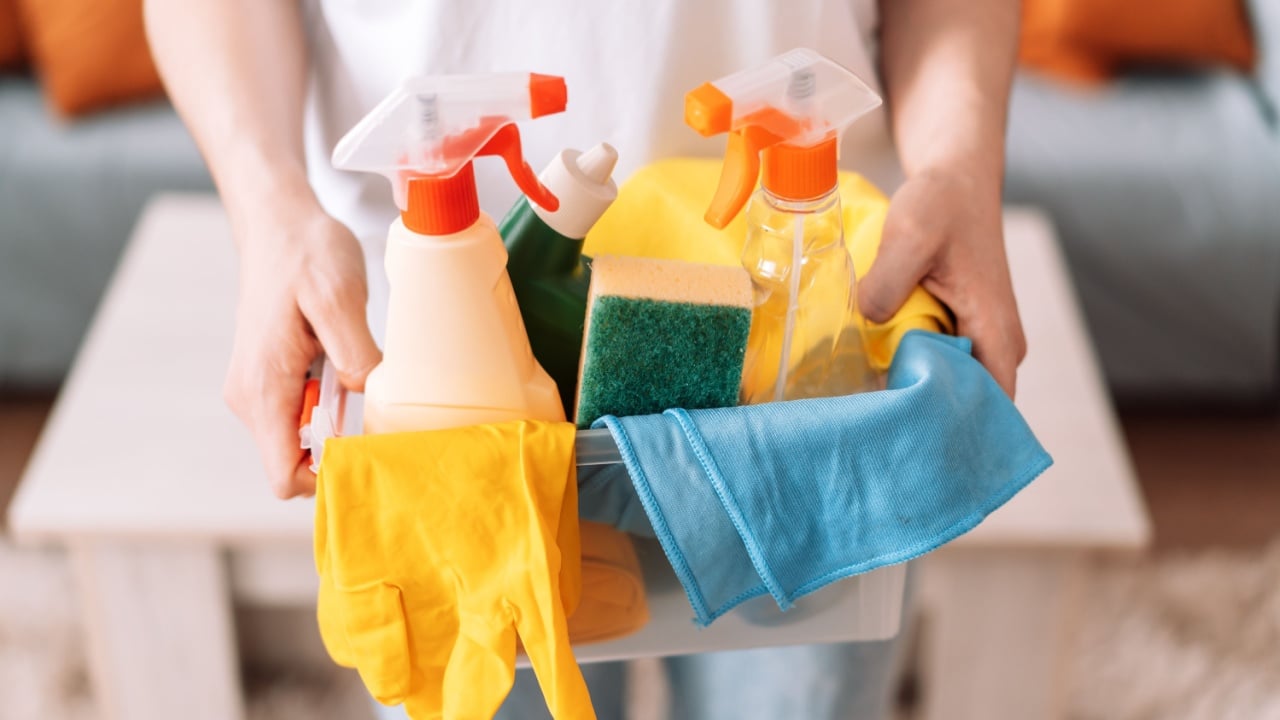
Before you start your spring clean, take a look at the products you already have. Gather all your supplies and sort them by what they do. You’ll probably find you have a few half-empty bottles of the same cleaner. Combine what you can, and check the expiration dates (yes, cleaning products expire!) Make a list of what you need to buy.
Once you’ve sorted everything, throw out anything you don’t need, following the disposal instructions on the label. Then, store your supplies where they’ll be easy to grab when you need them.
2. Expired Allergy Medicine
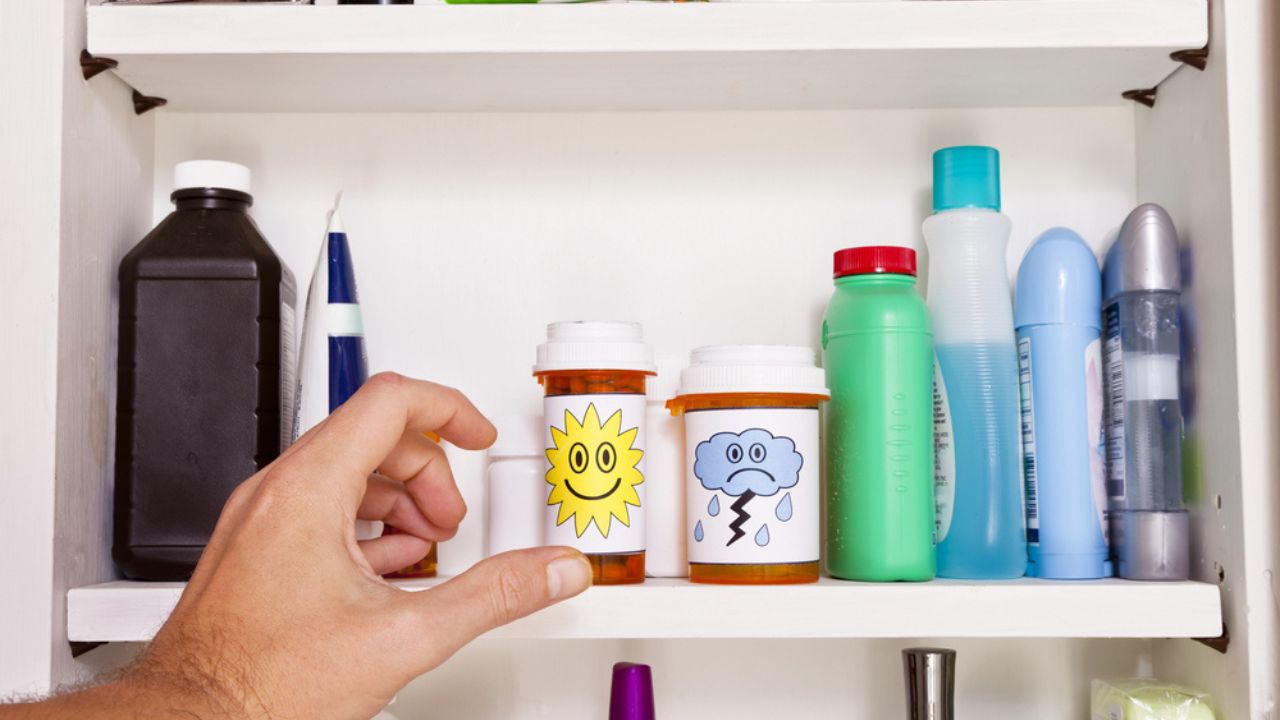
As green pollen starts coating everything in sight (soon), now’s the time to audit your medicine cabinet. While fall is ideal for decluttering cold and flu medications (although you can check those too), spring demands attention to allergy relief. Check expiration dates on all antihistamines, eye drops, and nasal sprays. Expired medications lose effectiveness and can potentially be harmful.
Drop expired medications at an FDA-registered drug take-back location rather than tossing them in the trash or flushing them down the toilet. Replenish your supply before the first sneeze of the season, and consider adding an air purifier to your home to help decrease allergens before they become a problem.
3. Expired Sunscreens

Expired sunscreen can cause skin damage (aka, painful sunburns). While you might wear SPF on your face year-round, spring means more exposed skin and forgotten bottles from last summer. Search your linen closet, medicine cabinet, beach bags, and gym bags for every sunscreen product you own, including lip balms and scalp sprays.
Toss anything past its expiration date and create a replacement list before your first outdoor spring activity. Since recycling sunscreen bottles requires rinsing them out (and sunscreen in the water supply is problematic), it’s best to throw them in the trash or drop them at your town’s waste collection facility.
4. Outdoor Furniture and Decor

Start daydreaming about backyard gatherings by getting your outdoor gear ready now. While you’ll want to wait until after peak pollen season to clean everything, you can declutter ahead of time so you have less to wipe down later. Assess your patio cushions and lawn chairs; if they’re beyond repair or too weathered to clean effectively, let them go.
Sort through garden flags, statues, and string lights that no longer match your style or have been damaged by the elements. Check pool floats for tears, yard games for missing pieces. Review your outdoor dining sets, cups, and tablecloths to weed out anything broken, worn out, or excessive.
5. Lawn Care and Gardening Supplies
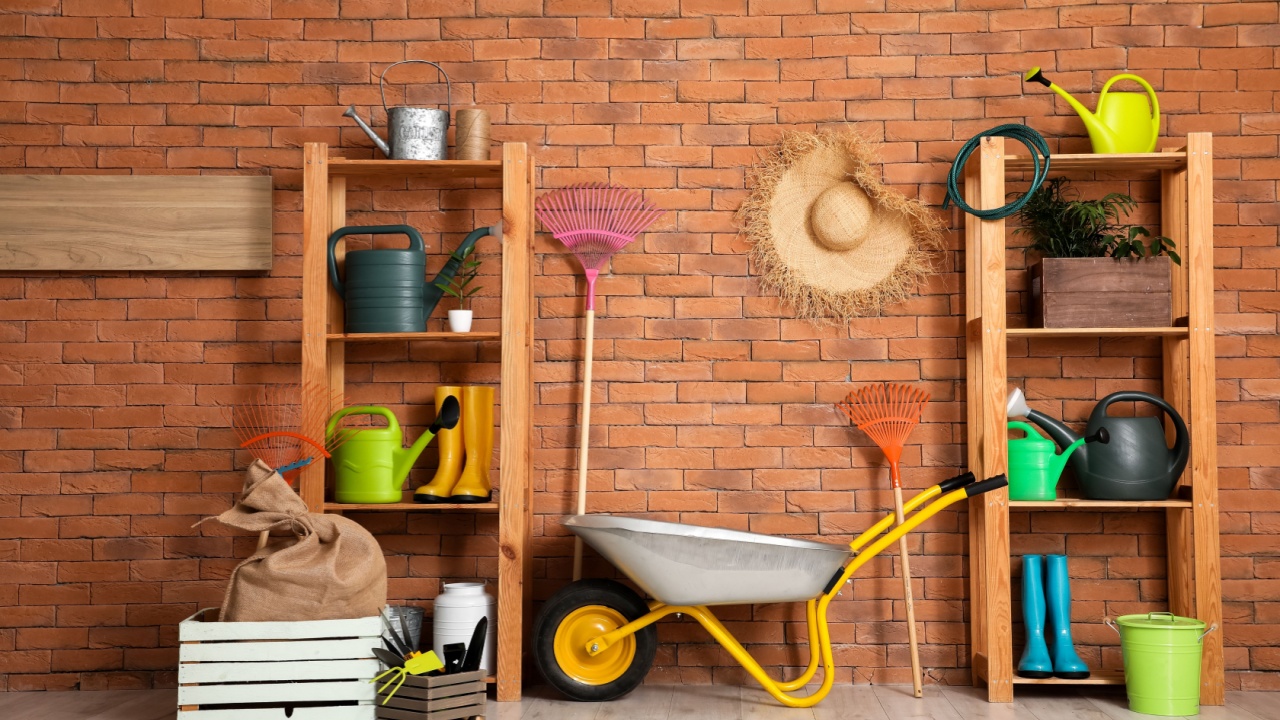
When temperatures warm enough to tackle your garage or shed, declutter the tools and supplies you’ll need for yard work. Be ruthless with rusted gardening tools that are beyond repair; they won’t become more functional with time. Check expiration dates on plant seeds and fertilizer, as both lose effectiveness over time.
Create a shopping list of what you need to replenish so you can start planting as soon as the soil is ready. Organize what remains by purpose, grouping hand tools, keeping fertilizers separate from pest control, and storing seeds in a cool, dry place.
6. Warm Weather Clothes, Shoes, and Accessories
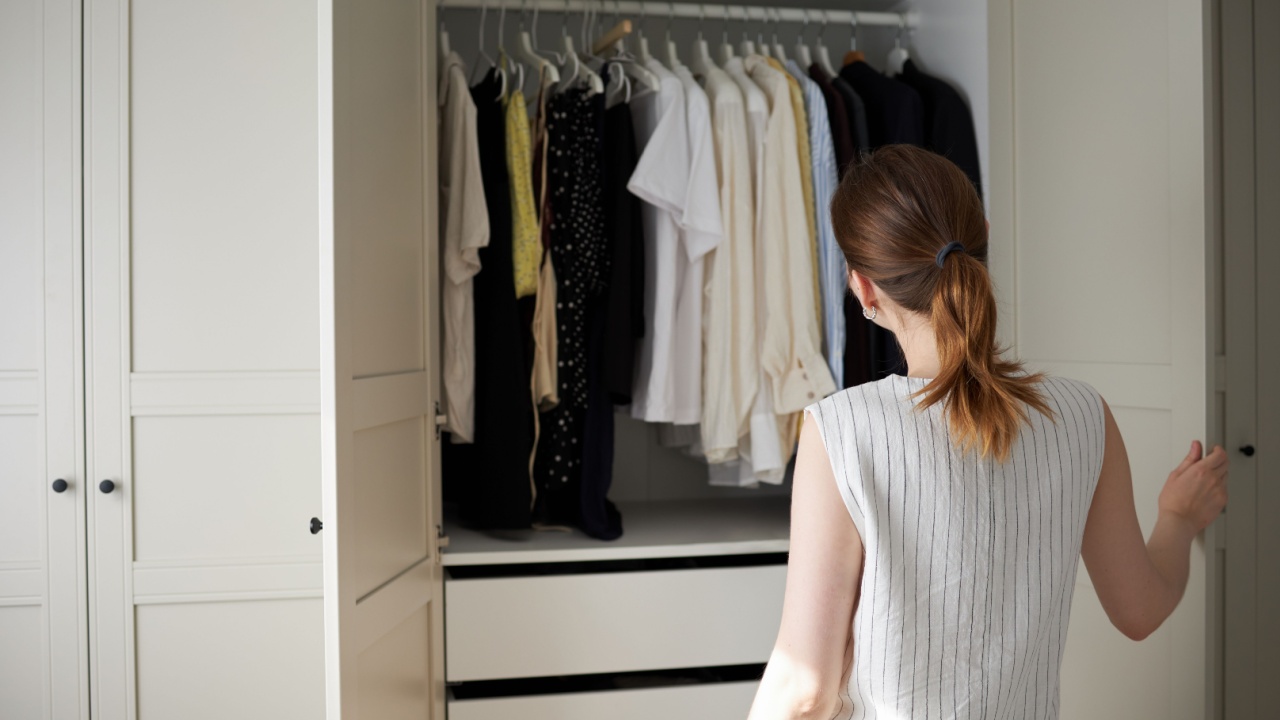
Whether your spring wardrobe lives in your closet year-round or emerges from storage bins, use this transition period to pare down. Be honest about that floral romper you haven’t worn in three years or the sandals that no longer fit. If you’re holding onto items “just in case,” this is your sign to let them go.
Donate items shortly before they’re in season; that’s when they’ll be most useful to others and most likely to sell at thrift stores. This creates space for pieces you actually wear and love, making getting dressed each morning easier and more enjoyable.
7. Lingering Cold Weather Clothes, Shoes, and Accessories

As you transition your closet for warmer weather, pay attention to what you didn’t wear this past winter. That sweater you kept passing over? The snow boots that pinched your toes? If you didn’t reach for them during the season they’re meant for, you probably won’t miss them.
Donate these items now while they’re still seasonally relevant to others. This prevents them from taking up valuable storage space for another year, and it helps you identify what you actually need when next winter rolls around.
8. Indoor Plants
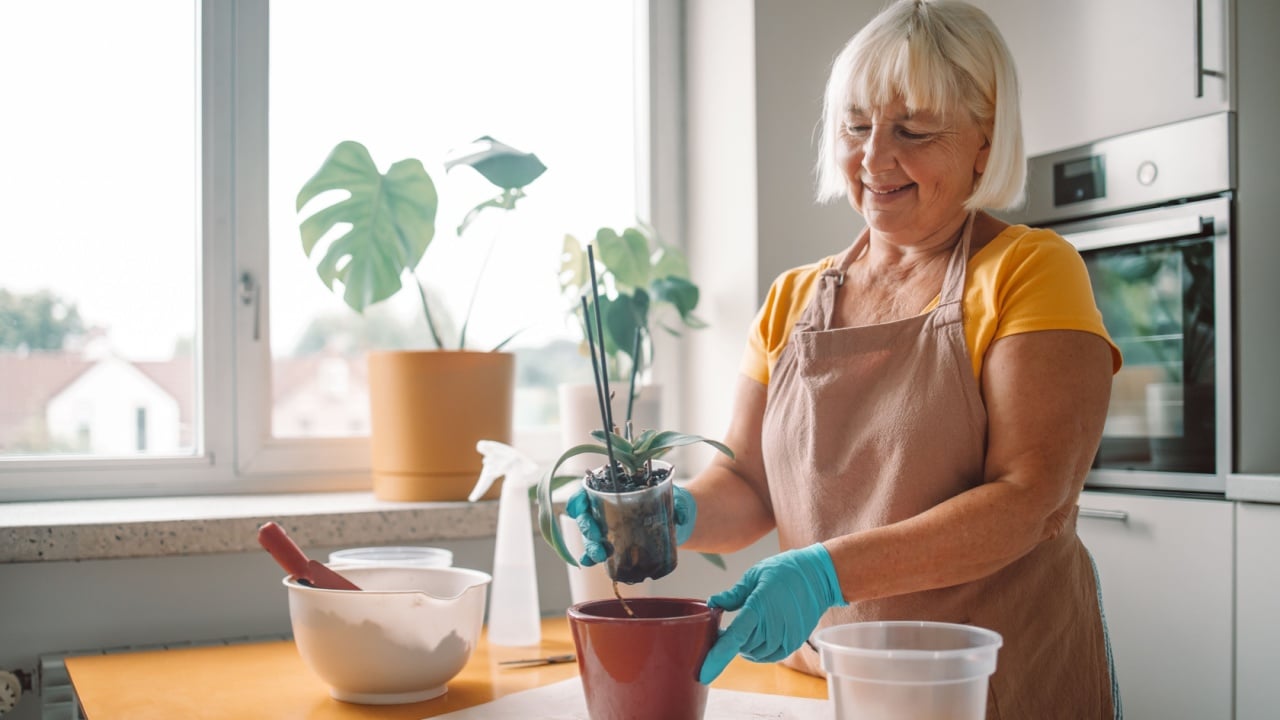
As you prepare to garden outdoors, take inventory of your indoor plant situation. Not every houseplant is meant to survive, and there’s no shame in letting go of those that are clearly struggling. If your houseplants didn’t make it through winter despite your best efforts, evaluate whether you want to attempt revival or pass them to a friend with a greener thumb.
Consider whether low-maintenance houseplants or high-quality faux foliage might better suit your lifestyle going forward. There’s no point in keeping plants that stress you out or constantly disappoint you.
9. Paperwork

If you’ve already filed last year’s taxes, congratulations. Use this momentum to tackle your paper piles. Scan and shred receipts you used for write-offs, and properly store important documents in labeled containers. Even if you’re still working on your taxes, now is an ideal time to declutter mail and organize files so nothing important gets lost in the shuffle.
Create a simple filing system that makes sense to you, whether that’s digital, physical, or a combination of both. You’ll head into spring with less mental clutter and more confidence that you’re on top of important deadlines.
10. The Fridge, Freezer, and Pantry

Before deep cleaning your refrigerator, toss all expired perishables so you can actually reach every corner and shelf. This makes organizing much easier and helps eliminate mystery odors. Next, tackle the pantry by discarding expired non-perishables and sorting remaining items into zones based on category or use.
Focus on using up cold-weather staples like soups and slow cooker ingredients while you’re still in the mood for them. This prevents food waste and creates space for fresh spring produce and lighter fare.
11. Winter Sports Equipment

If you’re done skiing, snowboarding, or ice skating for the season (or will be in the next month), now’s the time to assess your winter sports gear. Check equipment for damage that needs repair before next season, and donate items your family has outgrown. Sleds with cracks, skates that don’t fit, and broken snow tubes are just taking up valuable storage space.
Properly clean and store the equipment you’re keeping so it’s in good condition when next winter arrives. This prevents last-minute scrambles and expensive replacements down the line.
12. Holiday Decorations
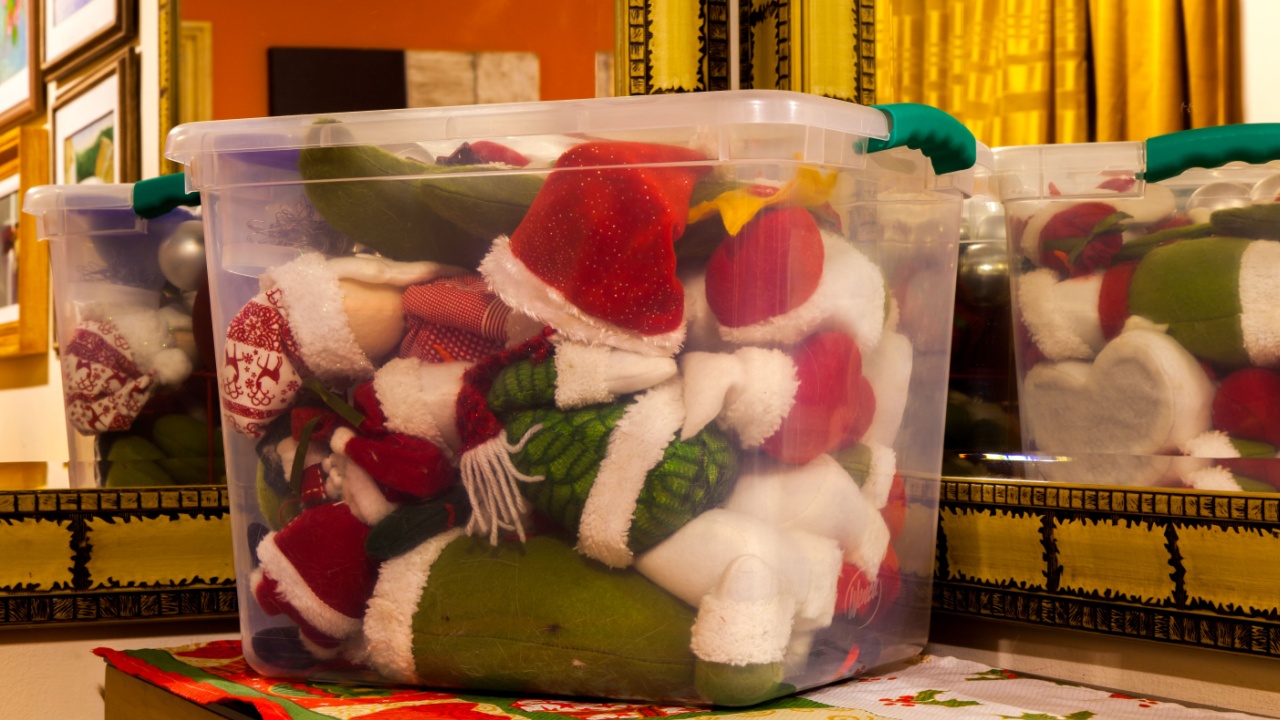
Spring’s a great time to sort through your holiday decorations while they’re still fresh in your mind. Take a good look at what you didn’t use this past season. Are you really going to use it next year? Toss broken ornaments, tangled lights that refuse to untangle, and anything that doesn’t fit your style anymore.
For what’s left, pack it up in clearly labeled bins by holiday and jot down anything you’ll need to replace. You’ll thank yourself when it’s time to decorate next season, it’ll be so much easier!
13. Craft Supplies and Unfinished Projects
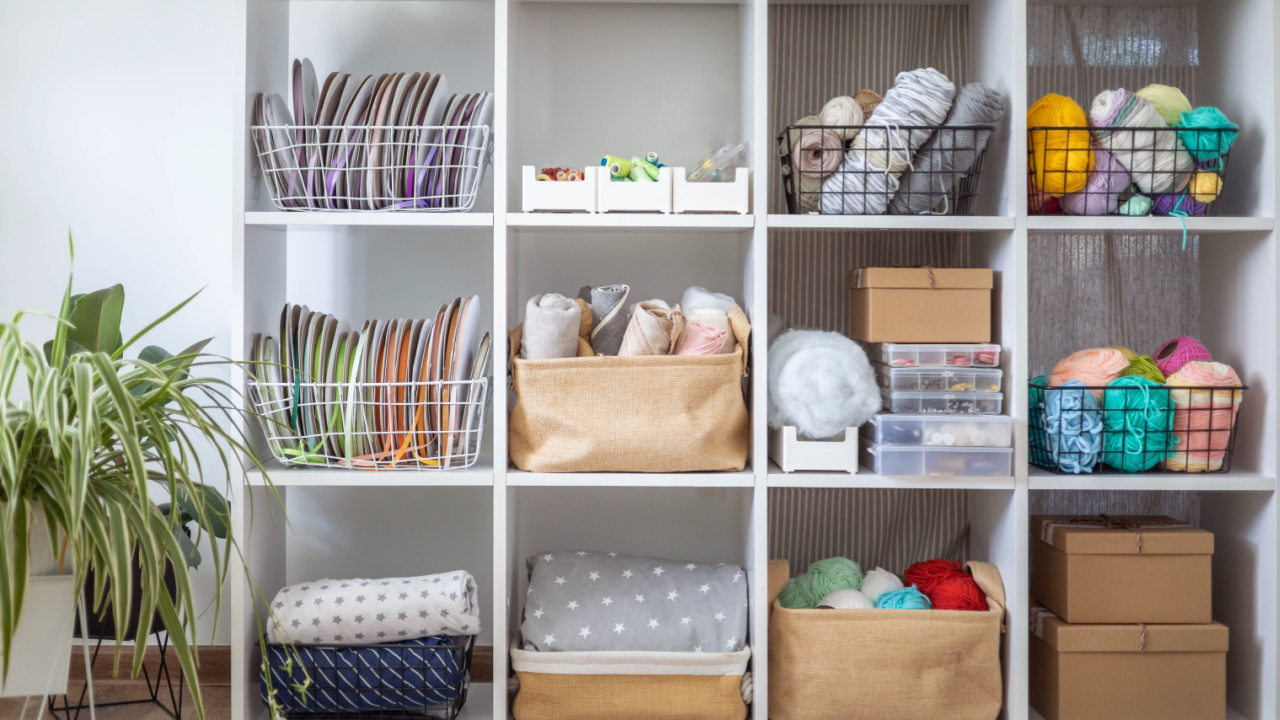
Winter is all about big plans for indoor projects, but spring is the time to get real. Go through your craft stash and decide what you’ll actually finish. Toss the dried-up paint, tangled yarn, and half-done projects from years ago.
Keep only the stuff that excites you! Usable supplies? Donate them to schools, community centers, or senior facilities where they’ll actually get some love.
14. Bedding and Blankets
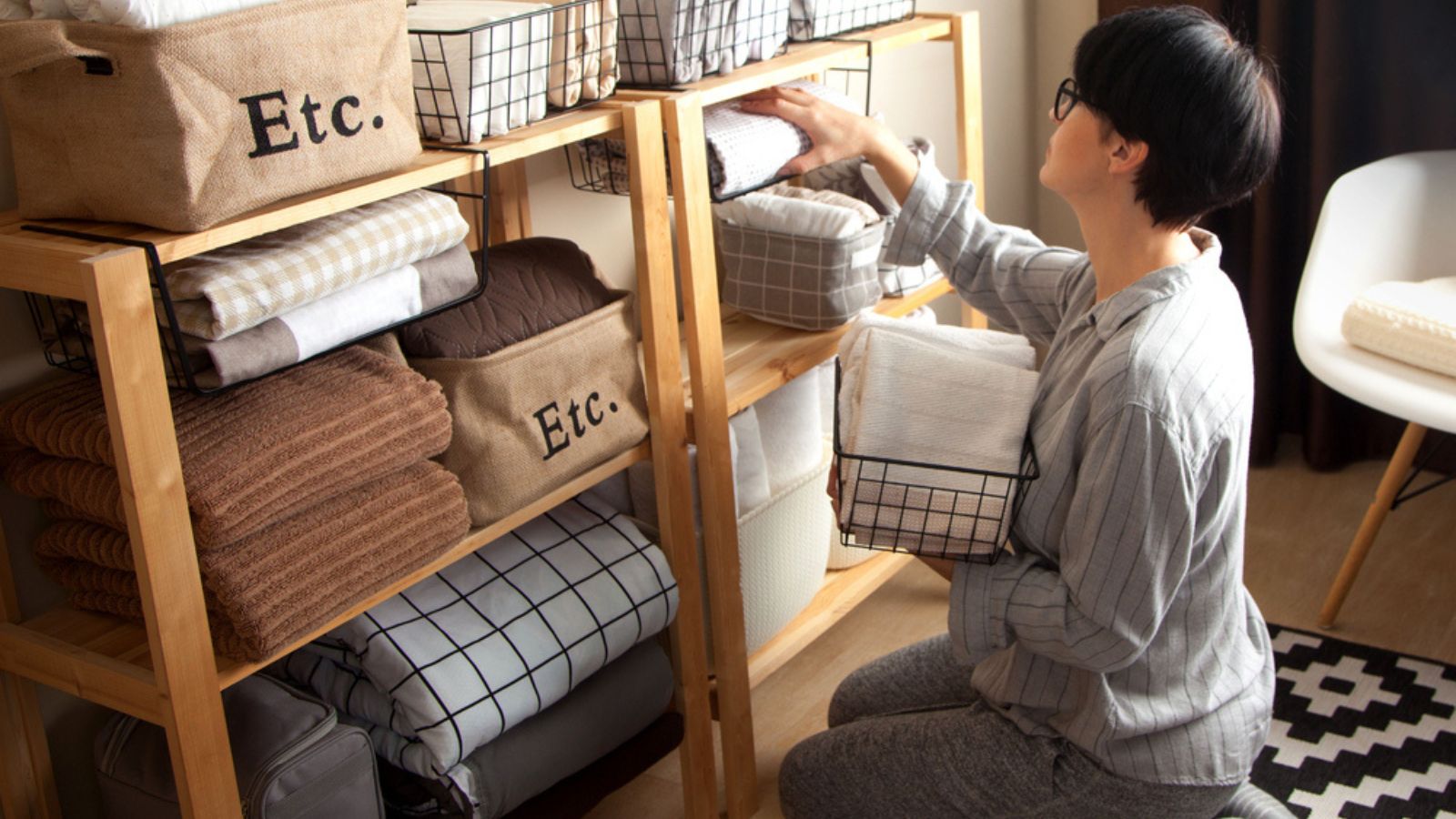
As temperatures warm up, you’ll naturally swap heavy comforters and flannel sheets for lighter bedding. Use this seasonal transition as an opportunity to declutter your linen closet. Inspect sheets for pilling, check blankets for moth damage, and evaluate whether you’re hanging onto bedding sets you never actually use.
Old bedding that’s too worn for donation can often be repurposed as cleaning rags or donated to animal shelters. Keep only what you need for your household, plus one spare set per bed. Anything beyond that is taking up valuable storage space that could be better used for items you actually reach for regularly.
Ready for a Fresh Start

Decluttering before spring cleaning means creating a home that functions better and feels lighter. Tackle these 14 areas now and setyourself up for a spring cleaning session that’s actually satisfying instead of overwhelming.
Even decluttering just a few of these areas will make a noticeable difference in how manageable your spring cleaning feels.