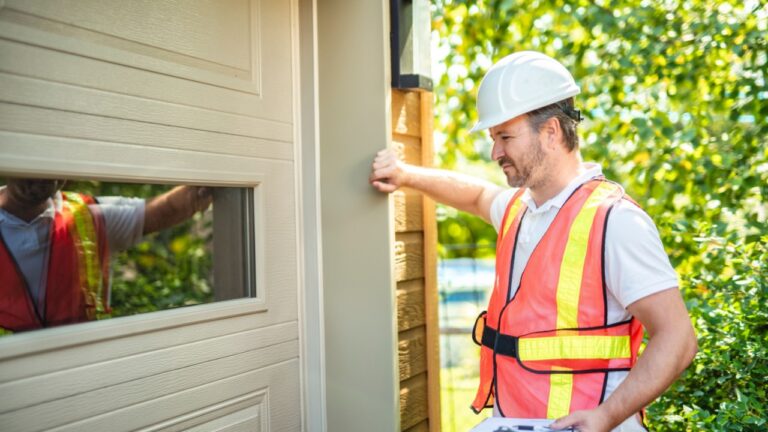
15 Popular Backyard Installations That Break The Law When Built Incorrectly
Ready to build your dream backyard? Whether it’s late nights by a fire pit or quiet mornings on a new deck, many homeowners dive into these projects with excitement.
But what starts as a beautiful upgrade can quickly turn into a legal headache if you’re not aware of local regulations. Before you start building, understanding these rules is key to avoiding costly fines and rework.
To help you out, we have consulted construction experts and city guidelines to compile this guide. Cities often update their codes to meet new safety and environmental standards, and what’s legal often depends on your project’s size, location, and utility connections.
This guide will walk you through 15 popular backyard installations that frequently run into legal trouble when built incorrectly. We’ll break down why these projects get flagged and show you how to do them the right way from the start.
1. Traditional Decks
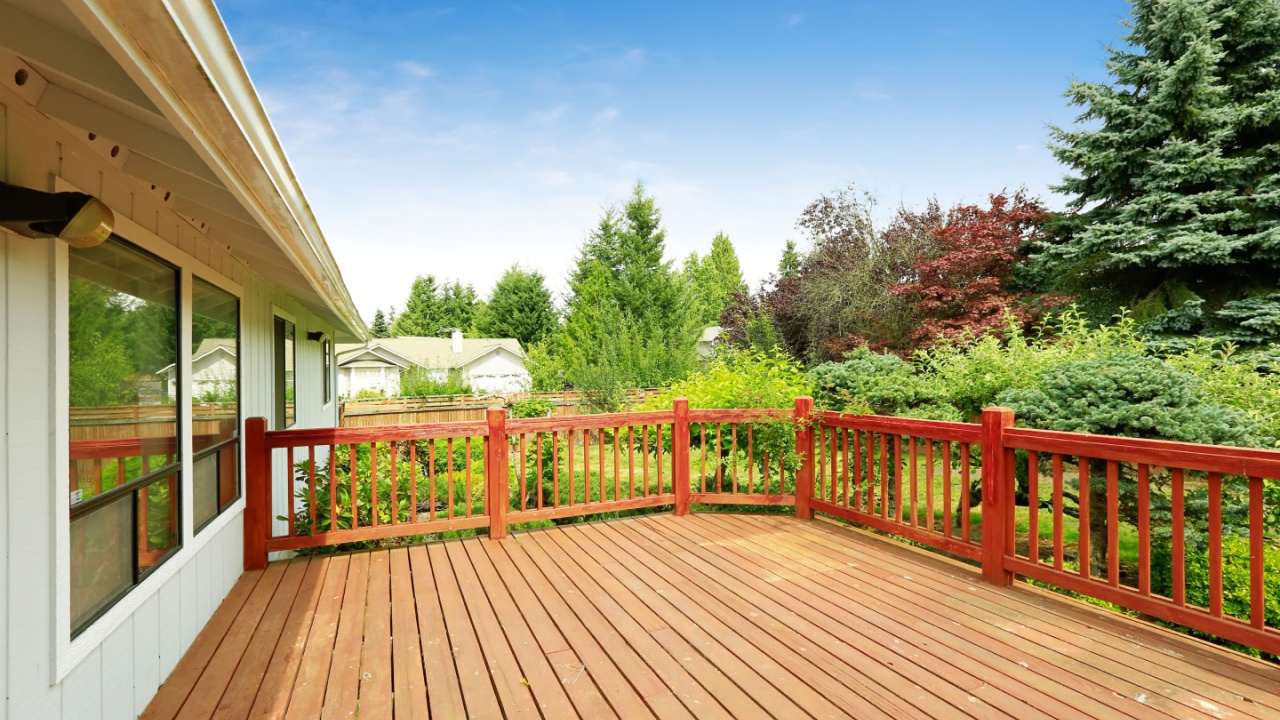
Local building departments see decks as major structural additions. Since they’re attached to your house or raised off the ground, they need to meet strict safety rules. Building a deck without a permit can lead to it being torn down or causing legal issues when you try to sell your house.
That said, a well-built deck is a great spot for entertaining and adds usable square footage to your home. When inspectors come around, they’re mainly looking at safety features like railings and making sure the deck is securely attached to your house.
Before you start, look up the local height rules for railings and stairs. In many places, any deck over 30 inches off the ground needs a permit. You might also need professional drawings to show your design can handle heavy foot traffic or a big snowstorm.
2. Hard-Wired Outdoor Lighting

Adding lights to a dark yard makes it safer and lets you use your patio or walkway longer. But running high-voltage electrical wires through your yard is a job for a professional.
If you bury cables incorrectly or use fixtures that are not waterproof, you risk fire and electric shock.
You usually need a permit for any electrical work that involves new circuits or permanent wiring. Using a licensed electrician ensures the cables are buried at the right depth, which is typically 18 to 24 inches.
For simple path and garden lights, think about low-voltage or solar options to avoid the permit hassle. If you need permanent high-voltage lighting for a kitchen or pool area, always get an inspection before you fill in the trenches.
3. Privacy Fencing
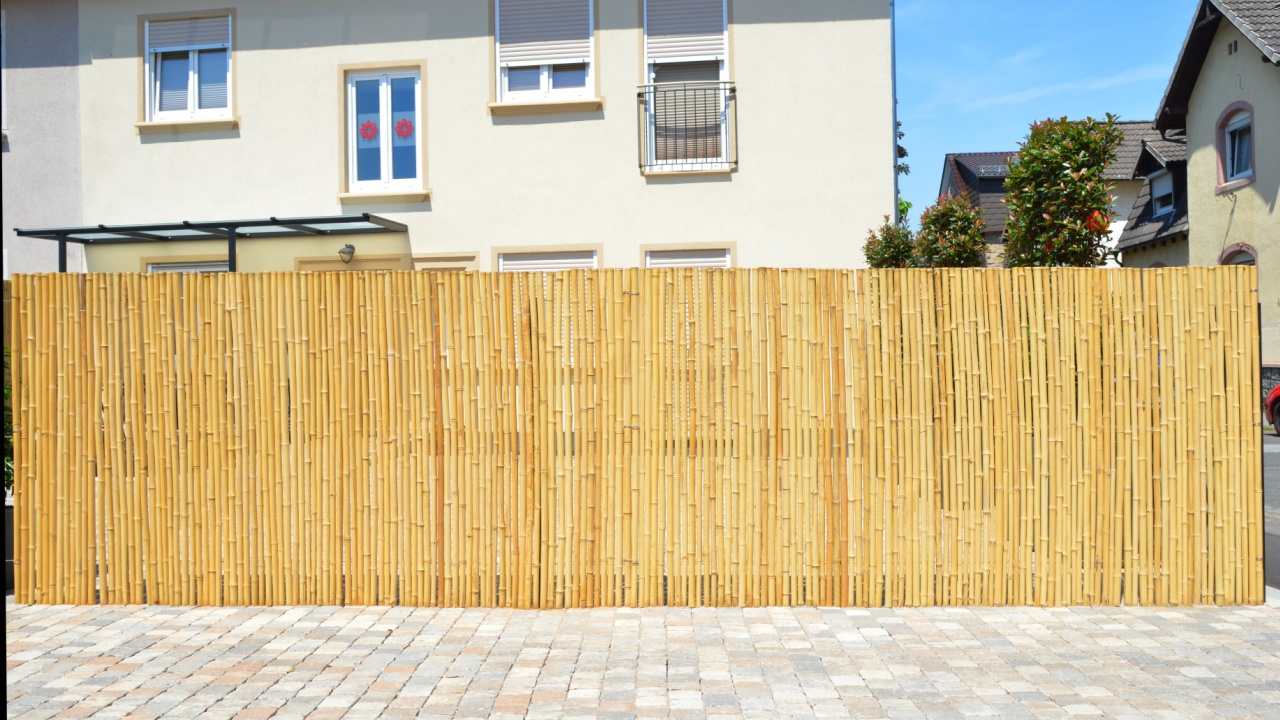
Putting up a tall fence seems like an easy way to make your yard private, but there are strict height limits in most residential areas. Many cities limit backyard fences to six feet and front yard fences to three or four feet.
If you go over these limits, you might be told to cut down or remove the fence after it’s built. Fences mark property lines and keep kids or pets safe. They are also good for blocking ugly views or reducing street noise.
Always get a professional survey to know your exact property lines before you start digging. Some places have “good neighbor” rules that mean the finished side of the fence has to face out. It’s also a must to check for underground utility lines before you dig.
4. Backyard Fire Pits
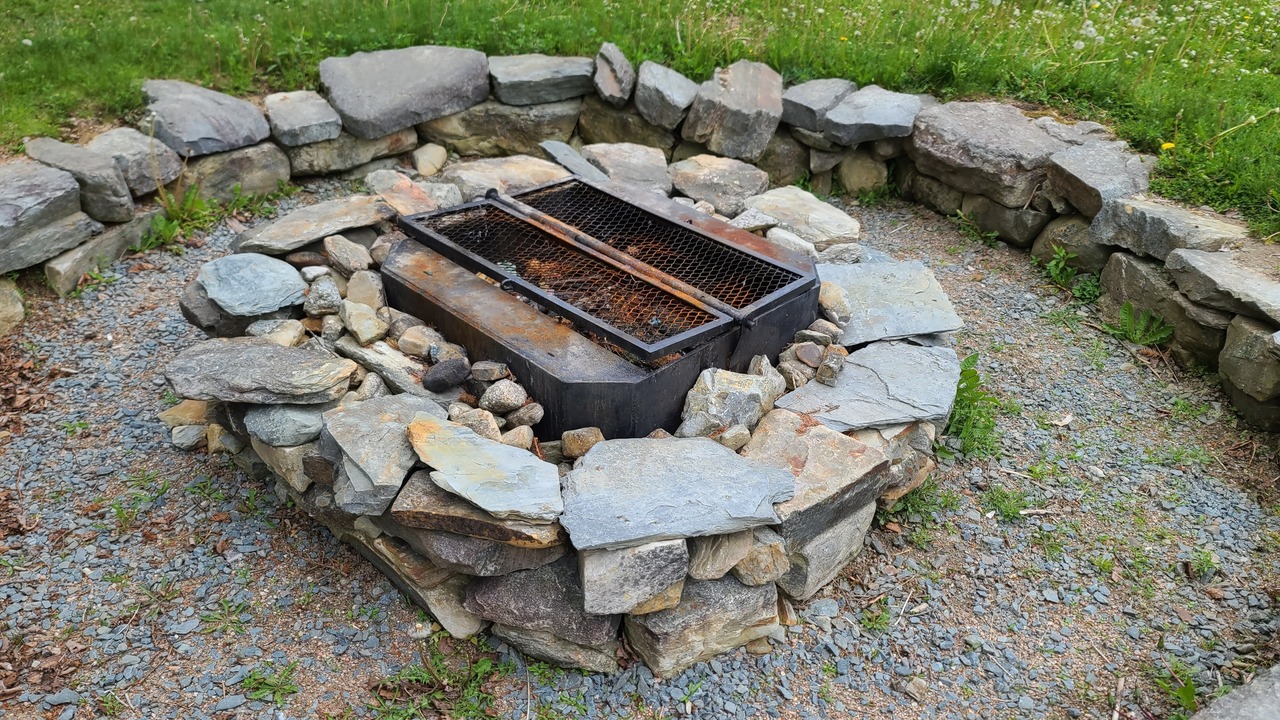
Fire pits are a popular feature for creating a cozy spot and providing warmth on cool evenings. However, their placement is regulated for fire safety. Rules often specify how far they must be from your house, trees, and property lines.
Some areas even ban wood-burning pits because of air quality or wildfire risk. A natural gas pit requires a permit for the fuel line and must be installed by a professional.
Before you choose between wood or gas, look up local burn bans and smoke rules. Regardless of the type, it’s always a good idea to keep a fire extinguisher or water source nearby.
5. Garden Sheds and Outbuildings
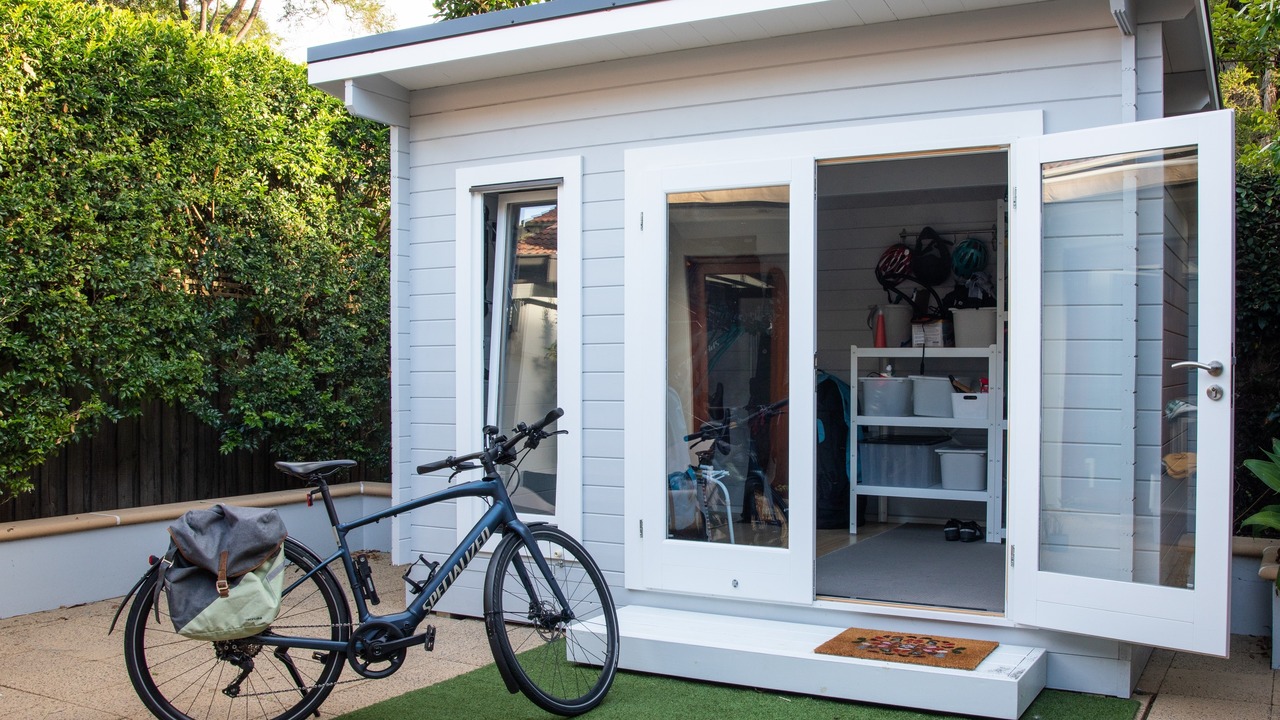
Sheds are great for clearing clutter from your garage and protecting lawn equipment, but their size and location are often covered by zoning laws. A shed can also be used as a workshop or hobby room with the right ventilation.
Structures over a certain size, usually 100 to 120 square feet, typically need a building permit. Even smaller sheds often have to be a certain distance from property lines and other buildings.
Don’t put a shed in a drainage area or over a septic tank. If you plan to add electricity or plumbing, you will need more permits. Anchoring the shed to a solid base like a concrete slab will keep it from shifting.
6. Retaining Walls
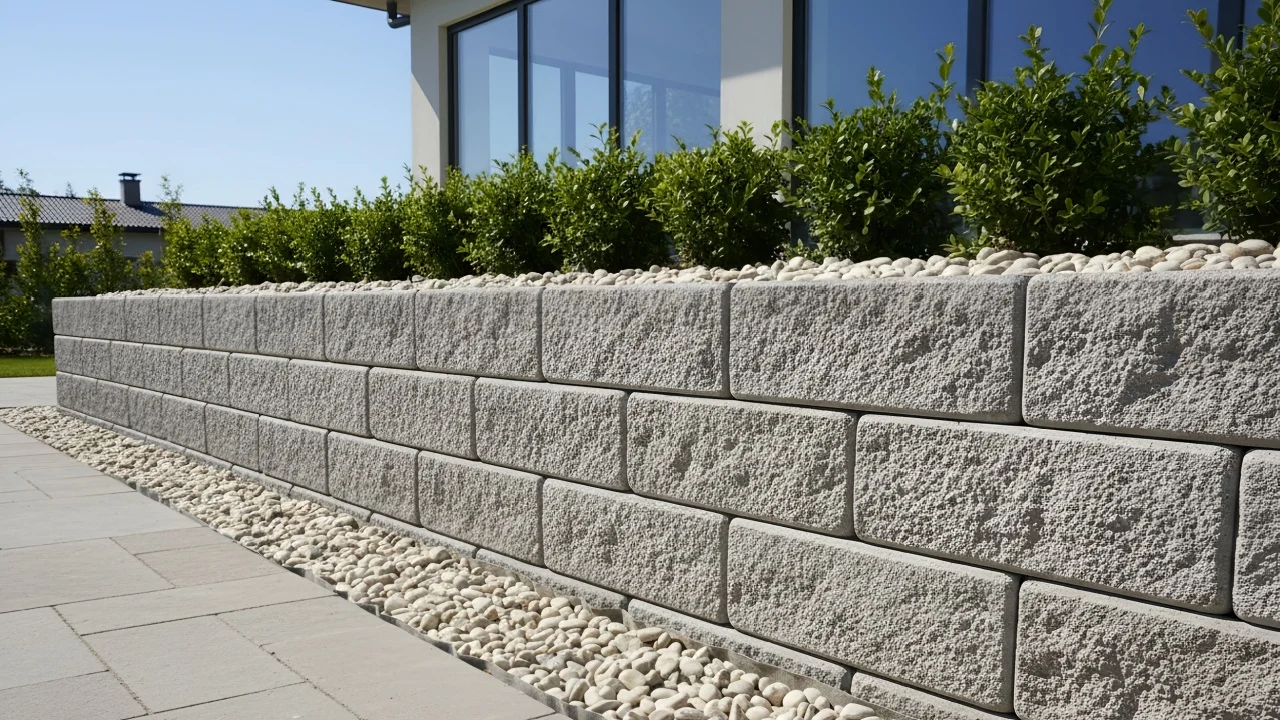
Retaining walls are key for controlling soil erosion and creating flat, functional areas like garden beds or patios on a sloped yard. These walls hold back a lot of weight, so if one fails, it can cause major damage to your property and your neighbor’s.
Most cities require engineering approval and a permit for any wall over three or four feet tall. The design must be appropriate for your local soil conditions. Good drainage is the most important part of a successful retaining wall.
Using perforated pipes and gravel backfill stops water pressure from building up and pushing the wall over. For tall walls, it’s best to consult a landscape architect.
7. Swimming Pools and Hot Tubs

A pool or hot tub offers a private spot for exercise and relaxation and can completely change how your family uses the backyard. However, water features with deep water are some of the most regulated backyard projects.
In-ground pools require complex permits for plumbing and electrical work. Safety fencing and locking gates are also required almost everywhere to prevent accidents.
Check local laws about water drainage before you install. Professional maintenance is needed to keep the water safe and the equipment working. A good cover will also help keep the temperature stable and debris out.
8. Outdoor Kitchens
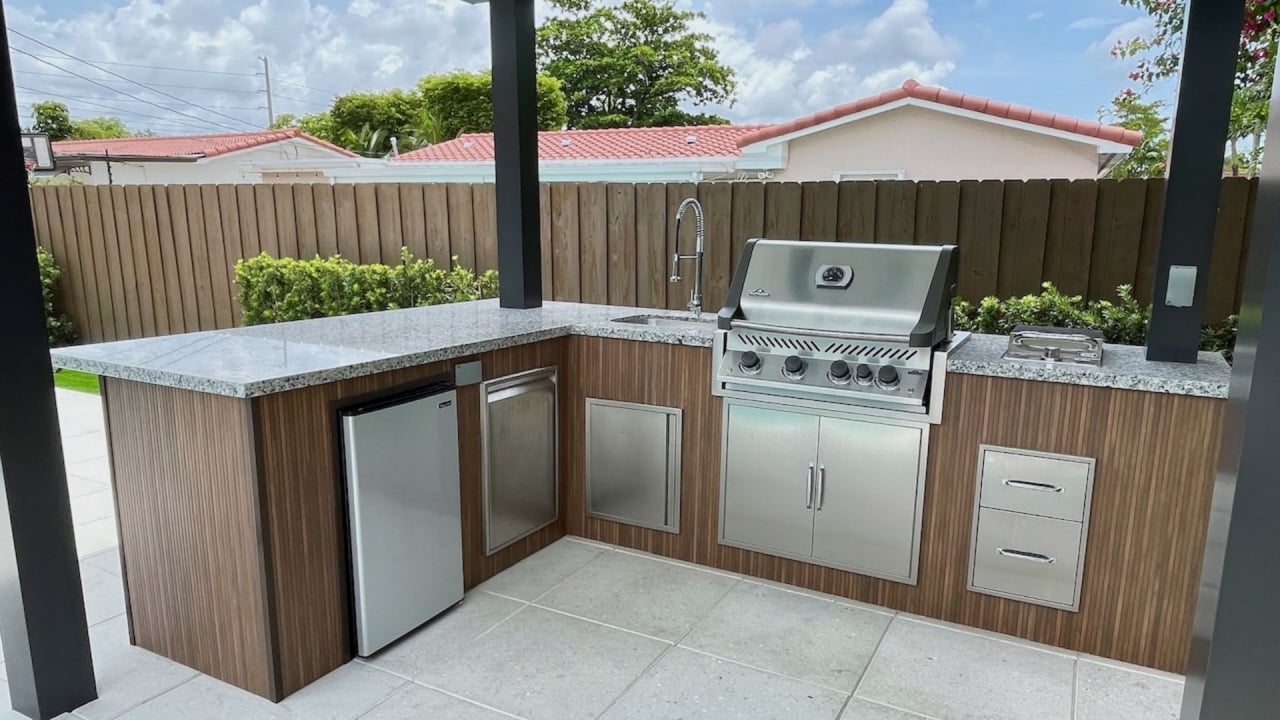
An outdoor kitchen makes it easier to host big gatherings by keeping the mess and heat outside. Setups with sinks, fridges, and gas lines need multiple utility connections, which all require permits.
If they’re not installed correctly, you could have leaks or drainage problems that damage your home’s foundation. You also need to think about ventilation if the kitchen is under a covered porch.
Plan for winter by including shut-off valves for water lines to prevent pipes from freezing. Using weather-resistant materials like stainless steel and granite will help your kitchen last through rain and sun.
9. Pergolas and Gazebos
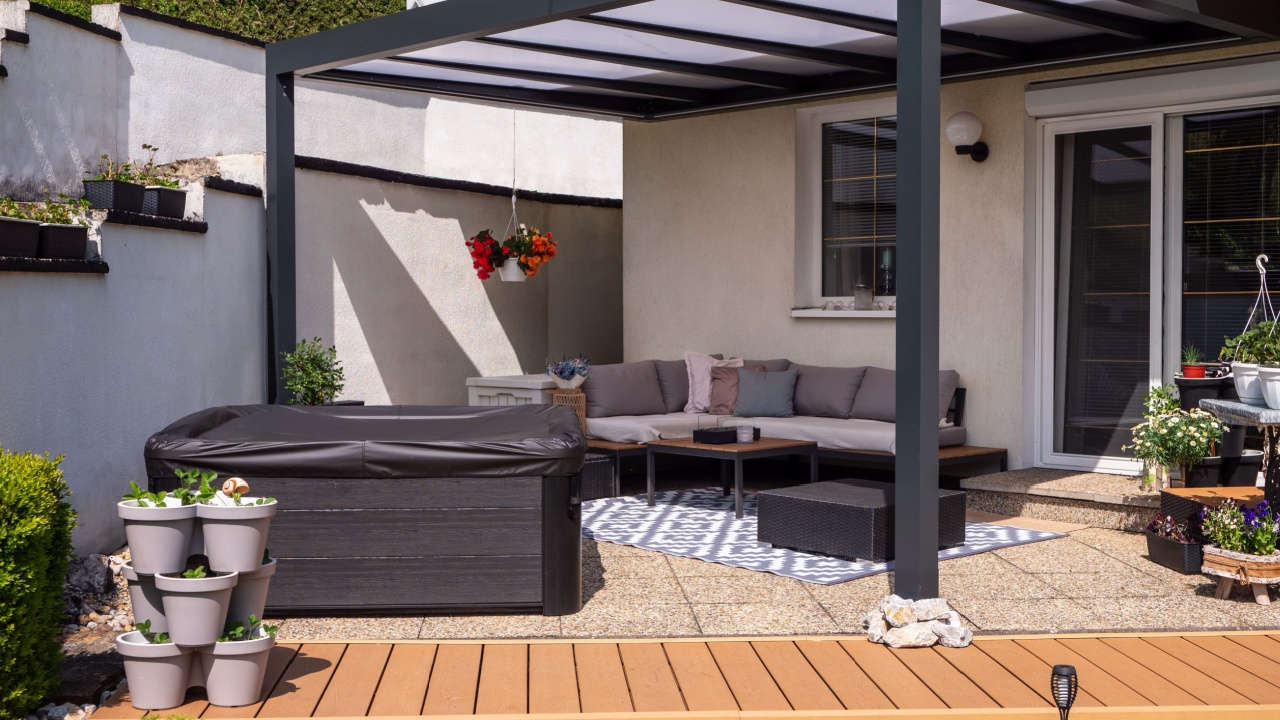
Overhead structures like pergolas and gazebos add shade and style, and are perfect for marking an outdoor dining area or a quiet reading spot. However, they are often considered accessory structures by local authorities.
Depending on whether they’re attached to the house or freestanding, they might count toward your property’s total “lot coverage.” Going over this limit can lead to zoning violations. Height restrictions may also apply.
To ensure your structure is safe, secure the posts in deep concrete footings so they won’t lift in high winds. Treating the wood every year also helps it look good and stay strong.
10. Treehouses and Play Structures
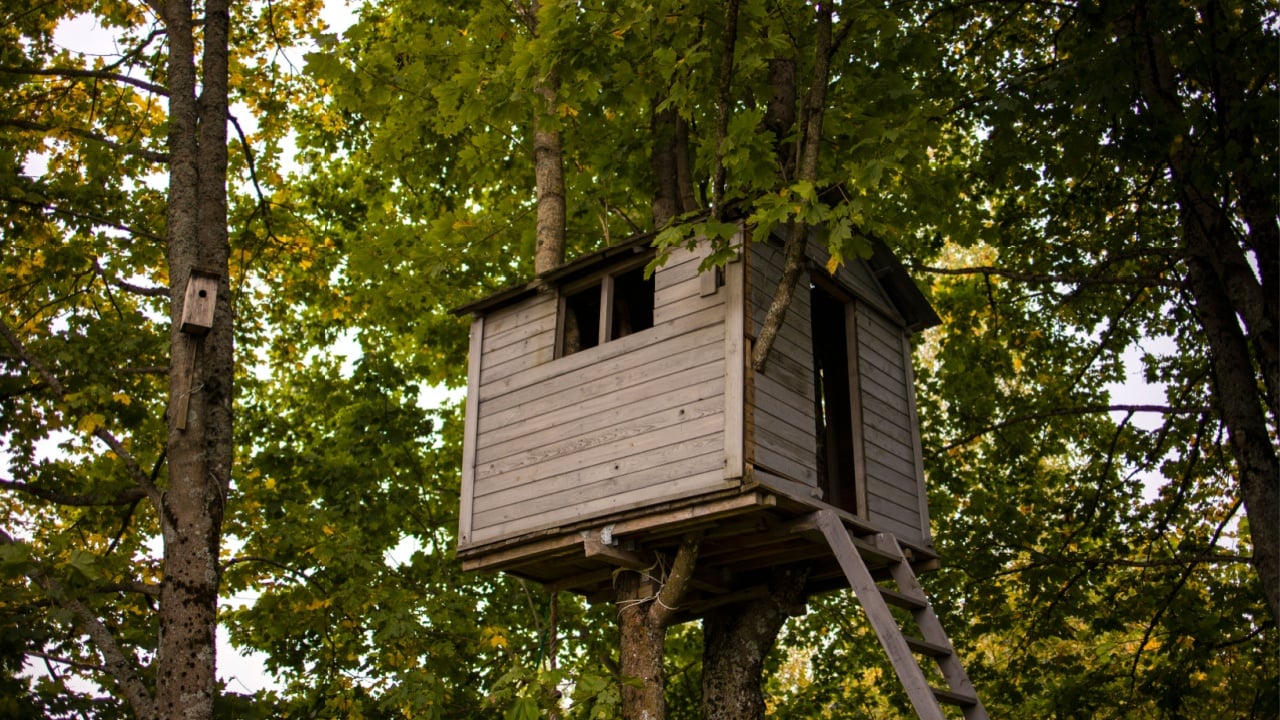
A well-built treehouse is a great way to encourage outdoor play and spark imagination. Even though they’re for kids, large, permanent treehouses can lead to safety inspections and complaints from neighbors.
Some cities treat permanent treehouses like accessory structures that have to follow the same setback rules as sheds. If the structure can be seen over a fence, it might also be subject to privacy rules.
Select a healthy, mature tree and use specialized hardware that allows the tree to grow without harm. Check the structure regularly for loose boards or signs of rot, and add soft materials like mulch around the base to make it safer.
11. Tree Removal
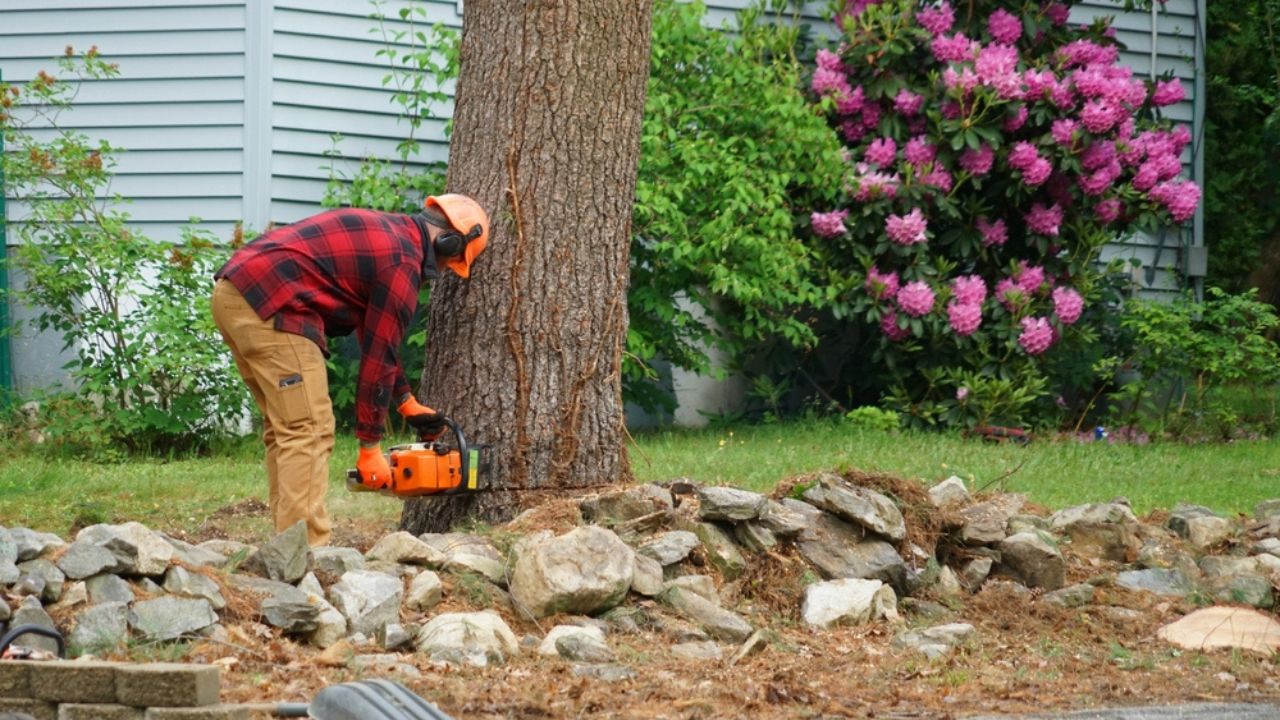
Removing a dead or diseased tree can prevent it from falling on your house and let more sunlight into your yard. However, you might not be able to cut down any tree you want on your land.
Many cities have rules to protect certain “heritage” species or trees over a certain size. Removing one of these trees often requires a permit and maybe even planting a new one. The fines for illegal tree removal can be thousands of dollars.
Before you hire a crew, check for a local “protected tree” list. An arborist can assess a tree’s health and tell you if it’s a hazard, which often makes getting a permit easier.
12. Driveway Extensions and Parking Pads

An extended driveway gives you space for another car, an RV, or a boat. However, many residential areas limit the amount of “impermeable surface” on a lot because too much concrete can cause flooding.
Some areas ban parking vehicles on unpaved surfaces, while others require permits for adding new concrete or asphalt.
Before you add more hard surfaces, calculate how much you already have. Using permeable pavers can sometimes help you meet environmental rules, and a professional installer can help you design a drainage plan.
13. Greenhouse Installations
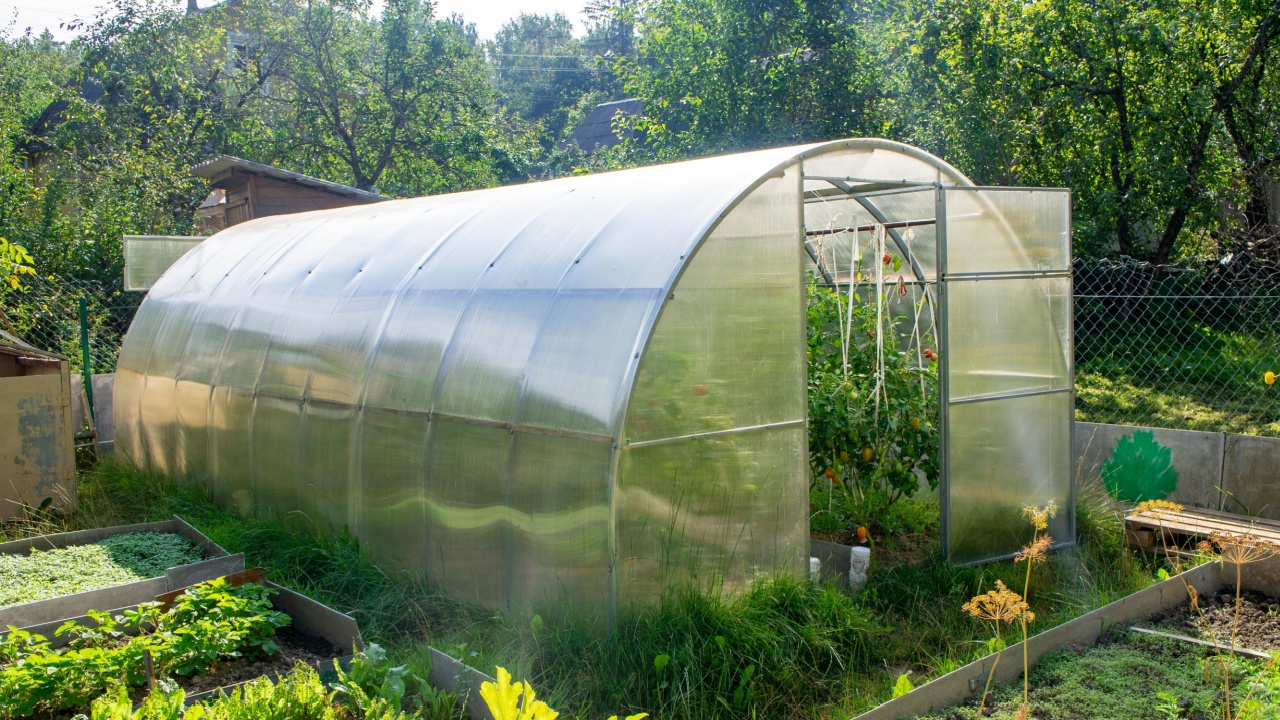
A greenhouse lets you start seeds early and grow tropical plants in cooler climates. However, they are often classified as permanent outbuildings.
If the greenhouse has a foundation or is over a certain size, it will likely need a building permit. The glass or plastic panels must also meet safety standards to prevent injury if they break.
Place the greenhouse where it will get the most winter sun. Make sure it has good ventilation to prevent overheating, and use tempered glass or high-quality plastic for safety and durability.
14. Rainwater Harvesting Systems
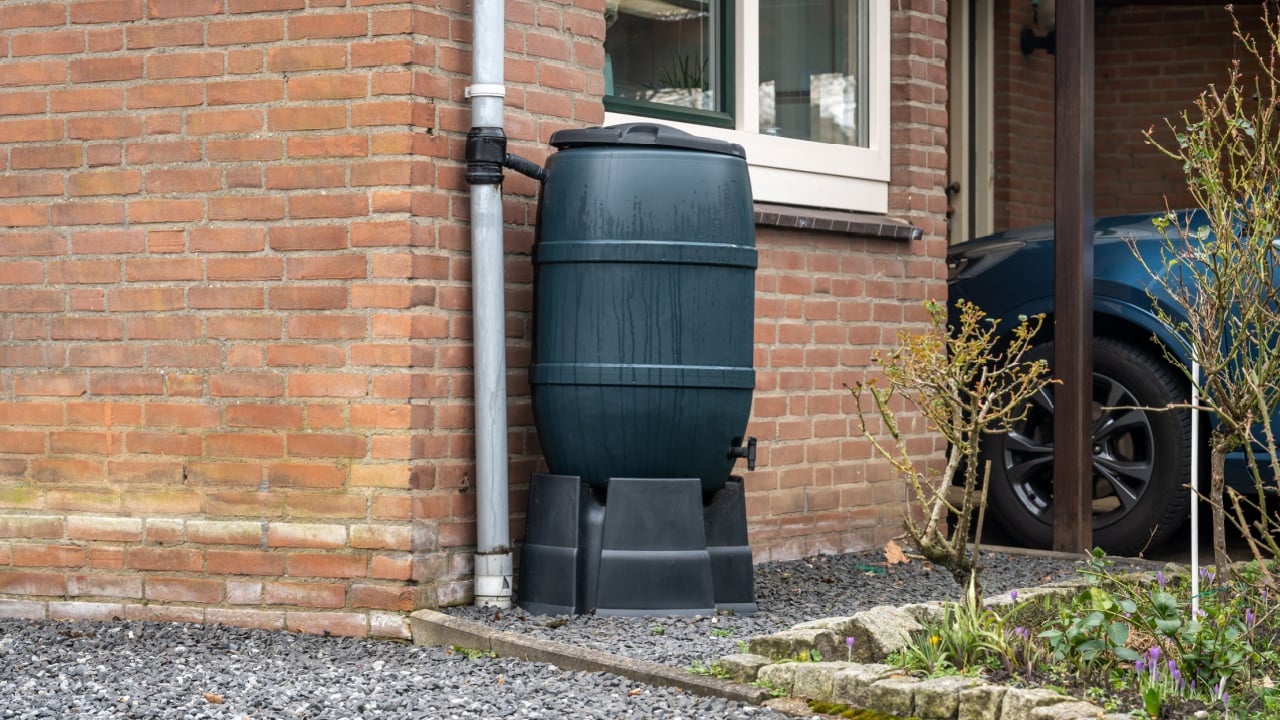
Harvesting rainwater lowers your utility bills and gives you a chemical-free water source for your garden. However, large-scale harvesting systems can have legal complications.
Some Western states have “water rights” laws that can make it illegal to capture large amounts of water. Large tanks also need stable foundations and a plan for overflow.
Check your state and local laws for limits on how much water you can store. Always use a screen to keep mosquitoes out and a secure lid to prevent accidents.
15. Backyard Chickens and Livestock
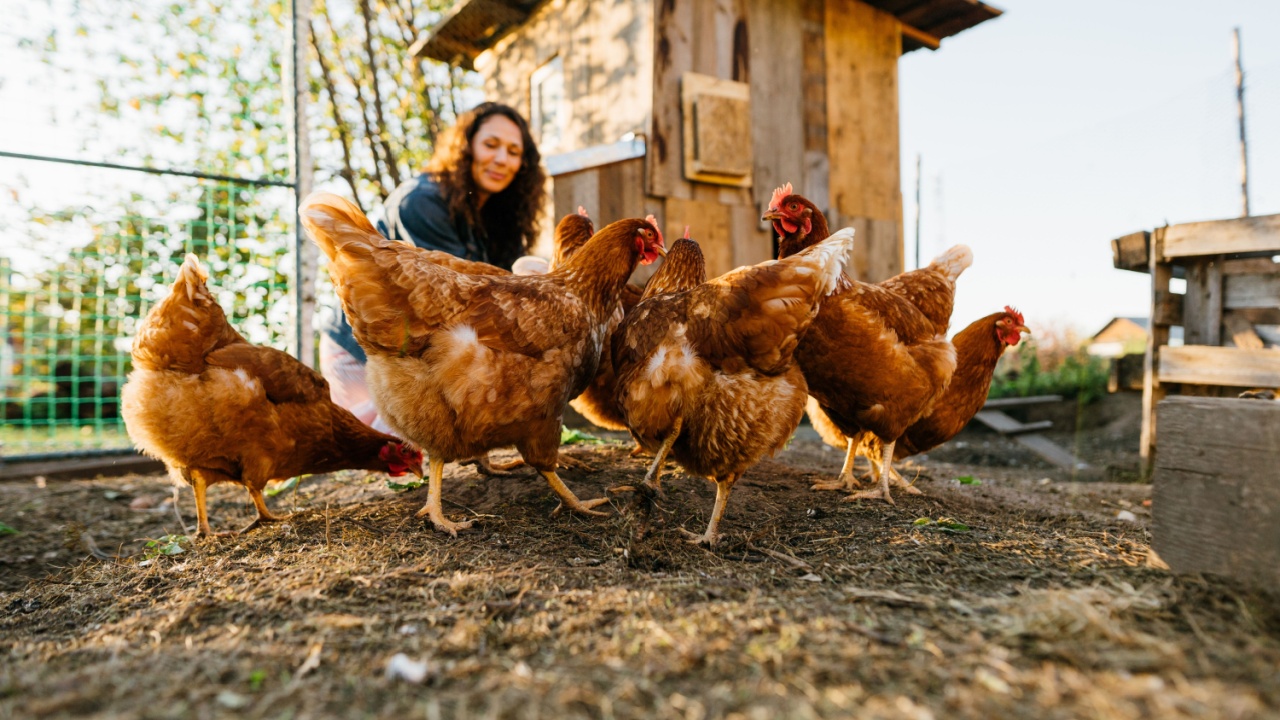
Keeping chickens gives you fresh eggs and a natural way to control garden pests. However, many cities have created specific rules about coops and the number of animals you can keep.
Rules often say how far the coop must be from neighbors’ houses and may ban roosters to avoid noise complaints. You often need a permit or license to keep poultry.
Research the rules for coop cleanliness and the number of birds allowed. It’s essential to predator-proof the coop and provide a secure run to keep your flock healthy and quiet.
Navigating Your Backyard Transformation
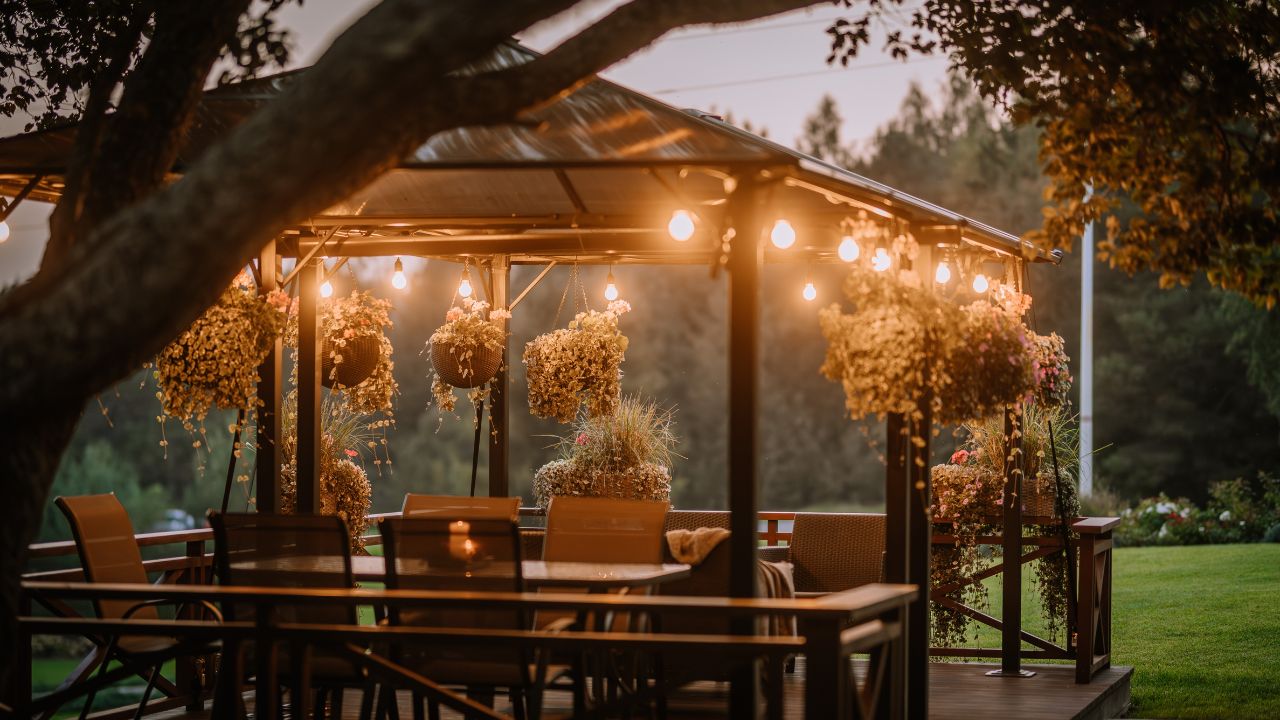
To successfully upgrade your yard, you need to balance your personal style with local rules. The next step is to visit your local building department or check their website for a list of required permits. Taking the time to get professional advice and the right paperwork ensures your project adds lasting value to your home.
Good planning leads to a stress-free project where you can focus on enjoying your new space. Always check the latest codes before buying materials to keep your project on track and legal.
Read More:
14 Backyard Activities That Could Get You in Legal Trouble
15 Things You Can’t Legally Keep in Your Yard Without a Permit