
14 Backyard Activities That Could Get You in Legal Trouble
Your backyard might feel like your own personal kingdom, but even kingdoms have rules. Most homeowners assume that once they step behind their fence, they are free to build, burn, or dig as they please. However, the line between personal freedom and “local violation” is thinner than you might think.
The primary reason for these rules is community harmony and safety. Local ordinances and Homeowners Association (HOA) guidelines are designed to ensure that one person’s weekend DIY project doesn’t become a neighbor’s drainage nightmare or a public safety hazard. From fire codes to structural permits, the law follows you right into the garden.
Ignoring these regulations can lead to more than just a grumpy neighbor. It can result in hefty daily fines, legal “cease” orders, and even the mandatory (and expensive) removal of structures you spent weeks building. Being a responsible homeowner means knowing where your property rights end and the municipal codes begin.
Let’s explore the most common backyard activities that land people in hot water. Understanding these pitfalls will help you keep your sanctuary peaceful and legal.
1. Building Without a Permit

The most common legal trap is assuming that small structures don’t need official paperwork. Many homeowners believe that because they are building on their own land, the city doesn’t need to know about a new shed, a deck, or a pergola. However, most municipalities have strict square-footage limits that, once exceeded, require a formal building permit.
Building permits ensure that your new structure is physically safe and properly “set back” from your neighbor’s property line. If you build a massive deck without an inspection, you might find that it violates local fire codes or obstructs a utility easement. Even worse, if you try to sell your home later, an unpermitted structure can completely stall the closing process or lead to a mandatory teardown.
To stay safe, always check with your local building department before you pick up a hammer. Even if the project seems minor, getting a “no permit required” confirmation in writing is a great insurance policy.
2. Improper Fire Pit Placement
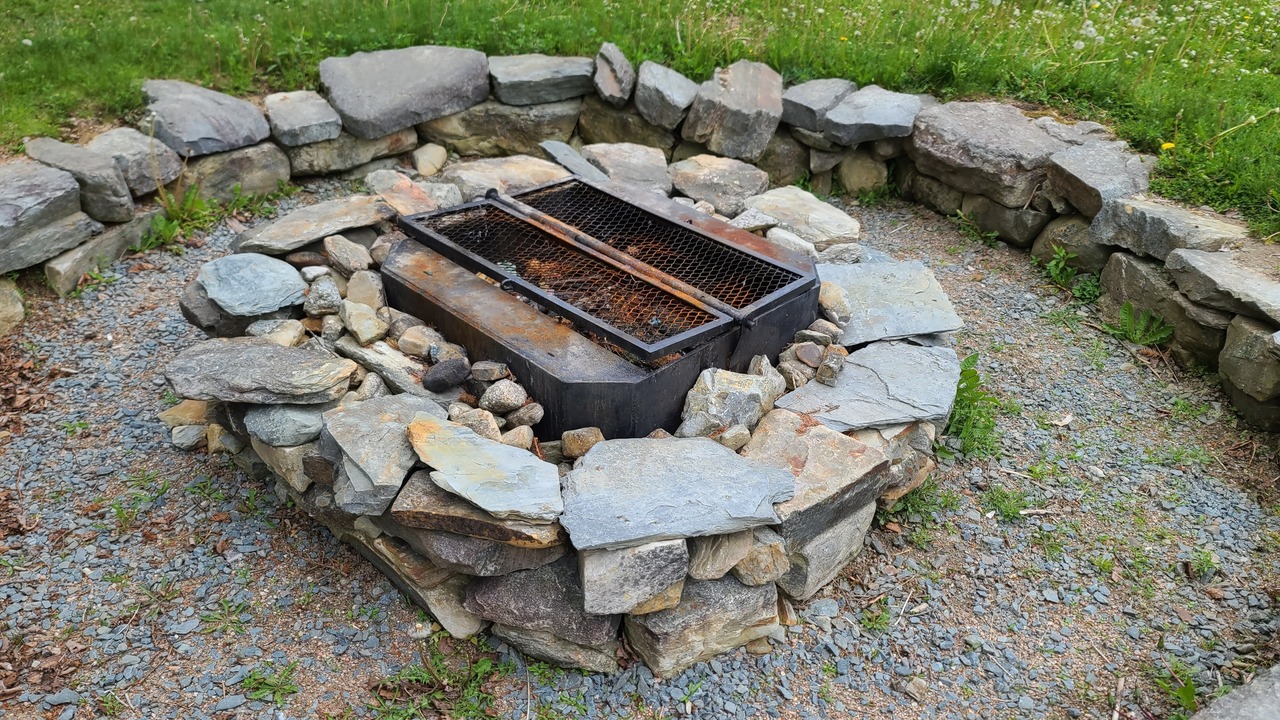
Everyone loves a cozy night around the fire, but open flames are a major concern for local fire marshals. Many cities have “setback” requirements that dictate exactly how many feet (10-25 mostly) a fire pit must be from your house, your fence, and even overhanging trees.
Placing a fire pit too close to a combustible structure is one of the quickest ways to earn a visit from the fire department. Beyond placement, many areas have strict rules about what you can actually burn.
Before you light the match, ensure your pit is on a non-combustible surface like stone or gravel, not a wooden deck. Keep a dedicated water source nearby and check your local air quality website to see if burning is allowed that day. A little bit of safety prep ensures your bonfire stays a fun memory rather than a legal liability.
3. Unenclosed Swimming Pools

If you have a pool, you are legally responsible for “attractive nuisance” laws. This means that if a neighborhood child wanders into your yard and falls into the water, you could be held liable even if they were trespassing.
These safety regulations often extend to large inflatable or “pop-up” pools as well. If the water is deep enough to pose a drowning risk (usually over 18 to 24 inches), the same fencing laws often apply. Authorities frequently use aerial drones to spot unenclosed pools, leading to surprise citations for homeowners who thought they were hidden behind a hedge.
To stay compliant, treat your pool area like a high-security zone. Regularly test your gate latches to make sure they click shut every single time and check that there are no gaps under the fence large enough for a toddler to crawl through.
4. Neglected High Grass and Weeds
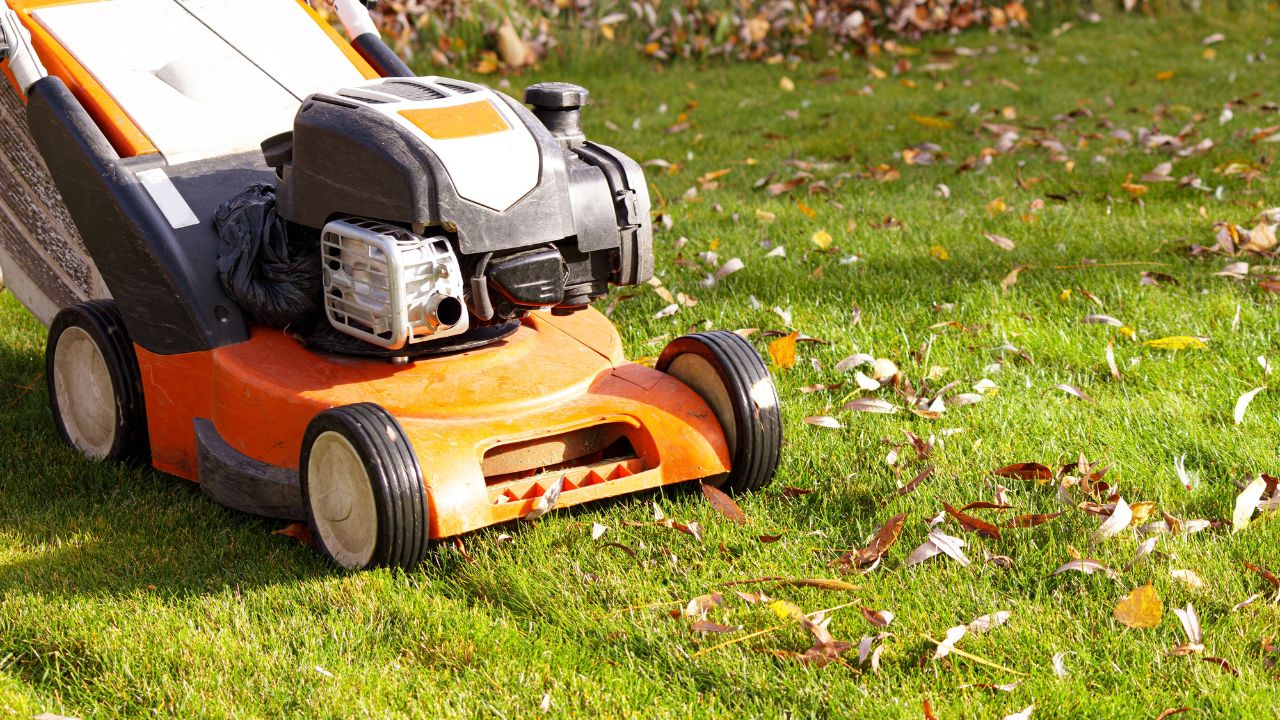
Your yard’s aesthetic is actually a matter of public health. Most cities have laws that set a maximum height for grass (often between 8 and 12 inches). When a lawn gets out of control, it becomes a breeding ground for rodents, ticks, and mosquitoes, which the city views as a threat to the neighborhood.
If your yard is deemed a nuisance, the city can issue a “notice to mow.” If you don’t comply within a set timeframe, the city may send a crew to do the job for you, and then send you a massive bill for the service along with an additional fine.
The easiest way to avoid this is to stick to a consistent mowing schedule, even if you prefer a “wilder” look. If you want to grow a meadow or a pollinator garden, you often need to register it as a “natural landscape” with the city. Otherwise, keep those blades low and the edges trimmed to stay off the code enforcer’s radar.
5. Illegal Drainage and Runoff

You might think you’re a genius for grading your yard so that rainwater flows away from your foundation, but if that water is redirected onto your neighbor’s property, you’ve created a legal problem.
“Common Enemy” and “Reasonable Use” laws generally prohibit property owners from changing the natural flow of water in a way that damages adjacent land. If a neighbor can prove that your landscaping project caused their flooding, you could be on the hook for thousands of dollars in property damage and legal fees.
Before starting a major landscaping project, consider installing a French drain or a rain garden to manage water on-site. If you’re significantly changing the slope of your yard, it’s worth hiring a professional to ensure your drainage plan is “neighbor-neutral.”
6. Excessive Noise and Parties

The quiet enjoyment of a home is a legal right that your neighbors hold. While hosting a party is perfectly legal, once the volume crosses a certain level, or continues past a specific time (usually 10:00 PM or 11:00 PM), it becomes a noise ordinance violation. This applies to loud music, shouting, and even excessively barking dogs.
Nuisance laws aren’t just for nighttime, either. Many cities have restrictions on “unreasonable noise” during the day, too. If the police are called to your home multiple times for noise, you can be cited for “disorderly house” or face escalating fines that double with every visit.
A little communication goes a long way here. If you’re planning a big event, let your neighbors know in advance and give them your phone number so they can text you to “turn it down” before they call the cops.
7. Improper Storage of “Junk.”
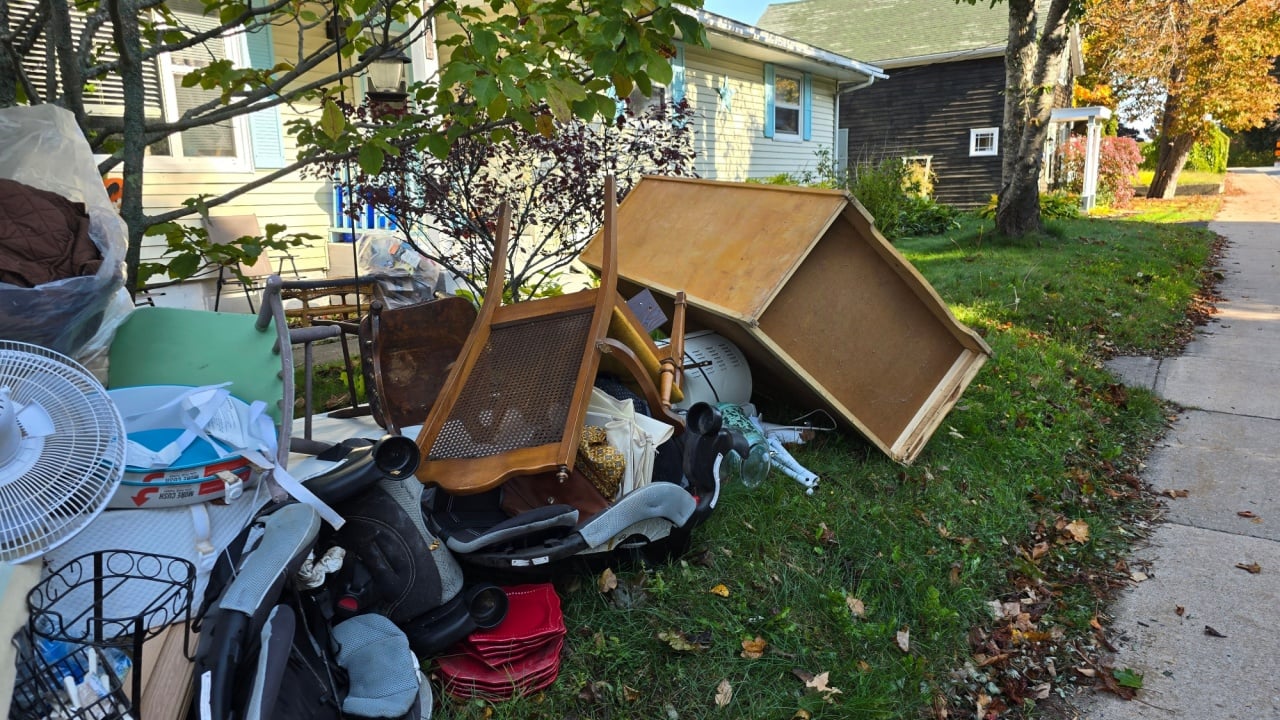
Your backyard isn’t meant to be a private scrapyard. Most zoning laws prohibit the long-term storage of “inoperable vehicles,” scrap metal, or piles of building materials in plain sight. Even if you plan to fix that old car one day, if it has flat tires and no engine, the city likely considers it “blight” or a “nuisance vehicle.”
If an inspector sees an accumulation of debris from the street or a neighbor’s window, they can issue a citation. “Junk” often includes old appliances, furniture not designed for outdoor use, and piles of tires, which can collect water and breed mosquitoes.
If you have a project car or extra materials, keep them inside a garage or a fully enclosed shed. If that’s not an option, ensure they are neatly covered with a high-quality tarp and stored in a way that isn’t visible to the public. Staying organized prevents your hobby from looking like a hazardous waste site to the city.
8. Unauthorized Tree Removal

You might think that because you “own” the tree in your backyard, you have the right to cut it down. However, many cities have “Tree Protection Ordinances” that designate certain species or sizes of trees as protected.
Removing a heritage oak or a large maple without a permit can result in staggering fines, sometimes thousands of dollars per tree. It is to protect the local “canopy,” which helps with air quality and temperature control in urban areas.
Always hire a certified arborist who understands local regulations before taking a chainsaw to a large tree. They can tell you if a tree is diseased (which usually makes it legal to remove) or if you need a permit from the city arborist first. Taking the time to check saves you from a massive fine and the loss of a neighborhood asset.
9. Encroaching Fences and Walls

“Good fences make good neighbors,” but only if they are on the right side of the line. Building a fence, even a few inches over your property boundary, is a “trespass” in the eyes of the law. If your neighbor gets a survey and finds your fence is on their land, they can legally force you to tear it down and move it at your own expense.
Beyond the location, most cities have “Fence Height Ordinances.” Typically, a backyard fence is capped at six feet, whereas a front yard fence may be limited to three or four feet.
The golden rule of fencing is to get a professional survey before you dig your post holes. Don’t rely on old markers or “where the grass ends.” Once you have the survey, discuss the plan with your neighbor; sometimes you can even split the cost and place the fence exactly on the line as a shared asset.
10. Keeping Non-Traditional Pets

While most people have dogs or cats, the “urban homesteading” trend has led to many legal clashes over backyard chickens, bees, and even goats. Every city has its own list of “permitted animals,” and many strictly prohibit roosters (due to noise) or limit the number of hens you can keep based on the size of your lot.
Even if chickens are allowed, failing to keep their coop clean can lead to “odor nuisance” complaints or health department violations. Beekeeping is similar; you often need to provide a “flyway barrier” to force bees to fly high above the neighbor’s yard.
Check your specific zoning code before you bring home the flock. If you live in a Homeowners Association (HOA), their rules are often even stricter than the city’s and might ban backyard animals entirely.
11. Blocking Public Easements
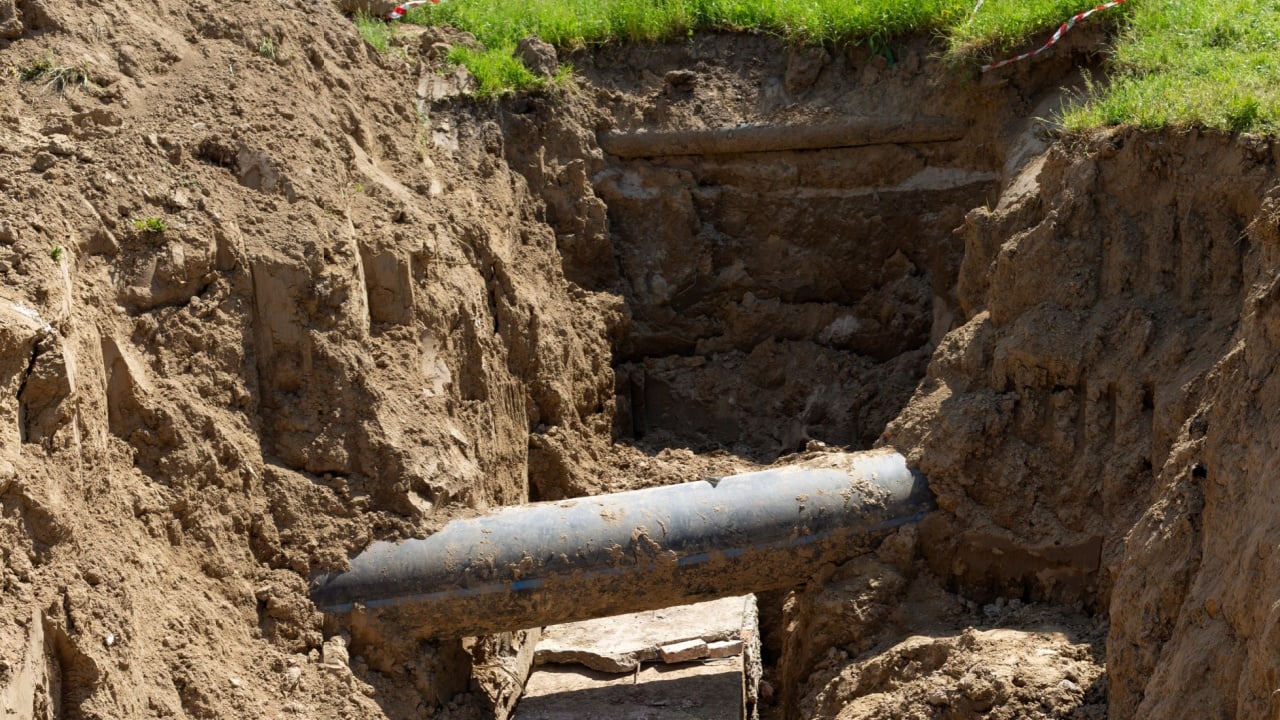
An easement is a portion of your land that a utility company or the city has a legal right to access. If there is a power line, a sewer pipe, or a water main running under or over your backyard, you cannot build anything “permanent” on that spot. This includes sheds, heavy planters, or even some types of dense landscaping.
If the utility company needs to repair a pipe and your expensive stone pizza oven is sitting on top of the access point, they have the legal right to move (or destroy) your structure to get to the utility.
You can find easements on your property’s plat map or title report. Before you install anything that can’t be easily moved, call “811” to have your underground lines marked.
12. Illegal Outdoor Lighting
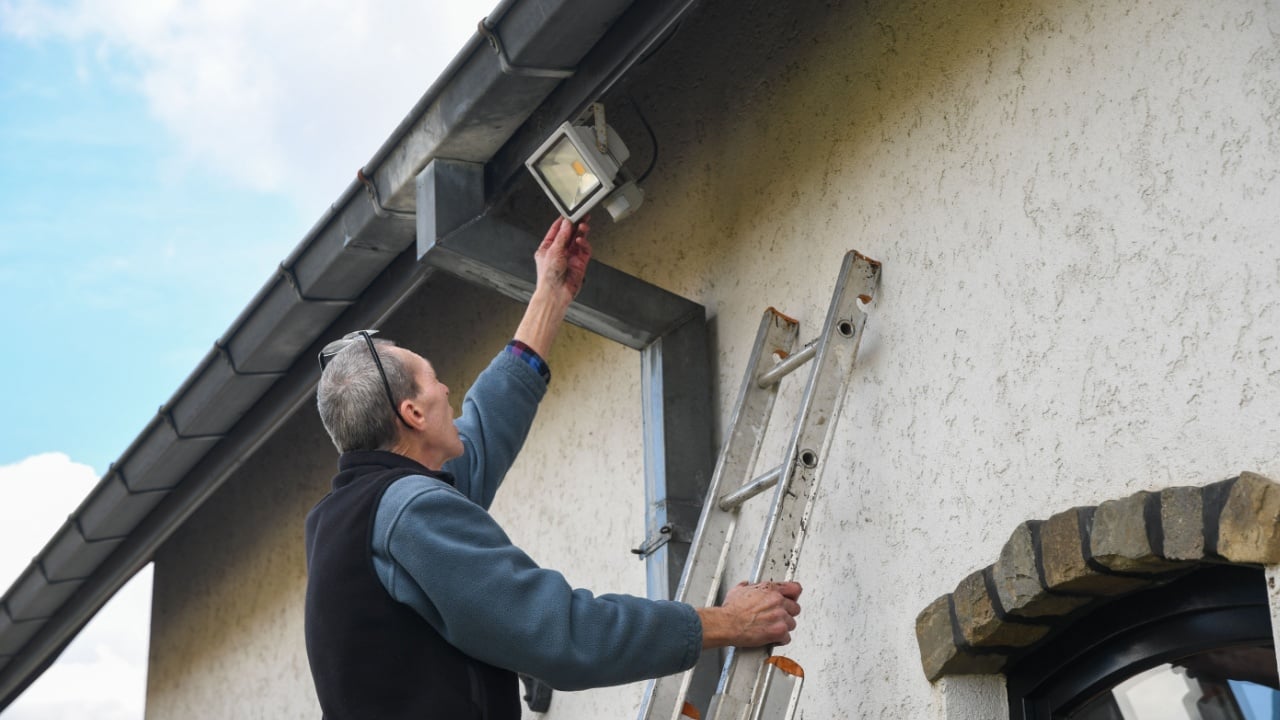
If you install high-intensity security lights or “stadium-style” backyard lighting that shines directly into your neighbor’s bedroom window, you could be cited for “light trespass.” Just like noise, excessive light is considered a nuisance that interferes with someone else’s enjoyment of their property.
Many modern ordinances require “full-cutoff” fixtures, which means the light must be directed downward toward the ground rather than out toward the horizon. Motion sensors are also highly encouraged to prevent constant nighttime glare.
When setting up your outdoor lighting, stand at your property line and look back at your house. If you can see the glowing bulb of your security light, it’s probably aimed too high. A few simple adjustments to the angle of your fixtures can prevent a late-night knock at the door from an unhappy, sleep-deprived neighbor.
13. Unsafe Play Structures
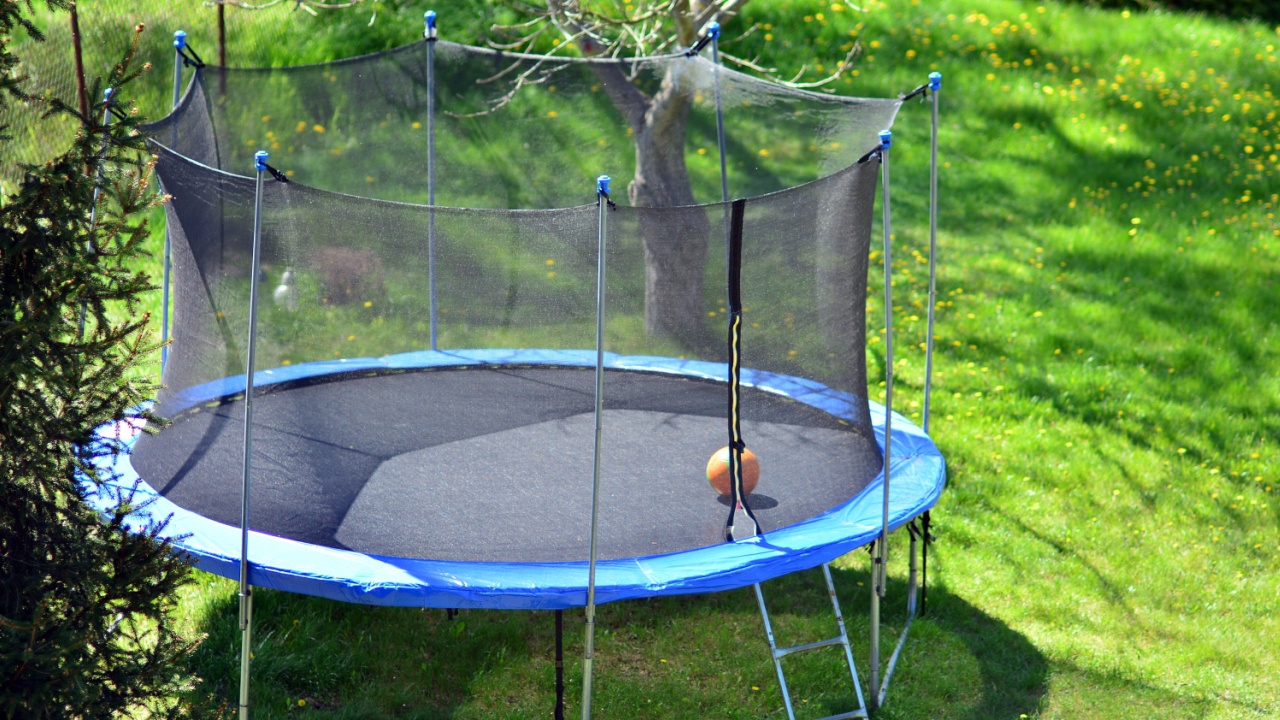
That massive wooden playset or trampoline in the backyard is a childhood staple, but it can also be a legal liability. If a structure is tall enough that a child could see over a neighbor’s fence, it can be viewed as an “invasion of privacy.” Additionally, if it isn’t properly anchored, it could become a projectile during a storm, damaging nearby property.
Many insurance companies require you to disclose the presence of “high-risk” items like trampolines or zip lines. If you don’t have the proper safety netting or if the structure is too close to a power line, your insurance could be voided.
Always check your homeowners’ insurance policy before installing a major play feature. Keep the structures well-maintained, checking for rotted wood or rusted bolts annually.
14. Improperly Disposing Hazardous Waste

Don’t pour leftover paint, motor oil, or harsh cleaning chemicals down a drain or into your yard. This is against federal and local environmental laws because these substances can contaminate the soil and local water supply.
Environmental agencies keep a close eye on residential dumping and can issue hefty fines for violations. If your soil becomes contaminated, you’ll have to pay for expensive professional remediation. Plus, your neighbors might report you if they smell harsh chemicals.
Keep all hazardous liquids in their original sealed containers and take them to a designated hazardous waste collection site for safe disposal.
Proactive Planning Prevents Problems

Taking the time to research local ordinances prevents minor backyard projects from turning into major legal headaches. Most municipal websites provide a searchable database of codes regarding noise, structures, and land use.
Reviewing these rules before starting a project or hosting an event provides peace of mind. Consistent communication with neighbors and regular maintenance further reduces the risk of complaints or citations.
Read More:
15 Things You Can’t Legally Keep in Your Yard Without a Permit