15 Home Inspection Details That Help You Avoid a Costly Lemon
Buying a house is a high-speed chase through a mountain of paperwork and awkward open houses. It’s easy to get swept up in the excitement, but a single oversight can turn a dream home into a total financial anchor. The inspection is your ultimate reality check. It’s the moment a pro steps in to decide if that massive price tag and home details actually match the physical reality of the place.
Data from the experts shows that a home’s real value is hidden (or lack thereof) in the structural bones and the mechanical heart of the property, not just the fancy finishes. While a fresh coat of trendy paint looks great in photos, inspectors are digging for the expensive nightmares lurking behind the drywall or under the floorboards. This guide is designed to help you spot those technical red flags before you’re locked into a mortgage.
We’re breaking down the structural, environmental, and aesthetic markers that can make or break that final report. Paying attention to these details now will save you from the surprise of a low valuation or a repair bill that ruins your first year of homeownership.
1. Foundation Stability
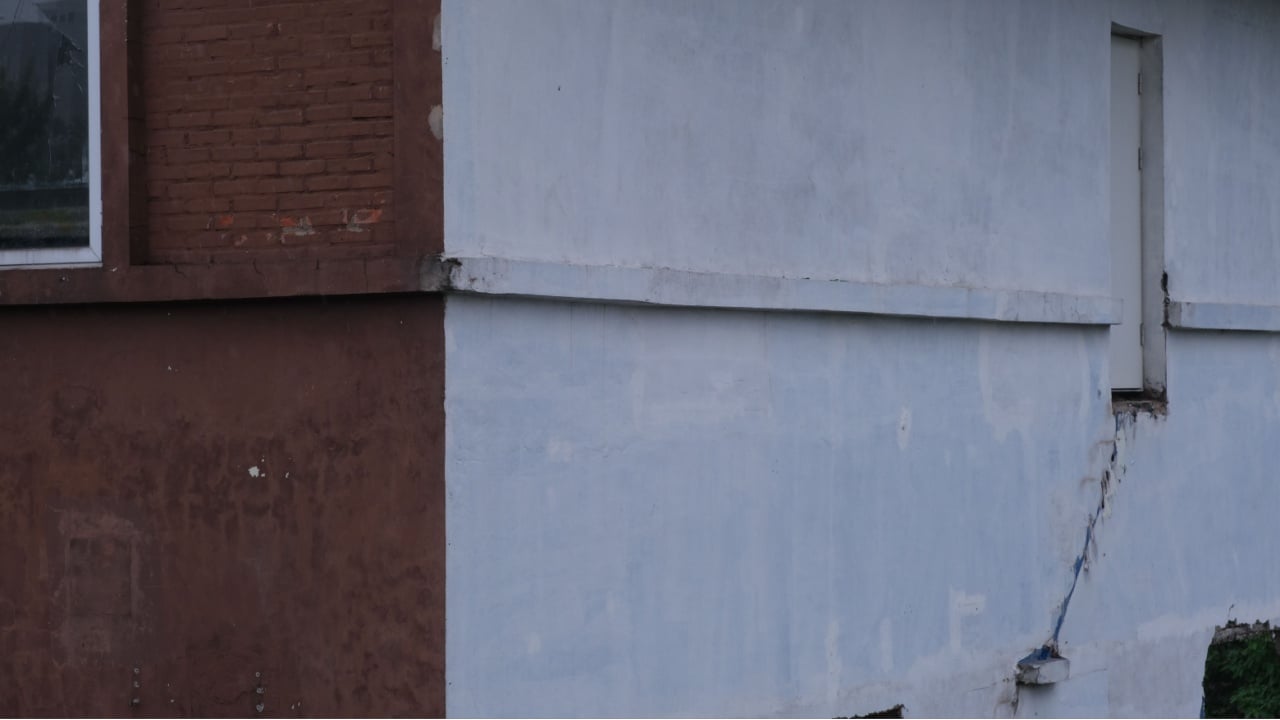
Visible cracks or uneven flooring are basically the house screaming that the ground beneath it is moving in ways it shouldn’t. An inspector looks for those classic stair-step cracks in the brickwork or interior walls that don’t quite meet the ceiling anymore. These signs suggest structural instability, which leads to high repair costs down the line.
Don’t forget to check the basement or crawlspace for signs of moisture or shifting. If the foundation is compromised, your loan might not even get off the ground. It’s worth hiring a structural engineer if the inspection report notes any settlement issues; you need to know exactly how much “stabilization” is going to cost your wallet.
2. Roof Age and Material
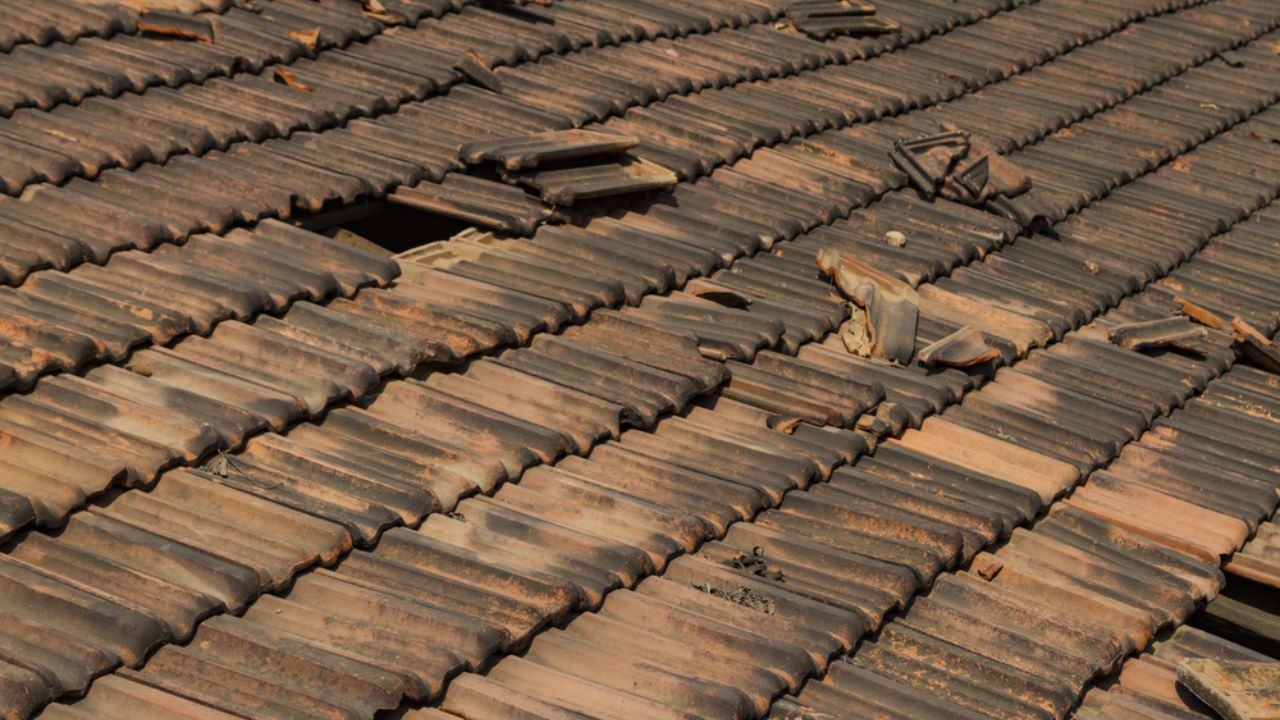
The roof is your home’s first line of defense against the elements and, unfortunately, one of the most expensive things to replace. Inspectors (and apparaisers) will estimate the remaining life of those shingles or tiles to make sure everything stays dry inside. If they see curled edges, missing granules, or sagging sections, they know a full replacement is probably imminent.
A roof nearing the end of its life can absolutely tank a home’s value during the valuation process. Always ask for the permit history to see when the last install actually happened. If that roof is pushing fifteen years or older, get ready to negotiate the price or ask the seller for a credit to cover the upcoming headache.
3. HVAC System Functionality

Heating and cooling systems are the lifeblood of indoor comfort and huge drivers of a home’s value. The inspector is there to verify that the furnace and air conditioner actually work and are appropriately sized for the square footage. Old, noisy, or inefficient units are marked as deficiencies that reflect poorly on the home’s overall condition.
When you’re touring, listen for any weird grinding sounds or inconsistent airflow when the system kicks on. Check those service stickers on the side of the unit to see if it’s been loved or neglected. A beat-up HVAC system often hints at larger electrical or plumbing issues hiding within the walls.
4. Plumbing Integrity and Leaks

Water damage is the silent killer of home value, and it usually starts with a tiny, ignored drip. Inspectors are on the hunt for water stains on ceilings, dampness under sinks, and weak water pressure in the shower. These symptoms often point to corroded pipes or a failing water heater that’s about to give up the ghost.
Take a second to investigate the type of piping used, especially in older spots. Materials like polybutylene or galvanized steel are notorious for failing and can make a home a nightmare to insure. Upgrading to copper or PEX is a common (and smart) move for long-term reliability.
5. Electrical Panel and Wiring
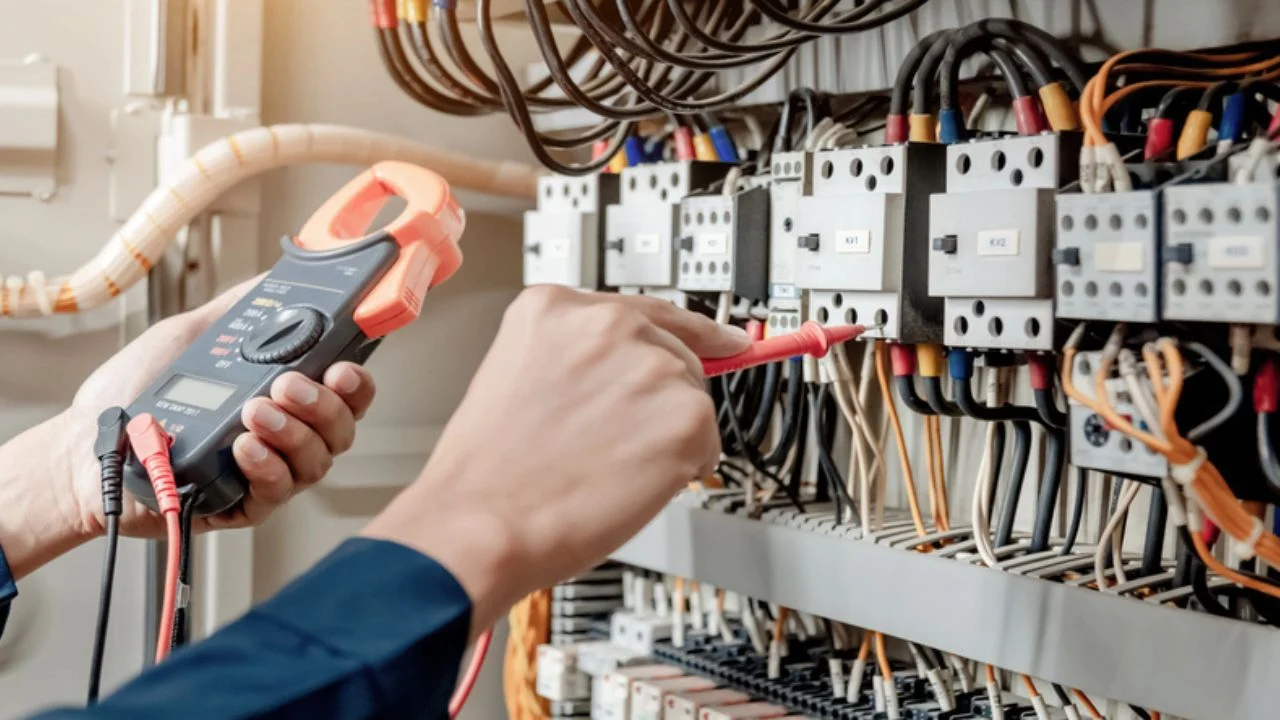
Safety is the name of the game when it comes to a professional evaluation. The electrical panel has to meet modern standards and handle the juice of contemporary appliances without constantly tripping breakers. Exposed wires, outlets that have been painted over, or an ancient fuse box will be flagged as immediate hazards.
Look for a grounded system with three-prong outlets in every room. If the house is still rocking knob-and-tube wiring, many lenders will flat-out refuse a mortgage until it’s replaced. It’s always a good idea to consult an electrician to verify the amperage and the state of the main service line.
6. Windows and Insulation
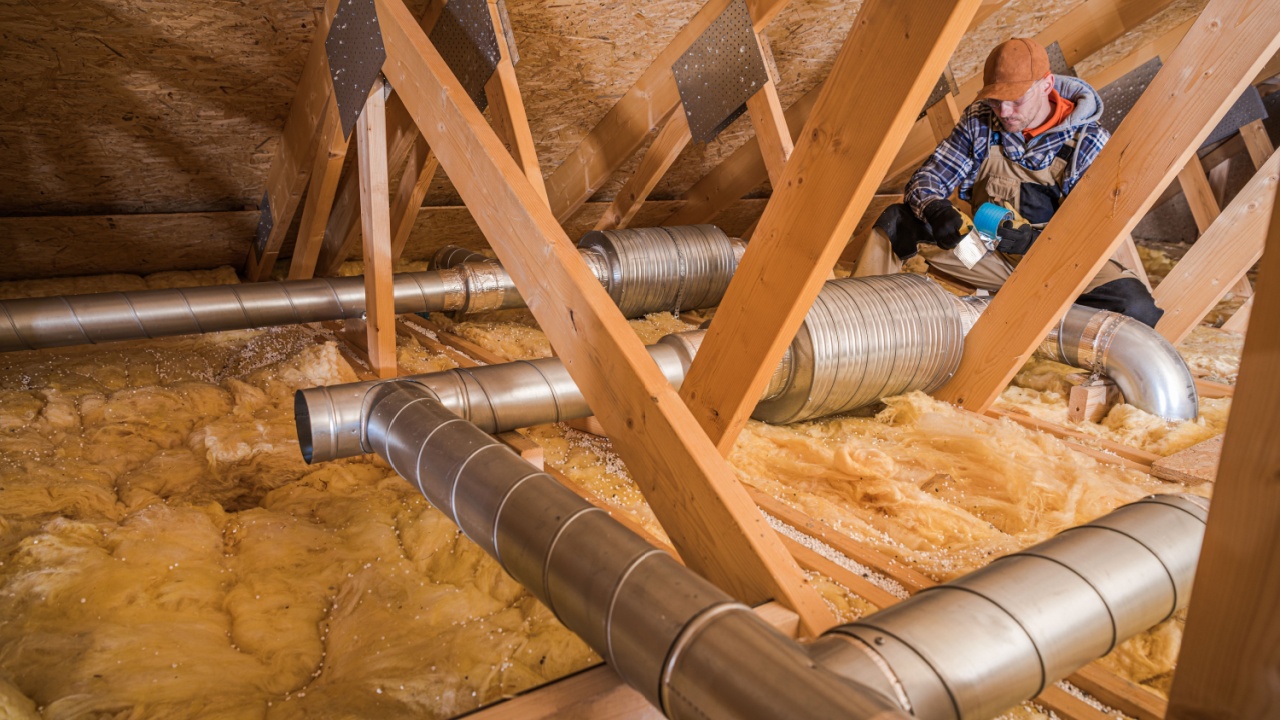
Energy efficiency is a massive deal in the modern inspection process and your future monthly bills. Single-pane windows or drafty frames let all your expensive conditioned air escape, forcing the HVAC to work overtime. Appraisers take note of double-pane glass and the quality of the seals as signs of a well-maintained home.
Check for fogging between the panes, that’s a sign of a broken seal and zero insulating properties. Replacing windows is a major capital expense you should factor into your initial offer. If the windows are solid but the house feels breezy, adding attic insulation is a cheap way to boost the home’s “score.”
7. Kitchen Appliances and Surfaces
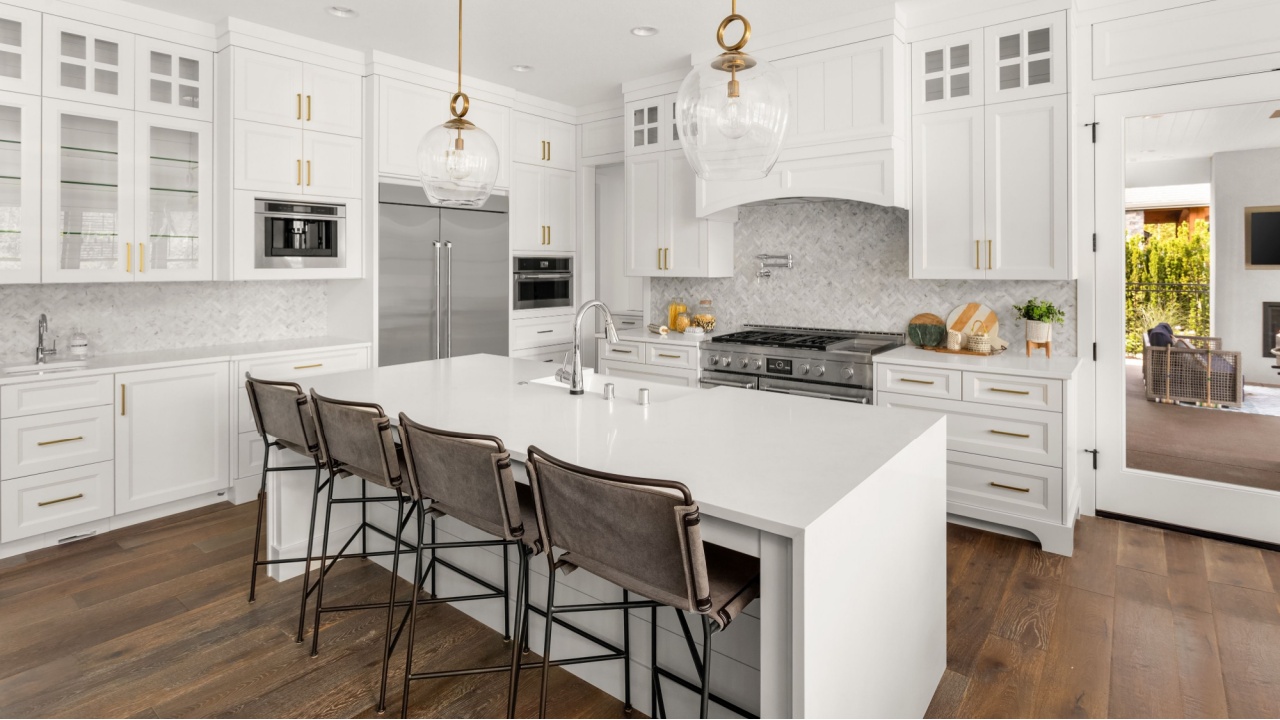
The kitchen is still the heavy hitter when it comes to market value and buyer interest. High-end materials like stone countertops and stainless steel appliances give the appraisal a measurable boost. On the flip side, chipped laminate and stoves from the 1990s will pull that valuation straight down.
Make sure all those built-in appliances are actually working and match the overall quality of the rest of the house. If the kitchen looks like a time capsule, look for ways to modernize without a total gut job. Sometimes, just refacing cabinets or updating a backsplash can provide a solid return on investment.
8. Flooring Condition and Material

What’s under your feet says a lot about how much wear and tear a house has endured. Hardwood floors generally hold way more value than wall-to-wall carpeting, which basically acts as a sponge for allergens and stains. Appraisers will deduct value for cracked tiles, warped wood, or carpets that have seen better days.
Pro tip: pull back a corner of the carpet in a closet to see if original hardwoods are hiding under there. If the floors are in rough shape, make sure you factor in the cost of refinishing or replacement before you close the deal. Consistent flooring throughout the house creates a much better flow and higher perceived value.
9. Exterior Siding and Paint

Curb appeal isn’t just for Instagram; it’s about protecting the home’s shell. Peeling paint on an older home is a huge red flag for lead-based paint risks and wood rot. If the siding is cracked or melting from a nearby grill, the inspector will note it as a maintenance failure.
Walk the perimeter and look for gaps where pests or water could sneak in. Well-maintained siding usually means the owner actually cared about the interior, too. Sometimes, a simple pressure wash or a fresh coat of trim paint can fix the minor cosmetic issues that pop up in a report.
10. Basement Dryness and Odors
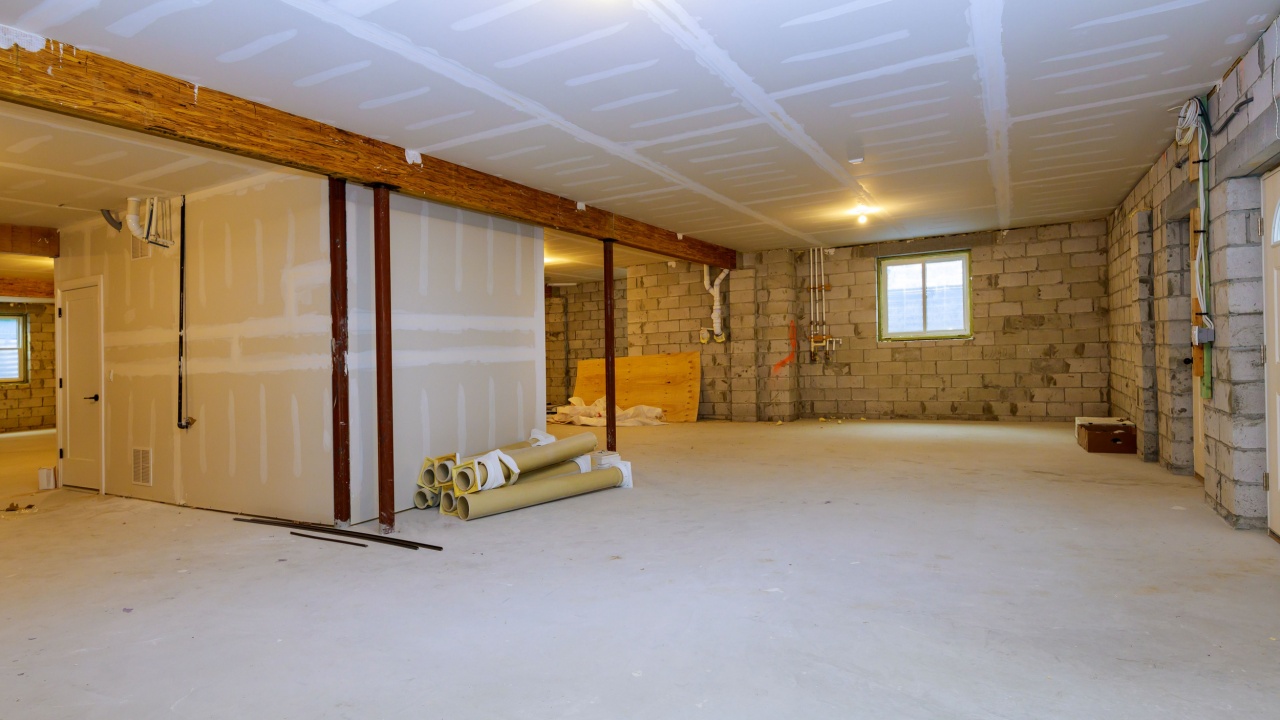
If you walk into a basement and smell that “old gym bag” scent, you’ve got mold or drainage problems. Inspectors look for efflorescence, that white, salty crust on the walls caused by water seeping through concrete. A wet basement kills usable square footage and creates a genuine health hazard.
Check the sump pump to see if it actually works and if there’s a battery backup for when the power goes out. Take a look at the yard’s grading to see if water flows away from the house or straight toward it. Installing a French drain or cleaning the gutters are common fixes for a damp lower level.
11. Recent Permitted Upgrades

Unpermitted work can totally derail a sale and leave you with legal headaches later. Inspectors compare the current layout of the house to public records to see if additions or basement finishes were done legally. If a bedroom were added without a permit, it might not even count toward the total square footage.
Ask the seller for a full list of renovations and the permits that go with them. This paperwork proves the work was done to code and is safe for you to live in. Having these documents ready helps the appraiser justify a higher valuation for all those shiny new improvements.
12. Landscaping and Drainage

The way the land sits around the house affects the structure’s longevity more than you’d think. Improper grading that slants toward the foundation leads to pooling water and rot. Inspectors notice if trees are overgrown and scraping the roof, or if the lawn is basically a swamp.
Look for areas where water stands for days after a storm. Mature trees are great for value, but only if they’re healthy and not trying to eat your sewer lines. Trimming back branches and clearing debris from the house perimeter are easy ways to protect the exterior and keep the inspector happy.
13. Presence of Pests and Wood Damage
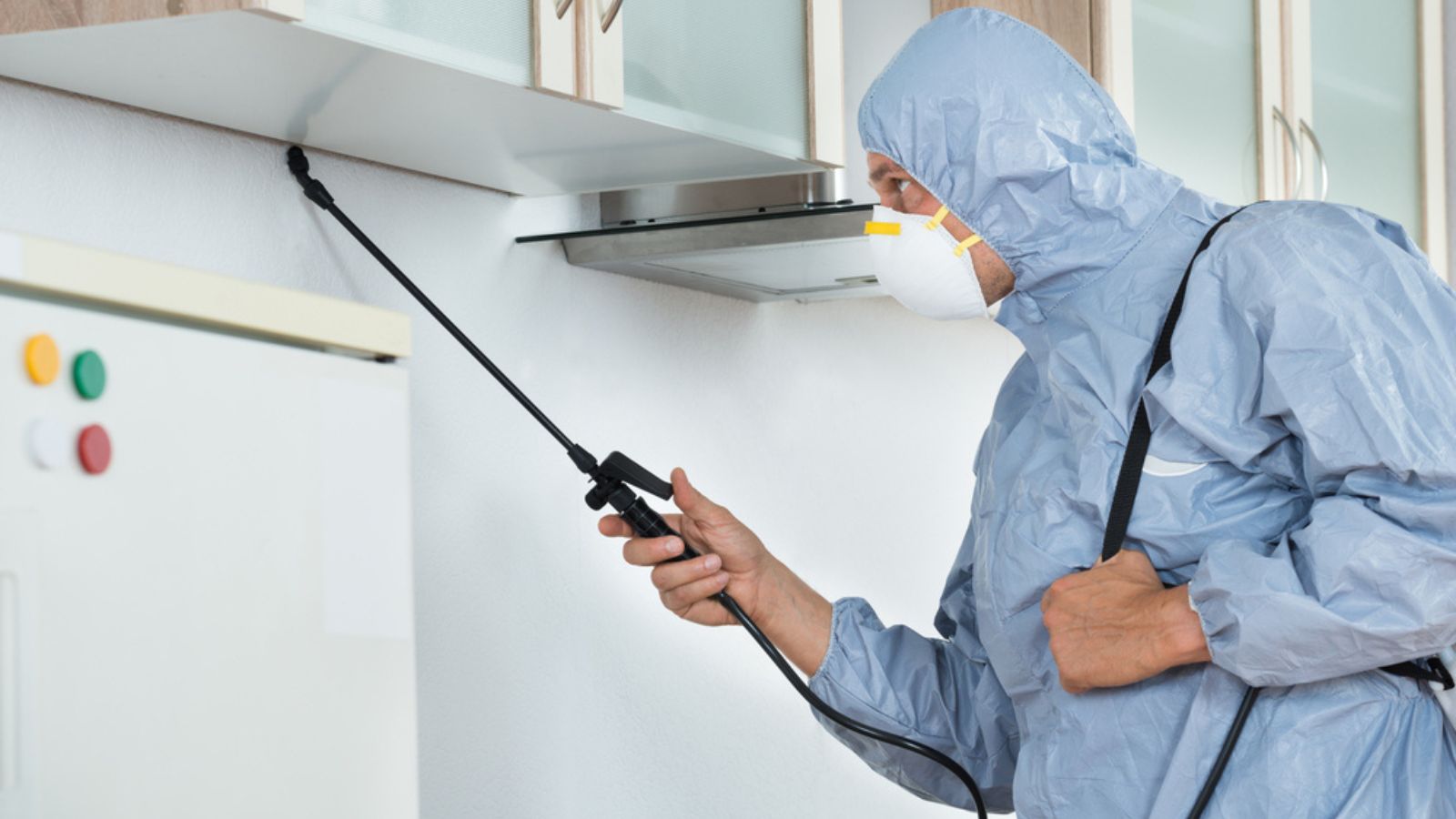
Termites and carpenter ants can hollow out a home’s frame long before you ever notice a problem. Inspectors watch for mud tubes on the foundation or “frass,” which looks like tiny piles of sawdust, near wooden beams. This damage is usually hidden and requires a specialized pro to really uncover.
Check for soft spots in the wood around windows and doors where moisture has let pests take hold. A clear pest inspection report is a standard requirement for most loans anyway. Regular treatments are just a part of the “fun” of homeownership and are necessary for keeping the house standing.
14. Attic Health and Ventilation
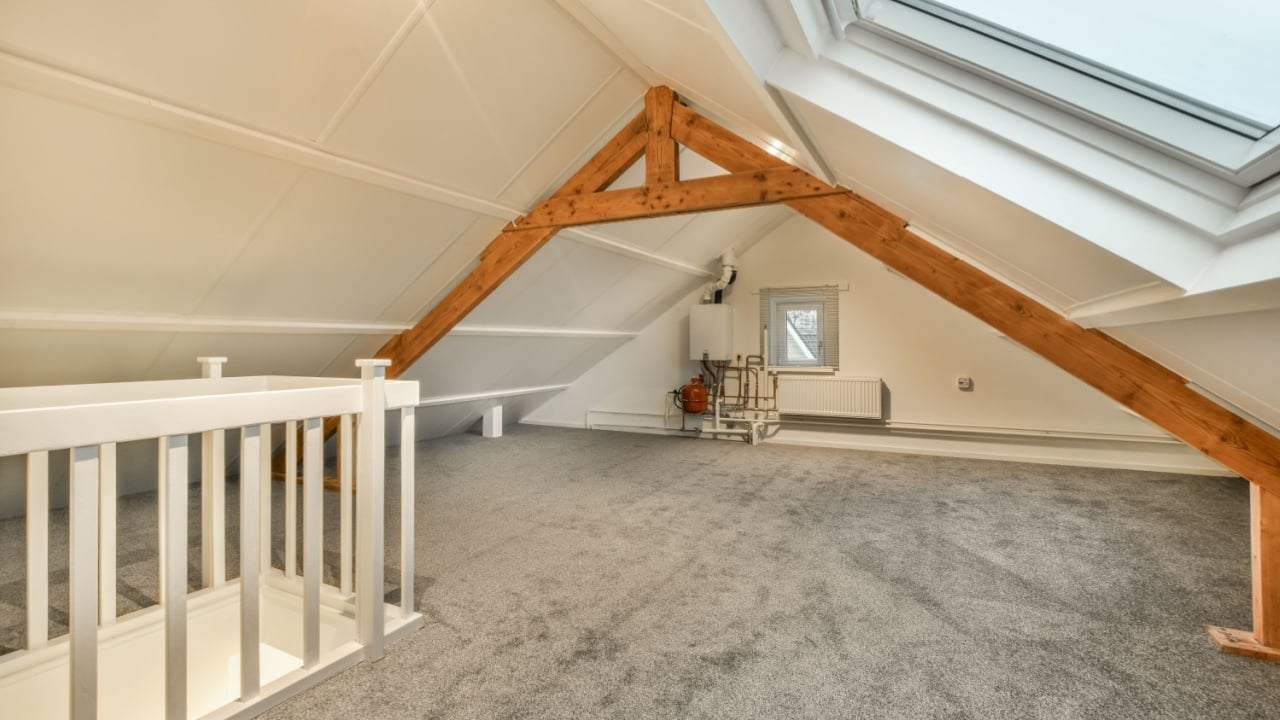
The attic is the best place to check out the home’s “respiratory system” and the underside of the roof. Proper ventilation prevents heat buildup in the summer and those ice dams in the winter. Inspectors are looking for mold on the roof deck or insulation that’s been compressed and lost its punch.
Stick your head up into the attic to check for light coming through the eaves; that’s a sign of good airflow. If it feels like a sauna up there, the roof is going to fail way sooner than it should. Adding soffit or ridge vents is a functional upgrade that pays off in much lower energy bills.
Read More: