
5 Ways Americans Are Accidentally Tanking Their Home Value
You’ve poured blood, sweat, and probably a few tears into your home. It’s your biggest investment, and the place where life happens. But did you know that some of the “improvements” you’re making, or the maintenance tasks you’re putting off, could actually be draining your property’s value? It’s a harsh reality: sometimes, our best intentions backfire when it comes time to sell.
The real estate market is unforgiving, and buyers are pickier than ever. They see past the surface-level charm and look straight at the costly headaches lurking underneath.
Here are five surprising ways homeowners sabotage their equity and how you can steer clear of them.
1. Letting “Small” Maintenance Issues Slide

Neglecting home maintenance can quickly erode its value. A leaky faucet or loose shingles left unfixed can lead to costly damage, and buyers see deferred maintenance as a red flag. Regular upkeep, like cleaning gutters and checking for leaks, can boost your home’s value by 1% annually, while neglect can decrease it by 10% or more.
Pro Tip: Use a seasonal maintenance checklist to catch issues early and save money.
2. Over-Personalizing Your Renovations

Customizing your home too heavily to your taste, like installing hot pink tiles, quirky kitchen backsplashes, or converting a garage into a studio, can hurt your resale value. Highly niche renovations often shrink your pool of potential buyers and lower your ROI, as buyers may deduct the cost of undoing these changes.
Instead, focus on neutral, widely appealing updates like modernizing a kitchen with standard finishes.
Pro Tip: Add personality with furniture or décor you can take with you, while keeping permanent fixtures classic and neutral for broader appeal.
3. Ignoring the Curb Appeal

First impressions matter. When a buyer arrives, an exterior with overgrown bushes, peeling paint, or a cracked driveway can immediately lower their offer. The outside of your home sets expectations for the inside.
Good curb appeal signals that a home is well-maintained. A study in the Journal of Real Estate Finance and Economics found that homes with high curb appeal sell for an average of 7% more. This includes landscaping, the condition of your siding, window cleanliness, and your front door.
Pro Tip: You don’t need a professional landscaper. Power wash walkways, paint the front door, and mow the lawn.
4. DIY Projects Gone Wrong
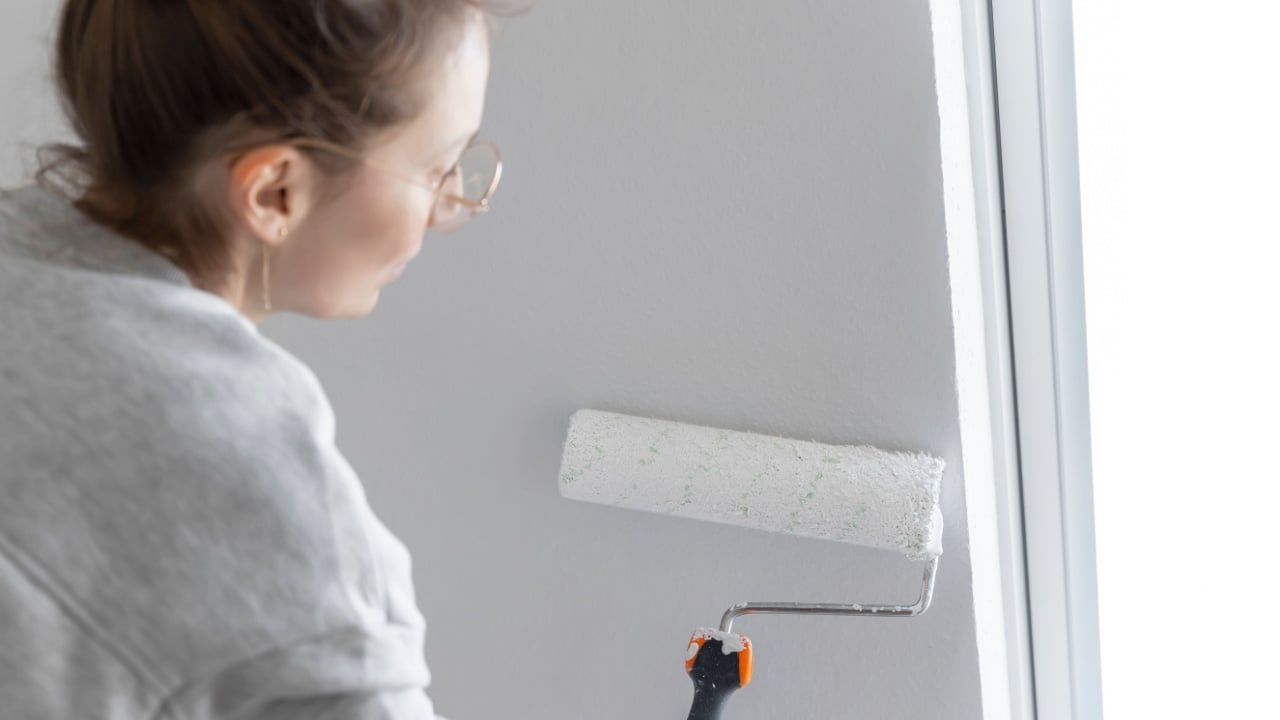
DIY projects might save money upfront, but poor workmanship can tank your home’s value.
Shoddy tile, uneven floors, or amateur carpentry are red flags for buyers, who will quickly calculate the cost to rip it out and redo it professionally. Even worse, uncertified electrical or plumbing work can stall a sale entirely.
Pro Tip: Stick to DIY for painting or minor landscaping. For electrical, plumbing, or structural work, always hire a licensed professional.
5. Adding Unpermitted Structures or Additions
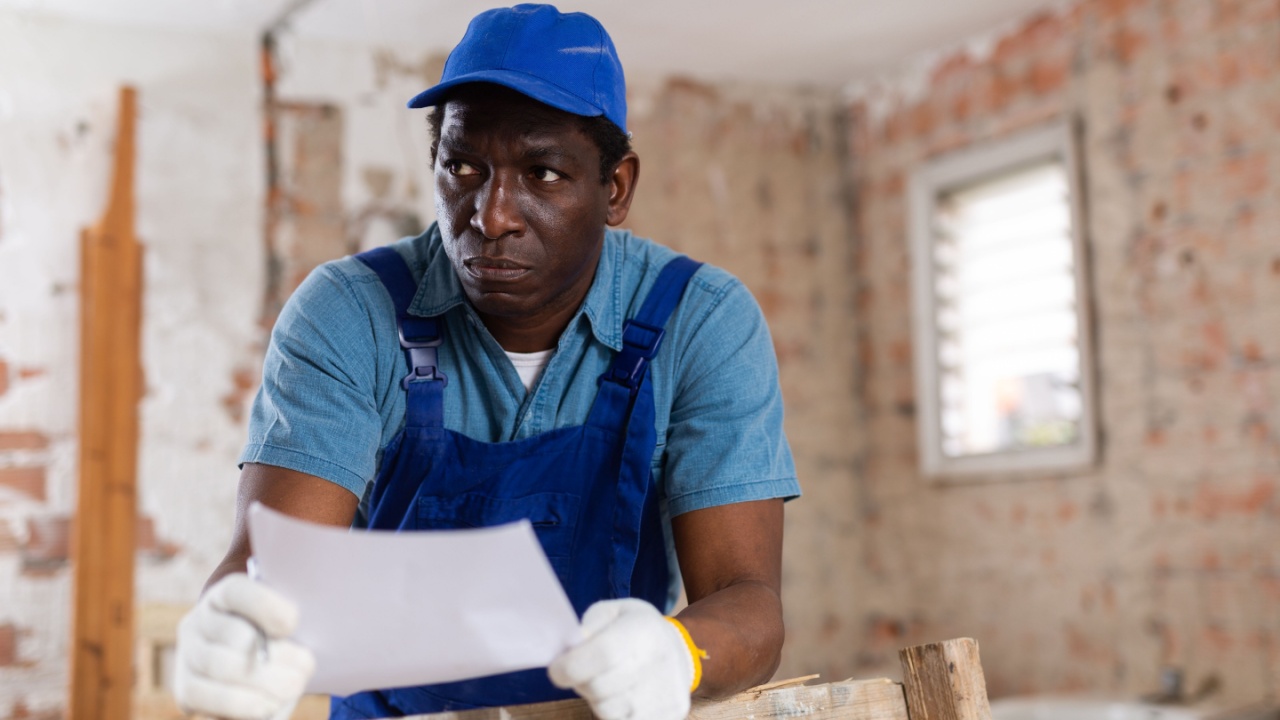
Adding a deck or finishing a basement only adds value if it’s legal. Unpermitted work is a major deal-killer in real estate; if you don’t have the proper city permits, that extra square footage legally doesn’t exist.
Discrepancies between county records and your home can cause buyer financing to fall through. Worse, the city could force you to tear down the work or pay a fortune to bring it up to code.
Pro Tip: Always pull permits for significant work. It ensures your investment counts toward your appraisal value. Keep a file of all inspection sign-offs to show potential buyers.
Protect Your Investment

Your home is likely your most significant financial asset, so treating it with care is essential for your future wealth. By avoiding these common pitfalls, you protect your equity and ensure a smooth sale when the time comes.