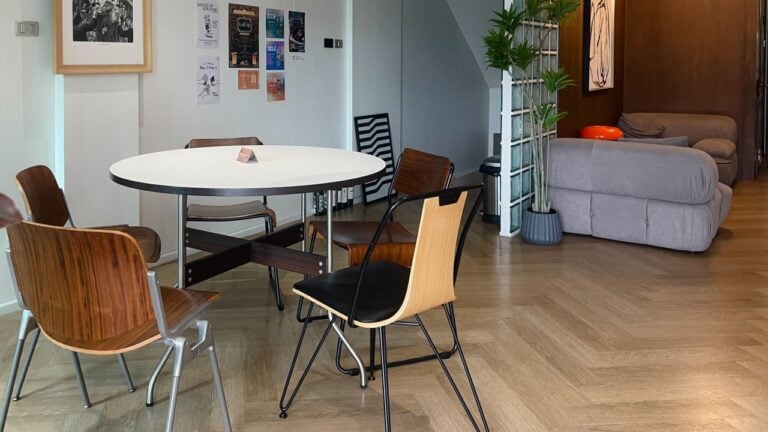
15 Common Additions That Home Buyers Walk Away From
Selling a home is an exciting prospect. You’ve poured time, money, and creativity into making your space unique. Those special projects and custom additions felt like brilliant upgrades at the time. Yet, what one person sees as a masterpiece, a potential buyer might see as a major project to undo.
Before you dig out the yard, it’s helpful to be aware of the additions that may cause buyers to hesitate or even walk away entirely. Here are 15 common additions that often miss the mark with new owners, turning dream features into deal-breakers.
1. Swimming Pools
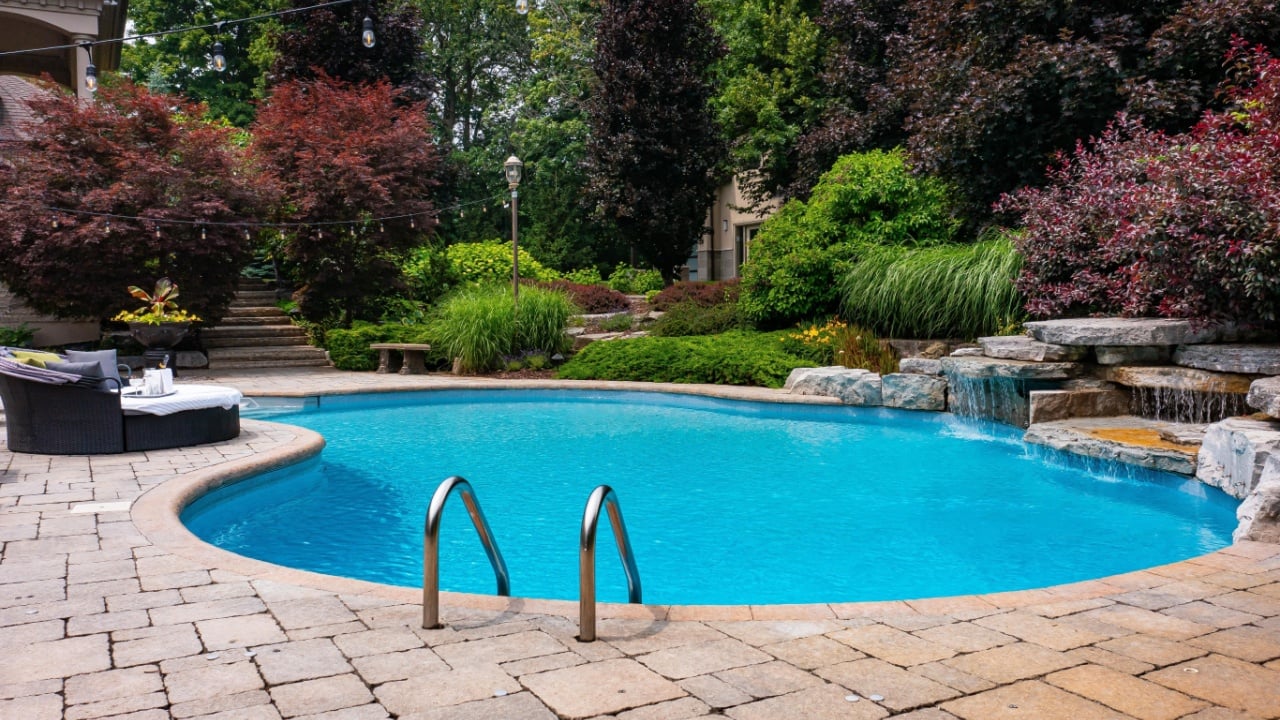
A backyard oasis with a sparkling pool sounds like the ultimate luxury. For many, it is. For a prospective buyer, however, it’s about $1400 per year pool maintenance bill. Pools require constant chemical balancing, cleaning, and equipment maintenance. The fantasy of poolside afternoons quickly gives way to the reality of ongoing expenses and effort.
The costs for heating, repairs, and higher insurance premiums add up. For families with small children or pets, a pool represents a significant safety concern. In climates with short summers, the limited use can make the year-round upkeep feel especially burdensome.
Quick Look:
- Buyer’s View: High maintenance, safety risk, increased utility and insurance bills.
- What to Do: Ensure the pool is in pristine condition. Provide records of professional maintenance and recent equipment upgrades. Investing in a high-quality safety fence and cover can also ease a buyer’s mind.
2. Converted Garages
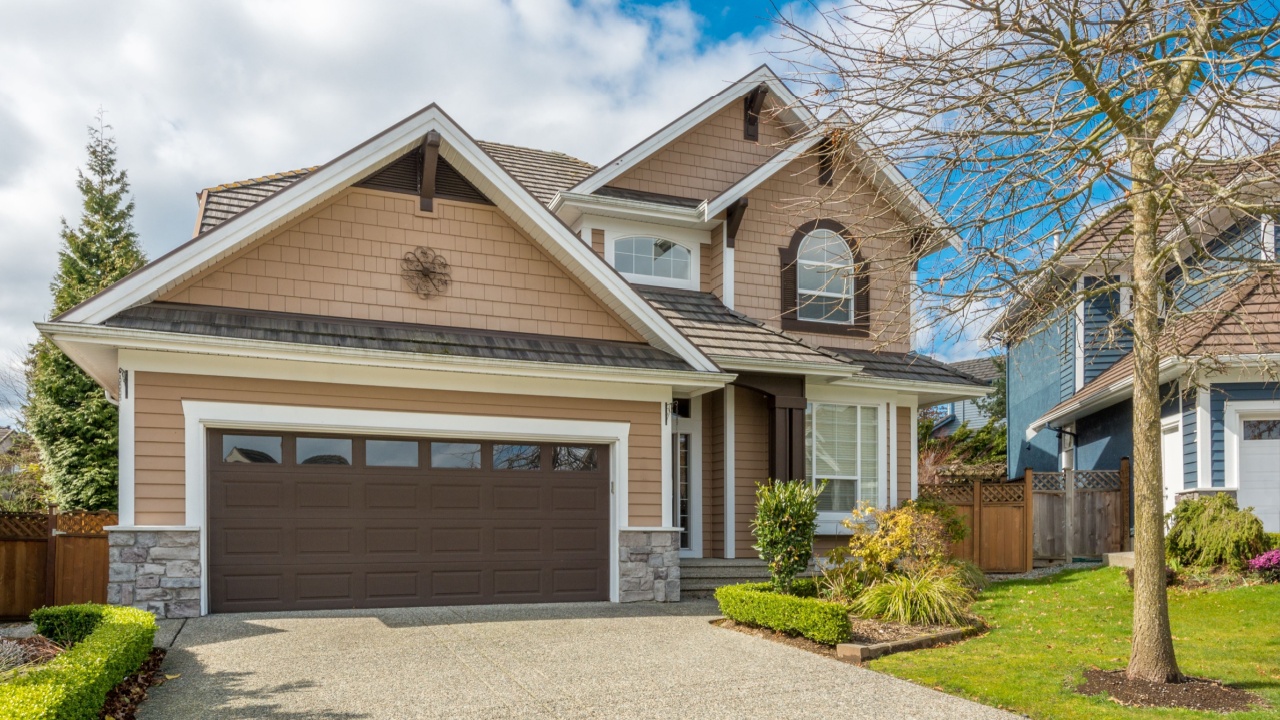
That extra living space you created by converting the garage into a home gym or playroom seemed like a great use of square footage. Unfortunately, most home buyers arrive with cars, tools, and outdoor gear in tow. They see a garage as essential, protected storage and parking.
A converted garage often means cars are left on the street or in the driveway, exposed to the elements. It also eliminates a primary storage area for everything from lawnmowers to holiday decorations. A buyer will immediately calculate the cost and headache of converting the space back into a functional garage.
Quick Look:
- Buyer’s View: Lack of parking, storage problems, and future renovation project.
- What to Do: If possible, consider converting the space back before listing. If not, highlight alternative storage solutions, like a well-organized shed or attic space, and be prepared for this to be a point of negotiation.
3. Bold or Textured Wallpaper
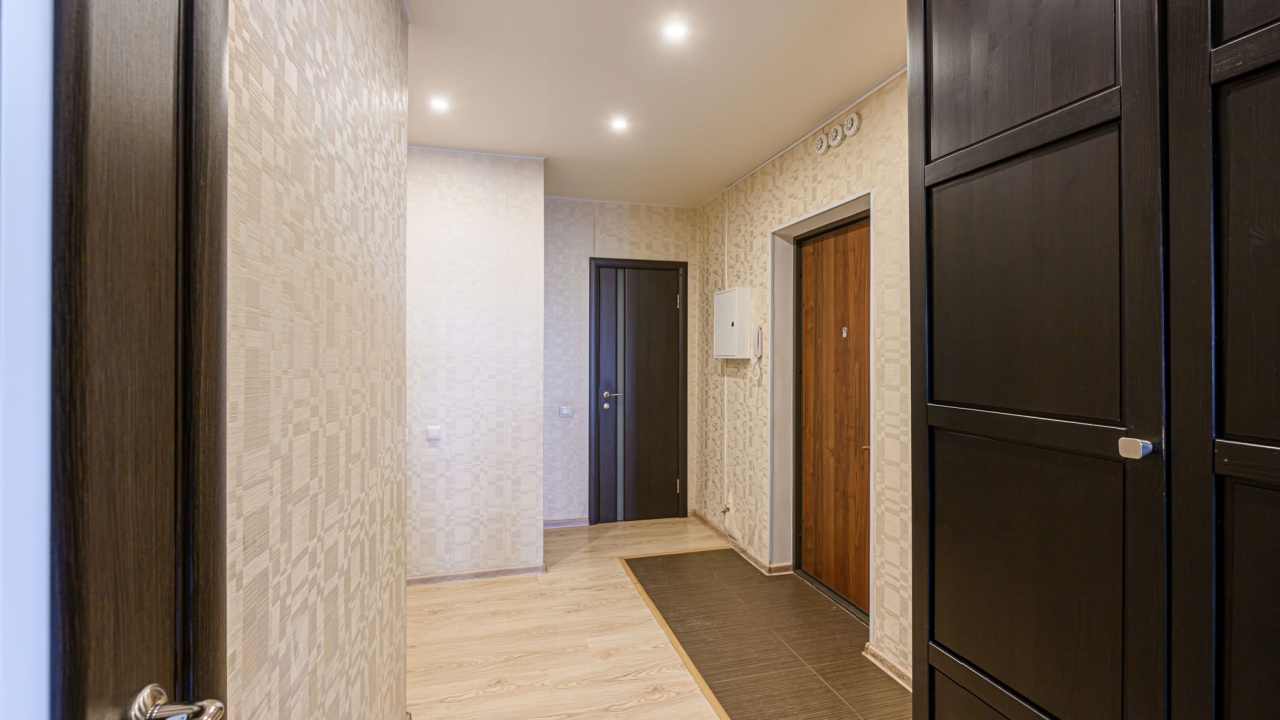
Wallpaper has made a comeback, allowing for personal expression through vibrant patterns and unique textures. The problem is that “personal” is the keyword. Your bold floral print might be a buyer’s interior design nightmare.
Removing wallpaper can be a difficult and messy job. It can cost up to $3 per square foot to remove wallpaper. Removing it can also damage the underlying drywall, requiring skimming and repairs before a new coat of paint can even be applied. A buyer sees a wall of busy patterns and envisions weekends lost to scraping, steaming, and sanding.
Quick Look:
- Buyer’s View: A time-consuming and costly removal project, clashes with personal style.
- What to Do: The safest bet is to remove the wallpaper and paint the walls a neutral color before listing. This presents a clean, blank canvas for buyers.
4. High-End Upgrades in a Modest Neighborhood
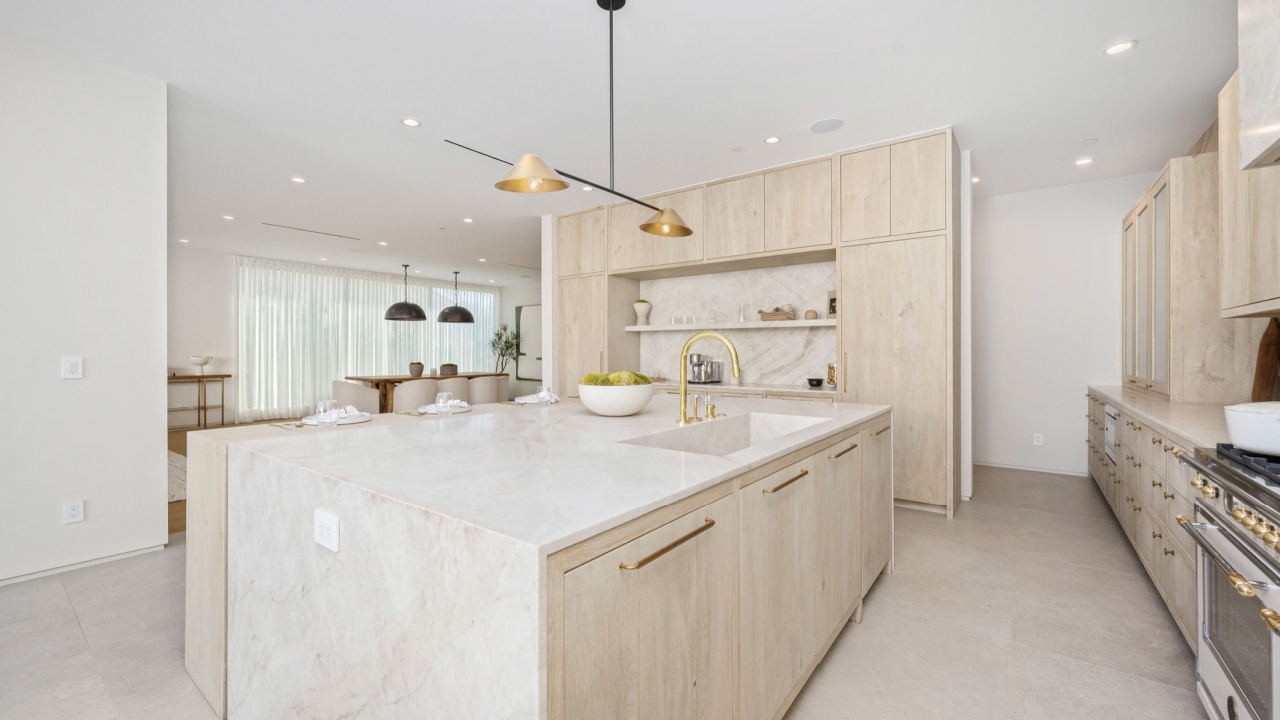
Installing a chef-grade kitchen with marble countertops and professional appliances in a starter-home neighborhood might make your house the fanciest on the block. But it can also make it the most overpriced. Buyers look at comparable home sales in the area to determine value.
When one home’s features are far beyond the neighborhood standard, it’s difficult for the property to appraise at a price that justifies the upgrades. Buyers are hesitant to pay a premium for features they won’t see a return on when it’s their turn to sell.
Quick Look:
- Buyer’s View: Overpriced for the area, risk of not recouping investment.
- What to Do: Focus on tasteful, quality updates that align with the neighborhood’s character. If the upgrades are already done, highlight their quality, but be realistic about the asking price.
5. Carpet in Bathrooms
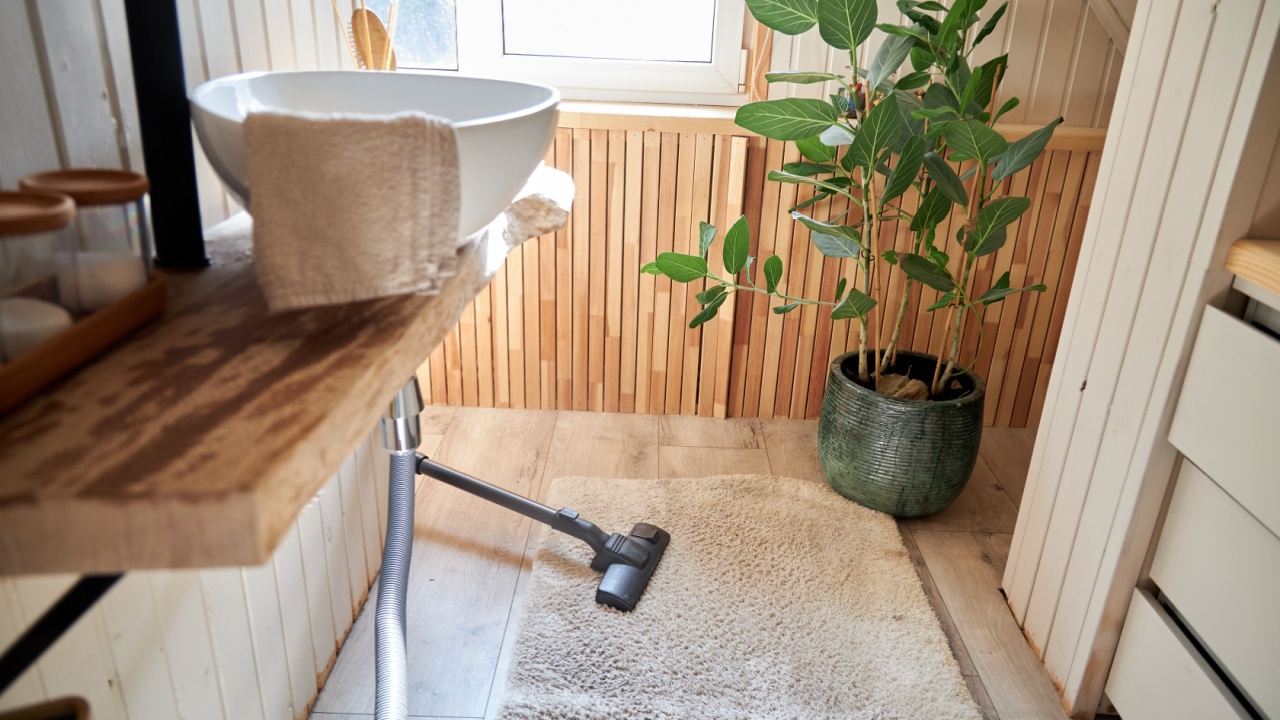
The soft, warm feel of carpet underfoot in a bathroom might seem appealing on a cold morning. To a buyer, it’s a red flag for moisture and hygiene issues. Bathrooms are wet environments, and carpet is a sponge for water, soap scum, and germs.
This combination creates a perfect breeding ground for mold and mildew, leading to musty odors and potential health concerns. Buyers will assume the carpet needs immediate replacement and will worry about what hidden water damage they might find underneath.
Quick Look:
- Buyer’s View: Unsanitary, high risk for mold and subfloor damage.
- What to Do: Replace the carpet with a suitable, water-resistant flooring like tile, luxury vinyl plank, or linoleum. It’s a relatively inexpensive fix that removes a major objection.
6. DIY Electrical and Plumbing Work

Weekend warrior projects can be a great way to save money, but electrical and plumbing work are not areas for amateur experimentation. When buyers see mismatched outlets, exposed wires, or leaky-looking pipes, their safety alarms go off.
Improperly done work is a serious fire or flood hazard. It can also lead to complications with getting homeowners’ insurance. A professional home inspector will almost certainly flag these issues, and buyers will anticipate needing to hire professionals to fix everything correctly, a potentially expensive undertaking.
Quick Look:
- Buyer’s View: Major safety hazard, potential for costly professional repairs.
- What to Do: Hire a licensed electrician and plumber to inspect and correct any DIY work. Having permits and certificates of completion for all major work provides buyers with valuable peace of mind.
7. Textured “Popcorn” Ceilings
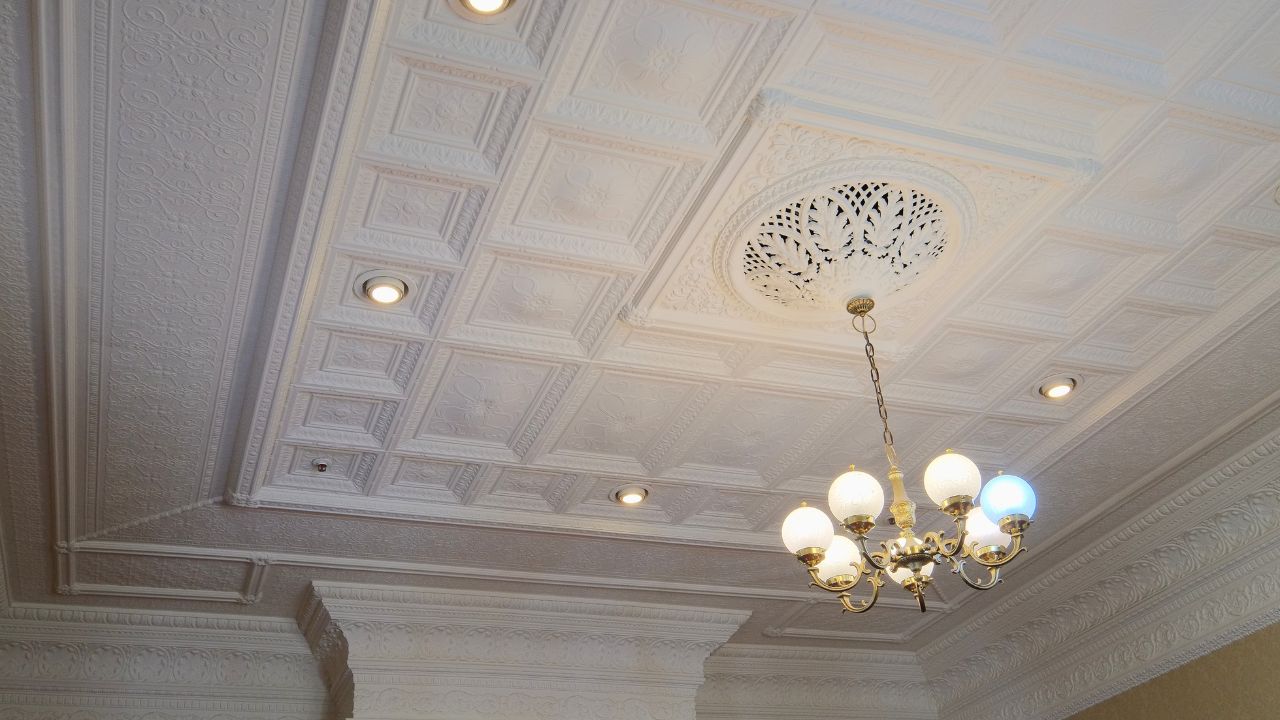
Once a standard feature, textured ceilings are now widely seen as dated. Their bumpy surface traps dust and creates shadows, making rooms feel smaller and darker. The removal process is the biggest deterrent.
It’s a messy, labor-intensive job. Worse, ceilings installed before the 1980s may contain asbestos, a hazardous material that requires professional abatement. The mere possibility of asbestos can be enough to make a buyer look elsewhere.
Quick Look:
- Buyer’s View: Outdated look, difficult and messy removal, potential asbestos risk.
- What to Do: Test for asbestos if the home’s age is a factor. If the test is negative, consider having the texture professionally removed and the ceilings smoothed. If removal isn’t feasible, a fresh coat of white paint can help brighten the space.
8. Highly Personalized Paint Colors
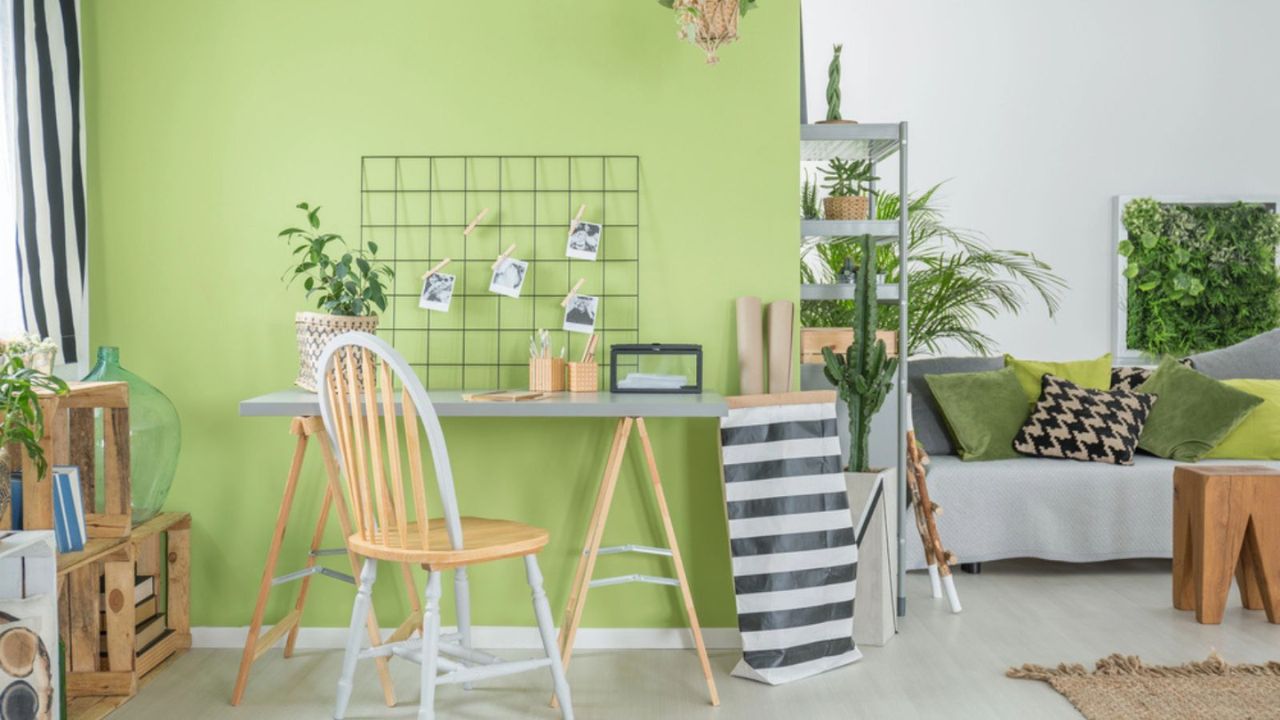
That bright lime green accent wall in the living room or the deep purple bedroom might perfectly reflect your personality. But a buyer might not see your creative flair; they see cans of primer and days of painting ahead.
Unusual or extremely bold colors can make it difficult for buyers to picture their own furniture and decor in the space. Neutral colors create a blank slate, allowing them to envision the home as their own without being distracted by a color palette that isn’t to their taste.
Quick Look:
- Buyer’s View: Requires immediate repainting, feels like a chore.
- What to Do: Repaint before you list. Choose soft, neutral colors like off-white, light gray, or beige. This simple change can dramatically improve your home’s appeal.
9. Removed Closets
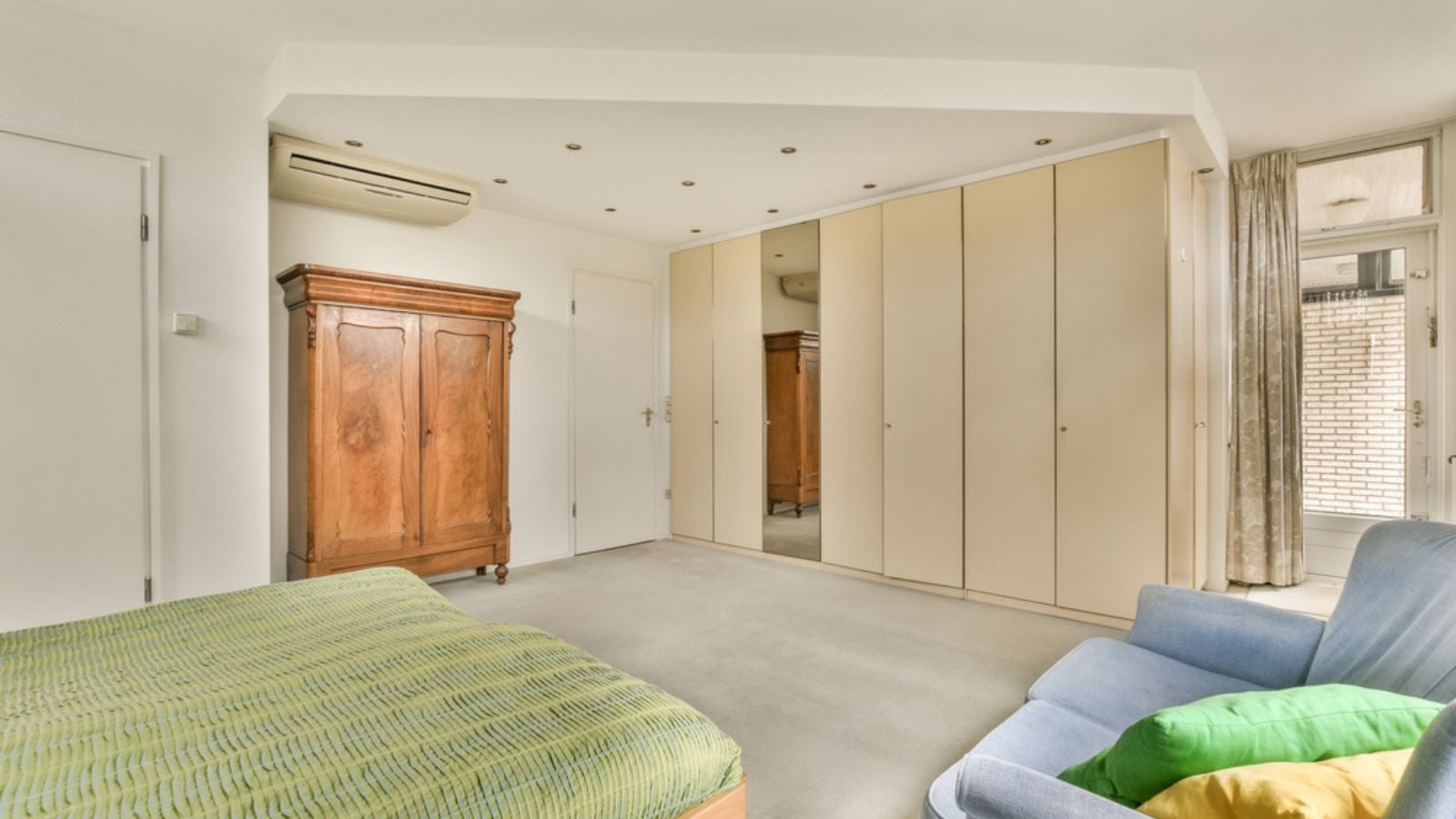
Combining two small bedrooms into one large master suite might seem like a luxurious move. But reducing your home’s official bedroom count can have a significant negative impact on its value and marketability.
Many buyers filter online searches by the number of bedrooms. If your home falls below their minimum, they may not even see it. Furthermore, removing closets for an open-concept feel creates immediate storage problems that buyers are quick to notice. In many areas, a room cannot legally be called a bedroom without a closet.
Quick Look:
- Buyer’s View: Lower bedroom count, insufficient storage, potential costs to re-add walls and closets.
- What to Do: If you removed a closet from a bedroom, rebuild it. If you combined rooms, consult a real estate agent about whether it’s worth the cost to convert it back.
10. Sunrooms
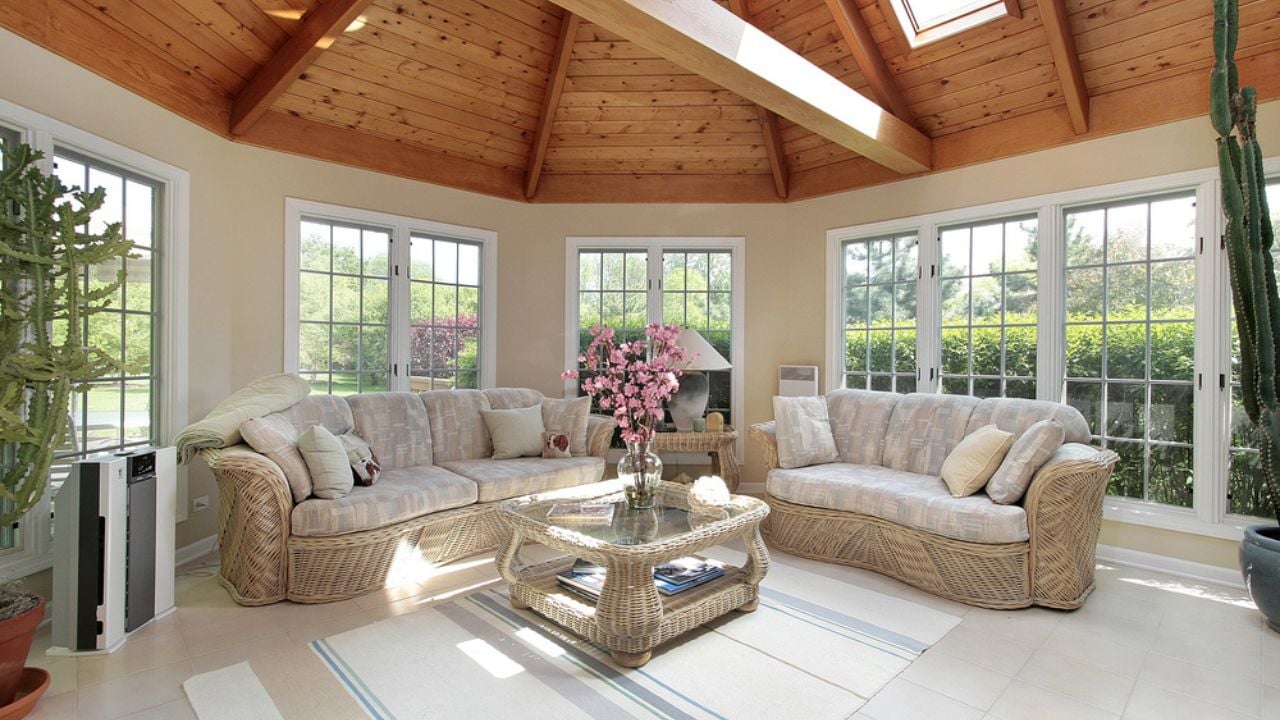
A sunroom can be a beautiful, light-filled addition. It can also be seen as a fragile and inefficient liability. Depending on the size, a sunroom can cost over $400 to maintain. Older or poorly constructed sunrooms are notorious for leaks, drafts, and poor temperature regulation, making them freezing in the winter and scorching in the summer.
Buyers worry about the high energy costs needed to keep the space comfortable and the potential for expensive repairs, like replacing fogged glass panels or fixing a leaky roof. It can feel less like a bonus room and more like a high-maintenance attachment.
Quick Look:
- Buyer’s View: Energy inefficiency, potential for leaks, high maintenance and repair costs.
- What to Do: Have the sunroom inspected for leaks and drafts. Update seals, add energy-efficient window films, or install a dedicated, efficient heating and cooling unit to show it’s a usable, four-season space.
11. Artificial Turf
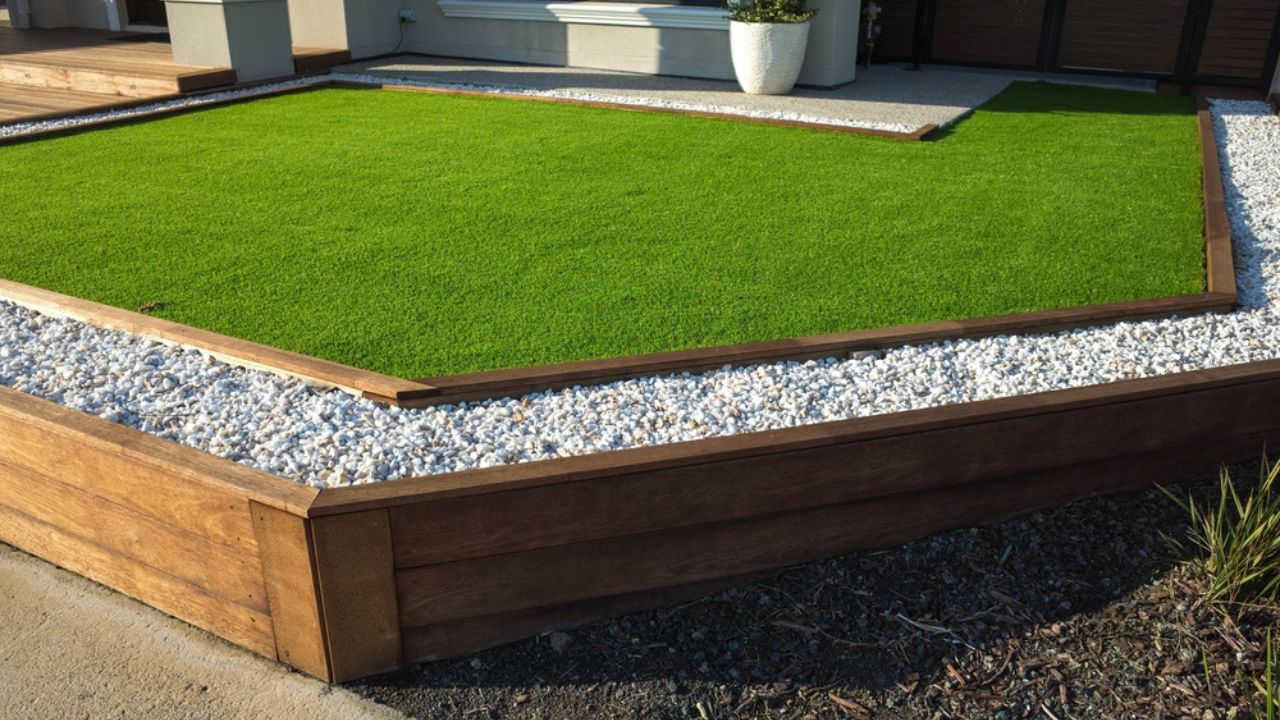
The promise of a perpetually green, no-mow lawn is tempting. However, artificial turf comes with a list of drawbacks that can turn off buyers, especially those with pets or children.
The surface can get extremely hot in direct sunlight, making it unusable on summer days. Some buyers have environmental concerns about the plastic materials and lack of permeability. And while it looks perfect at first, artificial turf has a limited lifespan and is expensive to replace.
Quick Look:
- Buyer’s View: Unnatural feel, can get dangerously hot, costly replacement in the future.
- What to Do: There isn’t an easy fix short of removal. Focus on the low-maintenance benefits and ensure the surrounding landscaping is pristine to enhance the yard’s overall appeal.
12. Elaborate Water Features

A multi-tiered fountain or a backyard koi pond can be a stunning focal point. It can also be perceived as a fussy, high-maintenance feature that brings more trouble than tranquility.
Like pools, water features require cleaning, pump maintenance, and winterization in colder climates. They can also attract mosquitoes and pose a safety risk for small children. For a buyer who isn’t a dedicated hobbyist, it looks like a complex system they don’t want to learn to manage.
Quick Look:
- Buyer’s View: Constant maintenance, mosquito magnet, safety concerns.
- What to Do: Make sure the feature is clean and in perfect working order. Providing simple, clear instructions for its operation and maintenance can make it seem less intimidating.
13. Quirky Theme Rooms
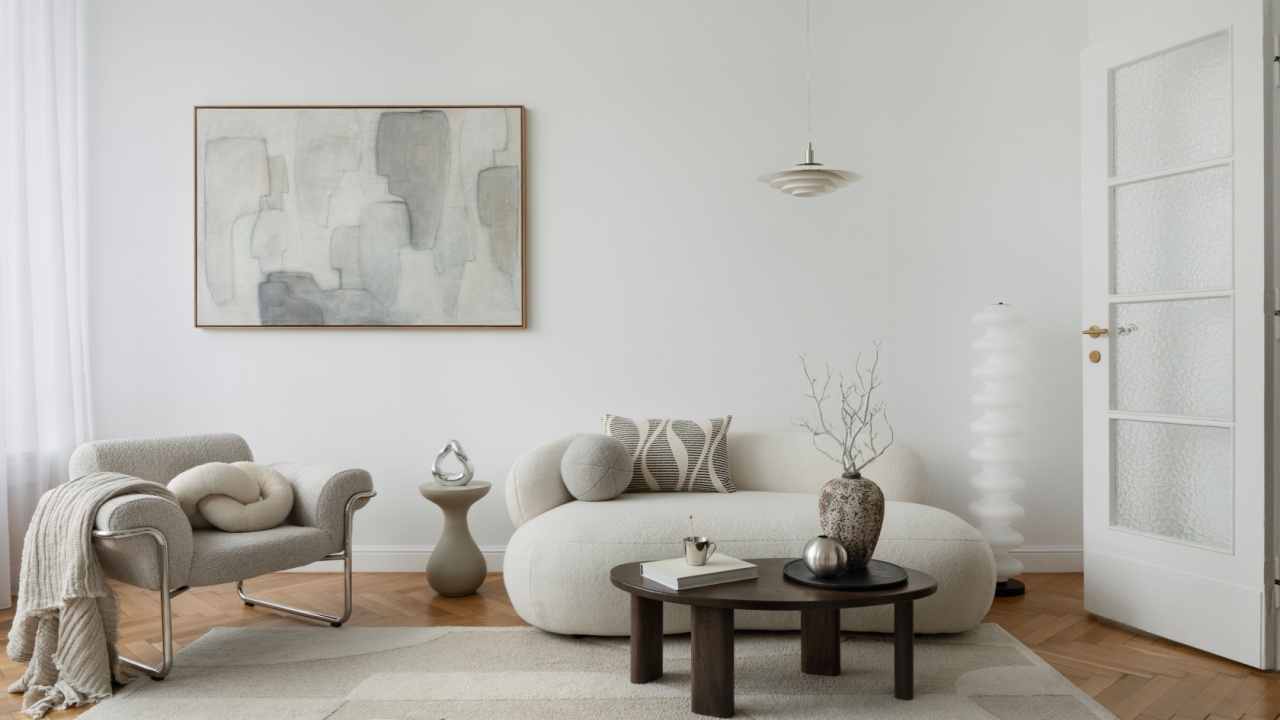
Your dedicated pirate-themed home theater or medieval-style den might be a fun conversation starter, but it rarely appeals to a broad audience. Experts say most buyers may not be very enthusiastic about over-personalized themes.
Experts say most buyers may not be very enthusiastic about over-personalized themes.
Instead of imagining their own family movie nights, they’re stuck looking at skull-and-crossbones decor. It forces them to factor in the cost and effort of a complete renovation just to make the space usable for their own needs.
Quick Look:
- Buyer’s View: Restricts imagination, requires immediate and total renovation.
- What to Do: Neutralize the space. Remove the theme-specific decorations and paint the walls a neutral color. Allow the room’s function, not its theme, to be the main selling point.
14. Removing a Bathtub for a Large Shower

Replacing a standard tub-and-shower combo with a large, luxurious walk-in shower is a popular modern update. This can be a mistake if it’s the only full bathroom in the house.
Families with young children almost always require at least one bathtub. Many other buyers also appreciate the option of a relaxing soak. Removing the only tub in the home can alienate a huge portion of the market, who will see its absence as a major inconvenience and a costly problem to fix.
Quick Look:
- Buyer’s View: Not functional for families with kids, limits resale appeal.
- What to Do: If it’s the only full bathroom, it’s wise to keep a bathtub. If the change has already been made, be aware that it may limit your pool of potential buyers.
15. Paved RV Pads
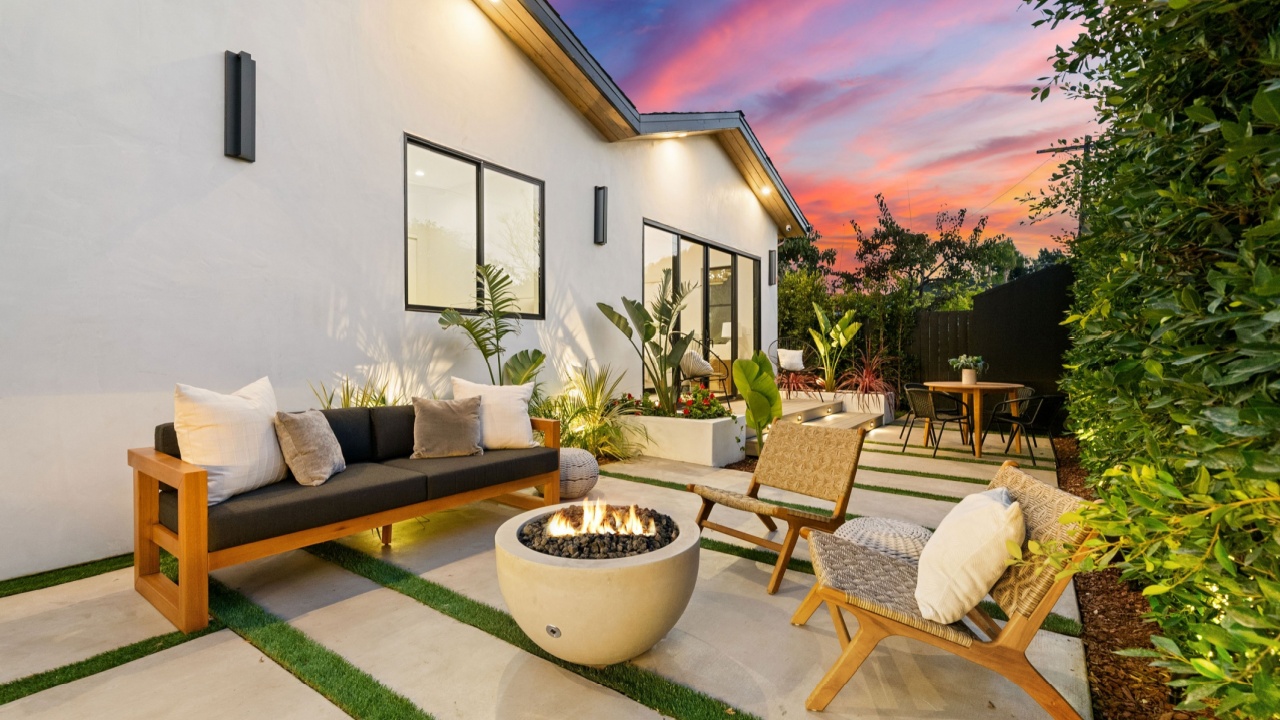
For an RV owner, a dedicated concrete or gravel pad with hookups is a dream feature. For everyone else, it’s a large, unattractive slab that eats up valuable yard space.
Most buyers want a green lawn, a garden, or a patio area for outdoor living. An RV pad dominates the landscape, limiting its potential uses. The cost and labor involved in breaking up and removing a large concrete pad are substantial, making it a major negative for non-RV owners.
Quick Look:
- Buyer’s View: Wasted yard space, ugly, expensive to remove.
- What to Do: Soften its appearance. Add potted plants, a portable fire pit, and outdoor seating to show it can be used as a large patio. This helps buyers see it as a flexible outdoor space rather than just a parking spot.
Preparing for a Successful Sale
Before listing your home, walk through it with a critical eye, imagining you are a buyer seeing it for the first time. The features you love might not translate well to someone else’s lifestyle. The goal isn’t to erase all personality from your home but to create a welcoming and move-in-ready appearance.
Instead of undertaking a major renovation right before you sell, focus on making smart, strategic adjustments. A fresh coat of neutral paint, professional cleaning, and minor repairs can make a world of difference. Consulting with a local real estate agent is your best next step. They can provide expert advice tailored to your specific market, helping you decide which updates offer the best return and how to position your home’s unique features in the most positive light.