12 Things That Don’t Belong in an Organized Living Room
The living room is where families gather, guests are entertained, and quiet moments are enjoyed. Yet, this central space can quickly become cluttered, transforming a comfortable retreat into a source of stress. The items we leave scattered on surfaces and tucked into corners say a lot about our daily habits. They can unintentionally disrupt the room’s flow and function.
An organized living room establishes order. An uncluttered space can improve mood, increase focus, and make the home feel more welcoming. The process of curating what stays in this important room helps to define its purpose as a place for relaxation and connection.
This article will guide you through twelve common items that frequently find their way into living rooms but are better stored elsewhere. By identifying these objects and giving them a proper home, you can reclaim your living area.
1. Piles of Mail and Paperwork
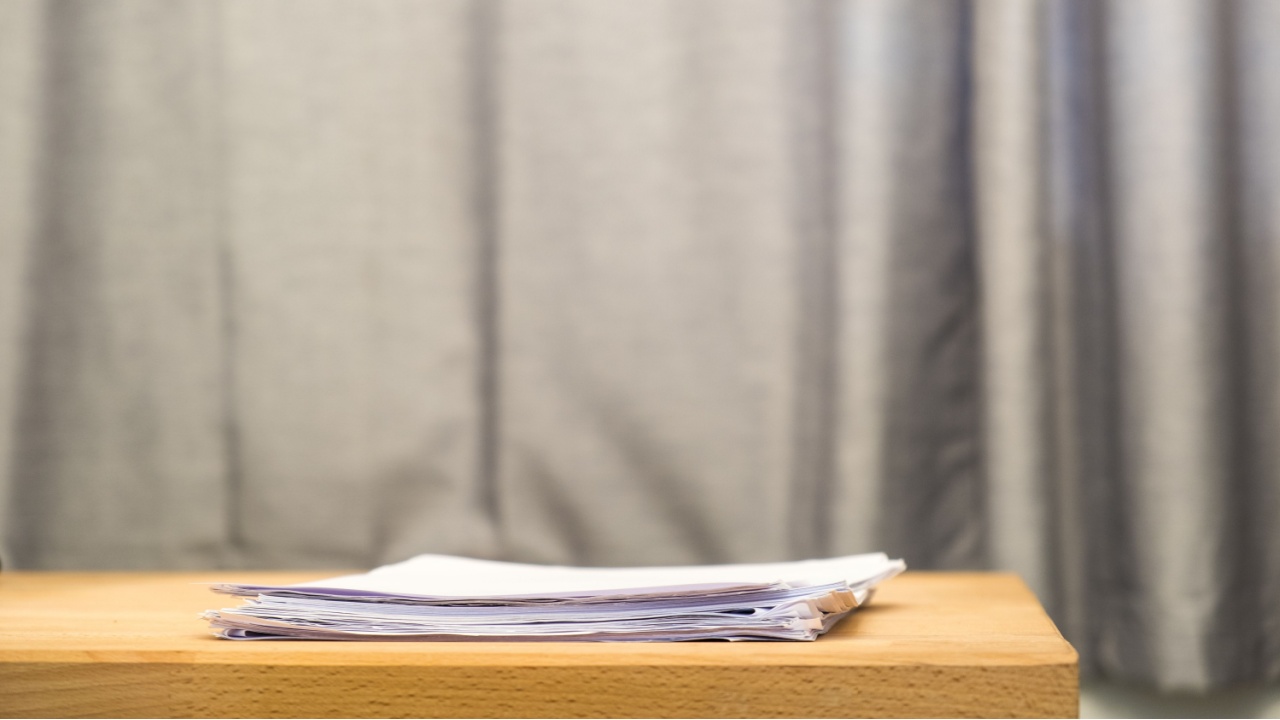
Stacks of unopened envelopes, bills, and miscellaneous documents are one of the fastest ways to make a living room look messy. These papers accumulate on coffee tables, end tables, and any available flat surface, creating visual noise. A tidy living room is a place for rest, and piles of administrative tasks are a visible reminder of a to-do list that disrupts a peaceful atmosphere.
To manage this constant influx, create a designated spot for mail and paperwork that is not in the living room. An entryway, mudroom, or home office is an ideal location. A simple wall-mounted file holder or a small basket can serve as a drop zone. Make it a routine to sort through these items daily, immediately recycling junk mail and filing away important documents.
2. Laundry Baskets and Folded Clothes

Using the living room couch to fold laundry is a common habit, but it often leads to piles of clean clothes lingering for days. A laundry basket, full or empty, adds to the disarray and makes the room feel like a utility area rather than a space for relaxation. The living room floor or sofa should not be a temporary holding zone for your wardrobe.
The best practice is to put clothes away as soon as they are folded. If folding in front of the television is part of your routine, commit to returning the empty basket and the folded items to their respective bedrooms immediately after. This habit prevents clean laundry from becoming another form of clutter.
3. Out-of-Season Holiday Decor
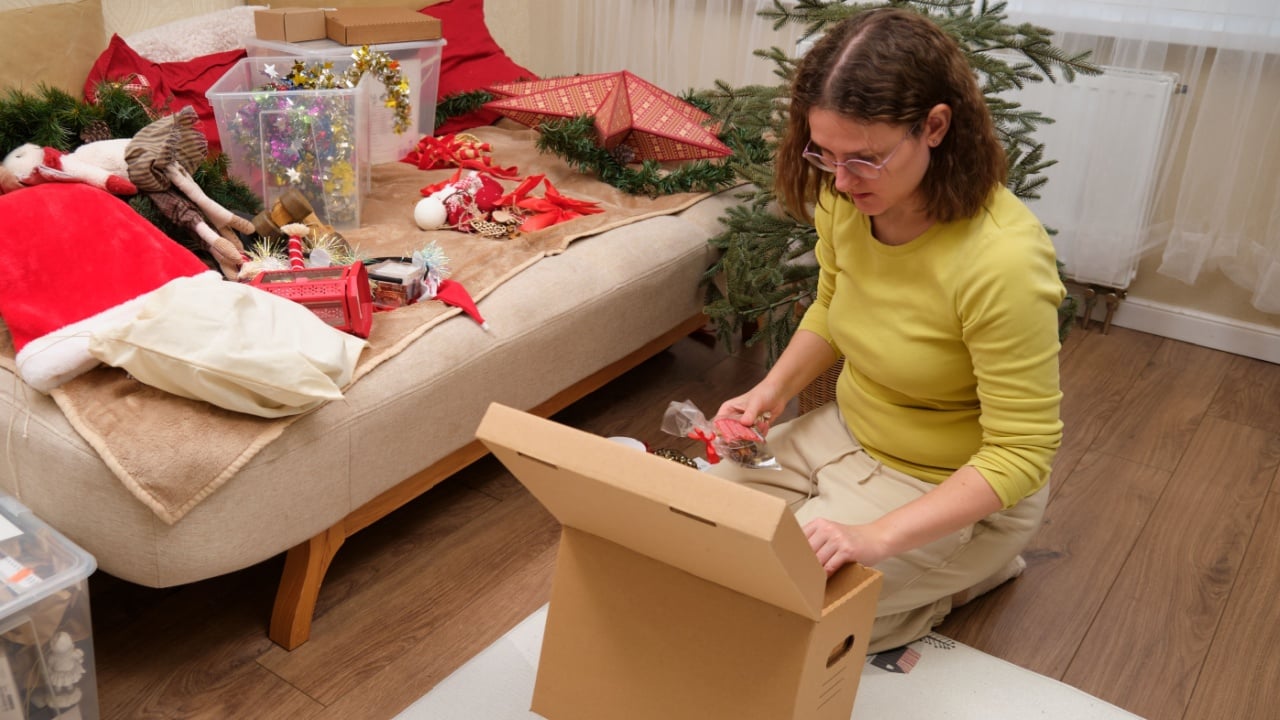
Festive decorations bring joy during the holidays, but they lose their charm once the season has passed. A stray string of lights or a forgotten decorative piece can make a living room feel dated and neglected. Storing seasonal items away promptly helps to mark the end of the celebration and restores the room to its regular state.
Repurpose holiday decor for the yard by turning ornaments into planters or lights into garden accents. Pack away all seasonal decorations within a week after the holiday concludes. Use clearly labeled bins for storage in a garage, attic, or closet. This practice keeps your living room tidy, protects your decorations, and makes them easy to find the following year.
4. Outerwear and Shoes
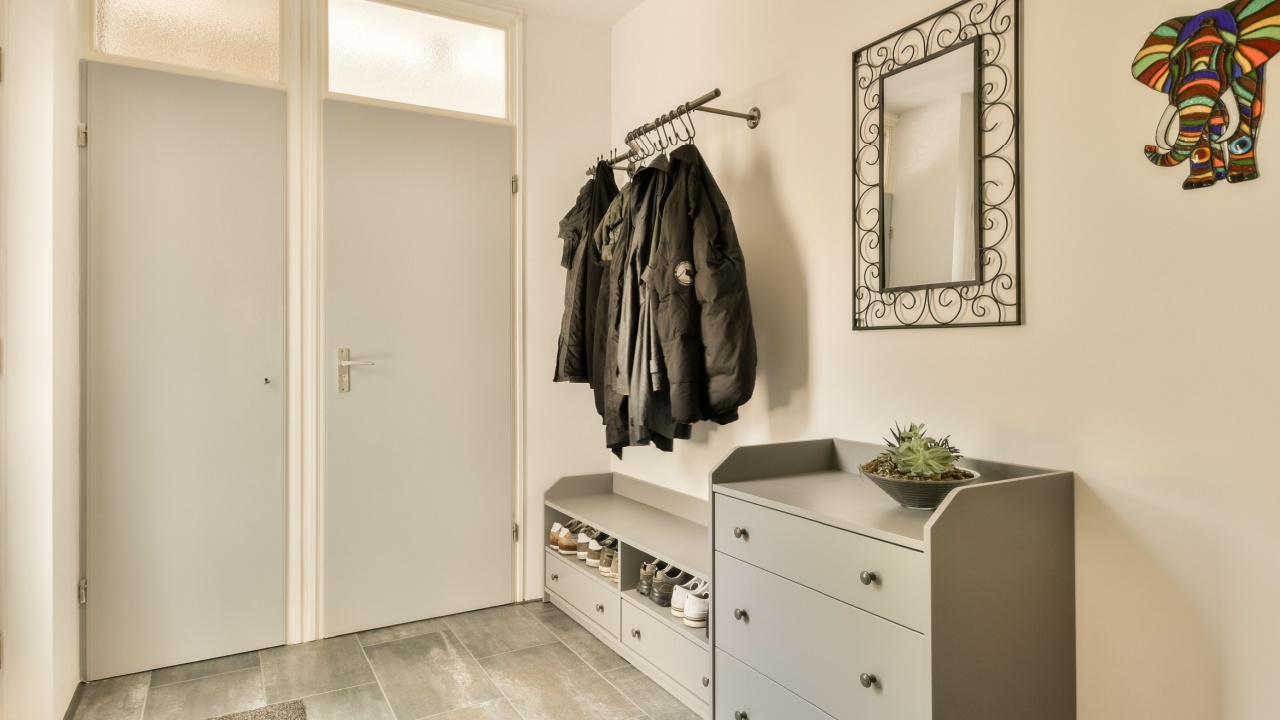
Coats, jackets, and shoes frequently get dropped on furniture or left by the door upon entering the home. This habit makes the living room look untidy and can track dirt and debris onto floors and upholstery. Your living area is not a closet, and treating it as one detracts from its intended purpose.
Establish a specific area for outerwear near your main entrance. A few wall hooks for coats and a small mat or shoe rack can solve this problem without taking up much space. Training family members to use this designated spot will help keep the living room clean and free of misplaced items.
5. Children’s Toys

Toys tend to spread throughout a house, and their bright colors and varied shapes can easily create a sense of chaos in a living room. While it’s natural for children to play in the main living space, it should not become their permanent storage area. A room filled with scattered toys is difficult for adults to relax in.
At the end of each day, have children help return all toys to their designated home, whether that’s a playroom, a bedroom, or a dedicated toy chest. For living rooms that double as play areas, consider using attractive storage ottomans or baskets to quickly conceal toys when playtime is over.
6. Exercise Equipment
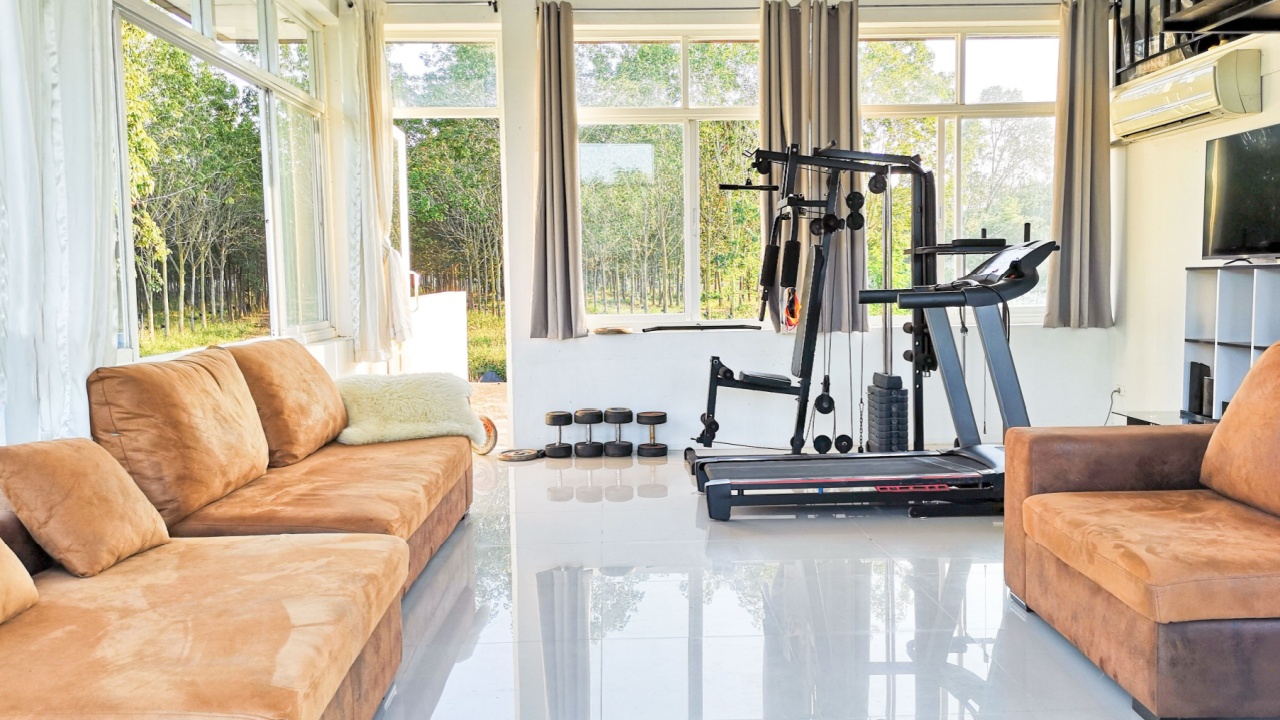
Dumbbells, yoga mats, and other workout gear can be cumbersome and visually disruptive in a living room. While convenient for an at-home workout, leaving this equipment out creates a cluttered look that conflicts with a relaxing environment. A living room should feel like a place to unwind, not a gymnasium.
Store your exercise equipment out of sight when not in use. A large closet, a corner of a home office, or even a spot under the bed are all good options. If space is limited, look for compact, foldable equipment that is easier to tuck away.
7. Craft and Hobby Supplies
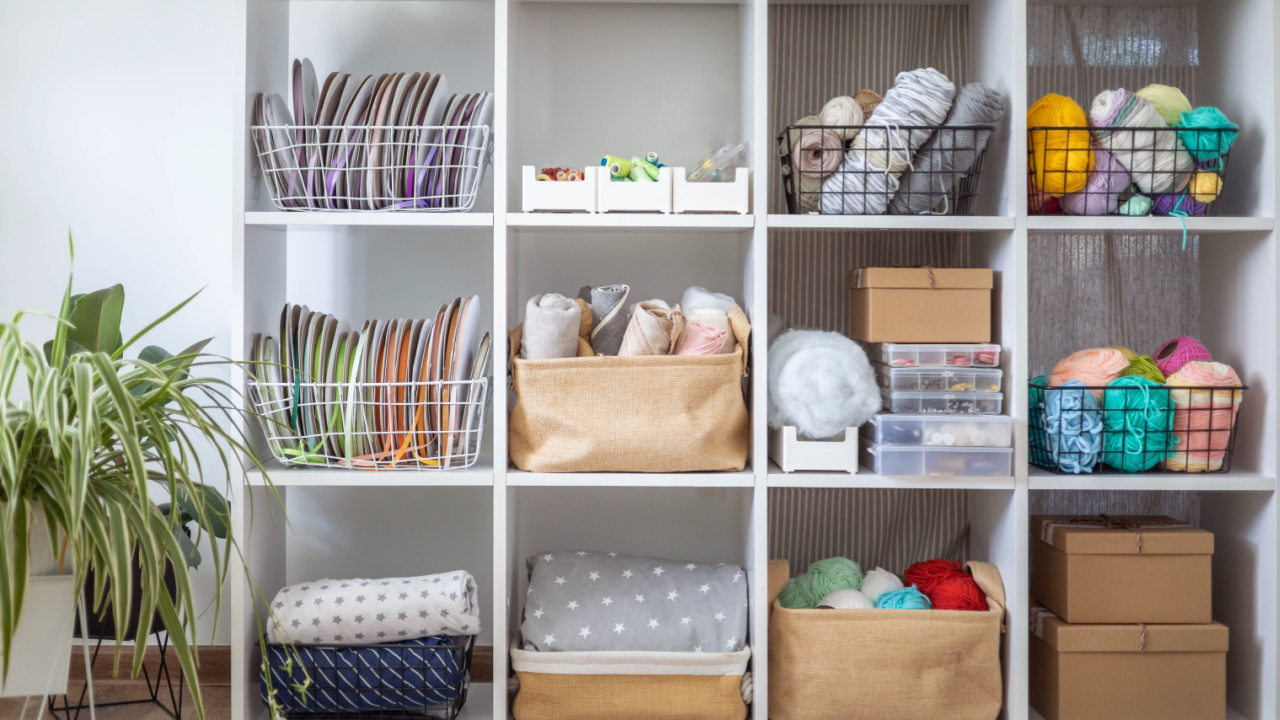
Projects involving glue, paint, yarn, or other materials are best kept out of the living room. These supplies can be messy, leading to accidental spills that can damage furniture and carpets. Having a half-finished project sitting out also contributes to a feeling of disorder and incompleteness in the space.
Dedicate a specific area, like a craft room, a desk in a spare bedroom, or even the kitchen table, for these activities. Use a portable caddy or container to hold all supplies for a particular project. This makes it easy to move them out of the main living area and keep everything organized.
8. Unused Electronics and Cords
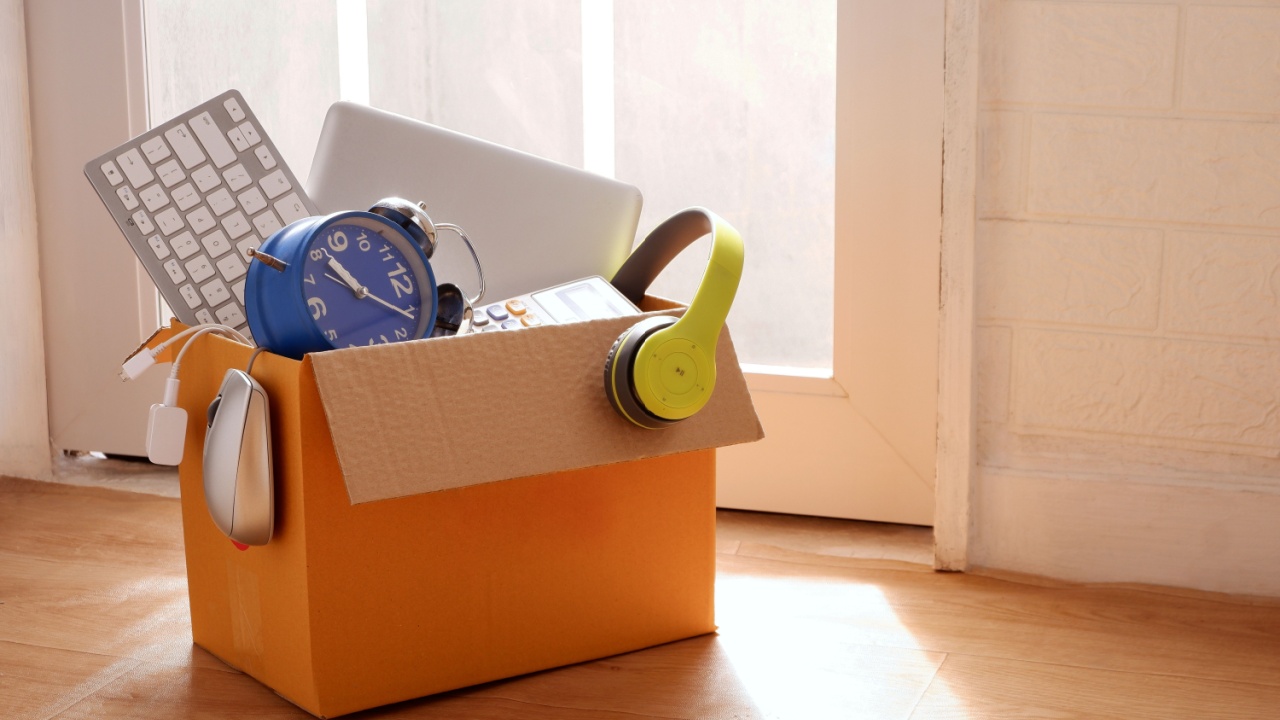
Old gadgets, extra remote controls, and a tangle of charging cords create significant electronic clutter. These items often collect on entertainment centers and side tables, gathering dust and making the space look messy. A clean and organized living room minimizes visible technological mess.
Go through your electronics and get rid of anything that is broken or no longer used. Use cord organizers, ties, or a cable management box to tame the jungle of wires behind your television and other devices. Assign a specific drawer for storing remote controls and charging cables.
9. Pet Supplies
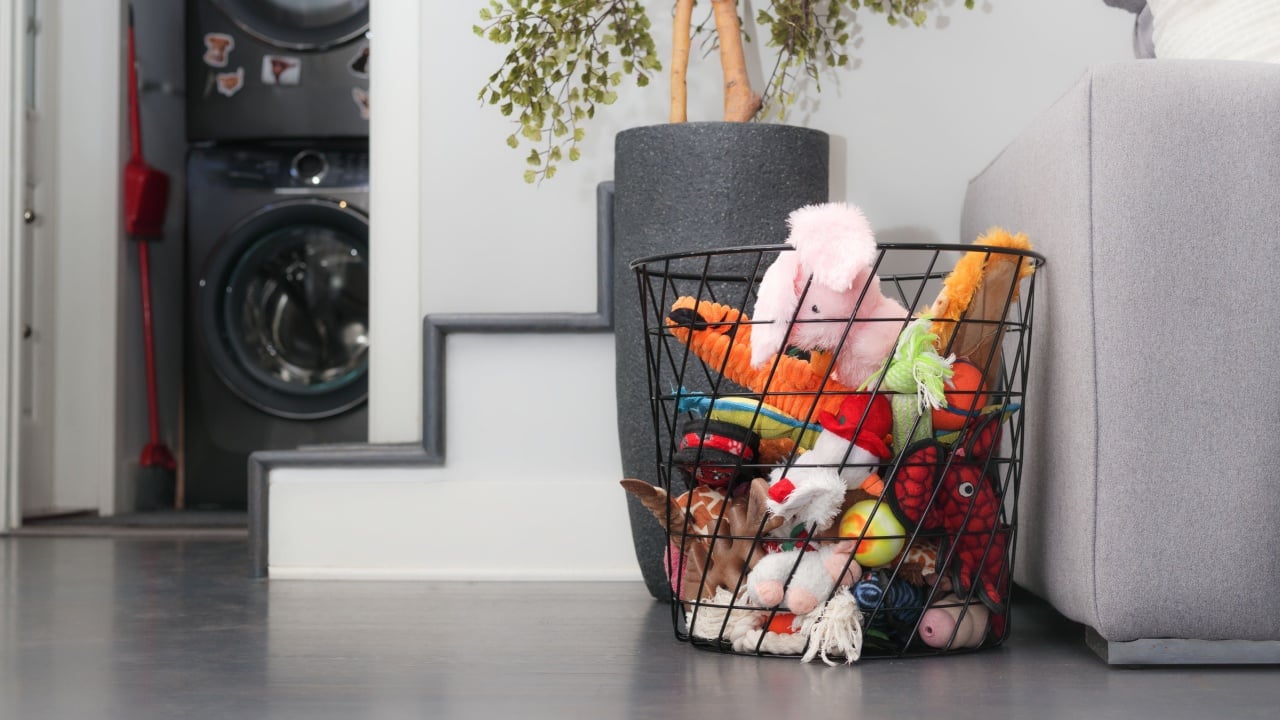
While pets are part of the family, their accessories do not need to take over the living room. Bags of food, spare leashes, and an overabundance of pet toys can make the area look cluttered. Keeping these items contained is a simple way to maintain order.
Designate a specific spot for pet supplies, such as a cabinet in a mudroom or a basket in a less conspicuous corner of the house. Keep only a few of your pet’s favorite toys in the living room at one time, storing the rest away. A stylish bed that complements your decor can also integrate more smoothly into the room.
10. Excessive Blankets and Pillows

While a few throw blankets and pillows can make a living room inviting, too many can create a messy appearance. When not in use, they can end up in heaps on the floor or overwhelm the seating. The key is to have just enough for comfort without creating excess.
Limit the number of throws and decorative pillows on your furniture. A good rule is one or two pillows per seat and one or two blankets for the entire room. Store extra blankets in a decorative ladder, a large basket, or a storage ottoman.
11. Stacks of Old Magazines and Catalogs

A small collection of current reading material is fine, but stacks of outdated magazines and catalogs serve no purpose other than collecting dust. These piles often grow without notice, taking up valuable surface space on coffee tables and shelves.
Adopt a “one in, one out” policy. When you bring a new magazine or catalog into the house, recycle an old one. Go through your piles regularly and discard anything you are not realistically going to read. Consider switching to digital subscriptions to reduce paper clutter altogether.
12. Too Many Decorations and Souvenirs
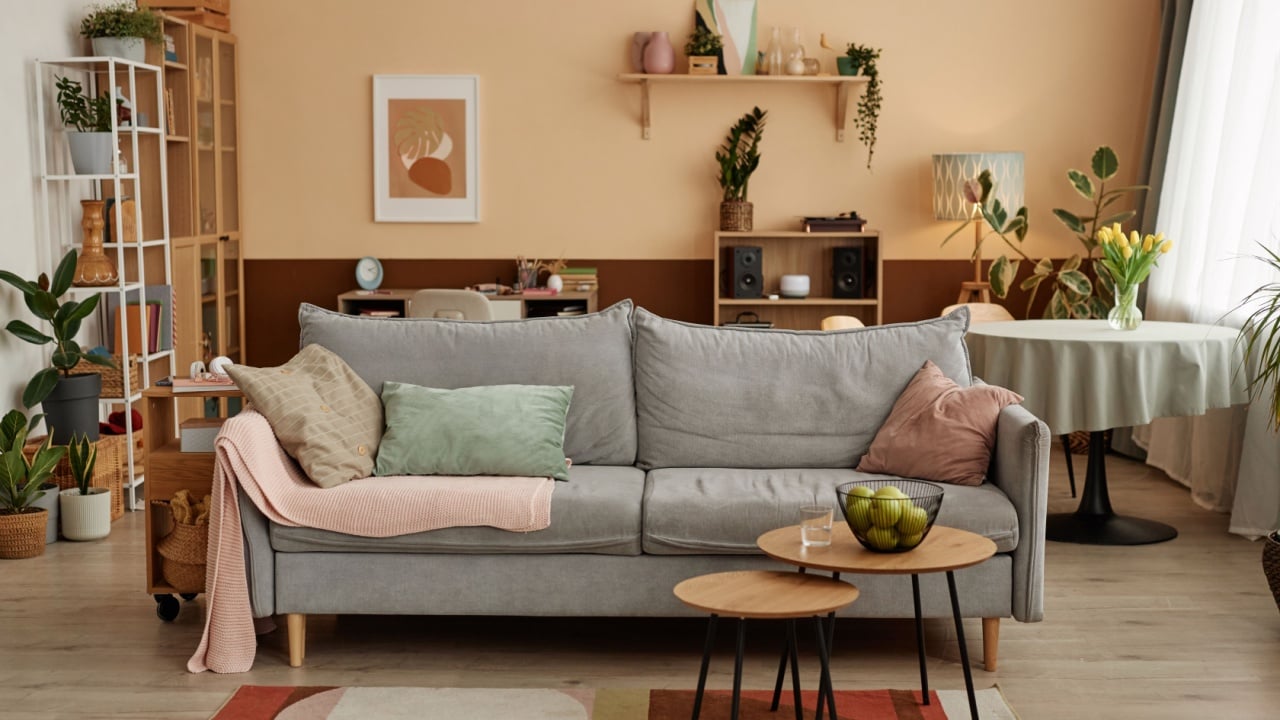
Sometimes, a living room can be overdecorated. Collections of knick-knacks and souvenirs can quickly turn from a point of interest into a source of clutter. When shelves and surfaces are covered with too many small objects, the room appears busy and disorganized. A thoughtful display is more impactful than a crowded one.
Be selective about what you display. Group items together in odd numbers and vary their height and texture to create a more visually appealing arrangement. Rotate your collections periodically, storing some items away and bringing out others. This keeps the display fresh and prevents it from becoming overwhelming.
Maintaining Your Organized Space
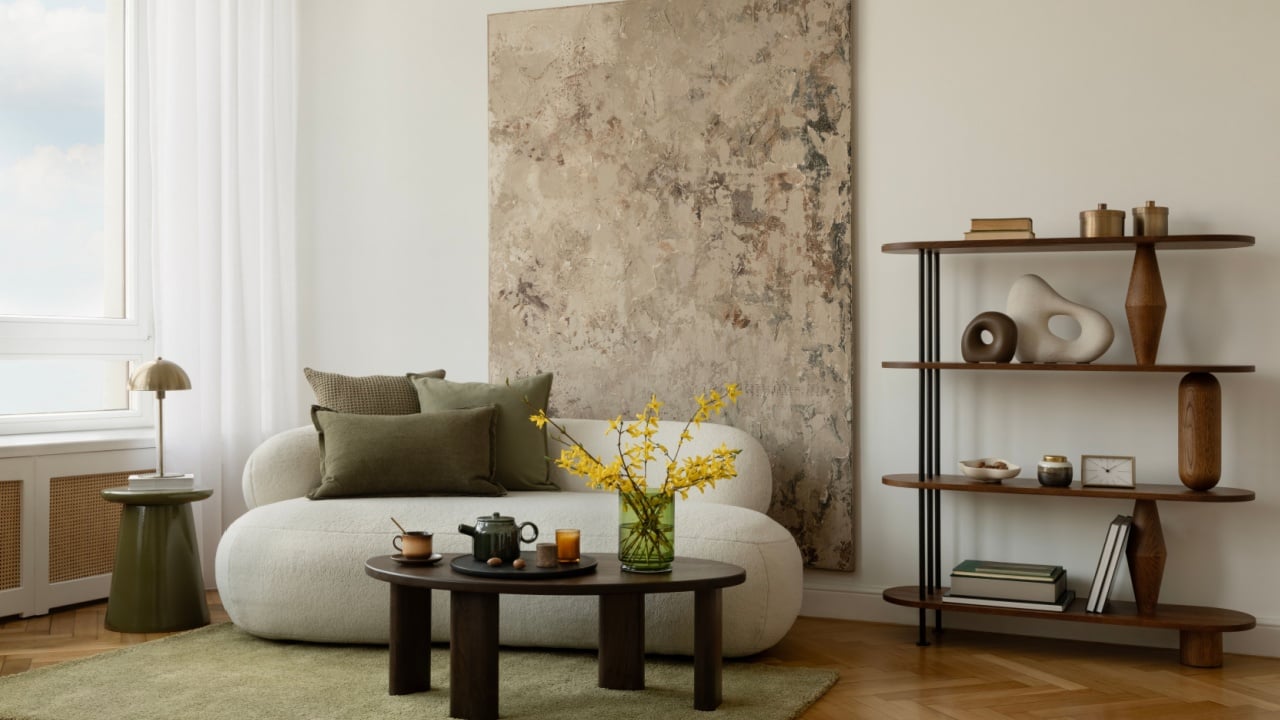
Now that you have cleared your living room of items that do not belong, the challenge is to keep it that way. A lasting organization is built on consistent habits, not a one-time cleaning spree. Create simple routines, such as a 10-minute tidy-up at the end of each day. Involve everyone in the household, assigning small tasks to keep the space functional and inviting. By being mindful of what comes into the room and what stays, you can preserve the calm and order you have worked to create.
Read More:
4 Cozy Living Room Designs Not to Use in a Small Space
Something’s Off: 5 Things Making a Living Room Feel Disconnected