
14 Smart Fixes for the Problems You’ve Been Avoiding at Home
Home maintenance feels like an endless cycle of finding a problem and promising to fix it later. These minor inconveniences, like a squeaky floorboard or a slow drain, are easy to ignore in the rush of daily life, yet they contribute to a subtle sense of disorder. However, addressing these lingering issues doesn’t always require a professional contractor or an expensive trip to the hardware store.
The following solutions are gathered from practical DIY wisdom and time-tested household methods that focus on immediate results. By using common items found in most pantries or junk drawers, these fixes bypass the need for specialized equipment.
Small, consistent repairs are more effective at preserving a home’s integrity than waiting for a major system failure to occur.
Each entry provides a clear explanation of why the problem exists and the mechanical steps required to resolve it. You will find instructions on how to implement the fix, followed by insight into long-term care to prevent the issue from returning.
1. Eliminate Floor Scratches with Walnuts

Surface-level scuffs on wooden flooring mostly result from moving furniture or dropping heavy objects. A raw walnut contains natural oils that act as a wood filler and stain when rubbed into the fibers.
This method fills the shallow indentation while matching the original wood tone through the nut’s pigment. The friction of the rubbing process releases the oil and bonds it to the wood grain.
Buff the area with a soft cloth after applying the walnut to remove excess debris and smooth the surface. This technique works best on real wood rather than laminate or vinyl substitutes. If the scratch persists, repeat the process or consider a wax filler stick for deeper gouges.
Maintaining the finish with a microfiber mop prevents dust from settling into repaired areas.
2. Deep Clean Your Showerhead with Vinegar
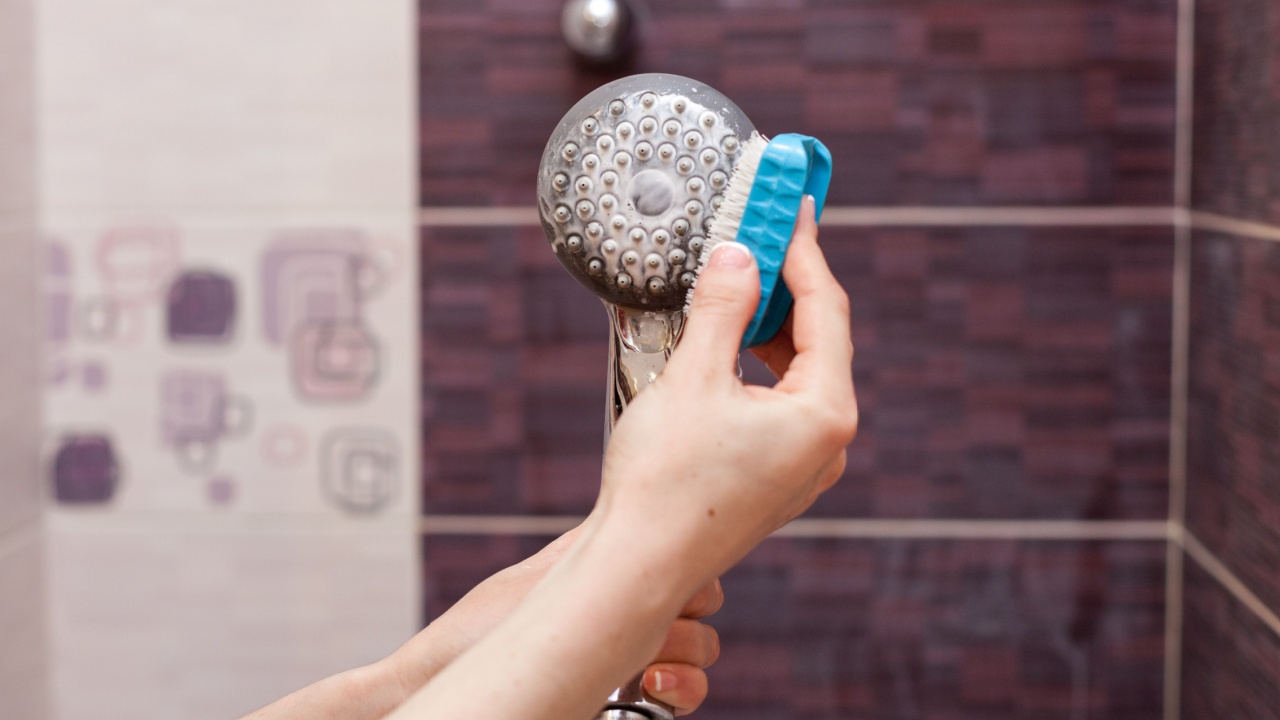
Hard water is a real pain for shower pressure, clogging up the nozzles with crusty mineral buildup. To fix it without scrubbing, fill a plastic bag with white vinegar and zip-tie or rubber-band it around the showerhead so the holes are fully submerged.
Let it soak for a few hours (or overnight) to let the acid dissolve all that calcium and lime.
After the soak, take the bag off and run the hot water to flush out the gunk. If a few holes are still acting stubborn, poke them with a toothpick or a needle to clear the way. Doing this every few months keeps your water flow strong and helps your showerhead last way longer.
3. Fill Tiny Wall Holes with Bar Soap

Moving pictures around usually leaves a trail of tiny nail holes that look messy. For a quick cosmetic fix (especially if you’re a renter moving out), grab a bar of white soap. Rub the soap over the hole in a circular motion until the wax-like shavings fill the gap.
It blends right into white or off-white walls and looks surprisingly like actual drywall mud.
Just make sure to wipe away any excess soap film with a dry paper towel so you don’t leave a greasy streak. It’s a great “emergency” fix for when guests are coming over, but keep in mind it’s not a permanent solution for a big paint job. For that, you’ll still want to use real spackle later on.
4. Quiet Squeaky Hinges with Cooking Spray
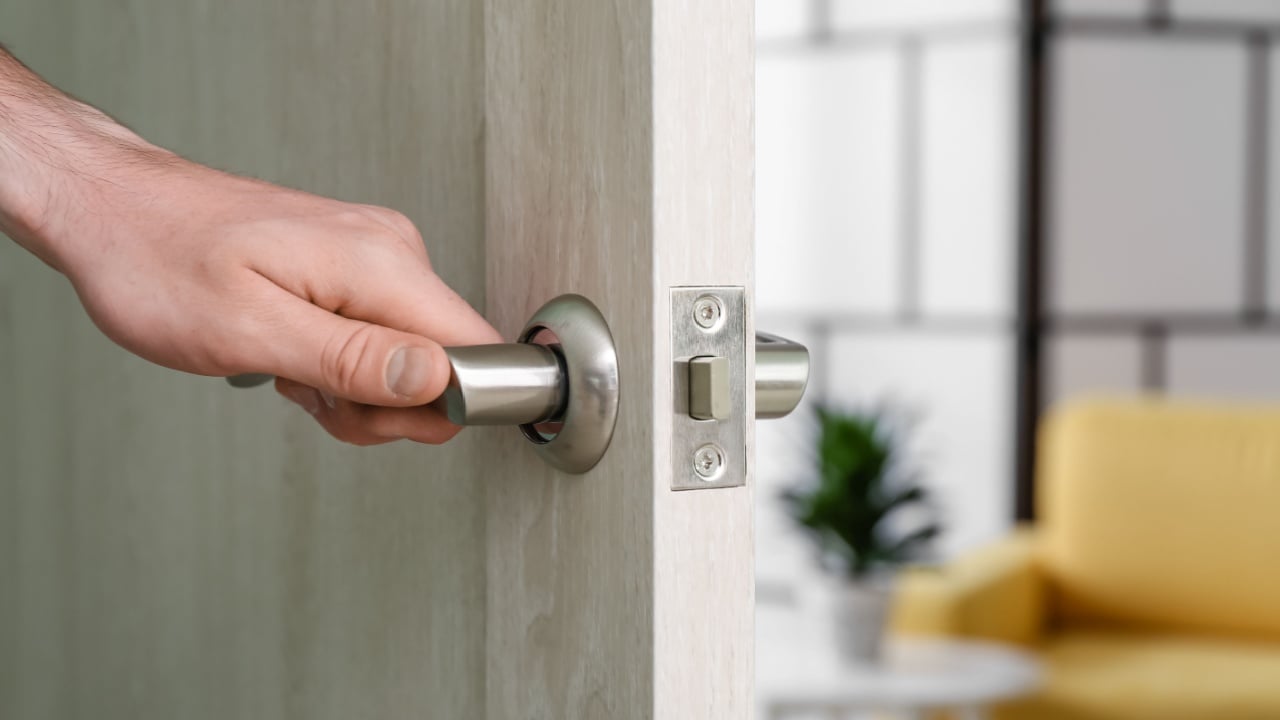
That “haunted house” door sound is usually just metal rubbing on metal. If you don’t have industrial lubricant like WD-40, your kitchen’s non-stick cooking spray works just as well.
Give the hinge a quick spritz to let the oil penetrate the pin, then swing the door back and forth a few times to work it in and kill the noise.
Be ready with a rag to catch any drips immediately so you don’t end up with a slippery floor or a stained door frame. It’s an easy, pet-safe way to get some peace. If the squeak keeps coming back, you might need to pop the pin out and give it a real cleaning, but the spray is a great quick fix.
5. Unstick Old Drawers with a Candle

Wooden drawers have a habit of swelling or getting “grabby,” making them a workout to open. To make them glide like new, take a paraffin wax candle and rub it along the bottom runners and the edges where the wood touches.
The wax creates a slick, invisible barrier that stops the wood from catching on itself.
Give it a good, thick coat and test the drawer a couple of times to spread the wax. If it’s still sticking, you might have a loose nail or a spot that needs a quick sanding. This is a classic trick for antique furniture that doesn’t have modern metal tracks, and it works like a charm.
6. Clear Drains with a Baking Soda Fizz
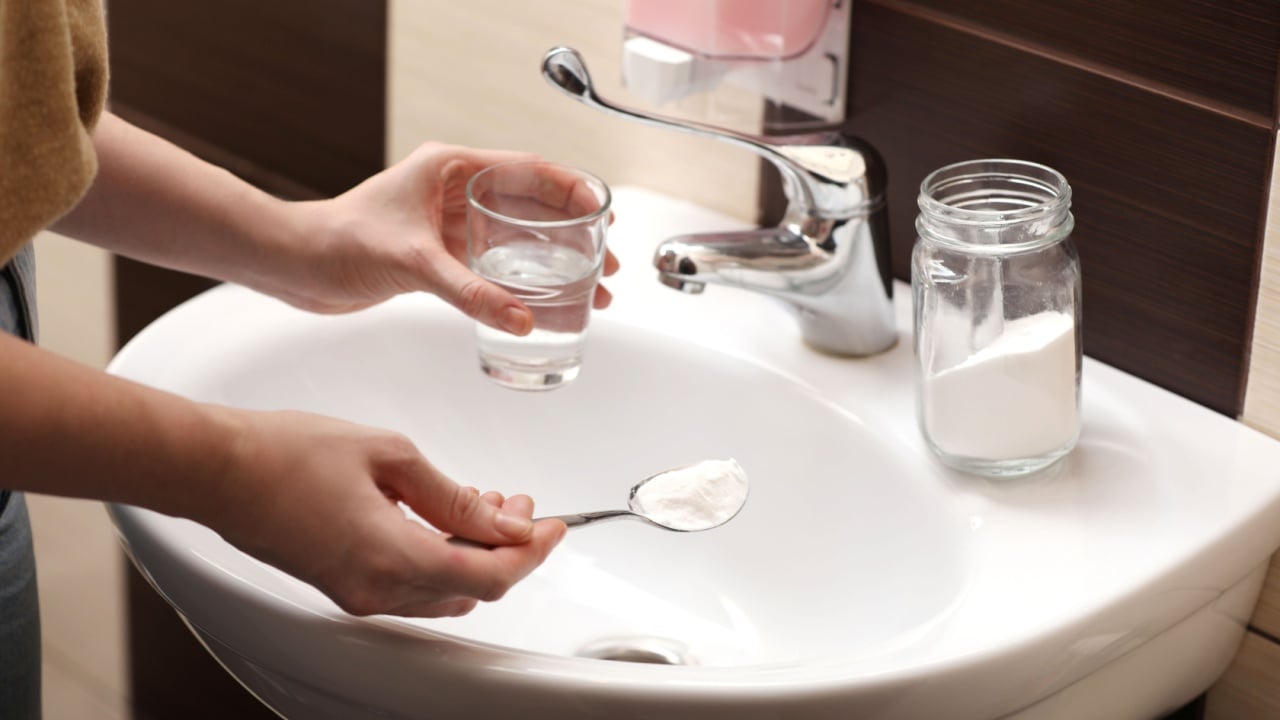
When your sink starts draining at a snail’s pace, it’s usually hair and soap scum causing the backup. Instead of reaching for those scary, pipe-eating chemicals, pour a cup of baking soda down the drain followed by a cup of vinegar.
The volcano reaction helps break up the organic gunk deep in the pipes without damaging them.
Let it fizz for a few minutes, then flush it all down with a kettle of boiling water to wash away the remnants. Doing this once a month is a great way to keep things flowing and prevent a massive clog that requires an expensive plumber visit.
7. Tighten Loose Screws with Toothpicks
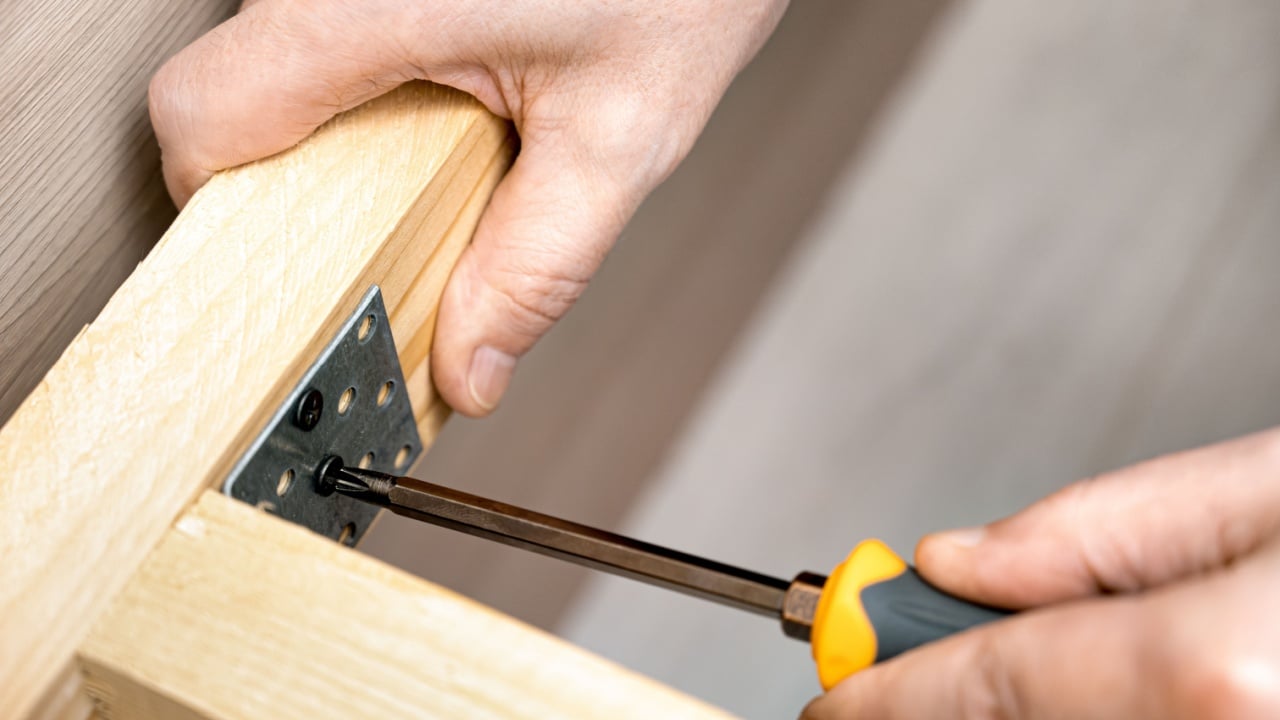
We’ve all dealt with a “stripped” screw hole where the wood has just given up.
To give the screw something to bite into again, shove a few wooden toothpicks or a matchstick into the hole. If you add a tiny drop of wood glue, it creates a solid plug that’s almost as strong as the original wood.
Snap off the ends so they’re flush with the surface, then drive your screw right back into the center. It’s a perfect fix for sagging cabinet doors or loose hinges. For really heavy-duty stuff, you might need a wooden dowel, but toothpicks handle most daily repairs easily.
8. Clean Window Tracks with a Notched Sponge

Window tracks are notorious for collecting dead bugs, dust, and general grime that makes windows hard to slide. To get into those tiny grooves, take a standard kitchen sponge and use a marker to map out the ridges of the track.
Cut notches into the sponge with a utility knife so it fits perfectly into the “teeth” of the window frame.
Dip the sponge in some soapy water and run it across the track. The notches allow it to clean every nook and cranny in one swipe. Once you’re done, dry it off and maybe add a little silicone spray. Your windows will glide open without that gritty, grinding sound.
9. Pop Up Carpet Dents with Ice Cubes

Moving furniture usually reveals those sad, flat “dents” in the carpet where the legs used to be. To bring the fibers back to life, place an ice cube in the indentation and let it melt slowly.
As the carpet absorbs the cool water, the fibers swell up and regain their original shape.
Once the ice is gone and the spot is just damp, use a spoon or the edge of a coin to gently fluff the pile back up. Blot away any extra moisture so you don’t soak the floor underneath. It’s a simple way to make your room look refreshed after a layout change.
10. Erase Water Rings with a Hairdryer
That white ring on your coffee table is actually just moisture trapped under the wood’s finish. To get rid of it, blast the spot with a hairdryer on a medium heat setting.
Move it back and forth constantly so you don’t burn the wood; the heat encourages the trapped vapor to evaporate and disappear right before your eyes.
Once the mark is gone, rub a little furniture polish or olive oil onto the wood to bring back the shine. It feels a bit like magic, but it’s just physics. Just remember to use coasters next time so you don’t have to do it all over again!
11. Stop Rugs from Sliding with Silicone Caulk

Area rugs that slide around are basically just traps waiting to happen. Instead of buying expensive rug tape that eventually loses its stick, flip the rug over and run a few beads of 100% silicone caulk along the corners and edges.
Once the caulk dries, it stays “tacky” and flexible, acting like a built-in rubber grip.
Make sure the caulk is completely dry before you flip it back onto your hardwood or tile. This grip is way more durable than tape and won’t leave a sticky mess on your floors. Plus, it usually survives a trip through the washing machine if the rug is small enough!
12. Stabilize Wobbly Chairs with Wood Sweller

If your favorite wooden chair feels a bit “shaky,” it’s likely because the wood has dried out and the joints have shrunk.
You can buy a liquid “wood sweller” that you drip into the loose joints. It seeps into the fibers and causes them to expand, tightening the connection without you having to take the whole thing apart.
Just wipe off any extra liquid so it doesn’t mess with the chair’s finish. If the chair is still wobbly after that, you might have a loose bolt or need to re-glue the joint entirely. But for minor wobbles, swelling the wood is a fast and effective fix.
13. Sharpen Dull Scissors with Foil
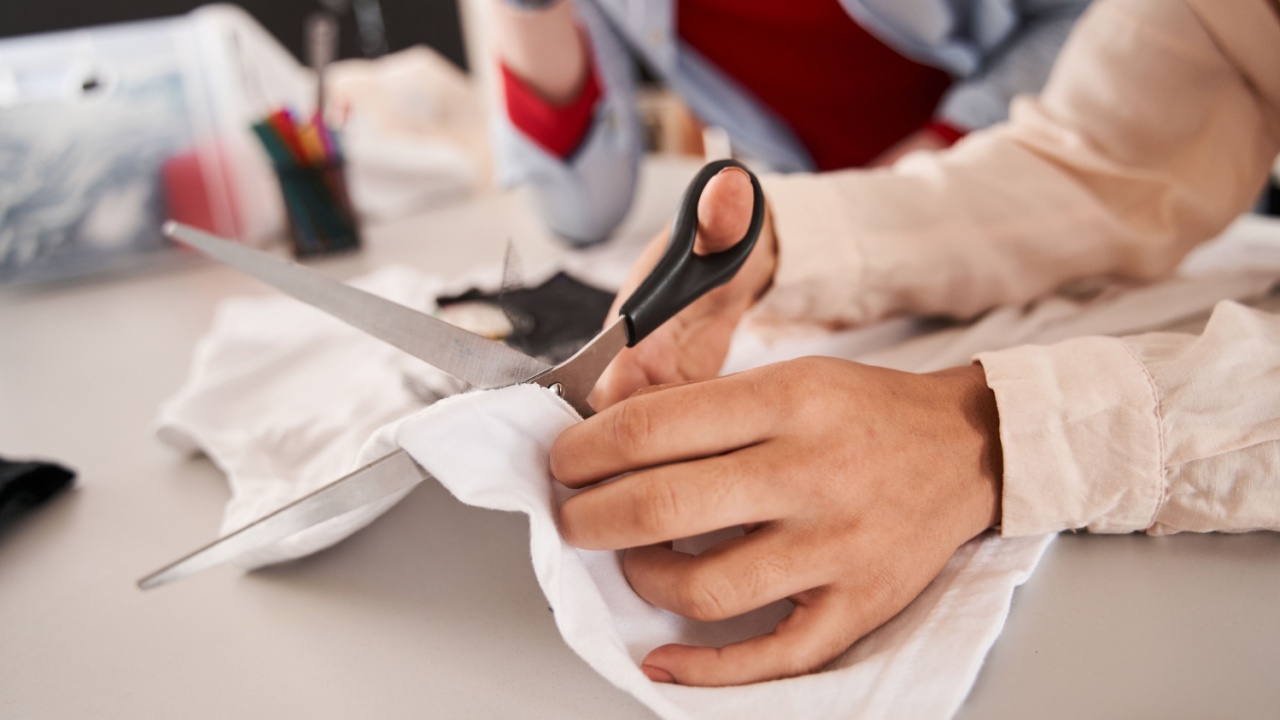
Dull scissors are frustrating and dangerous, but you don’t need a professional sharpener to fix them. Take a piece of aluminum foil, fold it over a few times to create a thick strip, and start “cutting” the foil with long strokes.
The friction of the metal against the foil helps hone the blades and remove tiny burrs.
Do about 10 to 20 cuts using the full length of the blades, then wipe them down to get rid of any tiny metal flakes. They’ll be much sharper and ready for your next project. If they’re still stiff, check if the screw in the middle needs a tiny drop of oil or a quick tighten.
14. Patch Screen Tears with Clear Nail Polish
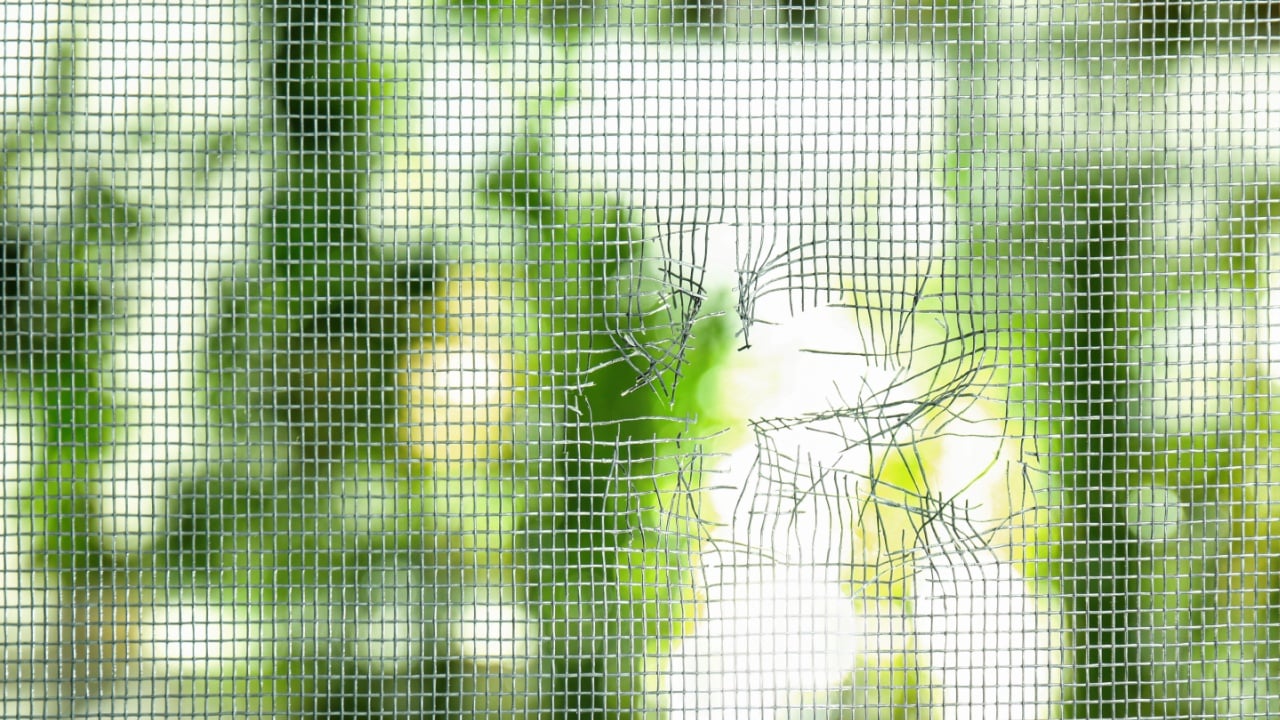
A tiny hole in your window screen is basically a “welcome” sign for mosquitoes. To seal it up before it gets bigger, dab a little clear nail polish over the tear. It acts as a waterproof glue that bonds the mesh back together and dries into a nearly invisible patch.
For the best results, apply a thin layer, let it dry, and then add another coat on both sides of the screen. This is perfect for small snags and saves you from having to replace the entire screen. It’s a quick, cheap way to keep the bugs outside where they belong.
Small Fixes, Lasting Comfort

Addressing these lingering issues improves the daily experience of being at home. Most of these solutions require items already found in the pantry or laundry room. Tackling one task each weekend prevents a large backlog of repairs from becoming overwhelming. Consistent maintenance preserves the value of the property and reduces the need for expensive professional interventions. Maintaining a basic toolkit alongside these household hacks prepares the home for any minor challenge that arises.
Read More: