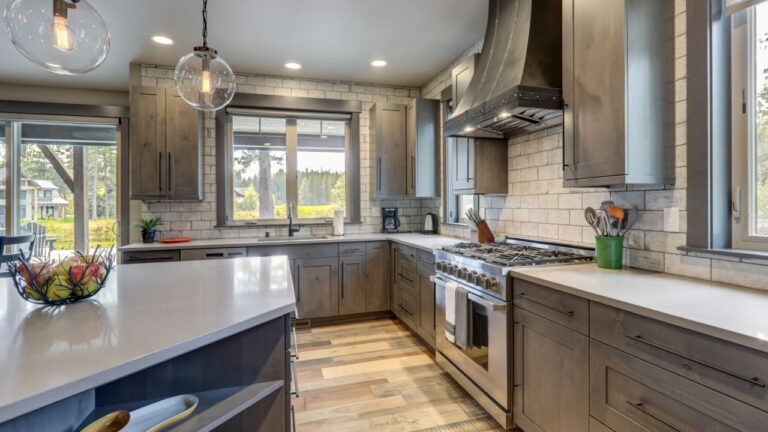
5 Vintage Kitchen Items Worth Some Serious Cash
Before you donate that box of “junk” from Grandma’s attic or list your old kitchenware for pennies at a yard sale, pause for a moment. That dusty skillet or the kitschy mixing bowl set might fund your next vacation (or at least a tank of gas!).
While many old kitchen items hold only sentimental value, specific brands, patterns, and eras command impressive prices on the secondary market. Collectors and design enthusiasts constantly scour the internet for authentic vintage pieces to complete their collections, often paying top dollar for the right item.
The difference between a five-dollar donation and a five-hundred-dollar sale often comes down to knowledge. Identifying a manufacturer’s mark, a rare colorway, or a first edition print transforms seemingly ordinary objects into liquid assets.
This guide highlights five categories of vintage kitchenware that consistently perform well in the resale market, helping you identify exactly what treasures might be sitting right under your nose.
1. Vintage Pyrex Bowls and Casseroles
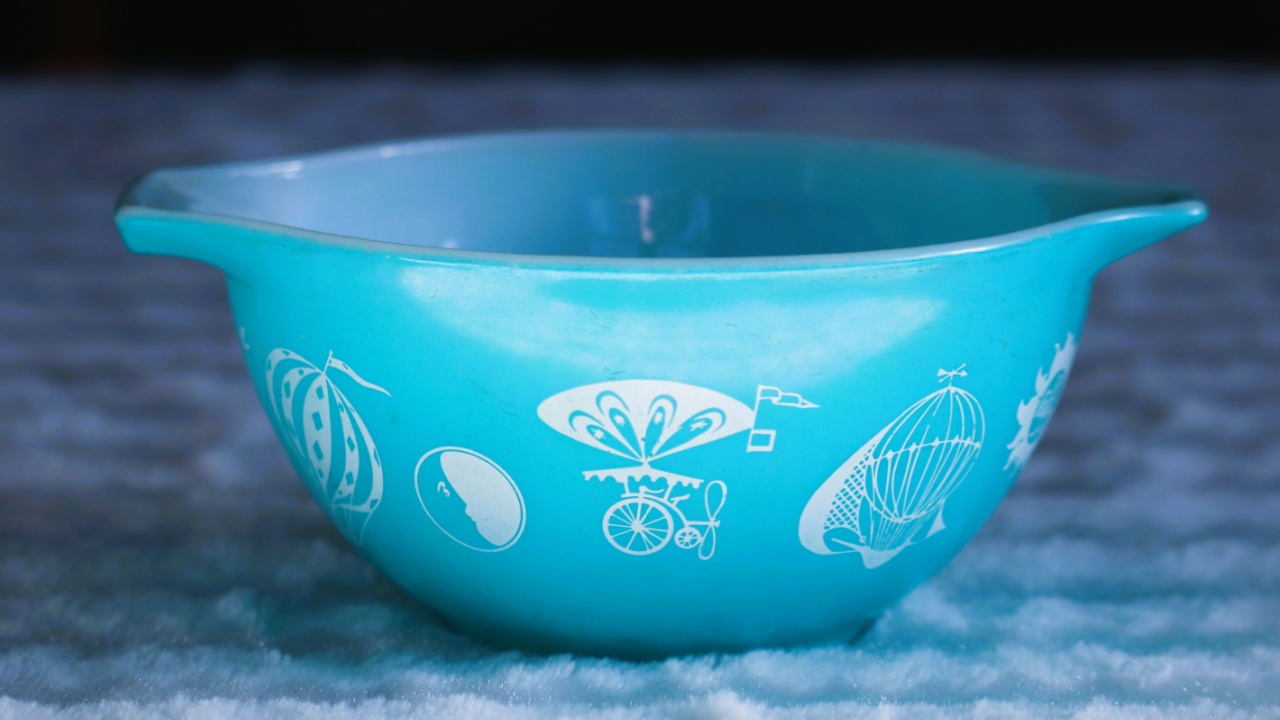
Those colorful, nesting glass bowls from the mid-20th century represent the gold standard of kitchen collectibles. Pyrex made these durable dishes to last, and they have gained a massive cult following. While common patterns might fetch $20 or $30, rare designs trigger bidding wars.
Patterns like “Pink Gooseberry,” “Butterprint” (often called Amish), and “Starburst” are particularly desirable. A complete set of primary color nesting bowls typically sells for $75 to $300, while rare promotional pieces like the “Lucky in Love” casserole dish have sold for over $4,000.
What to look for:
Check the bottom of the dish for the Pyrex stamp. Condition matters immensely. Dishes with “dishwasher damage” lose significant value. Bright, glossy paint with minimal scratches commands the highest prices.
2. Pre-1950s Cast Iron Cookware
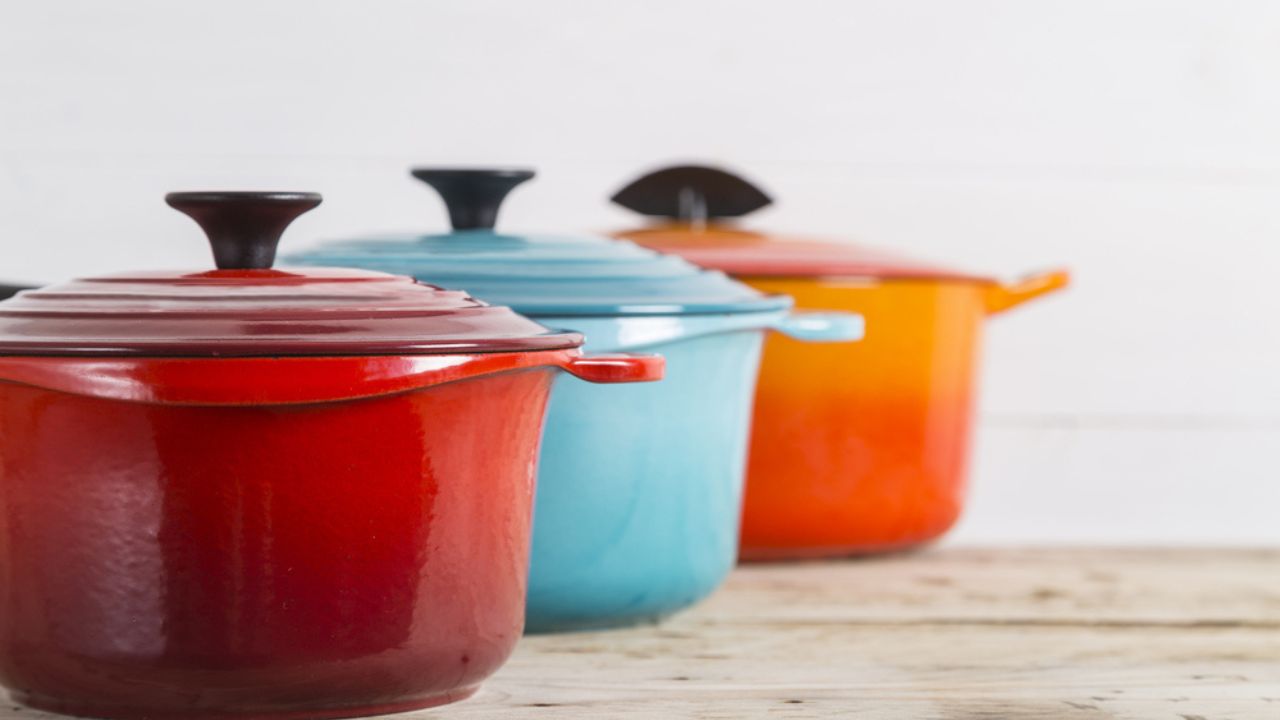
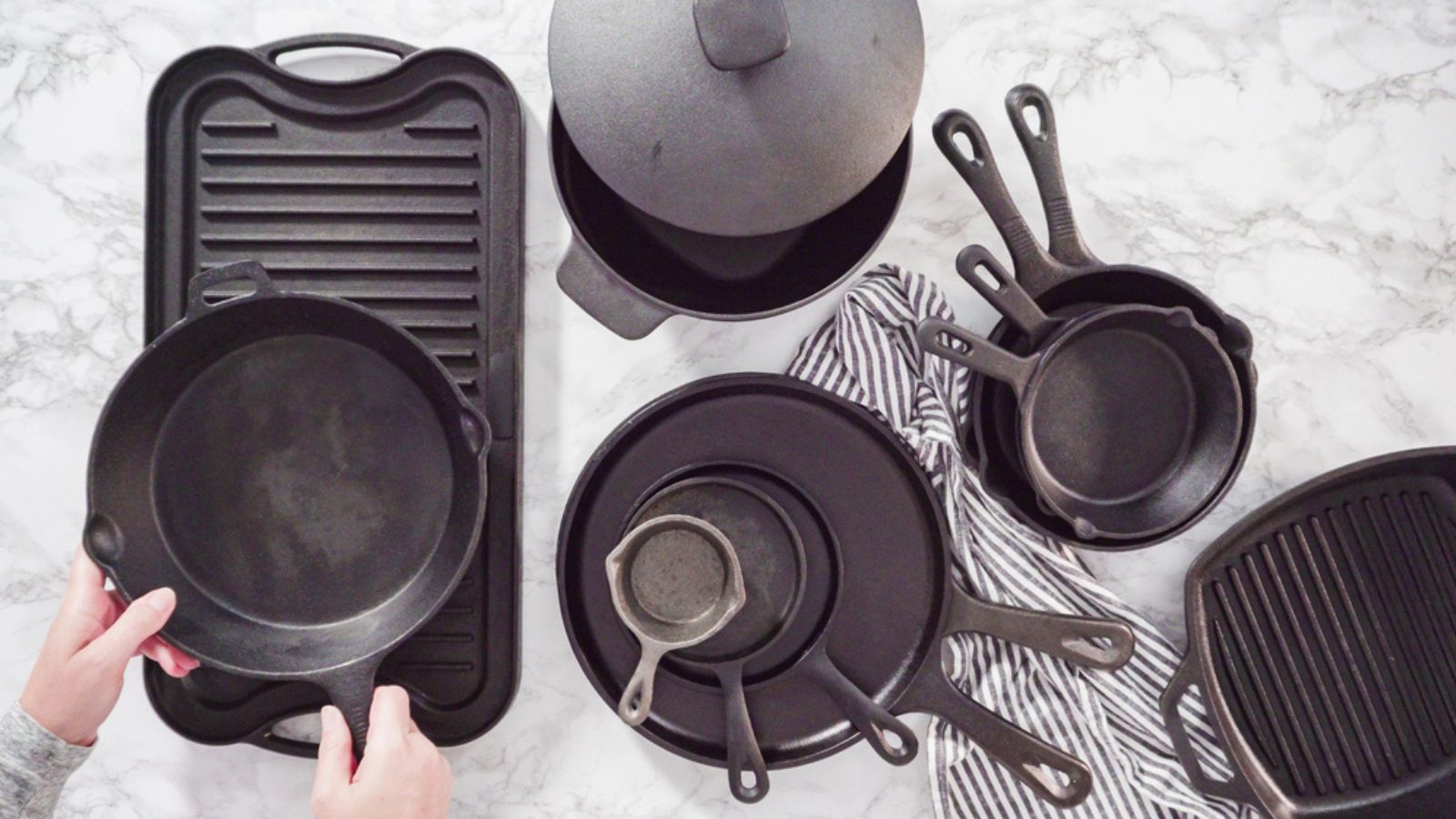
Modern cast iron is great, but vintage cast iron is superior due to the manufacturing process used before the 1950s. Older pans were machined down to a glass-smooth surface, making them naturally non-stick and lighter than their contemporary counterparts.
The heavy hitters in this category are Griswold and Wagner Ware. A standard Griswold skillet with a large logo on the bottom can easily sell for $100 to $150. Rare sizes (like a tiny #2 or a massive #14) or specialized pieces like muffin pans can reach prices of $500 to $1,000 or more.
What to look for:
Flip the pan over and look for the manufacturer’s mark. A “cross” logo inside a circle indicates Griswold.
3. Sterling Silver Flatware
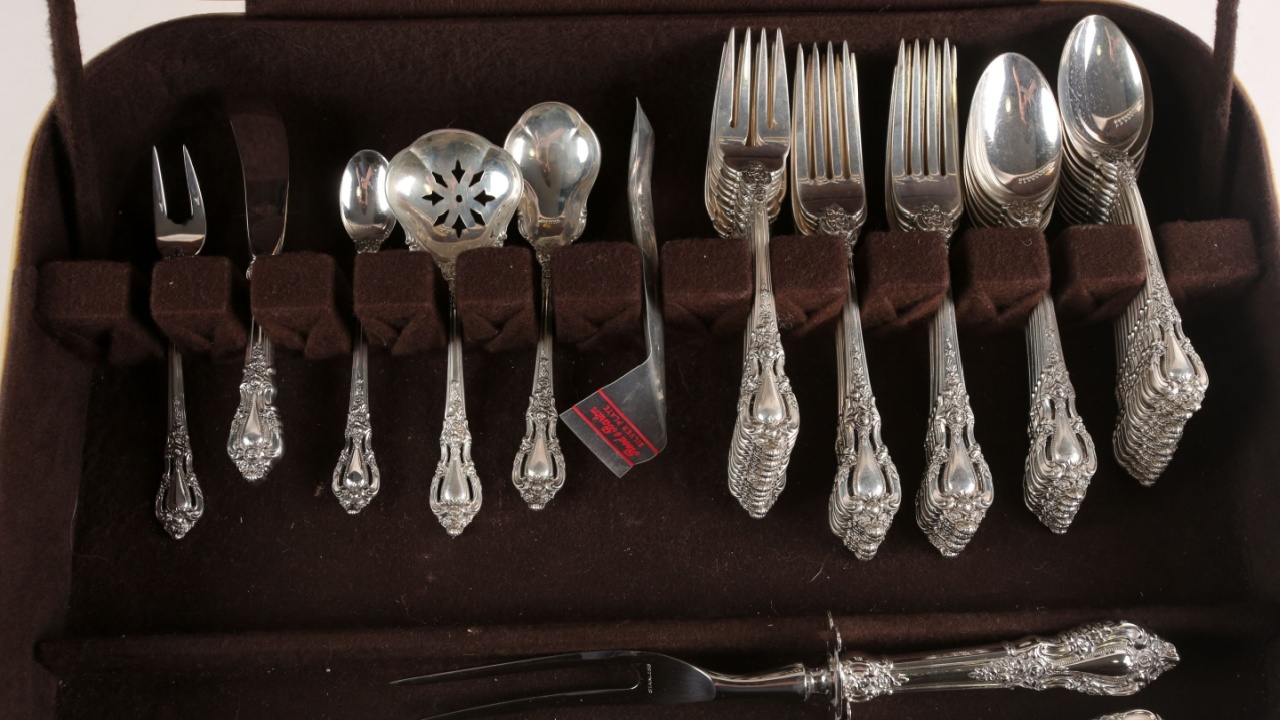
Families often stored a box of “good silverware” that only appeared during holidays. If that set is true, sterling silver rather than silverplate, you are looking at a significant windfall. Sterling silver is 92.5% pure silver and holds intrinsic value based on the current market price of the metal, regardless of the design.
A full service for eight or twelve people can range from $800 to over $5,000. Famous makers like Tiffany & Co., Gorham, and Reed & Barton carry a premium above the scrap metal value due to their craftsmanship and desirability.
What to look for:
Examine the back of the spoon or fork handles. You want to see the word “Sterling” or the number “925.” If it says “IS,” “EPNS,” or “A1,” it is silverplate, which typically sells for less than $50 for a whole set.
4. Vintage Tupperware Sets
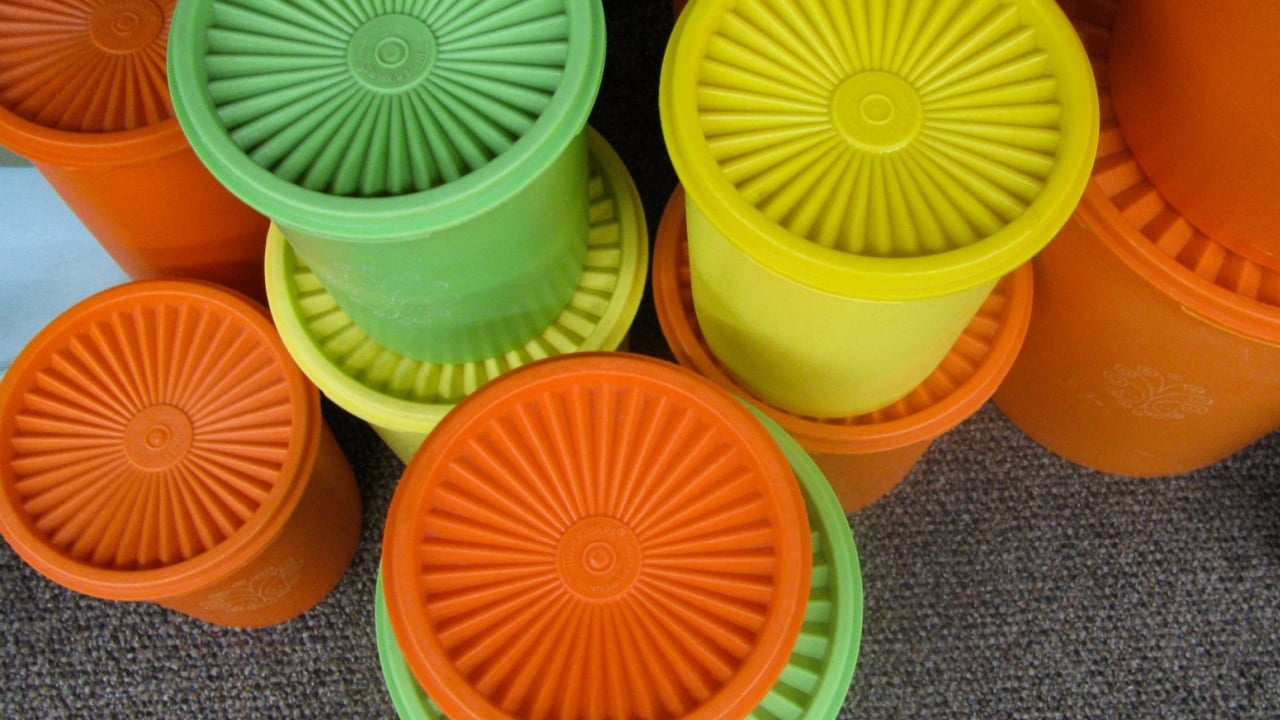
Plastic storage might seem like an unlikely candidate for high-value collectibles, but nostalgia is a powerful driver. The “Wonderlier” bowls in pastel pinks, blues, and yellows from the 1950s and 60s are icons of mid-century design.
While a single stained container won’t buy you dinner, complete sets in good condition are surprisingly lucrative. A pristine set of nesting Wonderlier bowls can fetch between $50 and $100. Rare colors or complete “Millionaire Line” collections can push prices toward $200.
What to look for:
Inspect pieces for cracks, melts from the stove, or heavy tomato stains, as these drastically reduce value. The lids must be present and fit tightly.
5. First Edition Cookbooks

Culinary history buffs pay handsome sums for the books that changed the way we eat. A first edition of The Joy of Cooking (1931) is incredibly scarce and can sell for $1,500 to over $8,000 depending on condition.
Similarly, early printings of Julia Child’s Mastering the Art of French Cooking are highly coveted, often selling for $200 to $500. Even community cookbooks or niche cocktail guides from the early 20th century can surprise you with values in the $50 to $100 range if they offer a unique glimpse into a specific region or era.
What to look for:
Check the copyright page. You are looking for “First Edition” or a printing number line that starts with “1.” The dust jacket is crucial; a book with its original paper cover is worth exponentially more than one without it.
Taking Stock
Now that you know what to look for, take a slow walk through your kitchen or storage areas (or in the kitchen section the next time you’re at a thrift store). If you spot one of these potential treasures, your first move is to research “sold” listings on auction sites rather than “asking” prices, which gives you a realistic view of what buyers actually pay.
Clear, well-lit photos and accurate descriptions of any flaws are vital for getting the best price.