
10 Things Wealthy Parents Say No To (Even Though They Can Afford Them)
When you imagine the lifestyle of the wealthy, images of extravagant spending and endless indulgence might come to mind. However, the reality is often quite different, especially when it involves raising children. Many wealthy families practice surprising frugality, cleverly avoiding certain purchases that might seem commonplace to others.
This isn’t about penny-pinching or depriving their children. Instead, it’s an intentional choice rooted in a value system that prioritizes long-term financial well-being, personal growth, and responsible consumption. These families recognize that excessive consumerism can be detrimental to their children’s development and lead to unhealthy habits and unsustainable lifestyles.
Let’s consider 10 items that you likely won’t find in the shopping carts of the wealthy, revealing a side of affluence that often goes unnoticed. Of course, there are exceptions (and no one is perfect), but these tend to ring true for anyone who’s built wealth based on their own grit and brain power.
1. Mass-Produced Toys

A mountain of cheap, mass-produced toys may seem like a child’s dream, but wealthy families understand the downsides. These items often break easily, contribute to clutter, and lose their allure quickly, leading to a cycle of constant replacement.
Instead, they may opt for a curated selection of high-quality toys that encourage creativity, open-ended play, and lasting enjoyment. This approach fosters resourcefulness, imagination, and a deeper appreciation for each cherished possession.
Ultimately, kids learn spending habits early, so teaching them about the downfalls of consumerism is important no matter how much money a family has.
2. Sugary Cereals and Snacks

The supermarket aisles are overflowing with colorful cereal boxes and tempting snacks, but affluent parents often bypass these sugary temptations. They prioritize their children’s health, opting for nutritious alternatives like whole grains, fruits, and vegetables (truly viewed as a luxury for many families that can’t afford it).
A 2024 Bank of America survey confirmed that higher-income families are more likely to buy fresh produce over sugary snacks.
This focus on wholesome foods sets the stage for lifelong healthy eating habits and avoids the energy crashes and mood swings associated with sugar overload. By fueling their children’s bodies with nourishing options, wealthy families invest in their overall well-being and cognitive development.
3. Fast Fashion For Kids

There will be a familiar thread of poor quality, low-cost items that lead to waste, consumerism, and things piling up in landfills. Fast fashion definitely fits that bill.
While fast fashion’s low prices and trendy styles may be alluring, affluent families recognize its drawbacks. The garments are often poorly constructed, quickly deteriorate, and perpetuate a culture of disposable consumerism.
Instead, they invest in fewer, higher-quality clothing items that are durable, timeless, and ethically produced. This approach teaches children to value quality craftsmanship, make conscious choices about their wardrobe, and consider their impact on the environment.
4. Cheap Party Favors

See a theme yet?
When it comes to celebrations, wealthy families often eschew the typical goody bags filled with trinkets and candy. They understand that these items often end up forgotten or discarded, contributing to clutter and waste.
Instead, they might opt for small, personalized gifts, memorable experiences, or even charitable donations in their guests’ names. This thoughtful approach teaches children that celebrations are about shared joy, generosity, and creating lasting memories.
5. Impulse Purchases at the Checkout Counter

The checkout aisle is a minefield of tempting treats and trinkets, but wealthy families often resist these impulse buys (as we all should). They adhere to their shopping lists, avoiding unnecessary spending on sugary snacks or fleeting fads.
This disciplined approach teaches children the importance of budgeting, self-control, and making intentional choices. By resisting impulse purchases, wealthy families model financial responsibility and demonstrate that true value lies beyond the checkout aisle.
6. Character-Themed Everything

From toothbrushes to bed sheets, character-themed merchandise is ubiquitous. However, affluent families may avoid inundating their children with these items, recognizing that they can foster a reliance on external validation and limit creativity.
There’s a reason companies get kids hooked to TV shows and then food, toy, and home products targeting kids have their favorite cartoon plastered on them. Plus, research has confirmed that a child’s obsession with certain characters can affect their mental health and distort their realities.
Instead, they might encourage their children to develop their own interests and preferences, fostering a sense of individuality and self-expression.
7. Cheap Children’s Furniture

Furniture for children might seem temporary, but wealthy families prioritize quality and durability. They may invest in well-crafted pieces that can withstand years of use, grow with the child, or be passed down to younger siblings.
This proves more economical over time and ensures a comfortable and safe space for children to play, learn, and thrive. It instills an appreciation for well-made items and discourages a throwaway mindset.
8. Gender-Stereotypical Toys

Many affluent parents challenge societal norms and encourage their children to explore diverse interests. They may avoid overly gendered toys and instead provide options that foster creativity, problem-solving, and a wide range of skills, regardless of traditional gender roles.
This approach promotes inclusivity, challenges societal norms, and allows children to develop their individual passions and talents without limitations. It empowers children to define themselves based on their interests, not societal expectations.
9. Single-Use Activity Kits
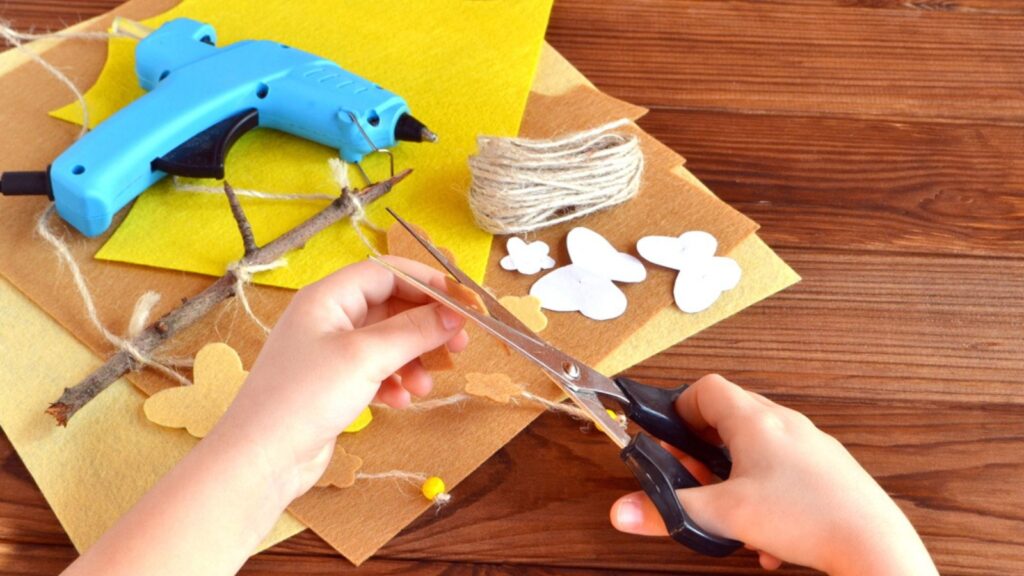
Though convenient, single-use activity kits (and toys for that matter) often generate unnecessary waste and limit creativity. Affluent families may choose reusable art supplies, open-ended craft materials, or experiences that encourage exploration and imagination.
This approach fosters creativity, resourcefulness, and a sense of environmental responsibility. By avoiding disposable items, wealthy families reduce waste and teach their children to be mindful consumers who value experiences over material goods.
10. Paper and Plastic Dinnerware

While disposable tableware might seem convenient for parties, it contributes to environmental waste and often lacks aesthetic appeal. Affluent families may choose reusable tableware made from durable materials like ceramic or stainless steel. Other single-use options, such as bamboo or palm, are becoming more widely available at higher costs as well.
This choice reduces waste and elevates everyday meals into more elegant and enjoyable experiences. By using reusable tableware, wealthy families promote sustainability, teach children about responsible consumption, and create a more refined atmosphere for family gatherings.
Ultimately, it’s obvious that the wealthy have opportunities to be pickier about their purchasing power. Most are doing their best to find a balance between consumerism, needs, and wants, just like the rest of us.
Read more: