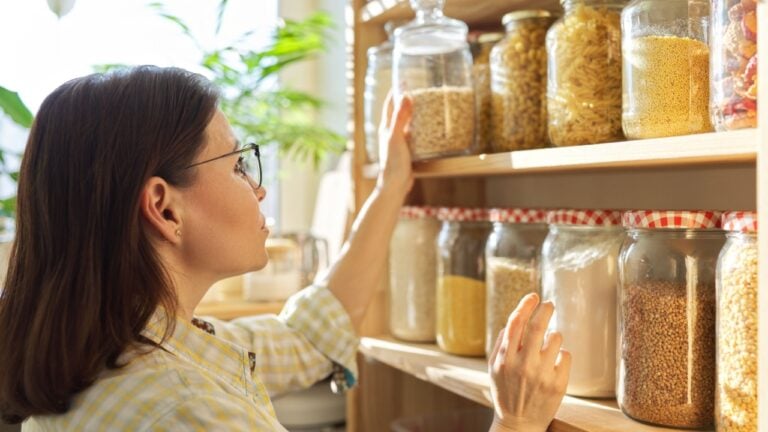
The 13 Riskiest Foods Currently on Grocery Shelves, According to Data
Most of us walk through the grocery store on autopilot, assuming that every colorful package on the shelf is a safe bet. We check for bruises on apples and peek at the “sell-by” dates on milk, feeling like we’ve done our due diligence. However, the reality of modern food production means that the risks aren’t always visible to the naked eye.
In recent years, the landscape of foodborne illness has shifted. Products that our grandparents considered “safe staples” are now frequently at the center of national recalls. From the way our water is managed on farms to the high-speed machinery in processing plants, there are more opportunities than ever for tiny pathogens to hitch a ride into our kitchens.
Organizations like the CDC and Consumer Reports track these patterns, identifying the specific items that most frequently harbor dangerous pathogens like Salmonella, Listeria, and E. coli.
This list explores thirteen of the most concerning items in the market today and, more importantly, explains how you can still enjoy your favorites without the risk. Let’s take a look at what should be on your radar during your next grocery run.
1. Leafy Greens

Leafy greens like romaine and bagged salad kits frequently top the list of hazardous produce. These plants are grown close to the ground, so they are easily contaminated by water that may have been exposed to livestock. And because they are consumed raw, there is no heat process to kill lingering E. coli or Listeria.
The processing of bagged salad kits is particularly problematic. When lettuce is shredded and triple-washed in a massive facility, a single contaminated head can spread bacteria through an entire batch.
To lower your risk, consider buying whole heads of lettuce instead of pre-cut bags; this reduces the amount of handling the plant undergoes. Strip away the outer leaves and wash the inner ones thoroughly under cold, running water. For those in high-risk groups, such as the elderly or pregnant individuals, cooking greens like spinach or kale is a much safer alternative to raw salads.
2. Deli Meats

Deli meats and “cold cuts” are a lunchtime staple, but they have recently been the source of major Listeria outbreaks. Unlike most bacteria, Listeria is a “cold-lover” that can survive and even grow inside refrigerated deli cases and processing plants.
Shared slicers and damp environments allow bacteria to hop from one piece of meat to another throughout the day. Because these meats are rarely re-cooked before consumption, any bacteria present on the slice go directly into your sandwich, where they can multiply if kept in a lunchbox for too long.
The only way to completely kill Listeria in deli meat is to heat it until it is steaming (165°F). If you prefer your sandwiches cold, buy pre-packaged meats from reputable brands rather than having them sliced at the counter. Always check the expiration dates and try to consume the meat within three to five days of opening the package.
3. Cantaloupe and Pre-cut Fruits
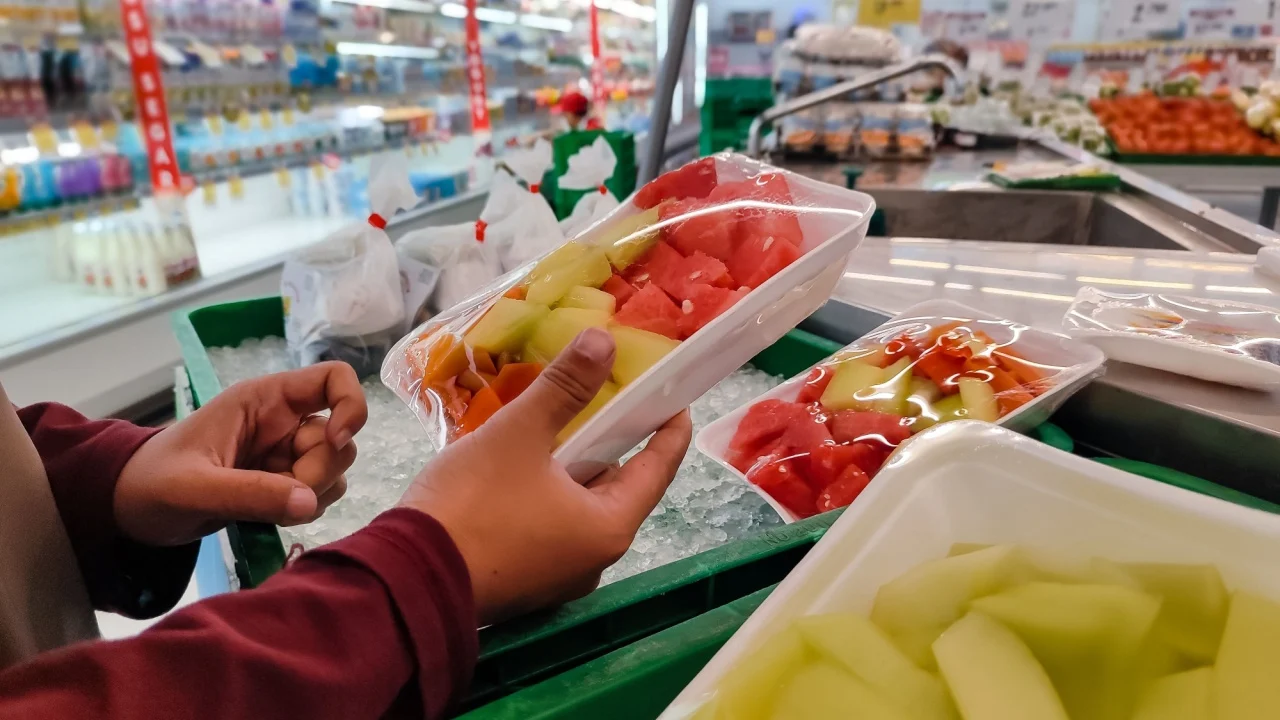
Pre-cut fruit bowls are a convenient snack, but they carry a higher risk than whole fruit. When a knife slices through a fruit like a cantaloupe, it can drag bacteria from the outer rind directly into the sweet, moist flesh. Because these bowls sit in grocery coolers for days, any small amount of bacteria has plenty of time to grow.
Cantaloupes are the riskiest of the bunch because of their “netted” rinds. This rough texture provides thousands of tiny hiding spots for Salmonella that are nearly impossible to wash away completely.
Your best bet is to buy whole melons and give them a vigorous scrub with a clean produce brush before cutting them at home. Once you’ve sliced the fruit, eat it immediately or get it back into the fridge right away. Avoid buying pre-cut containers that have a lot of liquid at the bottom, as that’s a sign the fruit is breaking down and potentially harboring growth.
4. Raw Milk and Dairy
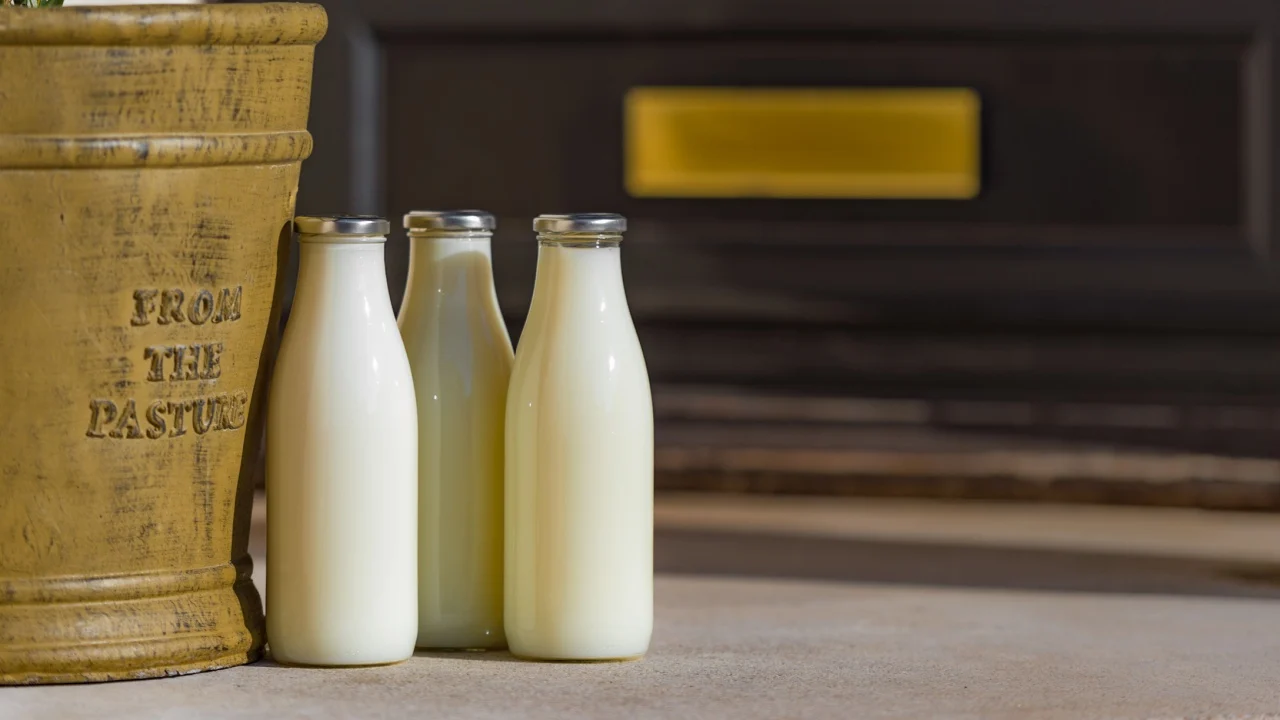
The trend toward raw or unpasteurized dairy has led to a sharp increase in illnesses. Pasteurization (the process of heating milk to kill pathogens) was a safety milestone. Skipping this step means you are consuming whatever bacteria were present on the farm, including Campylobacter and E. coli.
Unpasteurized milk is inherently risky because cows and goats are part of a farm environment where manure and bacteria are naturally present. For children and the elderly, the consequences of a raw milk infection can be life-threatening.
The simplest safety rule is to stick to pasteurized products, which offer the same nutritional benefits without the gamble. If you are buying artisanal “raw” cheeses, ensure they have been aged for at least 60 days, as the salt and acidity of the aging process can help kill some bacteria. However, for total peace of mind, always check the label for the word “pasteurized.”
5. Soft Cheeses
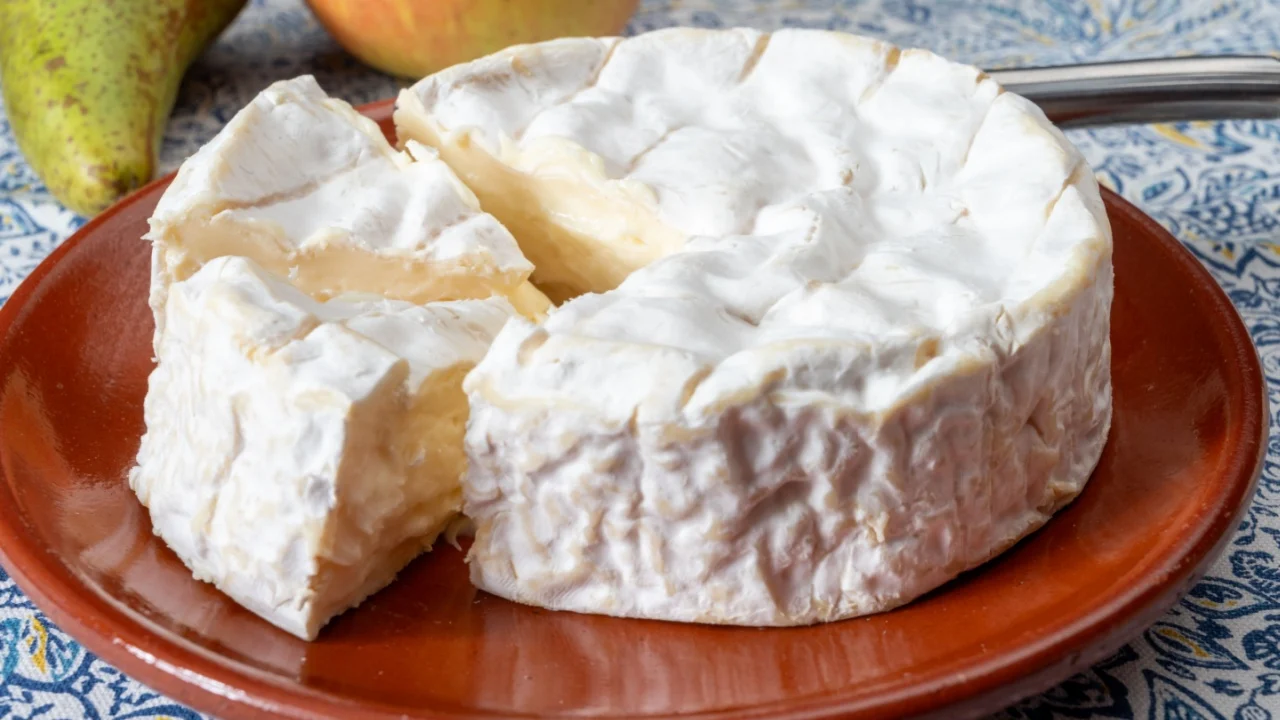
Soft cheeses like Brie, Camembert, Queso Fresco, and Cotija are high-moisture environments that Listeria loves. Even if they are made with pasteurized milk, these cheeses can become contaminated during the packaging stage. Because they aren’t aged like hard cheddar or Parmesan, they lack the protective acidity that keeps bacteria at bay.
Queso Fresco has been linked to several large-scale outbreaks recently. Because it is a “fresh” cheese meant to be eaten soon after production, it is very susceptible to any contamination in the facility.
To enjoy these safely, buy only as much as you can eat in a few days and keep it in the coldest part of your refrigerator. If you are in a high-risk group, consider using soft cheeses only in cooked dishes, where the heat can act as a safety barrier.
6. Ground Beef
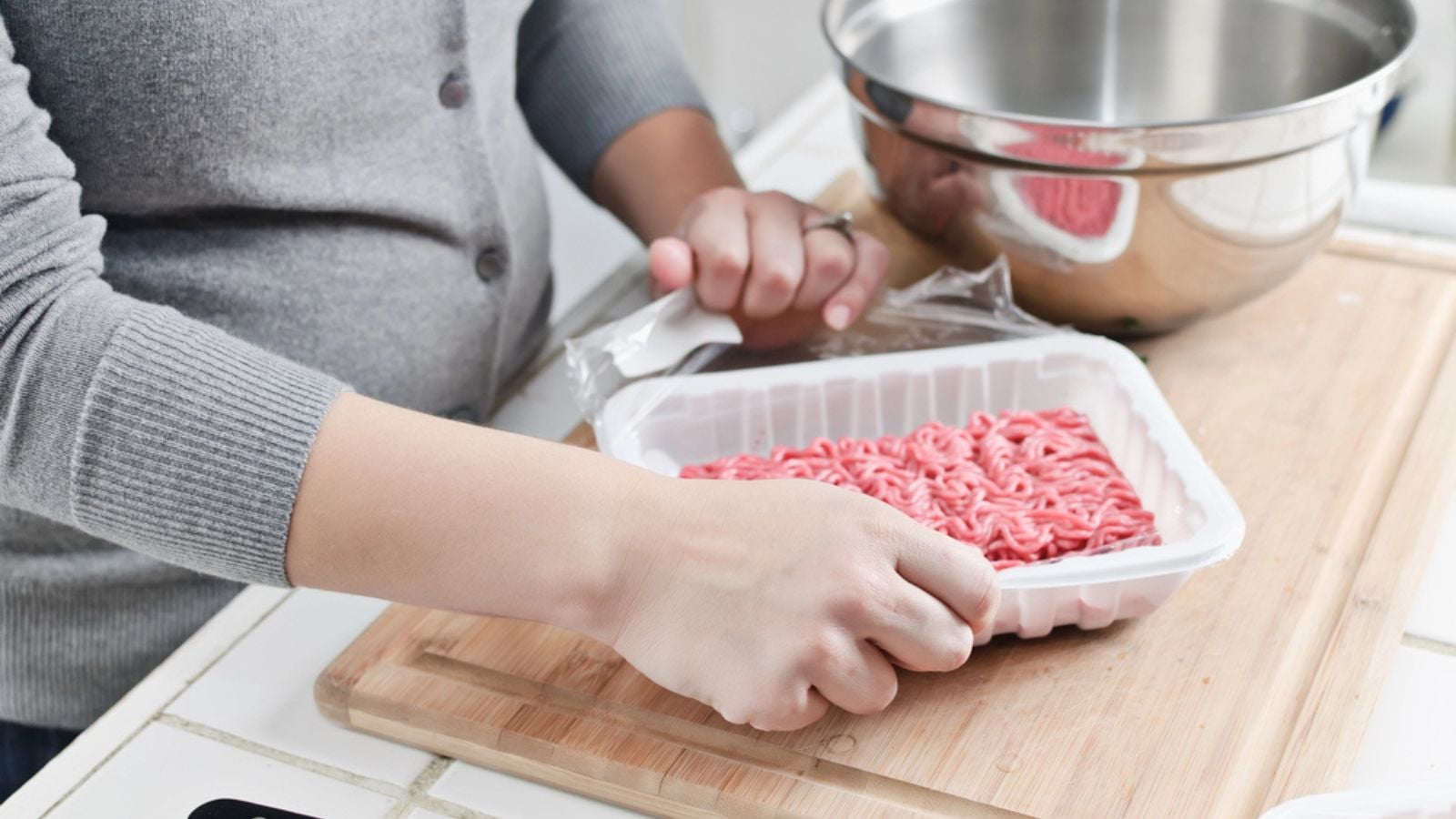
Ground beef is statistically riskier than a steak because of how it is processed. When meat is ground, the “outside” surface of the beef (where bacteria usually live) is mixed throughout the entire batch. A single pound of burger meat can contain bits of beef from dozens of different cows, increasing the chances that one of them was contaminated.
E. coli is the primary concern here. Unlike a steak, where searing the outside kills the bacteria while the middle stays pink, ground beef must be cooked all the way through to be safe.
Use a digital meat thermometer to ensure your ground beef reaches an internal temperature of 160°F. Don’t go by the color of the meat, as some beef can turn brown before it’s actually safe to eat. Always wash your hands and sanitize your counters immediately after handling raw beef to prevent spreading pathogens to your buns or toppings.
7. Poultry
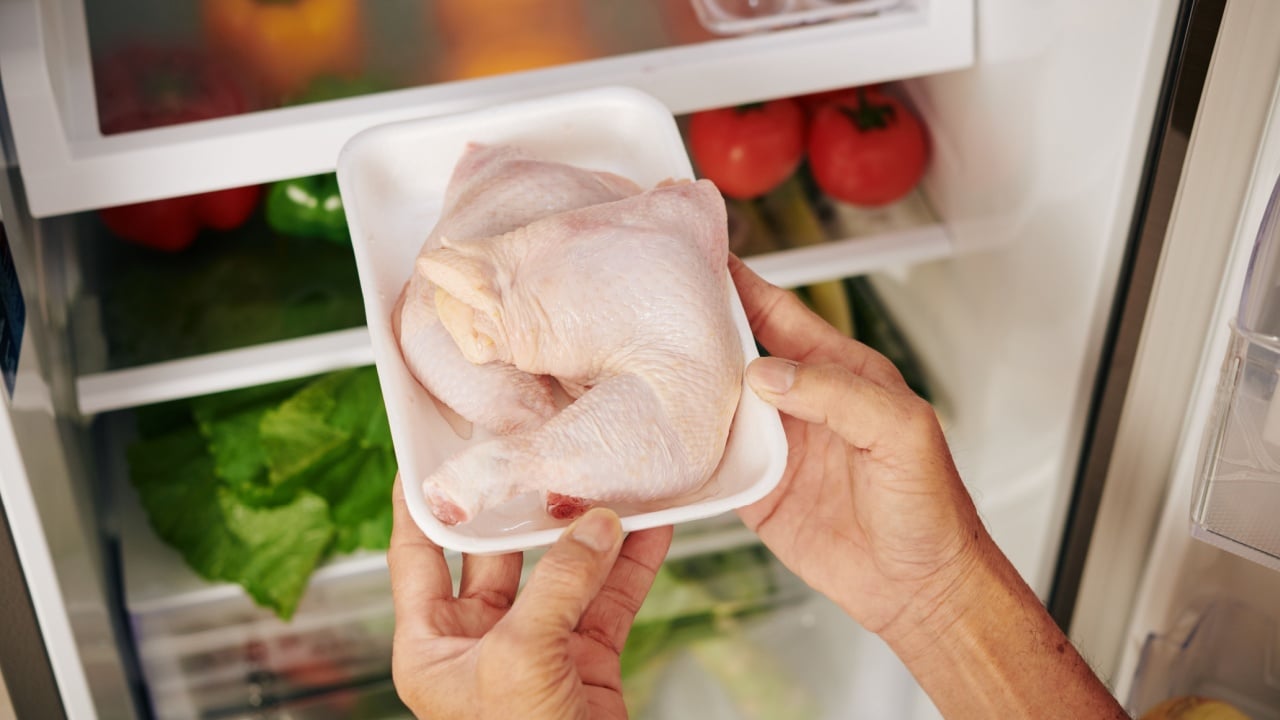
Chicken and turkey are notorious for carrying Salmonella and Campylobacter. In the modern high-speed processing environment, it is very easy for bacteria to spread between birds. While cooking the meat thoroughly is an excellent “kill step,” the biggest danger often happens before the chicken hits the pan.
When you rinse chicken in the sink, the splashing water can spray invisible bacteria up to three feet away, landing on your clean dishes, sponges, and countertops. This creates contamination that can lead to illness even if the chicken itself is eventually overcooked.
Go straight from the package to the pan to avoid making a mess of your kitchen. Use a dedicated cutting board for meat and wash it in the dishwasher on a high-heat cycle. Finally, use a thermometer to confirm that your poultry has reached 165°F, the gold standard for killing off common meat-borne pathogens.
8. Onions
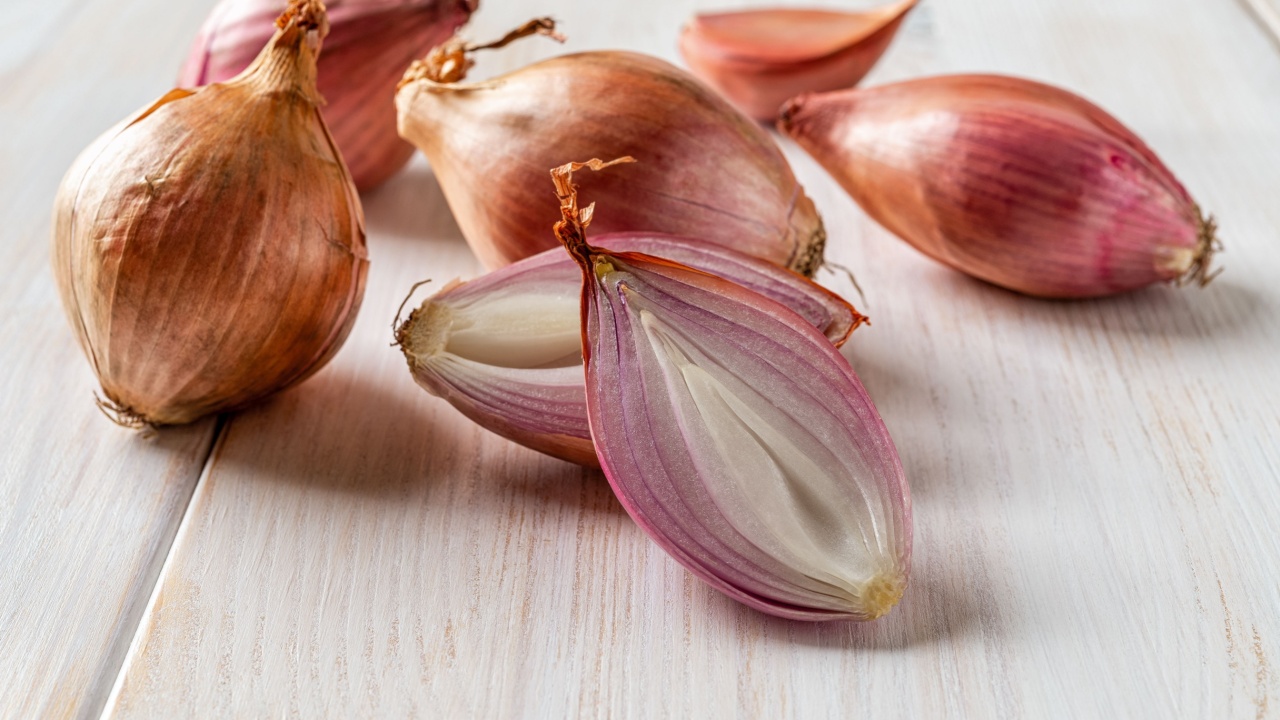
Onions might seem safe because they have a dry, protective skin, but they have been at the center of several massive Salmonella recalls recently. Because they are grown in the soil, they can be exposed to contaminated water or fertilizer. Since onions are often eaten raw as a garnish or in salads, they can easily bypass the safety of the stove.
If the outside of the onion is contaminated, your knife can push those pathogens into the center as you slice. Once the onion is chopped, it releases moisture that allows bacteria to sit and wait for you to toss them into your salsa or onto your burger.
If you plan to eat onions raw, peel away the outermost layer and wash the onion under cold running water before slicing. Cooking onions until they are translucent or browned is the best way to ensure they are safe. Also, stay tuned to local news; onion outbreaks are usually traced back to specific regions, and knowing the source can help you avoid a “hot” batch.
9. Flour
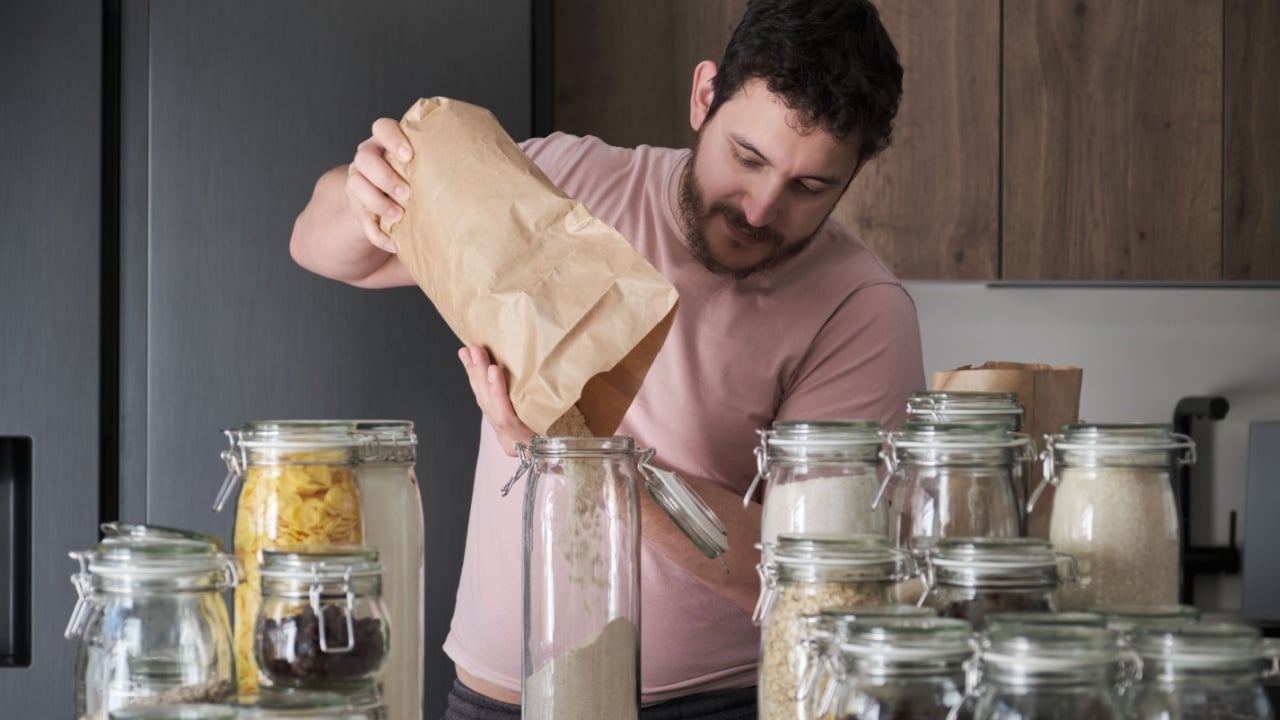
Most people know not to eat raw cookie dough because of the eggs, but the raw flour is actually just as dangerous. Flour is a raw agricultural product, meaning it hasn’t been treated to kill bacteria like E. coli during the milling process.
It is essentially ground-up wheat that came straight from a dusty, open-air field. When you mix a batch of dough, the flour can “poof” into the air, landing on your clean counters or being inhaled.
Never taste raw batter or dough, no matter how tempting it is. Make sure any dish involving flour, including homemade gravies or thickeners, is cooked thoroughly. If you are making “edible cookie dough” for a party, you can buy “heat-treated” flour or toast your own flour in the oven before using it to ensure it’s sterile.
10. Peaches and Nectarines
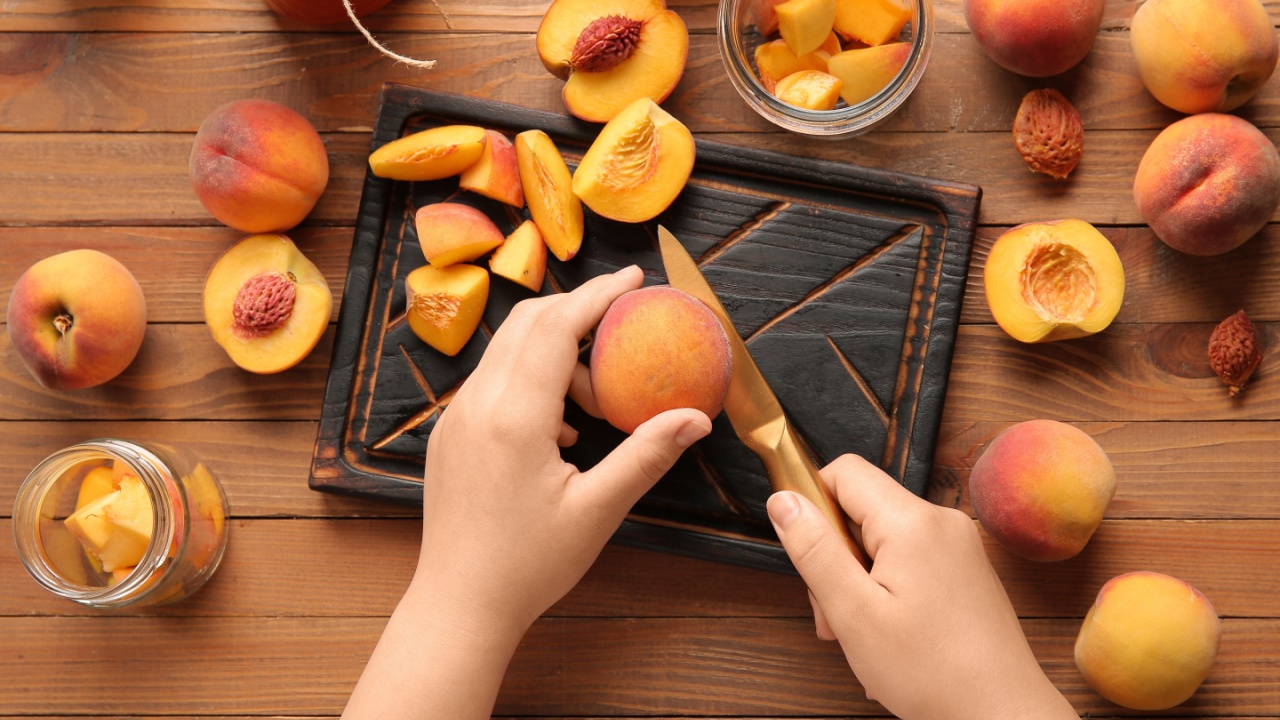
Stone fruits like peaches and nectarines have seen a surprising rise in Listeria recalls. These fruits are often processed in large facilities where they are washed and packed in bulk. The “fuzzy” skin of a peach is particularly good at trapping bacteria, making it harder to clean than a smooth apple or plum.
Because we often eat these fruits fresh and unpeeled, there is no barrier between the bacteria on the skin and your digestive system. If the fruit is sliced and left out at room temperature, any Listeria present can quickly grow to dangerous levels.
Always wash stone fruit under a firm stream of water, and consider using a clean cloth to “buff” the skin and remove surface debris. If you are concerned about safety, peeling the fruit is a great extra step, though you’ll lose some fiber. Once the fruit is ripe, keep it in the fridge to slow down any potential bacterial growth.
11. Cucumbers
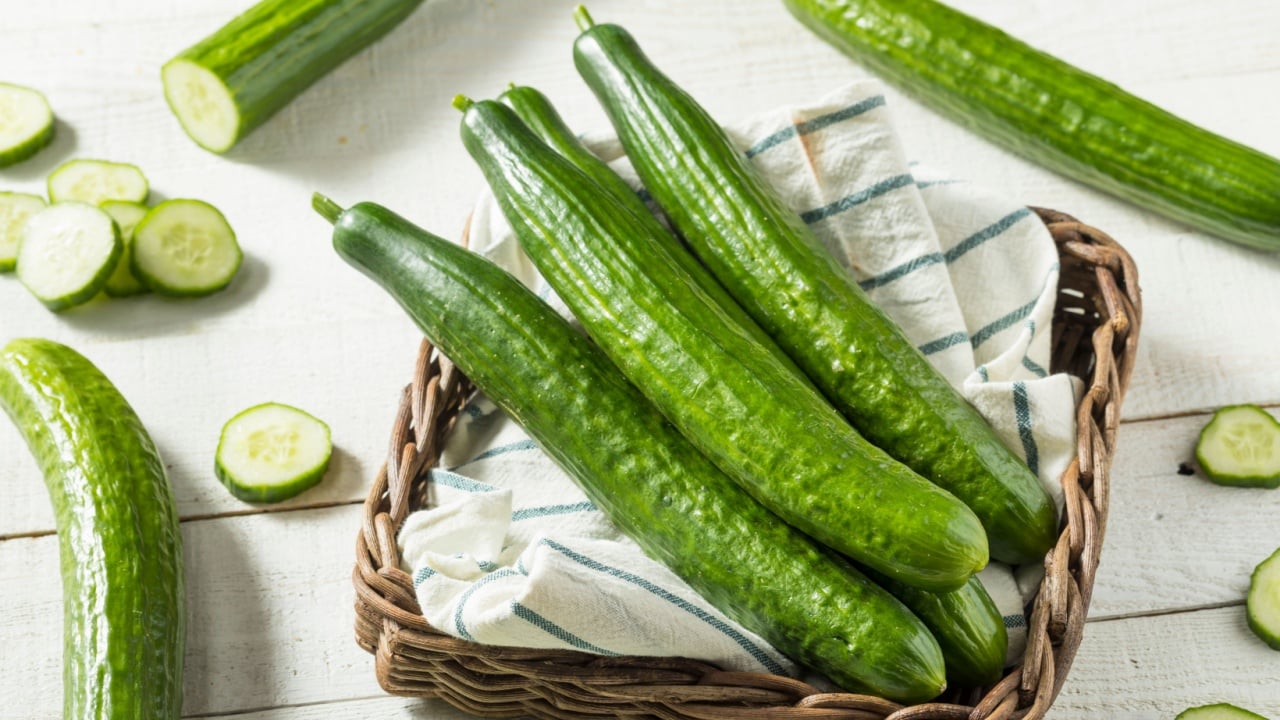
Cucumbers are frequently linked to Salmonella outbreaks. This is often due to the irrigation water used in the fields or the waxing process used to keep them looking shiny and fresh on store shelves. Because cucumbers are a staple of raw salads and veggie platters, they are a common vehicle for foodborne illness.
The wax coating on many cucumbers can actually seal bacteria onto the surface, making it more difficult to wash away with just a quick rinse. If you slice through a dirty cucumber, the blade carries the bacteria from the skin into the watery, porous center of the vegetable, where it can easily hide and multiply.
Use a produce brush to scrub cucumbers thoroughly under running water to break through that wax. If a cucumber feels slimy or has soft spots, throw it out immediately; those are signs that bacteria have already taken over.
12. Shellfish
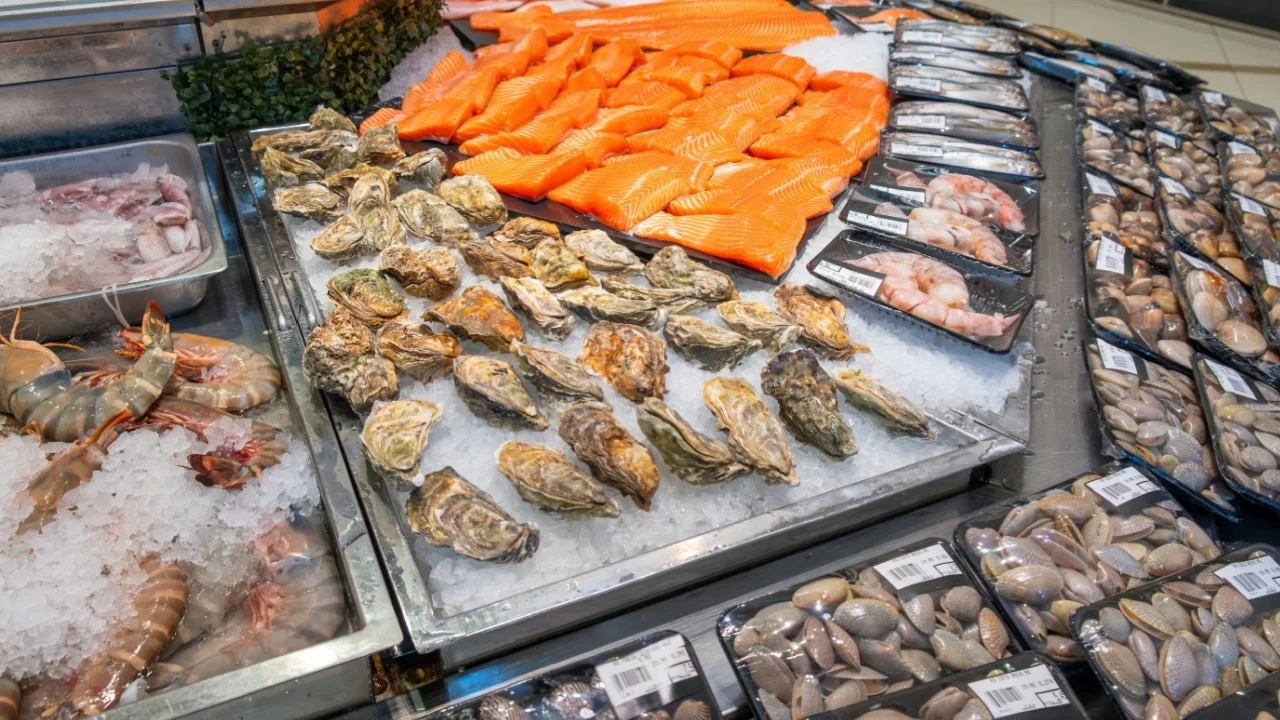
Oysters, clams, and mussels act like the ocean’s vacuum cleaners. They pull in water to find food, but in the process, they also concentrate any bacteria or viruses present in the water, such as Vibrio or Norovirus. This makes raw shellfish one of the most consistently risky items on any menu.
The risk of raw oysters increases significantly during the warmer months when water temperatures rise and bacterial populations “bloom.” For people with liver disease or compromised immune systems, a Vibrio infection from a single raw oyster can be fatal within days. There is no way to tell if an oyster is contaminated by looking at it or smelling it.
The only way to eat shellfish safely is to cook them until the shells open, and then continue cooking for several more minutes. If you are dining at a seafood bar, ask where the shellfish were harvested; reputable suppliers track this information to ensure they aren’t pulling from “hot” zones. When in doubt, skip the raw bar and go for the grilled or steamed options.
13. Sprouts
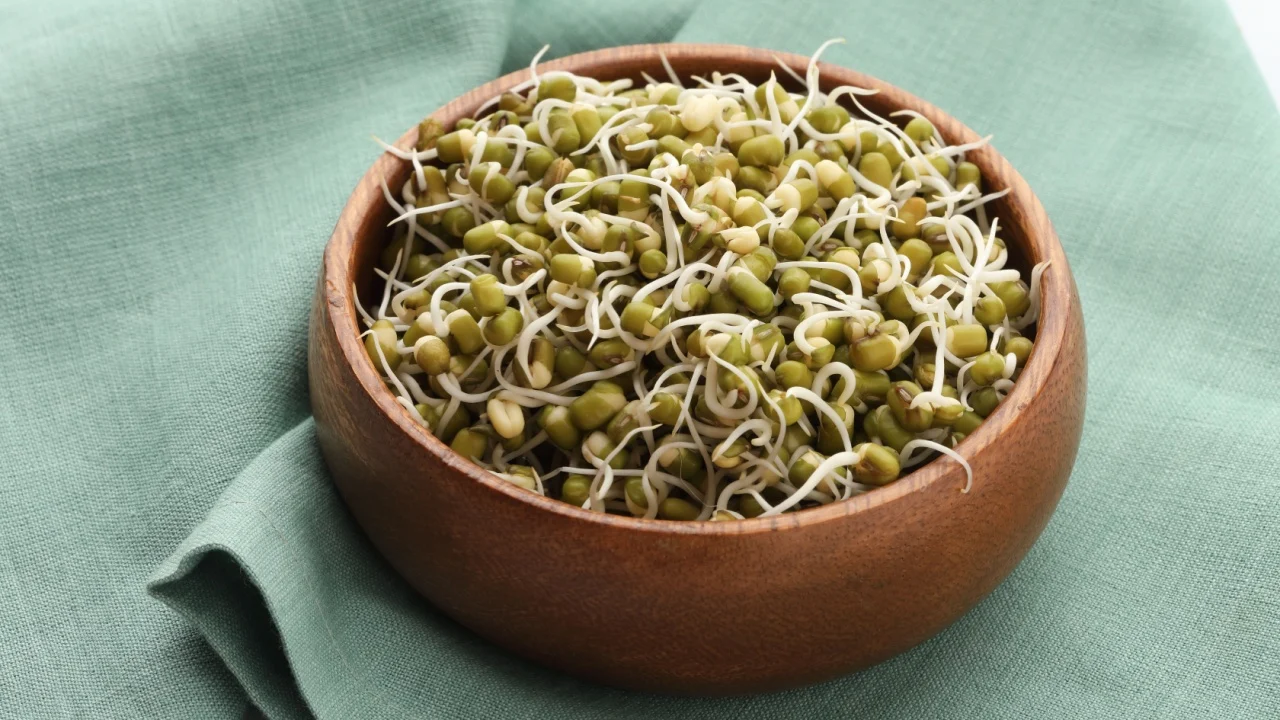
Alfalfa, clover, and mung bean sprouts require warm, humid conditions to grow, the same conditions that Salmonella and E. coli need to explode in population. Because the bacteria can actually get inside the seed before it even sprouts, no amount of washing can make raw sprouts 100% safe.
Raw sprouts have been responsible for dozens of outbreaks over the last decade. Because they are so delicate, they can’t be vigorously scrubbed, and they are almost always served raw on sandwiches or in pads of ramen. This makes them one of the few foods that many food safety experts refuse to eat under any circumstances.
If you love the crunch of sprouts, the best way to enjoy them is to cook them thoroughly. Adding them to a stir-fry or dropping them into a boiling soup will kill any lingering bacteria. When eating at a restaurant, don’t be afraid to ask the server to leave the raw sprouts off your sandwich or salad.
Eat Smart, Stay Safe

Safe eating is a practice of awareness rather than fear. Understanding which foods are currently higher risk, you can make smarter choices at the grocery store and apply better safety techniques at home.
Small changes in how you wash, store, and cook these items can significantly reduce the chance of a foodborne illness. Visit sites like FoodSafety.gov or the FDA’s recall list regularly to stay updated on specific brands or batches to avoid.
Read More:
15 Unhealthy American Foods to Stop Eating Immediately (Backed by Nutrition Science)