
14 Mistakes Making Your Home an Easy Target for Theft
Every 22.6 seconds, a burglary happens somewhere in America. That’s not a scare tactic; it’s straight from the FBI’s crime data, which also reported more than 847,522 residential burglaries in 2022, totaling over $463 billion in stolen goods. Most of those break-ins weren’t random. They were calculated. Burglars scout neighborhoods, study routines, and look for specific signals that a home will be easy to enter and even easier to leave undetected.
The data for this listicle comes from a combination of FBI crime statistics, interviews with real estate and security experts, and well-documented home security research. The result is a practical, no-nonsense breakdown of what makes a home appealing to thieves, and what homeowners can do to change that.
Below are 14 common mistakes that quietly signal to burglars that a home is worth targeting. Some are obvious, some are surprisingly easy to overlook, and all of them are fixable.
1. No Alarm System

Nearly half of American homes don’t have a security system installed, and burglars are 300% more likely to target those properties. An alarm system doesn’t have to be elaborate to be effective. The visible presence of sensors, control panels, and yard signs is often enough to push a burglar toward an easier option down the street.
Even something as simple as a barking dog can deter an intruder, but a full alarm system takes that deterrence to another level. Modern systems can connect to smartphones, alert monitoring centers, and automatically dispatch emergency services, making them one of the most practical investments a homeowner can make.
2. Mail and Packages Piling Up
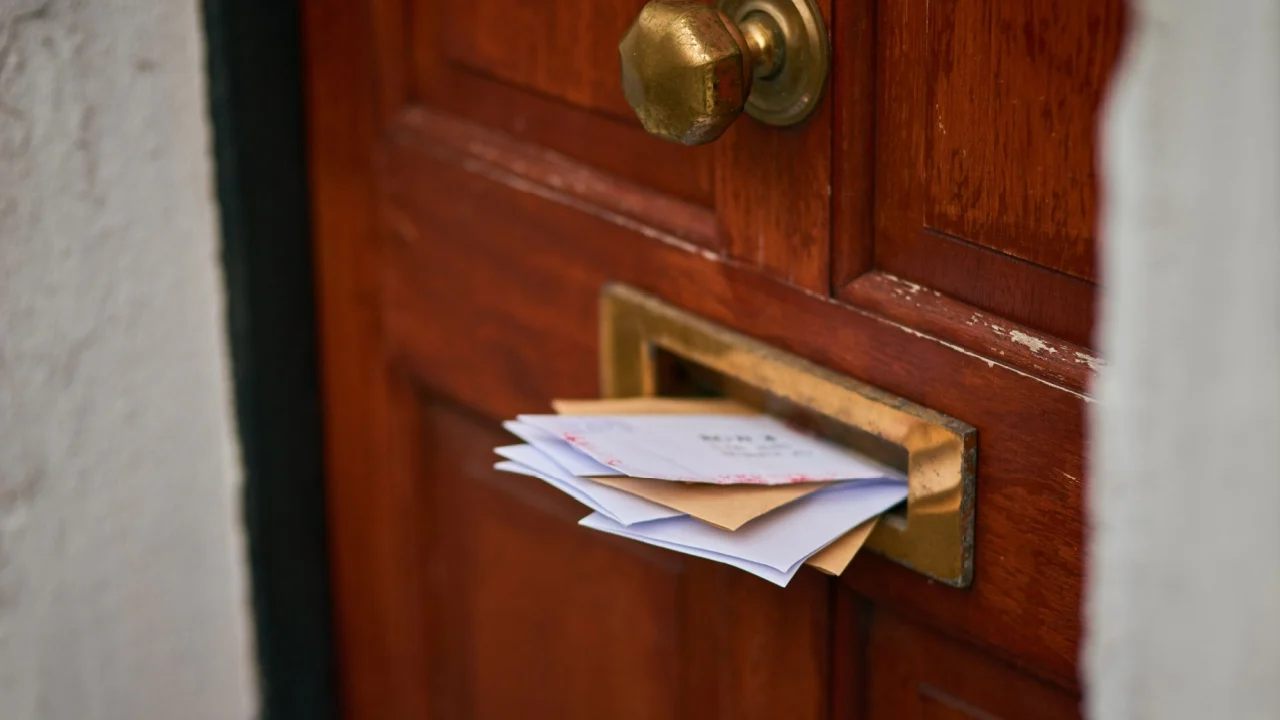
An overflowing mailbox or a stack of packages sitting on a front porch broadcasts one message clearly: nobody’s home. Burglars actively look for this sign when scouting neighborhoods, and an uncollected pile of mail can be all it takes to flag a property as a soft target.
The fix is straightforward. Set up mail holds with USPS when traveling, ask a neighbor to collect packages, or use a secure parcel delivery box. Smart doorbells that allow remote access and package drop-off coordination are another practical option for frequent travelers.
3. Overgrown Bushes and Trees
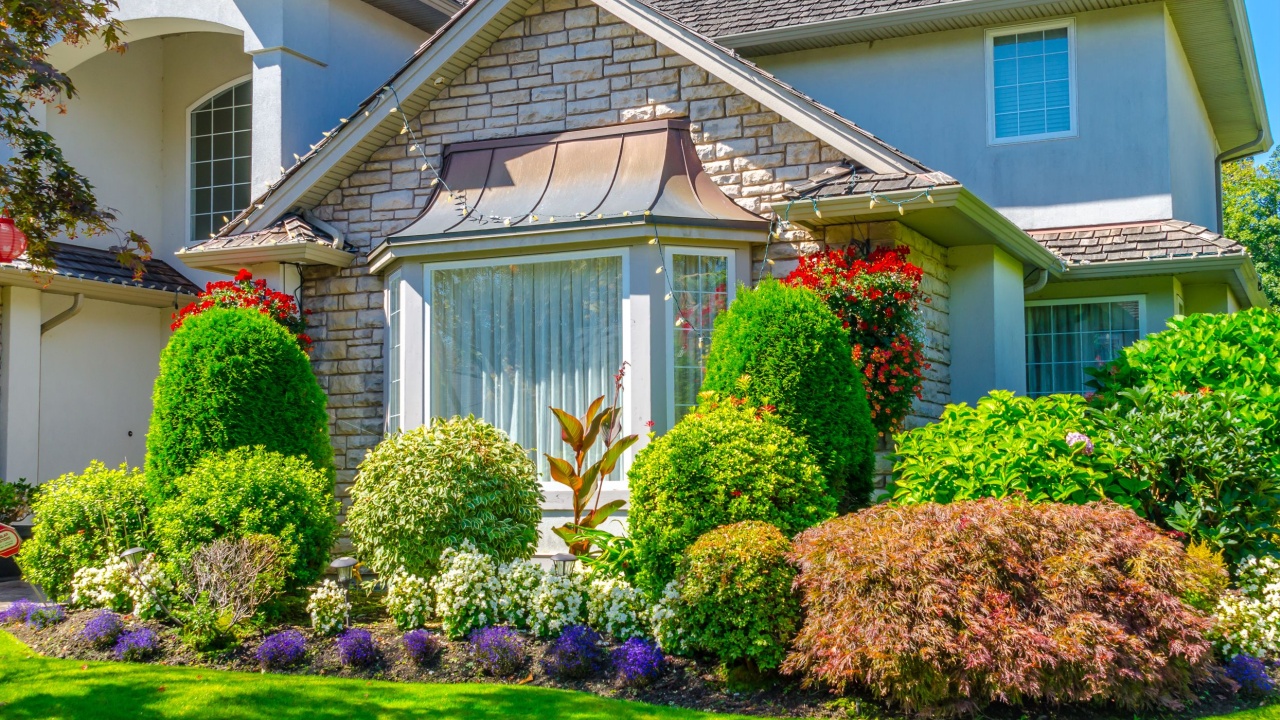
Lush landscaping feels welcoming, until it becomes a hiding spot. Dense shrubs near windows and doors give burglars the cover they need to work on an entry point without being seen from the street or by neighbors. One real estate agent noted that a client discovered this the hard way when overgrown bushes concealed an attempted break-in.
Trimming hedges to below window height and keeping clear sightlines around all entry points removes that cover. Motion-activated lighting paired with well-maintained landscaping is a particularly effective combination, since it eliminates both the hiding spot and the darkness that goes with it.
4. Weak or Outdated Doors and Windows
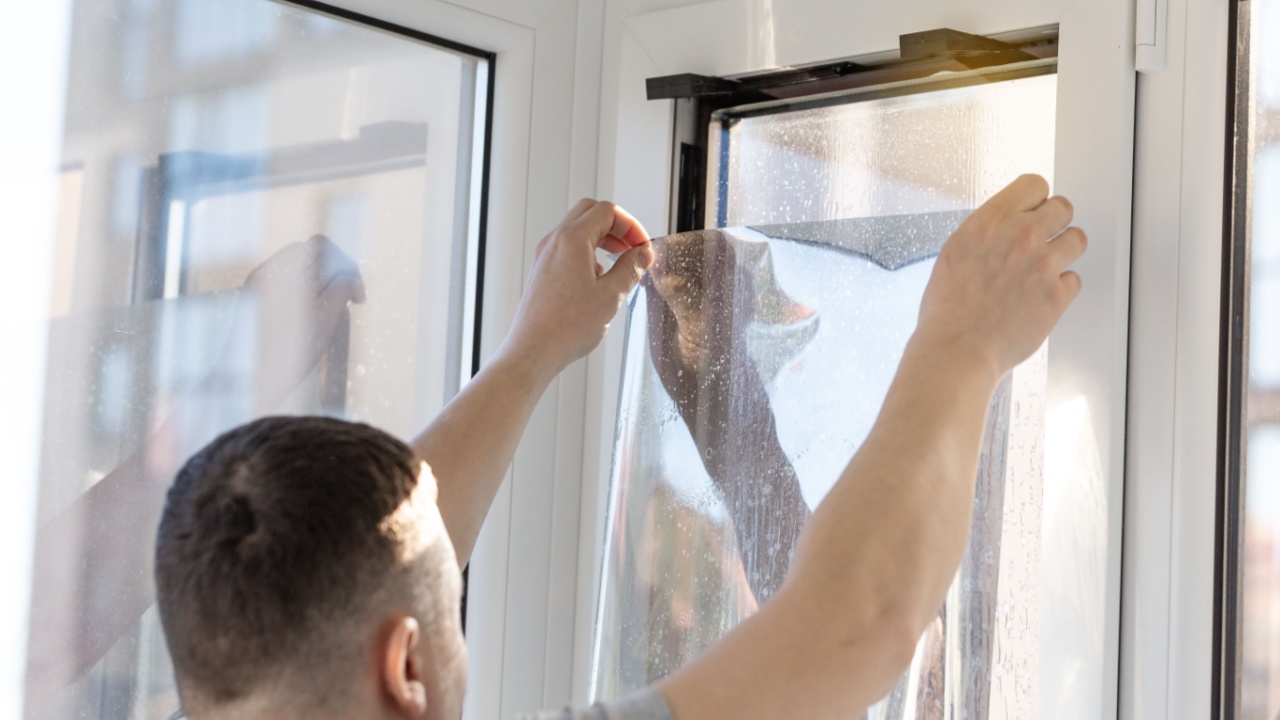
A door is only as strong as its frame and lock. Hollow-core doors, old wooden frames, and basic locks without deadbolts make it super easy for someone with a crowbar to break in quickly.
To make your home more secure, swap out hollow-core doors for solid wood or steel ones, add deadbolts with reinforced strike plates, and use security film on windows. For ground-floor windows or sliding doors in less-visible spots, consider window bars or extra locks to make break-ins way harder.
5. No Outdoor Lighting
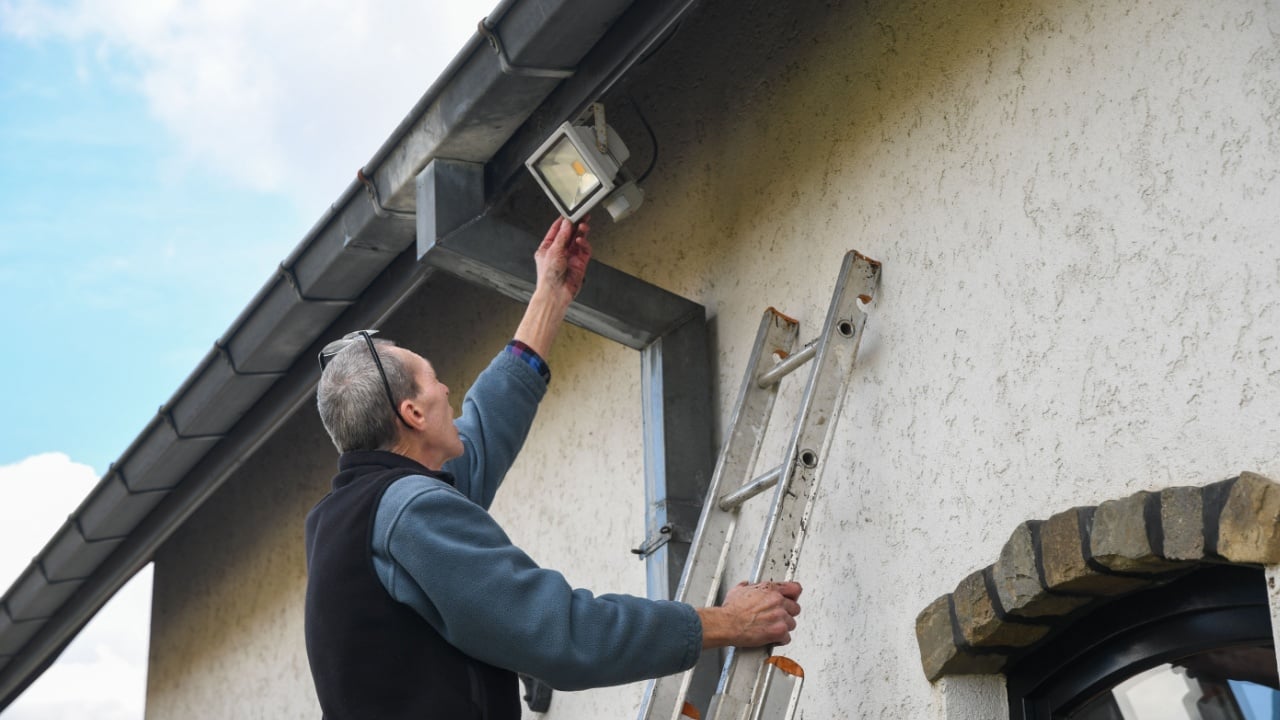
Darkness is a burglar’s best friend. If your property doesn’t have exterior lighting, or you have burned-out bulbs you haven’t replaced, you’re giving burglars plenty of shadows to hide in. Well-lit exteriors make burglars feel like they’re more likely to get caught, which is usually enough to make them move on.
Motion-sensor lights are a great option because they’re unexpected. A sudden burst of light is a great way to draw attention and take away the element of surprise. You can also use smart bulbs on timers to make it look like you’re home, even when you’re not. This is a simple trick to discourage burglars who look for empty houses.
6. No Security Cameras

Most home burglaries (nearly 89%!) go unsolved. Security cameras don’t just help catch culprits after a break-in; they also stop crime before it even happens. Burglars scoping out a neighborhood will usually skip houses with visible cameras and pick an easier target.
You don’t need a pro installer or expensive monthly fees for a modern camera system. Smart doorbell cameras, wireless outdoor cameras, and DIY systems with cloud storage make good security affordable for almost everyone. Just make sure you place them where they count: covering your doors, driveway, and any blind spots around your house.
7. Living in an Isolated Location
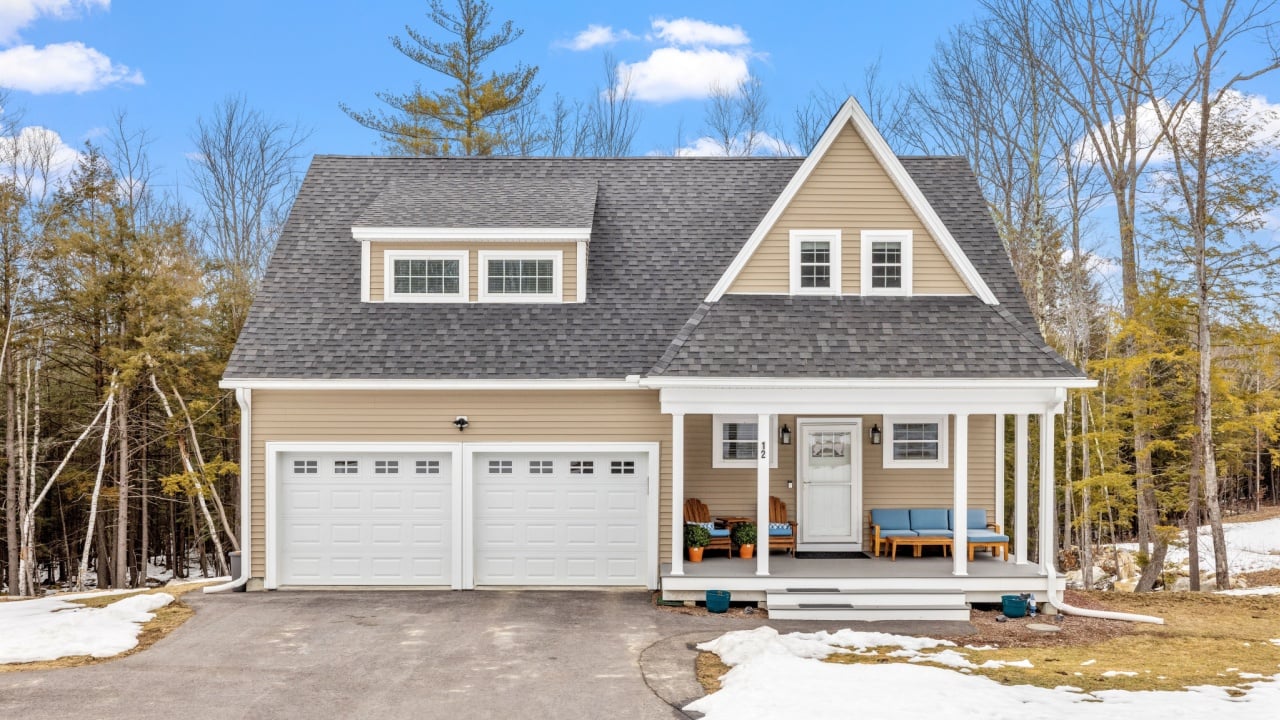
Homes at the end of long driveways, surrounded by dense trees, or far from neighboring properties provide burglars with something they value most: time. With fewer chances of someone witnessing a break-in, thieves can operate with less pressure.
While location can’t always be changed, the security approach can. Isolated homeowners should consider layering their security with multiple cameras, motion-activated lights, monitored alarm systems, and strong community connections, such as neighborhood watch programs, to offset the lack of natural surveillance in rural or secluded areas.
8. Social Media Oversharing

Posting vacation photos in real time is essentially an open invitation. Broadcasting a departure date, tagging a location abroad, or sharing a “we’ll be back in two weeks” post tells anyone watching, including people with bad intentions, exactly when a home will be unoccupied and for how long.
The smarter approach is to hold off on posting travel content until after returning home. Adjusting social media privacy settings to limit who can see posts is also worth doing, particularly for accounts with large or loosely connected followings. It sounds minor, but this is one of the most modern and underappreciated vulnerabilities homeowners currently face.
9. Visible Valuables

Leaving laptops, tablets, jewelry, or expensive equipment visible through a window is a straightforward advertisement for what’s inside. Similarly, leaving a high-end bike unchained in the front yard or a designer bag on a car seat in a glass-walled garage removes any guesswork for someone deciding whether a property is worth targeting.
A quick walk around the home’s exterior, looking at what’s visible from public areas, can reveal a surprising amount. Curtains or blinds on ground-floor windows, locked garages, and the habit of storing valuables out of sight are simple habits that significantly reduce a home’s attractiveness as a target.
10. Skipping the Deadbolt on Interior Garage Doors
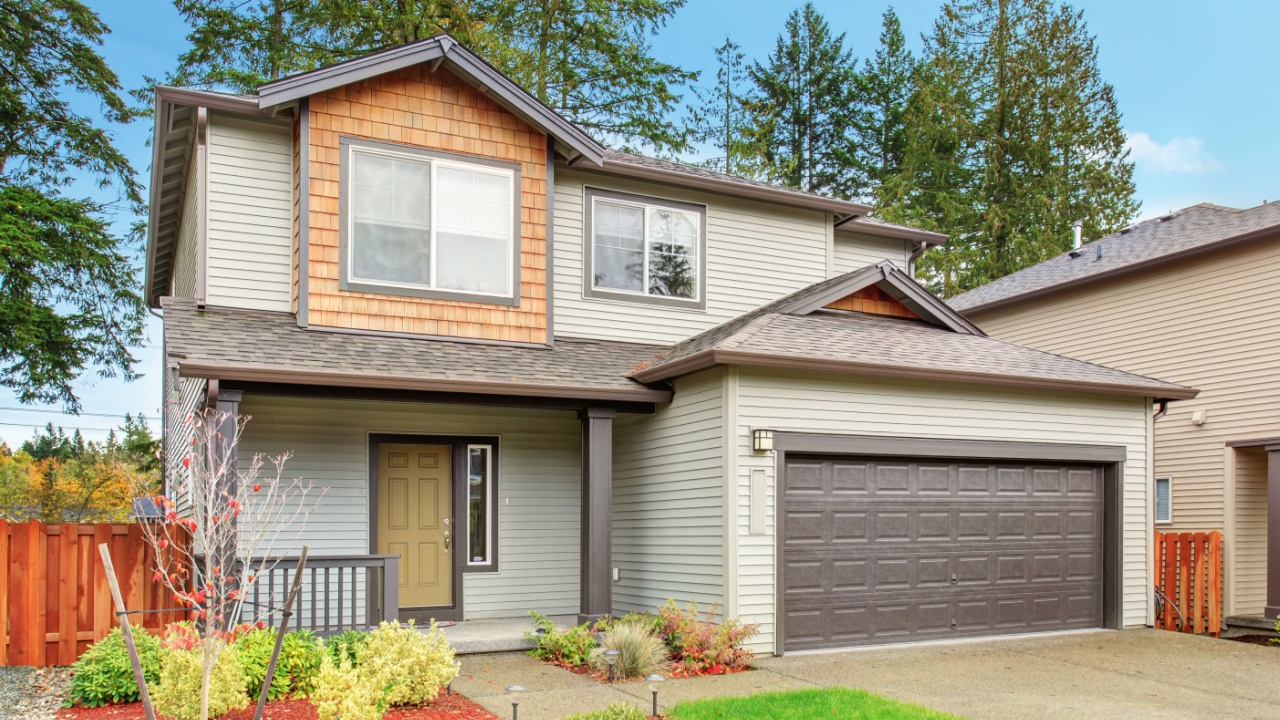
A garage door is often treated as a primary entry point, but the door connecting the garage to the home’s interior is frequently left with only a standard knob lock, or no lock at all. Burglars who gain access to a garage, which can sometimes be opened with a universal remote or a simple bypass technique, can then enter the home itself with minimal additional effort.
Installing a solid-core door with a deadbolt between the garage and the interior living space adds a meaningful second barrier. Some homeowners also add a door sensor to their alarm system for this entry point, which triggers an alert if the interior garage door is opened while the system is armed.
11. No Neighborhood Connections

A tight-knit neighborhood is one of the most effective deterrents against residential crime. Neighbors who know each other’s routines, vehicles, and faces are far more likely to notice (and report) something unusual. Isolated households with no community ties lose that informal layer of surveillance entirely.
Joining or forming a neighborhood watch group, introducing yourself to nearby residents, and participating in community platforms like Nextdoor builds the kind of mutual awareness that makes an entire street less appealing to burglars. It costs nothing and provides benefits that no camera or alarm system can fully replicate.
12. Leaving a Spare Key Outside

The fake rock, the magnetic box under the car, the ledge above the door frame, burglars know all the classic hiding spots. Leaving a spare key in a predictable location is an easily avoidable risk, but many of us do it out of habit or for convenience.
A smart lock with a unique access code is a much safer option. It gets rid of the physical key altogether and lets you change codes remotely. If you’d rather have a physical backup, a combination lockbox placed in a non-obvious spot (with a non-obvious code) is a good compromise.
13. An Unmonitored Dog Door

Dog doors are super convenient for your furry friend, but they can be a major security headache. A large doggy door might be big enough for a person to reach through and unlock your door from the inside, or even squeeze through completely. Even smaller flaps can be risky if they’re close to your door’s lock.
A great fix is to swap out your standard flap door for an electronic one. These smart doors only open when they detect a special tag on your pet’s collar. They’re easy to find, won’t break the bank, and let your pet come and go without turning your home into an easy target.
14. No Routine Security Check
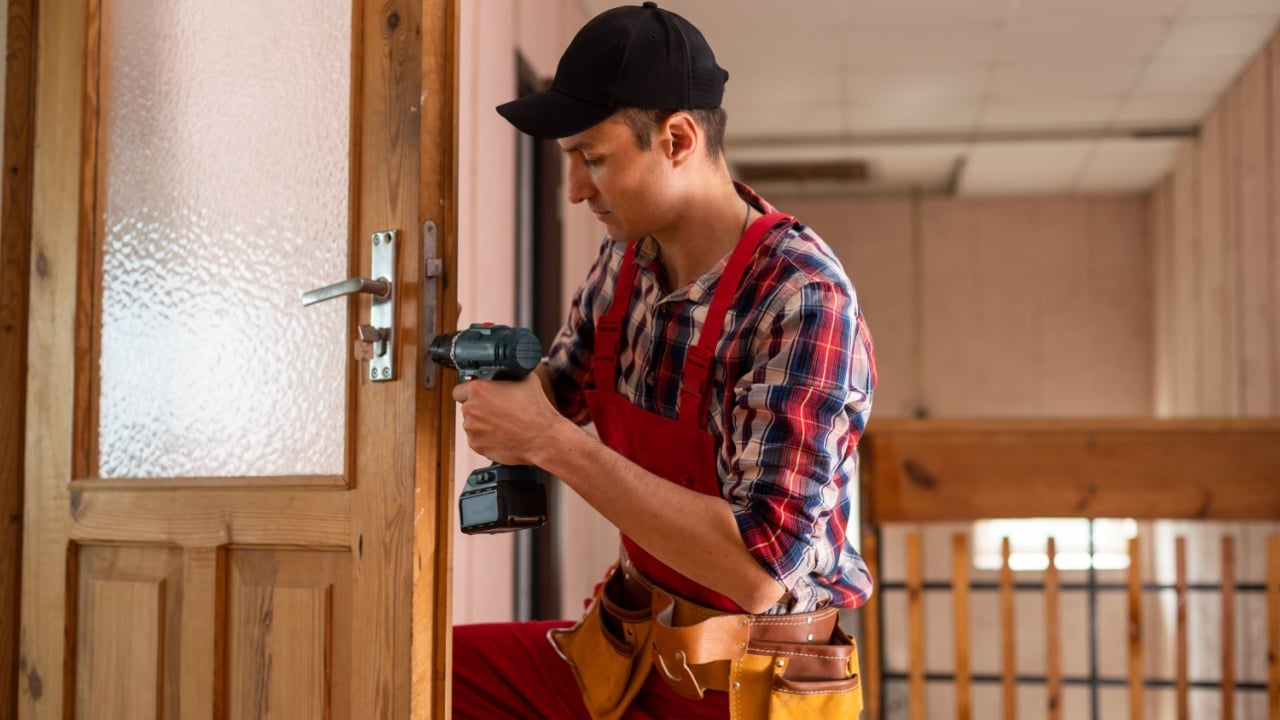
Most security issues don’t pop up out of nowhere; they build up over time. A light bulb burns out, a shrub blocks a window, or a lock starts feeling loose. If you don’t check in regularly, these little things can turn into big problems.
Set a monthly reminder to walk around your property, test your alarms, check camera angles, change dead batteries, and make sure all the locks are working. Many alarm companies do yearly security assessments, and some local police departments even offer free home security checks if you ask!
Turn Your Home from a Target into a Fortress
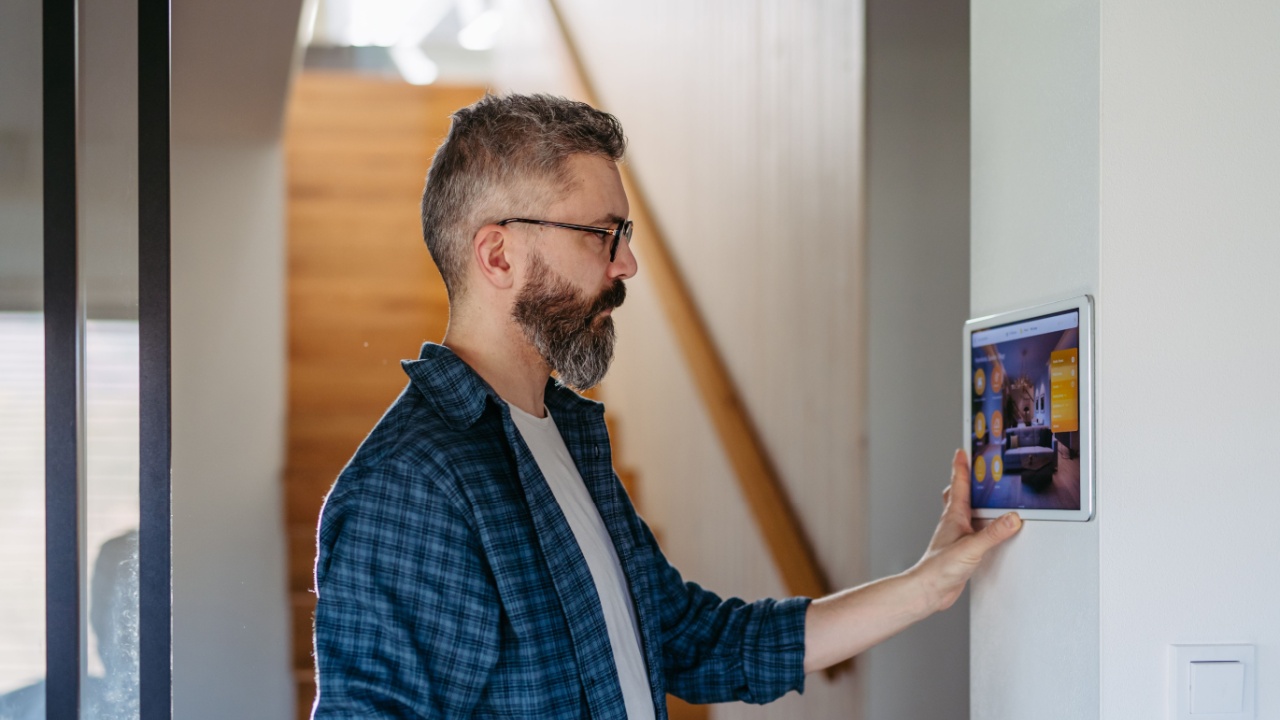
Burglars make fast decisions. A home that looks occupied, well-monitored, and difficult to access quietly gets skipped in favor of one that doesn’t. Each item on this list represents a signal, and removing those signals is what shifts a home from an easy target to an unappealing one.
A professional home security audit is a worthwhile investment for any homeowner who wants a trained set of eyes on their specific vulnerabilities. Many providers offer them free as part of an installation quote.
Read More: