12 Ways to Get Rid of Wasps Fast and Keep Them Gone
I think I can find agreement in most quarters that everyone loves bees. They mind their own business, pollinate flowers, and add a pleasing hum as they bumble past on a hazy summer’s day.
Wasps, on the other hand, are hated and for good reason. Not content with their pollinating, these curious sky assassins must come and inspect what we’re doing, usually causing panic or alarm. Moreover, wasps can sting when threatened; in a colony, this can spell grave danger.
Put simply, wasps are the Karens of the insect world, and as their human peers show us, they are best avoided. Therefore, it makes sense to know some feasible and humane ways to rid yourselves of this unwelcome pest.
1. Use Wasp Traps to Reduce the Population

Wasp traps are one of the simplest ways homeowners think out a colony before it grows into a bigger problem. These devices usually contain sugary bait that attracts foraging wasps, which then enter the container and cannot escape. Over time, the population around your yard drops dramatically.
The home-improvement team at Forbes explains the principle clearly: “Place wasp traps around the yard… fill the trap with a sweet liquid like juice or soda, and hang them out.”
Some might use this method for patios and decks. If you can attract the queen early enough in spring, it means the entire colony loses its communication cycle, reducing the risk of an infestation.
2. Spray Soap and Water to Kill Individual Wasps
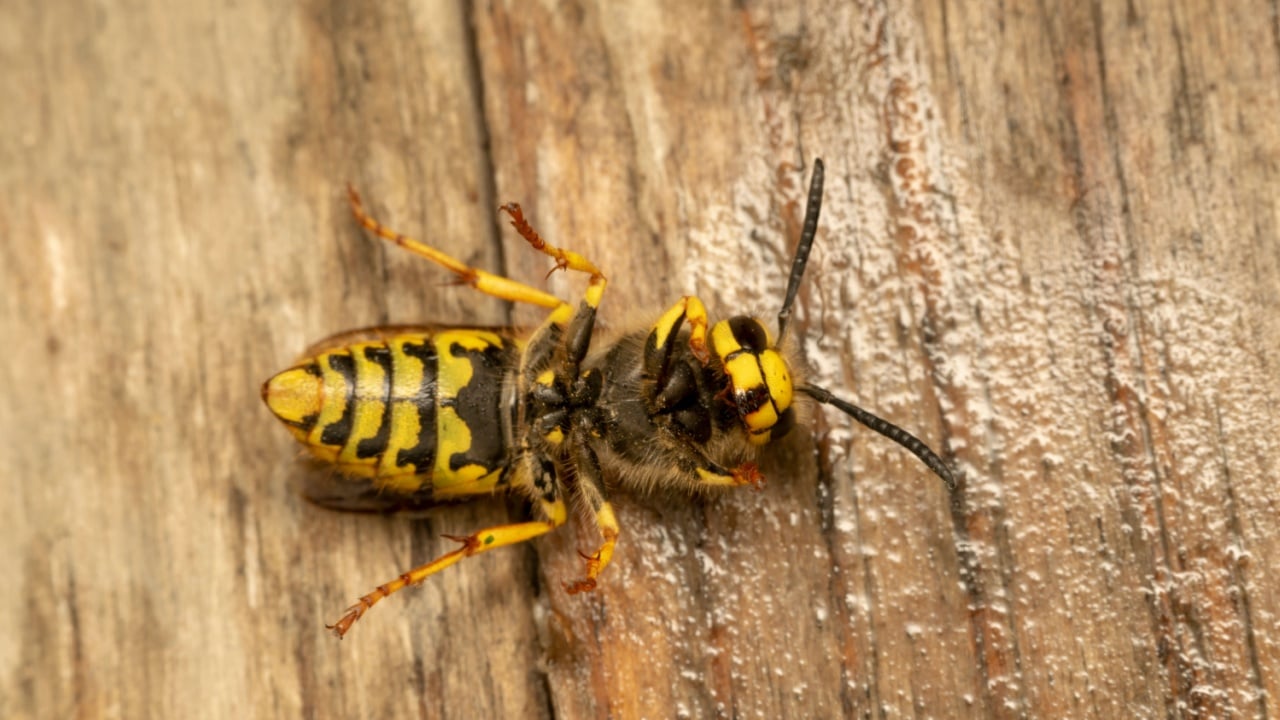
A simple mixture of dish soap and water can be surprisingly effective when dealing with small nests or individual insects. The soap interferes with the insect’s ability to breathe.
This method is explained in a Bath Garden Center webguide that “dish soap… will clog the wasps’ pores (which they use to breathe), suffocating and killing them.”
Many homeowners keep a spray bottle ready to hand. The trick is distance and timing. Spray from several feet away and target nests early before the colony grows large; dressing appropriately goes without saying.
3. Use Peppermint Oil and Strong Scents

Wasps rely heavily on scent, which means certain smells can drive them away from nesting spots. Peppermint oil, clove oil, and lemongrass are among the most widely recommended deterrents sprayed under eaves, decks, and shed corners where nests often start.
Stacy Fisher of The Spruce shares a simple peppermint oil method in a 2025 guide. “Put a few drops of peppermint oil and a few tablespoons of dish soap in a spray bottle, fill the rest with water, and shake well,” she writes. “Spray the mixture on established nests or places you’ve seen wasp nests.”
4. Hang a Fake Nest
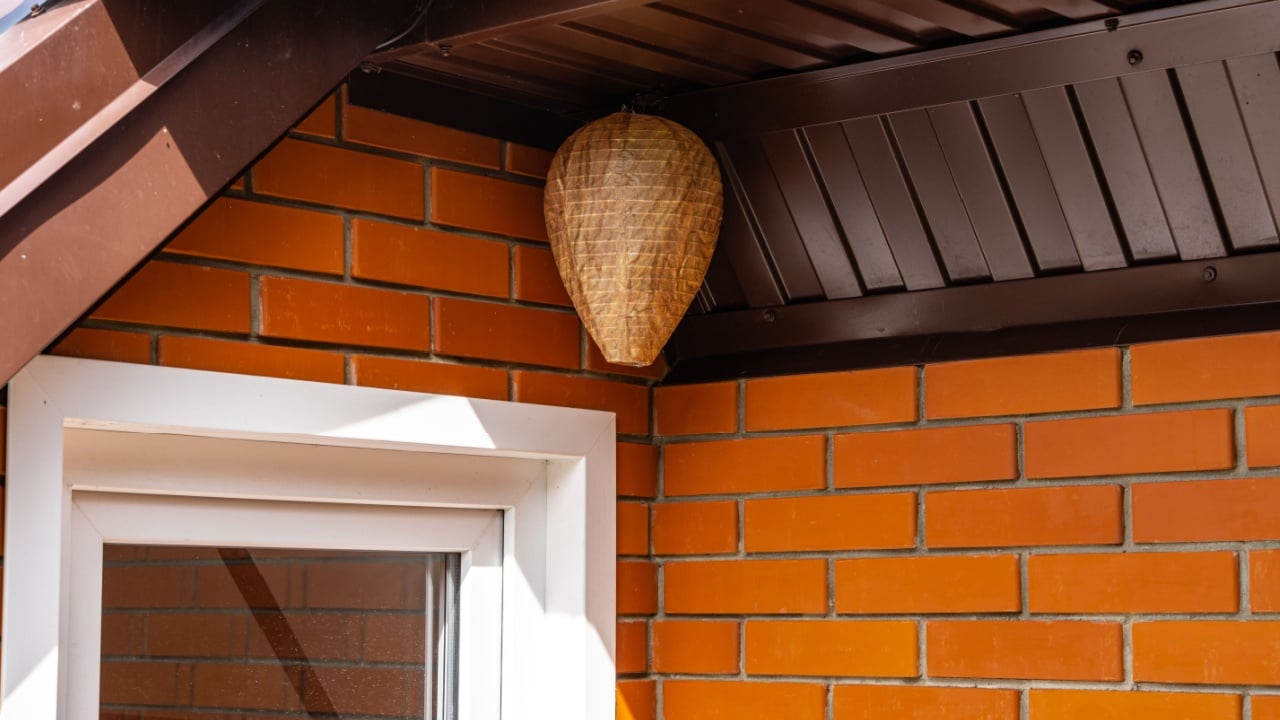
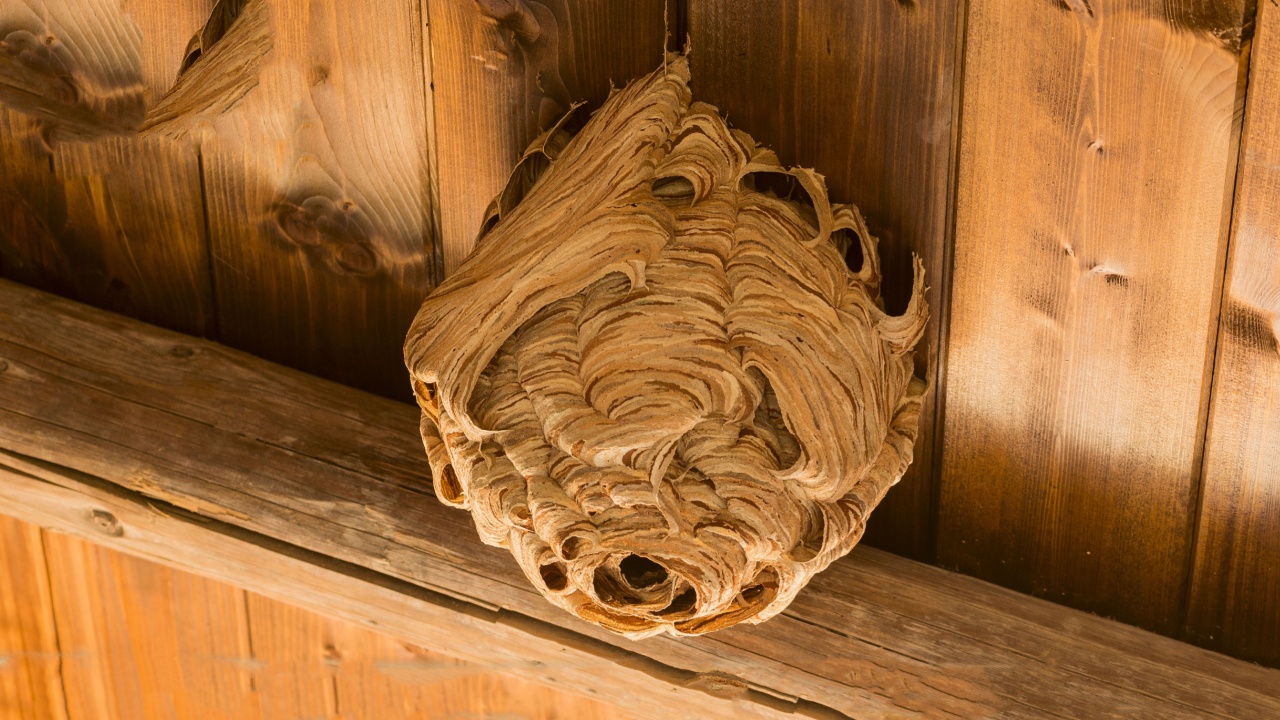
Wasps are territorial insects, so you don’t even need to repel them if you can pre-empt the nest entirely. They rarely build nests close to another colony, which makes decoy nests surprisingly effective.
Pest-control professionals frequently highlight this behavior. As a Best Bee Brothers article explains, a wasp nest acts like a natural defensive mechanism. “Social wasps are territorial and don’t want to interact with other colonies.” They tend to stay about 200 feet from an existing nest.
You could recreate the illusion with a simple brown paper bag stuffed with newspaper and hung from a porch beam. If your property is large, several well-placed traps should keep the area wasp-free. Like with a wasp trap, this trick works best early in the season before nesting begins.
5. Seal Cracks and Entry Points Around Your Home
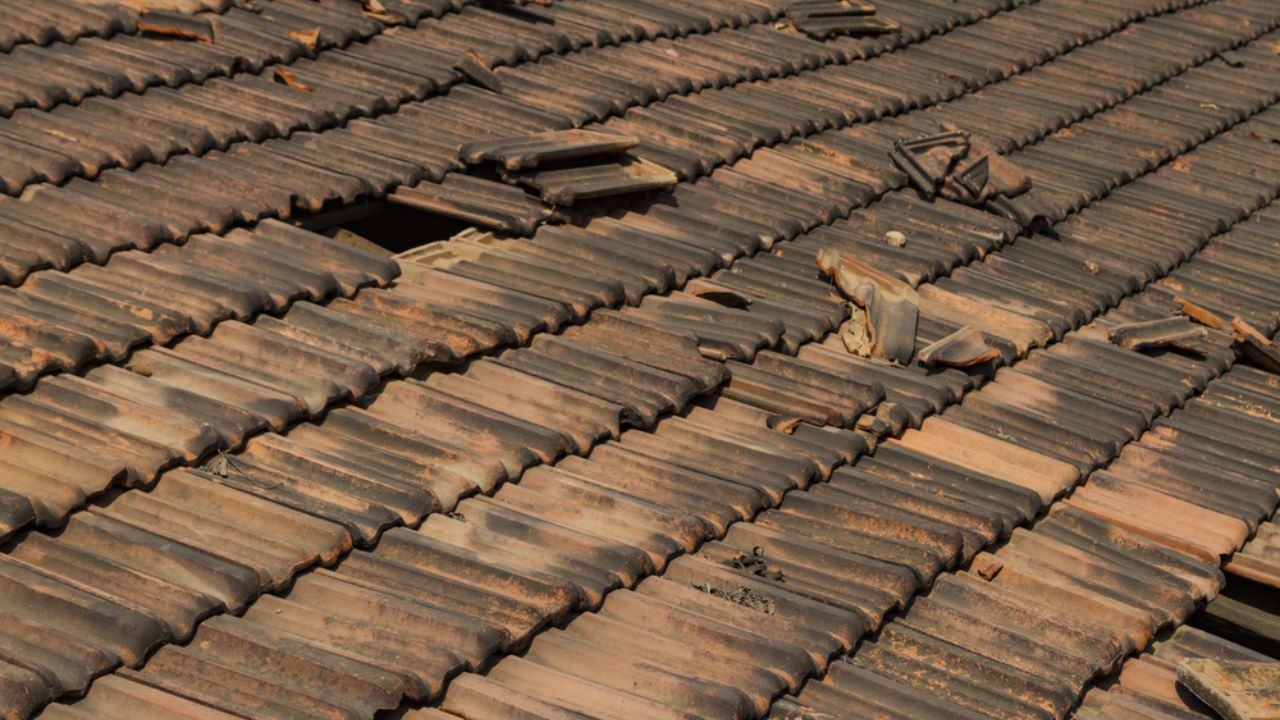
Wasps often return to the same structures because they can easily slip through gaps in siding, vents, or roofing edges. Caulk, weather stripping, and mesh screens can all help block these entry points, removing their favorite nesting spots.
Sealing these vulnerable access points is recommended if you don’t wish to see some nasty lodgers this summer. Yet, while some might report success with the annual wasp problem, one must be careful to make sure none have already settled.
“If they find their primary exit blocked, they won’t simply give up and die they’ll seek another way out,” advises Rockland Bee Removal. “More often than not, this new escape route will lead them into your home.”
6. Keep Trash Bins Sealed and Clean

Food waste is one of the biggest attractants for wasps. Sweet drinks, fruit scraps, and meat leftovers are essentially a buffet for them. Garbage cans can easily attract colonies if they are left open or unclean. The aroma of rotting food waste draws wasps looking for energy sources.
“Wasps are also scavengers, and they can often be found flying around garbage bins looking for their next meal,” Karen Brewer Grossman of Southern Living. “The trash may be full of sticky residues, sweet liquids, and food scraps that wasps like.”
7. Use Commercial Wasp Spray
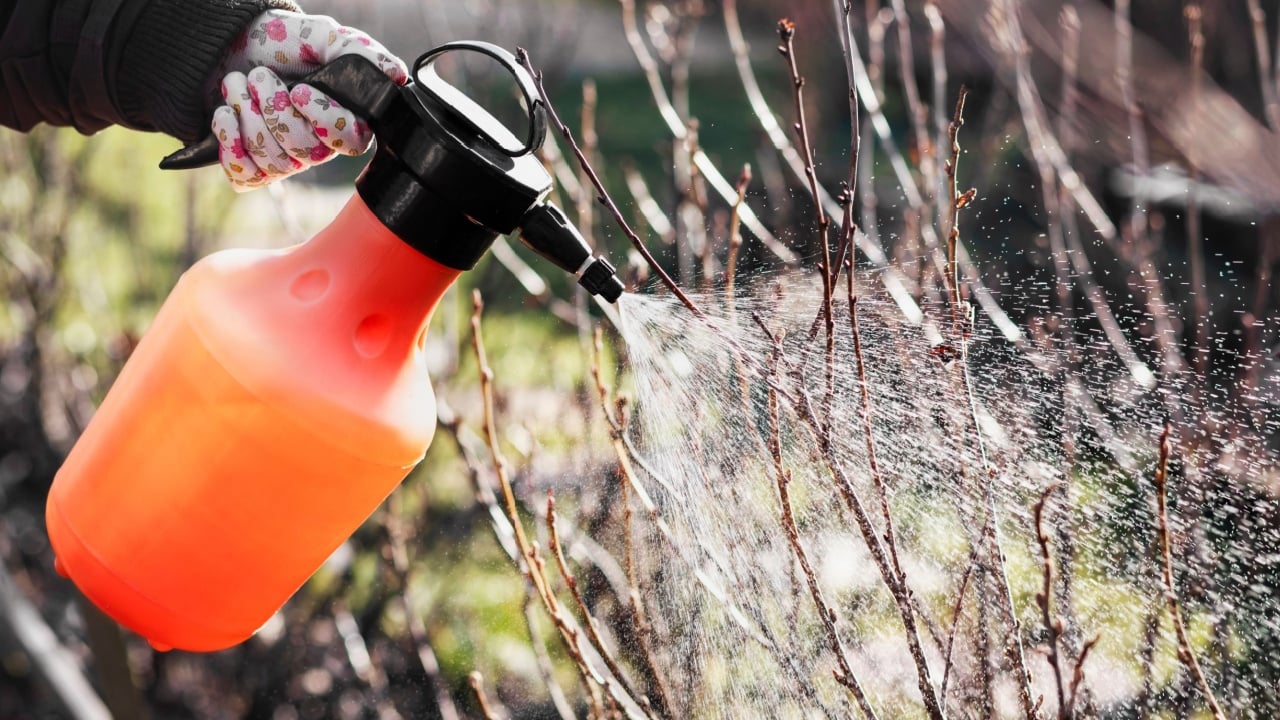
When nests are large or hard to reach, commercial insecticides designed for wasps may be necessary. These sprays shoot long streams that allow people to stay several feet away from the nest. It’s best to apply these sprays at dusk when most wasps have returned to the nest. For nests under rooflines, praying the entrance first prevents wasps from escaping and reduces the chance of stings.
“Once a nest has been thoroughly sprayed with a pesticide, it is best to leave it alone and return to remove it the next day,” reads a page from specialist site Terro. “If there are any surviving hornets or wasps, they will return back to the nest and the residual effects of the spray will eliminate those insects as well.”
8. Spread Burned Coffee Grounds
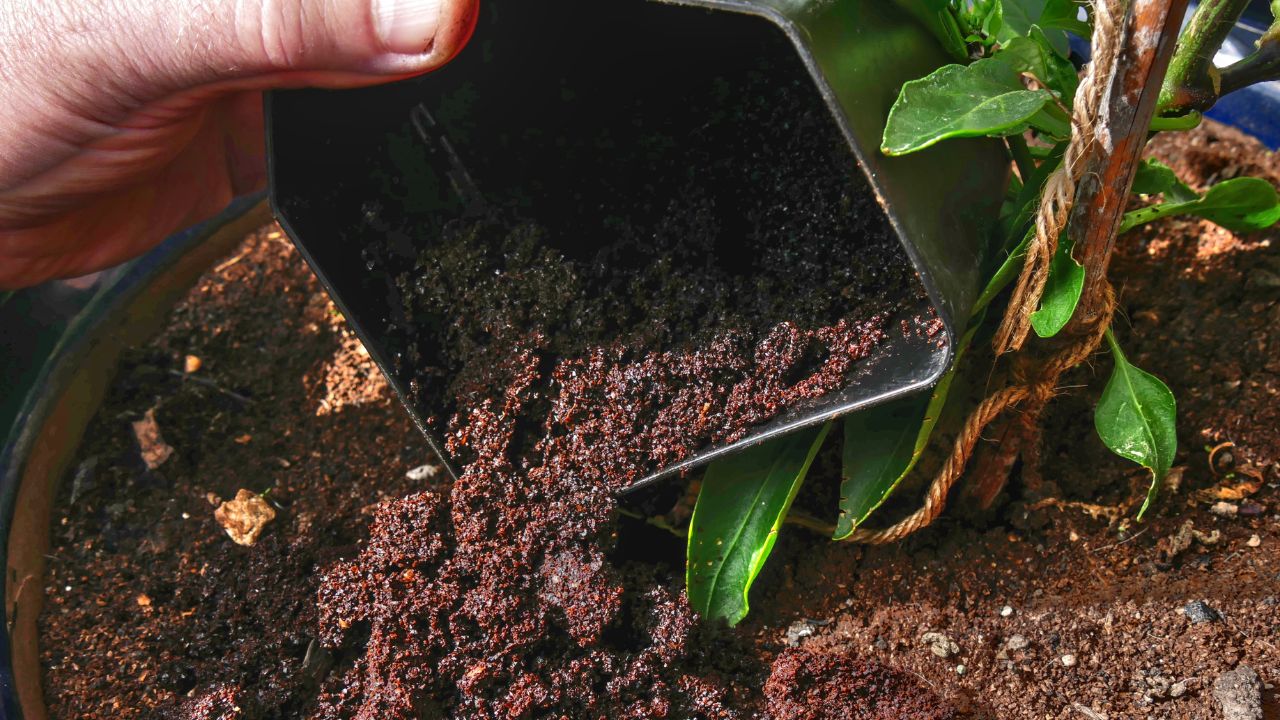
An unusual but widely shared trick involves burning used coffee grounds in a heatproof dish. The smoke acts as a natural repellent.
Pest-control professionals often mention the method as a scent deterrent. Experts interviewed in The Sun say that burning coffee grounds produces a strong smell that discourages wasps from hovering nearby.
British pest control expert Adam Juson says, “The burning coffee powder gives off smoke and scent that wasps can’t stand.”
9. Remove Rotting Wood and Nesting Materials

Wasps construct their nests from tiny fibers scraped from weathered wood. Things like old, decaying wood piles, exposed fence posts, or aging siding also provide perfect building material for new colonies.
Pest-control guides frequently point out this overlooked factor. The Pest Control Gurus management guide explains that wasps gather fibers by scraping wood and “mix it with their saliva to create paper pulp” that forms their nests.
Many homeowners notice fewer nests once they repair damaged wooden structures or remove old wood piles from their yard. Eliminating those raw materials makes it harder for colonies to establish themselves nearby.
10. Use Boiling Water on Ground Nests
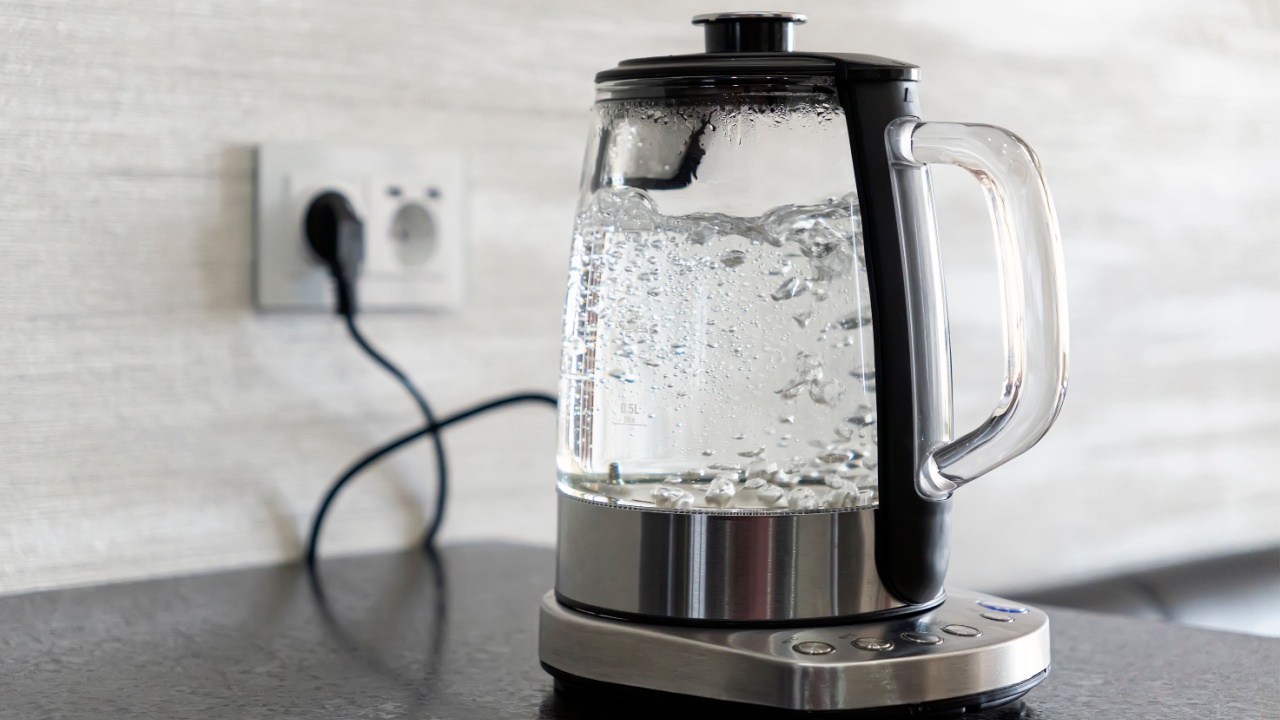
Ground-dwelling wasps can be particularly frustrating because their nests are hidden below the surface. One surprisingly simple technique for eliminating these colonies is pouring boiling water into the nest entrance.
Home improvement guides sometimes recommend this method for accessible ground nests. HGTV explains that homeowners can pour boiling water directly onto reachable nests to destroy them. Be warned: it may take several treatments before the colony abandons the site.
If you discover nests in garden beds or lawn edges, this might work for you. The sudden heat damages the nest structure and kills many of the insects inside, forcing the colony to relocate. Still, be sure to wear the right clothing if you feel brave enough to attempt this method.
11. Set Homemade Vinegar Traps

Instead of attacking the nest directly, some homeowners prefer to lure wasps away from areas where people gather. Vinegar traps are one of the simplest methods for doing this.
Household pest guides frequently mention vinegar’s effectiveness when combined with sweet bait. Good Housekeeping‘s Alyssa Gautieri says, “acetic acid, the ingredient found in vinegar, mixed with water, is an effective solution that lures wasps and other pests.”
Such traps use jars or plastic bottles filled with vinegar, sugar, and water. The sweet scent draws the insects inside, while the vinegar mixture prevents them from escaping. Over time, it can reduce the number of wasps hovering around outdoor living spaces.
12. Ways Not to Remove Wasps

Of course, this guide wouldn’t be complete without examples of what you shouldn’t do if faced with a wasp problem. Needless to say, the following steps might result in extreme pain or suffering, and not just for the wasps.
Burning the nest may sound like the most fun way imaginable, but one must consider the implications: property and neighbors could get in the way. Home insurance premiums might also go up in the event of a wasp-inspired fire. Furthermore, using a broom is also a surefire way to merely anger the swarm, as evidenced by countless viral videos.
Yet, my favorite doomed example of wasp removal would be spraying the garden hose at a settled colony. It might sound like a good idea. Realistically, the only thing you’ll accomplish is setting a new personal record for how fast you can sprint back into the house.