14 Items to Always Wash Before Using for the First Time
Unboxing something new always feels like a win. Fresh sheets, a new kitchen gadget, or even a small everyday item can be hard to resist using right away. But that “new” smell doesn’t always mean clean. Most items have already been through factory floors, storage shelves, and long shipping routes before they reach you.
In reality, these products can sit in warehouses for months, picking up dust and traces of industrial residue along the way. Giving them a quick clean before first use is a simple way to protect both your home and your health.
Here’s a closer look at the everyday items that deserve a quick wash or wipe before you start using them, and why it actually makes a difference.
1. New Clothing
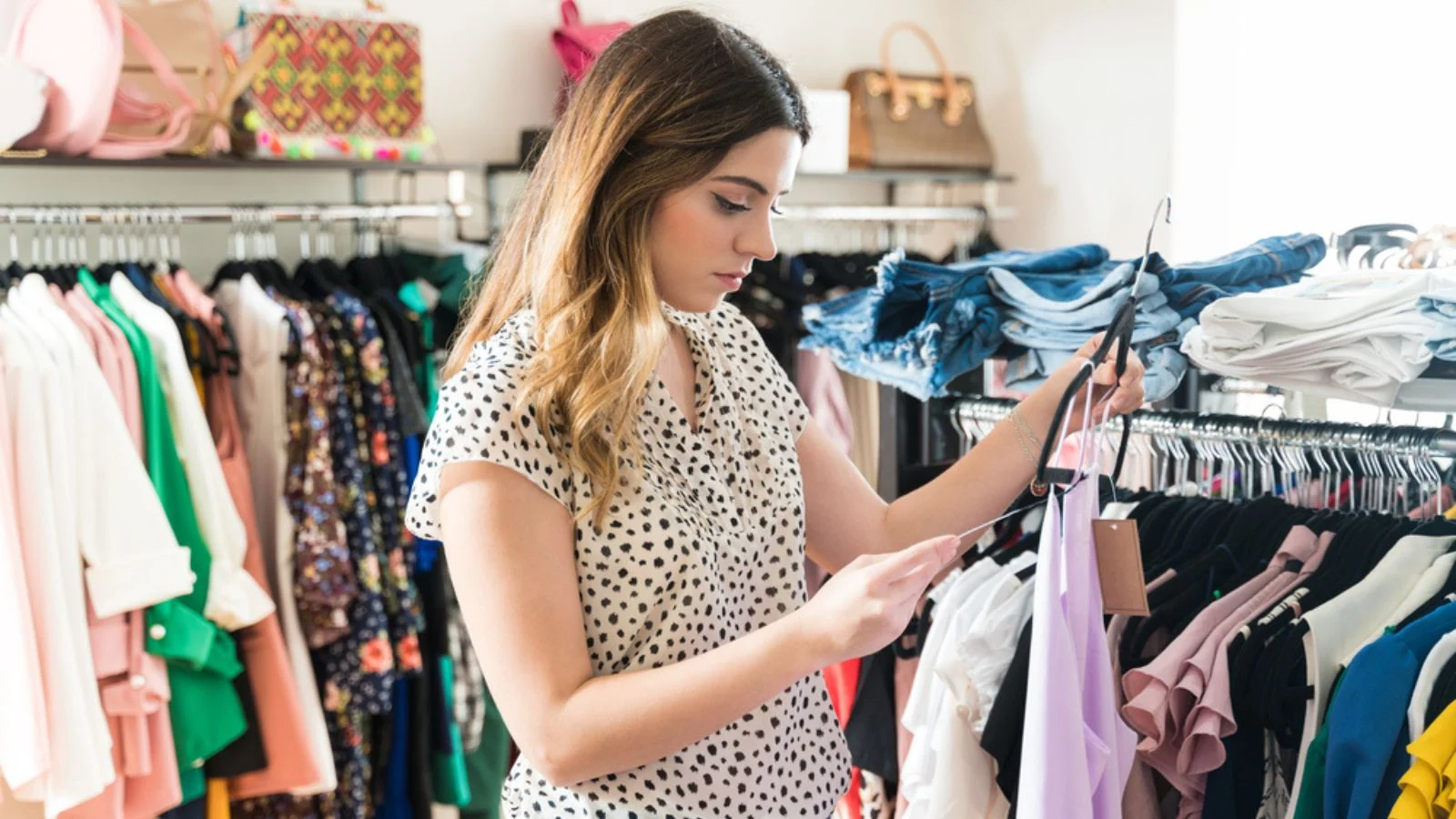
New garments often carry more than just a price tag. Fabrics are frequently treated with finishing agents like formaldehyde to prevent wrinkles and mildew during long transit times in shipping containers. These chemicals can cause skin irritation or allergic reactions in many people.
Washing clothes first also removes excess dyes that might otherwise rub off on your skin or other furniture. Use a gentle cycle and follow the care label to maintain the shape while stripping away the factory residue.
Quick tip: Launder to remove chemicals and dyes. Use cold water to prevent shrinking.
2. Bed Sheets and Pillowcases

Bedding spends hours in direct contact with your skin and respiratory system. Manufacturing facilities are often dusty environments, and sheets are frequently treated with stiffening agents to keep them looking flat in the packaging. These starches can feel abrasive and may irritate the face or eyes.
A quick trip through the wash softens the fibers and ensures a more comfortable sleep. Adding a cup of white vinegar to the first rinse can help lock in colors and strip away any lingering industrial scents.
Quick tip: Wash to remove stiffening starches and dust. Add vinegar for extra softness.
3. Bath Towels
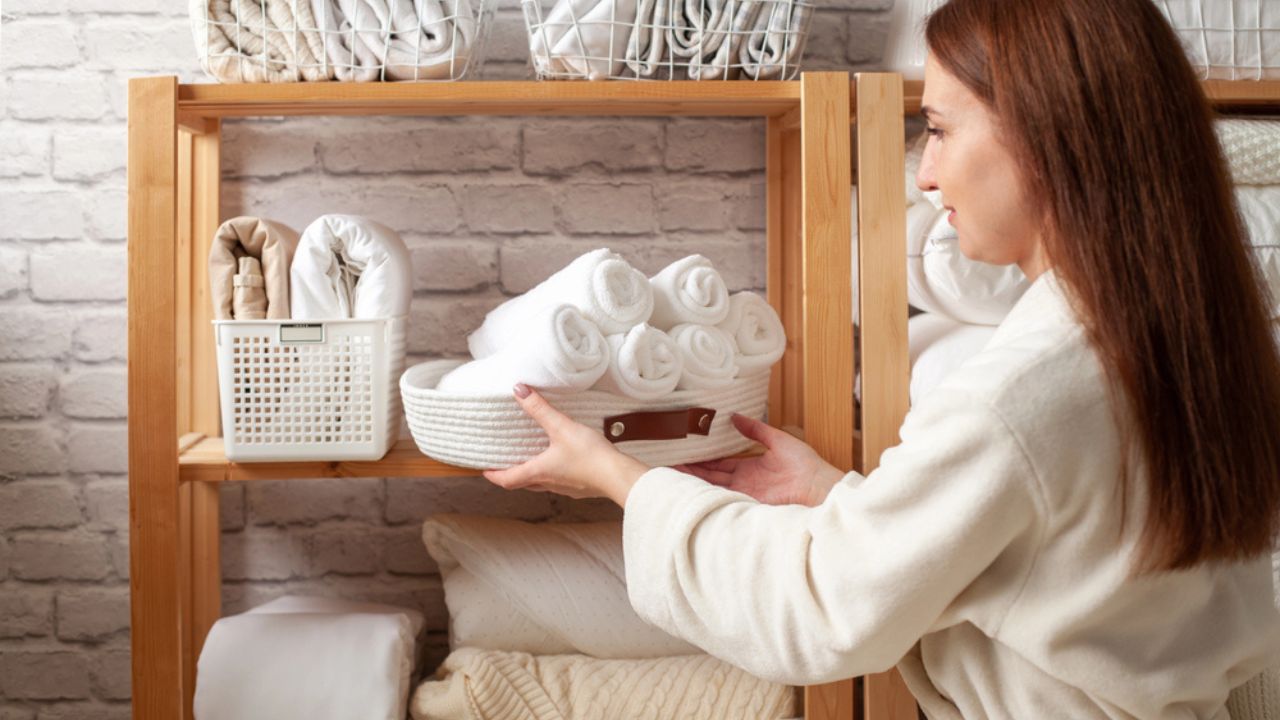
Brand new towels often feel incredibly soft in the store, but that fluffiness is usually the result of silicone coatings. These finishes make the fabric look appealing on the shelf but actually repel water, making the towel less effective at drying you off.
Pre-washing strips these coatings away so the cotton fibers can actually absorb moisture. Avoid using fabric softener during this first wash, as it can reapply a water-repellent layer to the loops.
Quick tip: Strip silicone coatings for better absorbency. Skip the softener.
4. Cookware and Frying Pans
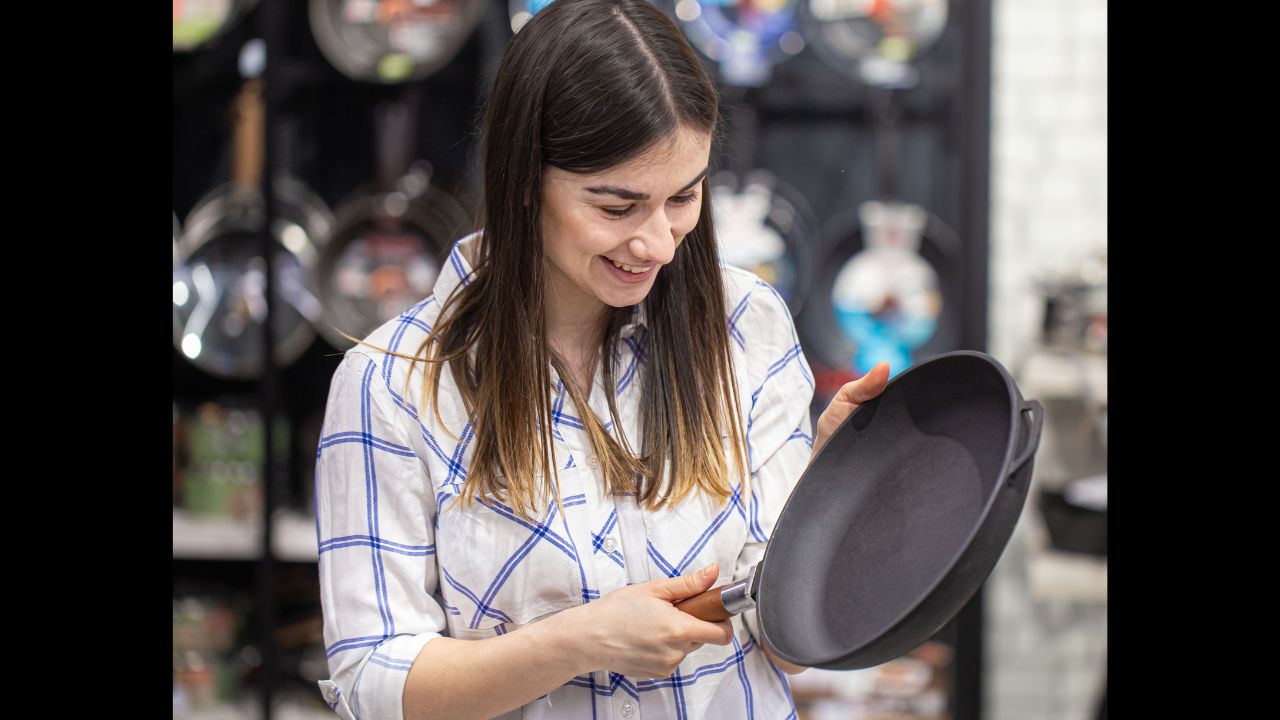
Pots and pans often arrive with a fine layer of machine oil or polishing compounds to protect the metal from tarnishing. While these substances keep the pans shiny, they are not meant to be heated or ingested. Heating an unwashed pan can also cause these oils to smoke and leave a permanent stain.
Warm, soapy water is usually enough to clear away these residues. For stainless steel, a quick wipe with a bit of lemon juice can help remove any stubborn buffing compound left behind by the factory.
Quick tip: Remove industrial oils and polishing wax. Hand wash with dish soap.
5. Silverware and Cutlery
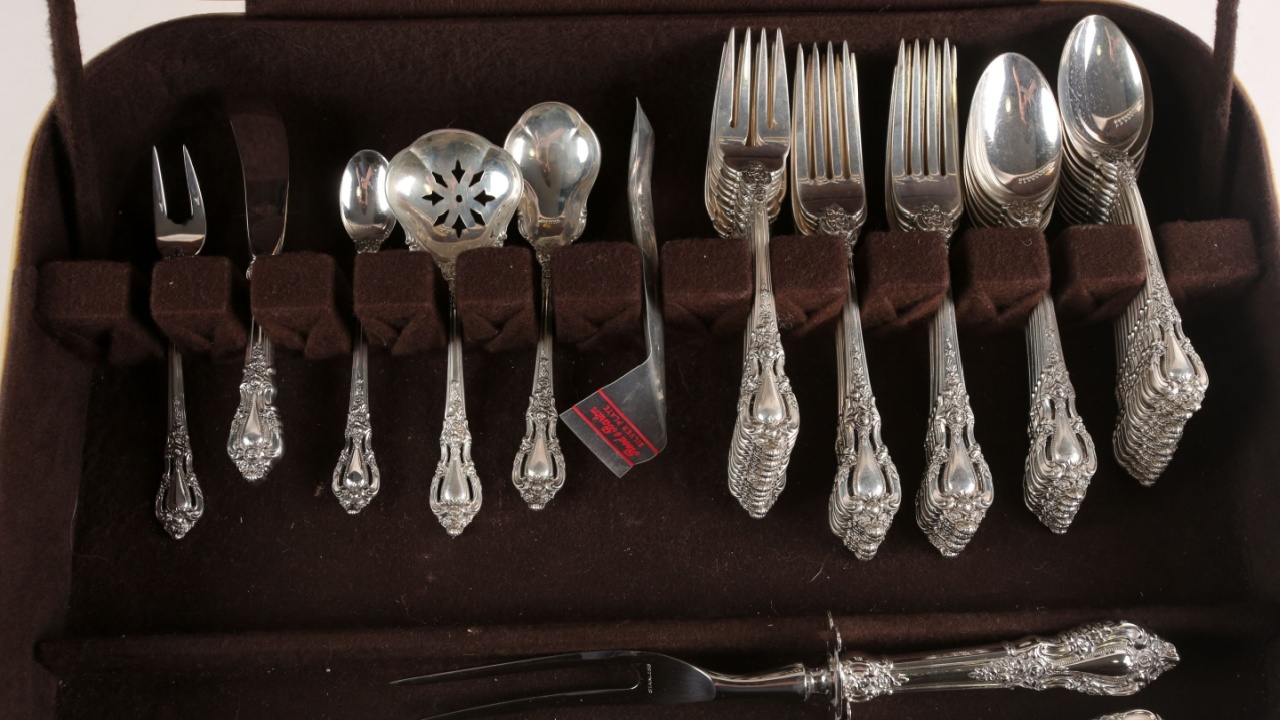
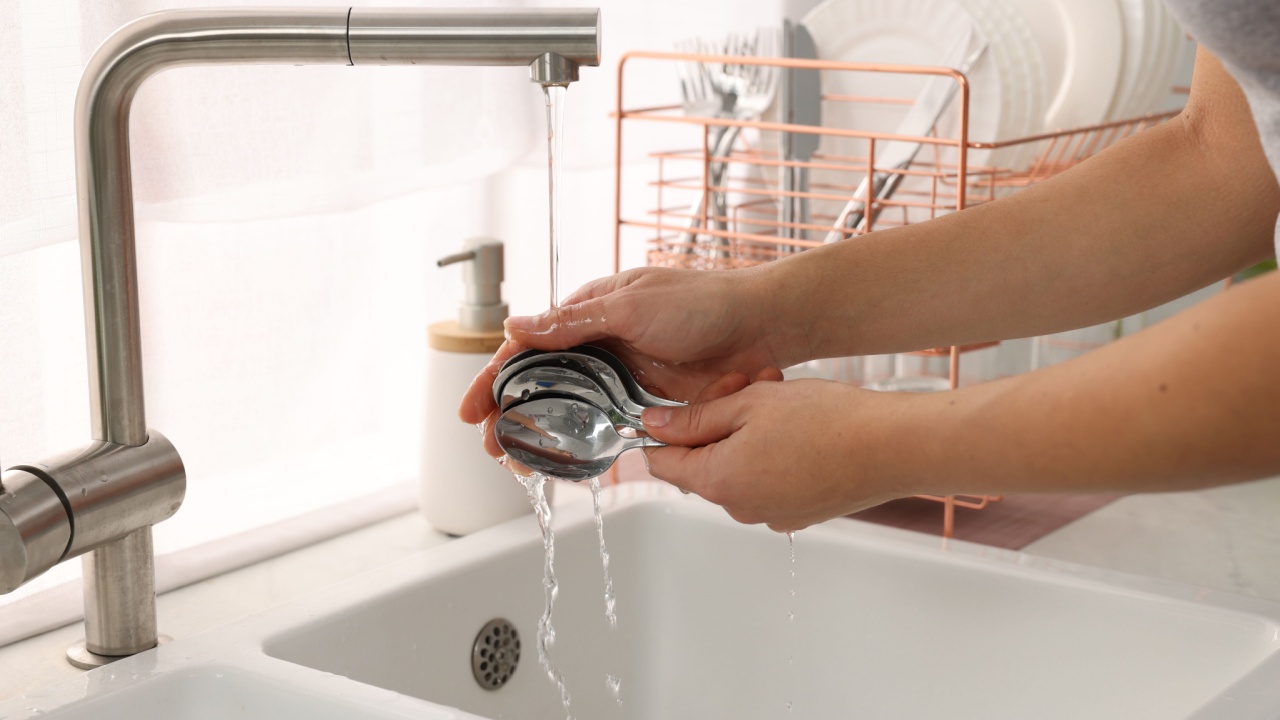
Utensils are handled by numerous machines and potentially many people during the packing process. Beyond the hygiene factor, many manufacturers apply a thin protective film to prevent scratches while the forks and spoons rub against each other in the box.
Run these through a dishwasher cycle or give them a thorough hand wash. Checking for any remaining adhesive from stickers is also a smart move before they touch your food.
Quick tip: Clean off protective films and packing dust. Check for sticker residue.
6. Reusable Water Bottles and Tumblers
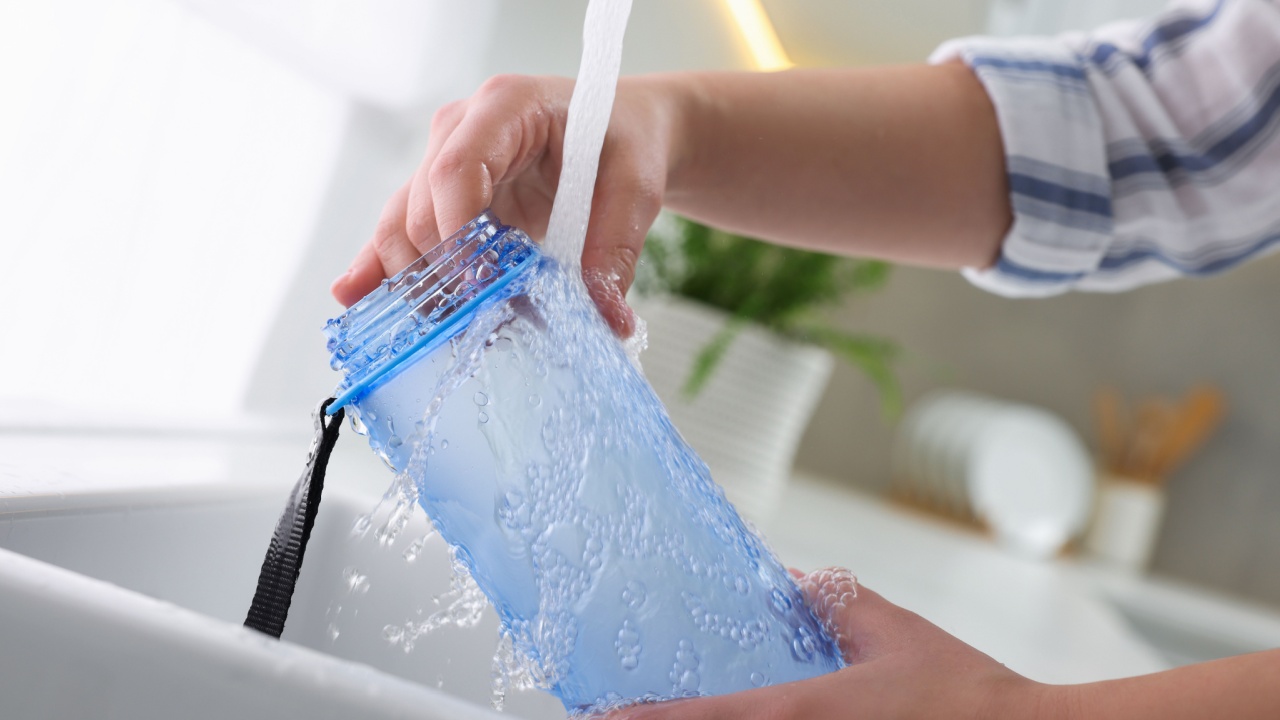
The interior of a new water bottle is a prime spot for trapped factory dust or plastic particles. Bottles that have been sitting on store shelves have also been exposed to airborne contaminants and the touch of curious shoppers.
Hand washes with a bottle brush to reach every corner of the interior. If the bottle is plastic, a quick rinse helps remove any “new plastic” scent that might ruin the taste of your water.
Quick tip: Scrub the interior to remove dust and plastic scents. Use a bottle brush.
7. Kitchen Tools and Gadgets
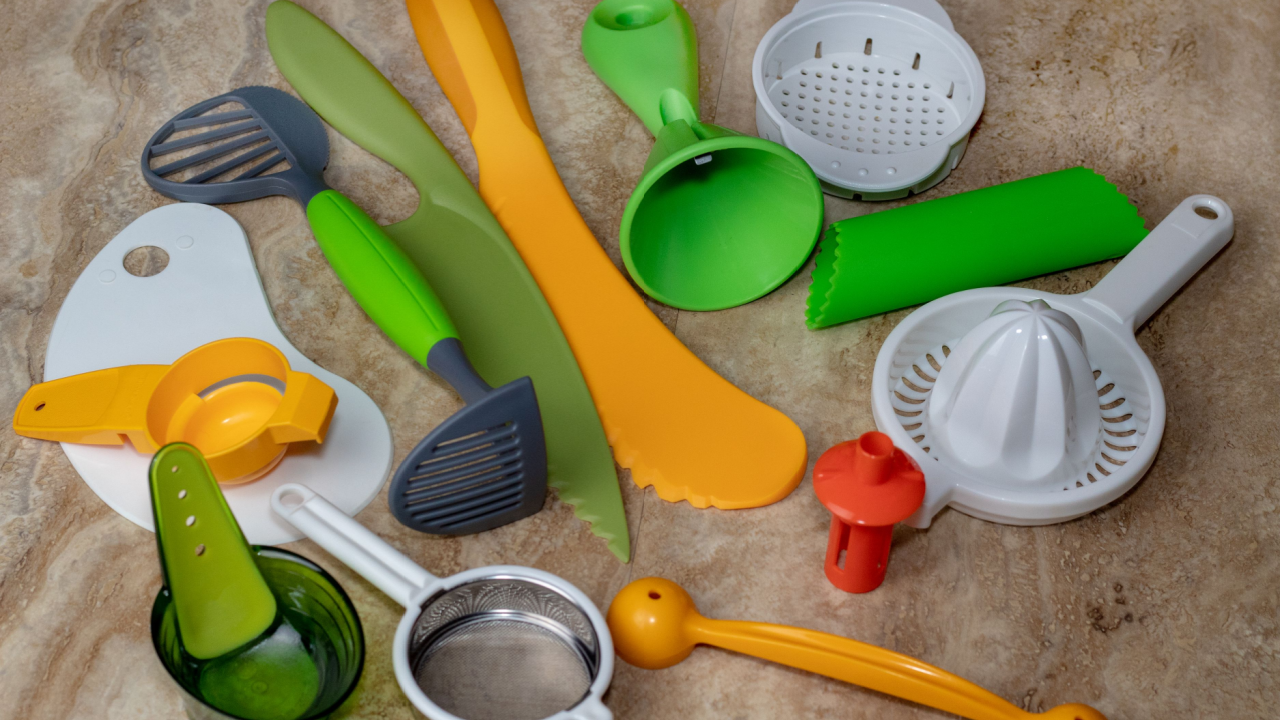
Items like spatulas, whisks, and graters have many small crevices where manufacturing debris can hide. Graters, in particular, may have tiny metal shavings left over from the sharpening process that you definitely want to avoid eating.
A thorough soak in hot, soapy water helps loosen any hidden particles. Pay close attention to hinges or moving parts on tools like can openers or garlic presses.
Quick tip: Clear out metal shavings and factory dust. Focus on crevices and hinges.
8. Baby Toys

Infants explore the world with their mouths, making the cleanliness of new toys a high priority. Plastic toys often have chemical releases from the molds used to shape them, while plush toys can harbor dust mites and fabric treatments.
Wipe down hard toys with a mild, baby-safe soap and water. For plush items, a gentle machine wash or a session with a garment steamer can sanitize the material without damaging it.
Quick tip: Sanitize hard surfaces and steam plush items. Use non-toxic cleaners.
9. Underwear and Lingerie
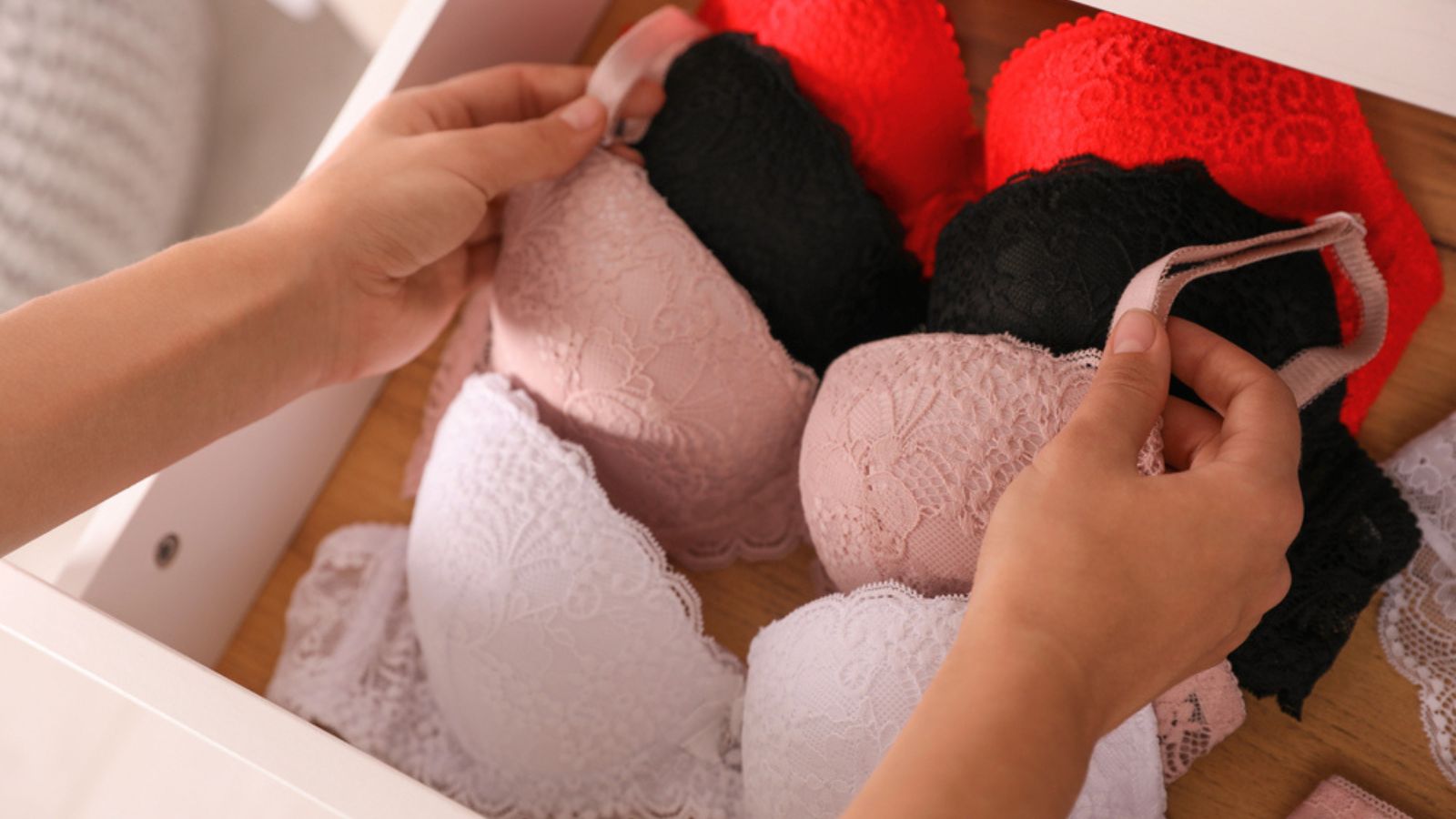
Intimate apparel sits against the most sensitive areas of the body, making the presence of factory chemicals or “trial-run” bacteria especially problematic. Even if the store has a policy about trying these items on, it is impossible to know what they encountered before being bagged.
Use a delicate wash bag to protect lace or elastic while ensuring the fabric is clean. This simple step prevents potential rashes or infections.
Quick tip: Remove bacteria and irritants. Use a mesh laundry bag for protection.
10. Dining Plates and Bowls

Ceramic and glass dinnerware often arrives with a film of dust or cardboard fibers from the packaging. In some cases, there may even be lead-based dust from the firing process in certain types of pottery that should be cleared away.
A standard dishwasher cycle is the easiest way to prepare these for your next meal. It also helps you spot any cracks or chips that might have occurred during shipping.
Quick tip: Wash away packaging dust and debris. Inspect for shipping damage.
11. Reusable Grocery Bags
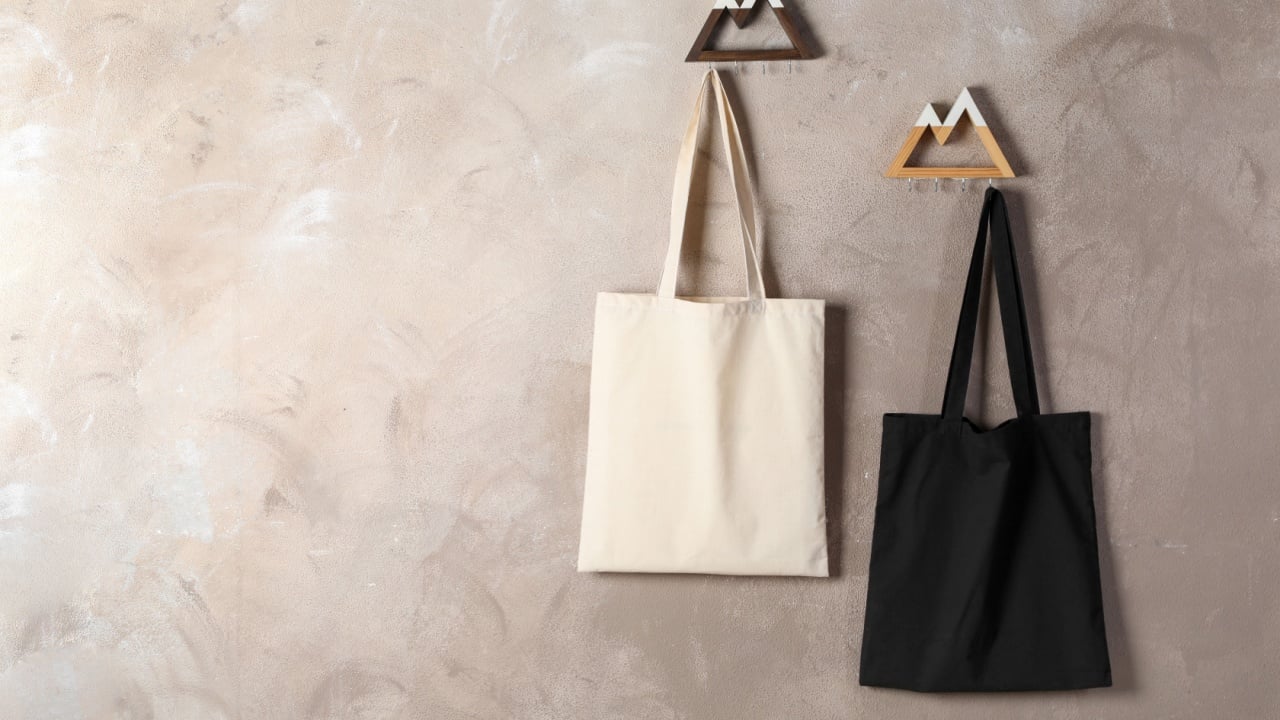
Fabric grocery bags are often treated with chemicals to make them more durable or water-resistant. Since these bags will carry produce and other food items, you want to ensure they are free of industrial residues before the first trip to the market.
Machine wash canvas bags on a warm cycle. For plastic-lined bags, a thorough wipe-down with a disinfecting cloth will do the trick.
Quick tip: Remove chemical coatings. Launder canvas or wipe down plastic liners.
12. New Appliances (Toasters and Ovens)
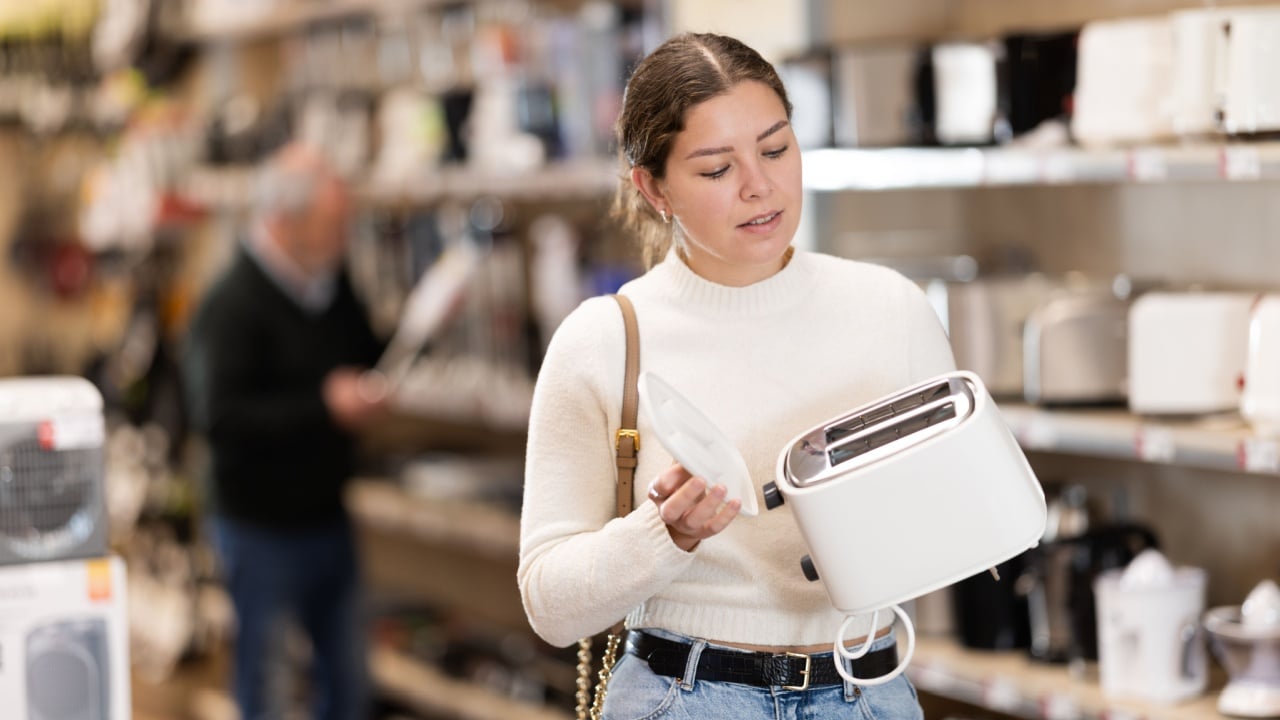
Small appliances like toasters or air fryers often have “burn-off” periods. Manufacturers leave coatings on heating elements to prevent rust, and these can produce a foul smell or light smoke the first time they get hot.
Clean the removable parts with soap and water, then run the appliance empty in a well-ventilated area. This ensures that the first batch of food you cook doesn’t taste like an industrial factory.
Quick tip: Wash removable trays and run a “burn-off” cycle. Ventilate the room.
13. Toothbrush Holders and Soap Dispensers

Bathroom accessories are often forgotten, but they are frequently handled by customers in the store. Since these items sit near your hygiene products, starting with a clean surface is essential.
Rinse these items thoroughly to remove any ceramic dust or factory residues. Drying them completely before filling them prevents moisture from being trapped in the pumps.
Quick tip: Rinse away store germs and dust. Dry fully before use.
14. Plastic Food Containers
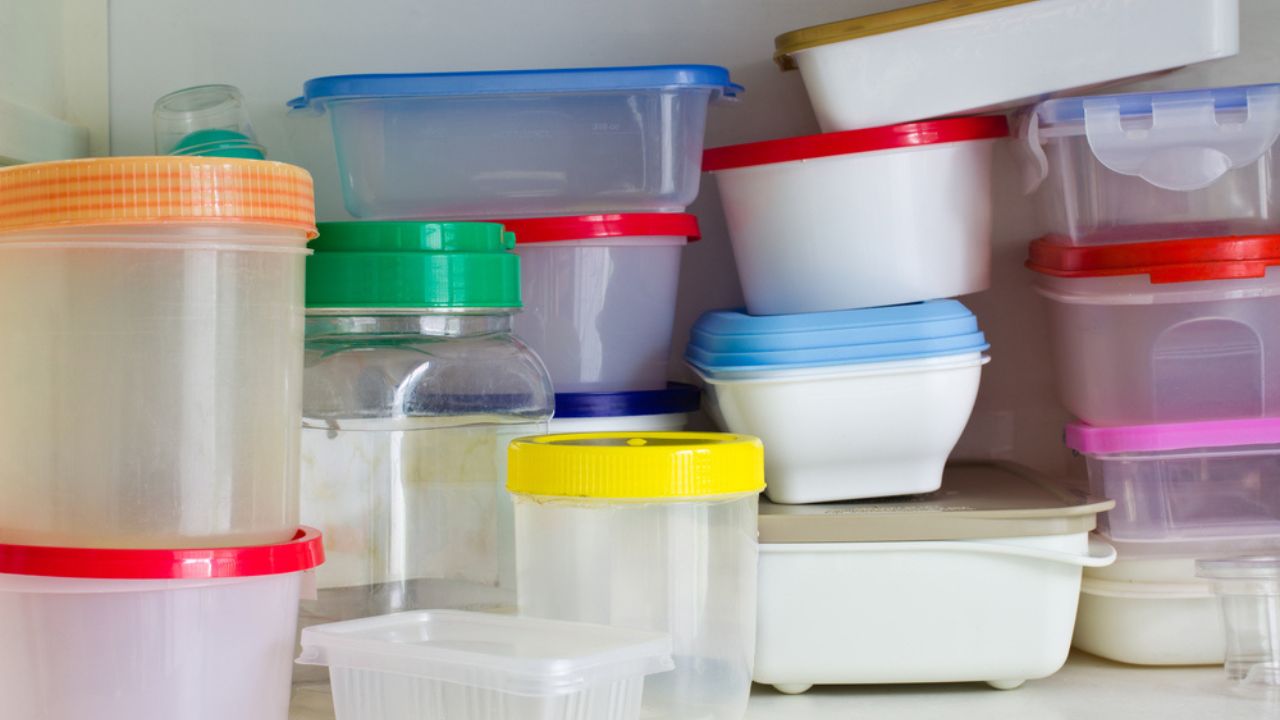
Even if they are labeled “BPA-free,” new plastic containers can have a chemical film from the manufacturing process. This film can sometimes transfer an unpleasant taste to leftovers or meal-prepped lunches.
Wash them in the top rack of the dishwasher or by hand. This also removes any static-cling dust that often sticks to plastic surfaces.
Quick tip: Strip chemical films and static dust. Use the top rack of the dishwasher.
Start Fresh: Make Clean a Habit From Day One
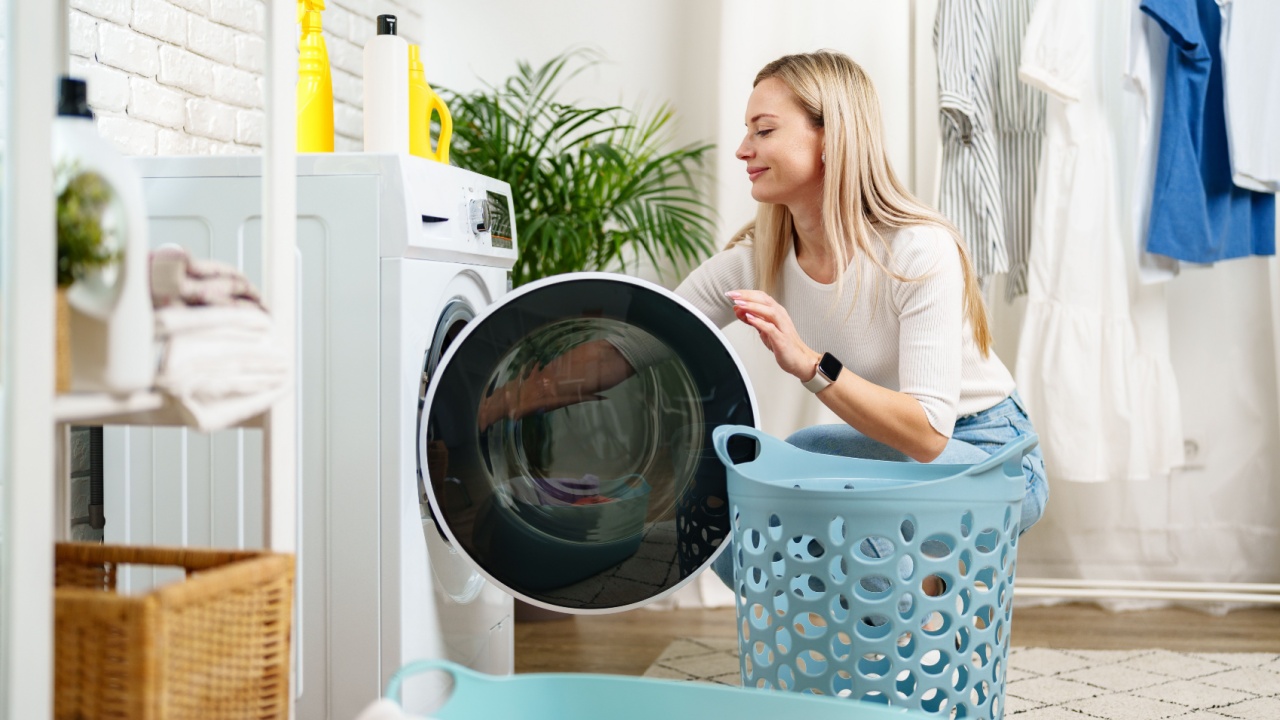
Taking a few simple steps at the start makes sure everything you bring home is actually ready to use. Once it’s cleaned, you can relax and enjoy it without second thoughts. Keeping a small cleaning setup nearby turns this into an easy habit instead of a chore. A little effort in the beginning goes a long way in keeping things working well and lasting longer.
Read More: