14 Backyard Ideas to Support Local Wildlife and Their Habitats
Most well-manicured yards look tidy at a glance, but they are often silent in the ways that matter (for the worse). Fewer birds at dawn, fewer bees moving between flowers, fewer small creatures rustling in the background. As cities spread, these everyday sights are becoming harder to find, and many species are left without the basics they once relied on.
The good news is that even a small backyard can make a significant difference. When you think in terms of the four basics- food, water, shelter, and safe nesting space- it becomes much easier to turn an ordinary yard into something alive and useful. Studies from conservation groups indicate that even small plots can serve as crucial stopovers for migrating species.
What follows are practical ways to make that shift. Nothing here requires a full redesign. A few thoughtful changes can bring surprising results over time.
1. Install a Bird Bath with Different Depths
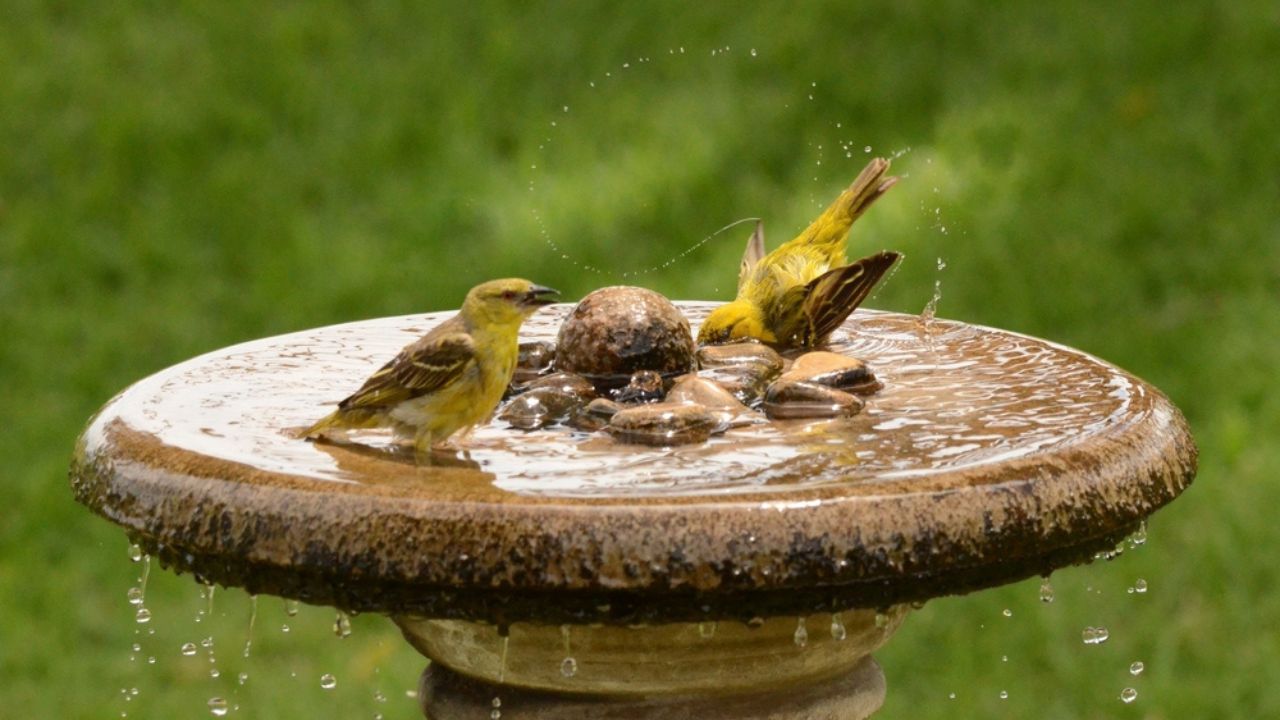
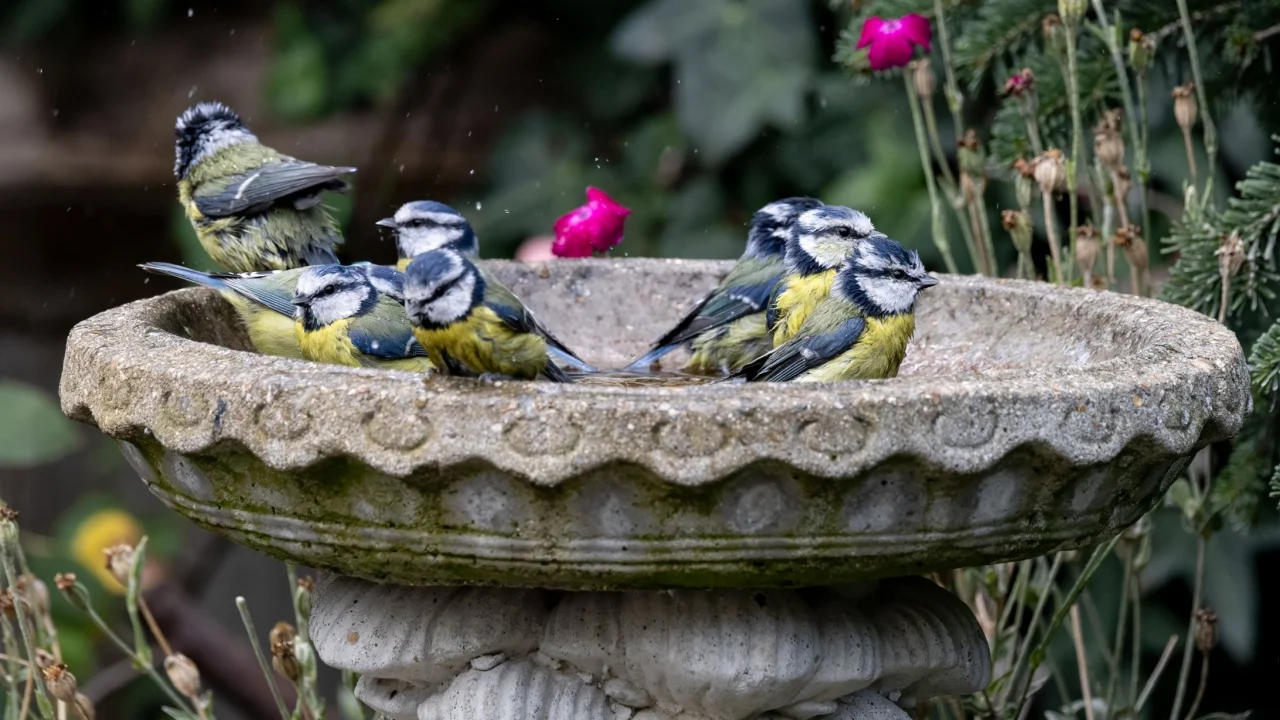
Birds need water every day, not just for drinking but for keeping their feathers in good condition. A flat, deep bowl may look fine, but it often excludes smaller birds that cannot stand safely in deeper water. A better setup includes shallow areas and gradual depth changes so different species can use it comfortably. Adding a few flat stones in the center creates safe landing spots. This also helps insects like bees drink without slipping under.
Placement matters too. Keep the bath near shrubs so birds have somewhere to dart if they feel threatened. Cleaning is just as important as setting it up. Stagnant water quickly attracts algae and mosquito larvae, so a quick scrub a couple of times a week keeps things safe. In colder months, a small heater can make a big difference by keeping water from freezing.
Quick Tips:
- Add flat river rocks to the center to create various water depths.
- Change water every forty-eight hours.
2. Plant Native Flowering Species
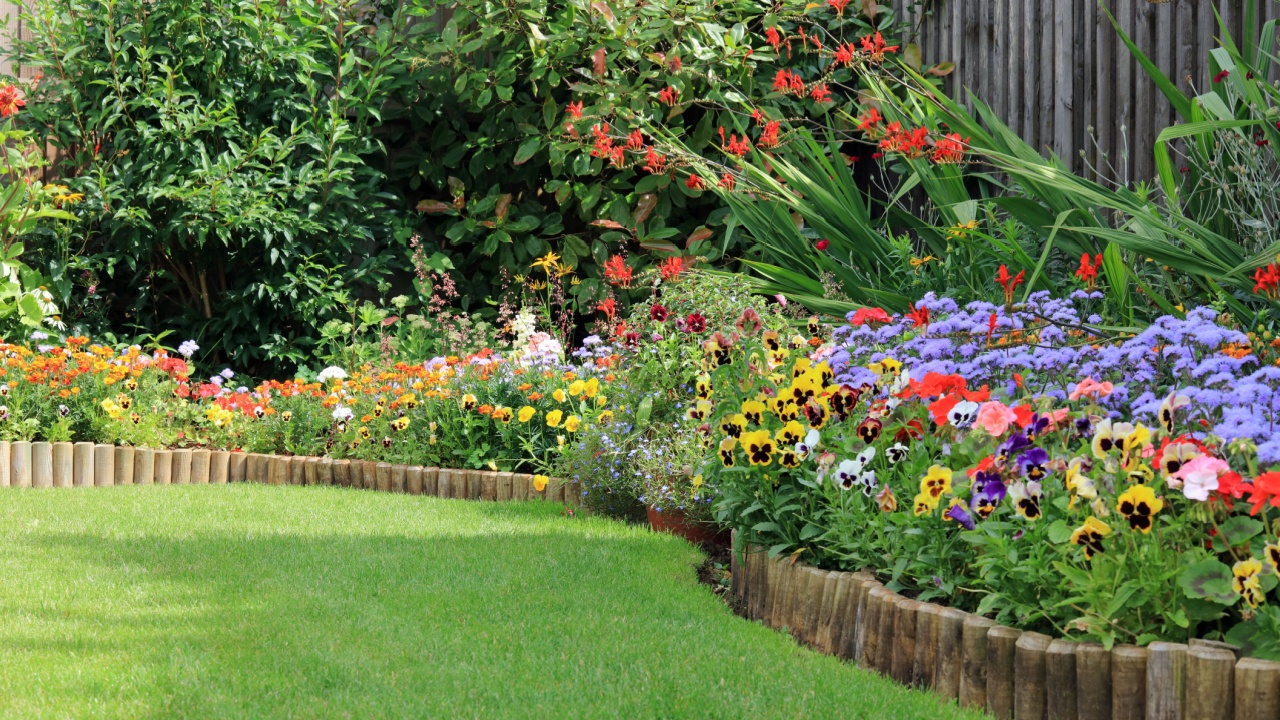
Native plants tend to do far more for wildlife than decorative imports. They have developed alongside local insects and birds, which means they offer the right kind of nectar, pollen, and structure. Many store-bought ornamental flowers look attractive but provide very little actual nutrition.
Grouping similar plants helps pollinators find them more easily, especially bees that rely on visual clusters when foraging. It also helps to step back from pesticide use. Once you start planting for insects, it makes little sense to remove them. A few holes in leaves usually mean the system is working as it should.
Quick tips:
- Choose flowers with different bloom times to cover spring through fall.
- Remove invasive weeds that compete with native seedlings.
3. Create a Brush Pile
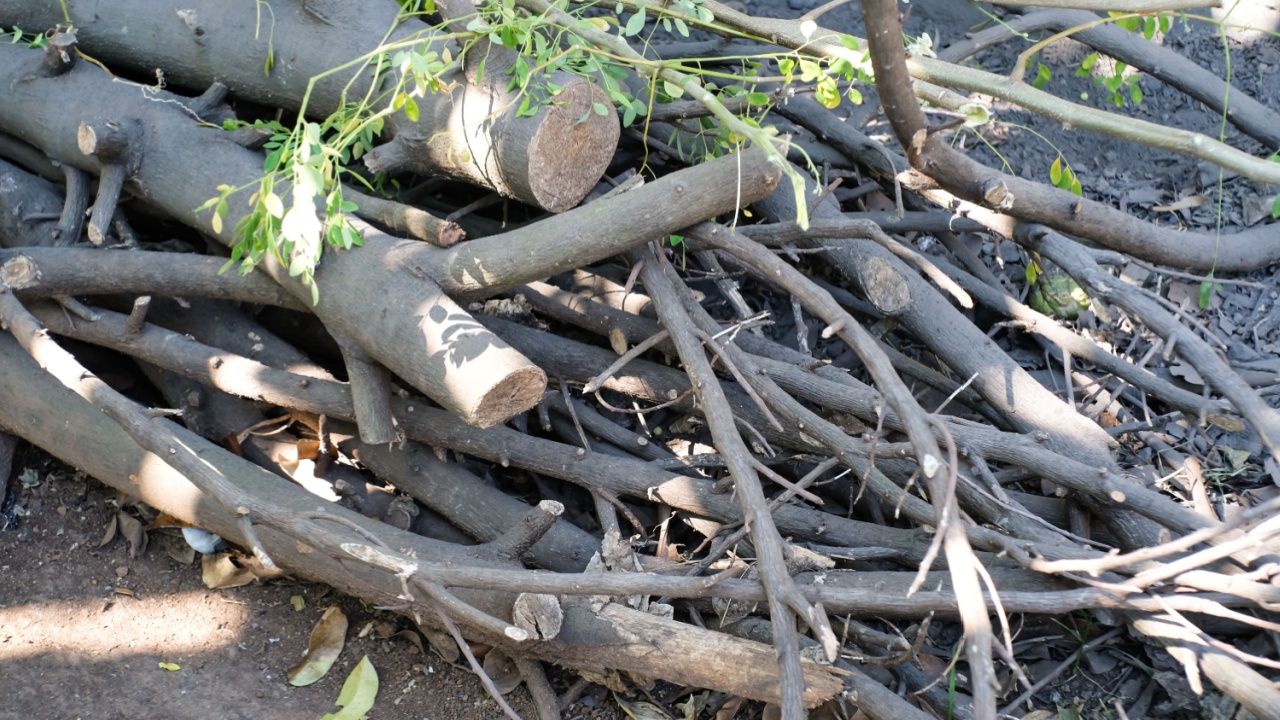
A perfectly tidy yard may look appealing, but it leaves very little room for wildlife to hide. A simple pile of branches and twigs can become one of the most active corners of the yard. Small animals use it for shelter during harsh weather, while insects move in as the wood begins to break down.
Start with larger logs at the base and layer smaller branches on top. The gaps between them create safe pockets where animals can rest or nest. The pile slowly decomposes, improving the soil beneath it. Keep it a short distance away from the house to avoid drawing insects too close to your structure. Once it is in place, it mostly takes care of itself.
Quick tips:
- Build the pile at least ten feet away from the house to keep wood-boring insects away from the structure.
- Add new branches annually as the bottom layers break down.
4. Set Up a Bat House
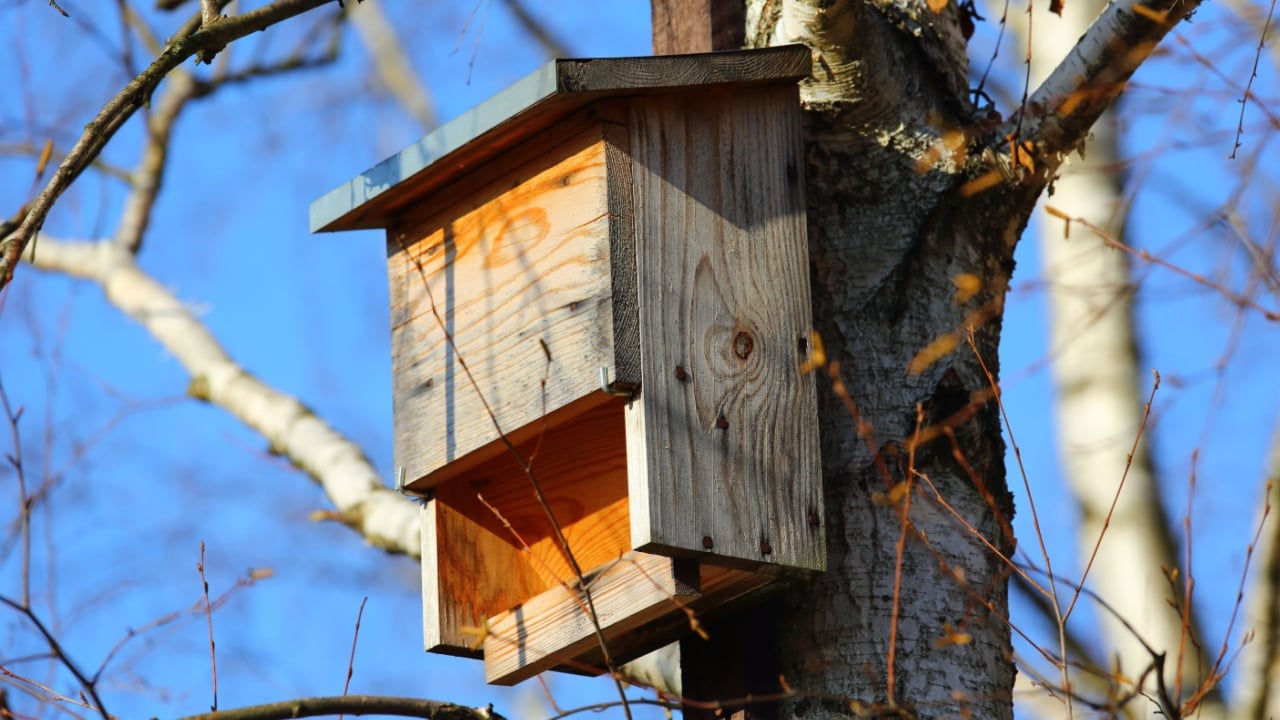
Bats are often overlooked, but they are among the most effective natural pest controllers. A single bat can eat thousands of insects in one night, including mosquitoes. With fewer natural roosting spots available, bat houses can help fill that gap.
Placement is key. Mount the house high, around fifteen to twenty feet, and aim it toward the morning sun. Warmth helps attract bats, so darker colors usually work better. Keep it away from bright lights since bats prefer darker, quieter areas. It may take time for bats to move in, but once they do, the benefits are noticeable.
Quick tips:
- Ensure the house has a landing strip at the bottom for easy entry.
- Clean out old nests or wasp dwellings during the winter when bats hibernate elsewhere.
5. Build a Simple Toad Shelter
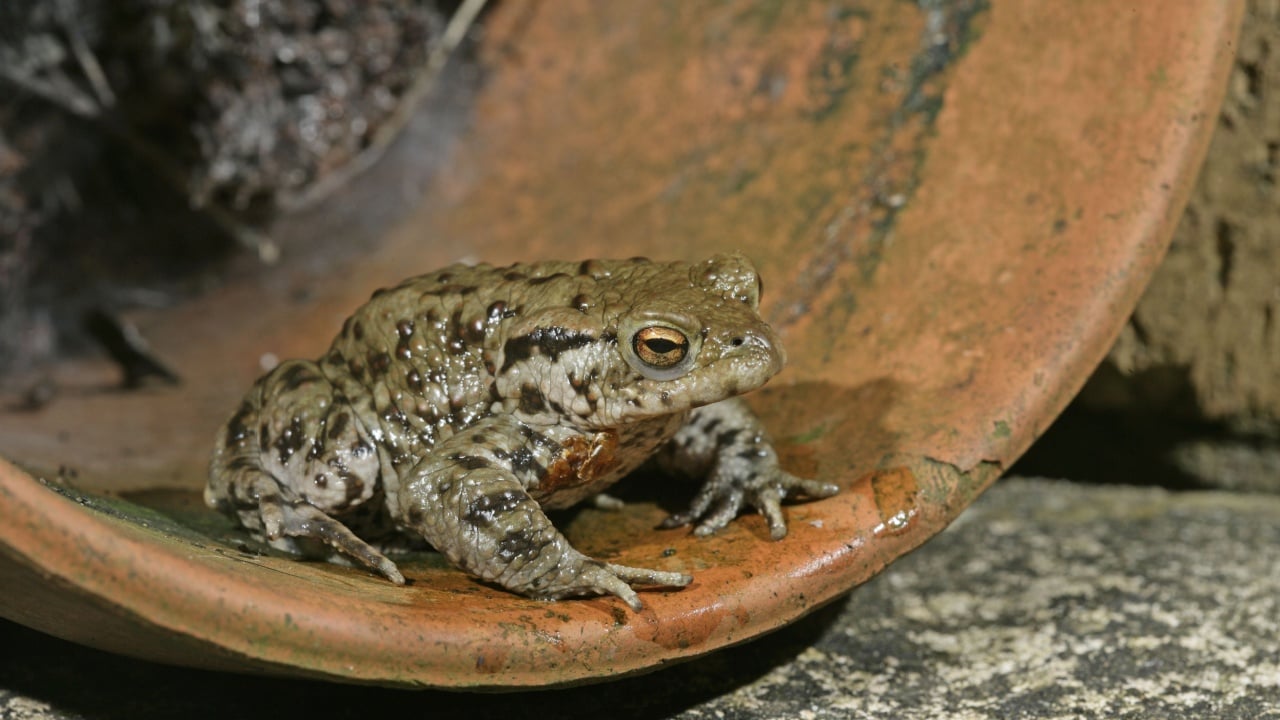
Toads spend most of their time out of sight, but they are valuable garden helpers. They feed on pests like slugs and beetles, which makes them useful in any yard. What they need most is a cool, damp place to hide during the day.
An overturned clay pot works well. Create a small opening and place it in a shaded area, preferably near plants or a water source. Partially burying it helps keep the inside cool. If the weather is dry, a light mist around the shelter helps maintain the right conditions.
Quick tips:
- Use a cracked pot or prop one side up with a stone to create an opening.
- Keep the area free of chemical fertilizers that harm amphibian skin.
6. Leave the Leaves in Autumn
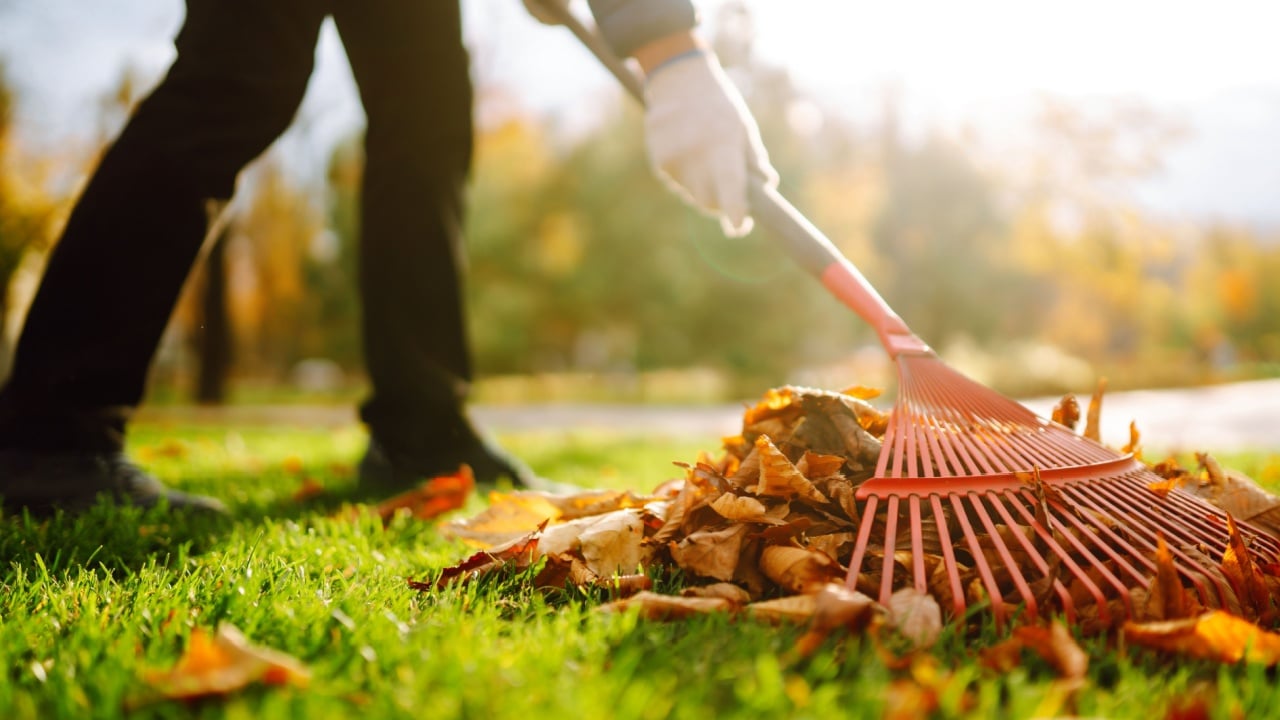
Clearing every leaf might make the yard look clean, but it removes an important winter habitat. Many insects spend the colder months hidden in leaf litter as eggs or pupae. By leaving a layer of leaves in garden beds, you support the next generation of pollinators.
Leaves also act as a natural mulch. They hold moisture in the soil, reduce weeds, and slowly break down into nutrients. Instead of removing them entirely, move them into beds or under trees where they can do some good. When spring arrives, wait until the weather warms consistently before cleaning up. This gives overwintering insects time to emerge.
Quick tips:
- Use a rake instead of a leaf blower to avoid damaging overwintering larvae.
- Wait until spring temperatures consistently stay above fifty degrees before cleaning up debris.
7. Add a Small Wildlife Pond
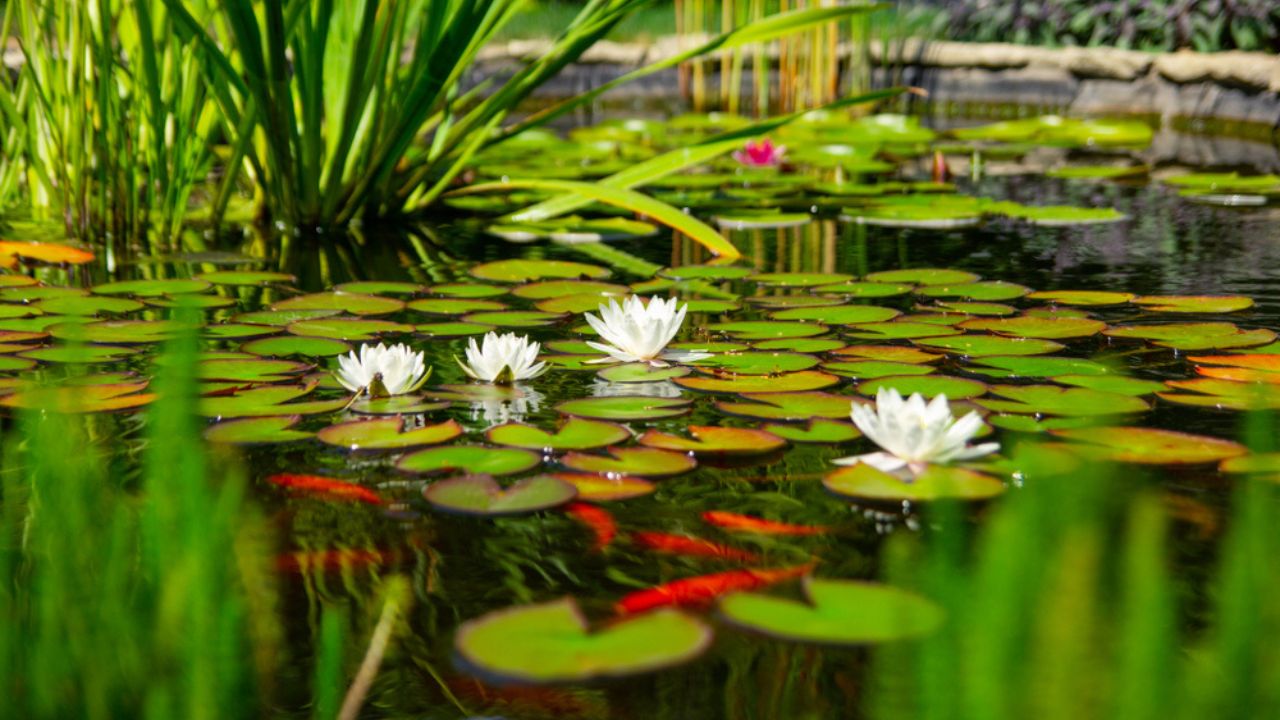
Even a small water feature can change the entire feel of a yard. A shallow pond attracts insects, birds, and amphibians that depend on still water. It does not need to be large. A simple liner or repurposed container can work.
Include a gentle slope or a few stones so animals can climb out easily. Aquatic plants help keep the water balanced by adding oxygen and providing shade. Moving water discourages mosquitoes, so a small solar bubbler can help maintain circulation.
Quick tips:
- Use a solar-powered bubbler to keep water moving and discourage mosquitoes.
- Remove fallen leaves periodically to prevent excessive nutrient buildup.
8. Install a Solitary Bee Hotel
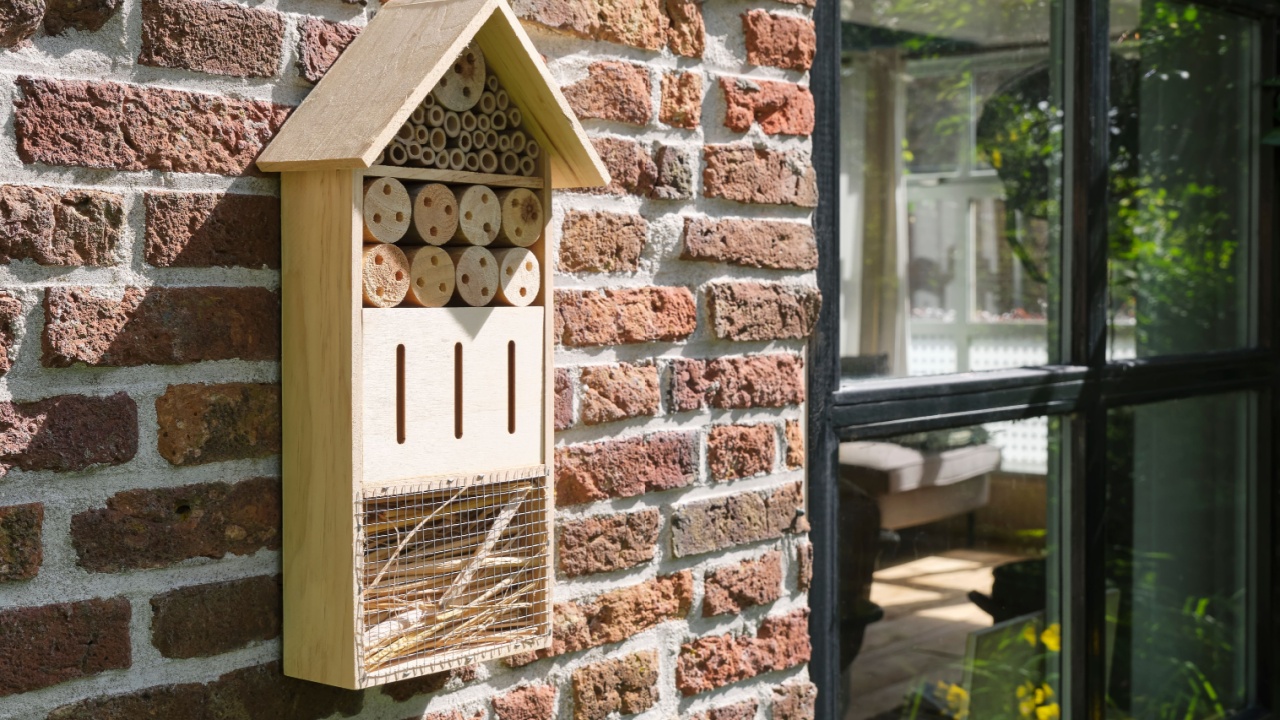
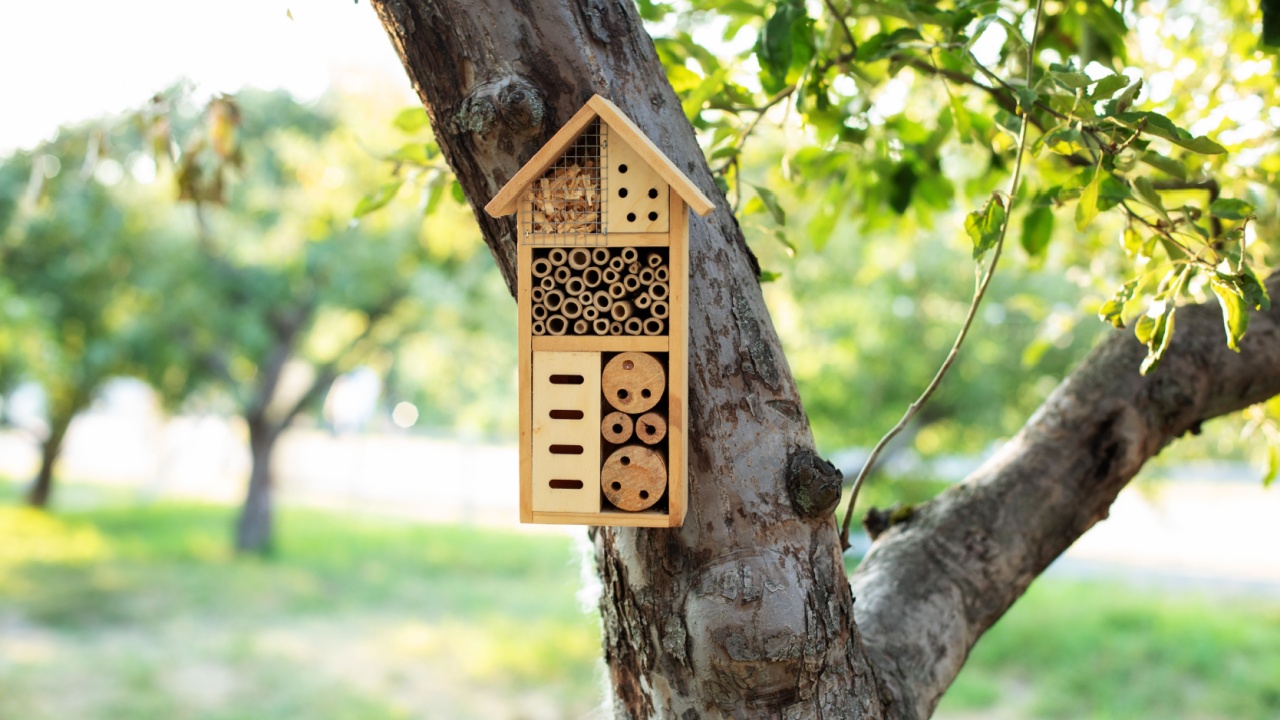
Not all bees live in hives. Many species prefer small holes or hollow stems, and they are excellent pollinators. A bee hotel gives them a safe place to nest.
Place it in a sunny, sheltered spot and use a mix of hole sizes to attract different species. Smooth openings are important so the bees do not damage their wings. Unlike honeybees, solitary bees are non-aggressive and rarely sting, making them safe for family yards.
Quick tips:
- Use various hole sizes between three and ten millimeters to attract different bee species.
- Replace the nesting materials every two years to prevent the spread of parasites.
9. Grow Berry-Producing Shrubs
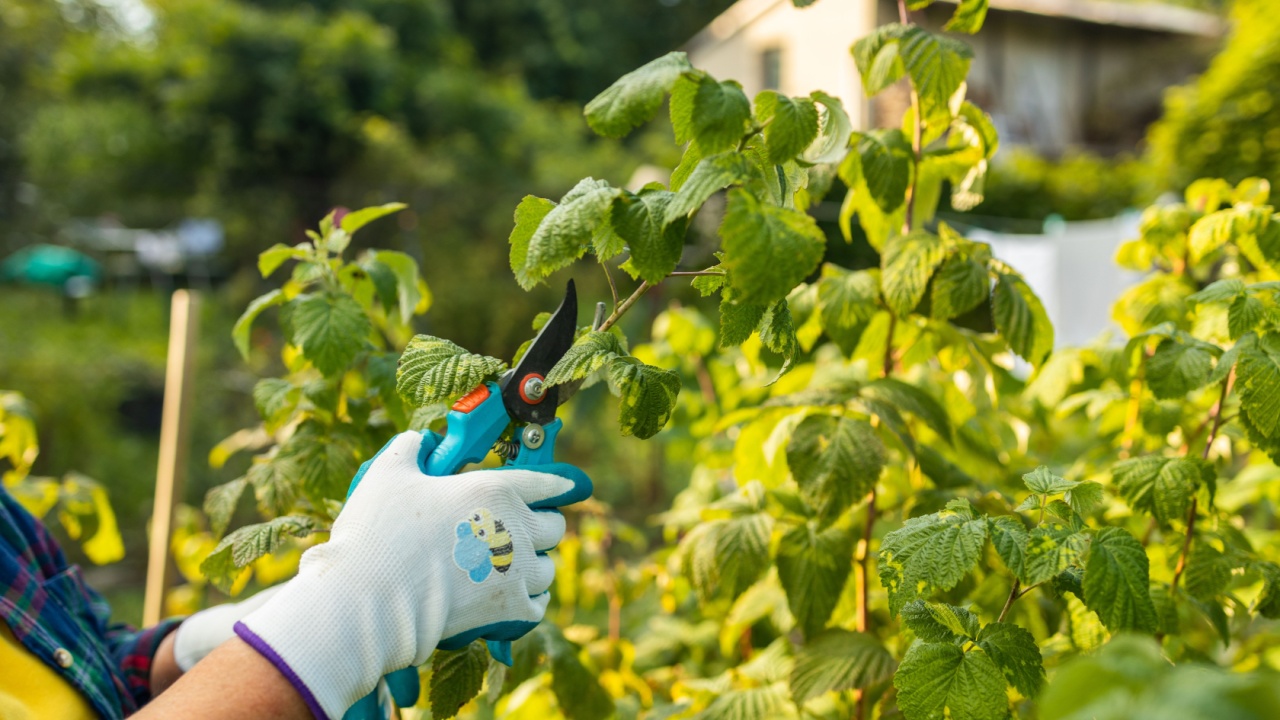
Berries provide a high-energy food source for birds, especially during the fall migration and winter months. Shrubs like elderberry, serviceberry, or winterberry offer nutritious fruit and nesting sites. These plants are often more reliable than bird feeders, which can run empty or spread disease.
Planting a variety of shrubs ensures that fruit is available at different times of the year. Some species hold their berries well into winter, providing a lifeline when other food sources are scarce. Native shrubs also host caterpillars, which are the primary food source for baby birds in the spring.
Quick tips:
- Plant at least two different varieties if the species requires cross-pollination to fruit.
- Prune during the dormant season to encourage vigorous new growth.
10. Keep Some Dead Wood
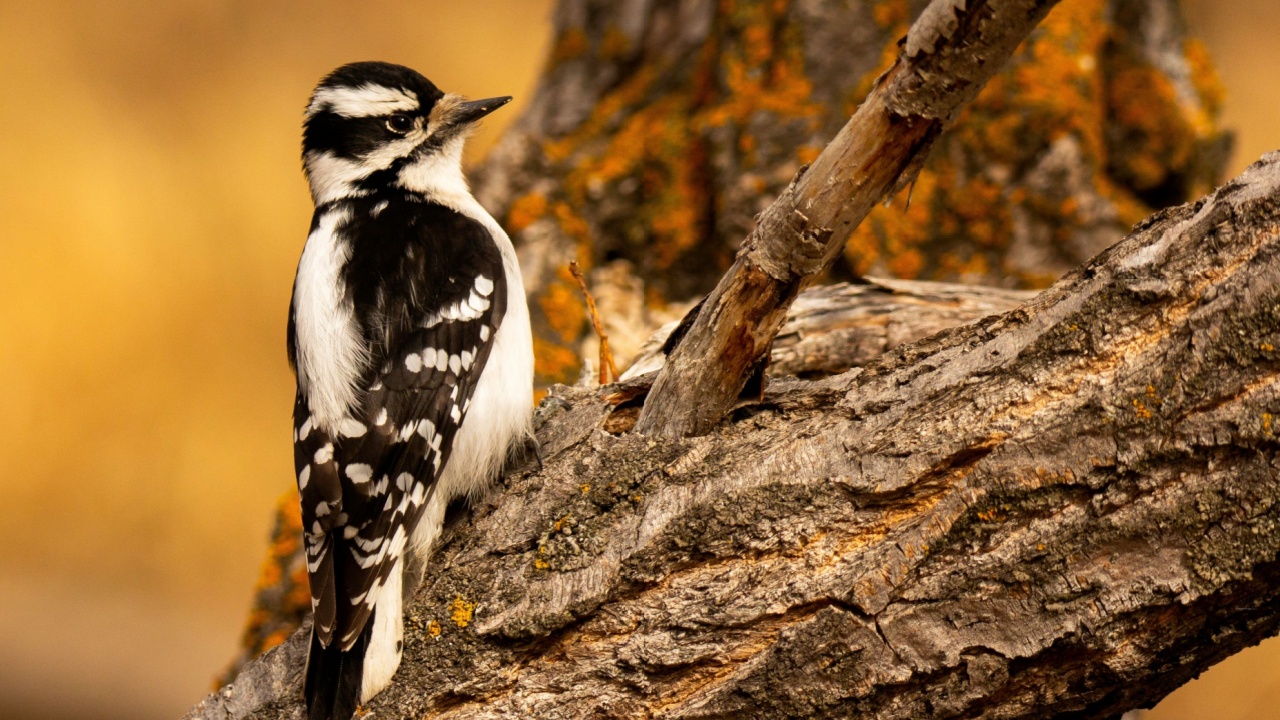
A standing dead tree, known as a snag, is one of the most valuable assets in a wildlife garden. Woodpeckers drum on them to signal territory, and many birds use the cavities for nesting. If a full tree is a safety hazard, a tall stump left in place provides similar benefits.
If a standing snag is not possible, a “log pyramid” created by burying logs vertically in the soil works well. This mimics the natural process of wood decaying in the earth, which is essential for stag beetles and other beneficial grubs. The decaying wood becomes a buffet for insect-eating birds like nuthatches.
Quick tips:
- Plant a climbing vine like Virginia Creeper around the stump for extra cover.
- Monitor the base for stability to ensure it remains upright and safe.
11. Create a Dust Bath Area
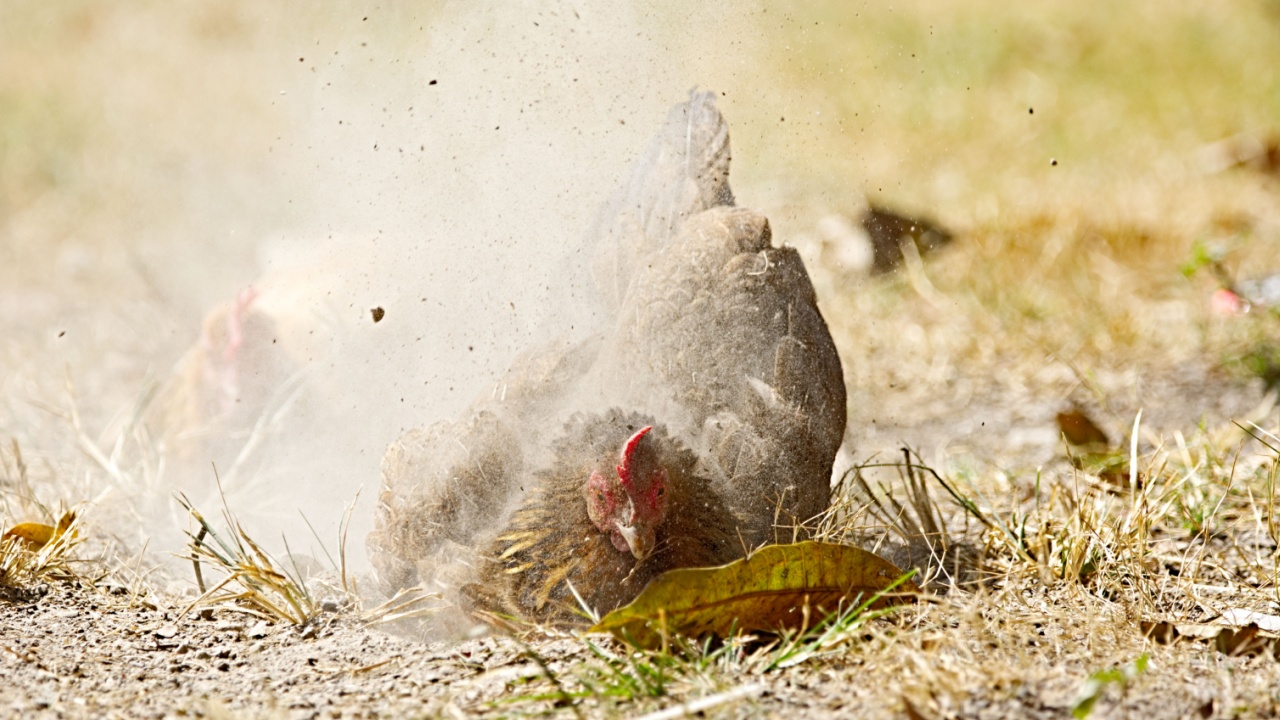
Many birds use dry soil or sand to perform dust baths, which helps remove parasites and excess oil from their feathers. In a yard with heavy mulch or thick grass, birds may struggle to find the bare earth they need. Setting aside a small patch of loose, dry soil invites sparrows and wrens to groom themselves.
Choose a sunny, open spot where birds can see predators coming from a distance. Mix fine sand with dry garden soil to create a soft texture. The spot needs to stay dry, so placing it under a wide eave or providing a small roof can be helpful.
Quick tips:
- Surround the area with a few low stones to keep the dust contained.
- Stir the soil occasionally to keep it loose and inviting.
12. Add Caterpillar Host Plants

Pollinator gardens often focus on nectar for adults, but butterflies require specific host plants to lay eggs. For example, Monarchs need milkweed, while Black Swallowtails require parsley or dill. Without these specific plants, the life cycle of these insects cannot continue in the yard.
Research which butterflies are common in the region and plant their specific hosts in large clusters. Expect the leaves to be eaten, as this is the primary purpose of the plant. A garden that looks a bit chewed on is a sign of a successful wildlife habitat.
Quick tips:
- Plant host plants near nectar sources so adults don’t have to travel far.
- Avoid all systemic insecticides that linger in plant tissues.
13. Use Rocks for Warmth and Shelter
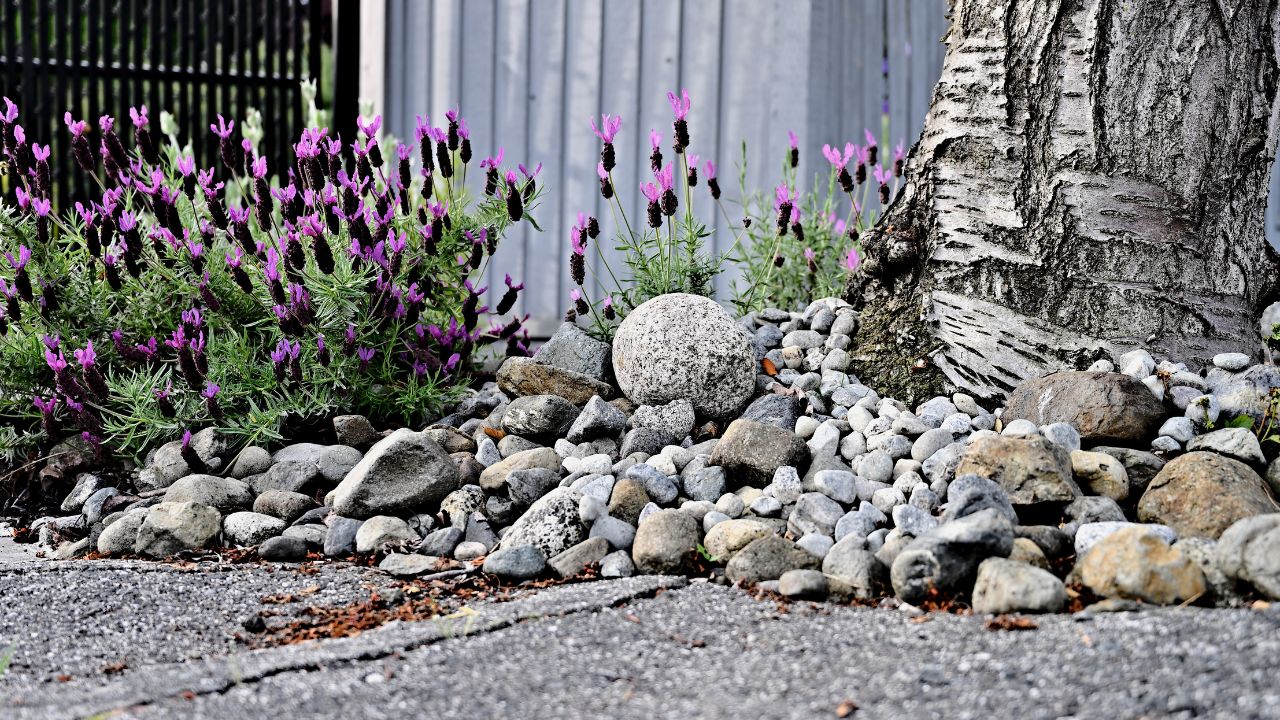
Reptiles and many insects are ectothermic and rely on the sun to regulate their body temperature. Large, flat rocks placed in a sunny location act as thermal batteries, soaking up heat during the day. Snakes and lizards use these spots to warm up before hunting.
Gaps between the rocks provide hiding spots from predators. If the rocks are stacked slightly, they create small caves for toads or hibernating insects. Placing these near a garden edge creates a transition zone between open space and cover.
Quick tips:
- Use dark-colored rocks like basalt or slate to absorb the most heat.
- Keep the rocks clear of overhanging vegetation that creates too much shade.
14. Provide Nesting Materials
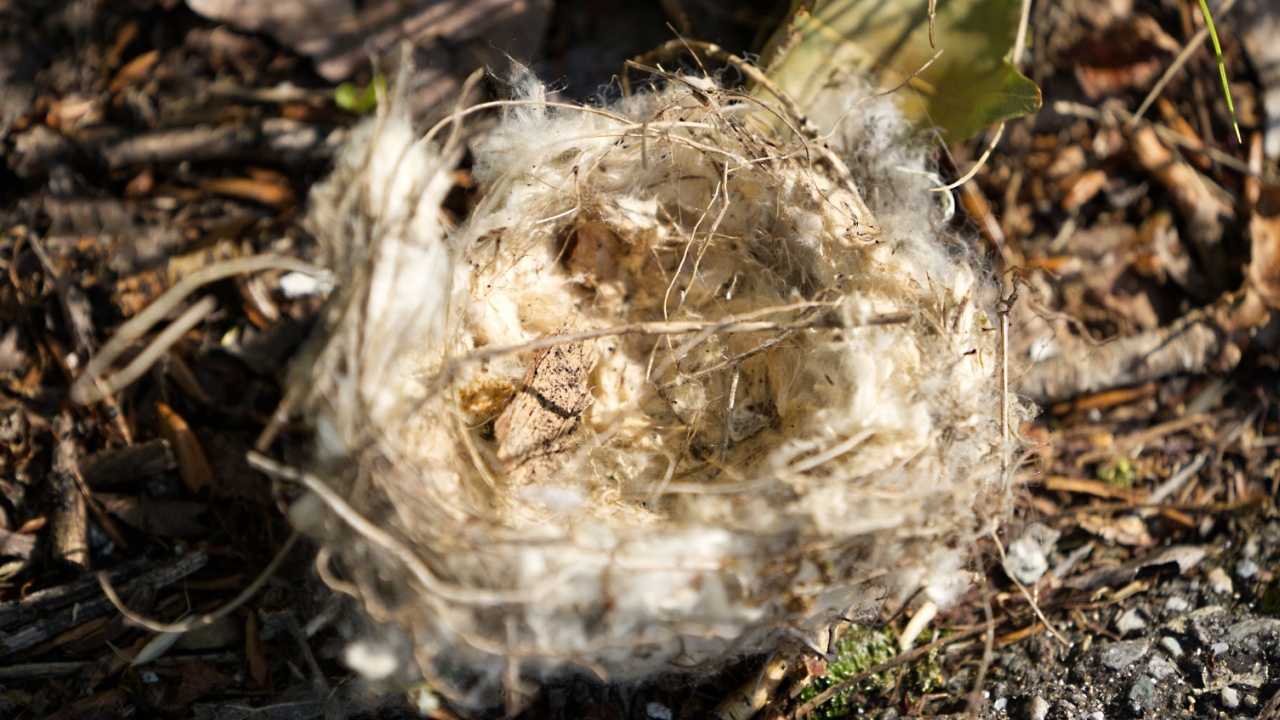
In the spring, birds spend immense energy searching for soft materials to line their nests. Providing a dedicated station with natural fibers helps them build sturdy, warm homes for their chicks. Useful items include dried grass, small twigs, and plant down.
Place these materials in a clean suet cage or hang them in bundles from tree branches. Avoid using dryer lint, pet hair treated with flea medication, or synthetic strings like yarn, which can tangle around small legs. Stick to natural, untreated fibers that mimic what is found in the wild.
Quick tips:
- Gather mud in a shallow dish for species like Robins and Phoebes that use it as mortar.
- Remove any unused materials at the end of the nesting season to keep the area tidy.
When a Yard Feels Alive, You’re Doing It Right
A wildlife-friendly yard starts with a simple shift in how you see it. Instead of aiming for neat and uniform, look for signs of life and activity. That is usually a better measure of success.
Pay attention to where birds gather or which plants attract insects, then adjust over time. Reaching out to local plant groups or wildlife experts can also give you ideas that suit your area. With small, steady changes, your yard becomes a lasting part of the local ecosystem.
Read More: