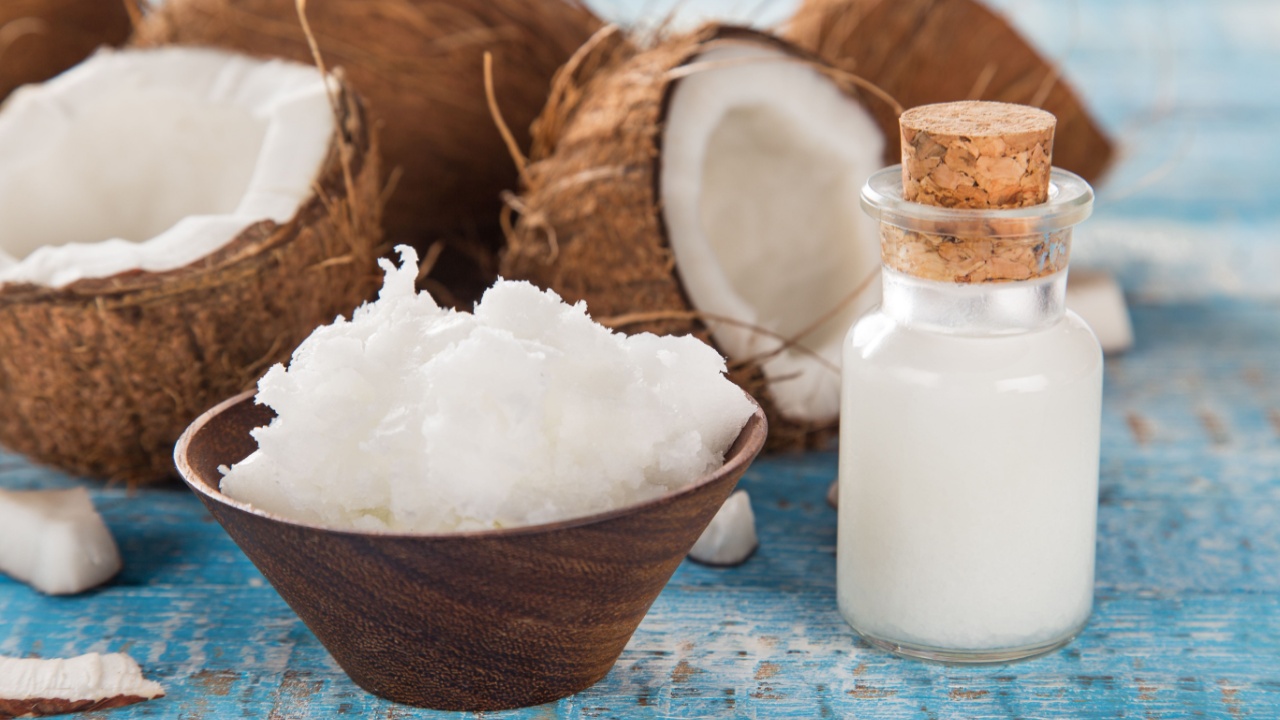
14 Household Problems You Didn’t Know Coconut Oil Could Solve
If you have a jar of coconut oil sitting in your kitchen, you are holding much more than just a cooking ingredient. This common pantry staple is famous for its healthy fats and pleasant scent, but it is also a secret weapon for home maintenance. Because it is a natural lubricant and creates a protective barrier, it can handle everything from rusty tools to squeaky doors.
The magic of coconut oil lies in how it reacts to temperature. It stays solid in a cool cupboard but melts quickly when rubbed between your hands or applied to a surface. This allows it to sink deep into porous materials like wood or spread thin over metal and leather.
Choosing a natural product like this also makes your home a safer place. Many commercial polishes and lubricants contain synthetic fragrances and solvents that can irritate the skin or lungs. Coconut oil provides a professional-looking finish while being completely non-toxic and safe to use around children and pets. It’s an eco-friendly choice that saves money by replacing multiple specialty products.
So, here are fourteen simple ways to use coconut oil to fix everyday problems. Each section explains why the oil works for a specific job and gives you easy steps to try it yourself.
1. Conditioning Wooden Spoons
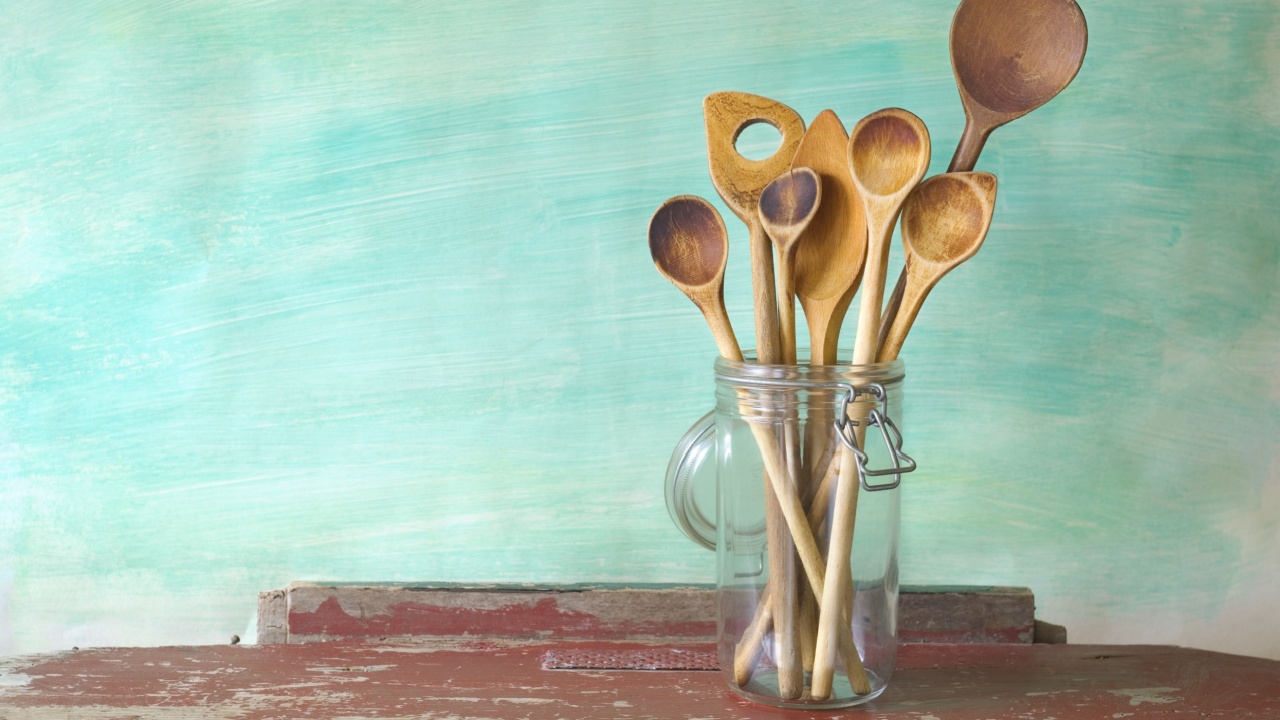
Wooden kitchen tools can become dry, rough, and brittle after being washed many times in hot water. Coconut oil acts as a natural moisturizer that soaks into the wood fibers, keeping them flexible and strong. This prevents the wood from cracking or absorbing the smells of the food you are cooking.
To fix your spoons, start with a clean and completely dry utensil. Rub a small amount of room-temperature oil over the surface using a soft cloth or your fingers. Let the tool sit for about 10 minutes so the wood can “drink” the oil, creating a food-safe shield against moisture.
Once the oil has soaked in, use a clean towel to buff away any extra grease so the spoon doesn’t feel sticky. Repeating this every few months will stop the wood from splintering and make your tools last much longer. It is a simple way to keep your kitchen essentials in top-notch shape.
2. Removing Sticky Residue
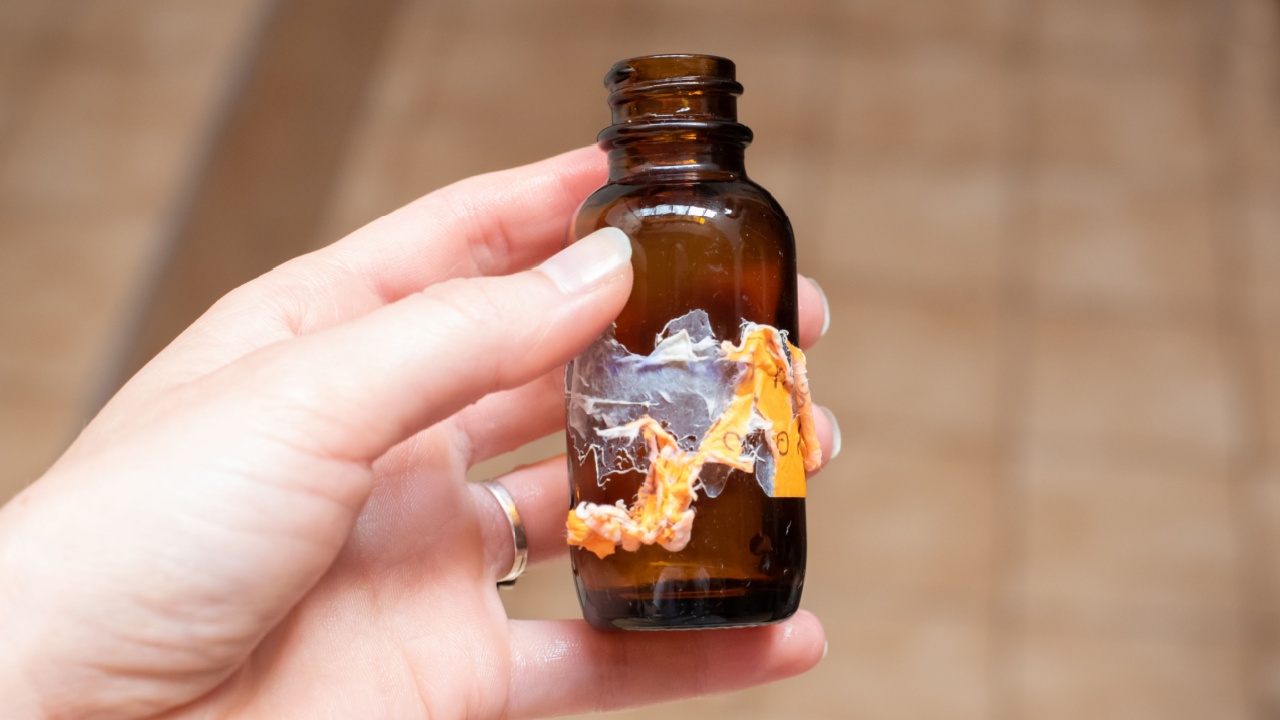
We have all struggled with the annoying, sticky gunk left behind by price tags, stickers, or duct tape. The fats in coconut oil are experts at breaking down the sticky bonds of adhesives. Instead of scrubbing until your fingers hurt, the oil softens the glue so it slides right off the surface.
To remove a sticker, spread a thick layer of oil over the residue and let it sit for at least five minutes. This gives the oil time to penetrate the hardened glue and lift it away from the material underneath. It works beautifully on glass jars, plastic containers, and even finished wood.
After the oil has done its work, use a damp cloth or a plastic edge to gently scrape the gunk away. Finish by washing the spot with a little bit of dish soap and water to remove any leftover oil. Your surface will be clean and smooth without any scratches or chemical smells.
3. Silencing Squeaky Hinges

A door that squeaks every time it opens is usually caused by metal parts rubbing together without any grease. Coconut oil provides a thick, slippery layer that stops this friction and kills the noise instantly. Unlike thin sprays, coconut oil stays where you put it and won’t drip all over your floor.
Applying it is very easy: just take a small dab of solid oil and rub it directly onto the hinge pin. Open and close the door a few times to help the oil work its way into the moving parts. You will notice the sound disappear as the metal starts to glide smoothly again.
Finally, take a paper towel and wipe away any excess oil from the outside of the hinge. This prevents dust from sticking to the area and keeps your door frame looking clean. It is a fast, natural fix for any noisy door in your house.
4. Polishing Leather Shoes
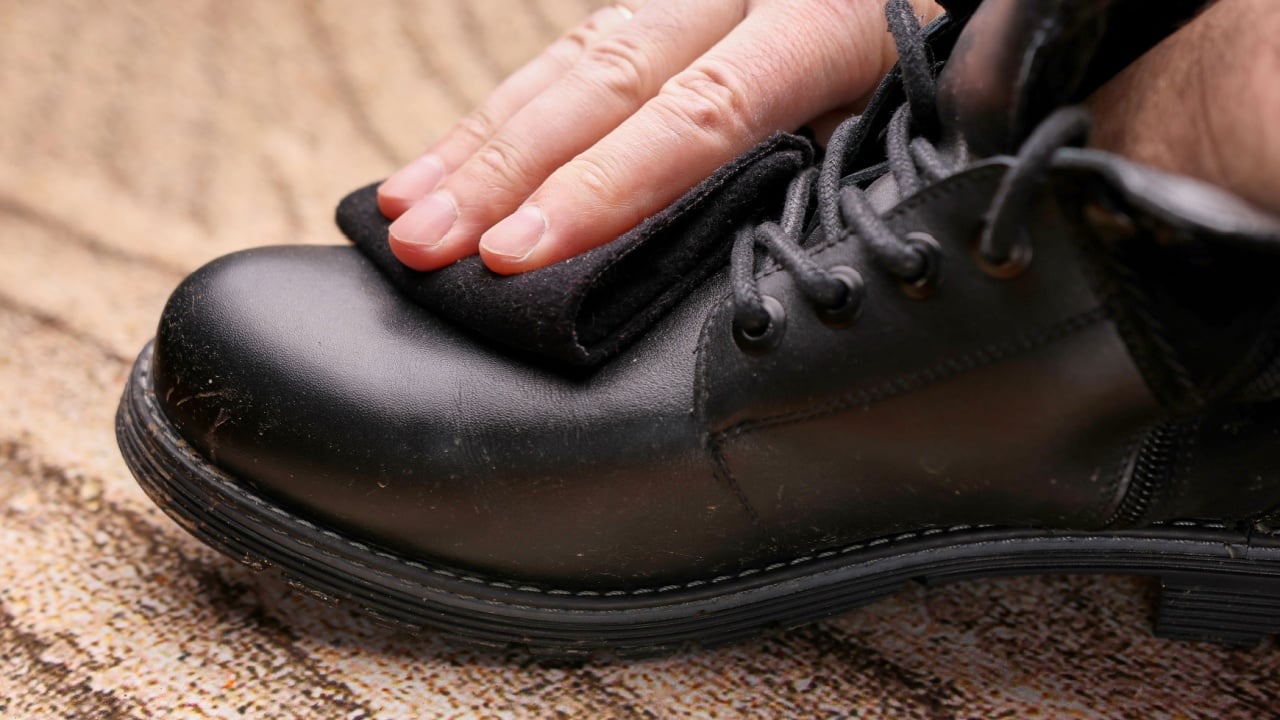
Leather is essentially a skin that needs moisture to stay soft and prevent it from cracking over time. Coconut oil works as a fantastic natural conditioner that restores shine and adds a light layer of protection against rain. It can also help bring back the deep, rich color of faded boots or dress shoes.
Before you start, test a tiny amount of oil on a hidden part of the shoe to make sure you like how the color looks. Once you’re ready, use a soft cloth to rub a very thin, even layer of oil over the entire surface. You will see the leather start to glow as it absorbs the nourishment.
After applying the oil, use a fresh part of the cloth to buff the shoes until they are no longer greasy. Be careful not to use too much, as a heavy layer can actually attract dirt. A light polish every few weeks will keep your favorite footwear looking like it just came out of the box.
5. Cleaning Stainless Steel

Fingerprints, water spots, and smudges can make stainless steel appliances look dull and dirty very quickly. Coconut oil is an excellent polisher because it fills in tiny scratches and creates a barrier against new marks. It leaves a beautiful, streak-free shine that makes your kitchen look much cleaner.
To polish your fridge or dishwasher, put a tiny drop of oil on a microfiber cloth. Rub the oil into the metal, making sure to move your hand in the same direction as the “grain” or lines in the steel. This ensures the oil spreads evenly and covers every inch of the surface.
Once you have covered the area, use a second dry cloth to buff it until the shine is perfect and the surface feels dry. This method is much better than using chemical sprays because it doesn’t leave behind a strong smell. Your appliances will stay shiny for longer because the oil helps repel new fingerprints.
6. Seasoning Cast Iron
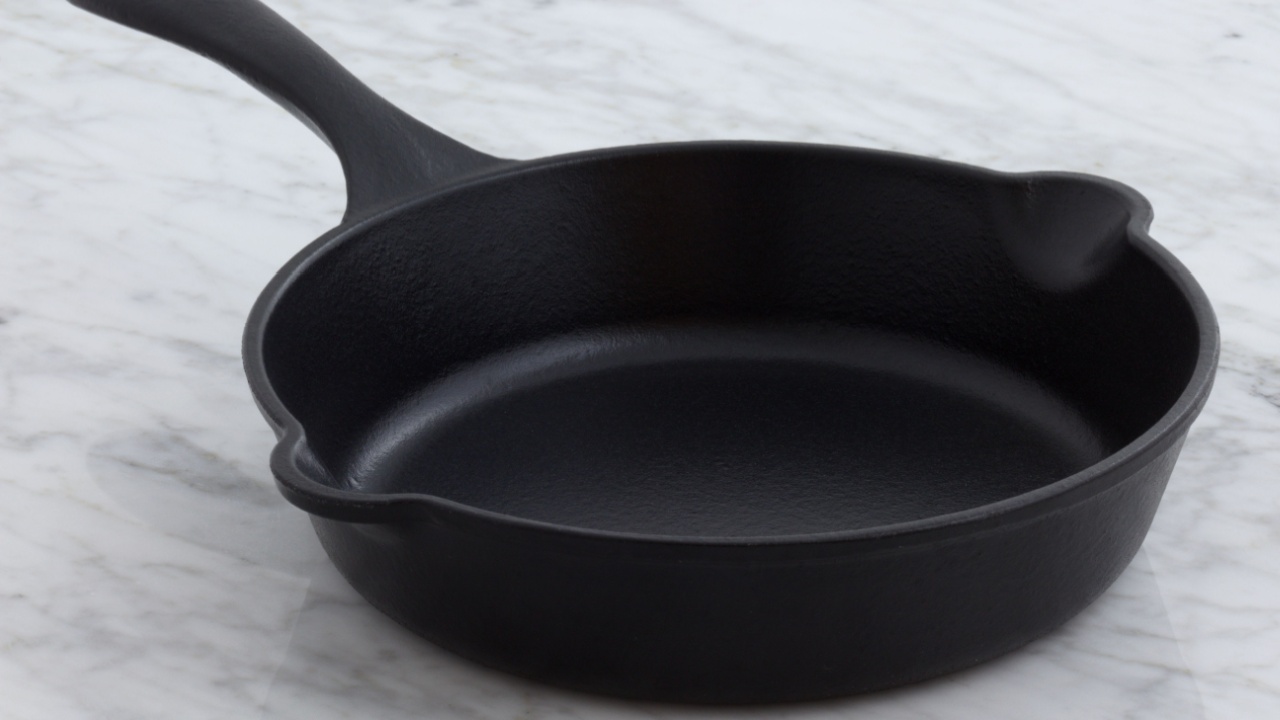
To keep a cast-iron skillet from sticking, you need to build up a layer of baked-on oil known as seasoning. Coconut oil is a great choice for this because it is stable and helps create a very smooth, hard finish. This layer protects the heavy metal from rusting and makes cooking and cleaning much easier.
Start with a clean, dry pan and rub a very thin layer of coconut oil all over the inside and outside. Place the skillet upside down in a hot oven (around 375°F) for about an hour. This heat bonds the oil to the iron, creating a natural non-stick surface that improves every time you use it.
After the hour is up, turn off the oven and let the pan cool down inside. Doing this regularly—especially after you’ve cooked something acidic like tomatoes will keep your cast iron in perfect condition. It is the best way to ensure your pan stays in the family for generations.
7. Lubricating Stuck Zippers
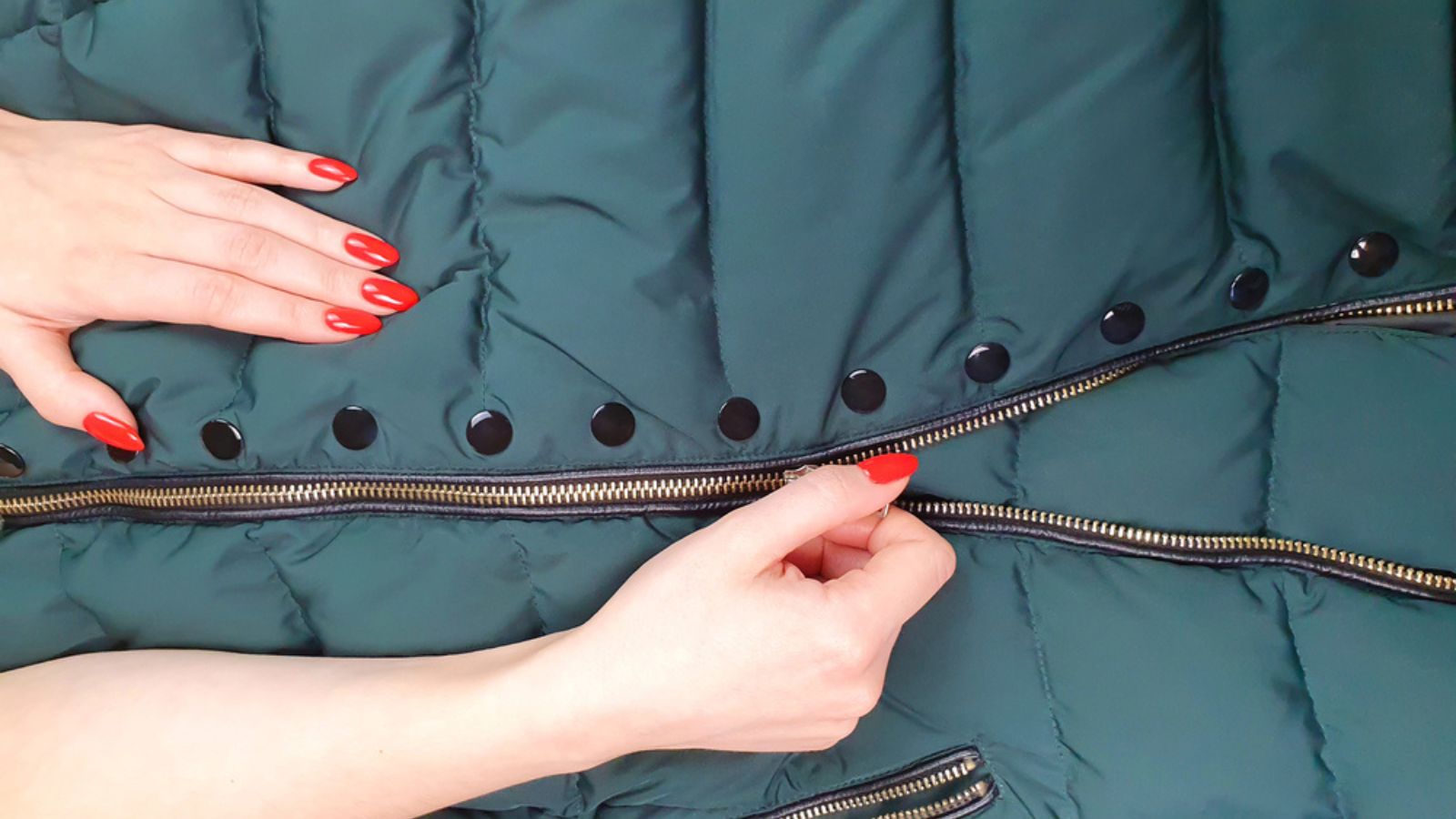
A zipper that gets stuck can be incredibly frustrating, especially when you are in a hurry to get out the door. Coconut oil provides just enough “slip” to help the metal or plastic teeth move through the slider without catching. It is a gentle way to fix coats, backpacks, or even tents that have been exposed to dirt and weather.
Use a cotton swab to dab a tiny bit of oil directly onto the teeth of the zipper near the stuck spot. You only need a very small amount to get things moving again. Be careful to keep the oil away from the fabric of the garment to avoid any potential oil stains.
Slowly pull the zipper up and down a few times to spread the lubricant across the entire track. Once the zipper is moving freely, wipe away any extra oil with a dry tissue. Your gear will be back in working order without the need for a professional repair.
8. Preventing Garden Tools from Rusting
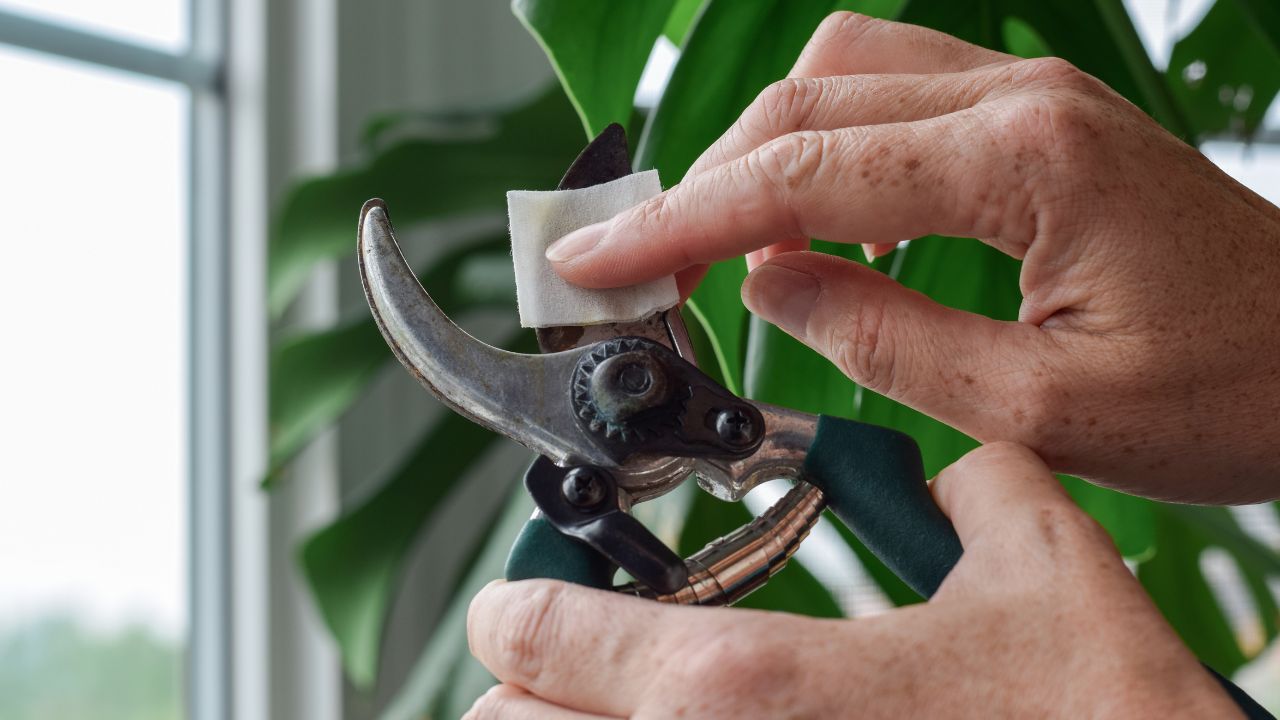
Garden tools like shovels and shears are often exposed to dirt and water, which causes them to rust and break. Wiping your metal tools with coconut oil creates a waterproof shield that keeps moisture away from the steel. This simple habit keeps your tools sharp and prevents the metal from becoming pitted and weak.
After you finish gardening, clean any dirt off your tools and dry them thoroughly with a rag. Apply a thin coat of coconut oil to all the metal parts, including the blades and any moving joints. This is especially helpful for pruning shears, as it keeps the “snap” in their movement.
Store your oiled tools in a dry shed or garage to give them the best protection. Since coconut oil is natural, you don’t have to worry about getting harmful chemicals in your soil the next time you plant. It is a smart, eco-friendly way to maintain your outdoor equipment.
9. Removing Scuff Marks from Floors
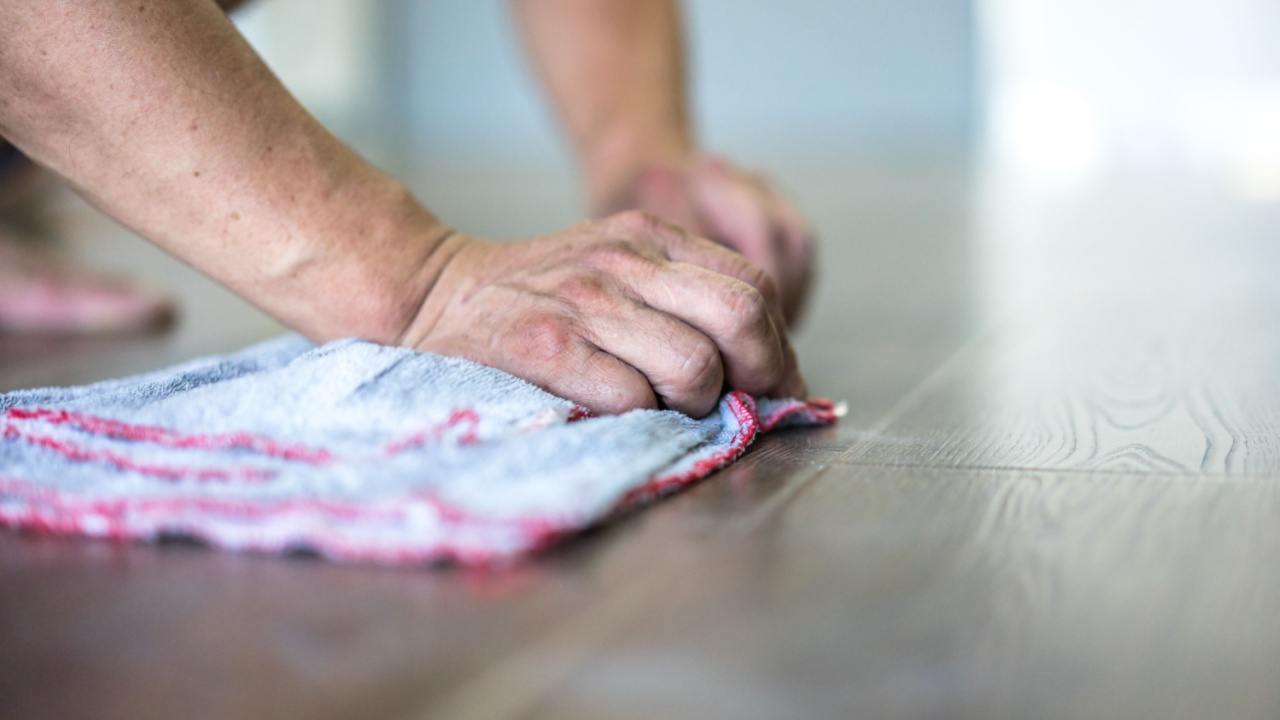
Rubber-soled shoes and moving furniture often leave dark scuff marks on wood or vinyl floors that won’t come off with regular mopping. Coconut oil helps to lift these marks by sliding under the rubber particles and loosening them from the floor. It’s an easy way to get your floors looking spotless again without using a heavy scrubber.
Apply a small amount of oil to a soft cloth and rub the scuff mark in a circle until it disappears. You don’t need to press very hard; the oil does most of the work for you. This technique is safe for most floor finishes and won’t leave scratches behind.
Once the mark is gone, it is very important to clean the area with a vinegar-and-water mixture. Leaving oil on the floor makes it very slippery and dangerous to walk on. Once the residue is wiped away, your floor will be clean, safe, and scuff-free.
10. Protecting Outdoor Furniture

Sun, rain, and wind can quickly make outdoor furniture look old, grey, and weathered. A light coating of coconut oil can revitalize the wood and give metal frames a temporary boost of protection. It helps the furniture repel water, which prevents rot and keeps the surfaces looking fresh and vibrant.
Pick a dry, sunny day to clean your furniture and remove any dust or pollen. Once it is dry, rub the coconut oil into the surface with a large cloth, paying extra attention to any areas that look particularly dry. The wood will soak up the oil, restoring its natural color and shine.
Let the oil sit for a while to absorb, then wipe off any excess so the furniture isn’t greasy when you sit on it. Because it is a natural product, the oil will eventually wear off, so plan to reapply it once or twice a season. It’s a cheap and easy way to extend the life of your patio set.
11. Detail Cleaning Car Dashboards

The plastic and vinyl inside your car can become faded and dusty from sitting in the hot sun. Coconut oil is a great alternative to expensive car detailing products because it cleans and protects at the same time. It leaves a clean, dark finish on your dashboard without the sticky feeling of silicone sprays.
Put a small amount of oil on a cloth and wipe it across the dashboard, door panels, and any plastic trim. The oil will lift away dust and give the material a healthy, matte look. It’s an easy way to make an older car feel much newer on the inside.
After you finish wiping, use a dry cloth to buff the surfaces so they aren’t shiny or oily. Never use the oil on your steering wheel, pedals, or gear shift, as these parts need to stay grippy for safe driving. Using coconut oil is a great way to keep your car’s interior looking sharp and well-maintained.
12. Removing Crayon from Walls

If a little artist has used your walls as a canvas, don’t worry, coconut oil can save the day. Crayon is made of wax, and the fats in coconut oil are perfect for breaking that wax down. This allows you to wipe away the colorful marks without damaging the paint underneath.
Dab some oil onto a soft cloth and gently rub the crayon lines until they start to dissolve and smudge. You will see the color lift off the wall and onto your cloth. It is a much gentler method than using “magic” sponges, which can sometimes rub the paint right off the wall.
Once the drawing is gone, wash the area with a little bit of warm, soapy water to remove any oily shine. It is always a good idea to test a small spot in a corner first to make sure your paint is colorfast. It’s a stress-free way to handle a common household “oops.”
13. Loosening Tight Rings

Sometimes fingers swell due to heat or salty food, making it impossible to get a ring off. Instead of panicking or using harsh soaps, you can use coconut oil as a skin-safe lubricant. It is very slippery and helps the metal band slide over your knuckle without hurting your skin.
Rub a good amount of oil all around your finger and try to wiggle some of it underneath the ring itself. The oil will coat both your skin and the metal, reducing the friction that is keeping the ring stuck. It’s a gentle solution that won’t irritate sensitive skin.
Slowly twist the ring and pull it toward the end of your finger until it slides off. Once you are successful, make sure to wash both your hands and the ring with soap to remove the oil. It’s a quick and painless fix for a very uncomfortable problem.
14. Fixing Squeaky Floorboards

Floorboards that creak when you walk on them are usually caused by two pieces of wood rubbing together. If you can find the exact spot where the noise is coming from, coconut oil can help quiet it down. It acts as a lubricant that gets between the boards to stop the friction and the sound.
Melt a small spoonful of coconut oil until it is liquid and use a dropper to put it into the cracks between the noisy boards. Walk over the area several times to help the oil sink deep into the seams. You should hear the squeak start to fade as the oil coats the wood.
Immediately wipe up any oil that is left on the surface of the floor to prevent anyone from slipping. This is a great trick for older homes where floorboards have shifted over time. It provides a peaceful, quiet home without the need for expensive floor repairs.
One Jar to Rule Them All
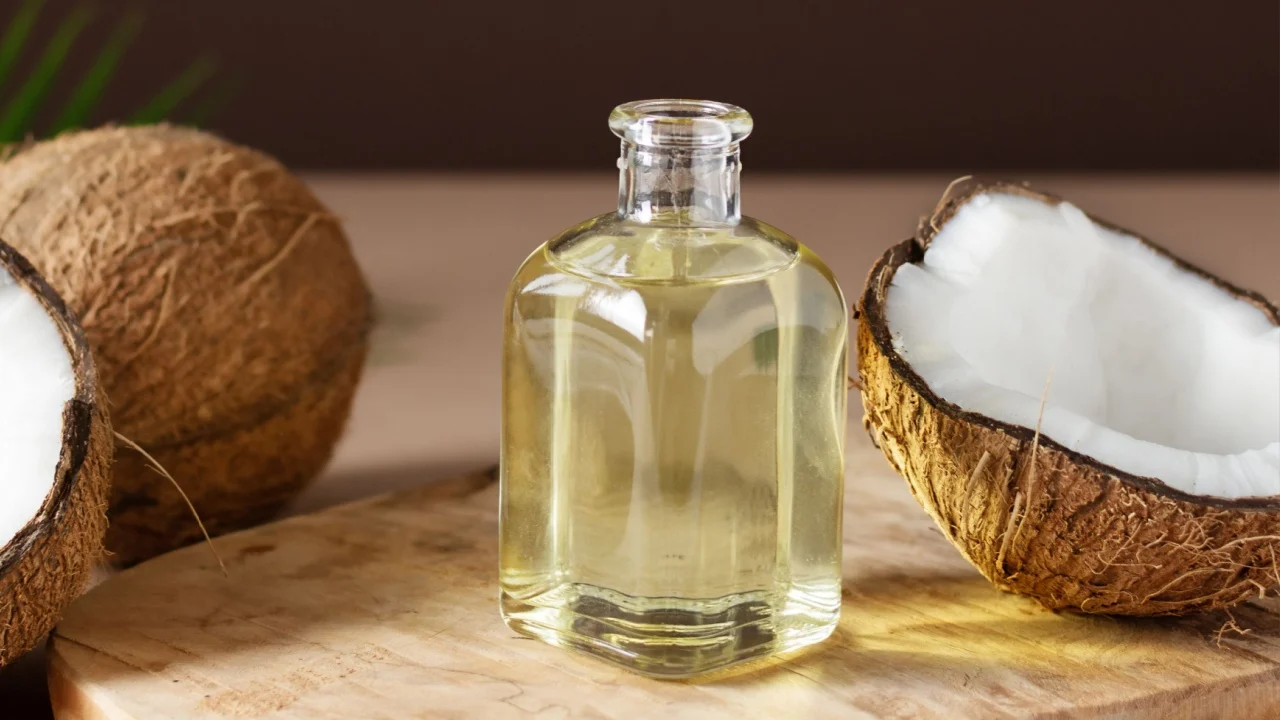
Toss out that mountain of specialized cleaning sprays and weirdly scented polishes. It turns out that a single jar of coconut oil is enough for almost all your chores.
Ready to give it a shot? The best move is to pick one or two spots that are looking a little sad, like a squeaky hinge or a dull wooden cutting board, and test a tiny dab in a hidden corner first.
Once you see the results, setting a loose schedule to condition your wood furniture or wipe down your garden tools will keep everything in peak condition for the long haul. It’s natural, it’s cheap, and honestly, it’s a lot more satisfying than using harsh chemicals.
Read More:
Sick of Toxic Toilet Bowl Cleaner? Try This Viral DIY Cleaner