12 Home Decorating Asks That Trigger Most Designers
People love watching home improvement shows and imagining a total room transformation. Often, we bring a specific list of requests to professionals, expecting a magazine-worthy result immediately. However, some popular requests make interior decorators cringe internally before they even pick up a fabric swatch.
Many trends look beautiful on a screen or in a catalog but fail to translate into everyday living spaces. Professionals spend their careers understanding spatial awareness, flow, and longevity, while fads tend to ignore these fundamental principles. When clients insist on specific outdated or impractical features, it forces decorators to compromise their artistic vision and practical expertise.
This guide breaks down twelve common requests that instantly frustrate professionals. We will examine exactly why these choices fall flat and provide better alternatives to elevate your interior spaces. You will discover how to communicate effectively with your hired talent to create rooms that remain stylish for years to come.
1. All-White Kitchens
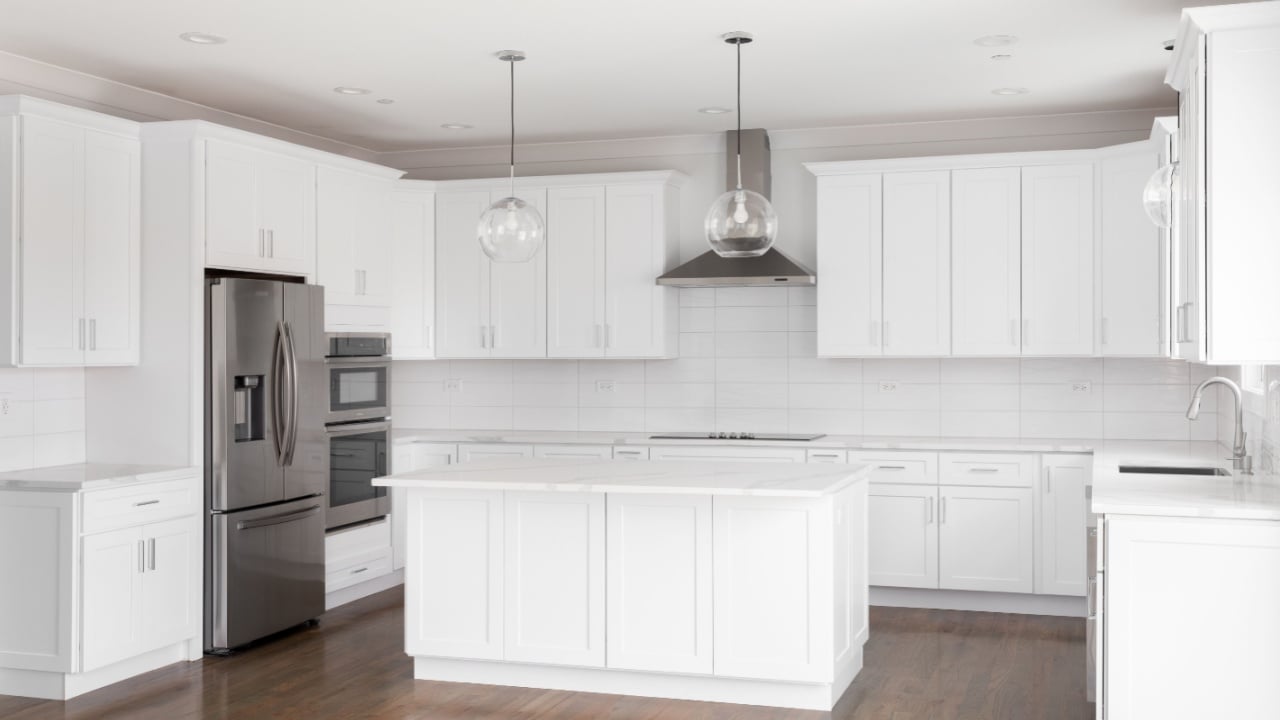
Clients frequently ask for all-white kitchens because they want a bright, clean look. Unfortunately, many professionals view these monochromatic spaces as sterile environments lacking any real personality or depth. When cabinets, countertops, and backsplashes share the same pale tone, the room completely loses its visual interest. The pristine surfaces highlight every single crumb, smudge, or fingerprint, making daily maintenance incredibly stressful.
Instead of demanding an entirely white space, homeowners should embrace warmth through natural materials. Wood tones on lower cabinets or a colorful kitchen island bring much-needed life into the room. Introducing textured tiles or colorful backsplashes adds dimension without sacrificing the bright appearance. Your kitchen becomes much more inviting when you incorporate subtle contrasts and natural elements.
2. Large Ceiling Fans
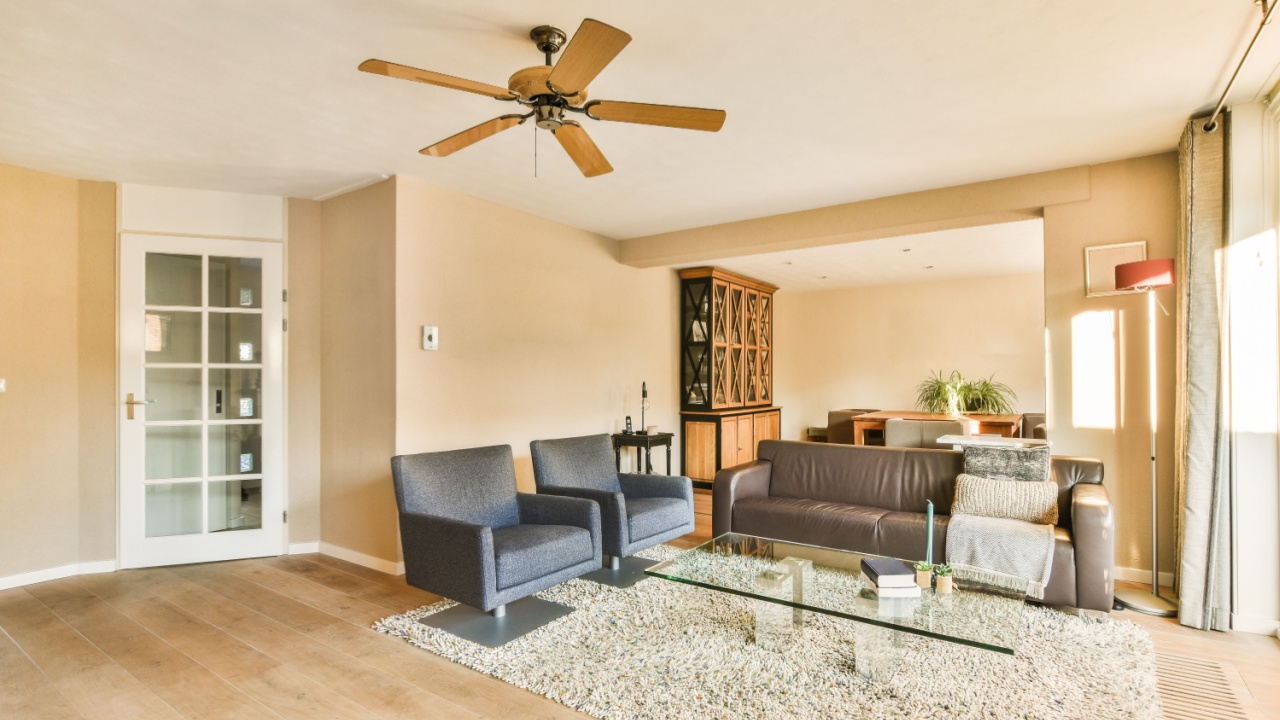
Many people request large ceiling fans to keep their bedrooms and living rooms cool during the hot summer months. Decorators dislike these fixtures because they disrupt the ceiling line and draw the eye away from carefully curated details. Traditional models often feature clunky designs, outdated finishes, and harsh overhead lighting that creates unflattering shadows. These massive appliances dominate the airspace and ruin the elegant atmosphere professionals work so hard to build.
Homeowners can find better ways to circulate air without sacrificing visual appeal. Modern HVAC systems and discreet floor units provide superior temperature control while remaining practically invisible. If a ceiling fixture is necessary, get a low-profile design that blends seamlessly into the ceiling paint. Elegant chandeliers or stylish pendant lights offer significantly better illumination and act as beautiful focal points.
3. Accent Walls
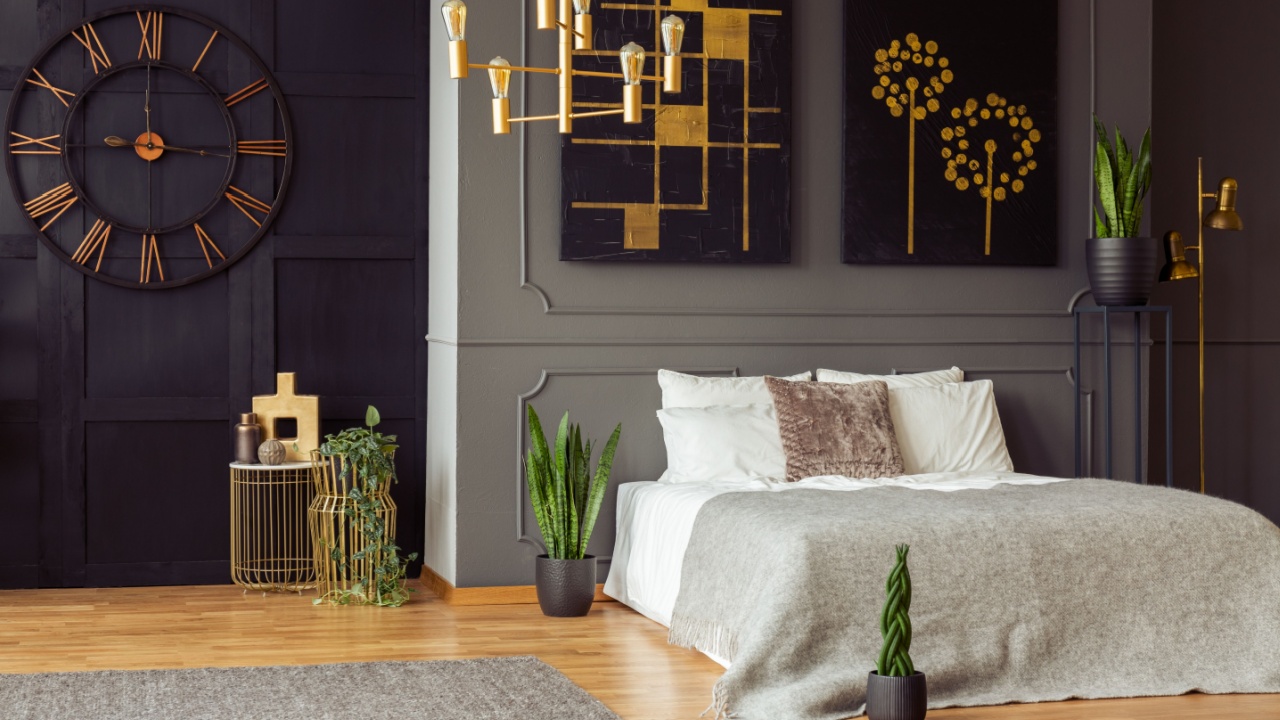
For years, painting a single wall a bright color was considered a bold and fashionable choice. Today, decorators view accent walls as an outdated trick that distracts the eye rather than creating a cohesive design. Slapping a bright coat of red or teal on one side of a room disrupts the visual flow. This approach usually makes spaces feel disjointed and visually confusing instead of stylish or modern.
Decorators strongly encourage clients to commit fully to their color choices across the entire room. If you love a specific dark green or rich blue, painting all four walls creates an immersive and elegant environment. Alternatively, you can introduce vibrant colors through large artwork, window treatments, or area rugs. These strategies distribute color evenly and create a balanced space that looks intentionally designed.
4. Matching Furniture Sets
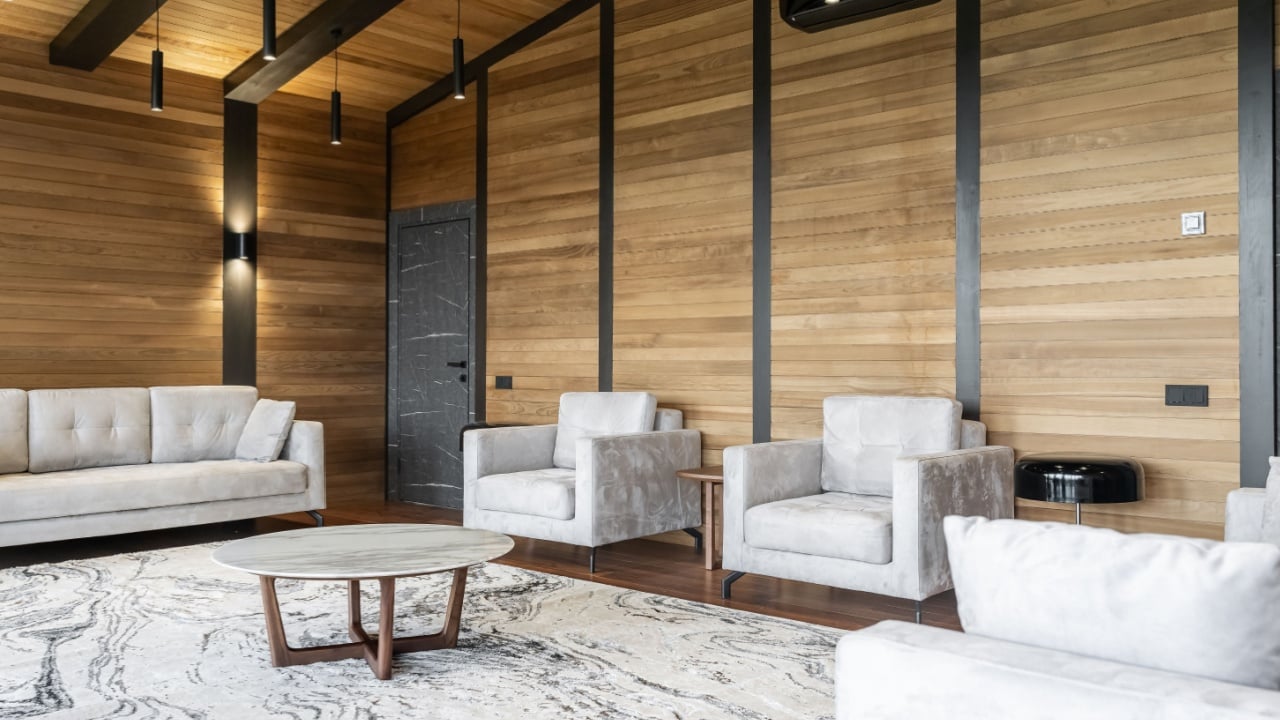
Buying an entire room of furniture from a single catalog page seems incredibly easy and convenient. Clients often ask decorators to source matching sofas, loveseats, and chairs in the same fabric. Matching furniture sets strips a home of any individuality and makes it resemble a generic showroom.
Creating a beautiful space requires mixing different styles, textures, and eras to build visual interest. Decorators prefer pairing a modern sofa with vintage leather armchairs or combining different wood finishes. Curating individual pieces results in a layered environment that looks collected and deeply personal. This blended approach allows homeowners to express their distinct style and create a genuinely fascinating room.
5. Gray Everything

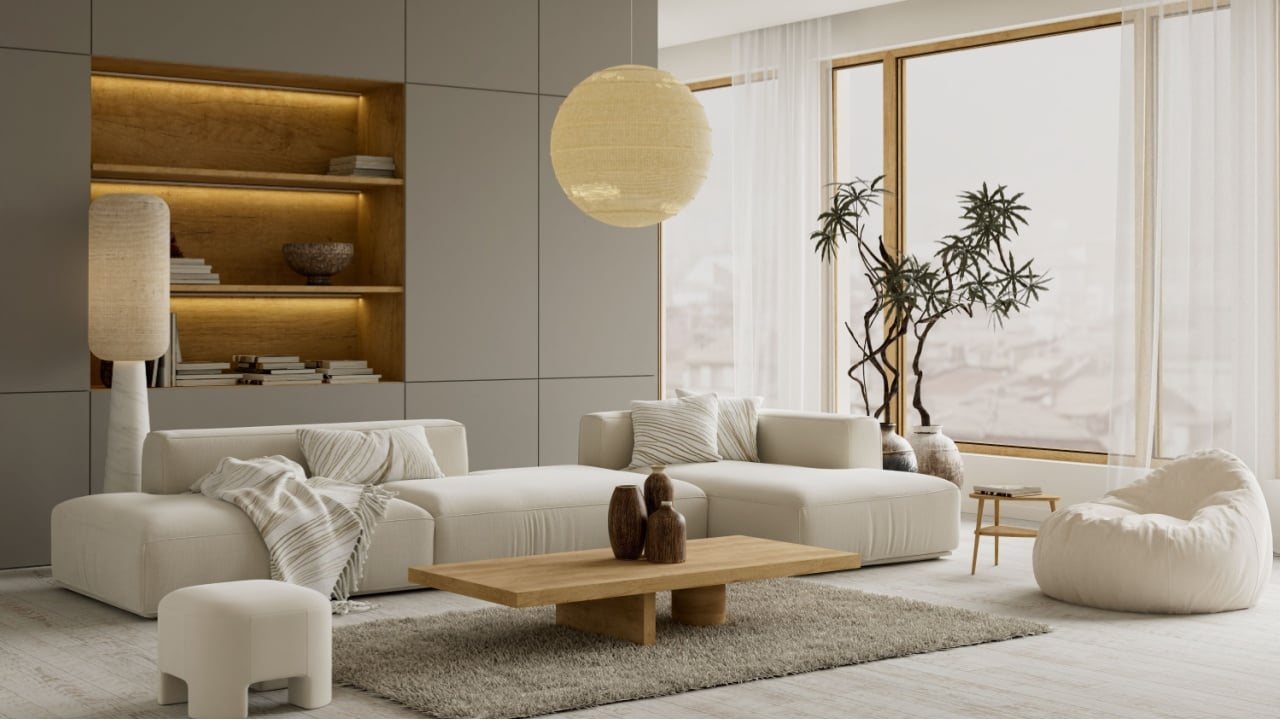
The trend of painting walls gray and buying gray furniture dominated the interior design industry for over a decade. Some clients still ask for monochromatic gray spaces, believing it offers a safe and modern foundation. However, an overwhelming amount of gray can make rooms feel cold, flat, and lifeless.
If you prefer neutral tones, explore warmer alternatives like taupe, beige, or soft cream. These earthy shades provide a calm background while reflecting light in a much more flattering way. Mixing in natural wood tones and colorful textiles easily breaks up the monotony of neutral spaces. Warmer foundations invite relaxation and give decorators a much better canvas for layering textures.
6. Open Shelving in Kitchens
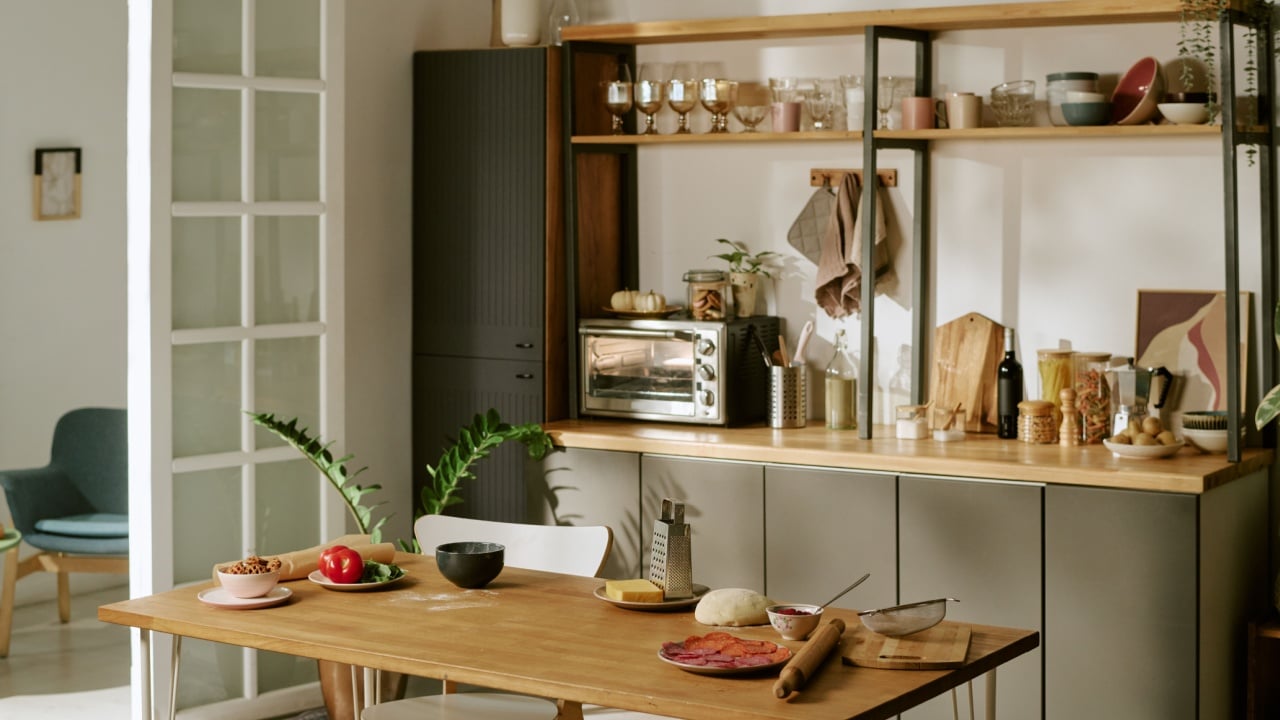
Removing upper cabinets in favor of floating wooden shelves looks incredibly stylish on social media feeds. Clients frequently request this feature to display their matching dishes and artisanal coffee mugs. In reality, open shelving creates significant practical problems for anyone who actually cooks in their kitchen. Grease and dust quickly accumulate on exposed dishes, requiring constant cleaning to maintain that picture-perfect appearance.
Decorators prefer a balanced approach that hides everyday clutter while selectively displaying beautiful items. Glass-front cabinets offer the perfect compromise by showcasing nice dishware while protecting it from cooking splatters. You can designate a small, specific area for open shelves to hold decorative items rather than essential cookware. This strategy keeps your kitchen highly functional while still providing spaces for personal expression.
7. Barn Doors
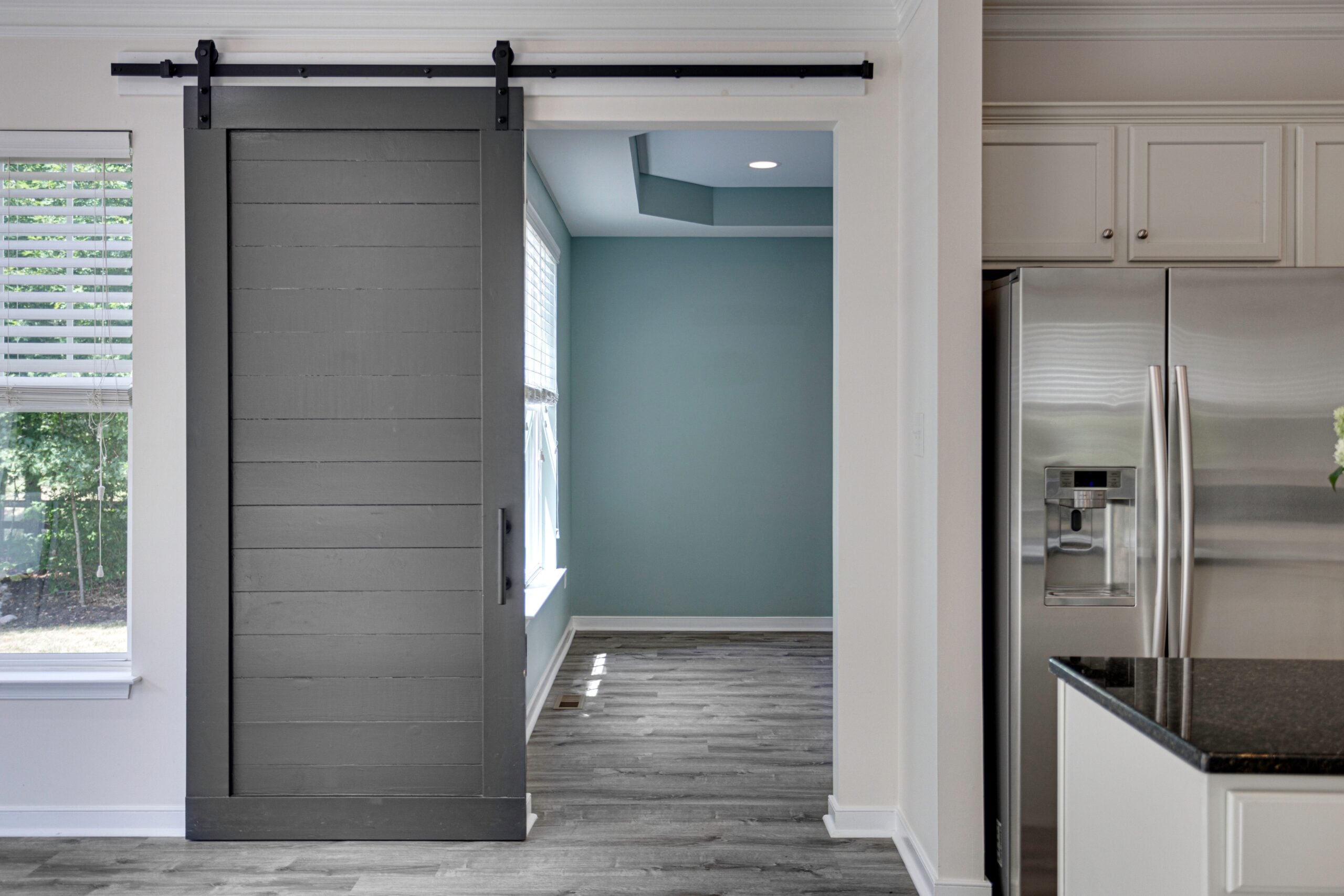
Sliding barn doors gained massive popularity during the modern farmhouse craze of the late 2010s. Some homeowners ask for these heavy wooden panels to separate bathrooms, pantries, and home offices. Unfortunately, the doors provide little privacy. The massive tracks look completely out of place in homes that do not share a rustic architectural style.
Standard pocket doors offer a significantly better solution for tight spaces requiring a sliding mechanism. They disappear completely into the wall when open and provide a much tighter seal when closed. Traditional swinging doors remain the superior choice for bedrooms and bathrooms where privacy and noise reduction matter most. Selecting classic door styles guarantees your home will not look incredibly dated in five years.
8. Too Many Throw Pillows
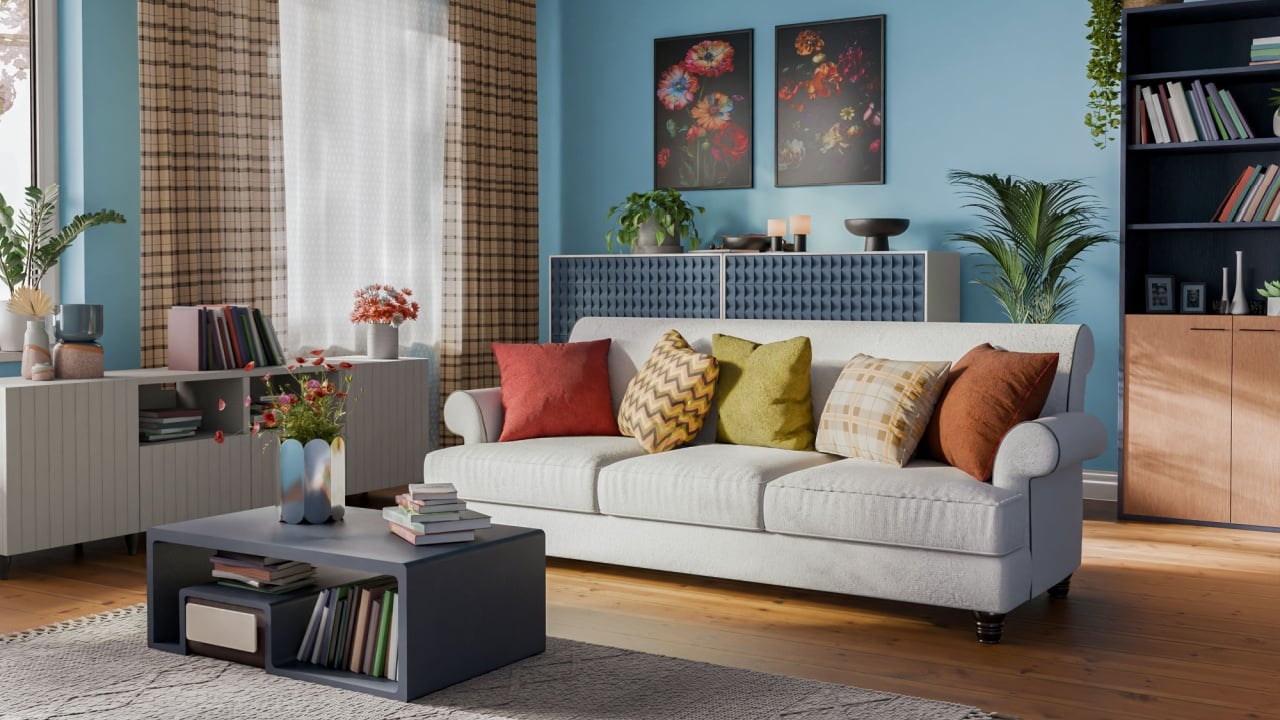
Some clients believe a sofa or bed looks incomplete without a mountain of decorative pillows arranged perfectly. This becomes extremely frustrating because excessive pillows overwhelm the furniture and make the room highly impractical. Guests have nowhere to sit comfortably, and making the bed becomes a tedious daily chore.
A refined approach focuses strictly on quality over quantity when selecting decorative cushions. Two or three carefully chosen pillows featuring high-quality fabrics provide plenty of visual interest without dominating the furniture. Streamlining your pillow collection makes the room look much more sophisticated and highly functional.
9. TVs Above Fireplaces
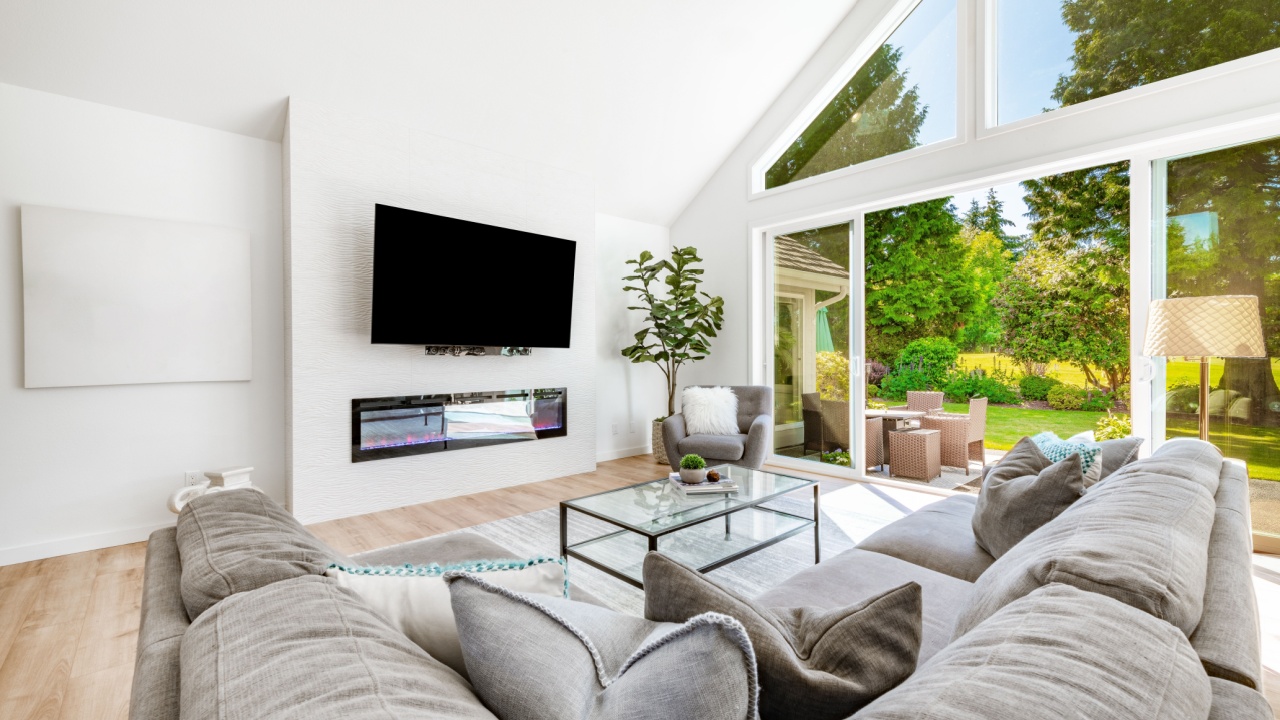
Mounting a massive flat-screen television directly over a beautiful fireplace mantle remains a highly popular request. However, a TV above the fireplace is bad for the TV and for aesthetics. Most decorators dislike this placement because it creates conflicting focal points and ruins the chimney’s structural elegance. Viewing a screen placed so high forces people to crane their necks, resulting in an incredibly uncomfortable viewing angle.
Place the television on a separate wall using a low-profile media console. This arrangement allows the fireplace to shine as the primary architectural feature of the living space. If the room layout absolutely requires sharing the same wall, placing the screen in custom-built-in cabinets to the side works beautifully.
10. Fake Plants
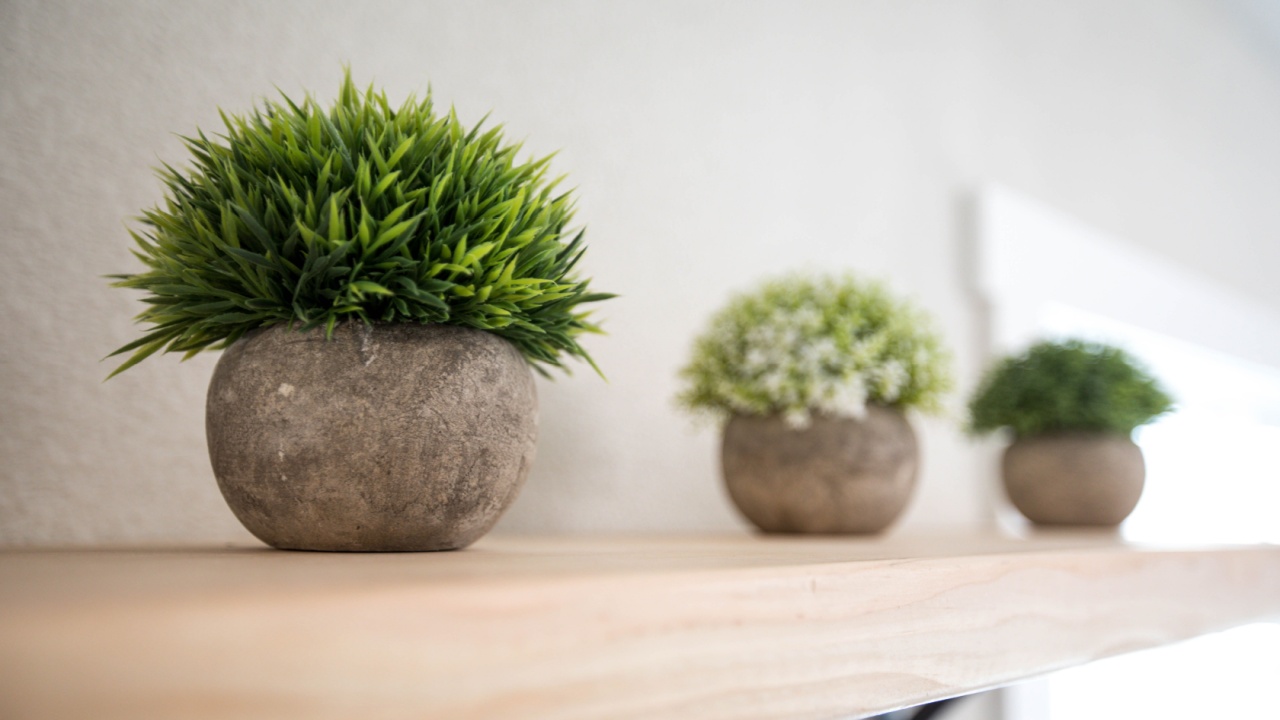
Adding greenery brightens up any room, but some clients ask for artificial plants to avoid watering and maintenance. Decorators actively discourage using plastic foliage because it instantly cheapens the overall design of the space. Fake leaves gather dust quickly, fade in sunlight, and lack the organic movement of living things. Even highly expensive artificial options ultimately fail to replicate the subtle beauty of real nature.
Incorporating low-maintenance living plants provides a much better solution for busy homeowners. Snake plants, pothos, and ZZ plants require very little water and thrive in various lighting conditions. If you absolutely cannot maintain living vegetation, decorators suggest using high-quality dried branches or natural pampas grass instead. These organic materials add beautiful texture and completely avoid the tacky appearance of plastic leaves.
11. Overly Themed Rooms
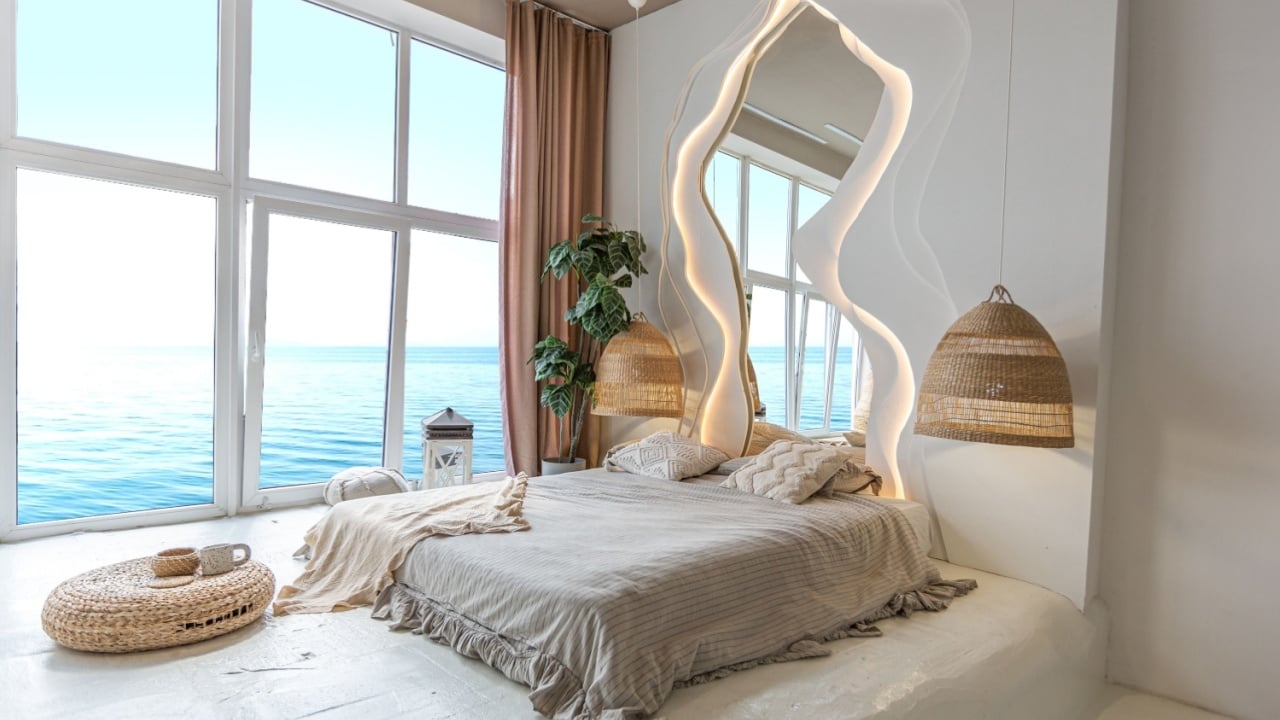
Some homeowners occasionally want an entire room dedicated strictly to a specific concept, like a coastal beach house or an alpine lodge. They request matching anchors, seashell lamps, and ocean-themed wall art to drive the point home. Decorators find this approach highly problematic because it feels entirely contrived. Heavy-handed themes lack sophistication and don’t age well as personal tastes evolve.
To avoid going overboard with themes, professionals create subtle nods to your favorite aesthetics without overwhelming the entire space. A coastal feeling is easily achieved through light blue textiles, natural woven materials, and soft linen fabrics. Avoiding literal interpretations allows the room to remain elegant and adaptable for future changes. Subtle inspiration always produces a much more refined environment than a literal translation of a specific theme.
12. Oversized Sectional Sofas

Massive, L or U-shaped sectional sofas dominate furniture showrooms and constantly catch the eyes of excited homeowners. Some clients ask decorators to fit these giant pieces into their living rooms to maximize seating for large families. Unfortunately, oversized sectionals completely swallow average-sized rooms and completely block natural traffic patterns.
A traditional sofa paired with two comfortable armchairs offers significantly better seating options for almost any room. This classic arrangement creates a conversational grouping while leaving plenty of negative space for easy movement. Decorators can easily rearrange separate pieces when you want to update the layout or host a large gathering. Choosing appropriately scaled furniture makes the entire room feel much larger and infinitely more inviting.
Design Done Right
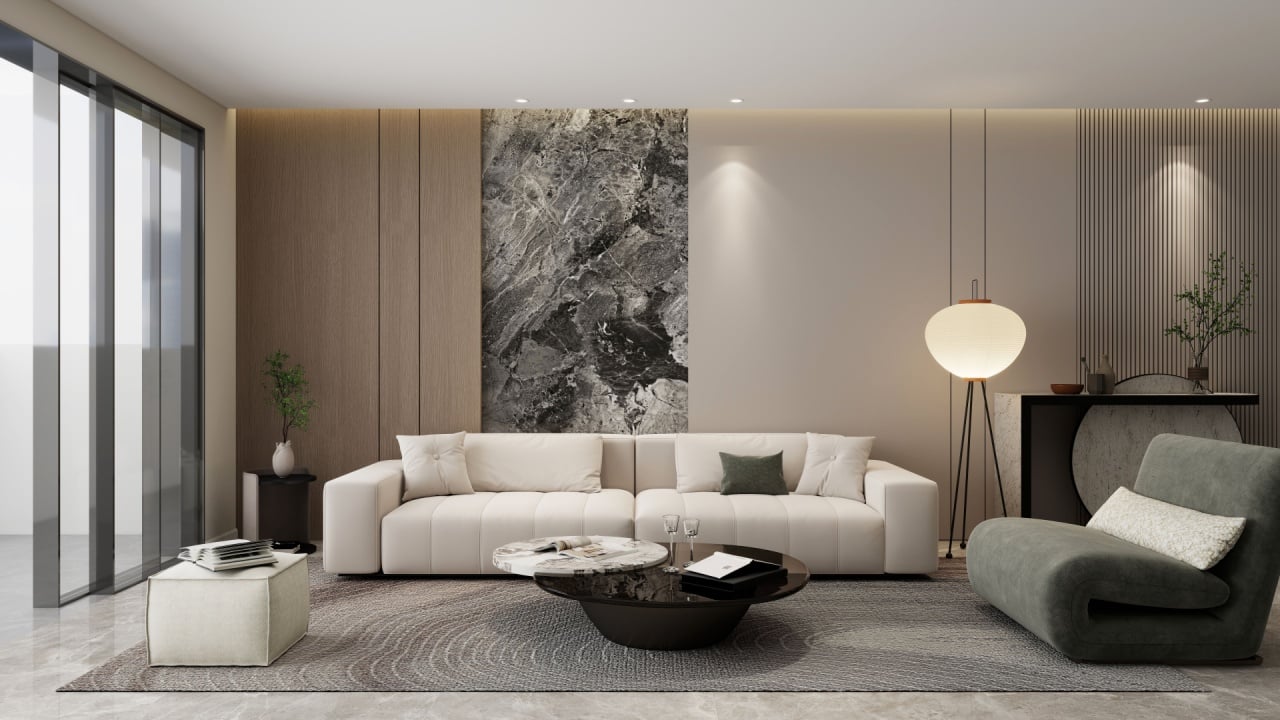
Understanding the reasoning behind these professional frustrations helps you make better choices for your own living spaces. When you prioritize timeless design principles over passing trends, you create rooms that remain beautiful and highly functional. Avoiding these common trends allows your hired talent to deliver their absolute best work for your home.
Focus on thoughtful curation, appropriate scale, and natural materials. It will lead to a superior interior environment. You will enjoy your home much more when the layout makes logical sense, and the decorations support daily life. Communicating clearly with your decorator while respecting their expertise guarantees a beautiful result you will love for years to come.
Read More:
Who Cares What Anyone Thinks: 6 Tips to Avoid Trends and Develop Personal Style