12 Best and Worst Cooking Oils for Your Heart Health
The sizzle of a pan is often the opening note to a great meal, but the liquid you pour into that pan does more than just cook your food, it sets the tempo for your heart. With heart disease remaining a leading cause of death globally, making informed choices is more critical than ever.
However, navigating the oil aisle can be overwhelming. Thankfully, cardiovascular research has made it easier to understand the difference between “good” fats (monounsaturated and polyunsaturated) and “bad” fats that can cause inflammation. The goal is to choose oils that help keep your blood flowing smoothly and prevent plaque buildup.
An oil’s smoke point is another crucial factor (to decide whether it’s better to use as a raw ingredient or in an actual heated process). Heating oil past this temperature can destroy nutrients and create harmful compounds. This guide aims to demystify the world of cooking oils, breaking down six top choices for promoting cardiovascular wellness and six options you’re better off leaving on the shelf.
The following sections provide a detailed look at the nutritional profiles, smoke points, and ideal cooking applications for each, empowering you to make heart-healthy decisions in the kitchen.
6 Best- 1. Extra Virgin Olive Oil
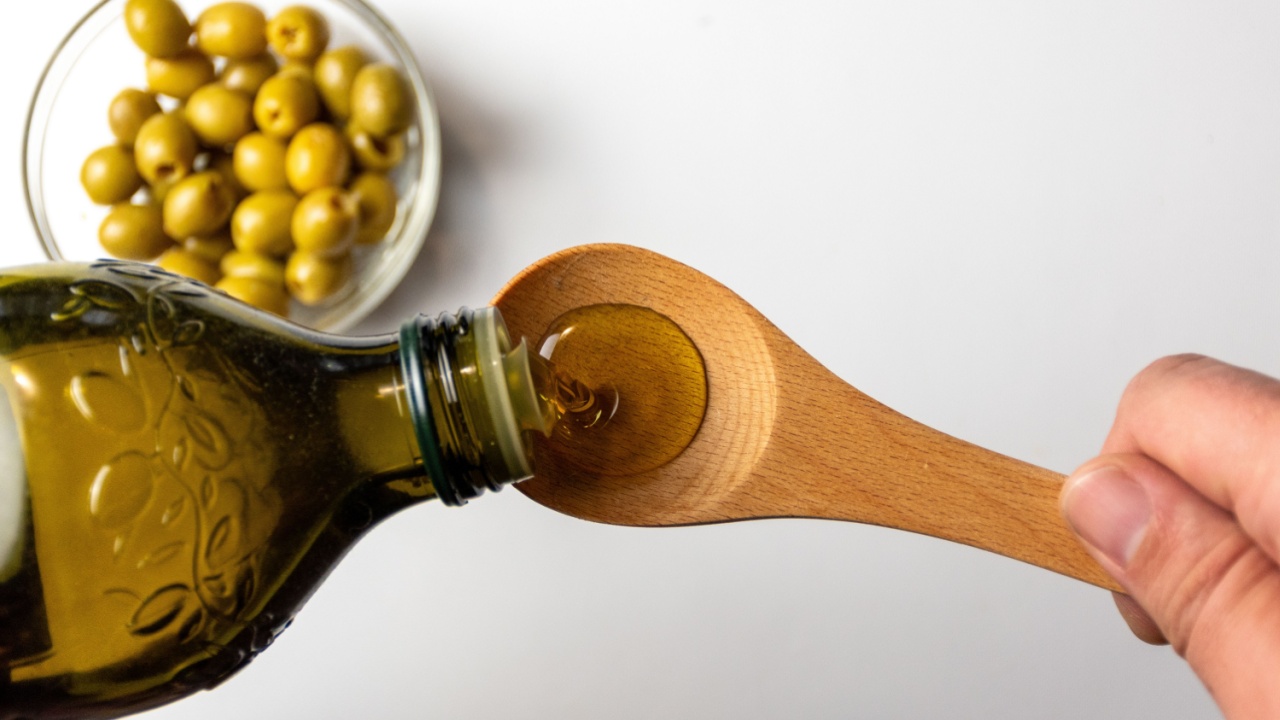
Why it’s a top choice: Extra virgin olive oil (EVOO) is a key part of the heart-healthy Mediterranean diet. It’s full of beneficial monounsaturated fats and powerful antioxidants called polyphenols.
Many studies show that regularly consuming EVOO can significantly improve heart health. It’s been shown to reduce inflammation and lower levels of “bad” LDL cholesterol, leading to better overall cholesterol profiles. A key reason for its heart-protective benefits is its ability to shield LDL particles from oxidative damage.
Best uses: Its rich, fruity flavor makes it ideal for salad dressings, drizzling over finished dishes, and low-to-medium-heat sautéing.
Pro-tip: Store bottles in a cool, dark pantry. Light and heat can degrade the delicate compounds and reduce their health benefits.
2. Avocado Oil
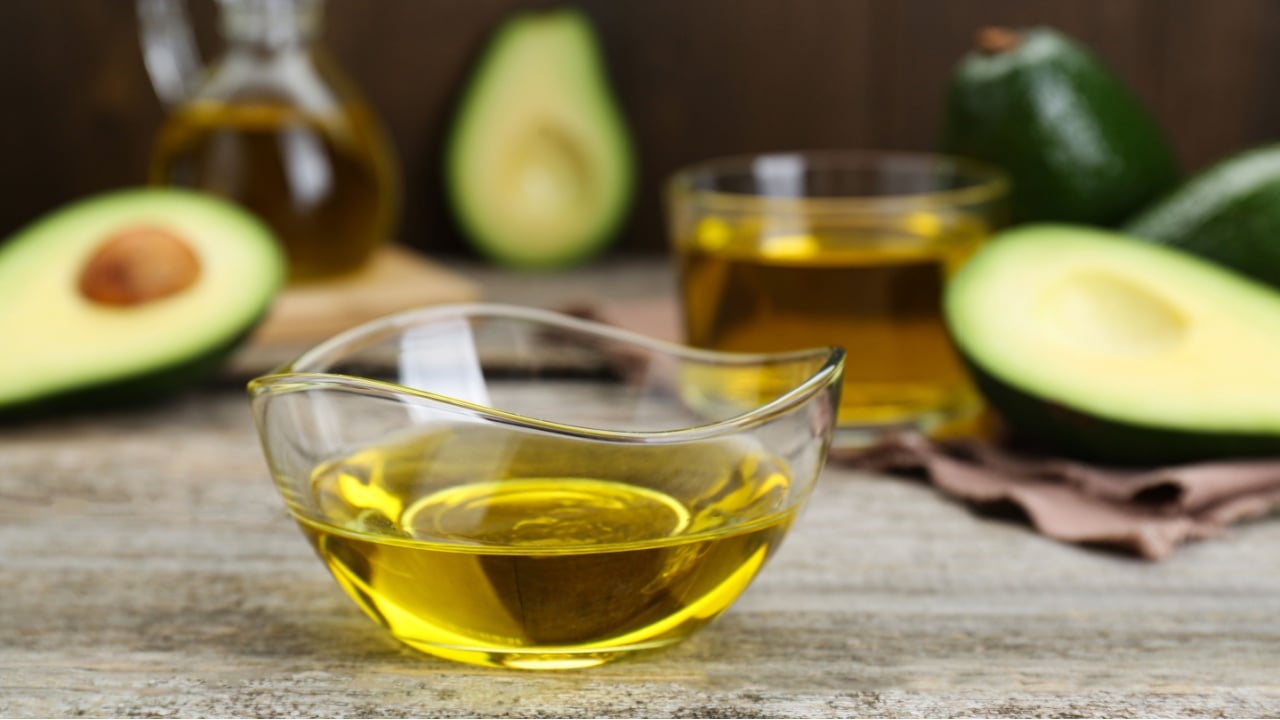
Why it’s a top choice: Boasting a high concentration of oleic acid, a heart-protective monounsaturated fat, avocado oil is a stellar performer for cardiovascular health. This composition is very similar to that of olive oil, but with a much higher smoke point.
Research indicates that the oleic acid in avocado oil supports healthy blood pressure levels and helps reduce systemic inflammation throughout the body, a key driver of chronic disease. It is also a good source of lutein, an antioxidant beneficial for eye health.
Best uses: With an impressively high smoke point of 520°F (271°C), it is ideal for high-heat cooking methods like searing, roasting, and stir-frying. Its neutral taste allows it to blend seamlessly into any recipe without overpowering other ingredients.
Pro-tip: Try substituting it for melted butter in baking to reduce your saturated fat intake while maintaining moisture.
3. Safflower Oil
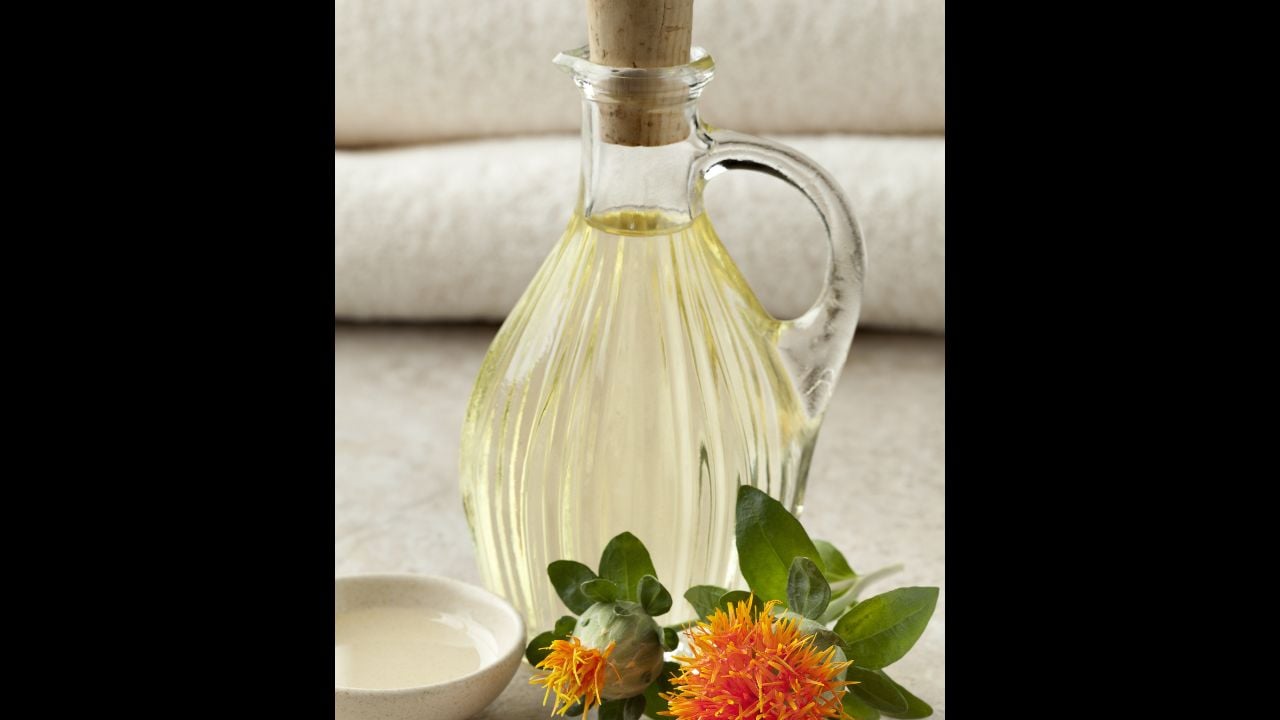
Why it’s a top choice: Particularly in its high-oleic form, safflower oil is rich in beneficial monounsaturated fats, similar to olive and avocado oils. The distinction “high-oleic” is crucial, as it signifies a higher percentage of stable, heart-healthy fats. Evidence shows that regular use of high-oleic safflower oil can help improve blood sugar control, reduce inflammation, and support healthy cholesterol levels, making it a valuable addition to a heart-conscious diet.
Best uses: Its neutral flavor and high heat tolerance make it a versatile choice for everything from stir-frying to deep searing without breaking down.
Pro-tip: Always check labels to select the “high-oleic” version. This variety contains more monounsaturated fats and fewer polyunsaturated omega-6 fats, offering maximum cardiovascular benefits.
4. Grapeseed Oil
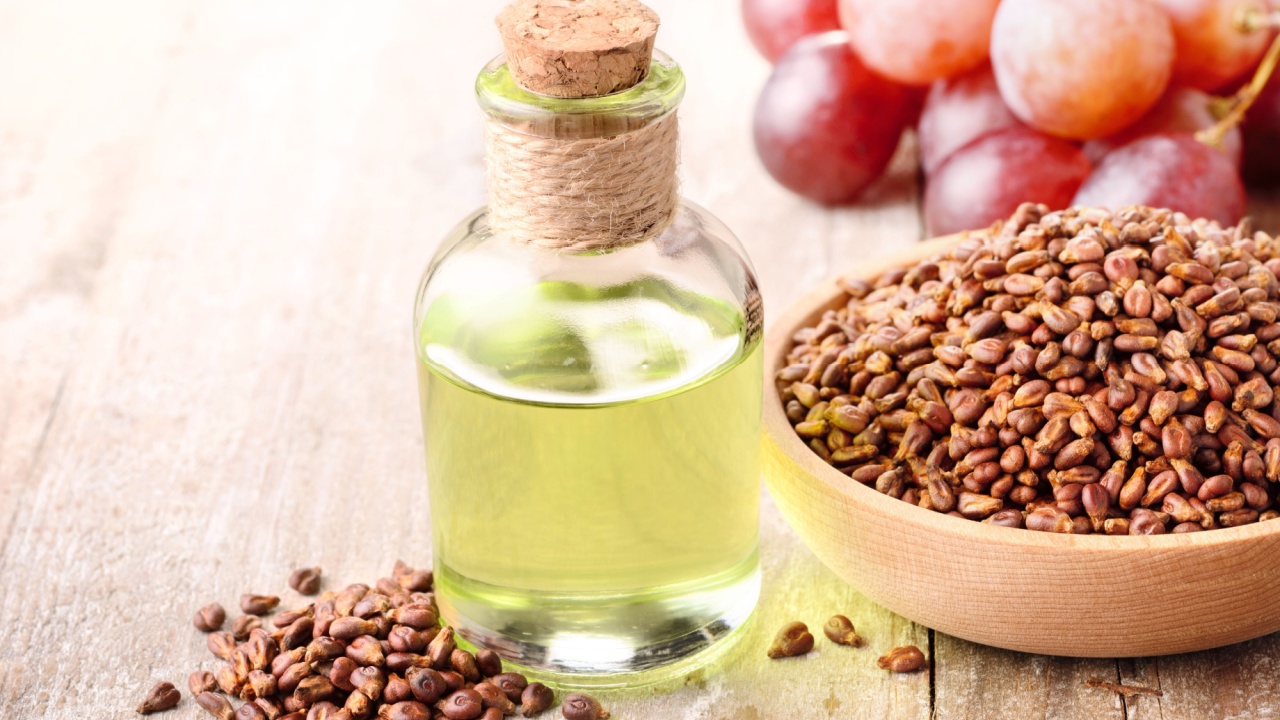
Why it’s a top choice: Grapeseed oil is a great source of omega-6 fatty acids and vitamin E. Vitamin E is a powerful antioxidant that helps protect your cells from damage caused by free radicals, which is good for your heart and overall health.
However, because it’s high in omega-6, it’s best to use it in balance with foods rich in omega-3s.
Best uses: It works well for general stovetop cooking and pan-frying proteins or vegetables. The light, clean flavor will not overpower more delicate ingredients.
Pro-tip: While beneficial, it’s important to consume grapeseed oil in moderation to maintain a healthy balance of omega-3 and omega-6 fats in your overall diet.
5. Sesame Oil
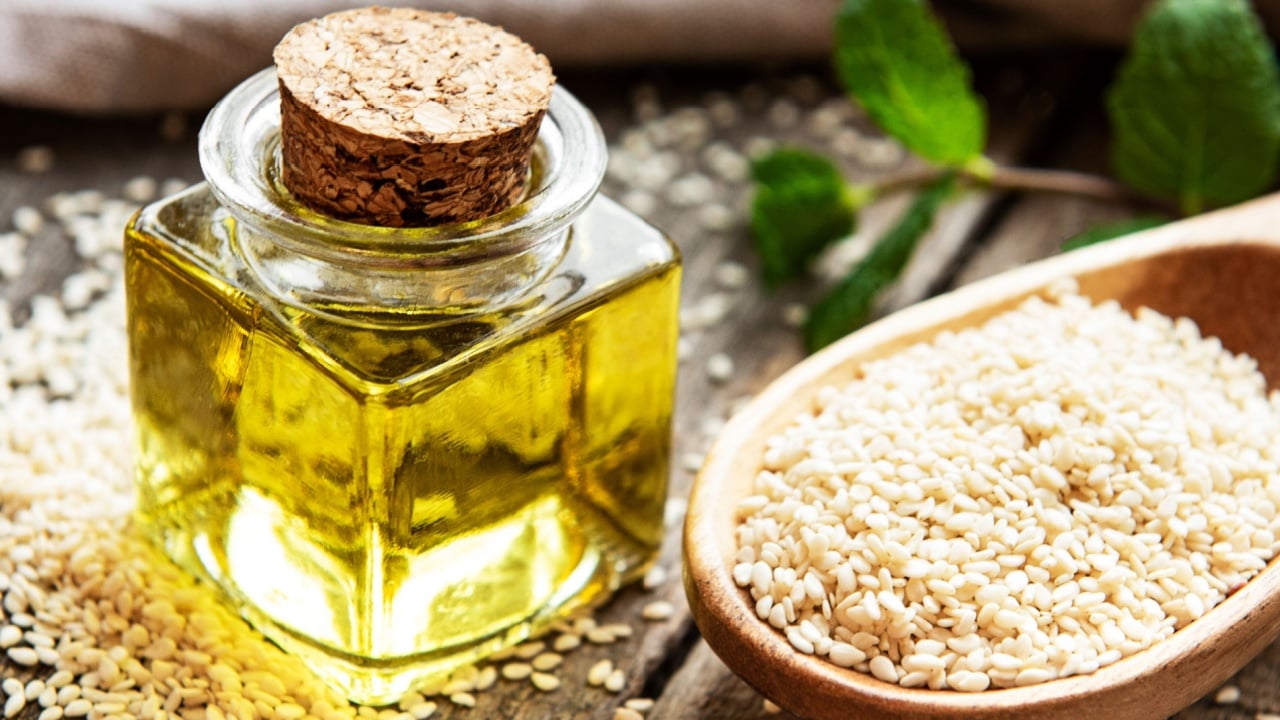
Why it’s a top choice: This oil is distinguished by its richness in unique antioxidants, sesamol and sesaminol, which are not found in high concentrations in other common cooking oils. These specific compounds have been studied for their strong ability to protect cardiovascular cells from oxidative stress.
What’s more, studies suggest they might help stop plaque from building up in your arteries, which is a major cause of atherosclerosis.
Best uses: Best used as a finishing oil or in low-heat applications to preserve its bold, nutty flavor. It’s a fantastic addition to marinades, dressings, and noodle dishes. Toasted sesame oil, in particular, has a very low smoke point.
Pro-tip: Store sesame oil in the refrigerator after opening to extend its shelf life and prevent it from going rancid.
6. Walnut Oil
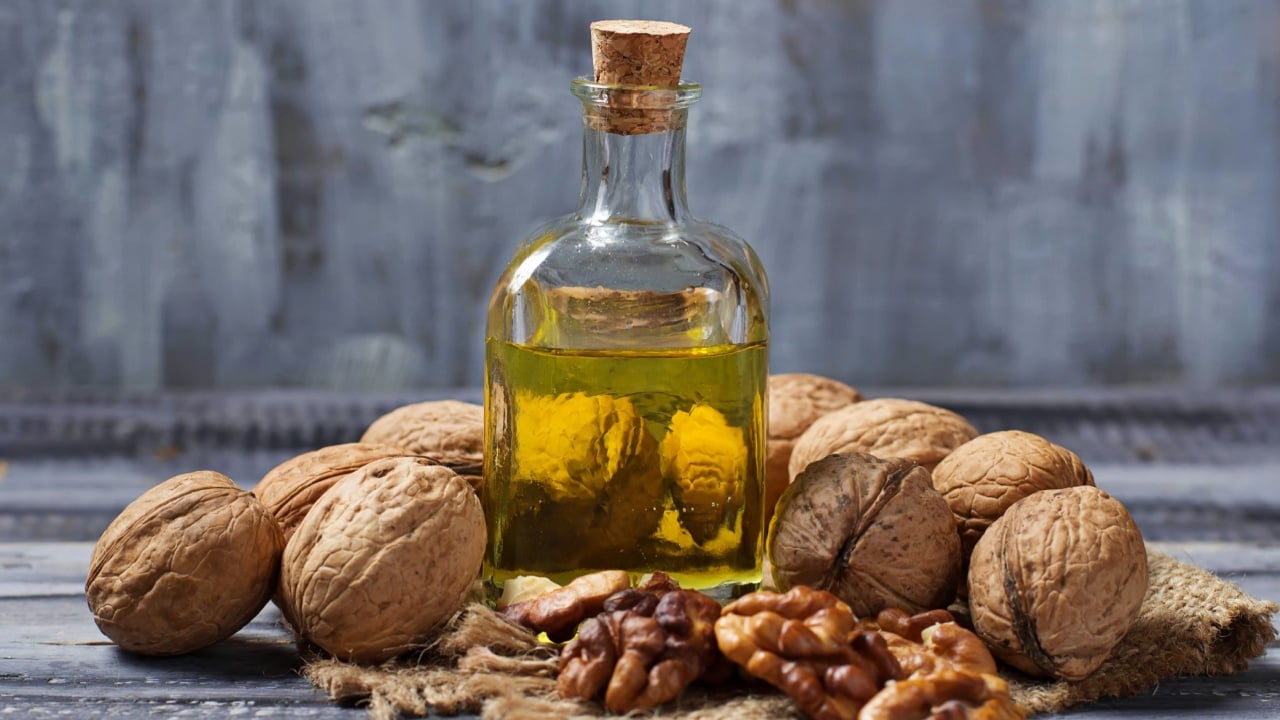
Why it’s a top choice: As one of the best plant-based sources of omega-3 fatty acids, walnut oil offers a concentrated dose of alpha-linolenic acid (ALA). The body converts ALA into longer-chain omega-3s like EPA and DHA, which are critical for heart and brain health. Studies consistently associate a higher intake of ALA with improved blood vessel function, reduced inflammation, and a significantly lower risk of heart disease.
Best uses: This delicate oil should not be heated. Its nutty flavor performs beautifully in cold preparations like vinaigrettes, dips, or drizzled over steamed vegetables. Heat will destroy its delicate fats and turn the flavor unpleasantly bitter.
Pro-tip: Purchase small bottles to ensure freshness and keep them chilled in the refrigerator.
6 Worst- 1. Palm Oil
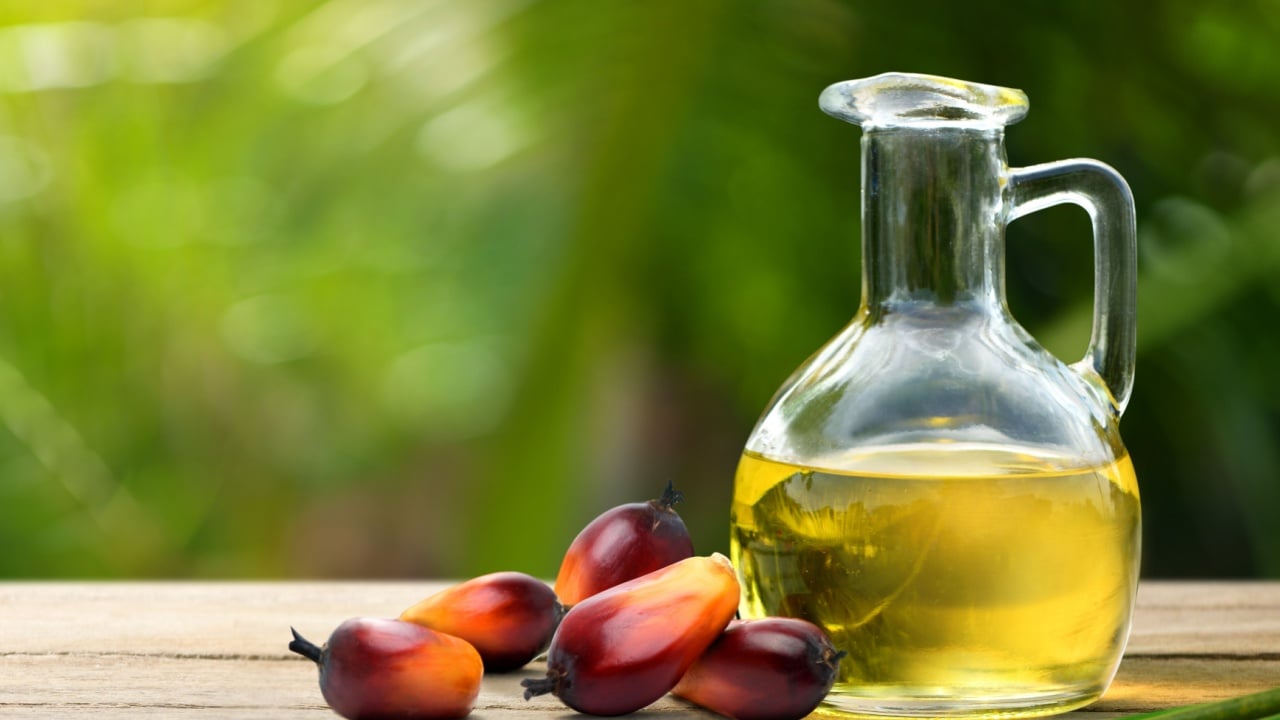
Why you should limit it: Palm oil’s composition is a major red flag for heart health, as it contains high amounts of saturated fat, particularly palmitic acid. Health experts consistently warn that heavy consumption of this type of fat can significantly raise LDL (“bad”) cholesterol levels.
Elevated LDL is a primary and well-established risk factor for atherosclerosis (the hardening and narrowing of arteries) and other serious cardiovascular issues.
Common uses: It provides a solid texture at room temperature, making it a frequent, often hidden, ingredient in processed snack foods, commercial baked goods, and some margarines.
How to avoid it: Read ingredient lists carefully on packaged groceries. Look for “palm oil,” “palm kernel oil,” or “palmitate.”
2. Vegetable Oil

Why you should limit it: The term “vegetable oil” is often a marketing cloak for a blend of inexpensive, highly refined oils like soy, corn, and canola. The aggressive industrial manufacturing process used to create these blends often involves high heat and chemical solvents, which can strip away natural nutrients, vitamins, and antioxidants.
This process can also create unhealthy byproducts and an unfavorable ratio of omega-6 to omega-3 fatty acids, promoting inflammation.
Common uses: Due to its low cost and neutral flavor, it’s widely used for deep-frying and in commercial food production.
Healthier swap: Replace this generic blend with a specific, minimally processed alternative like avocado or high-oleic safflower oil for high-heat cooking.
3. Coconut Oil
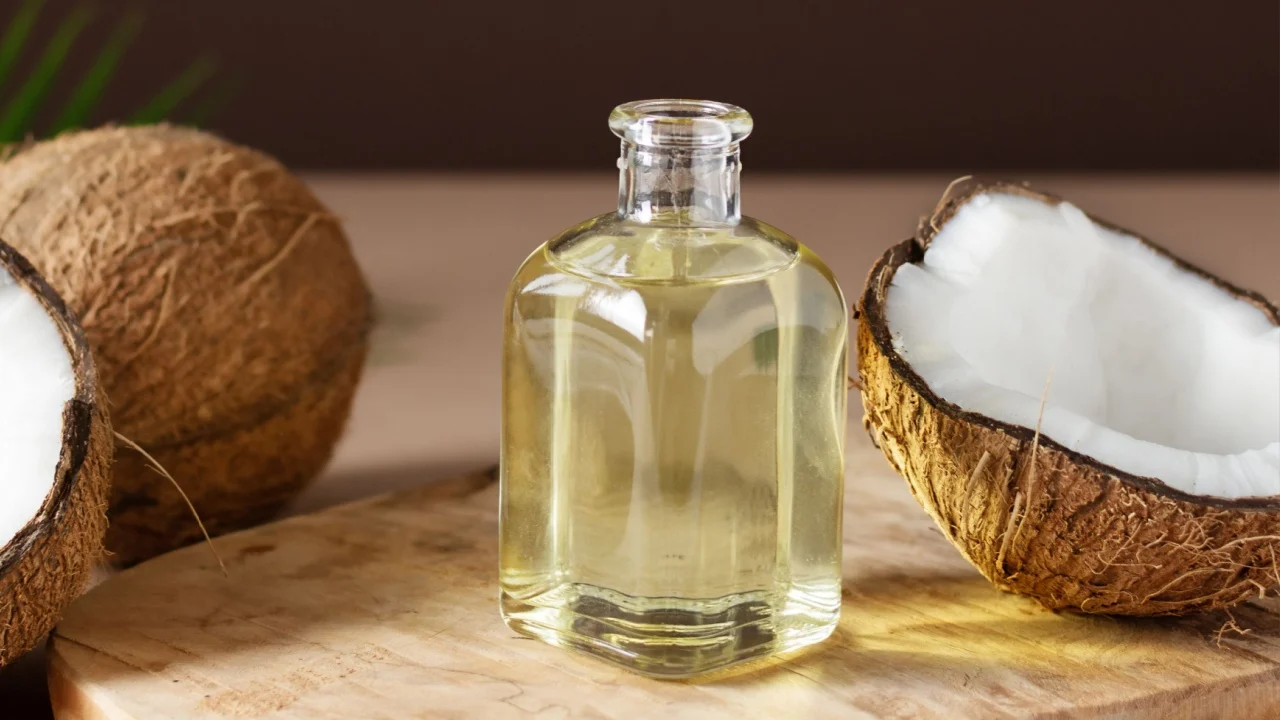
Why you should limit it: Composed of about 90% saturated fats, coconut oil has been a subject of much debate, but its impact on cholesterol is a key concern. Major health organizations, including the American Heart Association, recommend limiting its intake due to strong evidence that it can significantly raise LDL cholesterol levels.
While it also raises HDL (“good”) cholesterol, the pronounced increase in LDL is strongly linked to a higher risk of heart disease.
Common uses: Popular in vegan baking for its solid consistency and in tropical dishes for its sweet, distinct aroma.
Healthier approach: Treat it as an occasional indulgence for flavor, rather than making it your daily cooking staple.
4. Margarine

Why you should limit it: Margarine’s health reputation has been problematic for decades. It historically relied on partially hydrogenated oils, a process that created dangerous artificial trans fats. While most modern formulas have removed trans fats, many stick margarines still contain a blend of highly processed vegetable oils and palm oil.
This combination can contribute to systemic inflammation and an unfavorable rise in blood cholesterol levels.
Common uses: Often marketed as a direct substitute for butter in spreading and baking.
Healthier swap: Choose soft, tub-style margarines made from liquid vegetable oils (like olive oil) instead of stick forms for daily use, or simply use a small amount of real butter.
5. Shortening

Why you should limit it: Shortening was traditionally created through hydrogenation to solidify liquid fats, making it a primary source of artificial trans fats that severely damage blood vessels and increase heart disease risk.
Modern “trans-fat-free” versions have been reformulated but are still made of highly processed, solidified fats like palm or vegetable oils, which lack nutritional benefits and can still negatively impact cholesterol.
Common uses: Prized in baking for its ability to create flaky pie crusts and soft, tender cookies.
Healthier swap: Experiment with healthier fats like cold butter or even natural purees like applesauce in your baking recipes.
6. Butter
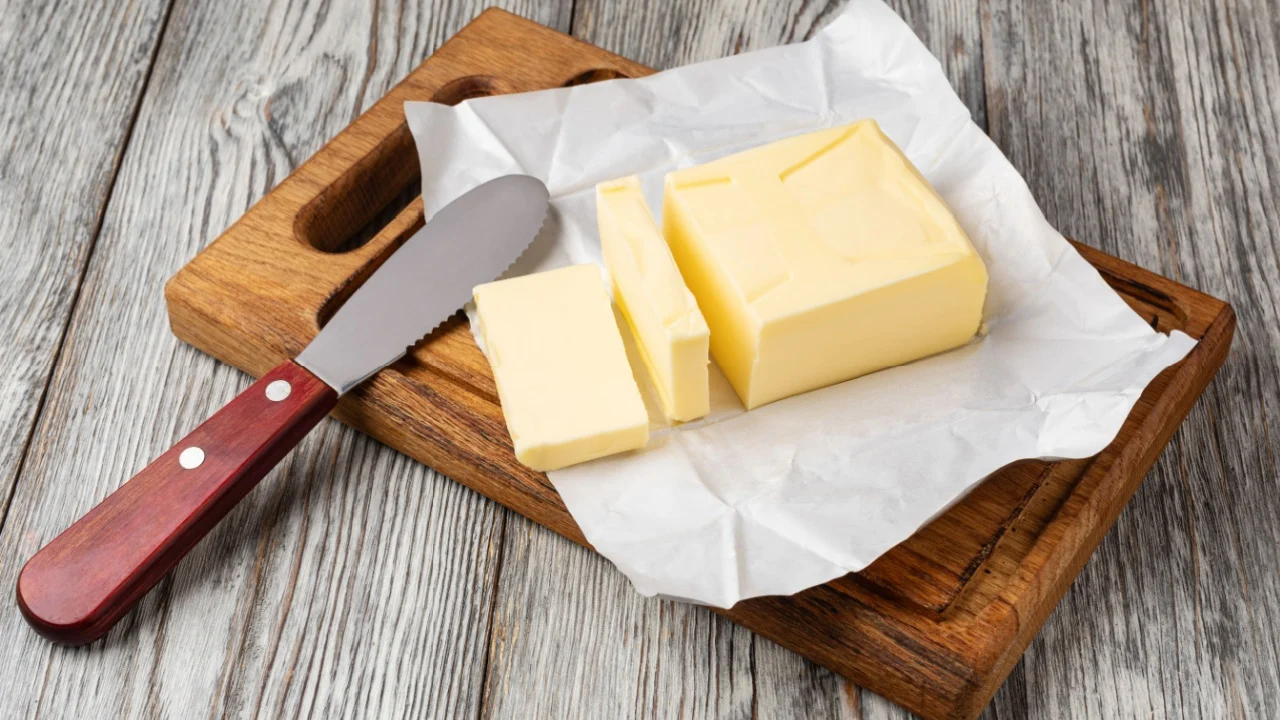
Why you should limit it: As a fat derived entirely from animal sources, butter carries a heavy saturated fat load that can be detrimental to cardiovascular health when consumed in excess. A diet high in saturated fat from sources like butter is directly and consistently linked to increased levels of LDL cholesterol in the bloodstream, which promotes plaque buildup in arteries and elevates the risk of heart attack and stroke.
Common uses: A staple in traditional cooking, baking, and as a table spread for its rich flavor and creamy texture.
Healthier swap: For your morning toast, try mashing an avocado to use as a nutrient-dense, fiber-rich spread. For cooking, use a small amount of olive oil.
Making Healthier Choices in the Kitchen

Making small, steady changes in your kitchen can lead to big heart health benefits down the road. Swapping out saturated, heavily processed fats for healthier, nutrient-rich options is a great way to protect your heart and improve your overall health.
Keeping a few of the “best” choices in your pantry makes healthy cooking easy and tasty. For personalized tips, chat with a cardiologist or registered dietitian to come up with a diet plan that works for you.
Read More:
6 Pantry Staples That’ll Boost Your Heart Health
The Best and Worst Oils to Use in the Air Fryer to Prevent Smoking