12 Tips for Getting Rid of Fire Ants and Keeping Them Gone
Stepping on a fire ant mound ruins a beautiful afternoon outside. These aggressive insects swarm quickly and deliver painful stings that leave itchy, burning welts on your skin. Having them in your yard turns a relaxing outdoor space into a hazard zone for kids, pets, and adults.
Eliminating an entire colony requires targeting the queen hiding deep below the surface. Worker ants constantly build massive underground networks that expand rapidly when left unchecked. Treating only the visible surface dirt rarely solves the underlying problem, as the queen can easily relocate her workers to build another mound nearby.
This guide covers exactly how to tackle these aggressive pests and reclaim your property. The first six strategies focus on eliminating active colonies currently living in your yard. The final six sections provide actionable advice on preventing their return so you can enjoy your outdoor space safely.
1. Apply Fire Ant Bait Across Your Entire Yard

Spreading fire ant bait granules across the entire lawn is a highly effective way to destroy hidden colonies. Foraging worker ants carry these poisonous granules deep into their tunnels to feed the queen. When the queen consumes the poison, she dies, and the entire colony collapses shortly afterward.
Broadcasting bait works much better than just targeting mounds because it reaches ants foraging far from their central nest. Apply the granules during dry conditions when temperatures hover in a moderate range. Reapplication might become necessary if heavy rain washes the granules away before the ants gather them.
2. Treat Individual Mounds With Insecticide
Treating specific mounds delivers a fast-acting blow to large, established nests that demand immediate attention. In particular, liquid mound drenches penetrate the soil deeply to reach the chambers where the queen resides. Pouring the mixture slowly directly over the top of the dirt pile prevents the colony from scattering and relocating.
Liquid treatments work exceptionally well for severe infestations situated near walkways or high-traffic areas. Avoid disturbing the mound prior to application, since agitating the dirt alerts the ants to danger. Carefully follow the product instructions to mix the correct water-to-insecticide ratio for maximum effectiveness.
3. Pour Boiling Water Over Visible Nests

Boiling water serves as a highly accessible and chemical-free method for destroying ant colonies in your yard. Heating a large pot of water to a rolling boil, then pouring it over a mound instantly collapses the tunnels. The extreme heat kills ants on contact and frequently reaches deep enough to eliminate the queen entirely.
Proceed with extreme caution when carrying and pouring heavy pots of scalding liquid outdoors. You should ideally use around three gallons of boiling water per mound to penetrate the soil completely. Keep in mind that boiling water kills surrounding grass and plants, making this approach best suited for driveways or bare dirt patches.
4. Use Diatomaceous Earth Around Activity Zones

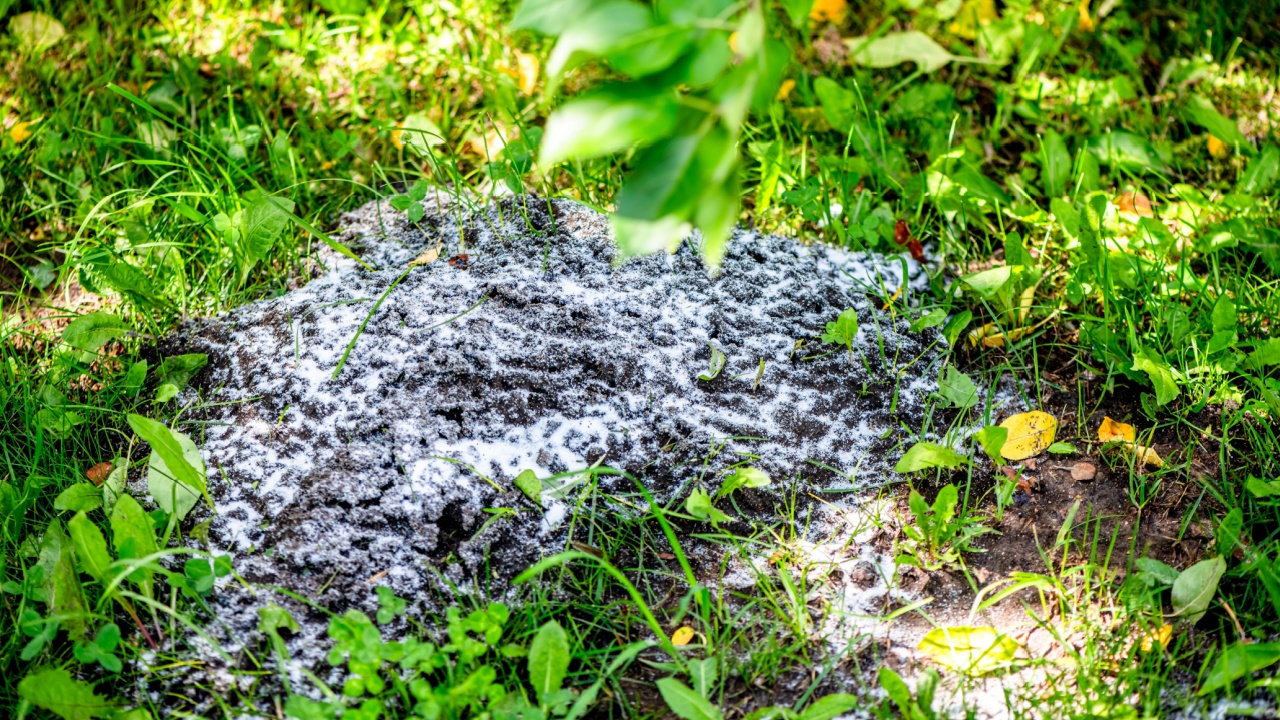
Diatomaceous earth consists of crushed fossilized algae that acts as a natural desiccant against hard-shelled insects. As ants walk across this fine white powder, the microscopic sharp edges cut through their exoskeletons. This process absorbs their natural oils and moisture, causing the insects to dehydrate and die within a few days.
Sprinkle food-grade diatomaceous earth heavily around the perimeter of active mounds and along known foraging trails. You must keep the powder completely dry for it to remain effective against the pests. Reapply the dust immediately following any rainfall or heavy morning dew to maintain a constant barrier.
5. Use Cinnamon and Peppermint Solutions

Strong scents like cinnamon and peppermint are very effective at disrupting the pheromone trails ants follow to find food and relocate their nests. Mix a few drops of peppermint essential oil with water, or sprinkle ground cinnamon directly around the base of mounds and along ant trails. Both ingredients repel ants naturally and can deter them from claiming new territory in your yard.
Apply cinnamon or peppermint solution directly to small mounds, ant trails, and high-activity zones. The strong scent creates an environment that the ants find difficult to navigate, making them more likely to abandon the area. Consistent application is important, as rain or irrigation will weaken the scent’s effect, so reapply after wet weather to keep the barrier strong.
How to Keep Fire Ants Gone for Good- 6. Target Colonies During Active Foraging Times
Applying treatments at the right time of day and season significantly affects your success in eliminating colonies. Fire ants actively forage for food during cooler morning hours and late evenings when the sun sits lower in the sky. Placing bait or spraying chemicals during these peak activity windows increases the risk of workers carrying the poison home.
Avoid treating mounds during the hottest parts of the afternoon when the insects retreat deep underground to escape the heat. You can test activity levels by placing a small piece of greasy food near a mound to see if workers emerge quickly. If the ants swarm the food within minutes, they are ready to gather the bait you spread.
7. Fix Outdoor Moisture Leaks and Puddles
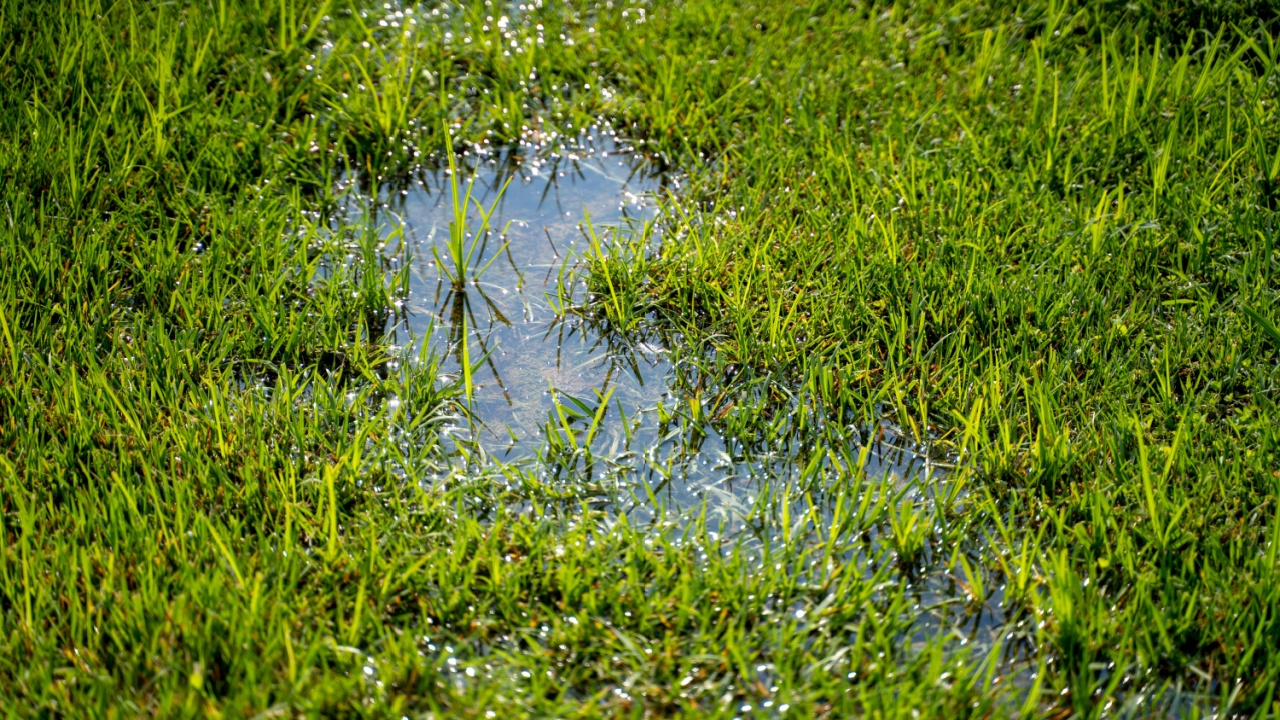
Fire ants require a constant water source to survive and actively seek out moist areas to establish new colonies. Leaky outdoor faucets, broken sprinkler heads, and poorly draining gutters create standing water that attracts these pests. Drying out your landscape makes your property significantly less attractive to passing queens looking for a new home.
Inspect your irrigation system regularly to identify and repair any broken pipes or dripping valves. Reroute your gutter downspouts to direct rainwater far away from your foundation and lawn. Filling in low spots in your yard prevents temporary puddles from forming after heavy storms.
8. Clear Yard Debris and Clutter Regularly

Piles of neglected materials in your yard provide perfect, protected environments for ants to build massive nests. Fallen branches, decaying leaf piles, and stacked firewood offer shelter from predators and extreme weather conditions. Removing these items takes away the safe hiding spots that queens prefer when starting a new colony.
Keep your lawn meticulously clean by raking up leaves and disposing of dead plant matter promptly. Store your firewood on an elevated rack far from your house and regular activity areas. Clear away old construction materials and empty flower pots that sit unused on the ground for long periods.
9. Keep Food Waste Sealed in Tight Containers

Foraging ants possess a powerful sense of smell and rapidly detect easily accessible food sources outdoors. Uncovered trash cans, dropped barbecue scraps, and fallen fruit from trees invite massive swarms to your property. Cutting off their food supply forces the colony to search elsewhere for its daily nutritional needs.
Wash out your outdoor garbage bins frequently with soapy water to remove lingering odors and sticky residue. Pick up any dropped fruit from your trees and clean your grill thoroughly after every single use. Keep pet food indoors, as a bowl of kibble left on the patio easily sustains a massive ant population.
10. Seal Cracks and Entry Points on Your Home

While fire ants typically prefer living outdoors, heavy rains and extreme heat frequently drive them inside structures looking for shelter. Tiny gaps in your foundation, poorly sealed windows, and gaps under doors give them easy access to your living areas. Blocking these entryways physically prevents the pests from invading your personal space during bad weather.
Walk around the exterior perimeter of your house with a caulking gun to fill any visible cracks in the siding or foundation. Install heavy-duty weatherstripping on all exterior doors to seal the gap between the door and the threshold. Check the areas where utility pipes enter your home and seal the surrounding spaces tightly.
11. Maintain a Healthy and Dense Lawn

Fire ants favor bare patches of dirt and thin, stressed grass when selecting a location to build their mounds. A thick, deeply rooted lawn makes it difficult for them to move soil and establish intricate tunnel systems. Growing healthy turf acts as a physical barrier that discourages new queens from settling in your yard.
Mow your grass at a taller height to encourage deep root growth and shade the soil beneath. Fertilize and aerate your lawn on a consistent schedule to promote vigorous, dense growth across the entire property. Overseed any bare spots quickly so ants do not have a chance to claim the empty territory.
12. Monitor the Yard Frequently for New Mounds

Experts recommend remaining vigilant as your best defense against future infestations once you successfully clear your property of active colonies. New queens regularly fly into clean yards from neighboring properties to establish brand-new nests. Catching these small mounds early prevents the colony from multiplying into thousands of aggressive workers.
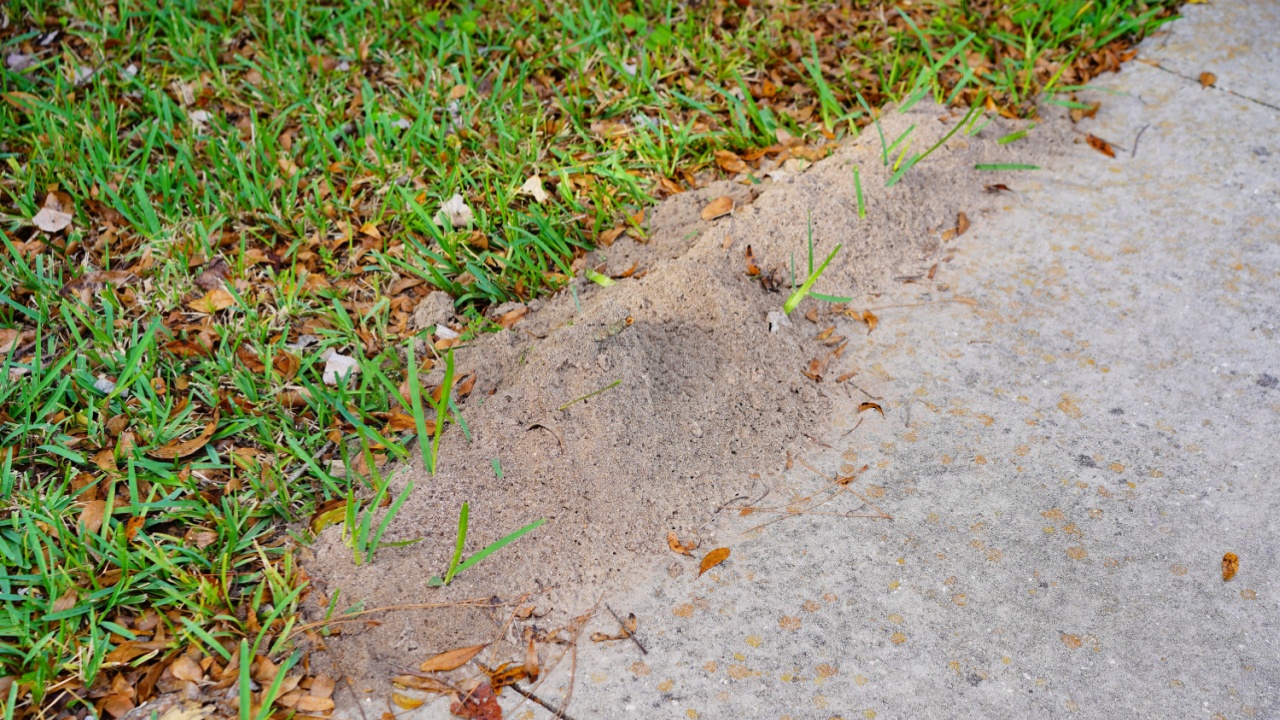
Walk your property once a week to inspect the ground carefully for tiny piles of loose dirt. Pay special attention to areas near sidewalks, driveway edges, and the base of large trees where they frequently build. Treat any new activity immediately with a targeted mound drench or bait before the colony has time to mature.
Winning the Fire Ant Battle for Good
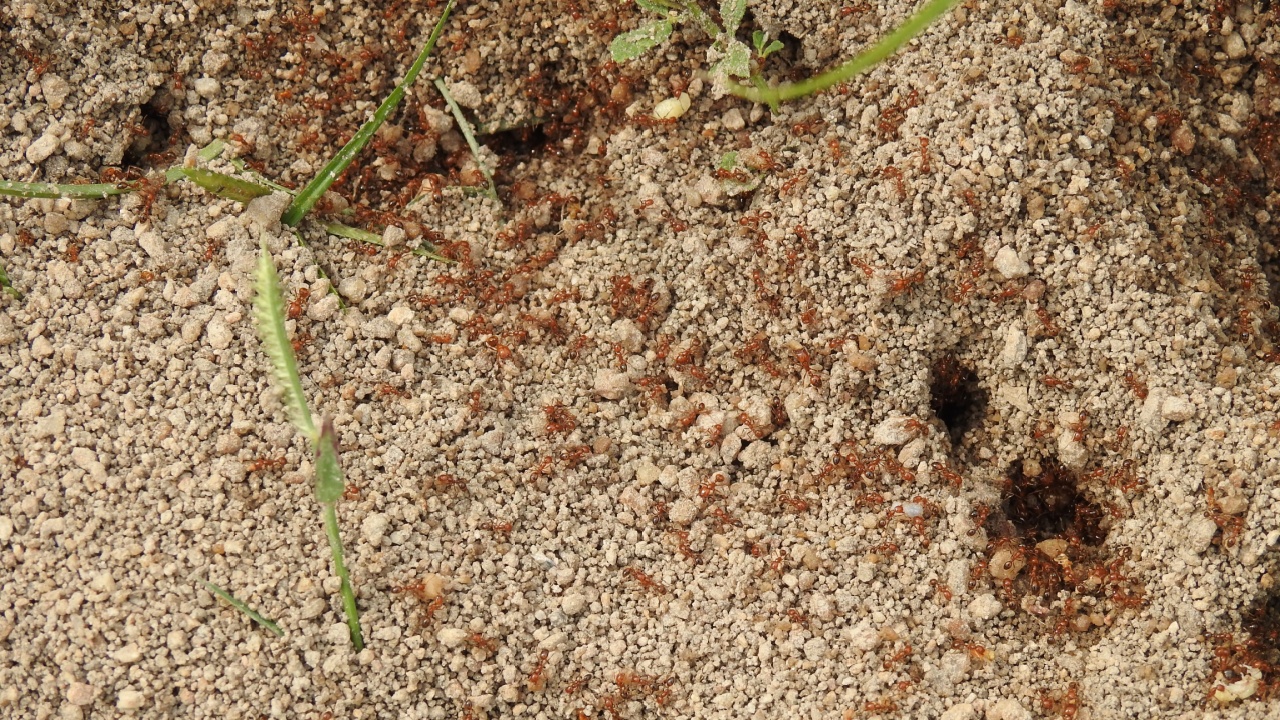
Reclaiming your yard from aggressive pests requires targeted treatments and a commitment to ongoing property maintenance. Eliminating the existing mounds protects your family from painful stings, while removing favorable conditions stops new colonies from moving in later. Taking a comprehensive approach guarantees your outdoor living spaces remain safe and enjoyable for everyone.
You possess all the knowledge needed to tackle this frustrating problem and secure your yard against future invasions. By implementing these strategies consistently, you can successfully defeat the current infestation and maintain a clean, pest-free landscape. Step outside with confidence knowing your property is finally secure and ready for safe outdoor activities.
Read More:
Pests By The Month: A Homeowner’s Guide To The Yearly Pest Calendar